Custom Wooden Music Box Mechanism Suppliers and Manufacturers
Source 18 verified suppliers for Custom Wooden Music Box Mechanism components. Compare key dimensions including location, lead time, MOQ, and pricing to identify suitable partners. Contact suppliers directly to request quotes and verify production capabilities; review the available evidence before requesting comparable quotations from suitable candidates.
Suppliers List
- Manufacturer, Trading Company
- shandong, China
- Lead time15 days
- Avg. response≤ 4h
Main productsScissors,Garden Tools,Kitchen Tools,Scales,Cable
Main marketsNorth America(30.00%), Northern Europe(10.00%), Western Europe(10.00%), Mid East(10.00%), Africa(10.00%), Southeast Asia(10.00%), Eastern Europe(10.00%), South America(10.00%)

Ningbo Shone Med-Tech Co., Ltd.
- Verified by SGS
- Trading Company,Manufacturer/Factory,Group Corporation
- China Zhejiang
- Lead time23 days
- Avg. response≤ 4h
Main productsWooden Games, Wooden Toys, Bingo Games, Wooden Sport Items, Wooden Box
Main marketsSouth America,Eastern Europe,Mid East,North America,Southeast Asia,Eastern Asia,Oceania,Western Europe,Africa
Caoxian Smart And Thrive Woodwork Co., Ltd.
- Verified by SGS Group
- Manufacturer, Trading Company
- Lead time40 days
- Avg. response≤ 4h
Main productsWooden Crafts, Wooden Homeware and Garden Product, Wooden Office Culture Product
Main marketsNorth America(50%), Eastern Asia(15%), Domestic Market(13%)

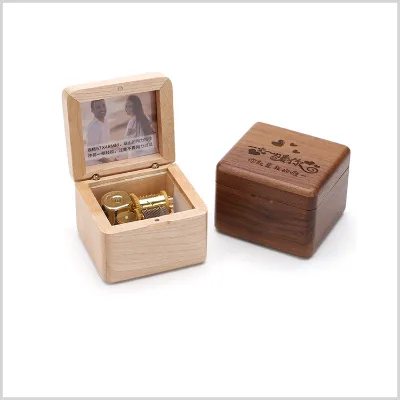
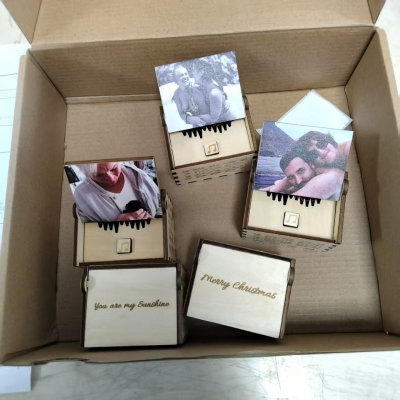
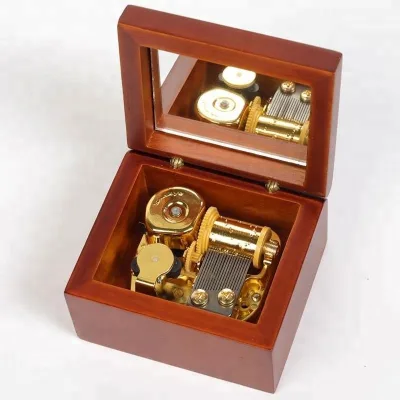
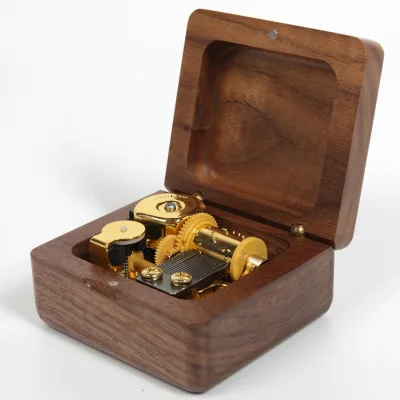
High Glass Automatic Gold Color Music Movement Wood Music Box with Photo Insert
$3.56 - $3.96
MOQ: 500 pieces
- Manufacturer
- Shandong, China
- Lead time30 days
- Avg. response≤ 4h
Main productsKitchen Items,Pet Supplies,Home Decoration,Garden Decoration,Pet Toy
Main marketsNorth America(52.00%), Western Europe(20.00%), Southern Europe(5.00%), Northern Europe(5.00%), South America(5.00%), Eastern Asia(3.00%), Eastern Europe(3.00%), South Asia(2.00%), Southeast Asia(2.00%), Mid East(2.00%), Africa(1.00%)
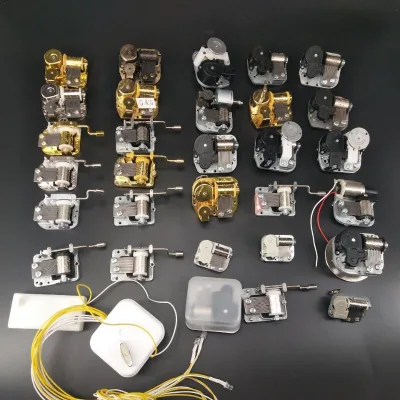
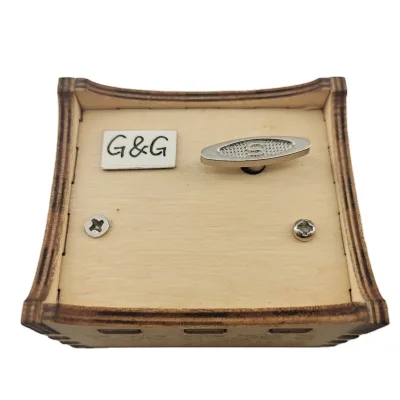
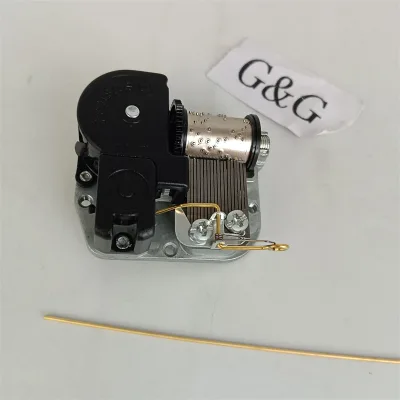
Wholesale Music Box Parts Custom Music Box Mechanism Music Box Personnalisé
$1.65 - $1.86
MOQ: 10 pieces
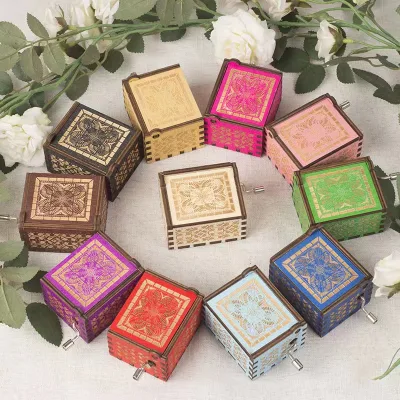
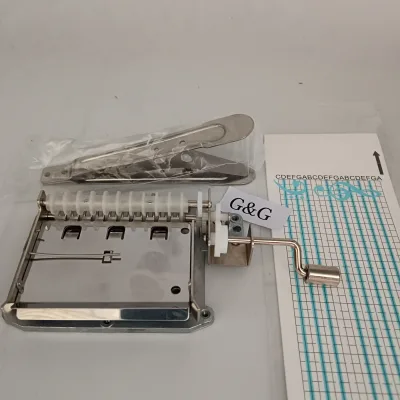
Wooden Custom Song Music Boxes Animated Music Box Mechanical Wholesale Music Boxes
$1.20 - $1.58
MOQ: 100 pieces
Shandong Best G And G Enterprise Co., Ltd.
- Trading Company
- Shandong, China
- Lead time0 days
- Avg. response≤ 3h
Main productsMusic Box,Kalimba,Pan Drum,Tongue Drum,Garden Tool
Main marketsCentral America(20.00%), South America(20.00%), North America(20.00%), Eastern Europe(10.00%), Northern Europe(10.00%), Southeast Asia(10.00%), South Asia(5.00%), Mid East(5.00%)
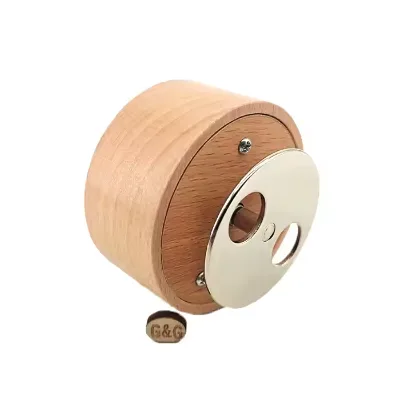
Wooden Music Box Bottom Parts Wood Product Home Decor Wooden Music Box Base
$3.16 - $3.46
MOQ: 10 pieces
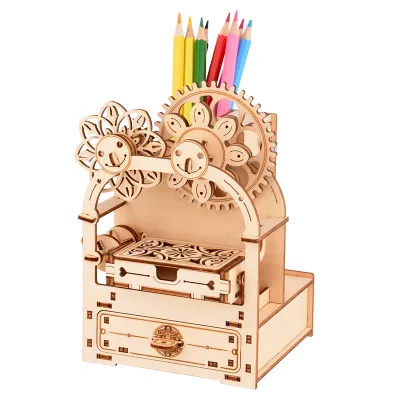
$5.68 - $5.94
MOQ: 100 pieces
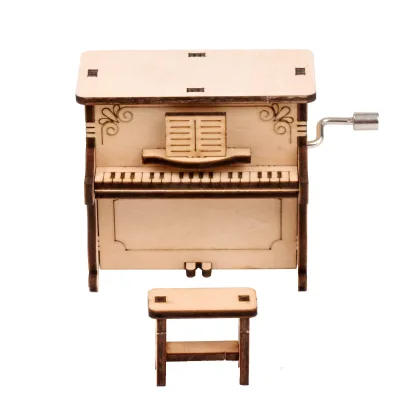
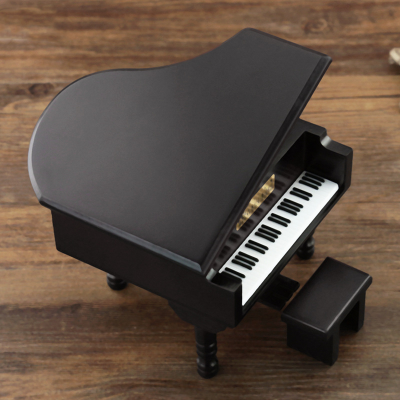
Wooden Piano Hand Crank Music Box 3D Three-Dimensional Wooden Piano Model Puzzle
$1.32 - $1.38
MOQ: 100 pieces
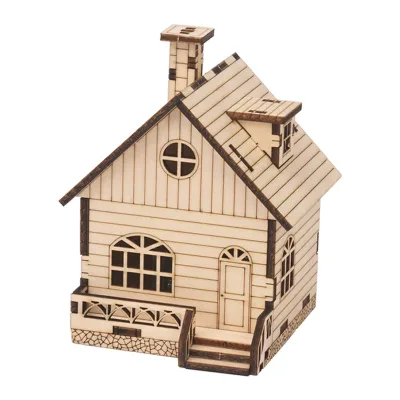
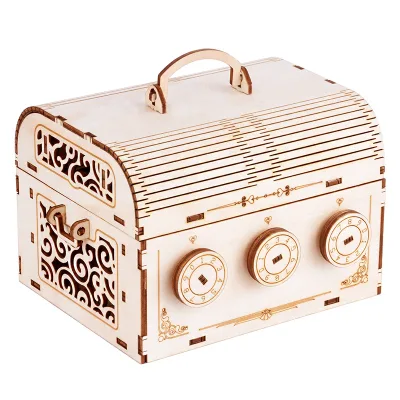
Creative Wooden Password Box 3D Puzzle Music Box Wooden Home Personalized Ornament
$4.95 - $5.15
MOQ: 100 pieces
Dongguan City Qiaojiangwu Gift Co., Ltd.
- Manufacturer, Trading Company
- Guangdong, China
- Lead time0 days
- Avg. response≤ 16h
Main productsmusic box,gifts & crafts,Jewelry box,home decorations,toy
Main marketsDomestic Market(70.00%), North America(4.00%), Eastern Europe(3.00%), Southeast Asia(3.00%), Eastern Asia(3.00%), Western Europe(3.00%), Central America(3.00%), Northern Europe(3.00%), Southern Europe(3.00%), South Asia(3.00%), South America(1.00%), Mid East(1.00%)

Ningbo Yunsheng Musical Movement Manufacturing Co., Ltd
- Verified by BV
- Combined
- China Zhejiang
- Lead time15 days
- Avg. response≤ 8h
Main productsMusic Box, Musical Movements, Baby Mobile, Glass Music Box, Clock Movement, Wooden Musical Gifts
Main marketsSouth America,Africa,Southeast Asia/ Mideast,East Asia(Japan/ South Korea),Europe,Australia,North America
- Trading Company
- Lead time旺季: "1 - 3000":20,"3001 - 10000":30,"> 10000":"To be negotiated", 淡季: "1 - 3000":20,"3001 - 10000":30,"> 10000":"To be negotiated"
- Avg. response≤ 3h
Main productsEducational Toys; Montessori Teaching AIDS; Household Items; Kids Furniture; Stationery
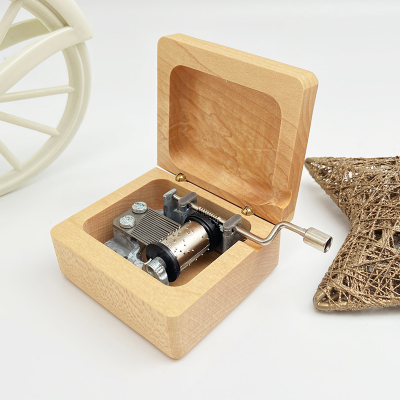

High Quality Wooden Customized Music Box Factory Wholesale Wooden Music Box
$11.29 - $12.83
MOQ: 32 pieces
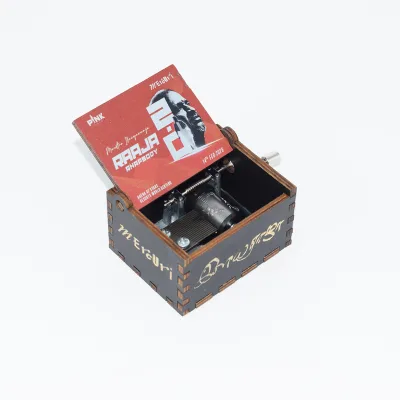

- Manufacturer/Factory
- China Fujian
- Lead time45 days
- Avg. response≤ 11h
Main productsBamboo Chopping Board, Bamboo Box, Bamboo Tray, Bamboo Bottle, Bamboo Products, Bamboo Cutlery, Bamboo Plywood, Bamboo Furniture, Bamboo Plate, Bamboo Broom
Main marketsSouth America,Eastern Europe,Mid East,North America,Southeast Asia,Oceania,Western Europe,Africa
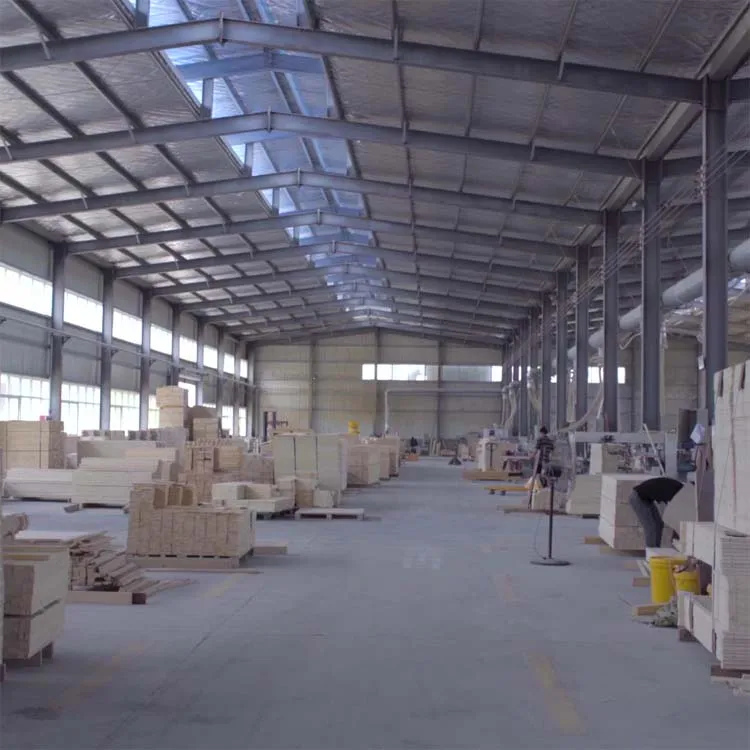
Cao County Mingrui Crafts Factory
- Manufacturer, Trading Company
- Shandong, China
- Lead time0 days
- Avg. response≤ 4h
Main productsWooden bird house,Wooden packing box,Wooden scraping board,Wooden pendant,Wooden base
Main marketsNorth America(30.00%), Western Europe(20.00%), Domestic Market(18.00%), South America(10.00%), Oceania(8.00%), Africa(5.00%), Northern Europe(5.00%), Southeast Asia(2.00%), Eastern Asia(2.00%)

- Verified by TUVRHEINLAND
- Manufacturer/Factory
- China Zhejiang
- Lead time45 days
- Avg. response≤ 3h
Main productsIce Bucket, Toys, Kitchen Products, Hip Flask, Shaker, Bar Caddy, Menu Board, Bottle Opener, Barwares, Wine Glasses
Main marketsSouth America,Eastern Europe,Mid East,North America,Southeast Asia,Eastern Asia,Oceania,Western Europe,Africa

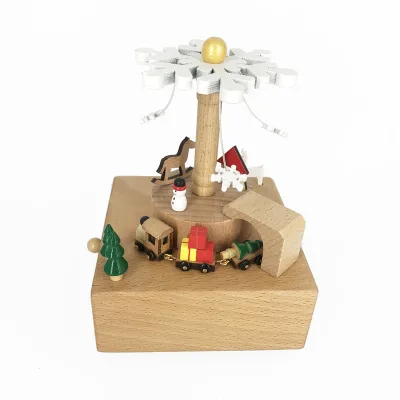
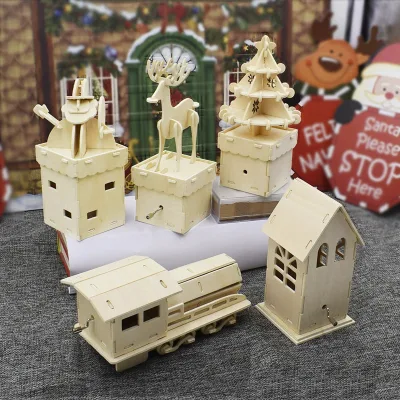
Christmas Accessories Wooden Rotating Music Box Creative Christmas Gift Ornaments
$6.10 - $45.80
MOQ: 1000 Pieces


- Trading Company
- Hong Kong S.A.R.
- Lead time30 days
- Avg. response≤ 1h
Main productsMusical Instrument Production,Trade in musical instruments,import and export trade,Integrated services,Product Sales
Main marketsDomestic Market(30.00%), South America(20.00%), North America(15.00%), Eastern Europe(10.00%), Southeast Asia(10.00%), Oceania(3.00%)

WENZHOU TIMES ARTS&CRAFTS CO., LTD.
- Verified by SGS
- Manufacturer/Factory
- China Zhejiang
- Lead time23 days
- Avg. response≤ 5h
Main productsToys, Montessori Toys, Wooden Toy, Educational Toy, Role Play Toys, Children Furniture, Puzzle, Kid Bike, Musical Toy, Wooden Blocks
Main marketsSouth America,Eastern Europe,Mid East,North America,Southeast Asia,Eastern Asia,Oceania,Western Europe,Africa

$0.85 - $5.00
MOQ: 2000 Pieces


Wooden Music Instrument Carousel Music Box for Gifts and Home Decoration W07b028
$3.00 - $13.00
MOQ: 1000 Pieces
Dongguan Happy Souvenirs Limited
- Verified by TüVRheinland
- Manufacturer, Trading Company
- Lead time30 days
- Avg. response≤ 5h
Main productsSnow Globe, Fridge Magnet, Figurine, Music Box
Main marketsEastern Asia(50%), Southern Europe(20%), Domestic Market(20%)
Caoxian Huashen Arts & Crafts Co., Ltd.
- Manufacturer, Trading Company
- Shandong, China
- Lead time25 days
- Avg. response≤ 2h
Main productsWooden box wine box,wooden pet product,wooden shelf,wooden garden plant box,Wooden toy
Main marketsNorth America(60.00%), Domestic Market(20.00%), Oceania(5.00%), Eastern Europe(3.00%), South America(3.00%), Southeast Asia(2.00%), Western Europe(2.00%), Eastern Asia(1.00%), Southern Europe(1.00%), Northern Europe(1.00%), Central America(1.00%), Mid East(1.00%)
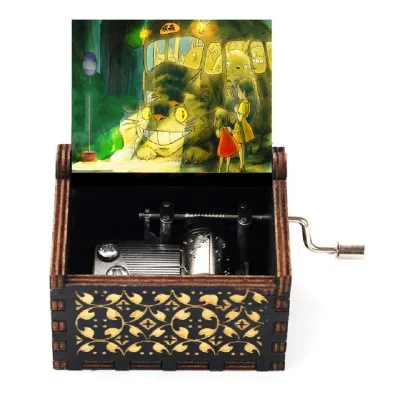
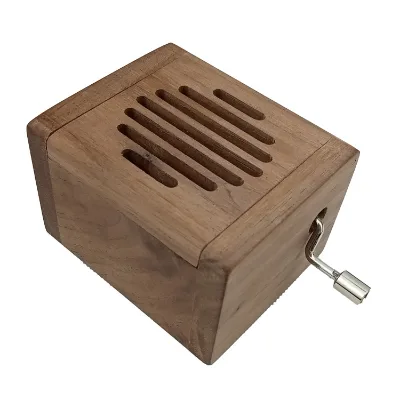
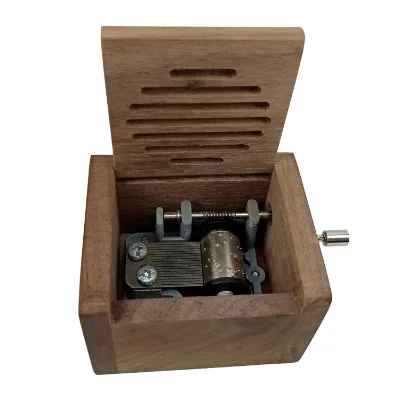
New Creative Wooden Hand-cranked Music Box, Chinchilla Music Box, Movement Box.
$3.10 - $3.50
MOQ: 2 pieces
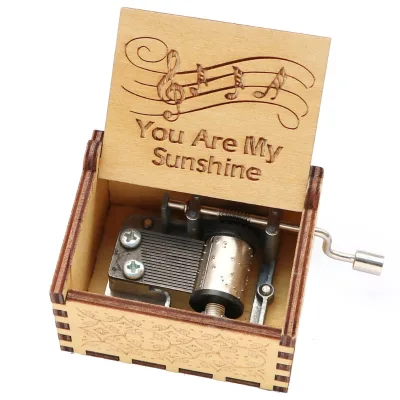
Wooden Hand-cranked Music Box Manufacturer Rotating Assembly Toy Figure Christmas Gift
$2.30 - $2.60
MOQ: 2 pieces

NINGBO XUANHENG OUTDOOR & HOME APPLIANCES CO., LTD.
- Trading Company,Manufacturer/Factory
- China Zhejiang
- Lead time45 days
- Avg. response≤ 2h
Main productsWooden Beach Chair, Beach Umbrella, Sling Chair, Wooden Beer Table, Bamboo Home Products, Bamboo Shelf, Canvas Bag, Outdoor Beach Furniture, Art Accessories, Wooden Box
Main marketsSouth America,Eastern Europe,Mid East,North America,Southeast Asia,Eastern Asia,Oceania,Western Europe,Africa


2017 Popular High Quality Wooden Engraved Hand Crank Music Box for Antique Gifts
$1.80 - $2.00
MOQ: 500 Pieces


Luxury High-Quality Wooden Gift and Music Box with Personalization Options
$1.00 - $1.99
MOQ: 500 Pieces


DONGGUAN ZHIHE WOOD PACKAGING LIMITED
- Verified by SGS
- Combined
- China Guangdong
- Lead time60 days
- Avg. response≤ 7h
Main productsWooden Box, Wine Box, Jewelry Box, Pet House, Hotel Furniture, Smart Pet Furniture, Watch Box, Pet Urn, Precious Metals Display Box, The Wooden
Main marketsSouth America,Africa,Southeast Asia/ Mideast,East Asia(Japan/ South Korea),Domestic,Europe,Australia,North America

$10.63 - $12.20
MOQ: 300 Pieces


- Verified by TUVRHEINLAND
- Manufacturer/Factory
- China Jiangsu
- Lead time0 days
- Avg. response≤ 3h
Main productsMusical Instruments, Violin, Viola, Cello, Guitar, Violin Case, Guitar Case, Stringed Accessories, Wind Instrument, Percussion
Main marketsSouth America,Eastern Europe,Mid East,North America,Southeast Asia,Eastern Asia,Oceania,Western Europe,Africa


Color Foldaway Wooden Music Sheet Stand (MS302)
MOQ: 50 Pieces

Foldaway Wooden Antique Music Sheet Stand (MS303)
MOQ: 50 Pieces

Foldaway Wooden Music Sheet Stand (MS301)
MOQ: 2 Pieces






Comprehensive Sourcing Guide
Custom Wooden Music Box Mechanism Supplier Concentration and Factory Types
Buyers searching for custom wooden music box mechanisms will notice that many listed suppliers are based in Shandong, China, which appears repeatedly as the place of origin for both finished wooden music boxes and the movements that power them. This concentration matters because a regional cluster typically offers access to component vendors, finishing workshops, and assembly labor within a short radius, which can shorten sampling cycles and simplify in-person audits. However, location data on a listing page reflects where a company says it operates, not necessarily where the mechanism is stamped or tuned. Buyers should treat cluster membership as a starting hypothesis and confirm the actual production address through a business license, a video walkthrough of the workshop, or a third-party inspection before committing to tooling or custom song programming.
The category contains two distinct company types that behave very differently in negotiations. Manufacturers typically control the movement production line and can adjust comb teeth, cylinder pins, or spring tension to match a requested tune, while trading companies package multiple workshops and may offer wider song libraries but less direct control over acoustic quality. Some listings combine both labels, which is common for suppliers whose main products span scissors, garden tools, kitchen tools, scales, and cable alongside musical items; that breadth signals a diversified workshop rather than a dedicated music movement specialist. When a supplier's catalog is that broad, ask specifically which production steps occur in-house and which are subcontracted, because tuning consistency depends heavily on who performs the final assembly.
How to Verify Custom Wooden Music Box Mechanism Suppliers
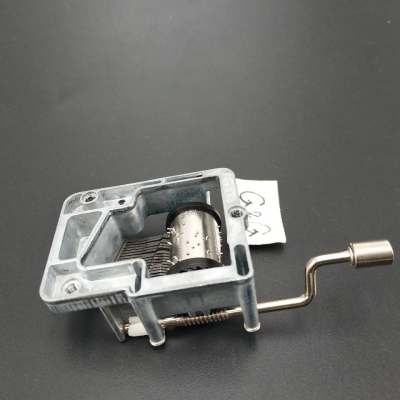
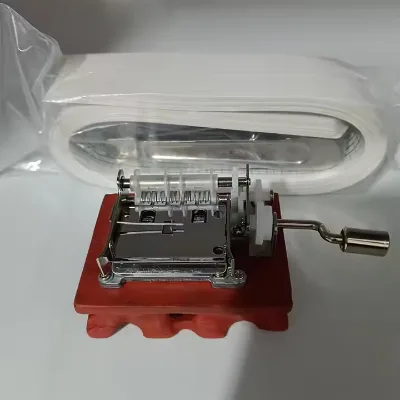
Verification should begin with the supplier type declaration and the product evidence visible on the listing. A genuine mechanism maker can usually show movement-specific details: the note count of the movement, the sound duration options such as thirty-second, sixty-second, ninety-second, or one-hundred-twenty-second tunes, the play power type such as hand cranked or clockwork, and the material used for the comb and cylinder, which is commonly metal. If a listing omits these attributes or describes only the finished wooden box without any movement specification, the company may be reselling assembled units rather than manufacturing mechanisms. Request a sample of the movement alone, wound and unwound, and listen for note clarity, spring noise, and whether the claimed duration is actually achieved at a normal winding.
Second, verify operational claims that affect risk. Ask for the registered company name and cross-check the establishment year, so you know whether you are dealing with a young company or an established one. Confirm the response time the platform displays and test it yourself with a technical question about custom song programming, because a supplier that answers generic questions quickly but goes quiet on tuning specifications is telling you where its competence lies. For wood-based products, ask whether the origin of the timber can be documented if your market requires it. Finally, request references from other buyers in musical gift categories, and where possible commission an inspection report covering the movement assembly area specifically, not just the finished-box packaging floor.
What to Compare Across Custom Wooden Music Box Mechanism Suppliers
Build a comparison table with the attributes that actually vary between listings. Start with the movement itself: play power (hand cranked versus clockwork), sound duration, note count where stated, and material of the mechanism, which is frequently metal. Then compare commercial dimensions shown on supplier profiles: minimum order quantity, unit price ranges, lead time, and response time. In the observed results, MOQs for finished wooden music boxes are typically quoted per piece or per song at low counts, while bare mechanisms are often quoted per song at somewhat higher counts, and unit prices for movements sit far below finished box prices. Lead times around fifteen days and response times around four hours appear in some profiles, but not every supplier displays every attribute, so record blanks as unknowns rather than assuming the average.
Beyond the visible fields, compare depth of customization. Some suppliers list music as "Customized," offer custom logos, and show a long catalogue of known tunes spanning film and television themes; others restrict you to a fixed song list. Ask each candidate the same three questions: whether they can program a melody you supply, what the setup cost and timeline are, and whether a custom cylinder can be retooled later. Also compare packaging details, since some listings specify paper box packaging and single gross weights, which directly affect your landed freight calculation. Rank suppliers on tuning quality first, then on displayed commercial terms, then on communication responsiveness during the quoting stage.
Common Custom Wooden Music Box Mechanism Sourcing Risks
The most common risk in this category is acoustic inconsistency at volume. A pre-production sample tuned by hand can sound clean while a production batch, assembled by different workers, exhibits buzzing combs, uneven spring torque, or tunes that stop short of the advertised duration. This risk rises when the mechanism is sourced from a second workshop and only the wooden shell is made in-house. Mitigate it by specifying acceptance criteria in writing: the tune must play through its full stated duration, notes must be free of metallic buzz, and the crank or winding key must operate smoothly across a stated number of cycles, then test a random sample from the first production run against those criteria.
Second is specification drift on wooden components. Wood varies in density, so a box that closes perfectly in the sample may swell or crack in transit humidity, and movement mounting holes may drift out of tolerance. Ask what moisture control is applied and whether the movement is screwed to a stable insert rather than directly into the timber. Third, watch for scope confusion between "custom music" and "custom product": a supplier may accept your song but refuse your housing design, or vice versa. Finally, avoid treating diversified suppliers as specialists; a company whose main products include scales and garden tools may have limited fallback capacity if a movement shipment fails inspection. Confirm the warranty or replacement terms for defective movements before paying a deposit.
Custom Wooden Music Box Mechanism Regional Sourcing and Logistics
Because the observed listings cluster in Shandong, China, buyers can reasonably start their geographic screening there for both finished hand-cranked wooden boxes and bare movements, then confirm each company's actual factory address through documentation. When no cluster information is displayed for a given candidate, identify concentration yourself: search for the movement-specific terms a mechanism factory would use, such as note count and comb material, and look at the place-of-origin field on comparable product listings. A cluster usually reveals itself when several independent listings cite the same province and quote overlapping movement specifications. Proximity to a cluster matters most for custom song programming, where an in-person or agency visit can resolve tuning disputes quickly.
Logistically, this category is unusually favorable. Movements are small, dense, and non-fragile relative to their value, while finished wooden boxes are light but bulk-prone, so air freight is viable for samples and movement-only orders, and consolidated sea or rail freight suits finished-box programs. Some listings already state single package sizes and single gross weights, which lets you compute cubic weight before quoting. Ask whether export packaging includes foam or molded inserts around the crank and the movement housing, since protruding keys are the most commonly damaged part. Confirm who arranges export documentation and whether the supplier has shipped to your destination market before, then align your production calendar to the stated lead time with a buffer for holiday shutdowns, which in Chinese manufacturing regions can extend effective delivery windows substantially.
Custom Wooden Music Box Mechanism Commercial Terms and Order Planning
Commercial terms in this category are visible enough to plan around. Observed listings show minimum orders quoted as low single or double digit piece counts for finished boxes, sometimes stated per song, and per-song minimums for bare mechanisms, with prices for finished hand-cranked wooden boxes in the low double digits per unit and movement-only prices substantially lower. Lead times of around fifteen days and response times of around four hours appear on some supplier profiles, but these are not universal, so capture each candidate's own numbers in your comparison sheet and treat missing fields as questions to ask, not defaults to assume. Negotiate tiered pricing against realistic volumes rather than the minimum, since per-song setup costs dominate small custom orders.
Structure the order to control risk. Split payment milestones so a meaningful balance is tied to a passed inspection of both acoustic performance and wood finish, and ask whether the platform or supplier offers escrow or trade assurance so funds are released against documented delivery. Plan pilot runs: a small first order of the standard song validates the mechanism, then a second order introduces your custom tune once tuning quality is proven. Confirm what happens to the custom cylinder afterward, because owning or having reordering rights to your tooling determines whether you can switch suppliers later. Finally, sequence your calendar around the fifteen-day lead time plus custom-song programming, sampling, and shipping, adding buffer for peak season, and lock packaging specifications in the contract.
Word count check: I'll estimate. Each section: para1 ~115, para2 ~115, heading ~8-10. Roughly 232 each. Total ≈ 1400. Within range.
FAQs
What is the typical MOQ for custom wooden music boxes?
The minimum order quantity varies by mechanism type. Wooden hand-cranked models often require 12 pieces per song, while metal clockwork mechanisms may start at 10 to 25 pieces. Buyers should verify specific supplier requirements before placing orders to ensure alignment with production capabilities.
How long does production take for these mechanisms?
Standard lead times for these items are approximately 15 days. This duration allows for manufacturing and quality checks. Buyers needing faster delivery should confirm specific supplier capabilities, as some listings highlight fast delivery features, though standard processing remains the baseline expectation.
Can I customize the music played by the mechanism?
Yes, customization is widely available. Suppliers offer options for customized music tracks, allowing buyers to select specific melodies. Some mechanisms support custom songs, while others provide pre-set options. Buyers should specify their musical requirements clearly to ensure the mechanism plays the desired tune.
What is the price range for these music box mechanisms?
Prices range from approximately $0.67 to $12.55 per unit. Basic metal movements are lower cost, while complete wooden hand-cranked boxes are higher priced. The final price depends on material, complexity, and order volume. Buyers should request quotes based on their specific quantity and customization needs.
Where are these music box mechanisms manufactured?
These mechanisms are primarily manufactured in Shandong, China. Suppliers in this region specialize in wooden and metal music box components. Buyers sourcing from this location can expect established supply chains for decorative accents and home garden products, ensuring consistent availability of these specific items.
What materials are used in these music box mechanisms?
Mechanisms are typically made from wood or metal. Wooden versions often feature hand-cranked play power and are designed for decorative use. Metal clockwork movements are also common, offering different sound durations and sizes. Buyers should select the material that best fits their product design and durability requirements.