Nordic Modern Porcelain Bud Vase Suppliers and Manufacturers
Source 24 verified suppliers for Nordic Modern Porcelain Bud Vase products. Compare key dimensions including ISO certifications, OEM/ODM capabilities, lead times, and MOQs. Review product specifications and request quotes directly from these manufacturers; review the available evidence before requesting comparable quotations from suitable candidates.
Suppliers List

Golden Ace Industrial Co., Ltd.
- Verified by BV
- Combined
- China Shandong
- Lead time60 days
- Avg. response≤ 10h
Main productsGlassware, Kitchenware, Houseware, Glass Vase, Giftware
Main marketsAfrica,Southeast Asia/ Mideast,Europe,Australia,North America

Foshan Ciray Household Products Co., Ltd.
- Trading Company,Manufacturer/Factory
- China Guangdong
- Lead time45 days
- Avg. response≤ 18h
Main productsCeramic Plate, Ceramic Bowl, Ceramic Tray, Stainless Steel Tray, Stainless Steel Cutlery, Stainless Steel Plate, Coffee-Related Products, Ceramic Ornaments, Ceramic Tableware, Glass Tableware
Main marketsSouth America,Eastern Europe,North America,Oceania,Western Europe
Chaozhou Jizhi Ceramics Co., Ltd
- Manufacturer, Trading Company
- Guangdong, China
- Lead time40 days
- Avg. response≤ 8h
Main productsFlower vase,ceramic pot,ceramic animal,table lamp,ceramic fruit plate
Main marketsNorthern Europe(30.00%), South America(20.00%), South Asia(10.00%), North America(10.00%), Eastern Asia(10.00%), Southeast Asia(10.00%), Eastern Europe(10.00%)
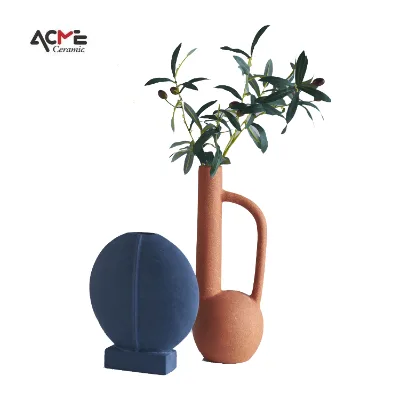
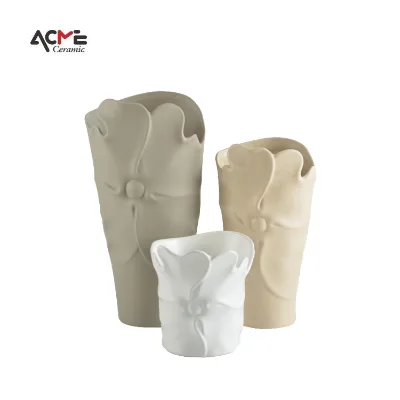
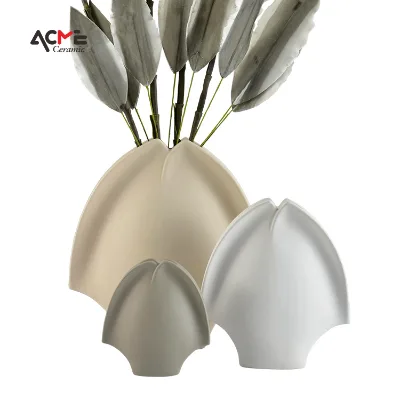
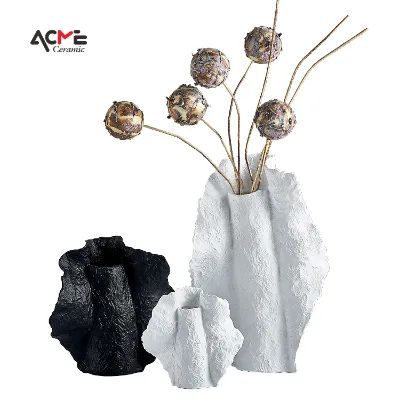
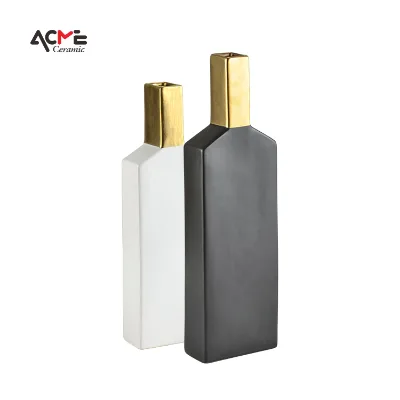
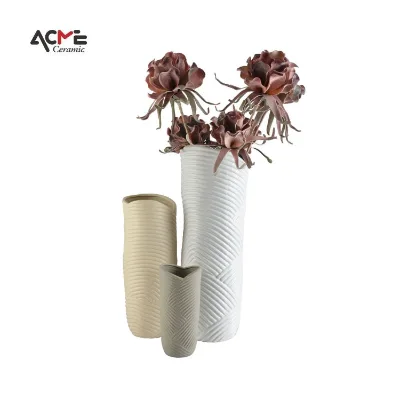
$4.99 - $32.78
MOQ: 1000 pieces
Fujian Dehua Dome Arts&crafts Co., Ltd.
- Verified by TüVRheinland
- Trading Company
- Lead time60 days
- Avg. response≤ 6h
Main productsCeramic Crafts, Resin Crafts
Main marketsWestern Europe(45%), North America(35%), Mid East(10%)

- Verified by BV
- Trading Company
- China Shandong
- Lead time30 days
- Avg. response≤ 2h
Main productsCeramic Mugs, Ceramic Dinnerware, Ceramic Tea Set, Ceramic Kitchen Ware, Custom Drum Shape Ceramic Coffee Mug, 24oz Large Capacity 3D Embossed Mug, Porcelain Cappuccino Cup and Saucer, 14oz Custom Souvenirs Ceramic Mug, 12 Sets Vintage Reactive Glazed Tableware, Custom Royal White Ceramic Milk Jar
Main marketsNorth America

Home Decor Gradient Vase Indoor Nordic Style Flower Vase Custom Ceramic Porcelain Vase
$1.50 - $3.00
MOQ: 3000 Pieces

Modern Ceramic Art Vase Ceramic Hand Flower Vase Unique Gift Porcelain Vase
$1.00 - $3.00
MOQ: 3000 Pieces


Fujian Dehua Liviceramic Co., Ltd
- Trading Company
- Fujian, China
- Lead time70 days
- Avg. response≤ 2h
Main productsCeramic home decor,Christmas decor item,Easter item,ceramic flower vase & pot,All season item
Main marketsWestern Europe(25.00%), Northern Europe(20.00%), Southern Europe(15.00%), Eastern Europe(15.00%), North America(10.00%), Oceania(10.00%), Domestic Market(5.00%)
Hangzhou Kangyou Household Import And Export Co., Ltd.
- Trading Company
- Zhejiang, China
- Lead time15 days
- Avg. response≤ 2h
Main productsBar Products,Glassware,Kitchen Product,Jewelry,Wedding Products
Main marketsNorth America(50.00%), Western Europe(15.00%), Northern Europe(10.00%), South America(10.00%), Southeast Asia(10.00%), Southern Europe(5.00%)

SHANGLI LIGHTING CRAFTS CO.,LTD
- Verified by BV
- Manufacturer/Factory
- China Guangdong
- Lead time30 days
- Avg. response≤ 7h
Main productsPortable Table and Floor Lamp, LED Lamp, Hotel Lamp, Chandelier Lamp, Pendant Lamp, Ceiling Lamp, Wall Lamp, Lampshade, Accessory, Mirror
Main marketsSouth America,Eastern Europe,Mid East,North America,Southeast Asia,Eastern Asia,Oceania,Western Europe,Africa


Rustic Unique Design Living Room Decoration Vase Small Ceramic Flower Bud Vase
$13.00 - $28.00
MOQ: 1 Pieces
Xiamen Hinwell Manufacture And Trade Co., Ltd.
- Trading Company
- Fujian, China
- Lead time30 days
- Avg. response≤ 4h
Main productsCeramic Pots, Ceramic Vases, Porcelain Mug, Resin Figurines, Cement Planter and Decorations
Main marketsNorth America(30.00%), Western Europe(30.00%), South America(20.00%), Eastern Europe(10.00%), Southeast Asia(10.00%)

Yancheng Xinboyuan Glass Co., Ltd.
- Verified by BV
- Trading Company,Manufacturer/Factory
- China Jiangsu
- Lead time23 days
- Avg. response≤ 11h
Main productsGlass Table Lamp, Glass Perfume Bottles, Glass Lampshade, Glass Labware, Glass Bottles & Jars, Glass Candlesticks, Borosilicate Mug & Cups, Glass Vases & Terrariums, Glass Beakers, Glass Reagent Bottles
Main marketsEastern Europe,Mid East,North America,Western Europe

New Creative Nordic Small Clear Glass Vase Modern Centerpiece Floral Decoration Tabletop Bud Vase
$1.00 - $3.50
MOQ: 50 Pieces


Multiple Sizes Double Wall Glass Vase Table Vases for Flowers Unique Design Home Decor
$1.50 - $3.80
MOQ: 200 Pieces

Small Glass Bud Vases for Centerpieces Set of 12 Flower Vases Bulk with Cute Rope Design for Wedding
$0.90 - $1.80
MOQ: 500 Pieces

Rizhao Baibo Packaging Co., Ltd.
- Verified by TUVRHEINLAND
- Trading Company
- China Shandong
- Lead time15 days
- Avg. response≤ 2h
Main productsGlass Vase, Glass Jar, Glass Bottle, Glass Beverage, Glass Candlestick Jar, Glass Lampshade
Main marketsNorth America


Wholesale Wedding Glass Bud Vase Many Style Color Decoration Flower Vase
$0.30 - $2.00
MOQ: 3000 Pieces


Chaozhou Fengxi Gifts Home Ceramic Factory
- Trading Company
- Guangdong, China
- Lead time35 days
- Avg. response≤ 4h
Main productsCeramic Flower Pot
Main marketsDomestic Market(33.00%), North America(26.00%), South America(15.00%), Eastern Europe(10.00%), Northern Europe(8.00%), Oceania(6.00%), Southeast Asia(2.00%)

Hemera (Tianjin) Technology Development Limited
- Verified by TUVRHEINLAND
- Manufacturer/Factory
- China Tianjin
- Lead time38 days
- Avg. response≤ 4h
Main productsGlass Cup, Glass Teapot, Glass Jar&Container, Glass Pitcher&Carafe, Water Jug, Coffee Set, Wine Set, Glass Cooking Ware
Main marketsSouth America,Eastern Europe,Mid East,North America,Southeast Asia,Eastern Asia,Oceania,Western Europe,Africa

$5.25 - $6.25
MOQ: 500 Pieces


$5.85 - $6.55
MOQ: 500 Pieces


Xuzhou Selead Packaging Material Co., Ltd.
- Verified by SGS
- Trading Company
- China Jiangsu
- Lead time15 days
- Avg. response≤ 6h
Main productsGlass Bottle, Plastic Bottle, Water Bottle, Glass Jar, Mason Jar, Wine Bottle, Cosmetic Bottle, Beverage Bottle, Glass, Candle Holder
Main marketsAfrica,Southeast Asia/ Mideast,Europe,North America

$0.20 - $2.00
MOQ: 5000 Pieces

Hot Sale Modern Simple Small and Elegant Oval Bud Vase Home Decor Flowers Glass Vase for Wedding
$0.20 - $2.00
MOQ: 5000 Pieces

$0.20 - $2.00
MOQ: 5000 Pieces
Fujian Dehua Besder Ceramic Co., Ltd.
- Manufacturer, Trading Company
- Fujian, China
- Lead time0 days
- Avg. response≤ 11h
Main productsCERAMIC HOME DECORATION,CERAMIC KITCHENWARE,HOLIDAY DECORATION,CERAMIC PET SUPPLIES,RESIN PRODUCTS
Main marketsNorth America(45.00%), Western Europe(16.00%), South America(11.00%), Mid East(7.00%), Eastern Europe(7.00%), Southern Europe(6.00%), Northern Europe(2.00%), Central America(2.00%), Oceania(1.00%), South Asia(1.00%), Africa(1.00%), Eastern Asia(1.00%)

Shanxi Midas Industrial Co., Ltd.
- Verified by TUVRHEINLAND
- Trading Company
- China Shanxi
- Lead time15 days
- Avg. response≤ 11h
Main productsWine Glass, Glass Plate, Wooden Tray, Scented Candle, Plastic Water Bottle, Stainless Steel Water Bottle, Dinnerware Set, Beer Glass
Main marketsEurope,North America

Wholesale Mini Minimalist Bud Embossed Flower Home Decor Green Glass Bud Vase
$0.65 - $0.85
MOQ: 500 Pieces

Wholesale Gift Bud Vases Colored Mini Decor Vintage Home Flowers Small Vases
$1.89 - $2.58
MOQ: 500 Pieces

Modern Retro Multi-Color Irregular Shape Vases Glass Bud Vases in Bulk or Flowers Decoration
$2.78 - $3.38
MOQ: 500 Pieces

Xuzhou Xulang Glass Manufacturing Company., Ltd
- Verified by BV
- Trading Company,Manufacturer/Factory
- China Jiangsu
- Lead time30 days
- Avg. response≤ 3h
Main productsGlass Bottle, Glass Jar, Spice Grinder, Cup, Milk Bottle
Main marketsSouth America,Eastern Europe,Mid East,North America,Southeast Asia,Eastern Asia,Oceania,Western Europe,Africa
Shenzhen Guyun Ceramics Co., Ltd.
- Manufacturer, Trading Company, Distributor/Wholesaler
- Guangdong, China
- Lead time30 days
- Avg. response≤ 2h
Main productsceramic vase,ceramic pot,ceramic tableware,ceramic mug,ceramic wine bottle
Main marketsNorth America(20.00%), Southeast Asia(10.00%), Mid East(10.00%), Western Europe(10.00%), Central America(10.00%), Northern Europe(10.00%), Southern Europe(10.00%), South America(5.00%), Eastern Europe(5.00%), Eastern Asia(5.00%), South Asia(5.00%)
Xiamen Designcrafts4u Industrial Co., Ltd
- Verified by Intertek
- Manufacturer, Trading Company
- Lead time45 days
- Avg. response≤ 3h
Main productsPet Bowl, Pet Fountain, Pet Supplies, Garden Decoration, Garden Tools
Main marketsNorth America(30%), Western Europe(20%), Eastern Europe(10%)
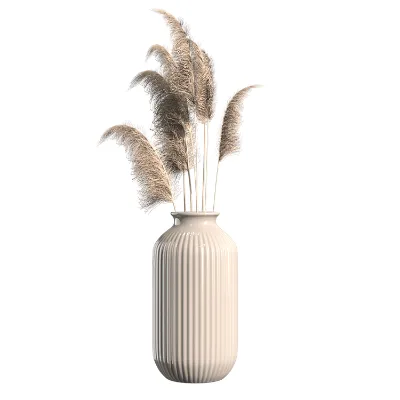
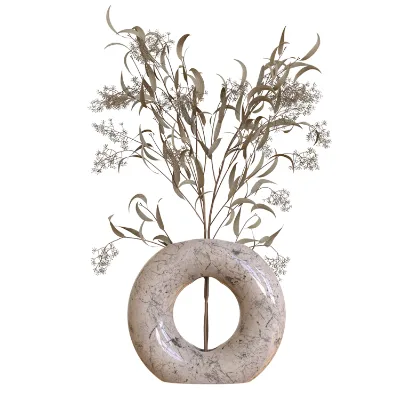
$3.99 - $7.99
MOQ: 360 pieces
Linyi Jingjiu Glass Products Co., Ltd.
- Manufacturer, Trading Company
- Shandong, China
- Lead time0 days
- Avg. response≤ 5h
Main productsGlass bottle,Glass jar,1 to 20 liter glass bottles with plastic handles,Glass crystal vase,Glass vase
Main marketsMid East(11.00%), Southeast Asia(11.00%), Central America(11.00%), South Asia(11.00%), North America(11.00%), Domestic Market(8.00%), Eastern Asia(8.00%), Africa(8.00%), South America(8.00%), Northern Europe(6.00%), Eastern Europe(3.00%), Southern Europe(2.00%), Western Europe(1.00%), Oceania(1.00%)
Guangzhou Kerry Home Deco Limited Company
- Manufacturer, Trading Company
- Guangdong, China
- Lead time70 days
- Avg. response≤ 11h
Main productsCeramic Table Lamp, Glass Table Lamp, Ceramic Home Decoration, Tableware
Main marketsWestern Europe(18.00%), Domestic Market(18.00%), Mid East(17.00%), North America(12.00%), Oceania(10.00%), Southern Europe(7.00%), South Asia(5.00%), Africa(5.00%), Southeast Asia(5.00%), South America(2.00%), Central America(1.00%)
Xiamen Dashuiwa Network Technology Co., Ltd.
- Trading Company
- Fujian, China
- Lead time7 days
- Avg. response≤ 3h
Main productsCeramic Vases, Glass Vases, Ceramic Flowerpots, Ceramic Candlesticks, Artificial Flowers
Main marketsNorth America(60.00%), Western Europe(30.00%), Oceania(10.00%)
- Verified by Intertek
- Manufacturer, Trading Company
- Lead time20 days
- Avg. response≤ 3h
Main productsCeramic Vase, Ceramic Pot, Ceramic Home Decor, Resin Vase, Cement Pot
Main marketsNorth America(33%), Western Europe(16%), Northern Europe(12%)

Qingdao Simpassic Import and Export Co., Ltd.
- Trading Company,Manufacturer/Factory
- China Shandong
- Lead time0 days
- Avg. response≤ 24h
Main productsGlass Cup, Glass Jar, Borosilicate Glass Food Containers, Glass Mug, Tableare, Glass Tumbler, Glassware, Glass Jug, Glass
Main marketsSouth America,Eastern Europe,Mid East,North America,Southeast Asia,Eastern Asia,Oceania,Western Europe,Africa


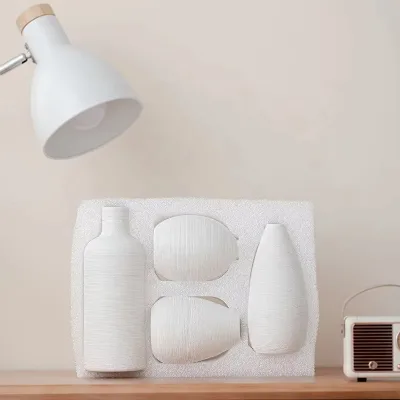
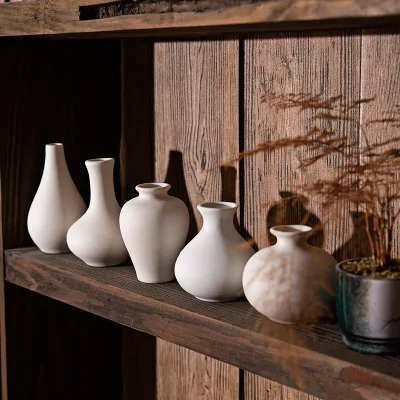
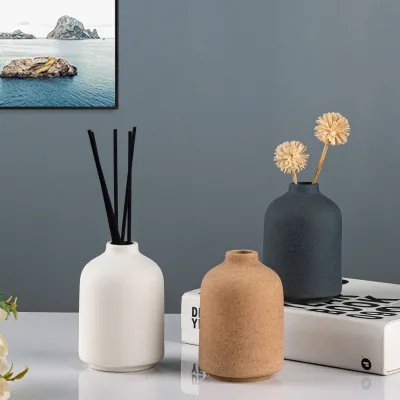
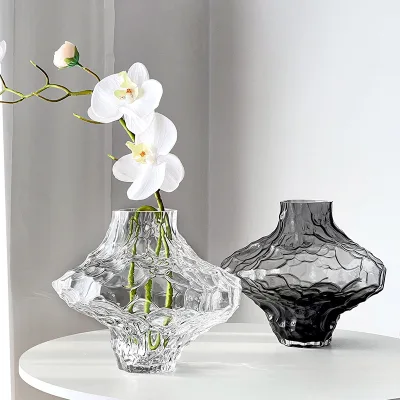
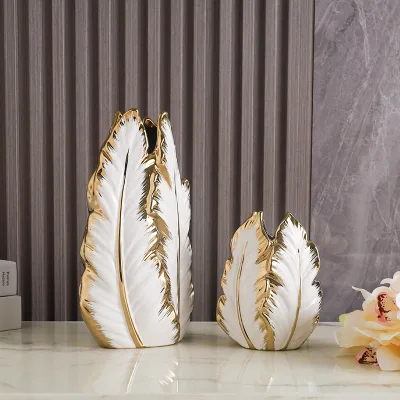
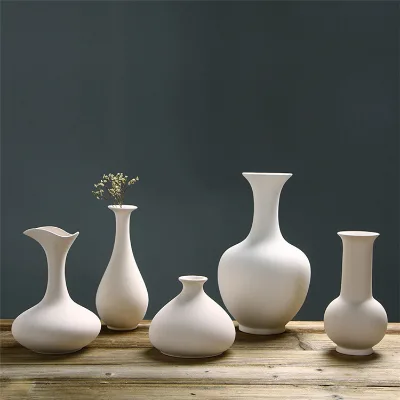




Comprehensive Sourcing Guide
Nordic Modern Porcelain Bud Vase Supplier Concentration and Factory Types
Current data indicates that suppliers offering Nordic modern porcelain bud vases are concentrated in specific Chinese provinces, with Shandong and Guangdong emerging as primary manufacturing hubs. Factories in Shandong often specialize in glassware and houseware, while Guangdong-based entities frequently combine ceramic production with stainless steel and other tableware lines. This geographic clustering suggests that buyers seeking porcelain-specific items should prioritize regions where ceramic and porcelain are listed as core main products rather than secondary offerings. The presence of combined company types, including both manufacturers and trading companies, means that a single listing might represent a factory with direct production capabilities or a trading firm aggregating goods from multiple workshops.
When evaluating the factory type, buyers must distinguish between pure manufacturers and combined entities that may outsource specific porcelain components. Some suppliers list OEM and ODM capacities, indicating they can handle custom mold development and design adjustments, which is critical for the unique shapes often found in Nordic modern designs. However, not all suppliers with these labels possess in-house ceramic kilns; some may rely on external partners for the firing process while handling the glazing and assembly internally. To verify the actual manufacturing depth, buyers should request photos of the production floor or specific ceramic molding equipment, as the mere presence of a "Manufacturer/Factory" label does not guarantee direct control over the porcelain firing stages essential for quality consistency.
How to Verify Nordic Modern Porcelain Bud Vase Suppliers
Verification of supplier credibility relies heavily on third-party audit reports and system certifications rather than self-declared claims. Available data shows that some suppliers hold ISO9001:2015 and ISO14001:2015 certificates, while others display broader certifications like ISO 9000, ISO 14000, and ISO 20000. These documents provide evidence of quality management systems and environmental compliance, but buyers must confirm that the certification scope explicitly covers ceramic and porcelain production. A BV verification badge indicates that a third-party agency has inspected the facility, yet the specific findings of that inspection are not always detailed in the public profile. Buyers should request the full audit report to ensure the inspection covered the specific product lines they intend to source, rather than accepting a generic verification status.
Beyond certifications, response time and communication speed serve as practical indicators of supplier reliability and operational efficiency. Data points show response times varying significantly, with some suppliers averaging under ten hours while others take nearly eighteen hours to reply. A faster response time often correlates with a dedicated sales team and streamlined internal processes, which is vital when discussing customizations like glaze types or specific dimensions for Nordic styles. Buyers should test the supplier's responsiveness with detailed inquiries about material composition and firing temperatures before placing an order. If a supplier fails to provide clear answers to technical questions within a reasonable timeframe, it may signal a lack of technical expertise or a reliance on intermediaries who cannot access the factory floor directly.
What to Compare Across Nordic Modern Porcelain Bud Vase Suppliers
Comparing suppliers requires a systematic analysis of lead times, minimum order quantities, and pricing structures to ensure alignment with project requirements. Lead times in the current dataset range from 45 to 60 days, reflecting the complexity of ceramic production and the need for careful drying and firing cycles. Buyers must account for these durations when planning inventory, as a 60-day lead time may be insufficient for urgent restocking needs. Additionally, minimum order quantities vary widely, with some suppliers requiring 200 pieces while others set thresholds at 300 or even 500 units. Understanding these MOQs is essential for small buyers who may need to consolidate orders or negotiate lower thresholds based on their specific volume requirements.
Pricing and customization options further differentiate suppliers, with unit costs ranging from approximately $2.00 to over $10.00 depending on the complexity of the design and glaze finish. Some products feature color-glazed finishes or matte textures, which can increase production costs compared to transparent or standard white porcelain options. Buyers should compare the price per unit against the specified material quality and glaze type to determine value. Customization availability is another key differentiator; while many suppliers list customization as available, the extent of this service varies. Some offer full OEM and ODM support with mold creation, while others may only allow minor adjustments to existing designs. Evaluating these factors together helps buyers identify suppliers who can meet both budget constraints and design specifications.
Common Nordic Modern Porcelain Bud Vase Sourcing Risks
One significant risk in sourcing porcelain bud vases is the discrepancy between advertised product attributes and the actual physical quality received. Product listings often describe items as "hand-made" or "blown," yet the final output may vary in consistency due to the nature of ceramic manufacturing. Buyers must verify that the "hand-made" claim refers to the actual molding or finishing process rather than just a marketing term. Inconsistent glaze application or uneven firing can lead to defects such as cracking or color variation, which are particularly problematic for the aesthetic requirements of Nordic modern designs. Requesting pre-shipment samples or conducting a third-party quality inspection before bulk shipment is crucial to mitigate this risk.
Another risk involves the reliability of the supply chain regarding lead times and production capacity. While suppliers may advertise a 45-day lead time, actual production delays can occur due to raw material shortages or equipment maintenance issues. The presence of ODM and OEM capabilities suggests flexibility, but it does not guarantee that the supplier can meet tight deadlines if multiple orders are placed simultaneously. Buyers should clarify the production schedule and confirm the supplier's current capacity before committing to a large order. Additionally, the lack of stock for certain custom designs means that any delay in the initial production run can cascade into significant delays for the entire order, affecting downstream logistics and sales plans.
Nordic Modern Porcelain Bud Vase Regional Sourcing and Logistics
Regional sourcing decisions should be guided by the specific location of the supplier, as this impacts shipping costs and transit times. Current data identifies suppliers in Shandong and Guangdong, two major manufacturing regions in China with distinct logistical advantages. Shandong-based suppliers may offer different shipping routes compared to those in Guangdong, potentially affecting the overall cost and speed of delivery to international markets. Buyers should verify the exact port of departure for each supplier to calculate accurate freight costs and estimate delivery windows. The distance from the factory to the port can also influence the time required for inland transportation before the goods are loaded onto vessels.
Logistics planning must also consider the packaging standards specified by the supplier, as porcelain is fragile and requires careful handling. Product attributes often indicate that items are packed in cartons, but the level of protection varies. Some suppliers use safe cartons or pallets, while others may rely on standard packaging that might not suffice for long-distance international shipping. Buyers should request detailed packaging diagrams or photos to ensure that the vases are adequately protected against breakage during transit. Additionally, understanding the supplier's experience with international shipping and their ability to handle customs documentation is essential for a smooth logistics process, especially when dealing with ceramic products that may have specific import regulations.
Nordic Modern Porcelain Bud Vase Commercial Terms and Order Planning
Commercial terms and order planning are critical for managing the financial and operational aspects of sourcing Nordic modern porcelain bud vases. Buyers must carefully review the payment terms, which often include deposits and balance payments upon shipment completion. The minimum order quantities, ranging from 200 to 500 pieces, directly influence the total investment required and the potential for economies of scale. Understanding these thresholds helps buyers determine the optimal order size to minimize per-unit costs while avoiding excessive inventory. Additionally, the availability of escrow services can provide a layer of financial security, ensuring that funds are only released once the goods meet the agreed-upon quality standards.
Order planning should also account for the customization process, which can extend the overall timeline if new molds or designs are required. Suppliers offering ODM services may need additional time for design approval and mold creation before production begins. Buyers should establish a clear timeline for each stage of the process, from initial design submission to final delivery, to avoid bottlenecks. Communication regarding the customization details, such as glaze types and dimensions, must be precise to prevent misunderstandings that could lead to rejected shipments. By integrating these commercial and planning considerations into the sourcing strategy, buyers can ensure a more predictable and efficient procurement process for their Nordic Modern Porcelain Bud Vase needs.
FAQs
What is the price range for Nordic modern porcelain bud vases?
Prices for these vases typically range from $2.00 to $10.60 per unit. The final cost depends on the material, such as glass or ceramic, and the specific design complexity. Buyers should expect higher prices for custom OEM or ODM services compared to standard wholesale items.
What is the minimum order quantity for these vases?
The minimum order quantity varies by supplier and product type. Glass vases often require a minimum of 300 pieces, while ceramic options may start at 200 or 500 pieces. Buyers should verify the specific MOQ with the supplier before placing an order to ensure it meets their budget.
How long does production take for these vases?
Production lead times generally range from 45 to 60 days. This duration depends on the supplier's location and current workload. Manufacturers in Shandong and Guangdong regions typically adhere to these timeframes. Buyers should confirm the exact schedule with the supplier to plan their inventory effectively.
Are these vases customizable for branding?
Yes, customization is available for both glass and ceramic vases. Suppliers offer OEM and ODM services, allowing for custom styles, glazes, and packaging. Buyers can request specific designs, such as Nordic or European styles, to match their brand identity. This service is ideal for private labeling.
What certifications do these suppliers hold?
Many suppliers hold ISO9001:2015 and ISO14001:2015 certifications. These standards ensure quality management and environmental responsibility in production. Some suppliers also have BV verification. Buyers should request copies of these certificates to verify compliance with international standards before finalizing a purchase agreement.
Where are these vases manufactured?
These vases are primarily manufactured in China, specifically in Shandong and Guangdong provinces. Shandong suppliers often specialize in glass products, while Guangdong suppliers may focus on ceramic and porcelain items. Buyers can filter results by location to find suppliers closest to their shipping preferences.