Car Aroma Diffuser Suppliers and Manufacturers in China
Explore 12 verified Car Aroma Diffuser suppliers offering OEM and ODM services with ISO certifications. Compare response times, lead times, and product specifications to find the right partner. Contact suppliers directly to request quotes; review the available evidence before requesting comparable quotations from suitable candidates.
Suppliers List

Outstanding Design & Manufacture Co., Ltd.
- Verified by BV
- Combined
- China Shanghai
- Lead time30 days
- Avg. response≤ 12h
Main productsScented Candle, Reed Diffuser, Car Air Freshener, Aroma Diffuser, Incense Gift Set, Scented Sachet, Oil Burner, Fragrance Oil, Essential Oil, Fragrance Lamp
Main marketsEurope,Australia,North America

Suzhou Ramon Aroma Technology Co.,Ltd.
- Combined
- China Jiangsu
- Lead time30 days
- Avg. response≤ 3h
Main productsAroma Diffuser
Main marketsDomestic

Guangdong Vinescents Fragrance Technology Co., LTD
- Verified by BV
- Combined
- China Guangdong
- Lead time23 days
- Avg. response≤ 5h
Main productsAroma Diffuser, Large Space Scent Diffuser Machine, Home Aroma Diffuser, Car Aroma Diffuser
Main marketsSouth America,Africa,Southeast Asia/ Mideast,East Asia(Japan/ South Korea),Europe,Australia,North America


Hot Products USB Essential Oil Shell Aroma Diffuser for Car Flame Humidifier
$11.00 - $13.00
MOQ: 200 Pieces

Automatic Pure Oil Aroma Diffuser Aromatherapy Car Air Purifier Diffuser
$11.00 - $13.00
MOQ: 200 Pieces


USB Diffuser Car Essential Oil Mini Ultrasonic Humidifier Aroma Diffuser
$11.00 - $13.00
MOQ: 200 Pieces

USB Essential Oil Diffuser Ultrasonic Car Humidifier Aromatherapy Aroma Diffusers for Travel Car
$11.00 - $13.00
MOQ: 200 Pieces

guangzhou xichi Technology Co.,LTD
- Verified by SGS
- Trading Company,Manufacturer/Factory
- China Guangdong
- Lead time15 days
- Avg. response≤ 7h
Main productsScent Diffuser, Aroma Diffuser, Fragrance Oils, Scent Machine, Diffuser Machine, Electric Aroma Diffuser, Car Air Fresher, Car Diffuser, Car Clean
Main marketsSouth America,Eastern Europe,North America,Southeast Asia,Eastern Asia,Oceania,Western Europe,Africa


Smart Car Fragrance Air Freshener Essential Oil Diffuser Car Aroma Diffuser
$13.00 - $15.00
MOQ: 49 Pieces


Sichuan Candle Rain Technology Co., Ltd
- Verified by SGS
- Trading Company,Manufacturer/Factory
- China Sichuan
- Lead time38 days
- Avg. response≤ 5h
Main productsScented Candles, Reed Diffusers, Aroma Burner, Candle Warmer, Gift Box, Car Diffuser, Massage Candle, Pillar Candle, Pole Candle, Aroma Diffuser
Main marketsSouth America,Eastern Europe,Mid East,North America,Southeast Asia,Eastern Asia

Car Aromatherapy Car Aromatherapy Seat Style Fire Free Aromatherapy Diffuser
$1.50 - $1.80
MOQ: 100 Pieces

Car Fragrance Aroma Diffuser Car Air Freshener Fragrance Bag Car Pendant
$0.60 - $0.68
MOQ: 100 Pieces


Wholesale Car Fragrance Perfume Luxury Deodorant Lasting Fragrance Holder Style Gift Air Freshener
$1.50 - $1.80
MOQ: 50 Pieces
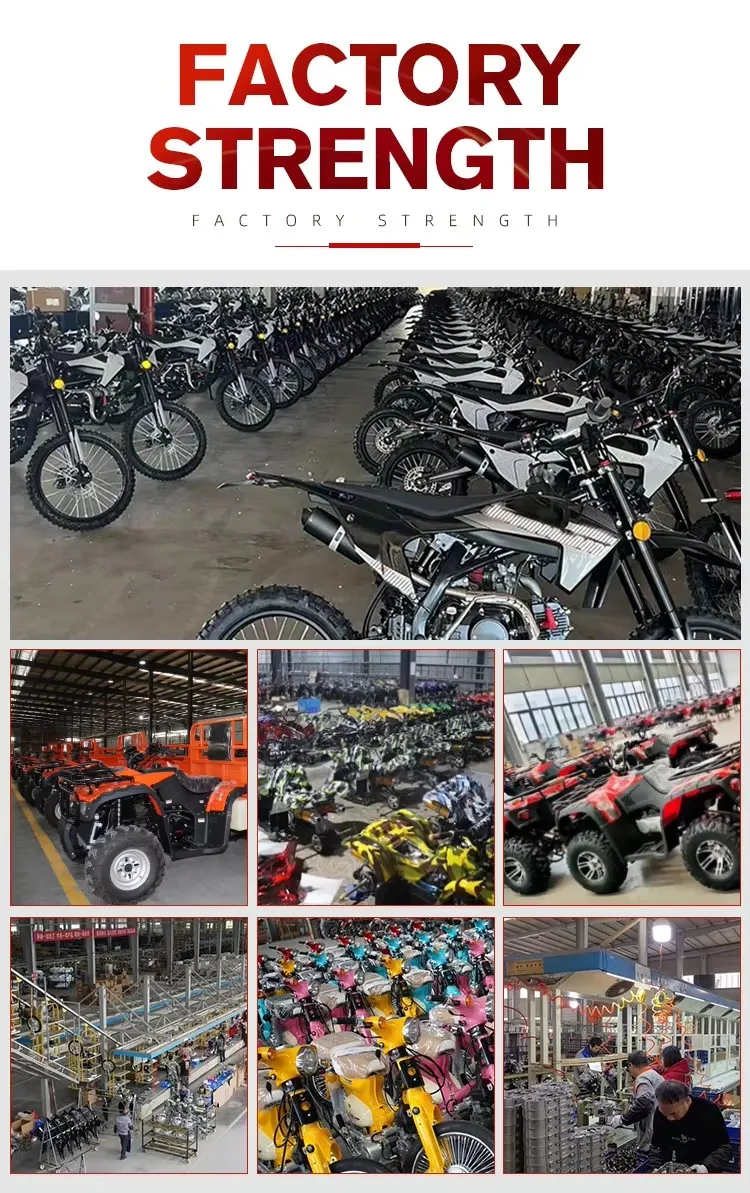
Suzhou Linwen International Trade Co., Ltd.
- Trading Company
- Jiangsu, China
- Lead time15 days
- Avg. response≤ 8h
Main productsDirt bike,Electric bicycles,Motorcycle,ATV
Main marketsSouth America(35.00%), Southeast Asia(10.00%), Central America(10.00%), North America(10.00%), Southern Europe(5.00%), Northern Europe(5.00%), Eastern Asia(5.00%), Domestic Market(5.00%), South Asia(5.00%), Eastern Europe(3.00%), Western Europe(3.00%), Oceania(2.00%), Africa(2.00%)

Shenzhen Maxwin Industrial Co., Ltd.
- Verified by BV
- Combined
- China Guangdong
- Lead time15 days
- Avg. response≤ 9h
Main productsScent Diffuser, Scent Air Machine, Aroma Machine, Aroma Diffuser, Fragrance Diffuser, Fragrance Machine, Scent Diffuser Machine, Scent Machine
Main marketsSouth America,Africa,Southeast Asia/ Mideast,East Asia(Japan/ South Korea),Europe,Australia,North America

Car Fragrance USB Portable Electric Perfume Air Freshener Car Scent Diffuser
$11.00 - $16.00
MOQ: 50 Pieces

Electric Aroma Essential Oil Diffuser Ultrasonic Air Humidifier Wholesale Car Aroma Diffuser
$11.00 - $16.00
MOQ: 50 Pieces

Luxury Mini New Design Car Aroma Diffuser Air Perfume Aromatherapy Electric Scent Auto Shut
$11.00 - $16.00
MOQ: 50 Pieces

Wholesale Luxury Custom Scent Aroma Perfume Car Smell Air Freshener Diffuser
$26.50 - $29.50
MOQ: 1 Pieces


Guangzhou Hansheng Industrial Trading Co., Ltd
- Verified by TUVRHEINLAND
- Trading Company,Manufacturer/Factory
- China Guangdong
- Lead time23 days
- Avg. response≤ 3h
Main productsMicrofiber Leather, Synthetic Leather, Car Mat Material, Car Organizer, Headliner, Tissue Holder, Car Child Seat, Car Floor Mat, Car Seat Mat, Adhesive Suede
Main marketsSouth America,Eastern Europe,Mid East,North America,Southeast Asia,Eastern Asia,Western Europe,Africa

Qingdao Art Fortune Imp/Exp Co., Ltd.
- Verified by TUVRHEINLAND
- Trading Company
- China Shandong
- Lead time30 days
- Avg. response≤ 5h
Main productsScented Candle, Reed Diffuser, Glass Jar Candle, Flameless LED Wax Candle, Candle and Home Fragrance, Tealight Candle, Candle Holder, Candle Gift Set, Handmade Pillar Candle, Tin Candle
Main marketsAfrica


$0.88 - $1.88
MOQ: 1000 Pieces


Guangzhou Xiangyun Flavor Technology Co., Ltd.
- Verified by CTI
- Combined
- China Guangdong
- Lead time15 days
- Avg. response≤ 8h
Main productsAroma Diffuser
Main marketsSoutheast Asia/ Mideast,Europe,North America


Mechanical Long-Lasting Scent Aroma Diffuser with Timing Function for Car
$8.20 - $8.88
MOQ: 10 Pieces


- Trading Company
- China Zhejiang
- Lead time30 days
- Avg. response≤ 11h
Main productsHome Appliance, Cookware Set, Thermos, Home Storage, Furniture, Pet Supplies, Garden Tools, Outdoor Supplies, Baby Supplies, Houesehold Items
Main marketsSouth America,Africa,Southeast Asia/ Mideast,East Asia(Japan/ South Korea),Domestic,Europe,Australia,North America

Shenzhen E-Yue Manufacturer Co., Ltd.
- Verified by TUVRHEINLAND
- Manufacturer/Factory
- China Guangdong
- Lead time23 days
- Avg. response≤ 6h
Main productsCar Air Freshener, Paper Packaging Box, Can Air Freshener, Paper Flower, Promotion Gifts, Cotton Shopping Bag, Plaster Pendant Aroma Diffuser, Scetned Candles, Scented Bag for Home & Car, Gift Box
Main marketsSouth America,Mid East,North America,Southeast Asia,Eastern Asia,Oceania,Western Europe,Africa




Comprehensive Sourcing Guide
Car Aroma Diffuser Supplier Concentration and Factory Types
Current data indicates a concentration of manufacturing activity in Shanghai, China, where specific suppliers list their location explicitly. These facilities often operate as combined entities, offering both Original Design Manufacturing and Original Equipment Manufacturing capabilities alongside their own brand development. This dual capacity suggests a flexible production environment capable of handling custom requests for glass container materials or specific air outlet perfume types. Buyers should note that some operations in this cluster also extend to Jiangsu, where additional capacity for electric nebulizers and tabletop styles is observed. The presence of ISO14001:2015 and ISO9001:2015 certificates in the results points to established environmental and quality management systems within these specific factories.
When evaluating factory types, the distinction between pure manufacturers and trading companies is critical for this category. The observed supplier profiles include those with ODM and OEM capacities, indicating they can modify existing designs or create new ones based on client specifications. Some listings highlight "Combined" company types, which may imply a hybrid model where the entity manages both production and direct sales. Buyers must verify if the supplier owns the production line or acts as an intermediary, as this affects lead times and communication efficiency. The availability of customization for container materials and packaging styles further confirms that many of these entities function as active manufacturing partners rather than simple resellers.
How to Verify Car Aroma Diffuser Suppliers
Verification of supplier credentials is essential when sourcing car aroma diffusers, particularly given the variety of product certifications and standards observed. Some suppliers in the results display BV verification status, which serves as a third-party validation of their business legitimacy. Additionally, specific product listings mention certifications such as UR, GS, CE, and RoHS, which are crucial for electronic components like USB chargers and humidifiers included in the product range. Buyers should request current copies of these certificates to ensure they match the specific models being ordered, as standards for electrical safety and chemical composition vary significantly between regions.
Beyond documentation, response time and communication speed are practical indicators of supplier reliability. The data shows response times ranging from approximately 2.23 hours to nearly 12 hours, suggesting a variance in operational efficiency. A faster response time often correlates with better project management and quicker resolution of technical queries regarding product dimensions or material specifications. Buyers should test communication channels before placing orders to gauge the actual responsiveness of the team. It is also advisable to confirm the establishment year and operational history, as these factors often correlate with the stability of the supply chain and the consistency of product quality over time.
What to Compare Across Car Aroma Diffuser Suppliers
Comparing suppliers requires a detailed analysis of key operational metrics such as minimum order quantities, lead times, and pricing structures. The observed data reveals significant variation in MOQs, with some suppliers requiring 500 units while others demand 3,000 units for specific models. Lead times also differ, with one observed benchmark at 30 days, which buyers must factor into their inventory planning. Pricing ranges from under one dollar to nearly fifteen dollars depending on the complexity of the product, such as simple glass diffusers versus electric nebulizers with timing functions. These financial and logistical parameters must be weighed against the specific needs of the buyer's market segment.
Product attributes and customization options provide another layer for comparison across different supplier profiles. Some listings offer glass containers with specific dimensions, while others provide wooden or plastic options with custom colors and shapes. The ability to customize packaging, such as paper boxes with PVC windows, is a critical differentiator for brands seeking unique retail presentation. Buyers should also compare the technical specifications of electronic models, including power types, spray volumes, and control modes like digital or manual operation. Ensuring that the supplier can meet specific requirements for container materials, filling agents, and application scenarios is vital for maintaining product consistency and brand integrity.
Common Car Aroma Diffuser Sourcing Risks
One significant risk in sourcing car aroma diffusers involves the variability of product specifications and material quality. The results show diverse filling materials, such as dipropylene glycol ethyl ether, and varying container shapes like cartoon types or standard geometric forms. Inconsistencies in these materials can lead to performance issues, such as uneven fragrance diffusion or leakage during transit. Buyers must ensure that the supplier adheres to strict quality control protocols for chemical composition and structural integrity, especially for products intended for use in vehicles where safety is paramount. Failure to verify these details can result in product recalls or customer dissatisfaction.
Another risk relates to the reliability of delivery schedules and the potential for supply chain disruptions. While some suppliers list a lead time of 30 days, this figure may fluctuate based on raw material availability or production capacity constraints. The difference in response times observed among suppliers suggests that communication bottlenecks could delay critical order updates or problem resolution. Additionally, the reliance on specific certifications like ISO standards does not guarantee that every batch will meet the same quality threshold. Buyers should implement robust inspection processes and maintain clear communication channels to mitigate these risks and ensure timely delivery of goods that meet their specific market requirements.
Car Aroma Diffuser Regional Sourcing and Logistics
Sourcing from Shanghai offers logistical advantages due to its status as a major port city, facilitating efficient export of goods to international markets. The specific location data confirms that several suppliers are based in this region, which often translates to streamlined shipping processes for heavy or bulky items like car diffusers. The presence of manufacturers in Jiangsu as well provides alternative sourcing options that may offer competitive pricing or specialized production capabilities for electric models. Buyers should consider the proximity of the factory to the port when calculating freight costs and transit times, as these factors directly impact the overall landed cost of the product.
Logistics planning must also account for the specific packaging requirements of car aroma diffusers to prevent damage during transit. The observed packing data indicates carton sizes and weights, such as 64 pieces per carton with specific dimensions, which are crucial for optimizing container space and reducing shipping costs. Buyers should verify that the supplier uses appropriate packaging materials to protect glass containers and electronic components from breakage. Additionally, understanding the origin of the products, whether from Shanghai or other parts of China, helps in determining the applicable import duties and regulations in the destination country. Proper logistics planning ensures that the supply chain remains efficient and cost-effective throughout the distribution process.
Car Aroma Diffuser Commercial Terms and Order Planning
Commercial terms for car aroma diffusers vary significantly based on the product type and order volume. The data indicates price ranges from approximately $0.98 to $14.84, reflecting the diversity from simple air fresheners to complex electronic humidifiers. Buyers must carefully evaluate these price points against the minimum order quantities, which range from 500 to 3,000 units, to determine the most cost-effective strategy for their business. Understanding the payment terms and escrow options is essential for managing financial risk, especially when dealing with new suppliers or large initial orders. Clear agreement on pricing tiers and volume discounts helps in negotiating favorable commercial terms that align with the buyer's budget.
Order planning requires a strategic approach to inventory management and production scheduling. With lead times potentially extending to 30 days, buyers should place orders well in advance to avoid stockouts and ensure timely market availability. The customization options available, such as specific packaging and product models, add complexity to the planning process, requiring precise communication with the supplier to avoid errors. Buyers should also consider the seasonal demand for car aroma diffusers, as some products are marketed for specific seasons like spring. Effective order planning involves balancing production capacity, lead times, and market demand to maintain a steady flow of inventory while minimizing storage costs and maximizing profitability.
FAQs
What is the typical lead time for car aroma diffusers?
The typical lead time for these products is 30 days. This duration applies to standard orders from suppliers located in China. Buyers should confirm specific timelines with the manufacturer before placing large orders to ensure timely delivery.
What are the minimum order quantities for these diffusers?
Minimum order quantities vary by product model, ranging from 500 to 3000 units. Some glass container models require 500 units, while hanging diffusers may need 3000 units. Buyers must check the specific MOQ for each item before purchasing.
Do suppliers offer customization for car aroma diffusers?
Yes, customization is available for many Car Aroma Diffuser models. Suppliers support OEM and ODM services, allowing buyers to request specific designs or branding. This flexibility helps businesses create unique products tailored to their market needs and preferences.
Where are the Car Aroma Diffuser manufacturers located?
Manufacturers are primarily located in Shanghai and Jiangsu, China. These regions host suppliers offering various diffuser types including nebulizers and vent clips. Buyers can source products directly from these verified locations to ensure quality and logistical efficiency.
What certifications do the suppliers hold?
Suppliers hold ISO14001:2015 and ISO9001:2015 certificates. Some also possess ISO45001:2016 certification for safety management. These credentials indicate adherence to international standards for environmental management and quality control in the manufacturing of car aroma diffusers.
What is the price range for car aroma diffusers?
Prices range from 0.98 to 14.84 USD per unit depending on the model. Basic vent clips start near 0.98 USD, while electric humidifiers cost up to 14.84 USD. Buyers should compare specific product features to determine the best value for their budget.
How quickly do suppliers respond to inquiries?
Response times vary, with some suppliers replying within 2.23 hours and others taking up to 11.99 hours. Faster response times are common among suppliers in Jiangsu. Buyers should expect varying reply speeds and plan their communication accordingly.