Recycled Baby Milestone Cards Suppliers and Manufacturers
Compare 18 verified suppliers offering Recycled Baby Milestone Cards with details on location, lead times, and certifications. Review product specifications like material and customization options to select the right factory for your needs; review the available evidence before requesting comparable quotations from suitable candidates.
Updated
Suppliers List

- Verified by TUVRHEINLAND
- Trading Company,Manufacturer/Factory
- China Guangdong
- Lead time45 days
- Avg. response≤ 5h
Main productsWooden Box, Wooden Plaque, Wooden Clock, Jewelry Box, Watch Box, Music Box, Wooden Pen Box, Wooden Craft, Wooden Tray Coaster, Wooden Watch Box
Main marketsEastern Europe,Mid East,North America,Oceania,Western Europe,Africa

Fuzhou Good Idea Handicraft Co., Ltd.
- Manufacturer, Trading Company
- Fujian, China
- Lead time0 days
- Avg. response≤ 5h
Main productsWooden Wall Decoration,wooden card,Wooden Baby Milestone Cards,Wooden Christmas Decoration,Wooden Keychains
Main marketsNorth America(55.00%), Western Europe(30.00%), Oceania(15.00%)

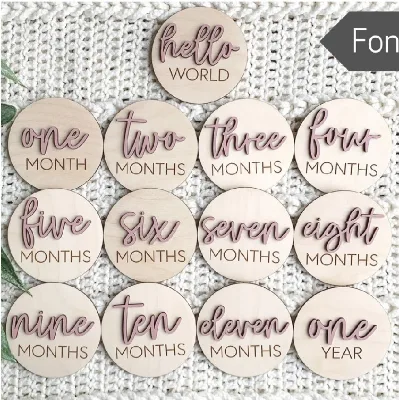
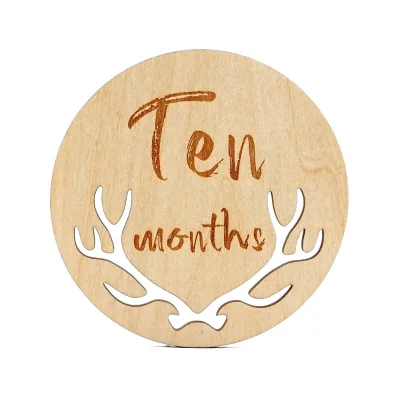
Baby Monthly Memory Photo Cards Wooden Engraved Discs Reversible With Weeks Months Holidays
$2.0704 - $4.3458
MOQ: 10 sets

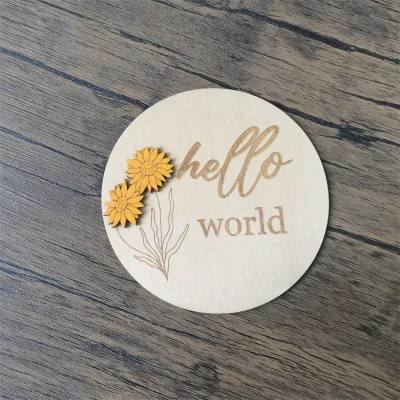
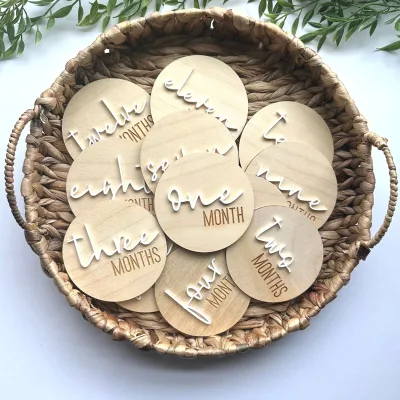
Baby Monthly Milestone s Baby Months Signs Milestone Wooden Circles Wooden Months Baby Milestone
$0.30 - $0.40
MOQ: 650 pieces
Xiamen Hongju Printing Industry & Trade Co., Ltd.
- Verified by SGS Group
- Manufacturer, Trading Company
- Lead time10 days
- Avg. response≤ 3h
Main productsCard Games, Planner, Notebook, Gift Box, Paper Box
Main marketsNorth America(50%), Western Europe(30%), Oceania(10%)
Flydragon (xiamen) Technology Co., Ltd.
- Verified by TüVRheinland
- Manufacturer, Trading Company
- Lead time10 days
- Avg. response≤ 5h
Main productsGame Card, Education Card, Playing Card, Gift Box, Notebooks
Main marketsSouth America(35%), Southern Europe(22%), North America(10%)
Yantai LSL Wood Arts &Crafts Co., Ltd.
- Verified by SGS Group
- Trading Company
- Lead time30 days
- Avg. response≤ 2h
Main productsWooden Holder and Rack, Wooden Cutting Board, Wooden Photo Frame, Storage Box and Bin, Wooden Box
Main marketsNorth America(29%), South America(10%), Eastern Europe(10%)
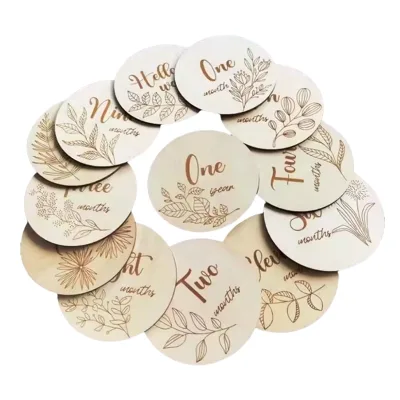
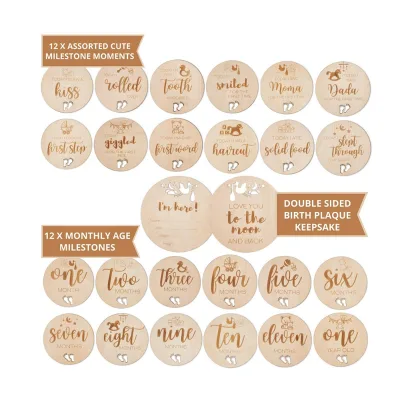
$0.8892 - $0.9102
MOQ: 300 pieces
Best Goal (Shanghai) Manufacture Co., Ltd.
- Verified by SGS Group
- Trading Company
- Lead time45 days
- Avg. response≤ 3h
Main productsWooden Craft, Metal Home Decoration
Main marketsNorth America(66%), Western Europe(21%), Domestic Market(9%)
Cao County Jinpengyuan Container Packaging Co., Ltd.
- Verified by SGS Group
- Manufacturer, Trading Company
- Lead time30 days
- Avg. response≤ 4h
Main productsOak Barrel, Wooden Box, Wood Tray, Fumigator, Cutting Board
Main marketsDomestic Market(30%), North America(15%), South America(10%)

Dongguan Be Green Wood Crafts Co., Ltd.
- Manufacturer, Trading Company
- Guangdong, China
- Lead time0 days
- Avg. response≤ 5h
Main productswood toy and toy parts,wood chess,wood beads and ball,wood kitchenware,wood crafts
Main marketsDomestic Market(23.00%), Western Europe(12.00%), Eastern Asia(12.00%), Central America(10.00%), North America(10.00%), Southeast Asia(10.00%), South America(10.00%), Southern Europe(8.00%), Africa(5.00%)

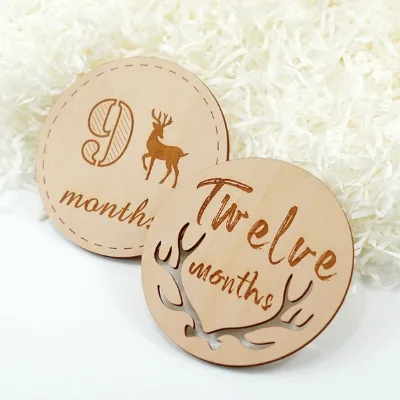
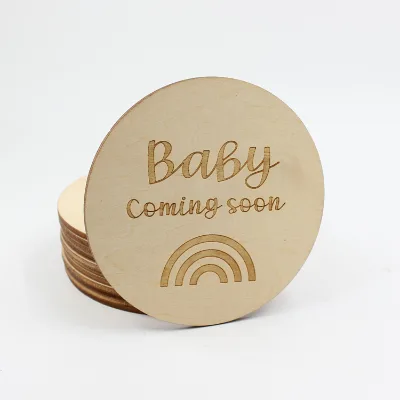

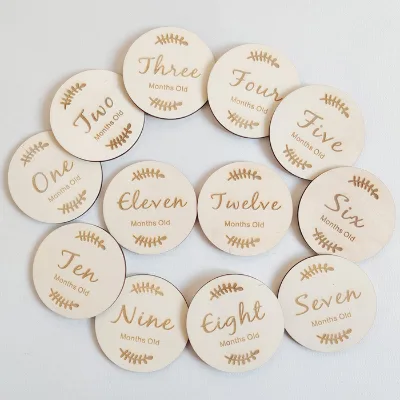
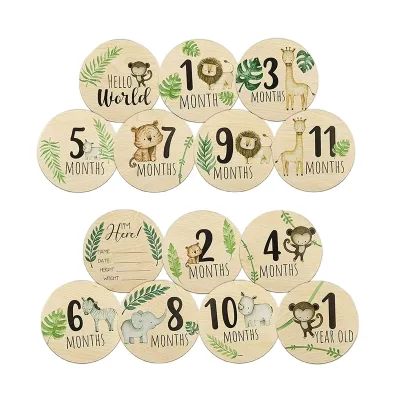
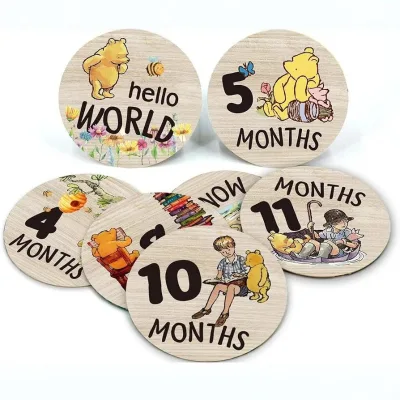
1-12 Months Wooden Milestone Photo Cards, Baby Announcement Cards Photo Prop Monthly Milestone Discs
$0.38 - $0.40
MOQ: 2000 pieces
Dongguan Xinyue Arts And Craft Co., Ltd.
- Verified by Intertek
- Manufacturer, Trading Company
- Lead time30 days
- Avg. response≤ 1h
Main productsDIY Book Nook, DIY Miniature House, Wooden 3D Puzzle, Miniature Dollhouse Kits, Wooden Jigsaw Puzzle
Main marketsNorth America(31%), South America(20%), Eastern Europe(10%)
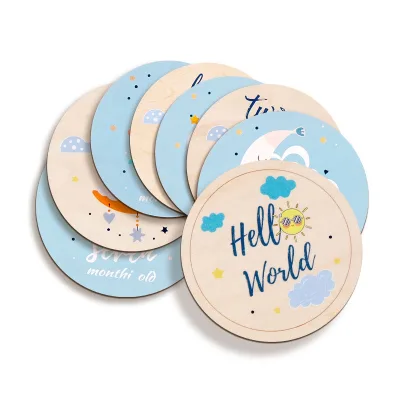
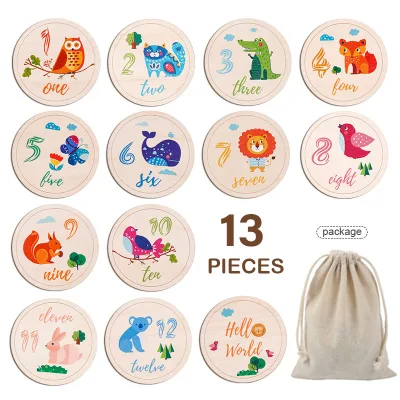
New Style UV Printing Baby Milestone Cards Cute Animals Wooden Custom Baby Milestone Cards
$0.26 - $0.31
MOQ: 500 pieces
Caoxian Huashen Arts And Crafts Co., Ltd.
- Manufacturer, Trading Company
- Shandong, China
- Lead time30 days
- Avg. response≤ 1h
Main productsCustom Wooden Boxes,Wooden Storage Crates,Wooden Home Decor,Raised Garden Beds,Wooden Pet Furniture
Main marketsNorth America(35.00%), Western Europe(25.00%), Oceania(12.00%), Northern Europe(10.00%), Eastern Europe(8.00%), Eastern Asia(6.00%), Southeast Asia(4.00%)
Henan Xumei Arts & Crafts Co., Ltd.
- Manufacturer, Trading Company
- Henan, China
- Lead time7 days
- Avg. response≤ 6h
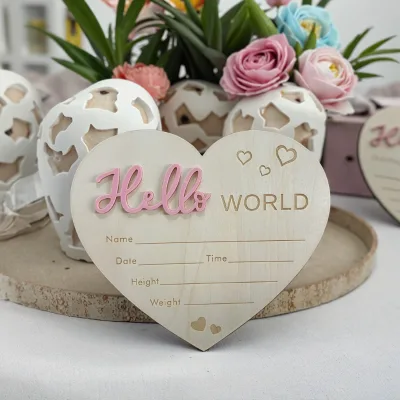
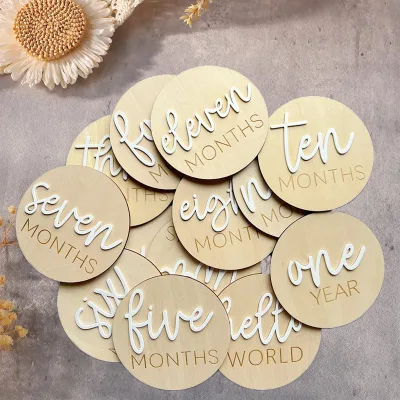
Main productsmilestone wooden sign,baby wardrobe closet divider,meditation wooden board,Cut Carved Wooden Coasters,Hollow carved wood crafts
Main marketsSoutheast Asia(20.00%), South America(20.00%), North America(20.00%), Eastern Europe(10.00%), Domestic Market(5.00%), South Asia(5.00%), Southern Europe(5.00%), Northern Europe(5.00%), Central America(5.00%), Western Europe(5.00%), Eastern Asia(5.00%), Mid East(5.00%), Oceania(5.00%), Africa(5.00%)

$0.6692 - $0.7201
MOQ: 50 pieces


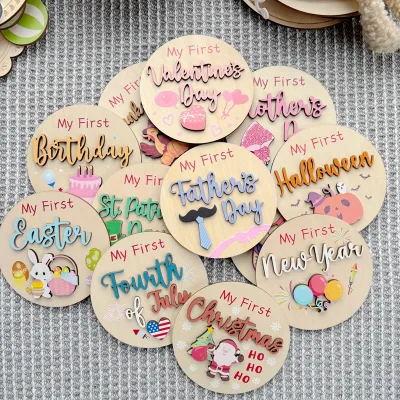
Dongguan Huibao Wooden Craft Products Co., Ltd.
- Manufacturer, Trading Company
- Guangdong, China
- Lead time15 days
- Avg. response≤ 2h
Main productsWooden Rfid/Nfc Card,Wooden Crafts,Holiday Gifts,Wood Plywood,Wood Laser Cutting
Main marketsNorth America(20.00%), Domestic Market(10.00%), Mid East(10.00%), Oceania(10.00%), Eastern Europe(8.00%), Southeast Asia(5.00%), Southern Europe(5.00%), Northern Europe(5.00%), Central America(5.00%), Western Europe(5.00%), Eastern Asia(5.00%), Africa(5.00%), South America(5.00%), South Asia(2.00%)
Yiwu Haoway Handicraft Co., Ltd.
- Manufacturer, Trading Company
- Lead time旺季: "1 - 100":7,"101 - 600":12,"> 600":"To be negotiated", 淡季: "1 - 100":7,"101 - 600":12,"> 600":"To be negotiated"
- Avg. response≤ 6h
Main productsHandicrafts, Household Goods, Luggage, Festival Products
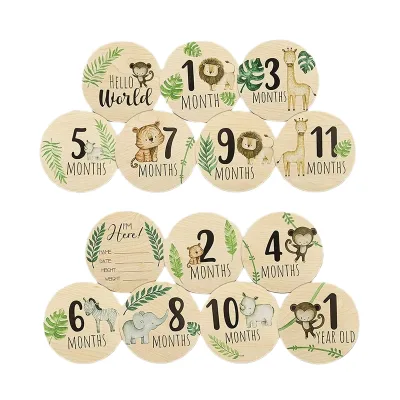

Wholesale Custom Cheap Imprime Toy Baby Wooden Monthly Milestone Cards New Born Baby Shower Souvenir
$0.39 - $5.95
MOQ: 50 Minimum

Dongguan Rarlong Crafts Co., Ltd.
- Trading Company
- Guangdong, China
- Lead time0 days
- Avg. response≤ 3h
Main productsGifts & Crafts,Wooden Crafts,Home&Garden,Crystal Crafts,Baby products
Main marketsCentral America(25.00%), Eastern Europe(25.00%), North America(20.00%), South America(15.00%), Western Europe(5.00%), Mid East(5.00%), Southeast Asia(3.00%), Domestic Market(1.00%), Southern Europe(1.00%)

Xiamen Hongju Industry and Trade Co., Ltd.
- Verified by TUVRHEINLAND
- Combined
- China Fujian
- Lead time15 days
- Avg. response≤ 7h
Main productsPaper Boxes, Packaigng Boxes, Gift Boxes, Card Game, Card Deck, Books Printing, Paper Printing Service, Custom Journals, Custom Planners, Notebooks
Main marketsEurope,North America

Personalised Custom Baby Milestone Daily Cards Manifestation Affirmation Card
$0.99 - $2.99
MOQ: 250 Pieces

Custom Photo Frame Baby Milestone Card Moments Wedding Bridal Baby Shower
$0.99 - $2.99
MOQ: 250 Pieces

Hefei Xinghua Printing Co., Ltd.
- Manufacturer, Trading Company
- Anhui, China
- Lead time0 days
- Avg. response≤ 10h
Main productsBook Printing, Boutique Packaging Box
Main marketsNorth America(60.00%), Africa(40.00%)
Hangzhou Belief Materials Co., Ltd.
- Manufacturer, Trading Company
- Zhejiang, China
- Lead time0 days
- Avg. response≤ 1h
Main productsHome Decorations,Party Decoration
Main marketsNorth America(80.00%), Central America(20.00%)
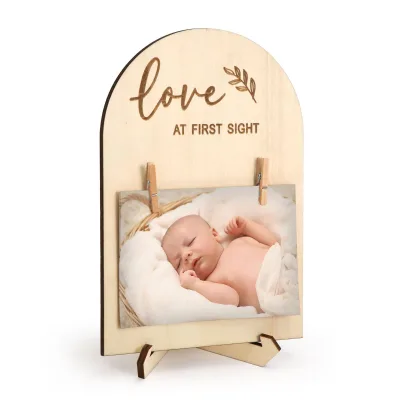
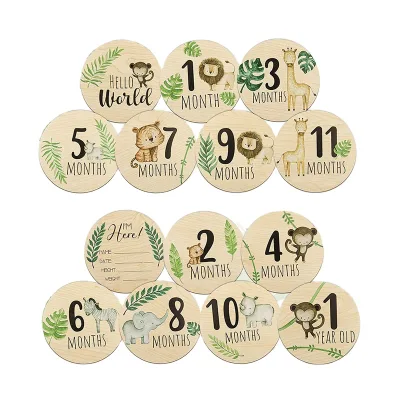
$1.4356 - $2.1542
MOQ: 10 pieces

Qingdao Ali Global Trading Co., Ltd.
- Trading Company
- Shandong, China
- Lead time30 days
- Avg. response≤ 7h
Main productsWood Cat Furniture,Modern Wood Cat Tree,Pet Toys,Wood Home Decor,Wood Crafts
Main marketsNorth America(34.00%), Mid East(13.00%), Eastern Asia(12.00%), Western Europe(11.00%), South America(9.00%), Oceania(6.00%), Africa(5.00%), Southeast Asia(4.00%), Domestic Market(3.00%), Eastern Europe(3.00%)


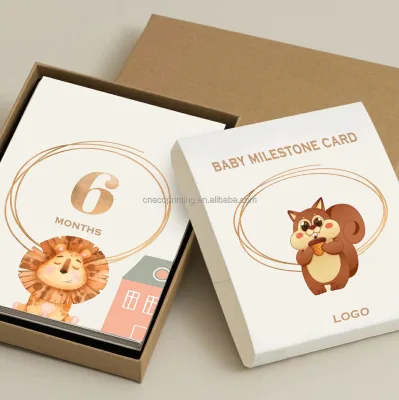
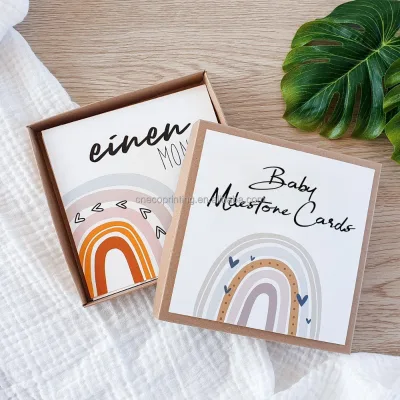
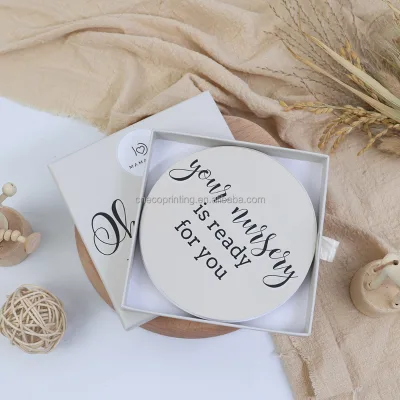
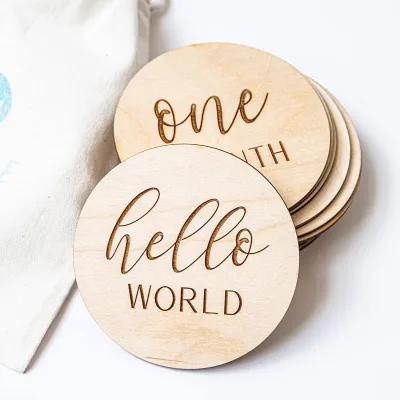


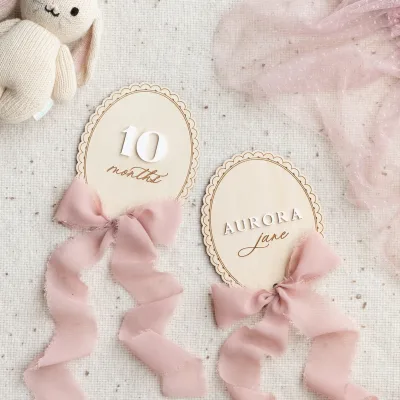
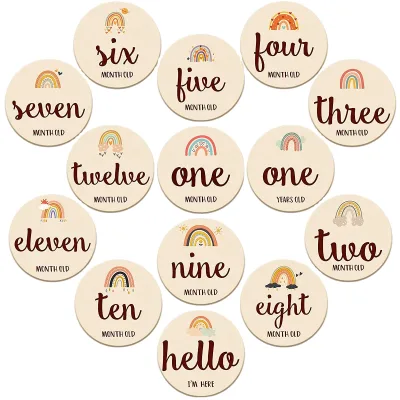
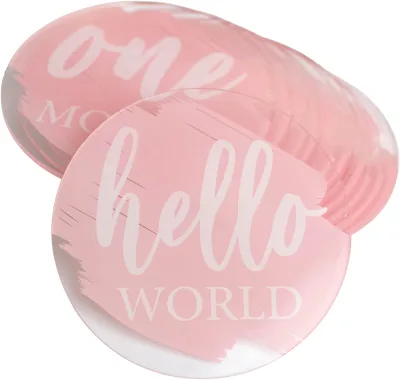
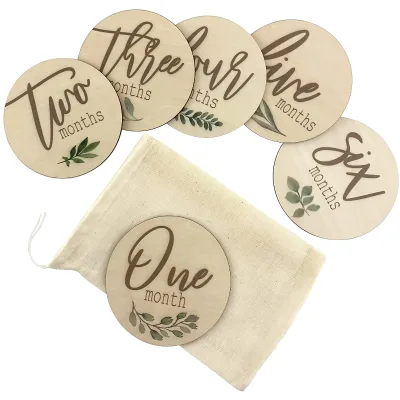
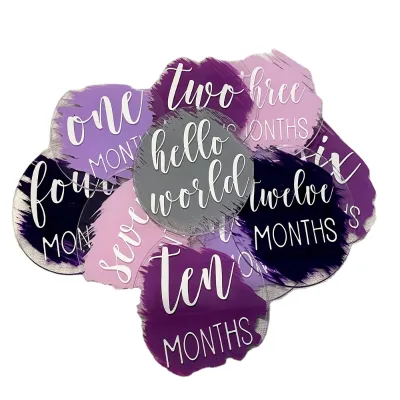
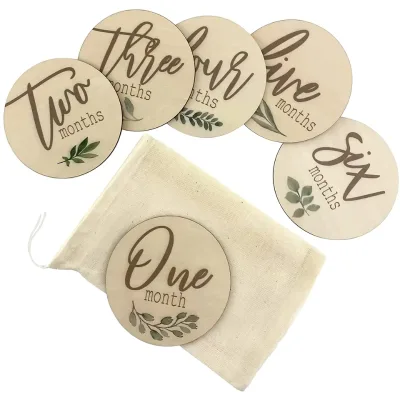




Comprehensive Sourcing Guide
Recycled Baby Milestone Cards Supplier Concentration and Factory Types
Current data indicates that manufacturers and trading companies specializing in wooden crafts and milestone cards are concentrated in specific Chinese provinces, notably Guangdong and Fujian. These regions host facilities that produce items ranging from wooden boxes to engraved discs, often utilizing plywood or basswood materials. Some suppliers in these clusters operate as dual-role entities, functioning as both manufacturers and trading companies to offer broader product ranges. The presence of ISO 9001 certification among these entities suggests a baseline for quality management systems within these manufacturing hubs. Buyers should verify if the specific facility handling their order is the actual production site or a trading intermediary, as this distinction impacts direct communication and quality control capabilities.
When evaluating the factory types, it is essential to distinguish between pure manufacturers and trading companies based on their stated company type and product evidence. Some suppliers list main products like wooden plaques and clocks alongside milestone cards, indicating a broader craft manufacturing capability. Others focus specifically on paper-based printing services or specialized wood processing. The supply chain structure often involves OEM capabilities, where suppliers accept custom designs and models. Buyers must confirm if the supplier's stated capacity includes the specific customization required, such as laser cutting or specific material sourcing, rather than relying on general descriptions. Understanding the operational model helps in predicting flexibility and responsiveness to unique order requirements.
How to Verify Recycled Baby Milestone Cards Suppliers
Verification of supplier credentials is critical when sourcing specialized items like milestone cards, particularly when claims involve specific materials or recycled content. Current results show that some suppliers hold TUVRHEINLAND verification status, while others display SGS Group verification. These third-party validations provide a layer of assurance regarding the company's legitimacy and operational stability. Buyers should prioritize suppliers with these explicit verification badges over those without, as they indicate a higher level of scrutiny by independent bodies. It is important to note that verification status does not automatically guarantee product quality but serves as a foundational check on the business entity itself.
Beyond verification badges, buyers must scrutinize the specific product attributes and material claims provided in the listing. Evidence shows products made from plywood, basswood, or paper, with some listing specific models like BLK005 or BM10A2. Buyers should request detailed material specifications to confirm if the "recycled" claim is substantiated by the actual product attributes listed, such as the specific wood type or paper composition. If the product evidence lists standard materials like "Plywood" or "Basswood plywood" without explicit recycled content details, the buyer must ask for proof of material sourcing. Relying solely on the product title without verifying the detailed attributes can lead to mismatches between expectations and the actual delivered goods.
What to Compare Across Recycled Baby Milestone Cards Suppliers
Comparing suppliers requires a systematic analysis of key operational metrics such as lead time, minimum order quantity, and response speed. Data indicates significant variation in these areas, with lead times ranging from zero to 45 days and response times varying between 3 and 5. Some suppliers offer a lead time of 10 days, while others list 45 days, which directly impacts inventory planning and delivery schedules. Buyers should create a comparison matrix to evaluate these timelines against their specific project deadlines. It is crucial to understand that a shorter lead time might come with higher costs or stricter minimum order requirements, so balancing speed with cost is essential for effective sourcing.
Minimum order quantities (MOQ) and pricing structures also vary widely across the supplier pool, influencing the feasibility of small-scale orders. Current evidence shows MOQs ranging from 10 pieces to 650 pieces, with unit prices fluctuating between $0.30 and $9.00 depending on the product model and customization level. Suppliers with lower MOQs, such as those requiring only 10 units, may be more suitable for testing the market or fulfilling small boutique orders. Conversely, higher MOQs often correlate with lower per-unit costs, making them attractive for bulk procurement. Buyers must align their order volume with the supplier's capacity and pricing tiers to optimize budget efficiency while ensuring the supplier can meet the required production volume without delays.
Common Recycled Baby Milestone Cards Sourcing Risks
One significant risk in sourcing these items is the potential discrepancy between the claimed material composition and the actual product delivered. While some listings specify materials like plywood or basswood, the term "recycled" may not be explicitly detailed in the product attributes provided. Buyers face the risk of receiving standard wood products if the specific recycled content is not verified through documentation or samples. This risk is compounded if the supplier relies on general descriptions rather than specific material certifications. To mitigate this, buyers should insist on material test reports or detailed specifications that explicitly confirm the recycled nature of the wood or paper used in the manufacturing process.
Another risk involves the reliability of production capacity and the ability to meet customization requests. Some suppliers list OEM capabilities, but the actual capacity to handle complex customizations like specific laser cutting patterns or unique shapes may vary. Evidence shows various product models with different specifications, suggesting that not all suppliers can produce every design variation. If a supplier claims to accept customization but lacks the specific machinery or expertise, the final product may not meet the design requirements. Buyers should verify the supplier's specific experience with similar custom projects and request samples of previous work to ensure their capabilities align with the intended product design before placing a large order.
Recycled Baby Milestone Cards Regional Sourcing and Logistics
Regional sourcing decisions are heavily influenced by the location of the manufacturing facilities, which impacts shipping costs and lead times. Current data points to suppliers located in Guangdong and Fujian, China, as primary sources for wooden and paper-based milestone cards. These regions offer established logistics networks, but the specific port of dispatch, such as Quanzhou or Xiamen, can affect transit times and freight costs. Buyers should calculate the total landed cost by factoring in the distance from these ports to their destination, as well as any regional tariffs or trade agreements that might apply. Understanding the specific origin helps in estimating the reliability of the supply chain and the potential for delays due to regional logistical bottlenecks.
Logistics planning must also account for the packaging details and shipping dimensions provided in the product evidence. Listings indicate packaging such as paper boxes or OPP bags, with specific single package sizes and gross weights. These details are crucial for calculating shipping volume and selecting the appropriate freight method. For instance, a product with a single gross weight of 1.3 kg or 2.0 kg will have different shipping implications compared to lighter items. Buyers should request detailed packing lists to ensure that the packaging is robust enough to protect the wooden or paper products during transit. Proper logistics planning prevents damage and ensures that the products arrive in good condition, maintaining the quality expected by the end consumer.
Recycled Baby Milestone Cards Commercial Terms and Order Planning
Commercial terms, including payment methods and escrow services, play a vital role in securing a safe transaction. While specific payment terms are not explicitly detailed in the provided facts, the presence of verification badges like TUVRHEINLAND and SGS Group suggests that these suppliers may participate in secure trading platforms. Buyers should prioritize using escrow services or secure payment gateways that offer protection against non-delivery or quality disputes. It is essential to clarify the payment schedule, such as deposit percentages and balance due dates, before confirming the order. Understanding the financial terms helps in managing cash flow and reducing the risk of financial loss if the supplier fails to meet their obligations.
Order planning must also consider the supply ability and production capacity of the selected supplier. Some suppliers list a supply ability of 10,000 pieces per month, while others may have different capacities. Buyers need to ensure that the supplier can meet their required volume within the agreed lead time. If the order volume exceeds the supplier's stated capacity, there is a risk of delays or the need to split the order across multiple batches. Buyers should discuss production schedules and capacity constraints early in the negotiation process. This proactive approach ensures that the supplier can commit to the delivery timeline and that the buyer can plan their inventory and marketing activities accordingly without unexpected interruptions.
FAQs
Are recycled materials used for baby milestone cards?
Suppliers offer plywood and basswood options for milestone cards. While not explicitly labeled recycled, these wood materials are natural resources. Buyers should verify specific material sourcing details with manufacturers to confirm if any recycled content is included in the production process for their specific order requirements.
What is the minimum order quantity for wooden cards?
Minimum order quantities vary significantly by supplier. Some manufacturers require a minimum of 500 pieces for custom plywood cards, while others accept orders as low as 10 pieces for standard wooden discs. Buyers must check specific product listings to determine the exact MOQ applicable to their desired design and quantity.
How long does production take for milestone cards?
Lead times differ among suppliers. Some factories report a lead time of 45 days for production, while others indicate 10 days for printing services. One supplier lists a lead time of zero days, suggesting immediate availability for certain stock items. Buyers should confirm current production schedules directly with the supplier.
What is the price range for baby milestone cards?
Prices for wooden milestone cards range from approximately $0.30 to $9.00 per unit. Lower costs apply to basic wooden discs, while higher prices reflect custom shapes or premium packaging. Buyers should request quotes based on their specific quantity and customization needs to get accurate pricing for their budget.
Can I customize the design of milestone cards?
Customization is widely available. Suppliers accept OEM orders and offer custom shapes, logos, and printing styles. Options include laser cutting, offset printing, and embossing. Buyers can specify materials like plywood or paperboard and request unique designs to match their brand identity or specific memory-keeping themes for their products.
Where are these milestone card suppliers located?
Manufacturers are primarily located in China, specifically in Guangdong and Fujian provinces. Suppliers in these regions offer various wood and paper products. Buyers can filter results by these locations to find factories with specific logistical advantages or to align with regional sourcing strategies for their supply chain needs.
Are suppliers verified for quality assurance?
Many suppliers hold verification badges from recognized agencies. Some are verified by TÜV Rheinland, while others hold SGS Group certifications. Additionally, ISO 9001 system certification is present for some manufacturers. Buyers should review these verification details to assess the reliability and quality management standards of potential suppliers.