Muller Martini Book Transport Suppliers and Manufacturers
Explore 23 verified options for Muller Martini Book Transport parts from Guangdong and China. Compare response times, lead times, and product specifications like weight and model numbers before contacting suppliers directly; review the available evidence before requesting comparable quotations from suitable candidates.
Suppliers List
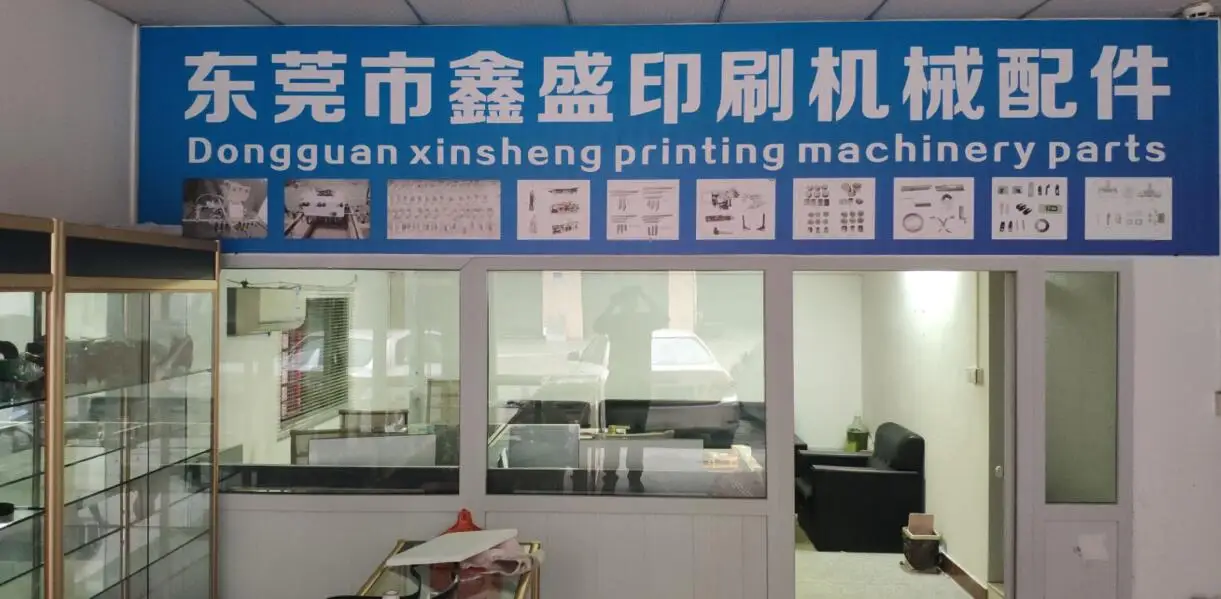
Dongguan Xinsheng Printing Machinery Parts Co., Ltd.
- Manufacturer, Trading Company
- Guangdong, China
- Lead time0 days
- Avg. response≤ 4h
Main productsFolding machine parts,Printing machine parts,polar parts,die cutting machine parts,hohner stitching head parts
Main marketsDomestic Market(70.00%), Southeast Asia(10.00%), North America(5.00%), Northern Europe(5.00%), Central America(5.00%), Africa(5.00%)
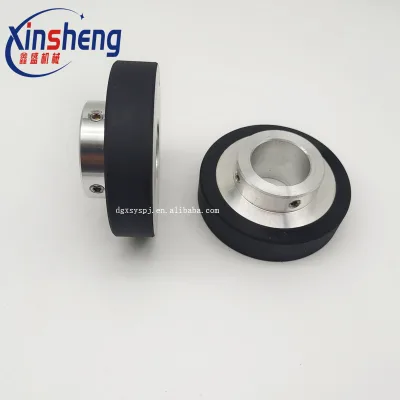
Muller martini Parts Muller martini Rubber Roller for Paper Pressing Muller martini Rubber Wheel
$14.38 - $17.46
MOQ: 2 pieces
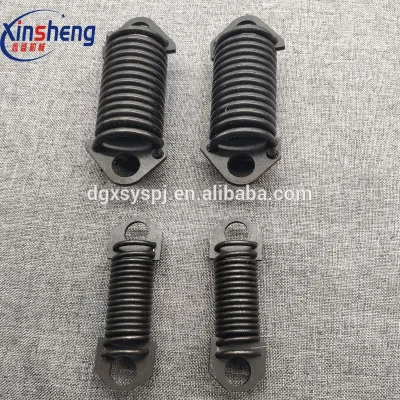
Muller martini Parts Muller martini Spring Muller martini Riding Set Dragon Hardcover Dragon Spring
$8.15 - $10.19
MOQ: 2 pieces

Shenzhen J & E Graphic Material Trade Co., Ltd.
- Manufacturer
- Guandong, China
- Lead time0 days
- Avg. response≤ 1h
Main productsBookbinding Parts,Muller Martini Replacement parts,Aster Boksewing parts,Muller Martini Saddle stitching parts,Post-Press boobkding Parts
Main marketsWestern Europe(30.00%), North America(20.00%), Northern Europe(10.00%), Eastern Europe(10.00%), Domestic Market(10.00%), Southeast Asia(10.00%), Mid East(5.00%), South Asia(5.00%)
Renqiu Caiye Printing Equipment Co., Ltd.
- Manufacturer, Trading Company
- Hebei, China
- Lead time0 days
- Avg. response≤ 2h
Main productsPress fittings,Rubber parts,Plastic accessories,Machinery accessories,Paper cutter accessories
Main marketsNorth America(10.00%), Southeast Asia(10.00%), Africa(10.00%), Eastern Asia(10.00%), Central America(10.00%), South Asia(10.00%), Domestic Market(10.00%), South America(5.00%), Eastern Europe(5.00%), Oceania(5.00%), Mid East(5.00%), Western Europe(5.00%), Northern Europe(5.00%)

Guangzhou Ibay International Co., Ltd.
- Verified by SGS
- Manufacturer
- China Guangdong
- Lead time30 days
- Avg. response≤ 4h
Main productsToy, Educational Toys, Children's Book, Stationery Set, Maternity and Baby Products, Printing
Main marketsSouth America,Europe,North America

Fujian Juhui Printing Co., Ltd.
- Verified by BV
- Combined
- China Fujian
- Lead time15 days
- Avg. response≤ 6h
Main productsBooks Printing, Notebooks / Journals / Planners / Diaries / Memo, Paper Packaging, Specialty & Premium Printing, Children's Books / Coloring Books, Food Packaging, Notebook & Stationery Printing, Card & Game Printing, Paper Bags, Posters / Business Cards / Postcards / Booklets
Main marketsSoutheast Asia/ Mideast,Europe,Australia,North America

Guangzhou Zhongtian Paper Product Co., Ltd.
- Verified by TUVRHEINLAND
- Trading Company,Manufacturer/Factory,Group Corporation
- China Guangdong
- Lead time38 days
- Avg. response≤ 4h
Main productsBible, Book, Children Book, Paper Box, Jigsaw Puzzle, Notebook Printing, Board Game, Calendar, Paper Bags, Seed Paper Cards
Main marketsSouth America,Eastern Europe,Mid East,North America,Southeast Asia,Oceania,Western Europe,Africa

Europe Story Book Printing Biography Round Spine Hardcover Book Printing
$1.18 - $1.78
MOQ: 1000 Pieces


- Verified by SGS
- Combined
- China Guangdong
- Lead time15 days
- Avg. response≤ 5h
Main productsFilling Cabinet, Storage Cabinet, Office Furniture, Steel Locker, Safe Box, Metal Cupboards, Metal Wardrobe, File Cabinet
Main marketsAfrica,Southeast Asia/ Mideast,Europe

China Manufacturer School Bookstore Double Sided Book Trolley Mobile Steel Book Cart
$35.00 - $39.00
MOQ: 10 pieces


Modern Practical Library Double Sided Book Trolley Mobile 3 Levels Steel Book Cart
$34.00 - $39.00
MOQ: 5 pieces


Cheap Price Library Double Side Book Trolley Mobile Cold Rolling Steel Book Cart
$34.00 - $39.00
MOQ: 10 pieces

Guangzhou Xiangchen Printing Equipment Co., Ltd.
- Trading Company,Manufacturer/Factory
- China Guangdong
- Lead time15 days
- Avg. response≤ 5h
Main productsPrinting Machine, Offset Printing Parts, Heidelberg Spare Parts, Man Roland Spare Parts, Kba Spare Parts, Printer Parts, Offset Printing, Printer Boards, Komori Printing Parts, Printing Accessories
Main marketsSouth America,Eastern Europe,Mid East,North America,Southeast Asia,Eastern Asia,Oceania,Western Europe,Africa

Red Finger 0235.1158 0235.1157 Muller Martini for Offset Printing Machine Spare Parts
$15.00 - $28.00
MOQ: 1 Pieces

Best Quality 881.0142.3 Bookbinding Spare Parts for Martini Replacement Parts
$46.00 - $69.00
MOQ: 1 Pieces

Chain Finger 0235.1157 0235.1158 for Muller Martini Printing Machine Parts Finger
$59.00 - $99.00
MOQ: 1 Pieces

High Quality 0881.4112 Clincher Arm for Muller Martini Stitching Head Parts 0881.4112
$40.00 - $45.00
MOQ: 5 Pieces

Guangzhou Bonedry Co., Limited
- Verified by SGS Group
- Trading Company
- Lead time5 days
- Avg. response≤ 3h
Main productsPrinting Part, Inkjet Printer, Printing Machine
Main marketsNorth America(25%), Africa(25%), South America(10%)

Hangzhou Quan Shixing Trading Co., Ltd.
- Verified by BV
- Trading Company
- China Zhejiang
- Lead time15 days
- Avg. response≤ 4h
Main productsPrint Packing Service, High-End Gift Box, Cosmetics Packaging, Paper Bag, Perfume Box, Paper Box, Jewellery Packaging, Kraft Paper Box, Custom Printing Labels, Non-Woven Bags
Main marketsSouth America,Southeast Asia/ Mideast,East Asia(Japan/ South Korea),Europe,Australia,North America

Printed Books Customized Printing Service Book Publishing Coloring Book Printing
$0.05 - $0.15
MOQ: 500 Pieces

Book Publishing Playing Cards Book Customized Printing (service factory cheap price)
$0.05 - $0.15
MOQ: 500 Pieces

Hardness Book Printing Book Magazine Printing Catalog Printing Wholesale Books
$0.05 - $0.15
MOQ: 500 Pieces
Round Color Printing (Shenzhen) Co., Ltd.
- Verified by BV
- Trading Company
- China Guangdong
- Lead time23 days
- Avg. response≤ 11h
Main productsBook Printing, Catalog Printing, Calendar Printing, Notebook Printing
Main marketsEurope,Australia,North America

SHENZHEN CANDIDUS PRINTING GROUP CO., LIMITED
- Trading Company
- China Guangdong
- Lead time0 days
- Avg. response≤ 1h
Main productsBook Printing, Catalog Printing, Label, Paper Bag, Notebook, Magazine Printing, Packaging Box, Printing Service, Banner, Greeting Card
Chongqing Colorful Technology Co., Ltd.
- Verified by TUVRHEINLAND
- Combined
- China Chongqing
- Lead time15 days
- Avg. response≤ 6h
Main productsSmart Card, PVC Card, Bisiness Card, Metal Card, Gift Card, Thank You Card, Plastic Card
Main marketsDomestic
- Verified by BV
- Trading Company,Manufacturer/Factory
- China Shanghai
- Lead time23 days
- Avg. response≤ 1h
Main productsBook Printing, Book, Children's Book, Paper Bag, Gift Boxes, Puzzle, Board Game, Tabletop Game, Playing Card
Main marketsSouth America,Eastern Europe,Mid East,North America,Southeast Asia,Eastern Asia,Oceania,Western Europe,Africa

Guangzhou Co-Dream Printing Co., Ltd
- Manufacturer/Factory
- China Guangdong
- Lead time45 days
- Avg. response≤ 6h
Main productsChildren Book, Board Book, Note Book, Exercise Book, Hardcover Book, Box, Paper Bag
Main marketsSouth America,Eastern Europe,Mid East,North America,Southeast Asia,Eastern Asia,Oceania,Western Europe,Africa
Guangzhou Cainian Paper Products Trading Co., Ltd.
- Manufacturer, Trading Company, Buying Office
- Guangdong, China
- Lead time40 days
- Avg. response≤ 4h
Main productsBook Printing,Textbook Printing,Diary Printing,Custom Design Printing,Notebook Printing
Main marketsNorth America(30.00%), Africa(30.00%), Northern Europe(15.00%), Southern Europe(10.00%), Western Europe(10.00%), Eastern Europe(5.00%)

Luoyang Jieken Commercial Trading Co., Ltd.
- Verified by TUVRHEINLAND
- Manufacturer/Factory
- China Henan
- Lead time23 days
- Avg. response≤ 4h
Main productsOffice Furniture, Filing Cabinet, Storage Cabinet, Locker, Shoe Cabinet, Metal Shelves, Office Tables, Wardrobe, Cupboard, Bookshelf
Main marketsSouth America,Eastern Europe,Mid East,North America,Southeast Asia,Eastern Asia,Oceania,Western Europe,Africa
Hangzhou Yingyueshufang E-Commerce Co., Ltd.
- Verified by TüVRheinland
- Trading Company
- Lead time30 days
- Avg. response≤ 22h
Main productsBooks Volumes, Home Garden Products, Sports Entertainment Products, Packaging Printing Equipment Products, Office Stationery Educational Supplies
Main marketsNorth America(50%), Western Europe(10%), Northern Europe(10%)
Ningbo Yinzhou Wenhui Paper Co., Ltd.
- Verified by TUVRHEINLAND
- Manufacturer/Factory
- China Zhejiang
- Lead time45 days
- Avg. response≤ 10h
Main productsStationery Gifts Promotional Homeware, Pen, Pet Products, Board Game, Paper Tube, Notebook, Wooden Toys, DIY Toy, Puzzle, Gift Bag
Main marketsSouth America,Eastern Europe,Mid East,North America,Southeast Asia,Eastern Asia,Oceania,Western Europe,Africa

Tung Wing Electronics (Shenzhen) Co., Ltd.
- Trading Company
- China Guangdong
- Lead time45 days
- Avg. response≤ 24h
Main productsSound Module, Flashing Module, Recording Module, Greeting Cards, Keychain, Photo Frame, Optical Fiber Bags, Flashing Badge, Promotional Gift, Sound Pad
Main marketsSouth America,Southeast Asia/ Mideast,East Asia(Japan/ South Korea),Europe,Australia,North America

Anhui Beauty Culture Development Co., Ltd.
- Verified by BV
- Combined
- China Anhui
- Lead time15 days
- Avg. response≤ 11h
Main productsGift Packing Box, Paper Bag, Stationery Printings, Packaging Box, Children Book, Board Games, Book Printing, Magazing Printing, Calendar Printing, Envelope Printing
Main marketsSoutheast Asia/ Mideast,Domestic,Europe,North America

GUANGZHOU TIMI PRINTING CO., LTD
- Verified by SGS
- Combined
- China Guangdong
- Lead time15 days
- Avg. response≤ 7h
Main productsHardcover Book, Paperback Book, Jigsaw Puzzles, Board Book, Activity Book, Casebound Book, Stickers Book, Coloring Book, Planner, Notebook
Main marketsEurope,North America

DONGGUAN SENGTOR PLASTICS PRODUCTS CO., LTD
- Combined
- China Guangdong
- Lead time15 days
- Avg. response≤ 2h
Main productsCard Sleeves, Card Box, Card Binder, Inner Pages, Biodegradable Bag, Mask
Main marketsEast Asia(Japan/ South Korea),Europe,North America

9 Pocket Fixed Pages Side Loading PU Leather Cover Trading Card Folder Collection Binder Album
$5.65 - $6.85
MOQ: 100 pieces

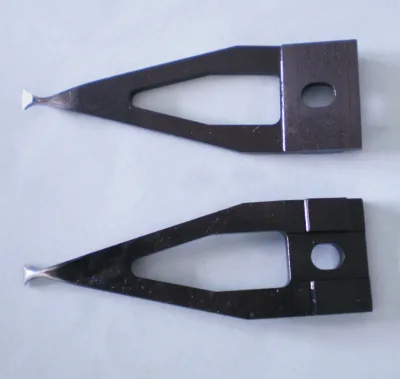
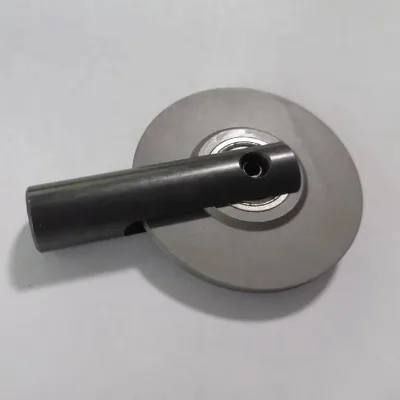
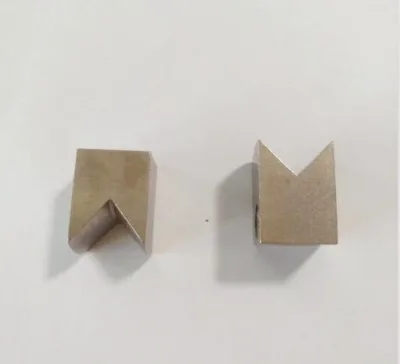

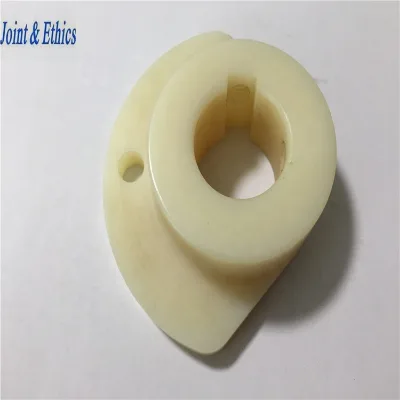

















Comprehensive Sourcing Guide
Muller Martini Book Transport Supplier Concentration and Factory Types
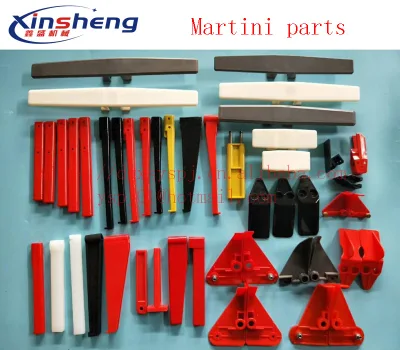
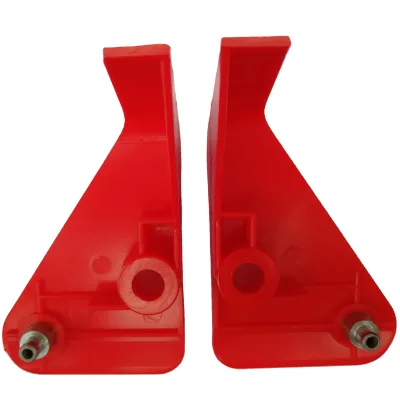
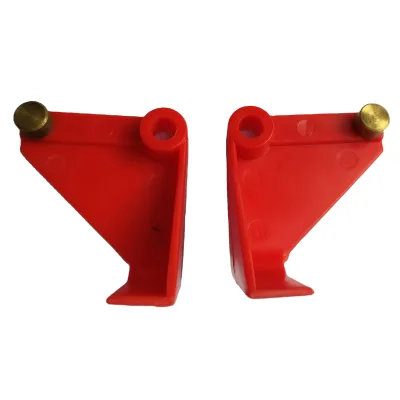
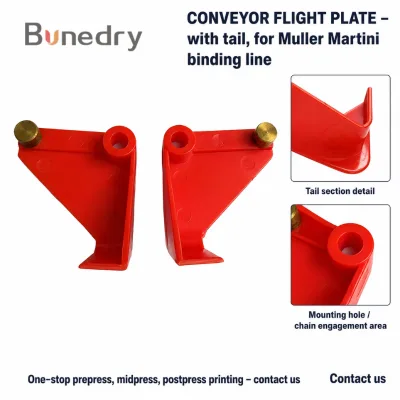
The available data indicates a significant concentration of suppliers offering Muller Martini Book Transport components within Guangdong, China. This region appears to host a mix of manufacturers and trading companies specializing in folding machine parts, printing machine parts, and specific binding accessories like rubber rollers and transport flights. The presence of multiple product listings originating from this province suggests a localized industrial cluster capable of supporting the demand for replacement parts for offset printing and bookbinding machinery. Buyers should recognize that while the geographic origin is consistent, the operational model varies, with some entities functioning as direct manufacturers and others as intermediaries.
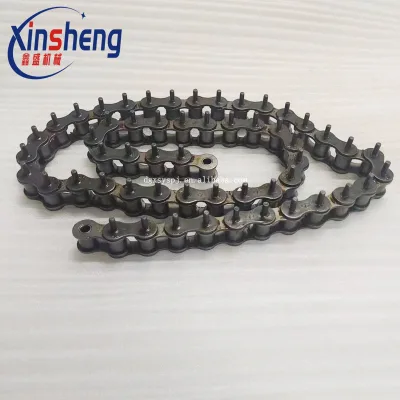
Factory types in this sector often include companies that produce a broad range of machinery components alongside specific Muller Martini replacements. The observed product catalog includes items such as rubber wheels, springs, and binding machine chains, indicating that these facilities may possess the tooling and assembly lines necessary for metal and plastic part fabrication. However, the distinction between a pure manufacturer and a trading company is critical for buyers seeking direct factory pricing or custom engineering support. Some listings explicitly state a manufacturer status, while others combine both roles, which can influence the depth of technical knowledge available regarding the specific transport flight models and their compatibility with different machine series.
How to Verify Muller Martini Book Transport Suppliers
Verification begins with scrutinizing the response time and communication channels provided in the supplier profile. The data shows response times varying from one to four units, which serves as a preliminary indicator of operational efficiency and customer service readiness. A faster response time often correlates with a more active sales team and potentially quicker turnaround on technical inquiries regarding part compatibility. Buyers should prioritize suppliers who demonstrate a rapid response capability, as this suggests a higher level of engagement and the likelihood of receiving timely updates on order status or production delays.
Beyond communication speed, buyers must validate the specific product attributes listed against their machine requirements. The evidence includes detailed specifications such as model numbers, material types, and weight, which are essential for ensuring the part fits the intended Muller Martini equipment. For instance, some listings specify a place of origin as Guangdong while others indicate Germany, creating a need for careful verification of the actual manufacturing source. Buyers should request physical samples or detailed certification documents to confirm that the product matches the claimed specifications, particularly for critical components like transport flights and grippers where precision is paramount for machine performance.
What to Compare Across Muller Martini Book Transport Suppliers
When evaluating potential partners, comparing minimum order quantities (MOQ) is a primary step in assessing supply chain flexibility. The observed data reveals a wide range of MOQs, with some suppliers requiring as few as one unit while others mandate orders of ten or more. This variation allows buyers to select partners that align with their inventory strategy, whether they need a single replacement part for immediate repair or a bulk order for long-term stockpiling. Understanding these thresholds helps in calculating the total cost of ownership and determining the most economical purchasing volume for specific operational needs.
Lead times and pricing structures also require direct comparison to ensure alignment with project schedules and budget constraints. While some product listings show a lead time of zero, indicating immediate availability, others may imply longer production cycles depending on the complexity of the part. Price ranges vary significantly, from low-cost plastic accessories to higher-priced mechanical components like control wheels. Buyers should analyze the price per unit relative to the MOQ and lead time to identify the most cost-effective option. Additionally, comparing the main products offered by each supplier can reveal whether a vendor specializes in a comprehensive range of binding parts or focuses on a narrow niche, affecting the convenience of sourcing multiple components from a single source.
Common Muller Martini Book Transport Sourcing Risks
One significant risk involves the discrepancy between claimed origins and actual manufacturing locations. The data presents conflicting information, with some products listing Guangdong, China, as the place of origin while others specify Germany. This inconsistency can lead to confusion regarding quality standards, shipping costs, and potential import duties. Buyers must verify the true origin of the goods to ensure they are receiving authentic components or high-quality equivalents that meet the required specifications. Relying solely on the product title without confirming the detailed attributes can result in receiving parts that do not function correctly within the specific machine model.
Another risk pertains to the availability of warranty and after-sales support. Many product listings explicitly state that warranty information is unavailable, leaving buyers without recourse in case of defects or premature failure. This lack of guaranteed support is particularly concerning for critical machine parts that, if faulty, can halt production lines. Buyers should inquire directly about warranty policies and return procedures before placing an order. The absence of clear warranty terms suggests a higher risk profile, and suppliers who cannot provide a warranty may lack the confidence in their product quality or the infrastructure to handle post-sale issues effectively.
Muller Martini Book Transport Regional Sourcing and Logistics
The concentration of suppliers in Guangdong, China, offers logistical advantages regarding shipping and regional supply chain integration. Most observed listings indicate a port of dispatch from Dongguan, a major industrial hub within the province known for its manufacturing capabilities and export infrastructure. This proximity to major shipping lanes can facilitate faster transit times and potentially lower freight costs compared to sourcing from more remote locations. Buyers should consider the specific port of dispatch when calculating total landed costs, as different ports may have varying handling fees and customs processing efficiencies.
However, the variability in product origins, including some listings claiming Germany, introduces complexity into the logistics planning. Sourcing from Germany may involve longer lead times and higher shipping costs due to the distance and potential customs procedures associated with international trade from Europe. Buyers must clarify the actual shipping origin for each item to avoid unexpected delays. Additionally, the single package size and weight provided in the data can help in estimating freight charges, but buyers should confirm these details with the supplier to ensure accurate cost projections. Understanding the regional logistics landscape is essential for optimizing the supply chain and minimizing disruptions.
Muller Martini Book Transport Commercial Terms and Order Planning
Order planning must account for the diverse commercial terms presented in the supplier data, particularly regarding selling units and pricing tiers. The evidence shows that many items are sold as single units, which simplifies the ordering process for small-scale repairs but may not be cost-effective for bulk needs. Buyers should evaluate whether the supplier offers volume discounts or if the price remains fixed regardless of quantity. Understanding these pricing structures is crucial for budgeting and ensuring that the total expenditure aligns with the procurement strategy. Some listings also indicate specific selling units, which can impact how the order is packaged and shipped.
Lead time and response time are critical factors in order planning, as they directly influence production schedules and inventory management. While some suppliers report a lead time of zero, suggesting immediate dispatch, others may have unlisted delays that could affect project timelines. Buyers should establish clear expectations regarding delivery dates and confirm these with the supplier before finalizing the order. The response time of one to four units also plays a role in how quickly issues can be resolved during the ordering process. By carefully analyzing these commercial terms, buyers can create a robust order plan that mitigates risks and ensures the timely receipt of necessary Muller Martini Book Transport components.
FAQs
Where are these Muller Martini parts manufactured?
Most listed components originate from Guangdong, China, with some specific items like the 1528 pulley noted as coming from Germany. Buyers should verify the specific place of origin for each part before ordering to ensure compatibility with their machinery requirements.
What is the minimum order quantity for these parts?
Minimum order quantities vary by item, ranging from one piece for specific wheels to ten pieces for transport flights. Some rubber rollers require a minimum of two units, while other accessories may have different thresholds depending on the specific product listing.
How quickly do suppliers typically respond to inquiries?
Response times for these suppliers are generally fast, with some indicating a one-day response window and others showing a four-day average. Buyers should expect prompt communication when contacting manufacturers or trading companies listed for these specific printing machine components.
Are these parts compatible with offset printing machines?
Yes, the majority of the listed components are explicitly designed for use with offset printing machines. This includes rubber rollers, chains, and various control wheels intended for Muller Martini binding and finishing equipment used in commercial offset printing environments.
What is the price range for Muller Martini rubber rollers?
Prices for rubber rollers and wheels typically range between fourteen and seventeen dollars per unit. Specific pricing depends on the exact model and specifications, with some specialized parts like control wheels costing significantly more than standard rubber components.
Do these suppliers offer warranty coverage for parts?
Warranty information for the majority of the listed parts is currently unavailable in the product specifications. Buyers should contact the specific supplier directly to confirm if any warranty terms apply to their purchase before finalizing the order for these machinery components.
What is the shipping port for these orders?
Orders for these parts are typically dispatched from Dongguan, China, which is a major manufacturing hub in the Guangdong region. Some listings may specify alternative ports, but Dongguan remains the primary point of dispatch for the majority of the available inventory.