Montessori Sensory Educational Busy Board Suppliers and Manufacturers
Source 26 verified suppliers for Montessori Sensory Educational Busy Board products. Compare key dimensions including location, lead times, MOQ, response times, certifications, and pricing to identify suitable partners. Contact suppliers directly to request samples and confirm OEM/ODM capabilities; review the available evidence before requesting comparable quotations from suitable candidates.
Suppliers List

Beijing Ulike Technology Co., Ltd.
- Trading Company,Manufacturer/Factory
- China Beijing
- Lead time23 days
- Avg. response≤ 9h
Main productsHome Storage, Laundry and Kitchen Products
Main marketsSouth America,Mid East,North America,Southeast Asia,Eastern Asia,Western Europe


Montessori Sensory Board Travel Toys Learning Educational Activity Felt Busy Board
$3.90
MOQ: 1000 Pieces


Ningbo Shone Med-Tech Co., Ltd.
- Verified by SGS
- Trading Company,Manufacturer/Factory,Group Corporation
- China Zhejiang
- Lead time23 days
- Avg. response≤ 4h
Main productsWooden Games, Wooden Toys, Bingo Games, Wooden Sport Items, Wooden Box
Main marketsSouth America,Eastern Europe,Mid East,North America,Southeast Asia,Eastern Asia,Oceania,Western Europe,Africa


Educational Sensory Board Learning Montessori Toys Wooden Busy Board Game
$9.80 - $19.90
MOQ: 200 Pieces


Children's Montessori Wooden Toddler Wooden Busy Board Sensory Activity Board
$30.99 - $35.99
MOQ: 200 Pieces


Hai Yang International Limited
- Verified by SGS
- Trading Company,Manufacturer/Factory
- China Zhejiang
- Lead time60 days
- Avg. response≤ 6h
Main productsWooden Toy, Montessori Material, Wooden Educational Toys, Wooden Puzzle, Wooden Blocks, Wooden Train Set, Wooden Nutcrackers, Wooden Crafts, Wooden Dolls, Wooden Chess
Main marketsEastern Europe,Mid East,North America,Southeast Asia,Eastern Asia,Oceania


Wholesale Custom Sensory Activity Double-Sided Design Montessori Kids Busy Board
$0.98 - $1.98
MOQ: 100 Pieces

- Verified by TUVRHEINLAND
- Trading Company
- China Zhejiang
- Lead time23 days
- Avg. response≤ 6h
Main productstoys
Main marketsSoutheast Asia/ Mideast,Europe,Australia


$5.31 - $5.59
MOQ: 12 pieces


Wooden Busy Board Montessori Toy Activity Board with Button and Lace Toddler
$3.79 - $3.99
MOQ: 24 sets


$6.29 - $6.99
MOQ: 1000 sets
Shantou Jinyu Trading Co., Ltd.
- Verified by SGS Group
- Manufacturer, Trading Company
- Lead time7 days
- Avg. response≤ 4h
Main productsEducational Toys, Baby Toys, Toy Car, Outdoor Toys, Pretend Play
Main marketsNorth America(40%), Eastern Europe(20%), Southeast Asia(20%)
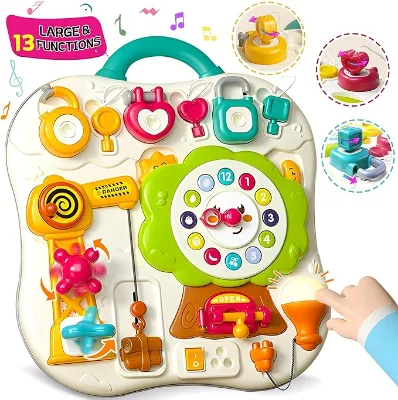
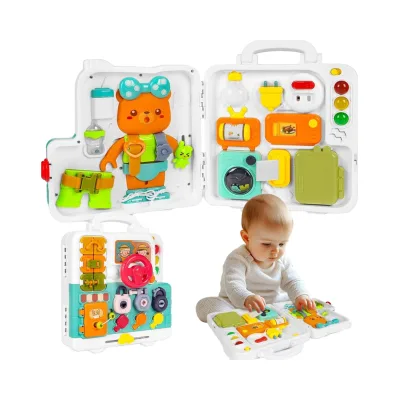
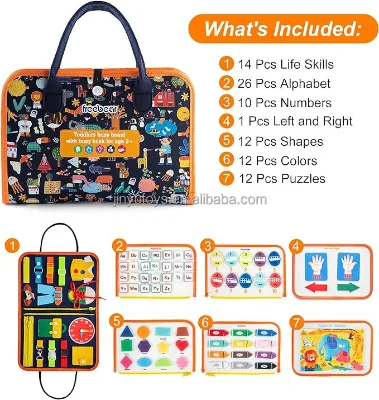
Baby Busy Board Sensory Toys Baby Montessori Toys Activity Learning Busy Board for Kids
$8.24 - $8.49
MOQ: 80 pieces
Shantou Chenghai Goodway Infant Toys Factory
- Verified by SGS Group
- Manufacturer, Trading Company
- Lead time30 days
- Avg. response≤ 2h
Main productsEducational Toys, Baby Toys, Musical Toys, Baby Rattle
Main marketsDomestic Market(65%), North America(11%), Eastern Asia(10%)

PIN INTERNATIONAL (NINGBO) LTD.
- Verified by TUVRHEINLAND
- Manufacturer/Factory
- China Zhejiang
- Lead time90 days
- Avg. response≤ 4h
Main productsWooden Toys Kids Toys Educational Toys, Arts and Crafts, Stem Toys, DIY Products, Subscription Box for Kids
Main marketsSouth America,Eastern Europe,North America,Eastern Asia,Western Europe

Baby Sensory Learning Toy Montessori Educational Felt Busy Activity Board for Toddler
$2.65 - $2.76
MOQ: 1000 Pieces


- Manufacturer, Trading Company
- Zhejiang, China
- Lead time0 days
- Avg. response≤ 5h
Yiwu B&T Crafts & Arts Co., Ltd.
- Trading Company
- Zhejiang, China
- Lead time12 days
- Avg. response≤ 4h
Main productsChildren Toys, Stationery, Singing Bowl
Main marketsNorth America(40.00%), Western Europe(10.00%), South Asia(5.00%), South America(5.00%), Oceania(5.00%), Southern Europe(5.00%), Eastern Asia(5.00%), Central America(5.00%), Northern Europe(5.00%), Eastern Europe(5.00%), Mid East(5.00%), Southeast Asia(5.00%)
- Verified by SGS Group
- Manufacturer, Trading Company
- Lead time20 days
- Avg. response≤ 3h
Main productsKids Toys, Chess Set, Puzzle, Block, Craft
Main marketsNorth America(20%), Eastern Europe(20%), South America(11%)

Lishui Zhangzhongbao Toys Co., Ltd.
- Trading Company,Manufacturer/Factory
- China Zhejiang
- Lead time30 days
- Avg. response≤ 5h
Main productsWooden Toys, Educational Toys, Doll House, Kitchen Toy, Wooden Bike
Main marketsSouth America,Eastern Europe,Mid East,North America,Southeast Asia,Eastern Asia,Oceania,Western Europe,Africa

Montessori Busy Board for Toddlers Activity Board for Kids Wooden Sensory Toys Z12341d
$4.00 - $10.00
MOQ: 1000 Pieces

Hot Selling Montessori Activity Sensory Toy Wooden Busy Board for Kids Z12605D
$8.00 - $15.00
MOQ: 1000 Pieces

Early Educational Sensory Activity Learning Toy Wooden Car Busy Board for Kids Z12428d
$2.00 - $8.00
MOQ: 1000 Pieces

High Quality Montessori Activity Learning Wooden Busy Board House for Kids Z12556D
$12.00 - $18.00
MOQ: 1000 Pieces

Shanghai Hillary Craft Co., Ltd.
- Verified by SGS Group
- Manufacturer, Trading Company
- Lead time30 days
- Avg. response≤ 3h
Main productsEducational Wooden Toys, Sensory Kids Toys , LED Light Furniture, LED Light Toys, Montessori
Main marketsWestern Europe(40%), North America(30%), Southern Europe(15%)

Hebei Walutz Import and Export Trading Co., Ltd
- Verified by SGS
- Trading Company
- China Hebei
- Lead time15 days
- Avg. response≤ 2h
Main productsFelt Bags, Wool Dryer Balls, Felt Polishing Products, Felt Letter Board, Industrial Felt, Christmas Gifts, Felt Diaper Bags, Felt Storage Bags, Felt Organizer Bags, Household Felt
Main marketsSouth America

Felt Activity Toddler Busy Board Sensory Learning Felt Board for Kids Montessori Toys Busy Board
$3.75 - $4.92
MOQ: 500 Pieces

$3.75 - $4.92
MOQ: 500 Pieces


$3.75 - $4.92
MOQ: 500 Pieces


$3.75 - $4.92
MOQ: 500 Pieces
- Verified by TüVRheinland
- Manufacturer, Trading Company
- Lead time18 days
- Avg. response≤ 5h
Main productsWooden Toys
Main marketsDomestic Market(30%), Western Europe(25%), North America(20%)

Ningbo V. K. Industry and Trading Co., Ltd.
- Verified by BV
- Trading Company
- China Zhejiang
- Lead time30 days
- Avg. response≤ 8h
Main productsIce Bath Tub, Cosmetic Glass Bottle, Hydroponics Grow Box, Baby Bottle, Inflatable Tent, Cream Jar, Reed Diffuser Bottle, Jewish Products, Mezuzah Case
Main marketsSouth America,Europe,Australia,North America

WENZHOU TIMES ARTS&CRAFTS CO., LTD.
- Verified by SGS
- Manufacturer/Factory
- China Zhejiang
- Lead time23 days
- Avg. response≤ 4h
Main productsToys, Montessori Toys, Wooden Toy, Educational Toy, Role Play Toys, Children Furniture, Puzzle, Kid Bike, Musical Toy, Wooden Blocks
Main marketsSouth America,Eastern Europe,Mid East,North America,Southeast Asia,Eastern Asia,Oceania,Western Europe,Africa

Montessori Educational Activity Sensory Toy Soft Felt Busy Board for Kids W12D476b
$2.00 - $8.00
MOQ: 100 Pieces


Customize Montessori Educational Busy Wooden Sensory Board for Toddlers W12D324
$10.00 - $20.00
MOQ: 100 Pieces

Kids Montessori Sensory Electric Wooden Busy Board with Light Switch W12D623
$5.00 - $10.00
MOQ: 100 Pieces

Montessori Sensory Toys Dinosaur Activity Wall Busy Board for Toddlers W12D730
$15.00 - $30.00
MOQ: 100 Pieces

Hot Selling Kids Montessori Sensory Toy Wooden Busy Board with Light Sound W12D479
$12.00 - $18.00
MOQ: 100 Pieces
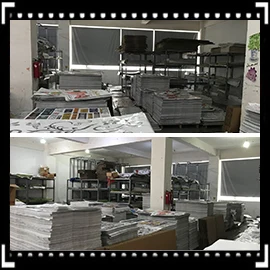
Wenzhou High And Long Co., Ltd.
- Trading Company
- Zejiang, China
- Lead time30 days
- Avg. response≤ 3h
Main productsKids Toys,Wall Clock,Gifts,Sticker
Main marketsWestern Europe(40.00%), Eastern Asia(40.00%), Mid East(10.00%), North America(10.00%)
Shantou Rong Yuan Toys Co., Limited
- Manufacturer
- Guangdong, China
- Lead time20 days
- Avg. response≤ 5h
Main productsBaby Activity Gym,Baby Educational Toys,Baby Music Toy,Baby Walker,Other Baby Toys
Main marketsNorth America(56.00%), Domestic Market(28.00%), South America(4.00%), Northern Europe(4.00%), Western Europe(4.00%), Eastern Europe(4.00%)
Hebei New Future Trading Co.,Ltd.
- Trading Company
- Hebei, China
- Lead time10 days
- Avg. response≤ 1h
Main productsMontessori Toys Busy Board,Busy Book,Felt Story Board,Felt Grow Bag,Felt Festival Product
Main marketsNorth America(39.00%), Western Europe(35.00%), Oceania(5.00%), Eastern Europe(5.00%), Southeast Asia(3.00%), Africa(3.00%), Central America(2.00%), South America(2.00%), Northern Europe(2.00%), Mid East(2.00%), Southern Europe(1.00%), Eastern Asia(1.00%)
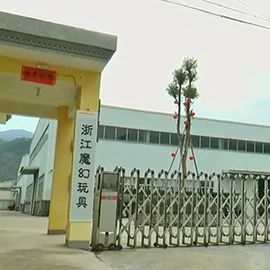
Wenzhou Magic Color Technology Co., Ltd.
- Manufacturer, Trading Company
- Zhejiang, China
- Lead time40 days
- Avg. response≤ 4h
Main productstoy,wooden toy,children toy,kids toy,baby toy
Main marketsNorthern Europe(30.00%), North America(10.00%), Eastern Europe(10.00%), Western Europe(10.00%), Southeast Asia(7.00%), Africa(7.00%), Domestic Market(6.00%), Mid East(6.00%), Eastern Asia(4.00%), South America(4.00%), Oceania(2.00%), South Asia(2.00%), Southern Europe(2.00%)
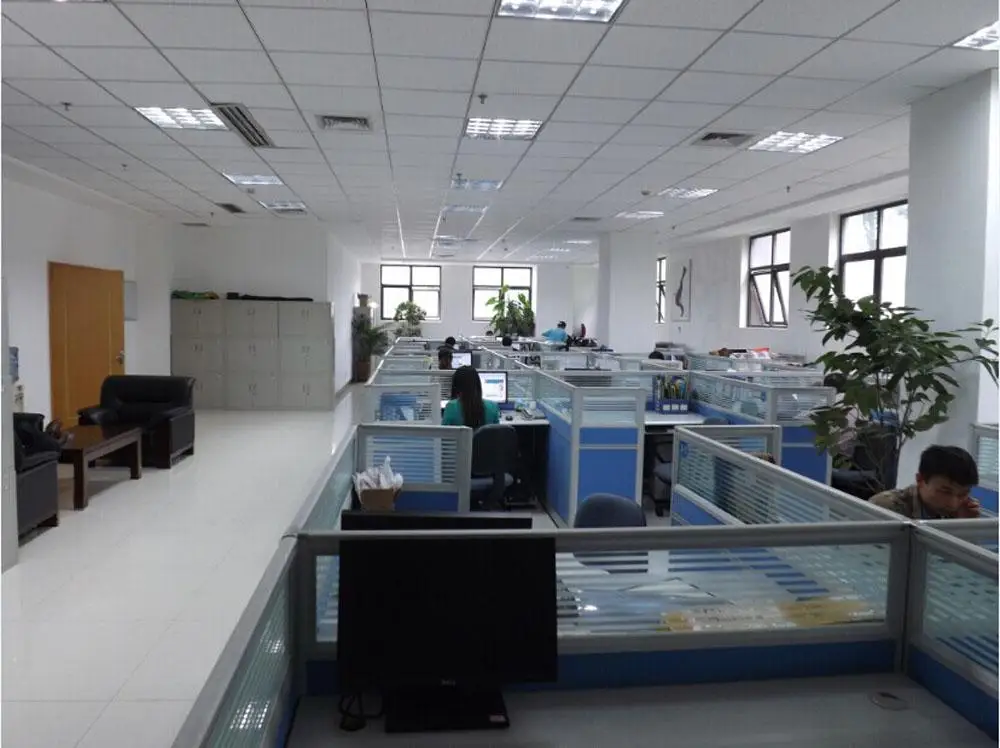
Hebei Jucong New Materials Technology Co., Ltd.
- Trading Company
- Hebei, China
- Lead time10 days
- Avg. response≤ 3h
Main productsPolyester Felt,Acoustic Panels,Wool felt,Felt Bags,Felt Mats
Main marketsNorth America(28.00%), Eastern Europe(15.00%), Southern Europe(11.00%), Western Europe(10.00%), Northern Europe(10.00%), South America(8.00%), Southeast Asia(8.00%), South Asia(4.00%), Central America(3.00%), Africa(2.00%), Mid East(1.00%)
Nangong Kangnai Felt Products Co., Ltd.
- Verified by TüVRheinland
- Manufacturer, Trading Company
- Lead time0 days
- Avg. response≤ 4h
Main productsFelt Children's Busy Board, Felt Bag, Felt Mat, Christmas Pendant, Felt
Main marketsDomestic Market(50%), North America(30%), Oceania(10%)
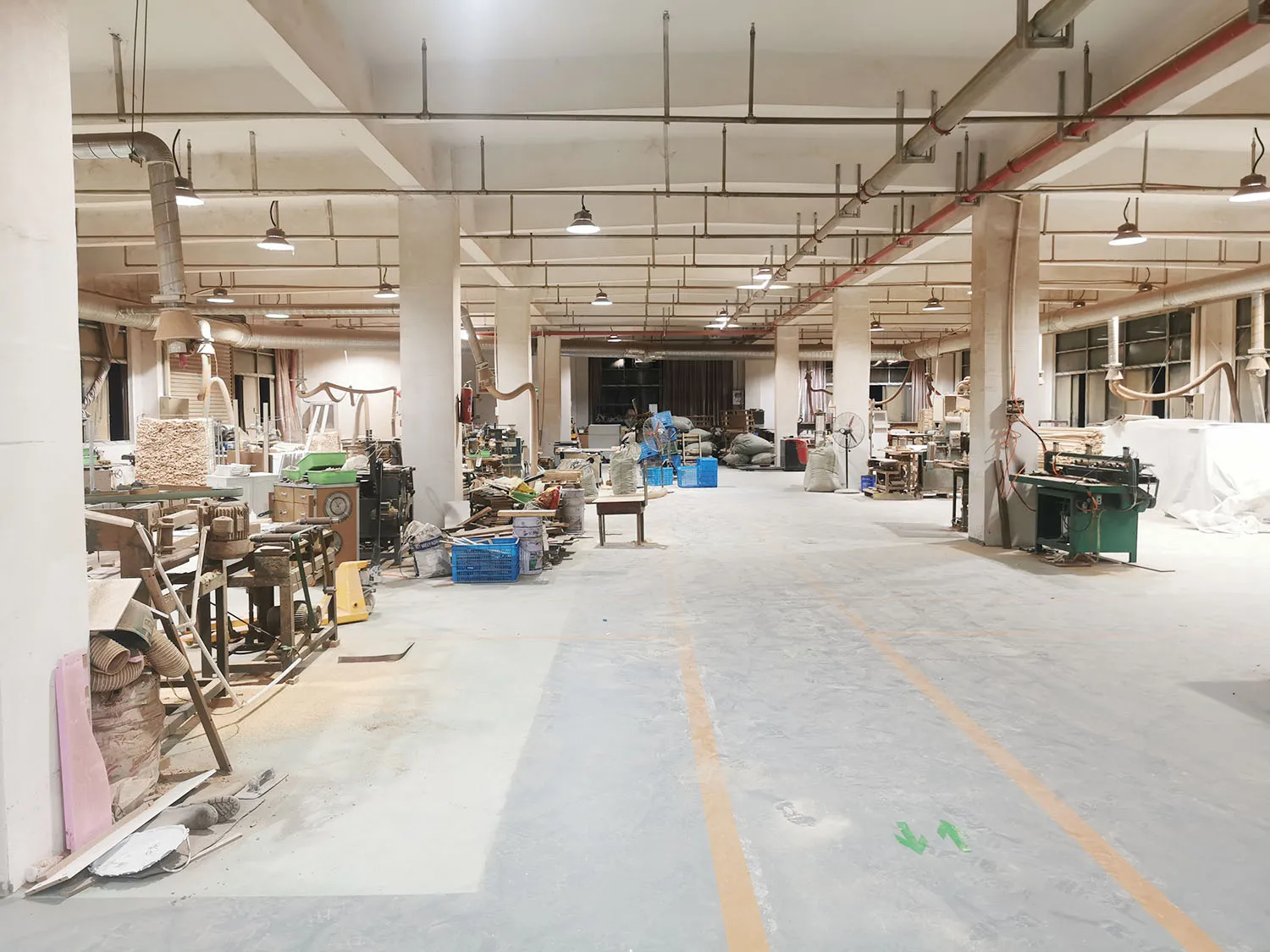
Zhejiang Kidsco Toys Co., Ltd.
- Trading Company
- Zhejiang, China
- Lead time50 days
- Avg. response≤ 5h
Main productswooden toys,play kitchen,doll house,Kids furniture,Outdoor
Main marketsWestern Europe(30.00%), Domestic Market(30.00%), North America(25.00%), Mid East(5.00%), South America(5.00%), Northern Europe(2.00%), Oceania(2.00%), Eastern Europe(1.00%)
Hangzhou Xihuage Cultural Creativity Co., Ltd.
- Verified by Intertek
- Trading Company
- Lead time90 days
- Avg. response≤ 5h
Main productsEducational Toys, Building Block, Role Play & Pretend Play Toy, Stress-Relief Toys, Pen
Main marketsNorth America(50%), Western Europe(20%), Eastern Europe(15%)
Hangzhou Wenzhang Import And Export Co., Ltd.
- Trading Company
- Zhejiang, China
- Lead time0 days
- Avg. response≤ 4h
Main productsWooden toys,Cet toys
Main marketsNorth America(50.00%), Western Europe(50.00%)
- Verified by SGS Group
- Manufacturer, Trading Company
- Lead time5 days
- Avg. response≤ 2h
Main productsFelt Cat Cave, Felt Storage Bins, Felt Handbag, Felt Busy Board, Felt Plant Pot
Main marketsNorth America(40%), Eastern Europe(25%), South America(10%)
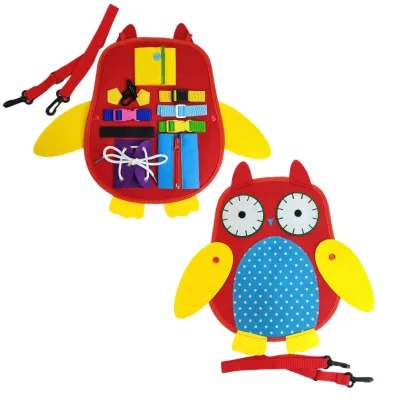
Super March New Design Interactive Sensory Toys Felt Board for Autism Toddlers
$3.53 - $3.89
MOQ: 300 pieces
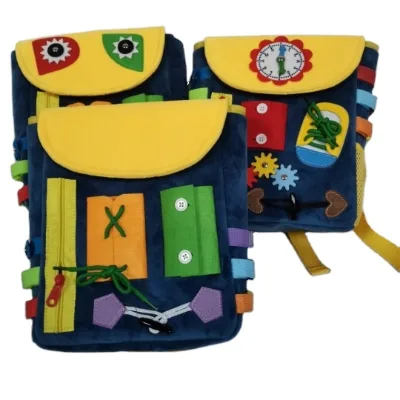
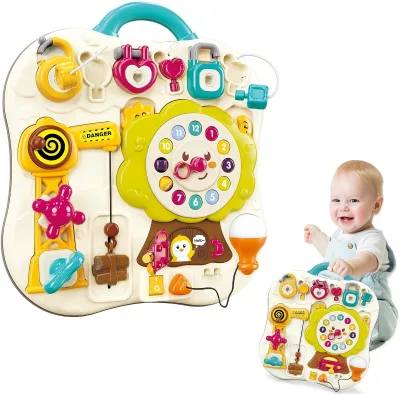
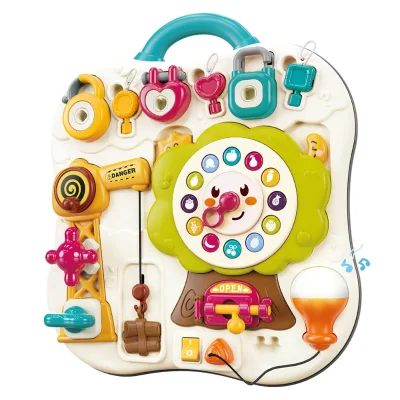


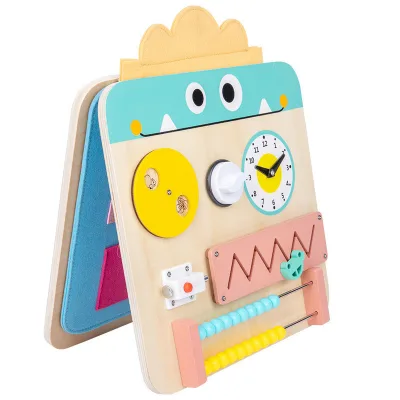


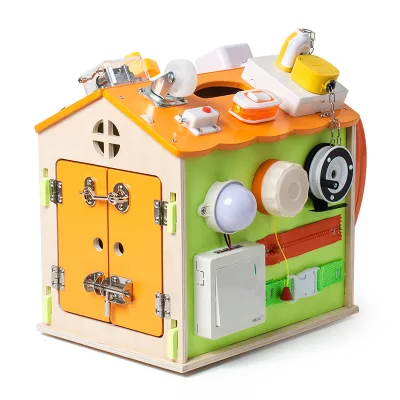
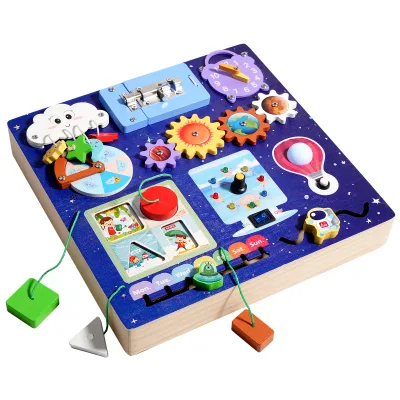
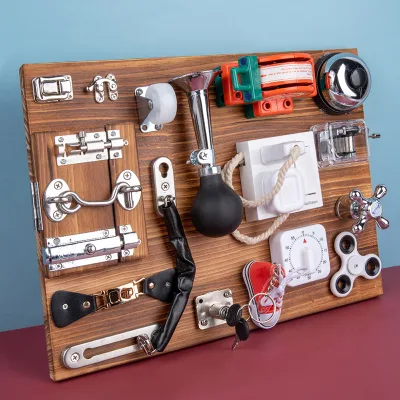


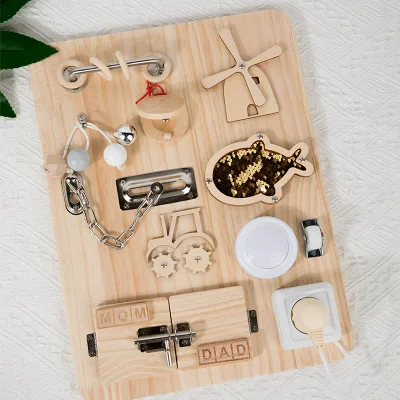


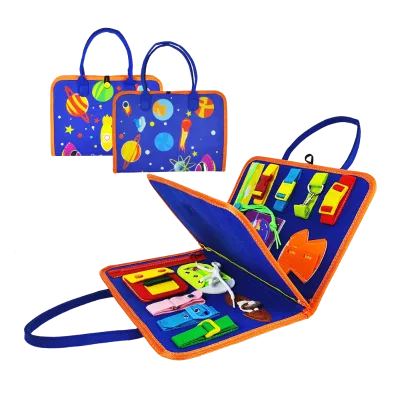


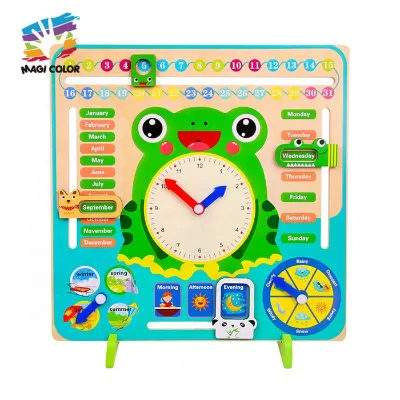
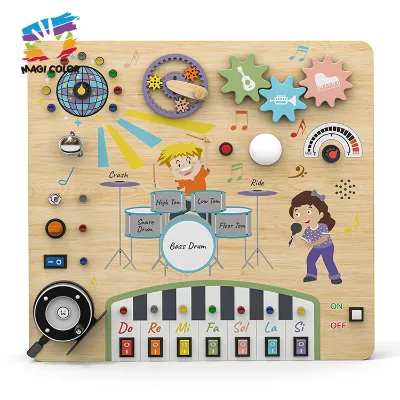
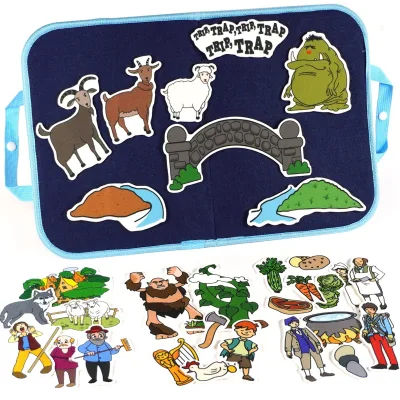
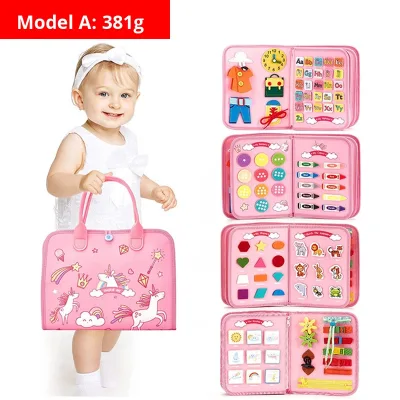
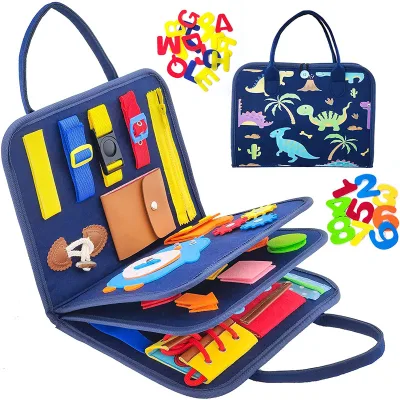


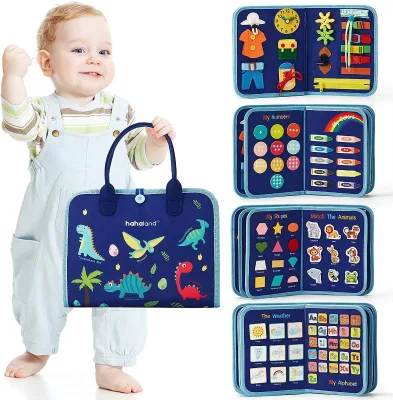
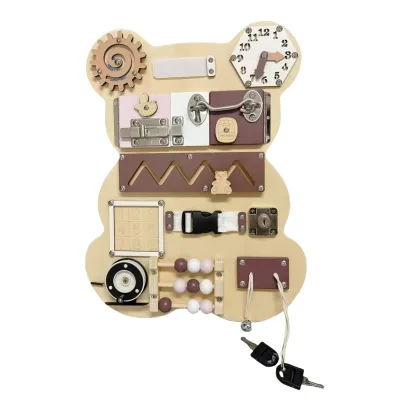
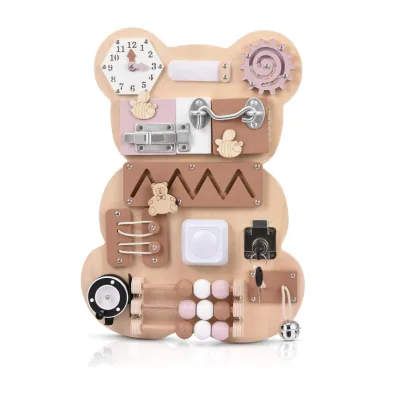
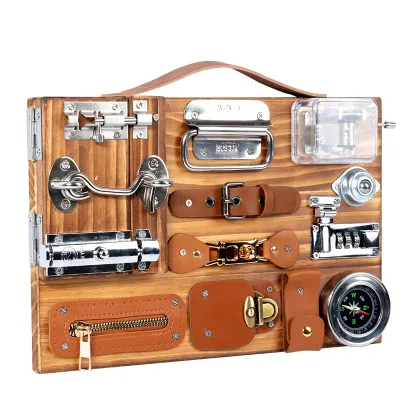

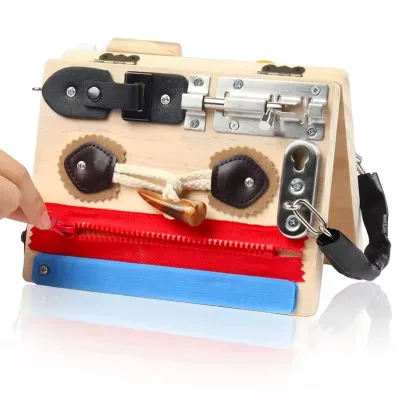
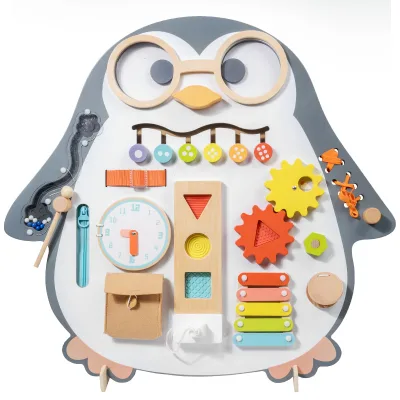
Comprehensive Sourcing Guide
Montessori Sensory Educational Busy Board Supplier Concentration and Factory Types
Current data indicates a concentration of suppliers in China, specifically within Beijing and Zhejiang provinces, where manufacturers and trading companies operate side by side. Some entities in these regions list their primary output as home storage, laundry, and kitchen products, while others specialize in wooden games, wooden toys, and educational sensory boards. The supplier types observed include Trading Companies, Manufacturer/Factory entities, and Group Corporations, suggesting a mixed supply chain where some firms handle direct production while others manage distribution. This diversity means buyers must distinguish between a factory that owns the production line and a trading company that aggregates goods from multiple sources.
When evaluating these clusters, it is essential to verify the specific manufacturing capabilities rather than assuming all listed suppliers produce the core items in-house. Some suppliers in the results explicitly state OEM and ODM capacities, indicating they can customize designs for specific buyers, while others may focus on stocking existing inventory. The presence of certifications like BSCI and ISO 9001 across different supplier types suggests a baseline of operational standards, but the actual production environment varies. Buyers should look for evidence of in-house tooling or assembly lines when seeking direct factory relationships, as this often correlates with better control over quality and lead times for specialized items like felt busy boards or wooden activity sets.
How to Verify Montessori Sensory Educational Busy Board Suppliers
Verification begins with checking for recognized system certifications such as BSCI, ISO 9001, and SEDEX, which appear in the profiles of several active suppliers. These credentials indicate adherence to social compliance and quality management standards, though they do not guarantee product safety on their own. Buyers must also look for specific product certifications like ASTM F963-96a, CE, and EN71, which are critical for toys intended for children aged 1 to 8 years. The presence of these specific safety marks on product listings provides a stronger signal of compliance than general company certifications alone.
Beyond documentation, buyers should assess the response time and verification status of the supplier to gauge reliability. Data shows response times ranging from approximately 3 hours to over 8 hours, with some suppliers holding third-party verification badges like SGS. A faster response time often correlates with better communication channels and more active account management, which is vital when resolving issues regarding custom orders or quality disputes. Buyers should prioritize suppliers who demonstrate a clear verification status and maintain a rapid response capability, as these factors reduce the risk of miscommunication and ensure that inquiries about product specifications or production status are addressed promptly.
What to Compare Across Montessori Sensory Educational Busy Board Suppliers
When comparing potential partners, buyers should focus on key operational metrics such as lead time, minimum order quantity (MOQ), and response speed. Observed lead times vary, with some suppliers indicating a 23-day production window, while others may have different schedules based on order volume. MOQs also differ significantly, with some listings requiring 1,000 units for felt boards and others accepting orders as low as 200 units for wooden variants. Understanding these thresholds is crucial for aligning supplier capabilities with the buyer's inventory strategy and cash flow requirements.
Price and customization options form another critical comparison point, as costs can range from roughly $1.30 to nearly $20.00 depending on the material and complexity of the design. Some suppliers offer OEM and ODM services with customization available, allowing for unique branding or specific feature additions, while others may sell standard designs only. Buyers must evaluate whether the price difference justifies the level of customization or material quality, such as the use of lotus wood versus standard felt. Additionally, the range of product attributes, including age suitability and functional features like learning or teaching aids, should be matched against the target market needs to ensure the selected supplier can deliver the right product mix.
Common Montessori Sensory Educational Busy Board Sourcing Risks
One significant risk involves the discrepancy between general company certifications and specific product safety standards. While a supplier may hold ISO 9001 or BSCI certification, the actual toys produced might not consistently meet ASTM F963-96a or EN71 requirements if the production line is not strictly monitored. This gap can lead to compliance failures in destination markets, resulting in rejected shipments or legal liabilities. Buyers must ensure that the specific product listings explicitly state the relevant safety certifications rather than relying solely on the supplier's general corporate credentials.
Another risk stems from the variability in lead times and the potential for delays in custom manufacturing. Suppliers with OEM/ODM capabilities may face longer production cycles due to the need for mold creation or material sourcing, which can extend beyond standard lead times. If a buyer places a large order without confirming the exact production schedule, they risk missing critical market windows. Furthermore, the reliance on trading companies can introduce an additional layer of communication and potential quality control issues, as the trading firm may not have direct oversight of the factory floor where the toys are assembled.
Montessori Sensory Educational Busy Board Regional Sourcing and Logistics
Sourcing from China, particularly from regions like Beijing and Zhejiang, offers access to a dense network of manufacturers and trading companies specializing in educational toys. These regions have established logistics infrastructure that supports the export of goods, but buyers must account for the specific origin details listed for each product, such as Hebei or other provinces within China. The origin location can influence shipping costs and transit times, as different ports serve different manufacturing hubs. Understanding the specific geographic origin of the goods helps in planning the logistics chain more accurately.
Logistics planning should also consider the packaging standards and dimensions provided in the product data, which vary by item type. For instance, wooden busy boards may have different packing dimensions compared to felt boards, affecting container loading efficiency. Buyers should verify the packaging details, such as paper cartons or packing bags, to ensure they align with their storage and shipping requirements. Additionally, the response time of the supplier can impact how quickly shipping documents and tracking information are generated, which is essential for maintaining visibility throughout the transit process from the factory gate to the final destination.
Montessori Sensory Educational Busy Board Commercial Terms and Order Planning
Commercial terms must be carefully aligned with the specific MOQ and pricing structures observed in the supplier results. Some suppliers require a minimum order of 1,000 units, while others accept orders starting at 200 units, which significantly impacts the initial investment required. Buyers should plan their order quantities to meet these thresholds while balancing inventory costs and market demand. It is also important to verify if the quoted prices include all necessary packaging and labeling requirements, as some listings show specific packaging details that may incur additional costs if not included in the base price.
Order planning should also account for the customization capabilities and the associated lead times for non-standard items. Suppliers offering OEM and ODM services may require additional time for design approval and sample production before full-scale manufacturing begins. Buyers need to factor in these extra days when creating their production schedule to avoid delays. Furthermore, understanding the response time of the supplier is vital for managing the timeline, as a slower response can delay critical decisions regarding design changes or quality checks. Clear communication of these terms at the outset ensures a smoother transaction and reduces the risk of misunderstandings regarding delivery expectations.
FAQs
What certifications do the Montessori busy boards hold?
Many products listed carry ASTM F963-96a and CE certifications. Some items also include EN71 standards for safety. These ensure the toys meet international safety requirements for children aged one to eight years old.
What is the minimum order quantity for these toys?
The minimum order quantity varies by supplier and product type. One listing requires 1000 units, while another accepts orders starting from 200 pieces. Buyers should check specific product pages to confirm the exact MOQ before placing an order.
How long does it take to receive the goods?
Lead times for these educational toys are typically around 23 days. This duration covers production and preparation for shipment. Buyers should confirm exact delivery schedules with the supplier to ensure timely arrival for their specific project needs.
Are OEM and ODM services available for these boards?
Yes, customization is available for many of these Montessori sensory boards. Suppliers offer OEM and ODM services to create custom designs. Buyers can request specific styles, colors, or features to match their brand requirements or target market preferences.
What is the price range for these educational toys?
Prices for these busy boards range from approximately 1.30 to 19.90 per unit. The cost depends on the material, size, and complexity of the design. Wooden and felt options have different pricing tiers based on their specific manufacturing requirements.
Where are these suppliers located?
Suppliers offering these products are located in China, specifically in Beijing and Zhejiang provinces. Some products originate from Hebei. Buyers should verify the exact factory location to assess shipping logistics and potential import duties for their region.
What materials are used to make these boards?
Materials include felt and various types of wood such as lotus wood. Some boards are designed as DIY toys or intellectual games. The choice of material affects the durability and sensory experience provided to children during play and learning activities.