Customized Shape Rubber Fidget Toy Suppliers and Manufacturers
Explore 30 verified suppliers offering customized shape rubber fidget toys with varying lead times, certifications, and response speeds. Compare dimensions, MOQs, and material specs to select the right partner for your order; review the available evidence before requesting comparable quotations from suitable candidates.
Updated
Suppliers List

Shantou Kaixin Trading Co., Ltd
- Verified by BV
- Manufacturer
- China Guangdong
- Lead time23 days
- Avg. response≤ 6h
Main productsToy, Educational Toy, Remote Control Toy, Pretend Play Toy Set, Summer Toy, Vehicle Toy, Doll, Promotion Toy, Baby Toy, Game Toy

Quanzhou Shengda Rubber Products Co., Ltd.
- Verified by TUVRHEINLAND
- Combined
- China Fujian
- Lead time15 days
- Avg. response≤ 3h
Main productsO Ring, Toilet Seat Hinge Top Fix Rubber Well Nut, Rubber Seal, Silicone Gasket, Silicone Washer
Main marketsEurope


Silicone Stress Relievers Squishy Silicone Toys Push Fidget Toy for Kids
$0.30 - $0.60
MOQ: 100 Pieces

Sensory Fidget Ring Stress Reduction Toy Silicone Anxiety Relief Calming Ring
$0.50 - $1.20
MOQ: 100 Sets


Shanxi Dingdangcat Technology Co., Ltd
- Verified by CTI
- Combined
- China Shanxi
- Lead time30 days
- Avg. response≤ 4h
Main products3D Printed Toys, Steam Educational Toy, Custom 3D Printing Services, Custom 3D Printed Characters, Custom Model Parts, 3D Printed Lamps, Squeeze Toys, Electronic Components
Main marketsSouth America,Africa,Southeast Asia/ Mideast,East Asia(Japan/ South Korea),Domestic,Europe,Australia,North America

Shenzhen Fengli Electronic Technology Co., LTD
- Verified by TUVRHEINLAND
- Trading Company,Manufacturer/Factory
- China Guangdong
- Lead time15 days
- Avg. response≤ 11h
Main productsDisposable Vape Pen, 510 Thread Battery, Empty Vape Pen, Disposable Vape Pod, Nicotine Pouch, Smoking Accessories, Disposable DAB Wax Pen, Dry Herb Vaporizer, E-Cigarette, 510 Thread Cartridge
Main marketsSouth America,North America,Western Europe
Guangzhou Baiyite Technology Co., Ltd.
- Manufacturer, Trading Company
- Guangdong, China
- Lead time15 days
- Avg. response≤ 5h
Main productsSquishy toy,Metal puzzle,Education toy,Blind box
Main marketsNorth America(18.00%), Eastern Europe(16.00%), Oceania(12.00%), South America(10.00%), Northern Europe(10.00%), Southern Europe(8.00%), Western Europe(5.00%), Central America(5.00%), Southeast Asia(5.00%), Eastern Asia(4.00%), Domestic Market(2.00%), Africa(2.00%), Mid East(2.00%), South Asia(1.00%)
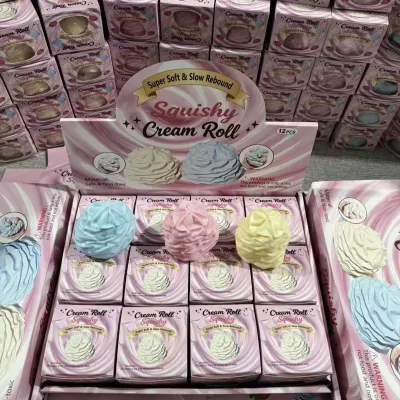
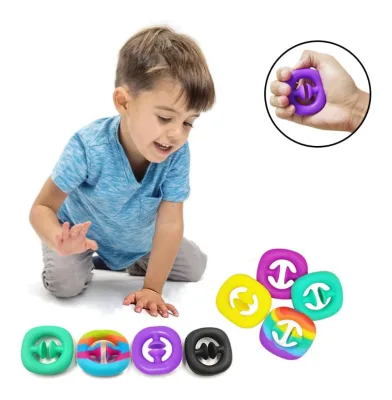
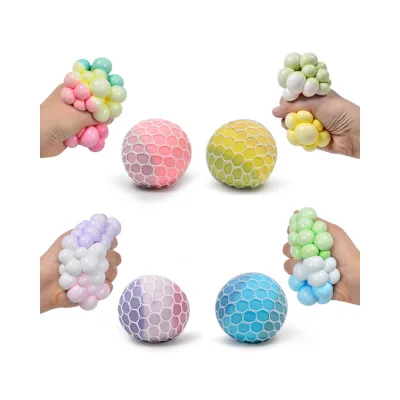
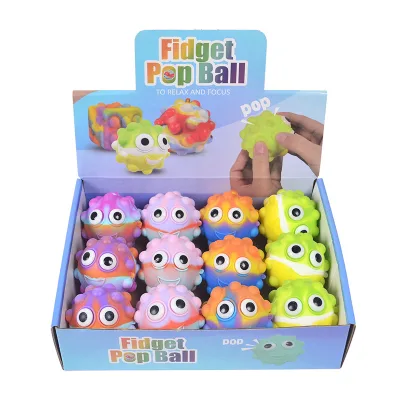
$0.2981 - $0.4509
MOQ: 20 Minimum

Fuzhou Dachion Import & Export Co., Ltd.
- Verified by SGS
- Trading Company
- China Fujian
- Lead time15 days
- Avg. response≤ 6h
Main productsBackpacksGift & Paper Shopping
Main marketsEurope,North America


Stress Relief Swirl Squish Cube Soft Solid Squeeze Toy Anti-Anxiety Fidget Toy
$0.90 - $2.18
MOQ: 100 pieces


Yan Miao (Yiwu City) International Trade Co., Ltd.
- Trading Company
- China Zhejiang
- Lead time0 days
- Avg. response≤ 1h
Main productsDrip Irrigation System, Irrigation Fittings, Drip Irrigation Pipe, Micro Irrigation System, Garden Irrigation System, Agricultural Irrigation System, Greenhouse Irrigation System, Irrigation Equipment, Irrigation Accessories, Water Saving Irrigation
Yiwu Xingxin International Trade Co., Ltd.
- Trading Company
- Zhejiang, China
- Lead time0 days
- Avg. response≤ 4h
Main productsPLUSH TOY,CARTOON KEYCHAIN,ACTION FIGURE,PLASTIC TOY
Main marketsNorth America(50.00%), Eastern Europe(10.00%), Southeast Asia(10.00%), South America(5.00%), Western Europe(5.00%), Southern Europe(5.00%), Mid East(3.00%), Eastern Asia(3.00%), Oceania(2.00%), Central America(2.00%), South Asia(2.00%), Africa(1.00%), Northern Europe(1.00%), Domestic Market(1.00%)
- Verified by TüVRheinland
- Manufacturer, Trading Company
- Lead time7 days
- Avg. response≤ 4h
Main productsPuffer Balls, Festival Puffer Balls, Animal Toys, Bouncing Balls, Beach Toys
Main marketsNorth America(32%), Domestic Market(26%), Western Europe(10%)
Ningbo EC Life Imp&Exp Co., Ltd.
- Verified by Intertek
- Trading Company
- Lead time45 days
- Avg. response≤ 3h
Main productsOutdoor Toys, Educational Toys, Novelty Toys, Night Lights, Gifts & Crafts
Main marketsWestern Europe(40%), North America(20%), Northern Europe(10%)

Shenzhen Hubis Technology Co., Ltd.
- Verified by BV
- Trading Company
- China Guangdong
- Lead time15 days
- Avg. response≤ 2h
Main productsPerfumes, Squishy Toys, Electronics
Main marketsSoutheast Asia/ Mideast,Europe,North America
Yongkang Xiaotongban Toys Gifts Co., Ltd.
- Verified by SGS Group
- Manufacturer, Trading Company
- Lead time25 days
- Avg. response≤ 5h
Main productsPlastic Toys, Rubber bath Toys, Fidget Toy, Bounce Ball, Animal Craft
Main marketsNorth America(80%), Western Europe(15%), South Asia(2%)
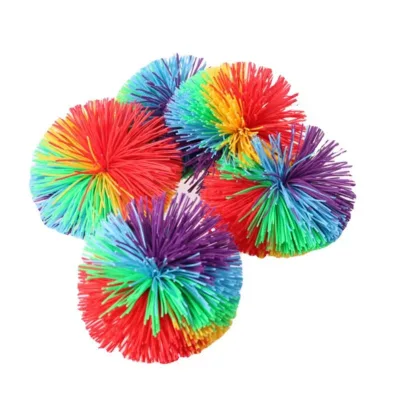
Funny Hand Toy Sensory Colorful Fidget Stress Relief Toy Fidget Ball for Kids
$0.3101 - $0.373
MOQ: 1000 Minimum
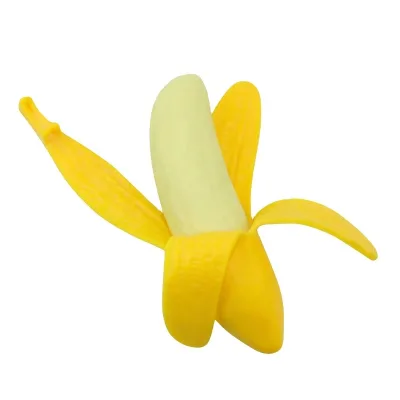
Dongguan Homi E-Commerce Co., Ltd.
- Trading Company
- Guangdong, China
- Lead time12 days
- Avg. response≤ 7h
Main productsWedding,Gift,Party Favors,Artwear&Toys&Gifts,Gift Toys
Main marketsWestern Europe(25.00%), North America(20.00%), Central America(15.00%), Northern Europe(10.00%), Southeast Asia(10.00%), South America(10.00%), Africa(10.00%)
Ningbo General Union Co., Ltd.
- Trading Company
- Lead time旺季: "1 - 100":10,"101 - 1000":15,"> 1000":"To be negotiated", 淡季: "1 - 100":10,"101 - 1000":15,"> 1000":"To be negotiated"
- Avg. response≤ 4h
Main productsBoard Games, Indoor Toys, Drinking Games, Outdoor Toys, Novelty Toys

- Trading Company
- Guangdong, China
- Lead time15 days
- Avg. response≤ 1h
Main productstricky funny education toy,model toys,bath toys,vehicle toy,pretend play toys
Main marketsNorth America(12.00%), Mid East(11.00%), South America(11.00%), Northern Europe(9.00%), Eastern Asia(9.00%), Eastern Europe(8.00%), Southern Europe(6.00%), Western Europe(6.00%), Southeast Asia(6.00%), South Asia(6.00%), Central America(5.00%), Africa(5.00%), Oceania(4.00%), Domestic Market(2.00%)
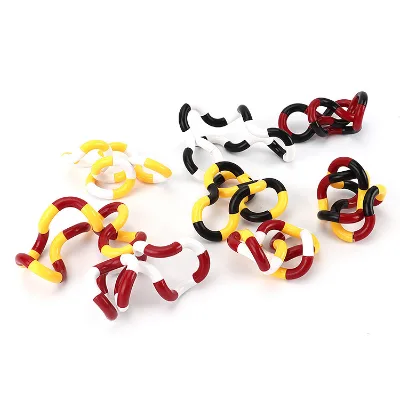
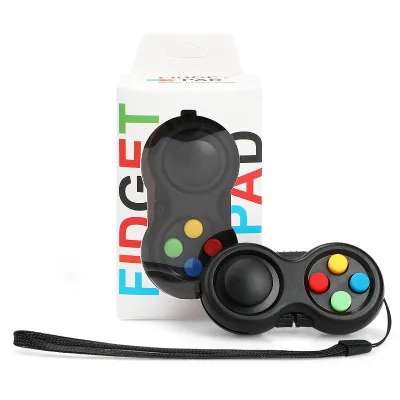
Other Puzzle Education Vent Intellectual Fingertip Decompression Toy Fidget Toys Set
$1.0935 - $1.6388
MOQ: 1 Minimum
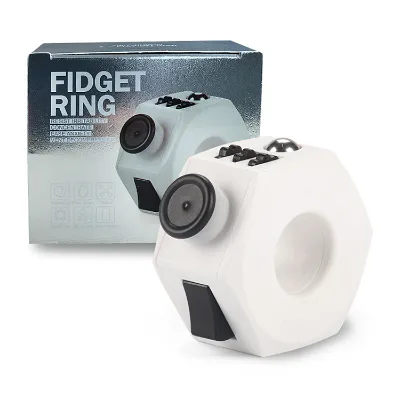
Funny Multi-play New Strange Gifts Fidget Puzzle Decompression Toys Rings Fidget
$1.9834 - $2.4432
MOQ: 1 boxes

Qingdao Youdian Xiaoguo Supply Chain Management Co., Ltd.
- Trading Company
- Shandong, China
- Lead time0 days
- Avg. response≤ 10h
Main productsvarious toys,various daily necessities,Hobbies related products,various logistics services,free warehouse arranging
Main marketsNorth America(50.00%), Northern Europe(10.00%), Western Europe(10.00%), Mid East(10.00%), Oceania(10.00%), South America(10.00%)
Amy & Benton Toys And Gifts Co., Ltd.
- Verified by SGS Group
- Manufacturer, Trading Company
- Lead time25 days
- Avg. response≤ 2h
Main productsParty Favors, Promotional Toys, Educational Toys, Bubble Toys, Kitchen Toy
Main marketsNorth America(20%), South America(10%), Oceania(10%)
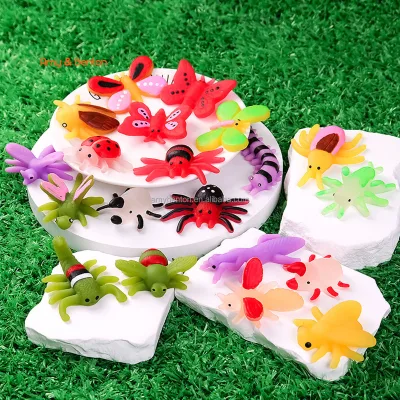
Squishy Toy Insects Sensory Fidget Toys Stress Relief April Fool's Day Prank Gifts Bugs
$0.10 - $0.15
MOQ: 1000
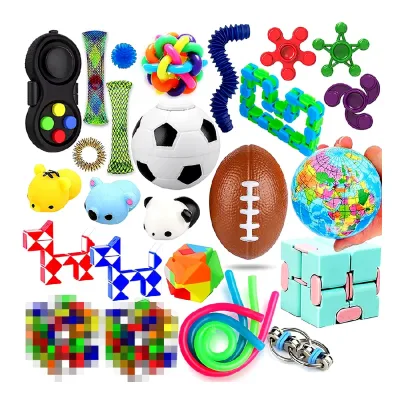
Hot Selling Other Toys Fidgety Toy Set for Children
$6.30 - $6.80
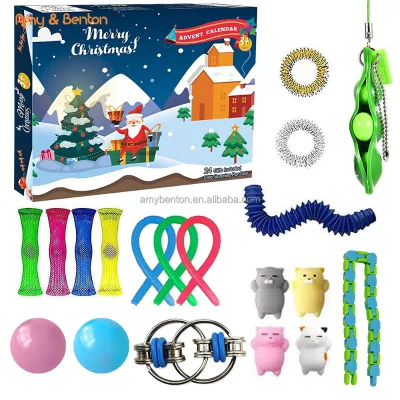
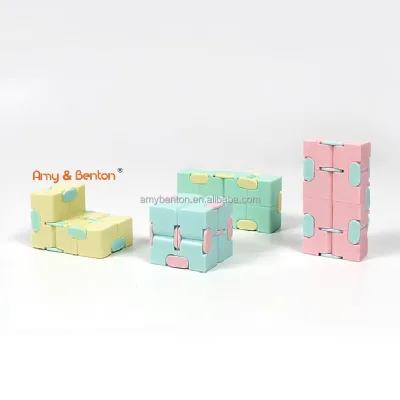
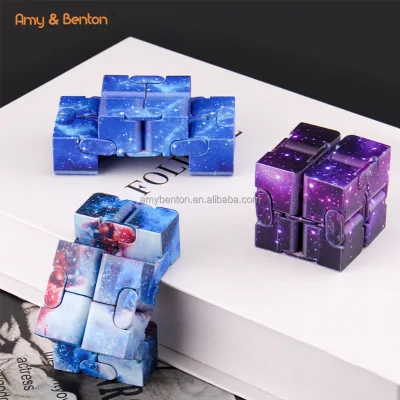
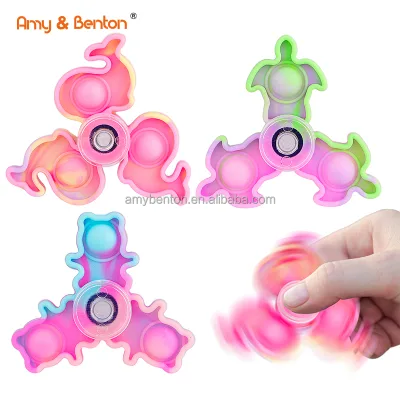
$0.4179 - $0.5438
MOQ: 1440 bags

- Verified by SGS
- Trading Company,Manufacturer/Factory
- China Guangdong
- Lead time23 days
- Avg. response≤ 3h
Main productsBeauty Devices, Skin Care Instrument, LED Face Masks, Makeup Tools, Beauty Instrument (OEM/ODM), OEM / ODM Electronics, Beauty Device, Home Air Care Appliances, Furniture, Electric Bakhoor Burners
Main marketsSouth America,Eastern Europe,Mid East,North America,Southeast Asia,Eastern Asia,Oceania,Western Europe,Africa


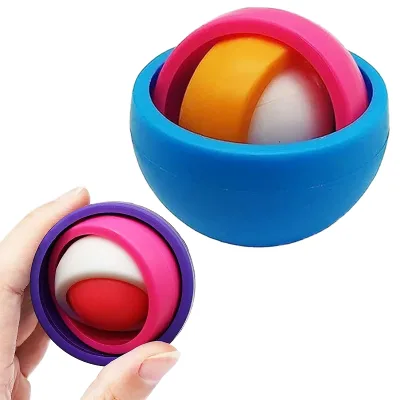
Wholesale Decompression Toy Colorful Rotatable Spinyrelief Stress Fidget Squeeze Toys
$0.84 - $1.02
MOQ: 100 Pieces

Suzhou TopRising International Trade Co., Ltd
- Verified by BV
- Trading Company
- China Jiangsu
- Lead time15 days
- Avg. response≤ 2h
Main productsStainless Steel Tumbler, Ceramic Coffee Mug, Pop It Fidget Sensory Toy, Inflatable Mattress, Anti Stress Silicone Toy, Bivy Sack, Water Bottle, Self Stiring Coffee Mug, Vacuum Insulated Tumbler, Non Tipping Suction Mug
Main marketsSouth America,North America

Shenzhen Merrycoo Industrial Co., Ltd.
- Manufacturer, Trading Company, Distributor/Wholesaler
- Guangdong, China
- Lead time25 days
- Avg. response≤ 6h
Main productsNovelty & Gag Toys,Fidget Sensory Toy,Educational Toys,Festive & Party Supplies,Baby toys
Main marketsNorth America(30.00%), Eastern Asia(15.00%), Northern Europe(15.00%), Mid East(10.00%), South Asia(10.00%), Eastern Europe(8.00%), South America(5.00%), Southeast Asia(3.00%), Western Europe(2.00%), Southern Europe(2.00%)

Dongguan Chengda Rubber and Plastic Co., Ltd
- Verified by SGS
- Trading Company,Manufacturer/Factory
- China Guangdong
- Lead time23 days
- Avg. response≤ 4h
Main productsSilicone Products, Machnie Part, Silicone Gifts, Silicone Bag, Medicial Products, Silicone Bra, Custom Silicone Product, Silicone Toy
Main marketsEastern Europe


Silicone Fidget Toy Silicone Stress Relief Finger Spinner Bubble Ball Toy
$1.10 - $1.25
MOQ: 10 Pieces

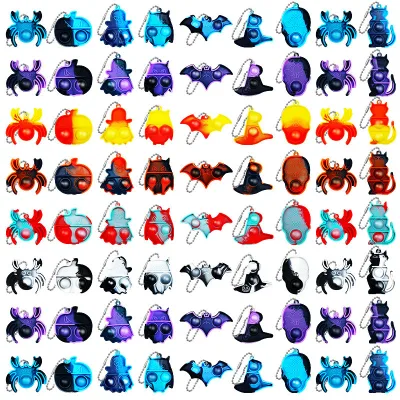
Halloween Fidget Pop Keychain Toys Promotional Halloween Stress Relief Gifts
$1.10 - $1.25
MOQ: 10 Pieces

- Trading Company
- Jiangsu, China
- Lead time10 days
- Avg. response≤ 6h
Main productswhatsapp:15161989378,Silicone Toy,Squeeze Toy,Flippy chain toy,Educational Toy
Main marketsDomestic Market(15.00%), South America(15.00%), North America(15.00%), Southern Europe(10.00%), Northern Europe(10.00%), Central America(10.00%), Western Europe(10.00%), Eastern Europe(10.00%), Mid East(5.00%)

Cosson Industry & Trade Co., Ltd
- Trading Company,Manufacturer/Factory
- China Jiangsu
- Lead time23 days
- Avg. response≤ 5h
Main productsPress on Nails, False/Fake Nails, Handbags, Clothes
Main marketsSouth America,Eastern Europe,Mid East,North America,Southeast Asia,Eastern Asia,Oceania,Africa

- Trading Company,Manufacturer/Factory
- China Zhejiang
- Lead time45 days
- Avg. response≤ 4h
Main productsSlime Toy, TPR Toys, Water Growing Toy, Putty Toy, Silicone Toy, Plastic Toy, Slow Rising Toy, Capsules Toy, Sand Toy
Main marketsSouth America,Eastern Europe,Mid East,Southeast Asia,Eastern Asia,Oceania,Western Europe,Africa

Fidget Pad Controller Cube Fidgets Relieve Stress Anti Anxiety Hand Finger Toys
$1.53 - $1.60
MOQ: 20 Pieces

Yiwu Bangmu Import And Export Co., Ltd.
- Trading Company
- Zhejiang, China
- Lead time15 days
- Avg. response≤ 2h
Main productsBags & Tote,Sports & Outdoor,Apparel & Accessories,Drinkware,Office & Tech
Main marketsNorth America(90.00%), Central America(4.00%), Southern Europe(1.00%), Northern Europe(1.00%), South America(1.00%), Western Europe(1.00%), Oceania(1.00%), Eastern Europe(1.00%)
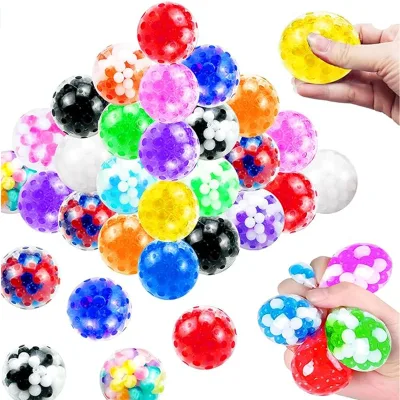
Squishy Stress Balls Set for Adults - Squeeze Fidget Balls for Stress Relief & Party Favors Gifts
$0.1236 - $0.382
MOQ: 2 Minimum
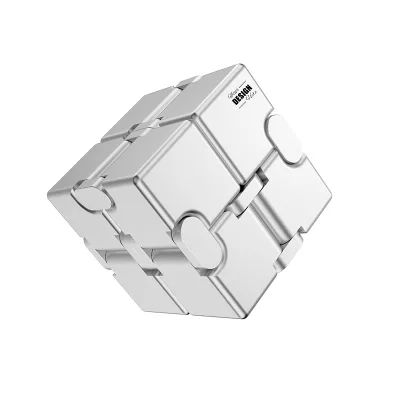
$8.9535 - $12.8993
MOQ: 10 Minimum
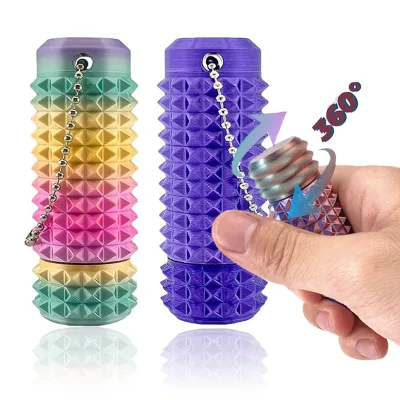
$0.4015 - $1.9639
MOQ: 10 Minimum
- Trading Company
- Guangdong, China
- Lead time0 days
- Avg. response≤ 5h
Main productsChildren's Toys,Anime action,Garden port,Plush toys,S925 Silver Jewelry
Main marketsWestern Europe(20.00%), South America(20.00%), North America(20.00%), Southeast Asia(10.00%), South Asia(5.00%), Northern Europe(5.00%), Eastern Europe(5.00%), Eastern Asia(5.00%), Mid East(5.00%), Africa(5.00%)
Ningbo Yinzhou Hines Rubber and Plastic Co., Ltd.
- Verified by TüVRheinland
- Trading Company
- Lead time20 days
- Avg. response≤ 4h
Main productsStress Ball, Foam Mat, Foam Craft And Gift, Squeeze Toys, Outdoor Interactive Toys
Main marketsNorth America(27%), Eastern Europe(11%), Western Europe(11%)
Quanzhou Lanjin Chuangze Trading Co., Ltd.
- Trading Company
- Fujian, China
- Lead time7 days
- Avg. response≤ 5h
Main productsSales of maternal and infant products,Hardware fittings,Toys,Clothing customization,Shoes and hats
Main marketsDomestic Market(1.00%), South Asia(1.00%), Southern Europe(1.00%), Northern Europe(1.00%), Central America(1.00%), Western Europe(1.00%), Eastern Asia(1.00%), Mid East(1.00%), Oceania(1.00%), Africa(1.00%), Southeast Asia(1.00%), Eastern Europe(1.00%), South America(1.00%), North America(1.00%)

Yiwu Huajing Trading Co., Ltd.
- Trading Company
- Zhejiang, China
- Lead time25 days
- Avg. response≤ 5h
Main productskeychain&key holder,Lanyard & strap,Stuffed animal,coin bags,sticker
Main marketsNorth America(50.00%), Eastern Europe(20.00%), Northern Europe(12.00%), South Asia(8.00%), South America(6.00%), Mid East(4.00%)

Jinjiang Zhengzheng Technology Co., Ltd.
- Trading Company
- China Fujian
- Lead time0 days
- Avg. response≤ 2h











Comprehensive Sourcing Guide
Customized Shape Rubber Fidget Toy Supplier Concentration and Factory Types
The current supplier landscape for customized shape rubber fidget toys reveals a distinct geographic concentration in China, specifically within the Guangdong and Fujian provinces. These regions serve as primary manufacturing hubs for this category, offering buyers access to established industrial clusters that specialize in both plastic and rubber-based novelty items. Factories located in Guangdong often focus on a broader range of products, including educational toys, remote control vehicles, and general promotional items, indicating a versatile production environment capable of handling diverse material requirements. This diversity allows manufacturers to leverage existing supply chains for raw materials like plastic and rubber, ensuring consistent quality and availability for custom orders. The presence of multiple product types under one roof suggests that these facilities are well-equipped to handle complex customization requests, from material selection to final packaging, providing a one-stop solution for buyers seeking varied fidget toy designs.
In contrast, suppliers based in Fujian appear to specialize more heavily in rubber and silicone components, with main products including O-rings, seals, and gaskets. This specialization indicates a high level of expertise in mold compression and rubber processing techniques, which are critical for producing durable and high-quality rubber fidget toys. These manufacturers often hold specific system certifications, such as ISO9001:2015 and ISO14001:2015, reflecting a commitment to quality management and environmental standards. The company types in this region vary, with some operating as combined entities that may blend manufacturing capabilities with trading services. This structural difference means that buyers can choose between pure manufacturers who offer direct control over production processes and combined entities that may provide additional logistical support. Understanding these factory types helps buyers align their sourcing strategy with their specific needs for customization, quality assurance, and supply chain transparency.
How to Verify Customized Shape Rubber Fidget Toy Suppliers
Verifying the credibility and capabilities of suppliers requires a careful examination of their verification badges and certification records. Buyers should prioritize suppliers who display recognized third-party verification marks, such as BV or TÜV Rheinland, as these indicate that an independent agency has audited the company’s operations. For instance, some manufacturers in the Guangdong region hold BV verification, which adds a layer of trust regarding their business legitimacy and operational stability. Similarly, suppliers in Fujian may present TÜV Rheinland verification, signaling rigorous adherence to international standards. Beyond verification badges, it is crucial to check for specific product certifications, such as ENASTM and CE, which are essential for ensuring that fidget toys meet safety requirements for children. These certifications confirm that the products have undergone necessary testing for chemical composition, physical safety, and durability, reducing the risk of non-compliance in target markets.
In addition to external verifications, buyers should assess the supplier’s internal quality management systems and production capabilities. Look for evidence of OEM and ODM services, which demonstrate the factory’s ability to customize products according to specific design requirements. Suppliers that offer customization options for materials, colors, and logos are better equipped to meet unique brand needs. It is also important to verify the supplier’s response time, as a quick and professional communication style often reflects efficient internal processes. For example, a response time of under three hours suggests a dedicated customer service team that can address inquiries and resolve issues promptly. Buyers should also inquire about the supplier’s experience with similar products, such as stress relief toys or sensory fidget items, to gauge their expertise. By combining verification badges, certification checks, and communication assessments, buyers can build a comprehensive profile of each supplier’s reliability and suitability for their sourcing needs.
What to Compare Across Customized Shape Rubber Fidget Toy Suppliers
When evaluating multiple suppliers, buyers must compare key operational metrics such as lead times, minimum order quantities (MOQs), and pricing structures to determine the best fit for their business model. Lead times vary significantly among suppliers, with some offering production cycles as short as fifteen days, while others may require up to twenty-three days. This difference can impact inventory management and time-to-market strategies, making it essential to align supplier capabilities with project deadlines. Similarly, MOQs range widely, from as low as ten units for certain silicone-based items to several thousand pieces for mass-produced plastic toys. Buyers with smaller budgets or those testing new markets may prefer suppliers with lower MOQs, whereas those planning large-scale distributions might negotiate better pricing with higher-volume commitments. Understanding these variations allows buyers to select suppliers that match their order volume and financial constraints.
Pricing and customization options are also critical factors in supplier comparison. Prices for rubber fidget toys can range from less than one dollar to over five dollars per unit, depending on material complexity, packaging, and order size. Buyers should request detailed quotes that break down costs for materials, labor, and packaging to ensure transparency. Additionally, compare the customization services offered, such as logo printing, color matching, and unique shape design. Some suppliers provide full-color logo printing and silk print imprints, while others may offer more limited customization options. It is also important to assess the supplier’s main product focus, as those specializing in rubber and silicone may offer better quality and expertise for specific material requests. By systematically comparing these operational and commercial attributes, buyers can identify suppliers that offer the best balance of cost, quality, and flexibility for their customized fidget toy projects.
Common Customized Shape Rubber Fidget Toy Sourcing Risks
One of the primary risks in sourcing customized rubber fidget toys is the potential mismatch between material specifications and final product performance. Rubber and silicone materials can vary in hardness, elasticity, and durability, which directly affects the user experience. Buyers must ensure that suppliers use high-quality raw materials that meet the desired tactile feedback and longevity standards. There is also a risk of color fading or degradation over time, especially if the supplier uses low-grade dyes or improper curing processes. To mitigate this, buyers should request material samples and conduct thorough testing before placing large orders. Additionally, verify that the supplier adheres to strict quality control measures during production, such as inspecting for defects in molding and assembly. This proactive approach helps prevent issues like uneven surfaces, weak seams, or inconsistent textures that could lead to customer dissatisfaction and returns.
Another significant risk involves compliance with international safety standards and regulations. Fidget toys, particularly those intended for children, must meet rigorous safety requirements regarding chemical content, small parts, and physical hazards. Suppliers may claim compliance with standards like ENASTM or CE, but buyers must verify these claims through valid certification documents. Failure to ensure proper compliance can result in product recalls, legal liabilities, and damage to brand reputation. Furthermore, there is a risk of intellectual property infringement if the customized design copies existing patented products. Buyers should conduct their own IP searches and ensure that suppliers respect intellectual property rights. Clear communication of design specifications and legal requirements in the contract is essential to protect both parties. By identifying and addressing these risks early in the sourcing process, buyers can safeguard their investments and ensure a smooth production cycle.
Customized Shape Rubber Fidget Toy Regional Sourcing and Logistics
Sourcing from different regions in China offers distinct logistical advantages and challenges that buyers must consider when planning their supply chain. Guangdong province, with its extensive manufacturing infrastructure, provides efficient access to major ports and transportation networks, facilitating faster shipping times for large orders. Suppliers in this region often have experience handling international logistics, including sea, air, and express shipping options. This makes Guangdong a suitable choice for buyers who prioritize speed and reliability in delivery. Additionally, the concentration of suppliers in Guangdong allows for easier factory audits and relationship building, as buyers can visit multiple facilities in a short period. The region’s mature supply chain also ensures consistent availability of packaging materials and other components, reducing the risk of production delays due to material shortages.
In contrast, Fujian province offers a specialized environment for rubber and silicone manufacturing, which may result in higher quality products for specific material requests. However, buyers should be aware that logistics from Fujian might involve different transit routes and potential delays compared to Guangdong. It is important to coordinate closely with suppliers to optimize shipping methods and consolidate orders when possible. Buyers should also consider the impact of regional policies and trade regulations on shipping costs and timelines. For instance, fluctuations in freight rates or changes in export procedures can affect the overall cost and delivery schedule. By understanding the logistical nuances of each region, buyers can make informed decisions about where to source their customized fidget toys. This knowledge helps in negotiating better shipping terms and planning inventory levels to meet market demand efficiently.
Customized Shape Rubber Fidget Toy Commercial Terms and Order Planning
Effective order planning for customized rubber fidget toys requires careful attention to commercial terms, including payment conditions, packaging specifications, and after-sales support. Buyers should negotiate clear payment terms that align with their cash flow needs, such as partial upfront payments and balance upon shipment. It is also important to define the packaging requirements in detail, as this affects both product protection and branding. Suppliers may offer various packaging options, from simple PP bags to custom window boxes or carton packaging, each with different cost implications. Buyers should specify their preferred packaging style and ensure that it meets retail display requirements. Additionally, clarify the supplier’s policy on defects and returns, including how they handle quality issues discovered after delivery. A clear understanding of these terms helps prevent disputes and ensures a smooth transaction process.
Furthermore, buyers should plan for long-term supply chain stability by establishing regular communication channels and review meetings with their suppliers. This helps in tracking production progress, addressing any emerging issues promptly, and maintaining consistent quality standards. Consider setting up a trial order before committing to large volumes to test the supplier’s performance and product quality. This approach allows buyers to evaluate the supplier’s responsiveness, adherence to deadlines, and overall reliability. It is also advisable to diversify suppliers to mitigate risks associated with single-source dependency. By developing a robust order planning strategy that includes clear commercial terms, detailed specifications, and risk mitigation measures, buyers can build a resilient and efficient sourcing operation for customized shape rubber fidget toys. This strategic approach ensures that the supply chain remains flexible and responsive to market changes.
FAQs
What certifications do plastic fidget toys carry?
Plastic fidget toys typically hold ENASTM and CE certifications to ensure safety compliance for children. These standards verify that the materials and manufacturing processes meet international safety requirements. Buyers should always request specific test reports to confirm the product meets the regulatory standards of their target market before placing orders.
What is the minimum order quantity for rubber fidgets?
Minimum order quantities vary significantly by product type and supplier. Some suppliers require a minimum of 500 pieces for silicone keychains, while others accept orders as low as 10 units for custom cube toys. Buyers must check the specific MOQ listed for each product to determine the best fit for their budget.
How long does production take for these toys?
Production lead times generally range from 15 to 23 days depending on the supplier and order volume. Manufacturers in Guangdong often report lead times around 23 days, while those in Fujian may offer faster turnaround times of 15 days. Buyers should confirm the exact schedule with the supplier before finalizing the purchase.
Are customization options available for these toys?
Customization is widely available for both plastic and rubber fidget toys. Suppliers offer options for custom logos, colors, and shapes, with some requiring a minimum order for custom colors. Buyers can request full-color logo printing or specific imprint styles like silkprint to brand their products effectively for the market.
What is the price range for wholesale fidget toys?
Prices for wholesale fidget toys range from $0.20 to $5.00 per unit based on material and complexity. Simple silicone keychains start around $0.20, while complex cube toys can cost up to $5.00. Buyers should compare unit prices against minimum order quantities to calculate the total cost for their specific sourcing needs.