130dB SOS LED Keychain Alarm Suppliers and Manufacturers
Compare 22 verified suppliers offering 130dB SOS LED Keychain Alarm products with ISO 9001, UL, and FCC certifications. Review response times, lead times, and customization options to select a suitable source for your needs; review the available evidence before requesting comparable quotations from suitable candidates.
Updated
Suppliers List
Shenzhen Ariza Electronic Co., Ltd.
- Verified by SGS Group
- Manufacturer, Trading Company
- Lead time7 days
- Avg. response≤ 2h
Main productsSmoke Alarm, Gas Detection Alarm, Door Sensor Alarm, Personal Alarm, Key Finder
Main marketsNorth America(60%), Western Europe(20%), Domestic Market(8%)

Shenzhen Meibang Precision Technology Co., Ltd.
- Combined
- China Guangdong
- Lead time23 days
- Avg. response≤ 21h
Main productsUSB Charger, Bluetooth, OEM and OEM, Robot, PCBA, Injection Mold, SMT and DIP, Camera, Electric Car, Speaker
Main marketsSouth America,Africa,Southeast Asia/ Mideast,East Asia(Japan/ South Korea),Domestic,Europe,Australia,North America

LED Portable Emergency Sos Security Self Defense Alarm Keychain Personal Alarm
$1.42 - $1.62
MOQ: 100 Pieces


Rechargeble 130dB Loud Safesound Personal Alarm with Keychain Personal Alarm for Women
$3.00 - $3.50
MOQ: 100 Pieces

Shenzhen Loli Technology Co., Ltd.
- Verified by Intertek
- Manufacturer, Trading Company
- Lead time0 days
- Avg. response≤ 3h
Main productsPersonal Alarm, Folder Paper Lamp, White Noise Machine
Main marketsNorth America(50%), Western Europe(25%), South America(10%)
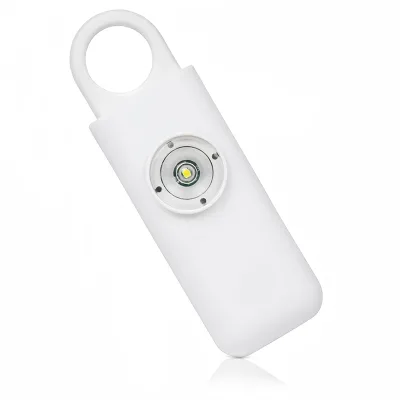
$2.5896 - $3.6248
MOQ: 200 pieces
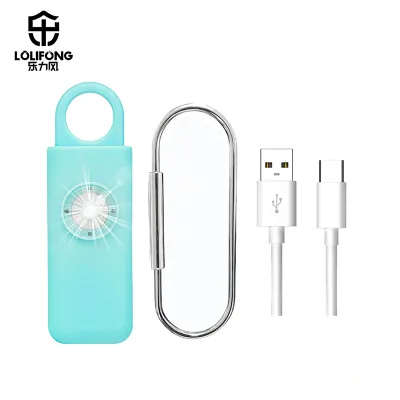
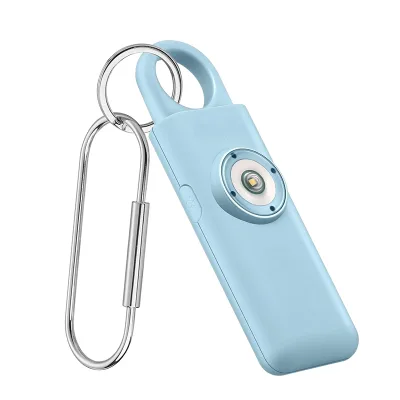
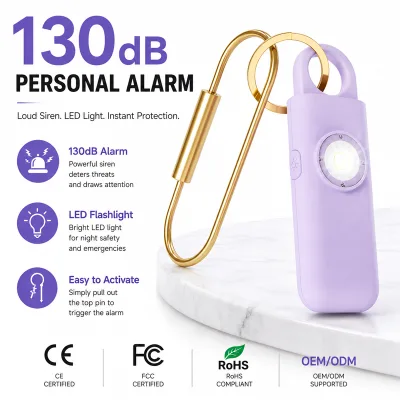
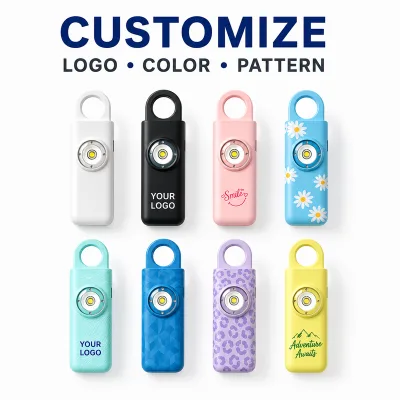

DONGGUAN HUI TAI TONG TECHNOLOGY CO., LIMITED
- Manufacturer/Factory
- China Guangdong
- Lead time23 days
- Avg. response≤ 2h
Main productsPlastic Toy, Children Toy, Educational Toy, Action Figure, PVC Figure, Promotional Gift, Sport Figure
Main marketsNorth America,Eastern Asia,Western Europe

Safety Alarm Keychain Personal Security Keychain Alarm Sos LED Light Personal Alarm
$2.86 - $3.88
MOQ: 100 Pieces


Personal Alarm, Safety Alarm Keychain, Alarm Keychain Promotional Gift Manufacturer
$2.86 - $3.88
MOQ: 100 Pieces

Wholesale Portable Security Personal Alarm, Safety Alarm Keychain for Eldly
$2.86 - $3.88
MOQ: 100 Pieces

Alarm with Flashlight, Personal Alarm Manufacturer, Personal Alarm Factory
$2.86 - $3.88
MOQ: 100 Pieces

Shenzhen Ease-Way Tech. Co., Ltd.
- Verified by SGS
- Trading Company
- China Guangdong
- Lead time30 days
- Avg. response≤ 14h
Main productsCar Camera
Main marketsSoutheast Asia/ Mideast,East Asia(Japan/ South Korea),North America


Hot Sale LED Flashing Light Security Alarm Keychain with 130 dB Alarm Siren Self Defense Keychains
$1.40 - $1.60
MOQ: 100 Pieces

Safe Sound 140dB Siren Personal Alarm for Woman Emergency Self-Defense Security Alarms Keychain
$1.40 - $1.60
MOQ: 100 Pieces

Safe Sound 140dB Personal Alarm for Woman Emergency Self-Defense Security Alarms Keychain
$1.40 - $1.60
MOQ: 100 Pieces

Safe Sound 140dB Personal Alarm for Woman Emergency Self-Defense Security Alarms Keychain
$1.40 - $1.60
MOQ: 100 Pieces
Shenzhen Dowdon Technology Co., Ltd.
- Manufacturer, Trading Company, Distributor/Wholesaler
- Lead time旺季: "1 - 100":3,"101 - 500":5,"501 - 1000":7,"> 1000":"To be negotiated", 淡季: "1 - 100":3,"101 - 500":5,"501 - 1000":7,"> 1000":"To be negotiated"
- Avg. response≤ 13h
Main productsPhone & Computer Accessories,Consumer Electronic Products,Security & Protection,Electrical Supplies,Lights & Lighting
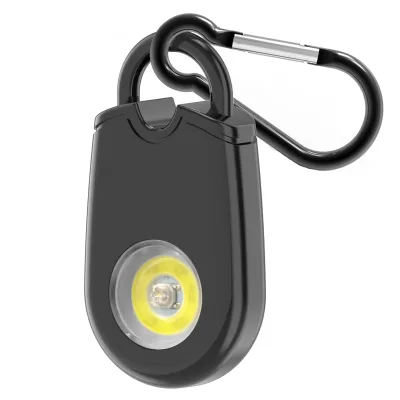
130DB Loud Siren Song Emergency Security Alarm Keychain With Strobe SOS LED Light Carabiner
$1.30 - $2.9636
MOQ: 10 pieces
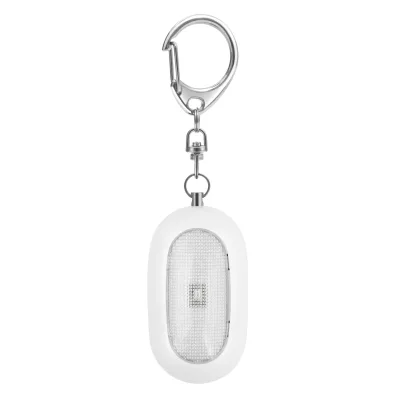
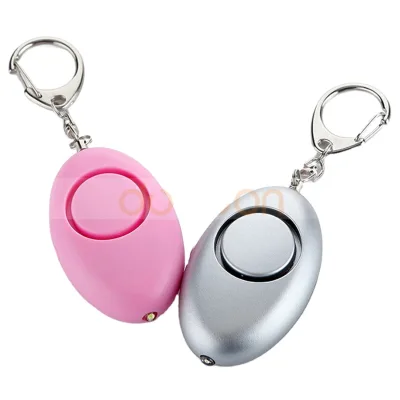
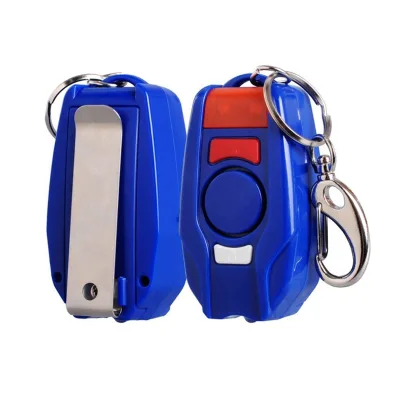
130DB Loud Keychain Personal Alarm with Clip for Women Students Children and so on
$1.6127 - $2.8604
MOQ: 10 pieces
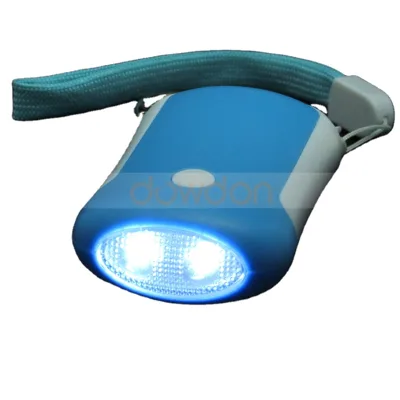
130DB Personal Alarm for Children Students Ladies Personal Alarm with LED Light
$1.14 - $2.5656
MOQ: 10 pieces
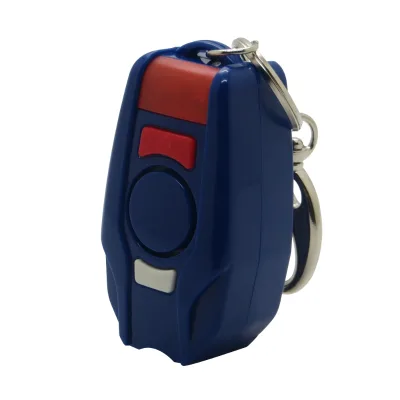
130DB Personal Alarm Wearable Clip Alarm with Belt Clip and LED Light
$1.1968 - $2.9636
MOQ: 10 pieces
Shenzhen Lolifong Technology Co., Ltd.
- Manufacturer
- Guangdong, China
- Lead time30 days
- Avg. response≤ 1h
Main productstoothbrush sterilizer,personal alarm,door alarm,spray alarm,wipe heating
Main marketsSouth America(20.00%), Central America(10.00%), Western Europe(10.00%), Southern Europe(10.00%), Africa(10.00%), Southeast Asia(10.00%), Eastern Europe(10.00%), North America(10.00%), Mid East(5.00%), Northern Europe(5.00%)
Shenzhen Yingshiwei Technology Co., Ltd.
- Manufacturer
- Guangdong, China
- Lead time7 days
- Avg. response≤ 3h
Main productsBody Worn Camera,Docking Station,Alcohol Tester,Dash Camera
Main marketsNorth America(40.00%), Mid East(10.00%), Eastern Europe(10.00%), South America(10.00%), Central America(5.00%), Western Europe(5.00%), Eastern Asia(5.00%), Southeast Asia(5.00%), Oceania(5.00%), Africa(5.00%)
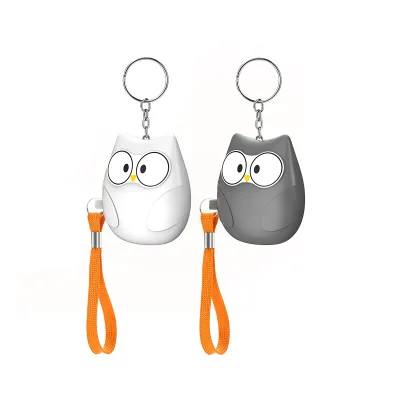
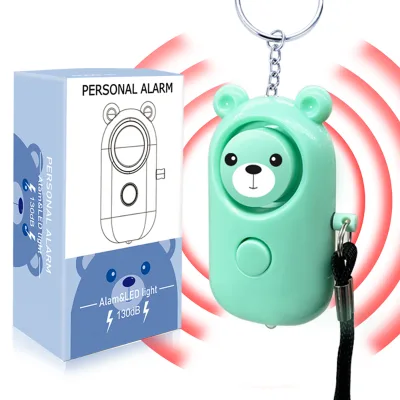
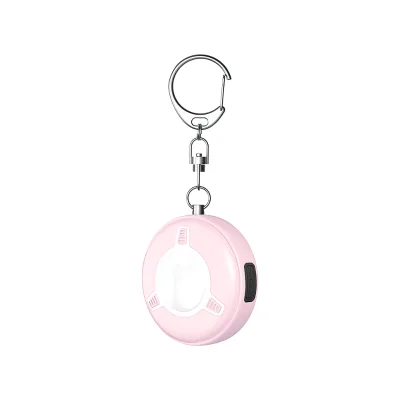
$2.7167 - $2.8185
MOQ: 20 pieces
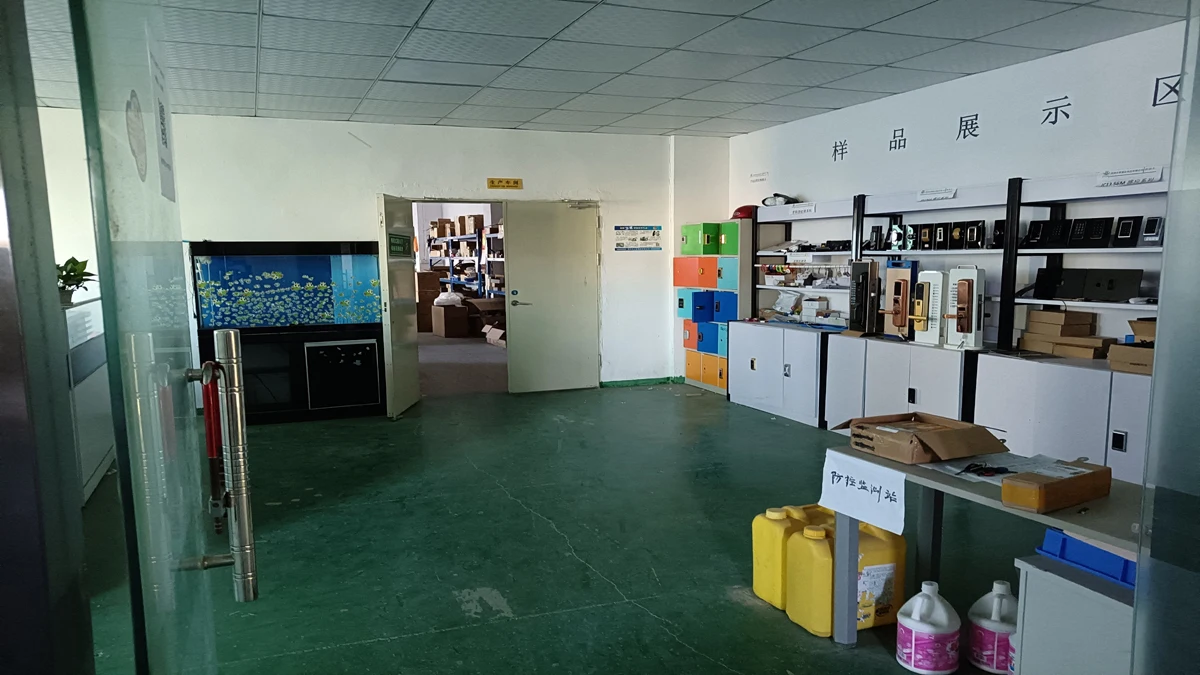
- Manufacturer, Trading Company
- Guangdong, China
- Lead time15 days
- Avg. response≤ 1h
Main productsCabinet lock,Hotel lock,Door lock,Switch,Door chime
Main marketsWestern Europe(70.00%), Eastern Asia(20.00%), Mid East(10.00%)

Guangdong Meizhongkai Security Technology Co., Ltd
- Verified by CTI
- Combined
- China Guangdong
- Lead time15 days
- Avg. response≤ 14h
Main productsBird Spikes, Dummy Camera, Personal Alarm, Cat Spikes, Battery Storage Box, Flashlight
Main marketsDomestic,Europe,North America


120dB Security Siren Personal Alarm Anti-Attack Wolf Alarm Rechargeable Keychain for Women
$3.28 - $3.30
MOQ: 1 Pieces
Shenzhen Ariza Electronic Co., Ltd.
- Manufacturer, Trading Company
- Lead time旺季: "1 - 3000":3,"3001 - 8000":7,"> 8000":"To be negotiated", 淡季: "1 - 3000":3,"3001 - 8000":7,"> 8000":"To be negotiated"
- Avg. response≤ 2h
Main productsSmoke Alarm, Carbon Monoxide Detector , Door Sensor Alarm, Personal Alarm, Key Finder
Shenzhen Homelead Electronics Co., Ltd.
- Verified by TüVRheinland
- Manufacturer, Trading Company
- Lead time20 days
- Avg. response≤ 2h
Main productsWireless Key Finder, Smart Locator, Find My Tag, Smart Padlock, Card Finder
Main marketsDomestic Market(47%), Oceania(10%), North America(8%)

Xuzhou Dragon Guard Industrial Co., Ltd.
- Verified by SGS
- Combined
- China Jiangsu
- Lead time15 days
- Avg. response≤ 7h
Main productssecurity products and solutions
Main marketsAfrica,Southeast Asia/ Mideast,Domestic,Europe,North America

$4.31 - $4.92
MOQ: 10 Pieces


$2.80 - $3.00
MOQ: 100 pieces


- Verified by TüVRheinland
- Manufacturer, Trading Company
- Lead time30 days
- Avg. response≤ 2h
Main productsPersonal Safety Alarm, Home Security Alarm, White Noise Machine, Personal Care, Personal Clean Supplies
Main marketsWestern Europe(20%), Eastern Europe(15%), Northern Europe(15%)

Jingjiang Dengtu Outdoor Equipment Co., Ltd
- Verified by SGS
- Trading Company
- China Jiangsu
- Lead time15 days
- Avg. response≤ 4h
Main productsSelf Defense Equipment, Outdoor Products, Tactical Equipment, Metal Tool, Flashlight, Detector, Sport Equipment, Keychain Kit Crafts, Security Equipment, Traffic Equipment
Main marketsEurope,North America


Safety Emergency Sound Keychain Self Defense Alert Devices Personal Alarm with LED Light
$1.50 - $2.00
MOQ: 100 Pieces

Personal Alarm140dB Emergency Self-Defense Security Keychain with LED Light
$2.00 - $3.00
MOQ: 100 Pieces

130dB Self Defense Siren Personal Security Alarm Keychain Personal Alarm
$3.50 - $4.50
MOQ: 100 Pieces

Shenzhen Meinoe Electronics Technology Co., Ltd.
- Manufacturer, Trading Company
- Guangdong, China
- Lead time35 days
- Avg. response≤ 3h
Main productsPersonal Alarm/Door Alarm,Door Alarm,Camping light,Safety hammer,warning light
Main marketsNorth America(40.00%), Eastern Asia(20.00%), Western Europe(20.00%), Northern Europe(10.00%), Africa(5.00%), South America(5.00%)
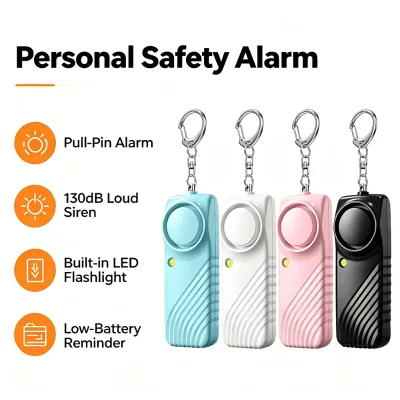
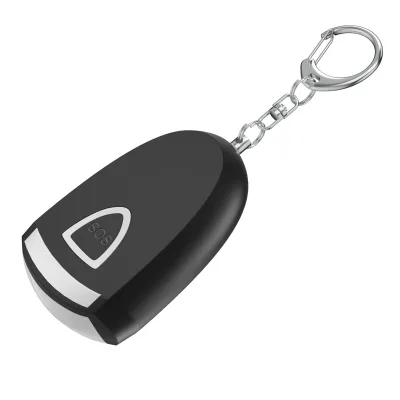
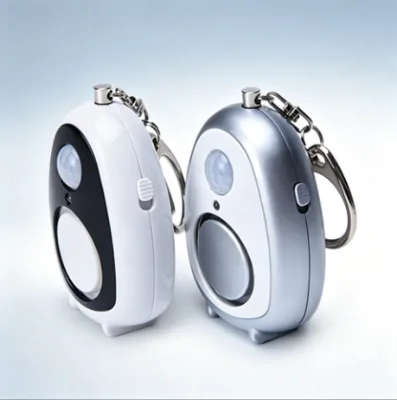
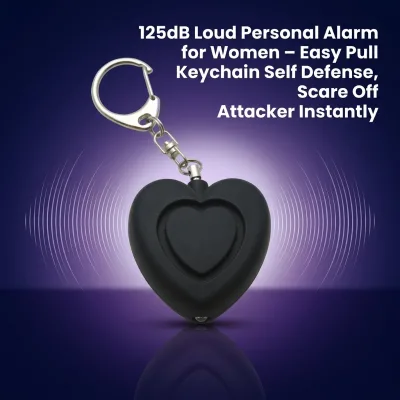
125dB Pocket Guardian Alarm Keychain Anti-Theft Personal Safety for Women & Kids
$1.37 - $2.20
MOQ: 2000
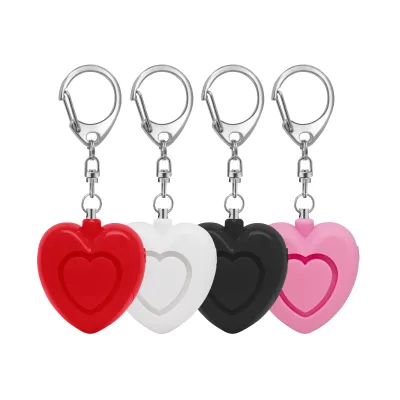
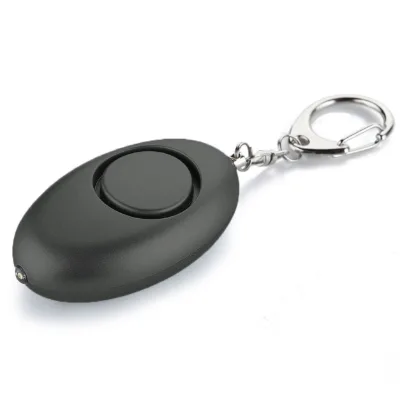
Travel Safety Gear Personal alarm 125dB Anti-Attack Alarm with LED Flash for Global Adventures
$1.36 - $2.20
MOQ: 100 pieces

- Verified by SGS
- Trading Company
- China Guangdong
- Lead time15 days
- Avg. response≤ 3h
Main productsPhone Accessories, Consumer Electronics, Car Accessories, Household Appliances, Mobile Phone Cases, Tablet Case, Wireless Charger, Bluetooth Speaker, Security Cameras, Power Bank
Main marketsOthers(foreignTradeCapacity.exportBusinessCapacityMarketOther),Europe
Shenzhen Anice Technology Co., Ltd.
- Verified by SGS Group
- Manufacturer, Trading Company
- Lead time10 days
- Avg. response≤ 1h
Main productsPersonal Alarm, Door Alarm, Tracking Alarm, Key Finder, Home Alarm
Main marketsNorth America(40%), Western Europe(15%), South America(10%)

- Verified by SGS
- Trading Company
- China Guangdong
- Lead time15 days
- Avg. response≤ 9h
Main productsConsumer Electronics, Car Accessories, Mini Thermal Printers, Garden Lights, Lawn Mower Accessories, Portable Speakers, Digital Camera, Mini Projectors
Main marketsOthers(foreignTradeCapacity.exportBusinessCapacityMarketOther),Europe

H10 130db Safety Alarm Keychain - Corgi Design, LED Light, for Women/Children/Elderly, Pink
$2.70 - $3.80
MOQ: 2 Pieces

Safe Sound 130dB Personal Alarm Keychain – Self Defense Siren & Emergency Flashlight (White)
$2.28 - $3.15
MOQ: 1 Pieces


Ningbo Brilliant Dragon Electronic Technology Co., Ltd.
- Verified by TUVRHEINLAND
- Manufacturer/Factory
- China Zhejiang
- Lead time105 days
- Avg. response≤ 14h
Main productsLED Light for Indoor, LED Light for Ourside, Auto / Bicycle Accessories, Security Items, Work Light, Electric Appliance, Personal Items
Main marketsSouth America,Eastern Europe,Mid East,North America,Southeast Asia,Eastern Asia,Oceania,Western Europe,Africa

$3.07 - $3.29
MOQ: 1000 Pieces


$3.23 - $3.45
MOQ: 1000 Pieces
- Manufacturer
- Guangdong, China
- Lead time5 days
- Avg. response≤ 5h
Main productsMini camera,sport camera,hunting camera,kids camera,Endoscope camera
Main marketsNorth America(60.00%), Western Europe(14.00%), South America(10.00%), Eastern Europe(5.00%), Southeast Asia(5.00%), Northern Europe(3.00%), Africa(3.00%)
$15.3205 - $16.9661
MOQ: 2 pieces
$13.9188 - $17.0125
MOQ: 2 pieces

Shenzhen Slinya Electronic Co., Ltd.
- Trading Company
- China Guangdong
- Lead time15 days
- Avg. response≤ 19h
Main productsMobile Phone Accessories, Computer Accessories, Consumer Electronics, Cable & Networking, Lights & Lighting, Security & Protection, Cameras & Photo Accessories, Home & Garden
Main marketsSouth America,Southeast Asia/ Mideast,East Asia(Japan/ South Korea),Domestic,Europe,Australia,North America


Best Selling Promotion Gift 130db Round Personal Alarm with Keychain LED Light
$0.85 - $2.26
MOQ: 10 Pieces

130db Loud Keychain Personal Alarm with Clip for Women Students Children and So on
$1.55 - $2.85
MOQ: 10 Pieces
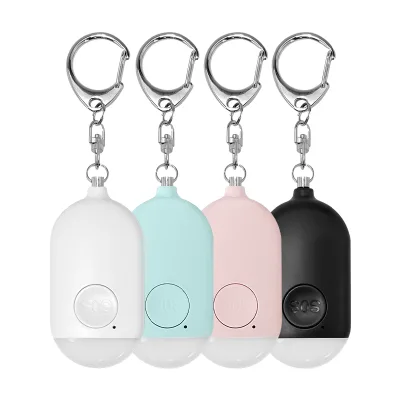
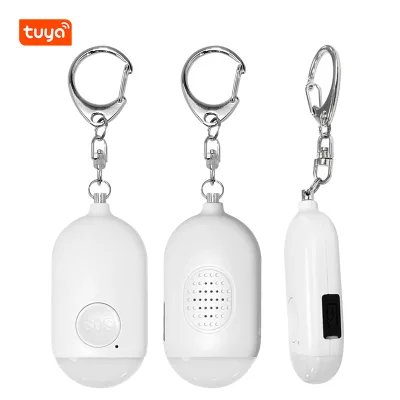
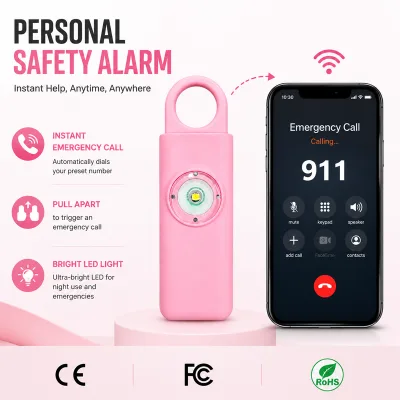
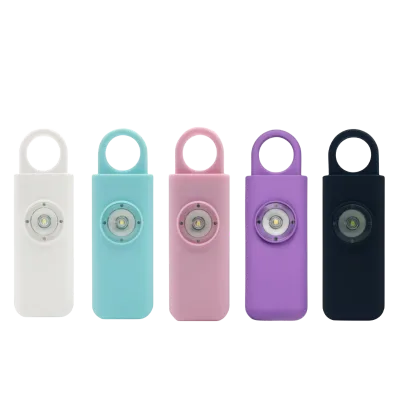
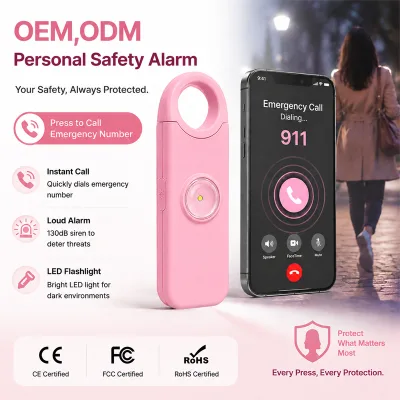
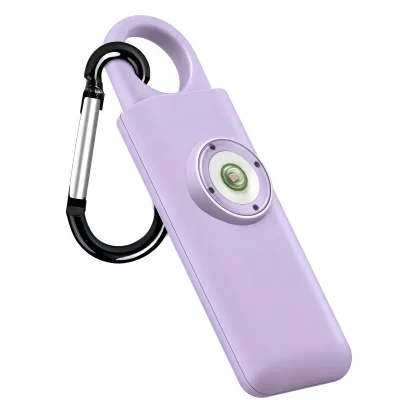
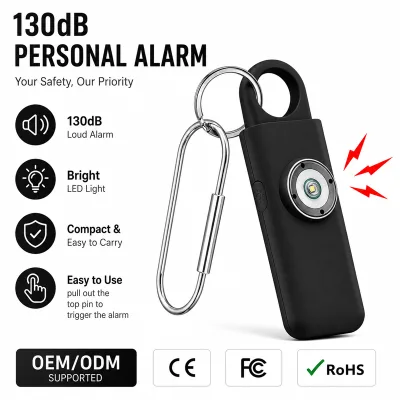
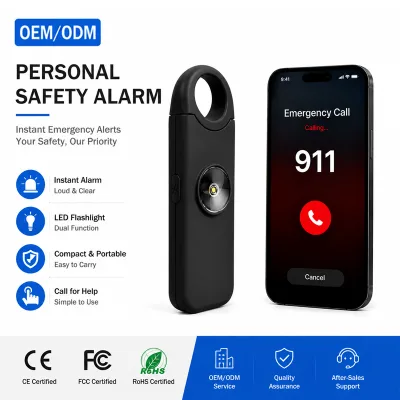
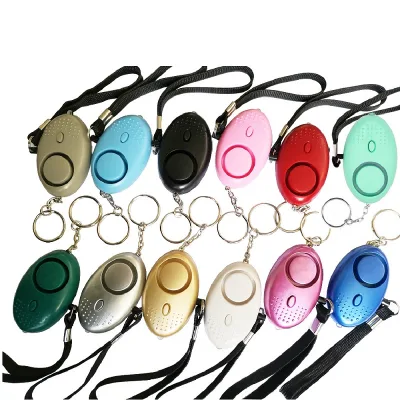
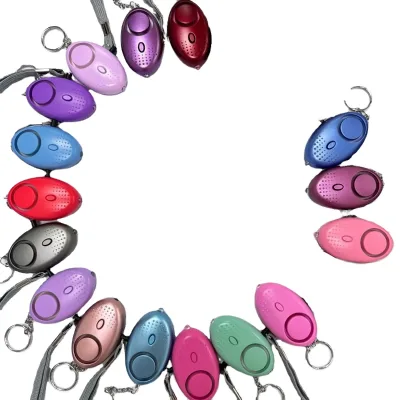
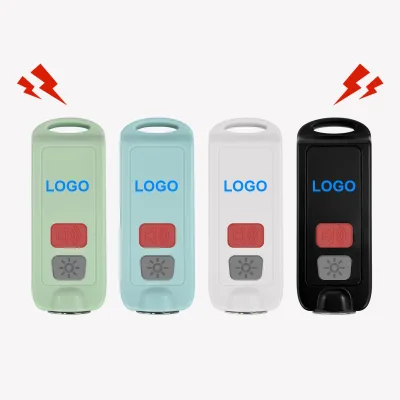
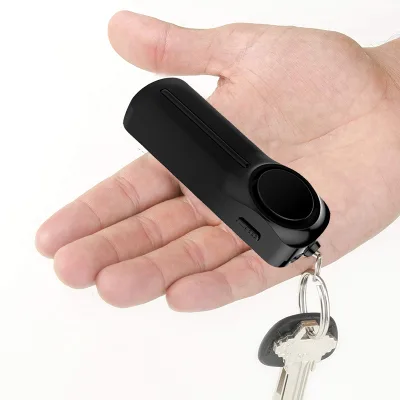
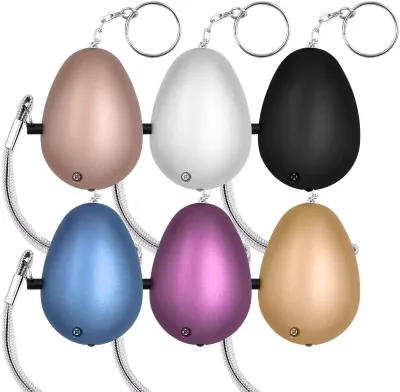
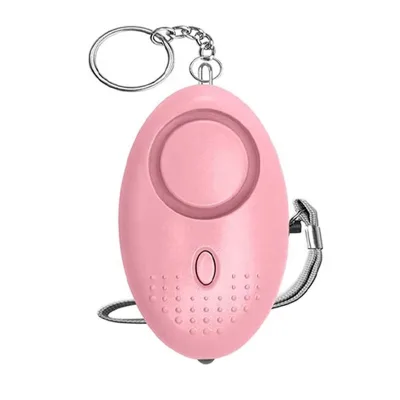
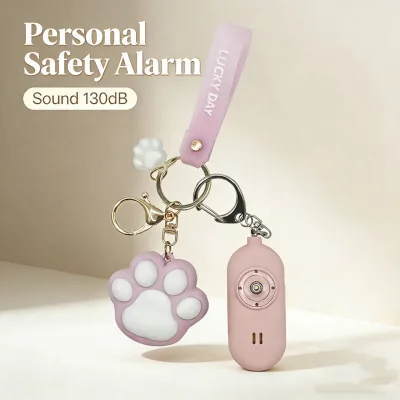
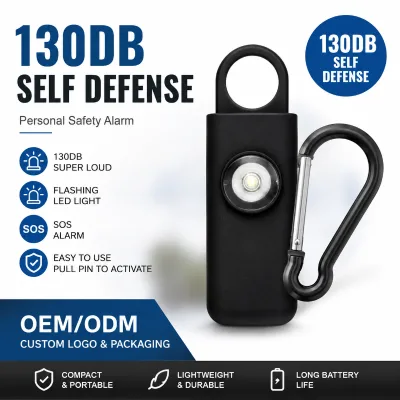
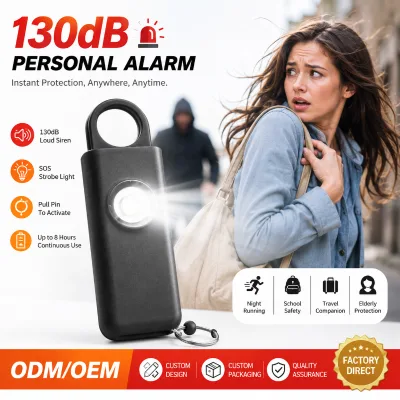
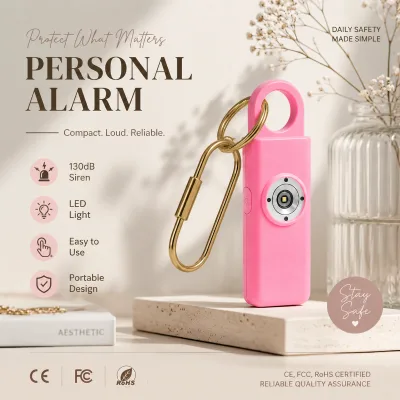
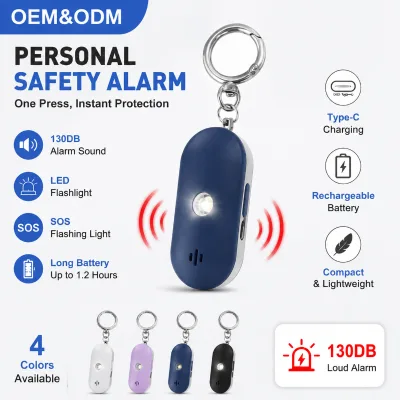


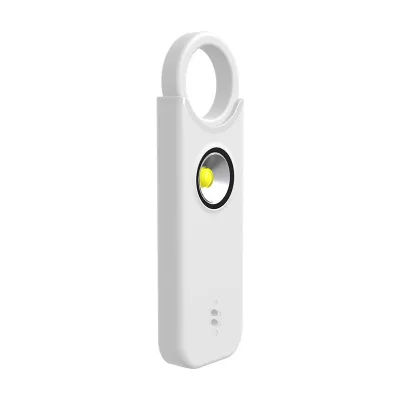
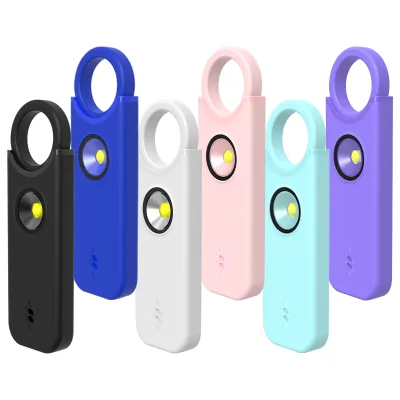
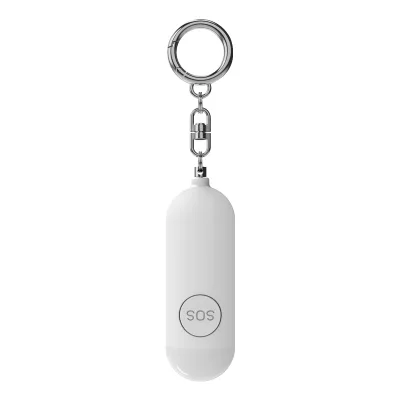
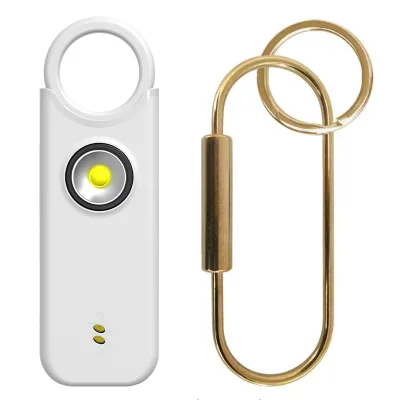
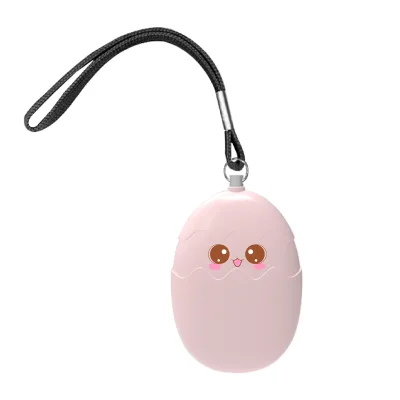
Comprehensive Sourcing Guide
130dB SOS LED Keychain Alarm Supplier Concentration and Factory Types
The sourcing landscape for personal safety devices reveals a distinct mix of manufacturing capabilities and trading structures. Current data indicates that suppliers operating in this niche are primarily classified as either Manufacturers or Trading Companies, with some entities presenting as Combined operations. This structural diversity directly impacts how buyers approach procurement, as each type offers different advantages regarding direct factory access versus logistical flexibility. Manufacturers typically provide deeper control over the production process, allowing for more extensive customization of hardware components and internal circuitry. In contrast, Trading Companies often aggregate products from multiple factories, offering a broader catalog that may include complementary items like USB chargers or Bluetooth modules alongside the core alarm units. Understanding this distinction is crucial for determining whether a buyer prioritizes direct engineering collaboration or streamlined product variety.
Geographic concentration plays a significant role in the availability and cost structure of these devices. Evidence points to Guangdong, China, as a primary hub for the production of these electronic safety tools. This region is well-established for electronics manufacturing, providing access to a robust supply chain for components such as lithium batteries, ABS plastic materials, and LED lighting elements. The presence of suppliers in this specific location suggests that buyers can expect efficient logistics networks and established industrial ecosystems. However, it is important to verify the exact operational base of any potential partner, as some entities may list a regional address while sourcing from other areas. Buyers should confirm whether the supplier is a direct factory in Guangdong or a trading entity operating within the province, as this affects lead times and communication efficiency. The concentration in this area also implies a high level of competition, which can drive down prices but requires careful vetting to ensure quality consistency.
How to Verify 130dB SOS LED Keychain Alarm Suppliers
Verification is the critical first step in mitigating risk when sourcing personal safety alarms. Buyers should prioritize suppliers that have undergone third-party verification processes, such as those conducted by SGS Group. This type of verification provides an additional layer of confidence regarding the supplier’s business legitimacy and operational capabilities. Beyond basic business license checks, buyers must scrutinize the technical certifications associated with the products. The market data shows a wide array of compliance standards, including ISO 9001 for quality management, UL Certificates for safety, and FCC for electromagnetic compatibility. These certifications are not merely formalities; they are essential for ensuring that the alarms meet international safety and performance requirements. Buyers should request copies of these test reports to verify that the specific models they intend to purchase have been tested and approved under these standards.
Another vital aspect of verification is assessing the supplier’s response capabilities and production readiness. The data indicates that response times can vary significantly, with some suppliers responding within two hours while others may take over twenty hours. A rapid response time often correlates with a more agile and customer-focused operation, which is beneficial for resolving technical queries or addressing order issues quickly. Additionally, buyers should examine the supplier’s declared capabilities, such as their ability to handle light customization, sample processing, and graphic processing. Suppliers that explicitly state they support OEM and ODM services demonstrate a higher level of manufacturing flexibility. It is also prudent to check for specific product attributes that indicate quality, such as the use of lithium batteries or specific material compositions like ABS and metal. Verifying these details ensures that the supplier can deliver products that meet the buyer’s specific functional and aesthetic requirements.
What to Compare Across 130dB SOS LED Keychain Alarm Suppliers
When evaluating multiple suppliers, buyers must compare key operational metrics to identify the most suitable partner. Lead time is a critical factor, with data showing variations ranging from seven days to twenty-three days. A shorter lead time can be advantageous for maintaining inventory levels and responding to market demands, but it must be balanced against production quality. Buyers should also compare the minimum order quantities (MOQ) offered by different suppliers. Some suppliers may require an MOQ of one hundred pieces, while others might have different thresholds. Understanding these requirements helps buyers align their procurement strategy with their sales forecasts and storage capabilities. Additionally, comparing the range of main products offered by each supplier can reveal their specialization. Suppliers focusing solely on alarms may offer deeper expertise, while those with broader portfolios including speakers or cameras might provide more comprehensive sourcing solutions.
Price and customization options are equally important dimensions for comparison. The price range for these alarms varies, with some models starting at lower price points and others commanding higher values due to added features like Bluetooth connectivity or smart home integration. Buyers should analyze the price-to-feature ratio to determine the best value for their target market. Furthermore, the extent of customization available should be assessed. Suppliers that offer graphic processing and customized on-demand services allow buyers to create unique products that stand out in the market. Buyers should also compare the warranty terms provided, as a one-year warranty is a common offering that indicates confidence in product durability. By systematically comparing these factors, buyers can make informed decisions that balance cost, quality, and service levels. It is essential to document these comparisons to ensure a transparent and objective selection process.
Common 130dB SOS LED Keychain Alarm Sourcing Risks
Sourcing personal safety alarms involves several potential risks that buyers must actively manage. One significant risk is the variability in product quality and performance. While some products boast high decibel outputs, such as 130dB, the actual acoustic performance can vary based on manufacturing consistency. Buyers should be cautious of suppliers who do not provide detailed technical specifications or test results. Another risk is the reliability of the battery life and charging mechanisms. Products using lithium batteries must meet strict safety standards to prevent issues such as overheating or leakage. Buyers should verify that the suppliers adhere to relevant safety certifications, such as RoHS and CE, to mitigate these risks. Additionally, the durability of the materials used, such as ABS plastic, should be assessed to ensure the alarms can withstand regular use and potential impacts.
Communication and logistical risks are also prevalent in international sourcing. Suppliers with slower response times may struggle to address urgent issues or provide timely updates on order status. This can lead to delays and dissatisfaction. Buyers should prioritize suppliers with proven track records of effective communication. Furthermore, the risk of non-compliance with international standards is a concern, especially if the products are intended for markets with strict regulatory requirements. Buyers must ensure that the suppliers can provide the necessary documentation, such as FCC or UKCA certificates, to facilitate customs clearance and market entry. Another risk is the potential for intellectual property infringement if buyers request custom designs. It is crucial to work with suppliers who respect IP rights and have robust confidentiality agreements in place. By identifying and addressing these risks early, buyers can protect their interests and ensure a smoother sourcing process.
130dB SOS LED Keychain Alarm Regional Sourcing and Logistics
Regional sourcing strategies can significantly impact the efficiency and cost of procurement. As Guangdong, China, is a identified hub for these products, buyers can leverage the established logistics infrastructure in this region. This area benefits from proximity to major ports and airports, facilitating faster shipping times to global destinations. Buyers should consider the implications of sourcing from this specific location, including potential tariffs and trade regulations that may apply to electronics imported from China. Understanding these factors is essential for accurate cost calculation and delivery planning. Additionally, the concentration of suppliers in this region allows for easier factory audits and quality inspections. Buyers can arrange visits to verify production capabilities and ensure that the suppliers are operating as claimed. This direct engagement can help build stronger relationships and improve overall supply chain transparency.
Logistics planning must also account for the specific characteristics of the products, such as their weight and packaging dimensions. Data indicates that personal alarms are relatively lightweight, with single gross weights ranging from 0.3 kg to 0.8 kg. This makes them suitable for various shipping methods, including air freight for urgent orders and sea freight for larger volumes. Buyers should work with their suppliers to optimize packaging to minimize shipping costs and reduce environmental impact. Furthermore, the use of master cartons and standardized packing methods can streamline the handling process at both the factory and the destination. Buyers should also consider the lead times associated with different shipping methods and plan their orders accordingly to avoid stockouts. By aligning their logistics strategy with the regional strengths of the supplier base, buyers can enhance their operational efficiency and customer satisfaction.
130dB SOS LED Keychain Alarm Commercial Terms and Order Planning
Commercial terms and order planning are fundamental to successful procurement. Buyers should negotiate clear payment terms that protect their interests, such as using escrow services for secure transactions. This ensures that funds are only released upon satisfactory delivery of the goods. Additionally, buyers should establish clear agreements regarding warranty claims and after-sales support. A one-year warranty is a common term, but buyers should clarify the process for handling defective units and obtaining replacements. Order planning should also consider the supplier’s capacity for handling peak demand periods. Suppliers with robust production capabilities and flexible customization options are better equipped to handle large or urgent orders. Buyers should communicate their volume requirements and customization needs well in advance to ensure that the supplier can meet their expectations.
Pricing structures should be transparent and aligned with the buyer’s budget. Buyers should request detailed quotations that include all costs, such as manufacturing, packaging, and shipping. Comparing quotes from multiple suppliers can help identify the best value proposition. It is also important to consider the total cost of ownership, including potential costs for certifications, testing, and compliance. Buyers should factor in these costs when evaluating the overall profitability of the product. Furthermore, order planning should include strategies for inventory management and replenishment. By maintaining a buffer stock and establishing regular reorder points, buyers can ensure continuous product availability. Collaborating closely with suppliers on forecasting and planning can help optimize inventory levels and reduce holding costs. Ultimately, a well-structured commercial approach ensures a sustainable and profitable sourcing relationship.
FAQs
What is the price range for 130db SOS keychain alarms?
Prices typically range from $1.42 to $6.40 per unit depending on features and order volume. Basic plastic models start around $1.42, while smart Bluetooth versions with LED lights cost up to $6.40. Bulk orders often secure lower rates within this bracket.
What certifications are available for personal safety alarms?
Manufacturers offer various certifications including ISO 9001, CE, FCC, RoHS, and UL test reports. Some products also hold BSCI and CP65 approvals. These documents verify compliance with international safety and quality standards for electronic personal defense devices.
What is the typical lead time for these alarms?
Standard production lead times are approximately 7 days for most suppliers. Some manufacturers with combined capabilities may require up to 23 days for complex orders. Buyers should confirm specific timelines with suppliers before placing large volume orders to ensure timely delivery.
What is the minimum order quantity for these alarms?
The minimum order quantity is generally 100 pieces for most standard models. Some suppliers accept sample orders or lower quantities for testing purposes. Buyers should verify specific MOQ requirements with individual suppliers as policies may vary based on customization needs.
What materials are used in these personal alarms?
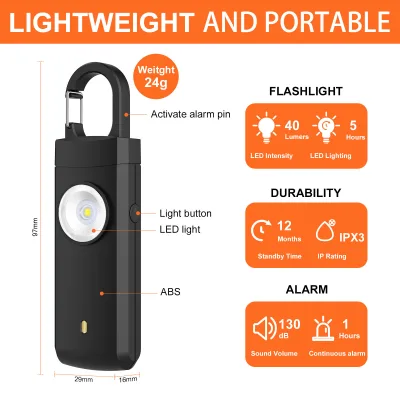
Most alarms are constructed from durable ABS plastic or ABS combined with metal components. Some models feature lithium batteries for power. The materials ensure portability and resistance to daily wear, making them suitable for keychains and personal carry in emergency situations.
Can these alarms be customized with a brand logo?
Yes, many suppliers offer OEM and ODM services for branding and design customization. Options include graphic processing and customized packaging. Buyers can request specific colors, logos, or model numbers to align with their brand identity and market requirements.
What is the response time for supplier inquiries?
Supplier response times vary, with some replying within 2 hours and others taking up to 20 hours. Faster response times indicate active sales teams ready to assist with quotes and technical details. Buyers should prioritize suppliers with quicker response rates for efficient communication.