Source Harness Accessories Lobster Clasp for Jewelry, Bags, and Promotional Gifts
Find 30 Harness Accessories Lobster Clasp options for jewelry, bags, and promotional gifts. Compare metal die-cast models with polished finishes, nickel-free plating, and OEM/ODM services from Guangdong suppliers; compare the available evidence and request quotations based on your requirements.
Updated
Key considerations
Products List
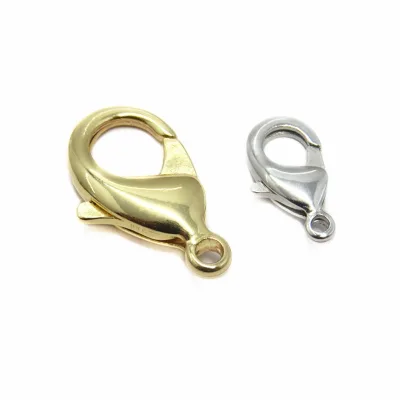


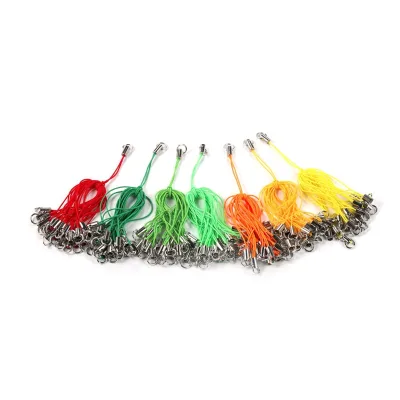

High Quality Lobster Clasp Bag Accessories Lanyard Spring Hook Lobster Clasp
$0.035 - $0.038
MOQ: 1000 Pieces


Hot Selling Metal Swivel Clasps for Lanyard Snap Hook Lobster Claw Clasp
$0.032 - $0.035
MOQ: 1000 Pieces

Different Width Metal Bag Lobster Clasp Snap Hook for Keychain Lanyard
$0.032 - $0.035
MOQ: 1000 Pieces
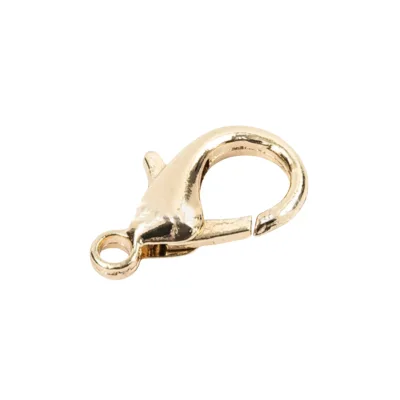
Wholesale High Quality Sliver Lobster Clasp Quick Release Clasp Lobster Hook Accessories
$0.0104 - $0.0311
MOQ: 1000 pieces
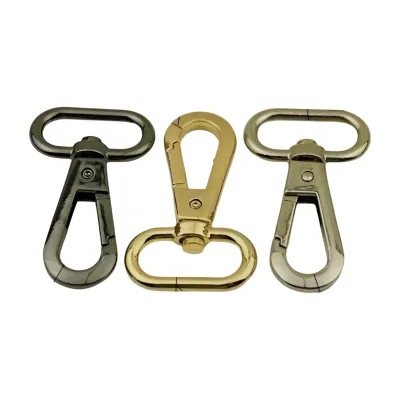
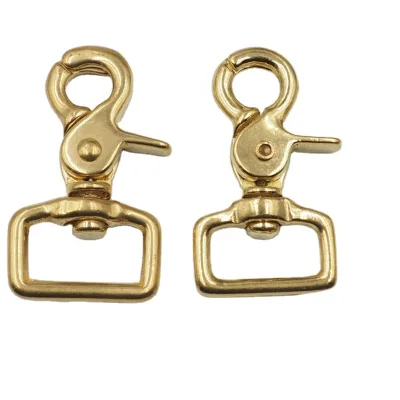
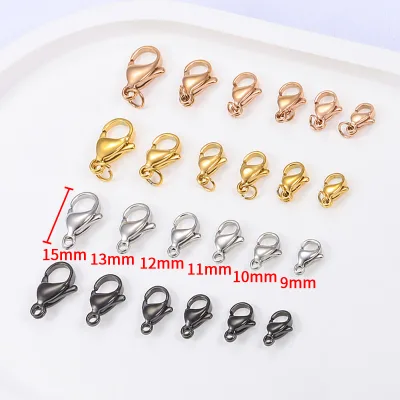
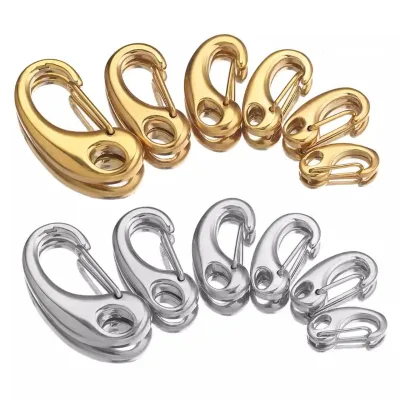


High End Key Chain Accessories Mini Gold Swivel Lobster Clasps for Keychain
$0.36 - $1.25
MOQ: 500 Pieces


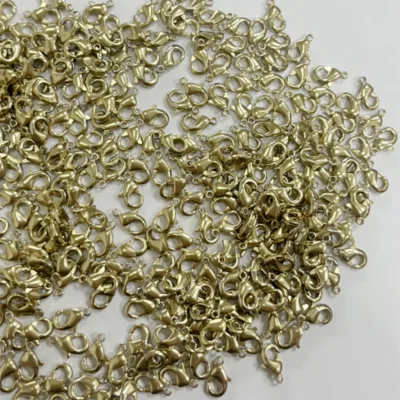
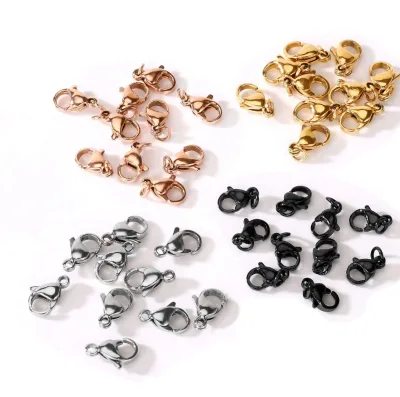
Stainless Steel Metal Various Color Lobster Clasp with Jump Ring DIY Clasp Accessories
$0.0616 - $0.1543
MOQ: 100 Minimum


Comprehensive Sourcing Guide
Harness Accessories Lobster Clasp Sourcing Guide
The market for harness accessories and lobster clasps presents a diverse range of options, primarily centered on stainless steel construction with die-casting or casting processes. Buyers will observe products categorized by specific models such as SSLR and SSCH, which serve distinct functional needs ranging from jewelry chains to industrial bag hardware. These components are frequently available in polished finishes with silver, black, or gold coatings, ensuring versatility for both decorative and heavy-duty applications.
Procurement decisions must account for the significant variation in product dimensions and shapes observed in current listings. While some items are strictly round with measures like 9mm or 10mm, others feature irregular shapes or single hooks designed for specific industrial loads. The observed data indicates a wide spectrum of sizes, from small 8mm swivel eyes to larger 50mm variants, requiring buyers to carefully match the physical specifications of the clasp to the intended load-bearing requirements of their final assembly.
Product Scope and Observed Listing Signals
Current listings reveal a clear segmentation between jewelry-grade clasps and industrial-grade hooks, each with distinct usage profiles. Jewelry applications typically utilize round, polished stainless steel components with measures ranging from 9mm to 19mm, often featuring nickel-free and lead-free plating to meet consumer safety expectations. These items are frequently marketed for use in bracelets, necklaces, and chains, where aesthetic finish and lightweight durability are the primary selection criteria for the end user.
In contrast, the industrial segment focuses on robust single hooks and swivel eyes capable of supporting substantial weights, with strength ratings observed between 50kg and 400kg. These products are often designed for use in bags, pet gear, and outdoor equipment, utilizing casting processes and eco-friendly plating to ensure longevity under stress. Buyers must distinguish between these two categories, as the manufacturing tolerances and material treatments for industrial hooks differ significantly from those intended for delicate fashion accessories.
Technical Specifications to Verify
Buyers must rigorously verify the dimensional accuracy of the clasp, as observed listings show measures ranging from 9mm up to 50mm with specific standard sizes like 21mm and 26mm. The internal width for swivel eye models is noted to span from 8mm to 50mm, a critical parameter for ensuring compatibility with various strap widths and chain links. Failure to confirm these exact measurements against the technical drawing can result in assembly failures or the inability to secure the harness components effectively.
Surface treatment and coating consistency are equally vital technical parameters that influence both the appearance and corrosion resistance of the final product. The available data highlights polished surfaces with silver, black, or gold coatings, alongside specific plating attributes such as being nickel-free and lead-free. Procurement teams should request physical samples to validate that the coating thickness and adhesion meet the requirements for the intended environment, whether it is a high-moisture outdoor setting or a sensitive indoor jewelry application.
Compliance and Safety Documentation
Safety compliance is a non-negotiable aspect of sourcing, particularly for products intended for consumer use where material toxicity is a concern. The observed listings explicitly mention nickel-free and lead-free plating, which are essential attributes for jewelry and items in close contact with skin. Buyers should demand third-party test reports confirming these claims, ensuring that the stainless steel raw material and any applied coatings adhere to relevant international safety standards for heavy metals and allergens.
For industrial applications, the documentation must verify the structural integrity and load-bearing capacity of the hardware. While specific strength ratings of 50kg to 400kg are observed, these figures require validation through certified tensile testing to ensure they are not merely marketing claims. Procurement protocols should include a review of quality guarantees and any available certification regarding the casting process, ensuring that the final product can withstand the dynamic loads expected in bag, pet, or outdoor gear usage without failure.
Cost Drivers and Commercial Terms
The commercial landscape for these accessories is influenced heavily by the minimum order quantity, which varies significantly across different product types and suppliers. Observed data indicates MOQs ranging from 100 pieces for smaller batches to 500 pieces for standard industrial orders, with some listings suggesting a baseline of 500 pieces for specific models. Buyers must align their order volume with these thresholds to secure competitive pricing, as smaller quantities may incur higher unit costs or require special handling fees.
Lead times and production capacity are additional cost drivers that affect the total landed cost and inventory planning. The observed lead times range from as little as 2-3 days for standard items to 7-10 days for more complex casting or custom orders. These variations depend on the processing method, such as die casting versus standard casting, and the availability of raw materials. Procurement teams should factor these timelines into their supply chain strategy to avoid delays, especially when coordinating with OEM or ODM services for custom branding.
Supplier Qualification and Quality Control
Supplier qualification should prioritize manufacturers located in established industrial hubs like Guangdong and Dong Guan, China, where the supply chain for metal hardware is mature. The observed data confirms that the place of origin is consistently within these regions, suggesting a high concentration of specialized die-casting and plating facilities. Buyers should verify the supplier's capacity to handle both standard and custom orders, ensuring they have the infrastructure to support OEM and ODM requirements for branding and packaging.
Quality control processes must be robust enough to handle the variability in product shapes and sizes observed in the market. Since listings include both round and irregular shapes, as well as single hooks and swivel eyes, the supplier must demonstrate consistent quality across different product lines. Buyers should implement a sampling plan that tests for coating adhesion, plating thickness, and mechanical strength, ensuring that the "Guaranteed" quality claims are backed by a systematic inspection regime before bulk shipment.
Long-Term Procurement Checks
Sustaining a reliable supply chain requires regular audits of the supplier's ability to maintain consistent lead times and quality standards over extended periods. The observed lead times of 2-3 days to 7-10 days suggest a responsive manufacturing environment, but buyers must monitor these metrics during peak seasons to prevent bottlenecks. Establishing a long-term partnership involves verifying that the supplier can scale production up or down while maintaining the specific technical specifications required for the harness accessories.
Continuous verification of material composition and plating integrity is essential to prevent degradation in product performance over time. As the market evolves, buyers should periodically re-test samples to ensure that the nickel-free and lead-free attributes remain consistent and that the eco-friendly plating processes have not been compromised. Regular communication regarding any changes in raw material sourcing or production techniques will help mitigate risks and ensure that the long-term procurement strategy remains aligned with the original quality and safety objectives.
FAQs
What materials are used for harness accessories lobster clasps?
The primary material is stainless steel, ensuring durability and resistance to corrosion for long-term use. These metal clasps are processed via die casting to achieve precise shapes and robust structural integrity. The raw material selection guarantees that the final product meets high-quality standards for jewelry and industrial applications.
Can I customize the size and coating of these clasps?
Yes, customization is available for both size and surface treatment. Buyers can select from various measurements including 9mm, 10mm, 12mm, 15mm, and 19mm. Coating options include silver, black, or gold finishes. This flexibility allows for tailored solutions that match specific design requirements for bracelets, necklaces, or promotional gifts.
What is the minimum order quantity for these metal clasps?
The standard minimum order quantity is 500 pieces for most models. However, some specific items may have an MOQ of 100 pieces. This range accommodates both bulk industrial needs and smaller prototype orders. Buyers should verify the specific MOQ for their chosen model to ensure alignment with their procurement volume requirements.
How long does production take for these harness accessories?
Lead times typically range from 2 to 10 days depending on the specific product model and order complexity. Standard items like the SSLR model may be ready in 2-3 days, while others like the MC model might require 7-10 days. This rapid turnaround supports efficient supply chain management for urgent jewelry or craft projects.
Are these clasps safe for direct skin contact in jewelry?
Yes, the clasps are plated with nickel-free and lead-free materials, making them safe for skin contact. This eco-friendly plating ensures compliance with safety standards for jewelry applications. The polished surface treatment further enhances comfort and aesthetic appeal, making them suitable for bracelets, necklaces, and other wearable accessories.
Where are these stainless steel clasps manufactured?
These products are manufactured in Guangdong, China, specifically in Dong Guan. This region is known for its robust manufacturing infrastructure and expertise in metal processing. The local supply chain supports efficient production and quality control, ensuring consistent delivery of high-standard metal clasps for global buyers.