Customized Rhinestone Beanie Suppliers and Manufacturers
Explore 32 verified options for Customized Rhinestone Beanie sourcing with dimensions like location, lead time, and certifications. Compare response times and MOQs to select a suitable partner for your order; review the available evidence before requesting comparable quotations from suitable candidates.
Updated
Suppliers List

ZHENJIANG KIMTEX INDUSTRIAL INC.
- Verified by SGS
- Combined
- China Jiangsu
- Lead time30 days
- Avg. response≤ 13h
Main productsBaseball Cap, Beanie Hat, Trucker Hat, Snapback Cap, Bucket Hat, Gloves, Scarf, Socks, Bandana, T-Shirt
Main marketsAfrica,Southeast Asia/ Mideast,East Asia(Japan/ South Korea),Europe,Australia,North America

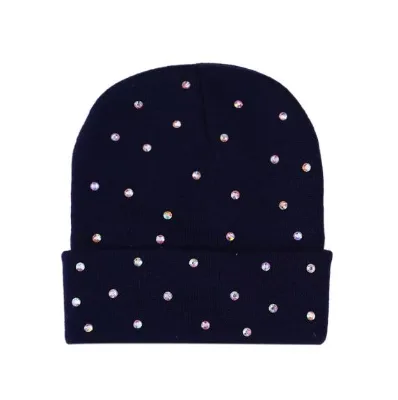
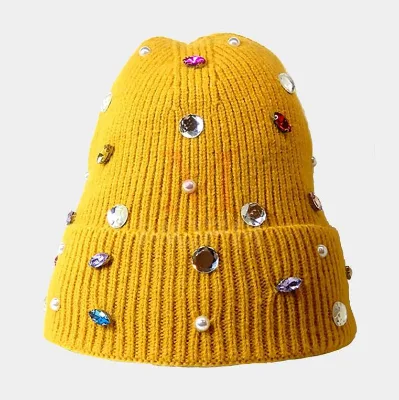
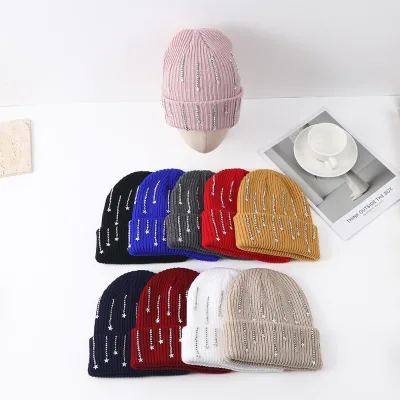
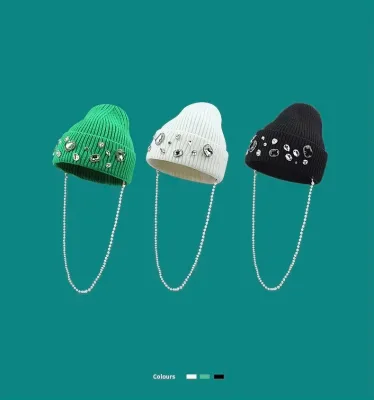
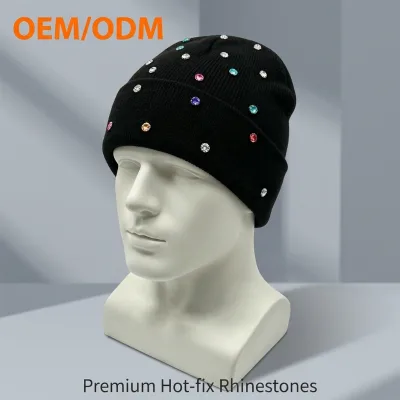
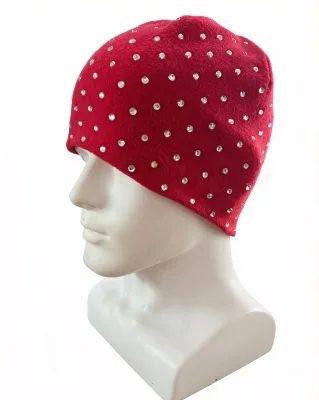
Spring / Autumn Adjustable Kimtex Warm Rhinestone Rhinestones Beanie Hat
$2.75 - $5.00
MOQ: 100 Pieces

Colourful Spring / Autumn Kimtex Trendy Rhinestone Rhinestones Beanie Hat
$2.75 - $5.00
MOQ: 100 Pieces


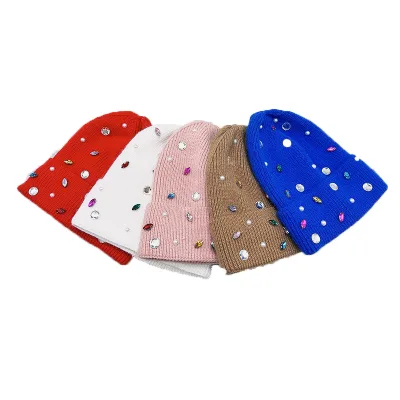
Colourful Kimtex 1piece/OPP Bag Adult Size Unisex Rhinestone Rhinestones Beanie Hat
$2.75 - $5.00
MOQ: 100 Pieces


Kimtex Unisex 1piece/OPP Bag Adult Size High Quality Rhinestones Beanie Hat
$2.75 - $5.00
MOQ: 100 Pieces

- Verified by TUVRHEINLAND
- Manufacturer/Factory
- China Guangdong
- Lead time15 days
- Avg. response≤ 4h
Main productsPatches, Badges, Woven Labels, Hang Tag, Lanyard, Gift Pouch, Promotional Caps, Promotonal Bracelet, Keychain, Bracelet
Main marketsSouth America,Eastern Europe,Mid East,North America,Southeast Asia,Eastern Asia,Oceania,Western Europe,Africa
Shenzhen Eking Clothing Co., Ltd.
- Verified by SGS Group
- Manufacturer, Trading Company
- Lead time14 days
- Avg. response≤ 4h
Main productsHoodie, Sportswear, Teamwear, Cap, T-Shirts
Main marketsNorth America(40%), Oceania(15%), Eastern Europe(10%)
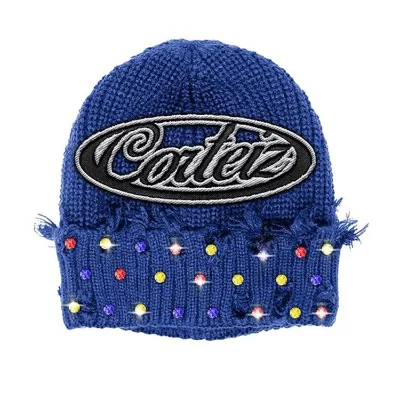
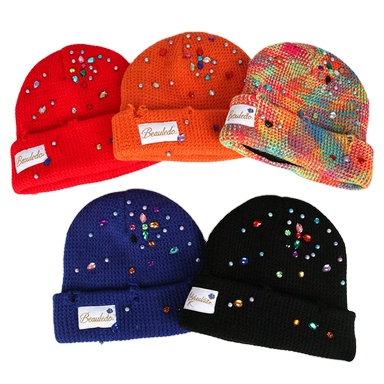
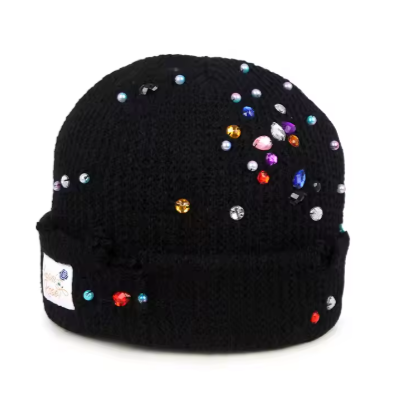
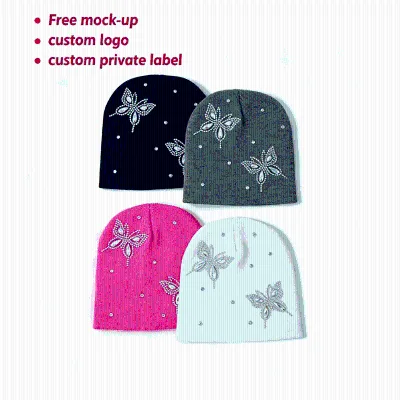
Customized Winter Keep Warm Embroidered logo Graphic Rhinestone Distressed Hem Thick Knit Beanies
$6.1661 - $9.0419
MOQ: 50 pieces
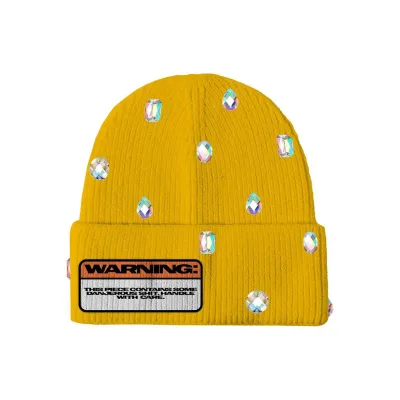
$3.80 - $6.40
MOQ: 50 pieces

Dongguan Kangbao Garment Co., Ltd.
- Verified by BV
- Combined
- China Guangdong
- Lead time23 days
- Avg. response≤ 5h
Main productsBeanie, Winter Hat, Scarf and Neck Warmer, Gloves and Mittens, Knit Poncho and Blanket, Headband Sports Gear, Canvas Bag, Golf Cover
Main marketsAfrica,Europe,North America

New Design Punk Style Winter Warm Skull Cap Rhinestone Soft Knitted Beanie
$1.99 - $5.00
MOQ: 100 Pieces


Guangzhou BaiNaJia Garment Co., Ltd
- Verified by SGS
- Manufacturer/Factory
- China Guangdong
- Lead time45 days
- Avg. response≤ 4h
Main productsKnitted Sweater, Women Sweater, Men Sweater, Child Sweater, T-Shirt, Hoodies, Apparel, Custom Sweater, Sweater Products, Fashion Sweater
Main marketsEastern Europe,Mid East,North America

Baoding Nazun Business & Trading Co., Ltd.
- Trading Company
- Hebei, China
- Lead time15 days
- Avg. response≤ 2h
Main productshat,sports hats,bucket hat,beanie,socks and Your personal designer
Main marketsNorth America(18.00%), Western Europe(15.00%), Central America(15.00%), Eastern Europe(13.00%), Northern Europe(13.00%), Southern Europe(12.00%), South America(9.00%), Oceania(3.00%), South Asia(0.50%), Africa(0.50%), Southeast Asia(0.50%), Eastern Asia(0.50%)
Yiwu Beauledo Garment Co., Ltd.
- Verified by SGS Group
- Manufacturer, Trading Company
- Lead time30 days
- Avg. response≤ 2h
Main productsBaseball Cap, Beanies, Snapback Caps, Trucker Hats
Main marketsEastern Asia(40%), North America(40%), Western Europe(20%)
Jiaxing Watcher Import & Export Co., Ltd.
- Manufacturer, Trading Company
- Lead time旺季: "1 - 500":35,"> 500":"To be negotiated", 淡季: "1 - 500":35,"> 500":"To be negotiated"
- Avg. response≤ 5h
Main productsFur coat, Fur vest, Wool Coat, Beanie Hat, Beret Hat
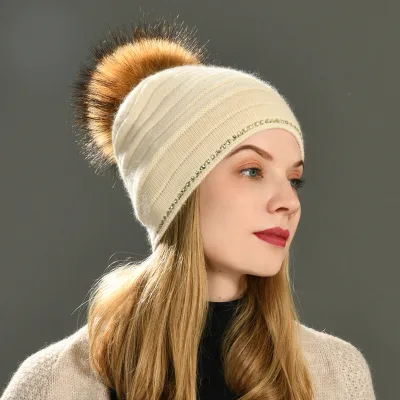
Custom Knit Beanie With Rhinestone Winter Warm Women Wool Knitted Stock Beanie
$5.00 - $9.00
MOQ: 2 Minimum
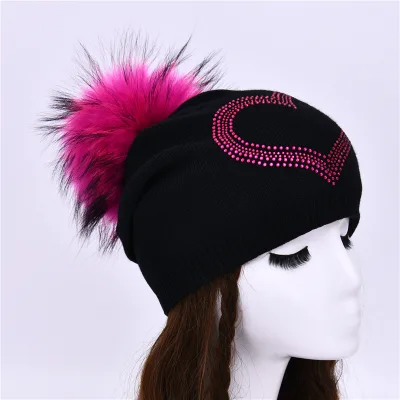
$4.753 - $8.7829
MOQ: 2 Minimum
Shenzhen Aung Crown Industrial Ltd.
- Manufacturer, Trading Company
- Lead time旺季: "1 - 1000":35,"> 1000":"To be negotiated", 淡季: "1 - 1000":35,"> 1000":"To be negotiated"
- Avg. response≤ 3h
Main productsBaseball Caps , Snapback Caps, Trucker Hats, Bucket Hats, Winter Hats
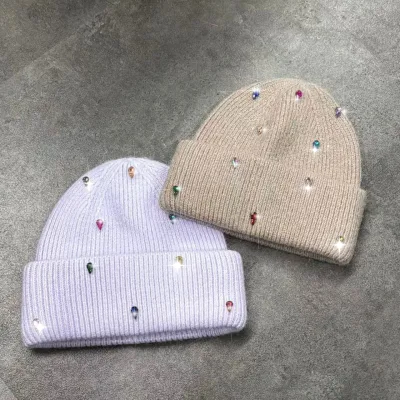
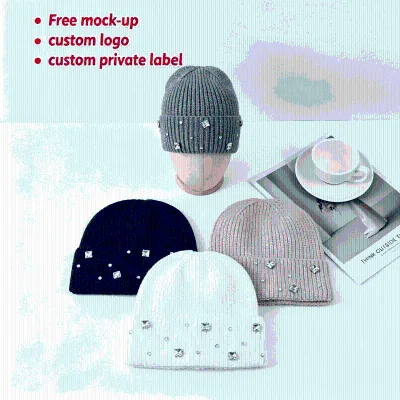
2026 New Fashion Luxury Diamond Rhinestone Bling Crystal Shiny Soft Cuffed Beanie for Women
$2.2081 - $6.1093
MOQ: 100 pieces
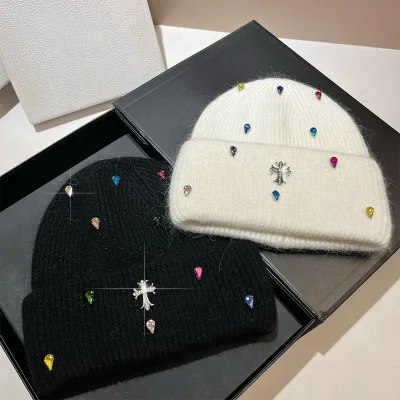
Beenies Manufacturer Shiny Rhinestone Pattern Thick Women Faux Fur Luxury Furry Beanie Hat With Logo
$1.50 - $5.50
MOQ: 10 pieces
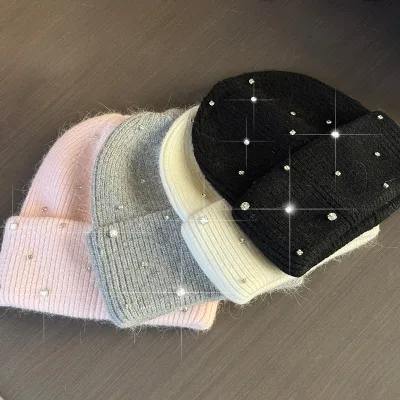
$2.00 - $5.00
MOQ: 10 pieces
Jiangsu Jinzhifeng Knitting Co., Ltd.
- Verified by Intertek
- Manufacturer, Trading Company
- Lead time30 days
- Avg. response≤ 5h
Main productsHat, Scarf, Gloves
Main marketsNorth America(30%), Western Europe(30%), Eastern Europe(30%)
- Verified by TüVRheinland
- Manufacturer, Trading Company
- Lead time30 days
- Avg. response≤ 4h
Main productsBeret, Beaine, Bucket Hat, Baseball Cap, Straw Hat
Main marketsNorth America(42%), Western Europe(20%), Oceania(10%)
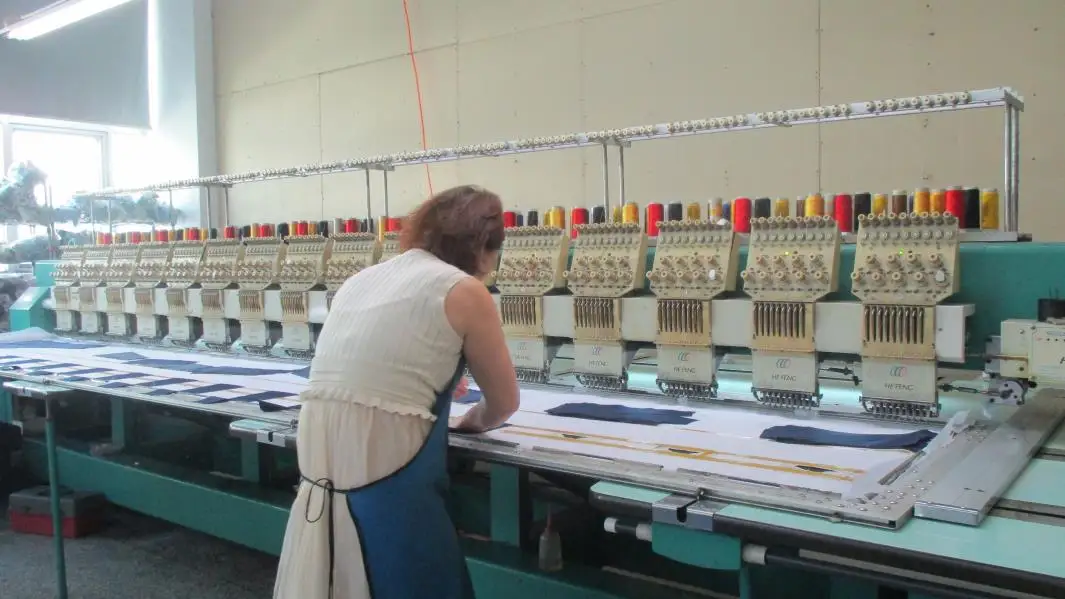
- Manufacturer, Trading Company
- Zhejiang, China
- Lead time10 days
- Avg. response≤ 2h
Main productsHats,Wedding veil,Pajamas,Belts,Pants
Main marketsNorth America(35.00%), Western Europe(15.00%), Domestic Market(10.00%), Mid East(8.00%), South America(5.00%), Eastern Europe(5.00%), Central America(5.00%), Oceania(5.00%), Northern Europe(5.00%), Southeast Asia(3.00%), Eastern Asia(1.00%), South Asia(1.00%), Southern Europe(1.00%), Africa(1.00%)
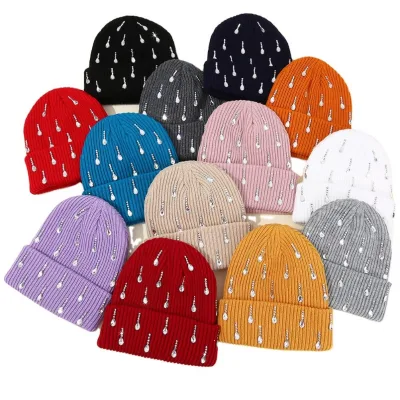
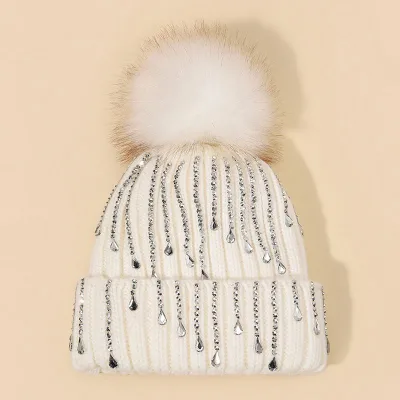
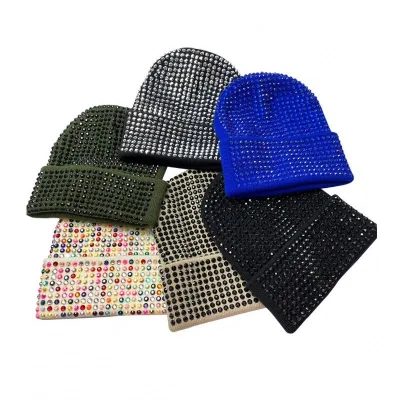
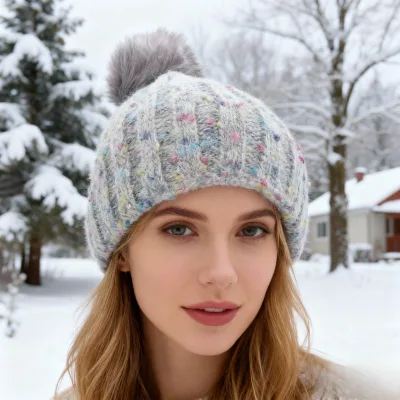
Women Girls Acrylic Knit Cuff Rhinestones Beanie with Removable Faux Fur Pompom
$3.5838 - $4.5105
MOQ: 10 Minimum
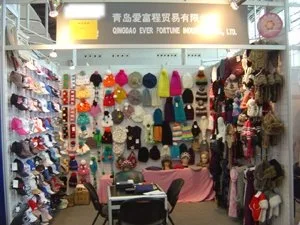
Qingdao Ever Fortune Industrial Co., Ltd.
- Trading Company
- Shandong, China
- Lead time35 days
- Avg. response≤ 4h
Main productsCaps / Hats / Beanie / Balaclava,Kippah,Gloves,Scarves,Accessories
Main marketsNorth America(68.00%), Eastern Asia(12.00%), Eastern Europe(9.00%), Western Europe(8.00%), Oceania(3.00%)
Shenzhen Aung Crown Industrial Ltd.
- Manufacturer, Trading Company
- Lead time旺季: "1 - 1000":35,"> 1000":"To be negotiated", 淡季: "1 - 1000":35,"> 1000":"To be negotiated"
- Avg. response≤ 2h
Main productsBaseball Caps, Snapback Caps, Trucker Hats, Bucket Hats, Winter Hats
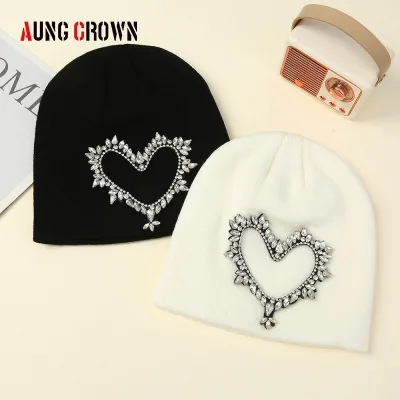
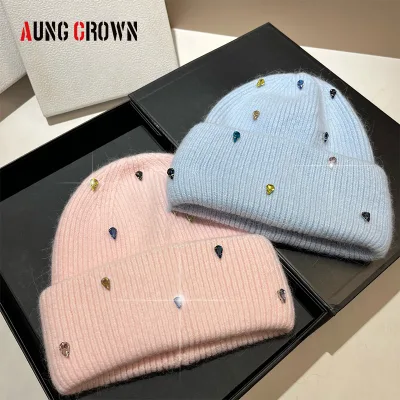
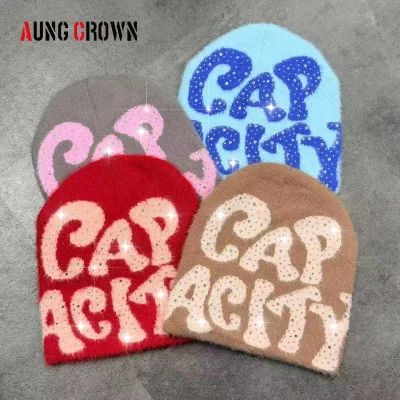
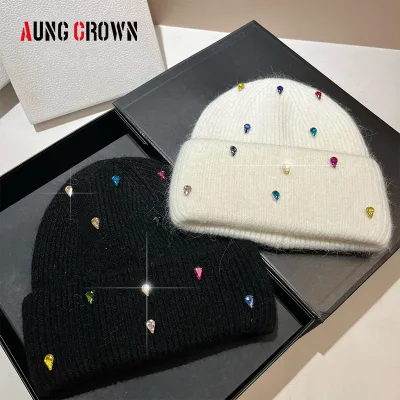
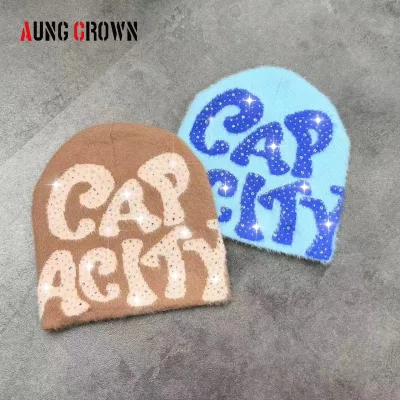
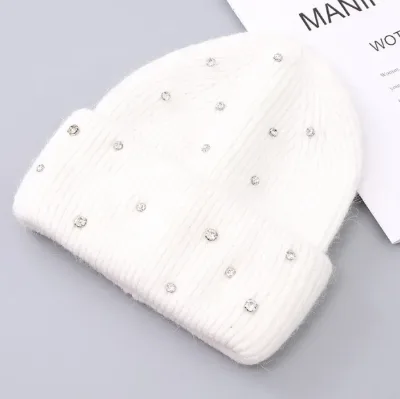
Wholesale Customize Winter Cuffed Knitted Hat Women Beanies Rabbit Fur Beanie Hats Rhinestone Beanie
$0.8608 - $4.8024
MOQ: 50 pieces
Taiqian Haina Clothing Co., Ltd.
- Verified by SGS Group
- Manufacturer, Trading Company
- Lead time15 days
- Avg. response≤ 3h
Main productsBaseball Cap, Snapback Cap, Trucker Hat, Beanie, Bucket Hat
Main marketsNorth America(53%), Western Europe(15%), Oceania(10%)

Capwindow International Co., Ltd.
- Verified by BV
- Combined
- China Guangdong
- Lead time30 days
- Avg. response≤ 2h
Main productsBaseball Cap, Snapback Hat, Promotion Cap, Cotton Cap, Sports Cap, Trucker Cap, Wrist Band, Bucket Hat, Promotional Gifts, Clothing Accessories
Main marketsSouth America

- Verified by TUVRHEINLAND
- Trading Company,Manufacturer/Factory
- China Chongqing
- Lead time38 days
- Avg. response≤ 5h
Main productsBaseball Cap, Beanie Hat, Trucker Hat, Bucket Hat, Snapback Hat, Scarf, Gloves, Apron, Sock, T Shirt&Polo Shirt
Main marketsSouth America,Eastern Europe,Mid East,North America,Southeast Asia,Eastern Asia,Oceania,Western Europe,Africa

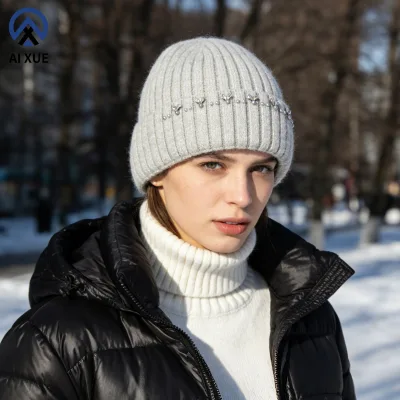
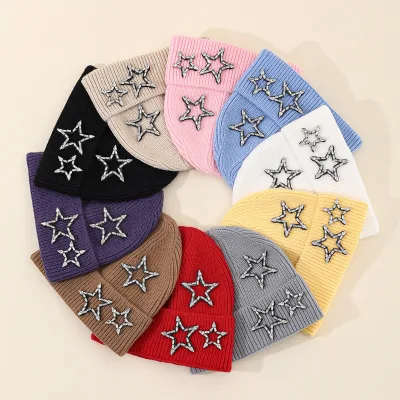
Stylish Women Sparkling Star Rhinestone Winter Hat Polyester Soft Warm Knit Beanie
$1.90 - $4.90
MOQ: 100 Pieces

Fashion Promotion Winter Acrylic Cotton Gift Warm Xmas Christimas Knit Hat Beanie
$1.00 - $3.50
MOQ: 50 Pieces


Shenzhen Junxi Industry Technology Co., Ltd.
- Manufacturer, Trading Company
- Lead time旺季: "1 - 1000":35,"> 1000":"To be negotiated", 淡季: "1 - 1000":35,"> 1000":"To be negotiated"
- Avg. response≤ 4h
Main productsBeanie, Baseball Cap, Sport Hats , Balaclavas, Bucket Hat
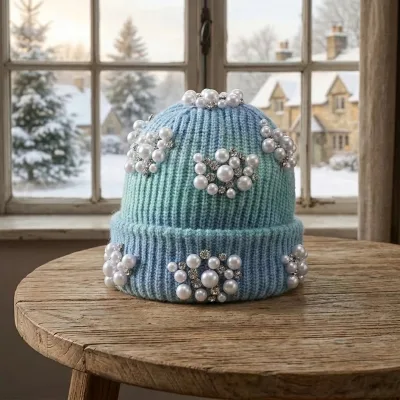
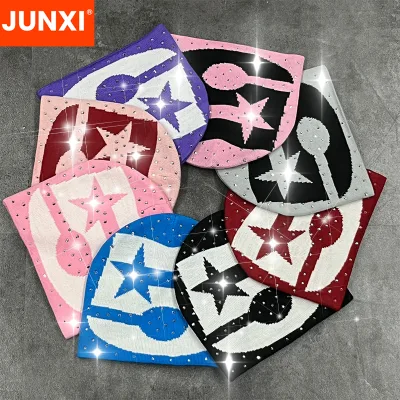
$1.8383 - $4.9042
MOQ: 50 pieces
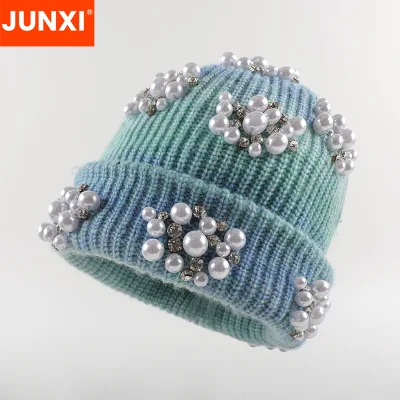
Weihai Huibao Outdoor Products Co., Ltd.
- Verified by TüVRheinland
- Trading Company
- Lead time15 days
- Avg. response≤ 1h
Main productsHat, Clothing, Baseball Cap, Bucket Hat, Beanie
Main marketsEastern Asia(30%), North America(15%), Southeast Asia(10%)

Manke (Dongguan) Textile Co., Ltd.
- Verified by TUVRHEINLAND
- Trading Company,Manufacturer/Factory,Other
- China Guangdong
- Lead time90 days
- Avg. response≤ 6h
Main productsBaseball Cap, Snapback Caps, Hoodies, Trucker Hat, Bucket Hat, Beanie Hat, Scarf, Golf Caps, Sports Caps, T-Shirts
Main marketsSouth America,Eastern Europe,Mid East,North America,Southeast Asia,Oceania,Western Europe,Africa
Dongguan Fitwell Headwear & Bag Co., Ltd.
- Manufacturer, Trading Company
- Lead time旺季: "1 - 5000":21,"> 5000":"To be negotiated", 淡季: "1 - 5000":21,"> 5000":"To be negotiated"
- Avg. response≤ 2h
Main productsTrucker Hat, Baseball Caps, Snapback Hat, Beanie, Bucket Hat

- Verified by SGS
- Combined
- China Fujian
- Lead time15 days
- Avg. response≤ 4h
Main marketsEurope
Anhui Jinghan Import And Export Co., Ltd.
- Trading Company
- Anhui, China
- Lead time0 days
- Avg. response≤ 5h
Main productsFedora Hat,Beach Hat,Bucket Hat,Panama Hat,Straw Hat
Main marketsNorth America(29.00%), South America(28.00%), Eastern Europe(20.00%), Northern Europe(8.00%), Western Europe(7.00%), Southeast Asia(5.00%), Africa(3.00%)

- Verified by CTI
- Trading Company
- China Anhui
- Lead time23 days
- Avg. response≤ 1h
Main productsFurniture, Home Furniture
Main marketsSoutheast Asia/ Mideast
- Trading Company
- Zhejiang, China
- Lead time30 days
- Avg. response≤ 5h
Main productshat,scarf,glove,neck warmer,ear cap
Main marketsSouth America(22.00%), Western Europe(20.00%), Domestic Market(15.00%), North America(11.00%), Eastern Asia(10.00%), Eastern Europe(8.00%), Mid East(7.00%), Central America(7.00%)
Jurong Xinxu Clothing Co., Ltd.
- Manufacturer, Trading Company
- Jiangsu, China
- Lead time0 days
- Avg. response≤ 2h
Main productsBaseball cap,Truck cap,Winter hat,Snapback Cap,Aviator hat
Main marketsNorth America(18.80%), Eastern Europe(11.20%), Western Europe(10.80%), Southeast Asia(10.30%), South America(9.30%), Northern Europe(8.10%), Southern Europe(7.80%), Africa(6.90%), Mid East(5.90%), Oceania(5.70%), South Asia(5.20%)

- Verified by SGS
- Manufacturer
- China Shanghai
- Lead time23 days
- Avg. response≤ 3h
Main productsScarf, Bag, Hat, Blanket, House Shoes, Indoor Slippers, Scarf & Warmth Set, Shawl, Hijab Headscarf, Cap
Main marketsEast Asia(Japan/ South Korea),Domestic,Europe,North America
Wuxi Jihe Industrial Technology Co., Ltd
- Verified by SGS Group
- Trading Company
- Lead time15 days
- Avg. response≤ 4h
Main productsBaseball Cap, Bucket Hat, Trucker Hat, Shorts, T-Shirt
Main marketsNorth America(70%), Oceania(25%), South America(5%)
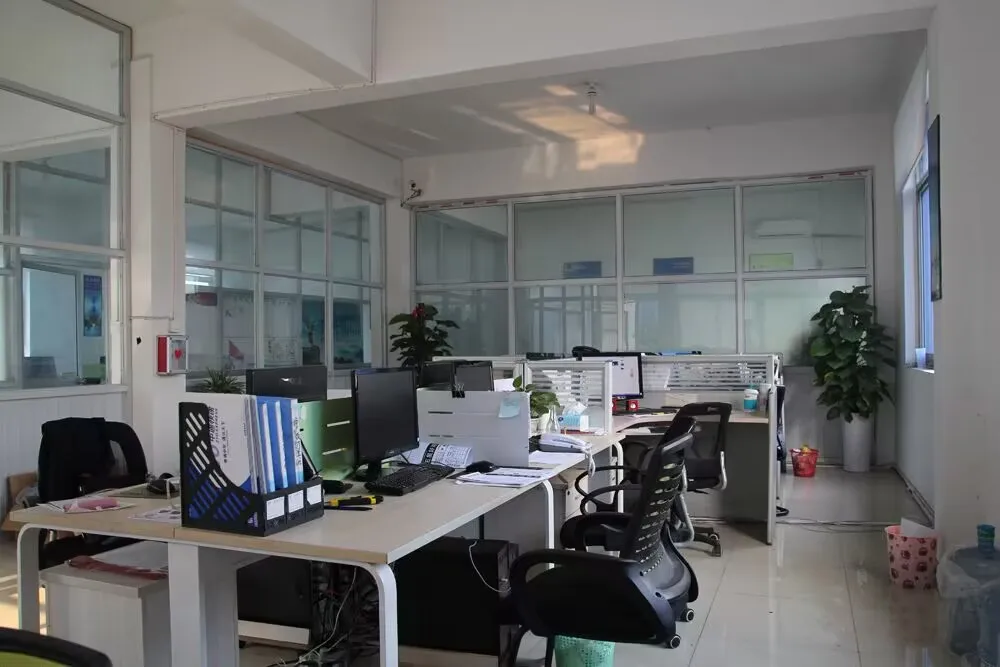
Tibet Laise Industrial Co., Ltd.
- Trading Company
- Tibet Autonomous Region, China
- Lead time15 days
- Avg. response≤ 2h
Main productsWool felt cowboy hats,Wool fedora hats,Wool hat bodies,church hats,Fascinators
Main marketsNorth America(50.00%), Eastern Europe(20.00%), Africa(5.00%), South America(5.00%), Southern Europe(3.00%), Western Europe(3.00%), Eastern Asia(3.00%)
Jiaxing Watcher Import & Export Co., Ltd.
- Manufacturer, Trading Company
- Lead time旺季: "1 - 500":35,"> 500":"To be negotiated", 淡季: "1 - 500":35,"> 500":"To be negotiated"
- Avg. response≤ 8h
Main productsFur Coat, Sweater, Knit Scarf, Beanie, Knit Gloves
Shenzhen Shiny E-Commerce Co., Ltd.
- Verified by TüVRheinland
- Trading Company
- Lead time7 days
- Avg. response≤ 3h
Main productsCanvas Tote Bags, Canvas Cosmetic Bag, Drawstring Backpack, Polyester Shopping Bag, Paper Bag
Main marketsNorth America(70%), Oceania(5%), Eastern Europe(4%)
Fuzhou Ai Pu Trading Co., Ltd.
- Verified by Intertek
- Trading Company
- Lead time45 days
- Avg. response≤ 2h
Main productsBaseball Cap, Trucker Hat, Beanie, Balaclava, Snapback Caps
Main marketsNorth America(50%), Oceania(30%), Western Europe(20%)


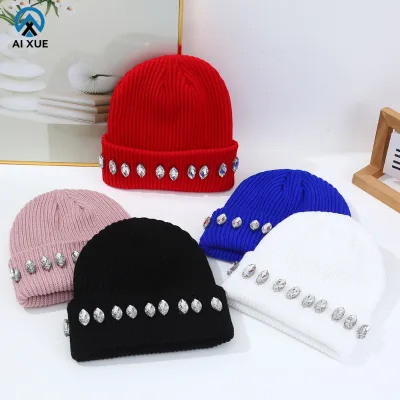
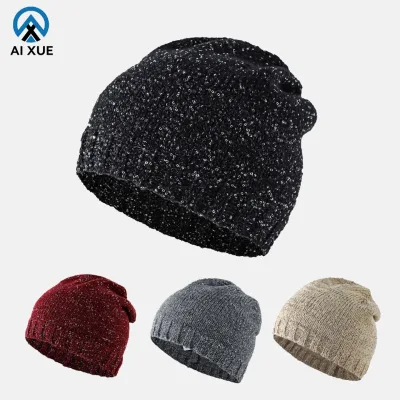
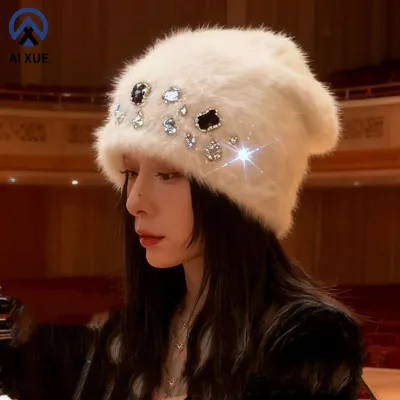
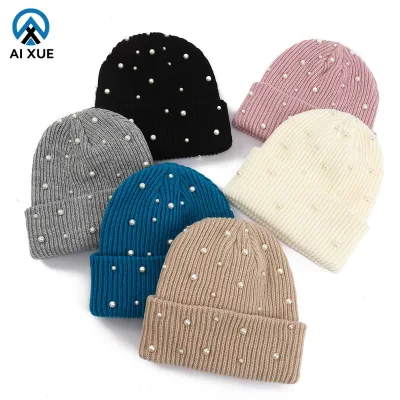
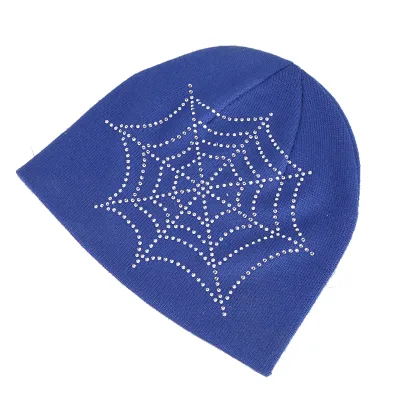
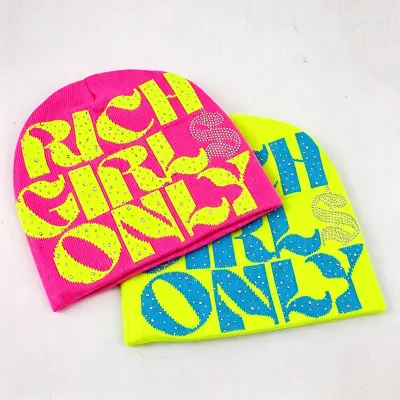


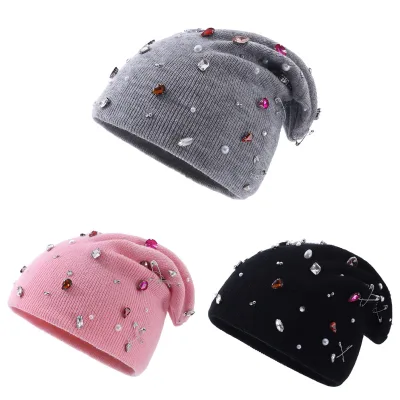
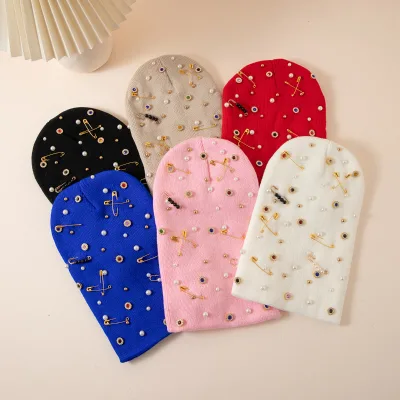


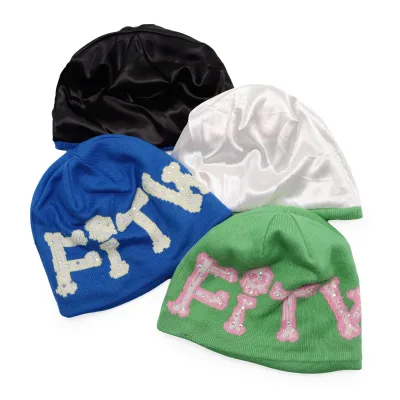
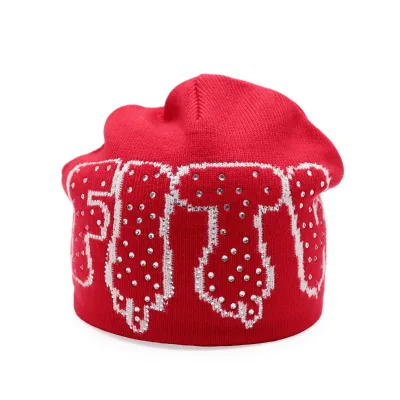


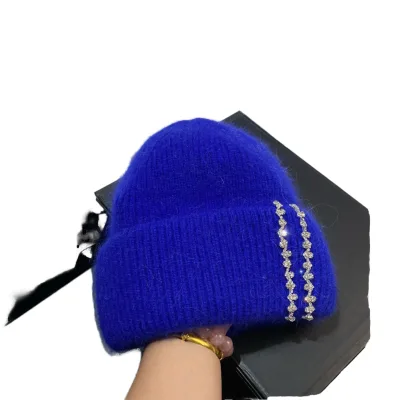
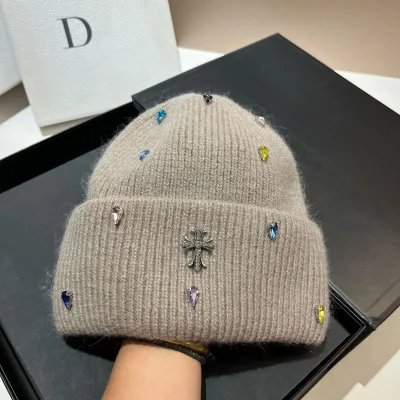




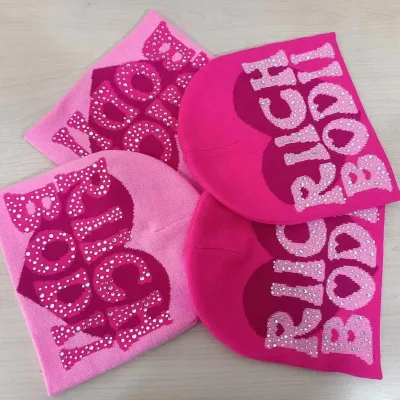
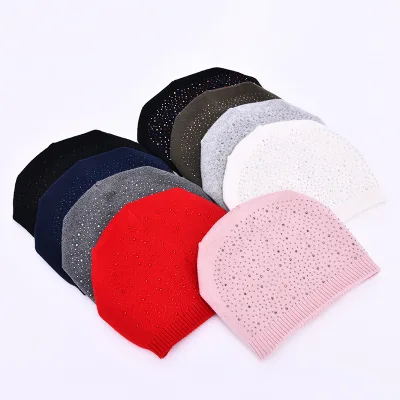
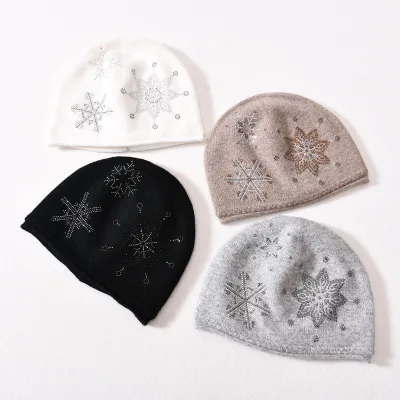
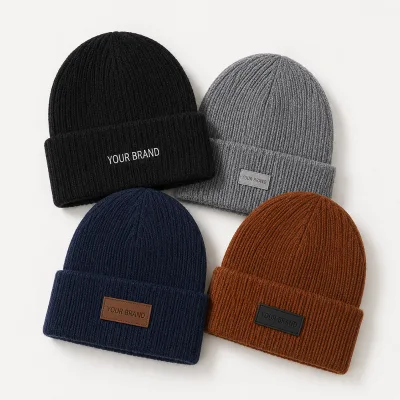
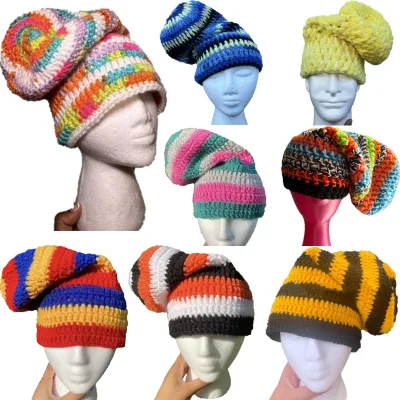
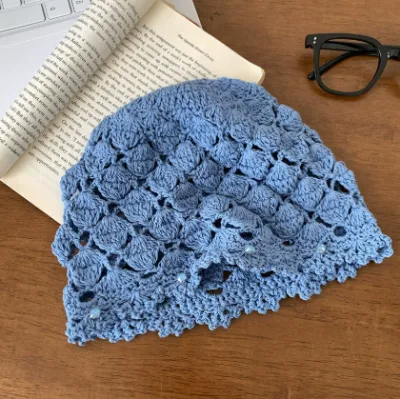
Comprehensive Sourcing Guide
Customized Rhinestone Beanie Supplier Concentration and Factory Types
The current supplier landscape for customized rhinestone beanies shows a distinct concentration of manufacturing activity in specific Chinese provinces, with verified results indicating operations in Jiangsu and Guangdong. Fact-based observations confirm that suppliers in Jiangsu, specifically Zhenjiang, offer combined company types capable of ODM, OEM, and own-brand production. These entities often list main products including various headwear styles like baseball caps, beanies, and trucker hats alongside accessories. In contrast, suppliers located in Guangdong, such as those in Dongguan, frequently operate as manufacturers or factories with a focus on patches, badges, and woven labels, though they also produce knitted beanies with rhinestone embellishments.
When evaluating factory types, buyers must distinguish between combined entities that blend trading and manufacturing functions and pure manufacturers or trading companies. The data reveals that some suppliers in this category hold certifications like BSCI and ISO 9001, while others rely on verification from agencies like SGS or TÜV Rheinland. It is critical to note that not every supplier possesses the same capacity for light customization or sample processing. Buyers should verify if a supplier's primary output aligns with their specific needs, as some focus heavily on promotional items like lanyards and keychains while others specialize in high-volume apparel production.
How to Verify Customized Rhinestone Beanie Suppliers
Verification of suppliers for customized rhinestone beanies requires a rigorous check of third-party credentials and response metrics rather than relying on self-reported claims. The available data indicates that some suppliers have undergone verification by SGS, while others hold TÜV Rheinland verification status. Buyers should prioritize suppliers displaying these specific external validations to ensure operational legitimacy. Additionally, system certifications such as ISO 9001, BSCI, and Oeko-Tex 100 serve as indicators of quality management systems, though the presence of these certifications must be confirmed through official documentation rather than assumed from a listing.
Response time and lead time are also critical verification metrics that reflect a supplier's operational efficiency and reliability. Current observations show response times ranging from approximately 3.10 hours to over 12 hours, with lead times varying between 14 and 30 days depending on the specific supplier and order complexity. A supplier with a rapid response time, such as the 3.10-hour benchmark observed, may indicate a more agile production floor, whereas longer response times could suggest a larger, less flexible operation. Buyers must cross-reference these metrics against their own project timelines to ensure the supplier can meet urgent deadlines without compromising the quality of the rhinestone application or knitting process.
What to Compare Across Customized Rhinestone Beanie Suppliers
Comparing suppliers requires a systematic analysis of key operational dimensions including minimum order quantities, pricing structures, and production capabilities. The data shows that MOQs for customized rhinestone beanies can vary significantly, with some suppliers requiring 50 pieces while others set a threshold of 100 pieces. Pricing also fluctuates based on material and customization levels, with observed ranges starting as low as 0.89 per unit and reaching up to 5.20 per unit. Buyers must evaluate these figures against their budget constraints and volume requirements, understanding that lower prices may correlate with specific material choices like 100% cotton or acrylic blends.
Beyond cost and volume, the scope of customization and product attributes must be compared to ensure alignment with brand requirements. Suppliers offer varying degrees of customization, including options for embroidery, printing, woven logos, and specific rhinestone patterns. Product attributes such as brim style, seasonality, and special features like ear warmers or breathability differ across listings. For instance, some beanies are designed for winter with adjustable crowns, while others target spring and autumn with different brim configurations. Buyers should create a comparison matrix that lists these specific attributes to identify which suppliers can deliver the exact design specifications, such as the "With Brim" or "Without Brim" styles, required for their collection.
Common Customized Rhinestone Beanie Sourcing Risks
One significant risk in sourcing customized rhinestone beanies involves the potential mismatch between advertised product attributes and the final delivered goods. While listings may specify materials like cotton yarn or acrylic, the actual composition might vary if not strictly verified. Furthermore, the durability of rhinestone embellishments is a critical concern, as loose stones or poor adhesion can lead to high return rates. Buyers must request physical samples to test the attachment strength of rhinestones and the quality of the knitting before committing to large orders, as visual evidence in listings does not guarantee long-term wearability.
Another risk pertains to the reliability of lead times and the consistency of production capacity. Although some suppliers advertise lead times of 14 to 15 days, actual production schedules can be delayed by material shortages or quality control bottlenecks. The variation in response times, ranging from a few hours to over 12 hours, may also signal communication gaps that could delay critical design approvals. Additionally, the complexity of customizing logos and patterns, such as animal characters or letter themes, introduces a risk of design errors if the supplier's technical capabilities are not fully understood. Buyers should mitigate these risks by establishing clear communication protocols and setting realistic expectations for production milestones.
Customized Rhinestone Beanie Regional Sourcing and Logistics
Regional sourcing strategies for customized rhinestone beanies are heavily influenced by the geographic location of the manufacturing base, which impacts logistics costs and shipping times. Verified data points to Jiangsu and Guangdong as primary hubs for this product category, with specific origins noted in Zhenjiang and Dongguan. Suppliers in these regions benefit from established supply chains for textiles and accessories, yet buyers must account for the distance from their own distribution centers when calculating total landed costs. The proximity of the factory to major ports in these provinces can facilitate faster export processing, but this advantage varies by specific supplier location within the province.
Logistics planning must also consider the specific packaging requirements and weight of the finished goods. Product evidence indicates that beanies are often packed individually in OPP bags or in bulk polybags, with carton quantities varying from 50 to 200 pieces. The single package size and gross weight, such as 0.100 kg per unit, are essential for calculating freight charges and container utilization. Buyers should verify if the supplier offers consolidated shipping options or if they require separate shipments for different product variations. Understanding these logistical details ensures that the supply chain remains efficient and that the final delivery to the buyer's warehouse is not delayed by packaging inefficiencies or unexpected freight costs.
Customized Rhinestone Beanie Commercial Terms and Order Planning
Commercial terms for customized rhinestone beanies encompass a range of factors including payment structures, escrow usage, and detailed order planning requirements. While specific payment terms are not explicitly detailed in the provided facts, the presence of verification services like SGS and TÜV Rheinland suggests that these suppliers may participate in secure transaction platforms. Buyers should inquire about the availability of escrow services to protect their funds until the goods are verified against the agreed specifications. Additionally, understanding the supplier's capacity for light customization and sample processing is vital for planning the initial phases of an order, ensuring that prototypes are approved before mass production begins.
Order planning must also account for the specific production standards and material certifications required by the buyer's market. Some suppliers list standards such as SGS or Oeko-Tex 100, which are crucial for compliance in certain regions. Buyers need to confirm that the supplier can consistently meet these standards throughout the production run, not just for the initial sample. Furthermore, the lead time for samples, which can range from 5 to 7 days, and production times, which may extend to 18 to 25 days, must be integrated into the overall project timeline. Effective order planning involves coordinating these timelines with marketing launches and inventory replenishment schedules to avoid stockouts or overstock situations.
FAQs
What is the price range for customized rhinestone beanies?
Prices typically range from $0.89 to $5.20 per unit depending on customization complexity and material quality. Buyers should expect lower costs for basic knitted styles and higher rates for intricate rhinestone embellishments or premium cotton yarn blends. Minimum order quantities often influence the final per-unit cost.
What is the minimum order quantity for these beanies?
Minimum order quantities generally start at 50 pieces for some suppliers and 100 pieces for others. This variation depends on the specific manufacturer's production capabilities and the level of customization required. Buyers should verify the exact MOQ with the supplier before placing an order to ensure it fits their budget.
How long does production take for custom orders?
Production lead times typically range from 14 to 30 days after sample approval. Some suppliers offer faster turnaround times of 15 days, while others may require up to a month for complex rhinestone designs. Sample production usually takes 5 to 7 days before bulk manufacturing begins.
What certifications do these suppliers hold?
Suppliers often hold ISO 9001, BSCI, and Oeko-Tex 100 certifications to ensure quality and ethical manufacturing standards. Some also possess GRS or SGS verification for material safety and supply chain transparency. Buyers should request valid certificates to confirm compliance with international trade and safety regulations.
Where are these beanies manufactured?
Manufacturing locations primarily include Jiangsu and Guangdong provinces in China. Specific origins may include Zhenjiang or Dongguan, known for textile and apparel production hubs. Buyers can filter suppliers by these regions to align with logistics preferences or regional trade requirements.
What materials are used for rhinestone beanies?
Common materials include 100% cotton, cotton yarn, and acrylic blends for warmth and durability. Some styles feature distressed hems or thick knits for winter wear. Buyers can choose between plain colors or colorful options, with customization available for logos and patterns using embroidery or printing techniques.