Harness Accessories Lobster Clasp Suppliers and Manufacturers
Compare 23 verified suppliers offering Harness Accessories Lobster Clasp with ISO 9001, REACH, and RoHS certifications. Review response times, lead times, and MOQs to source stainless steel or zinc alloy options from Guangdong factories; review the available evidence before requesting comparable quotations from suitable candidates.
Updated
Suppliers List
Dongguan Kingming Hardware Plastic Technology Co., Ltd.
- Verified by SGS Group
- Manufacturer, Trading Company
- Lead time10 days
- Avg. response≤ 2h
Main productsMetal Logo, Zipper, Button, Release Buckle, Snap Hook
Main marketsNorth America(29%), Western Europe(25%), Southeast Asia(15%)

Dongguan Bosin Hardware Co., Ltd.
- Trading Company
- China Guangdong
- Lead time15 days
- Avg. response≤ 4h
Main productsKey Ring, Snap Hooks, Ball Chain, Carabiner, Metal Clips, Metal Rings, Metal Buckle, Stainless Steel Chains, Key Chain, Bottle Opener
Main marketsEurope,North America

Dongguan Yibecs Mechinery & Equipment Co., Ltd.
- Verified by SGS
- Manufacturer
- China Guangdong
- Lead time15 days
- Avg. response≤ 11h
Main productsPolyester Lanyard, Dog Hook, Lanyard Accessories, Lanyard Heat Transfer Machine, Lanyard Ultrsonic Welding Machine
Main marketsEurope,North America

High Quality Lobster Clasp Bag Accessories Lanyard Spring Hook Lobster Clasp
$0.035 - $0.038
MOQ: 1000 Pieces

Factory Lanyard Metal Swivel Clasp Snap Hook Lobster Claw Clasp Lanyard Accessories
$0.032 - $0.035
MOQ: 1000 Pieces

Factory Wholesale Lanyard Metal Swivel Clasp Snap Hook Lobster Claw Clasp Lanyard Accessories
$0.03 - $0.036
MOQ: 1000 Pieces


Hot Selling Metal Swivel Clasps for Lanyard Snap Hook Lobster Claw Clasp
$0.032 - $0.035
MOQ: 1000 Pieces
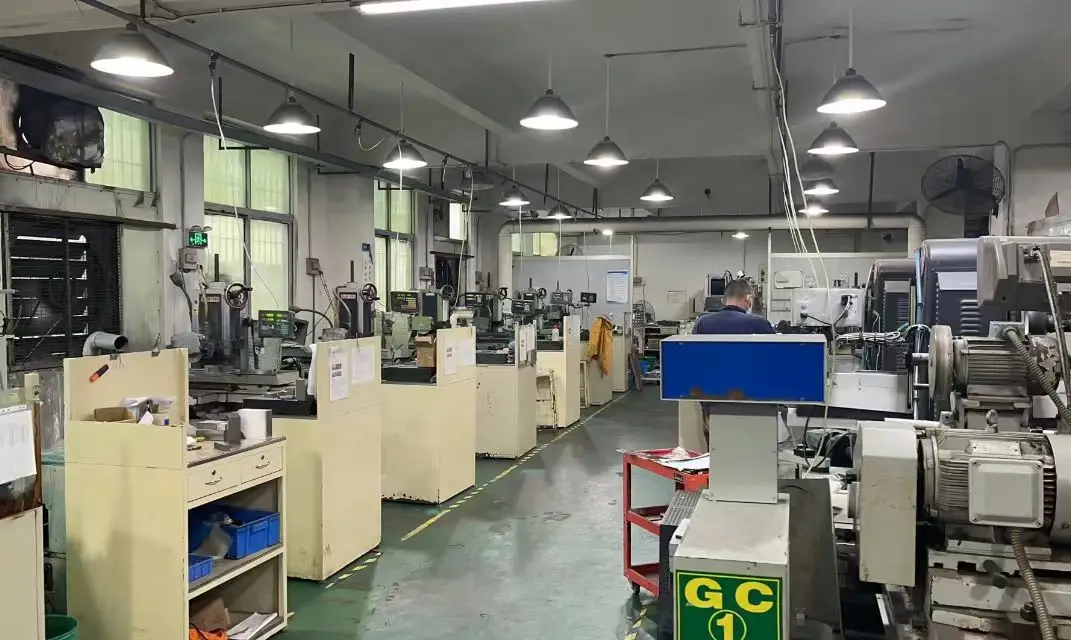
Huizhou Xinying Hardware Products Co., Ltd.
- Manufacturer
- Guangdong, China
- Lead time12 days
- Avg. response≤ 5h
Main productsbag accessories,Jewelry accessories,key chains,garment accessories,Pet accessories
Main marketsDomestic Market(10.00%), South Asia(10.00%), Southern Europe(10.00%), Northern Europe(10.00%), Central America(10.00%), Western Europe(10.00%), Mid East(10.00%), Eastern Europe(10.00%), South America(10.00%), North America(10.00%)
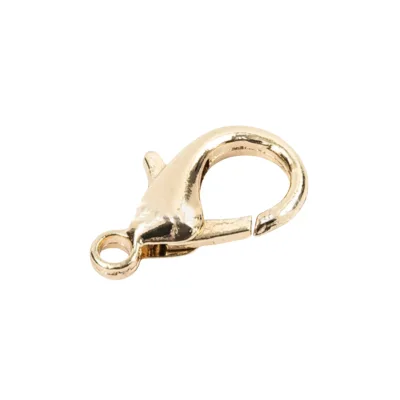
Wholesale High Quality Sliver Lobster Clasp Quick Release Clasp Lobster Hook Accessories
$0.0104 - $0.0311
MOQ: 1000 pieces
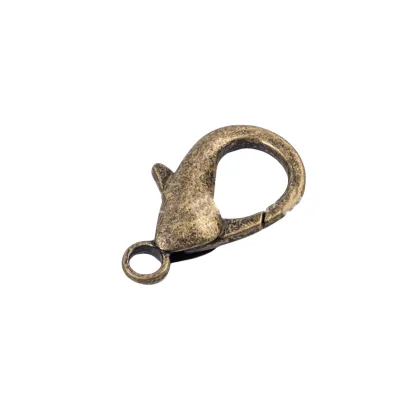
$0.021 - $0.0419
MOQ: 1000 pieces
Jining Magic Metal Manufacture Co., Ltd.
- Trading Company
- Shandong, China
- Lead time30 days
- Avg. response≤ 5h
Main productsBag Parts & Accessories,Bags hardware,Rigging hardware
Main marketsSouthern Europe(20.00%), Eastern Europe(20.00%), Northern Europe(20.00%), North America(20.00%), Western Europe(10.00%), South America(10.00%)

Ningbo Inunion Import and Export Co., Ltd.
- Verified by SGS
- Trading Company
- China Zhejiang
- Lead time30 days
- Avg. response≤ 3h
Main productsBag Chain, Buckle, Hooks, Ring, Key Chain, Tags, Carabiner, Bag Lock, Puller
Main marketsSoutheast Asia/ Mideast,East Asia(Japan/ South Korea),Europe,Australia,North America

Phoenix Flame Holdings Limited
- Verified by BV
- Manufacturer/Factory,Group Corporation
- China Guangdong
- Lead time15 days
- Avg. response≤ 9h
Main productsWebbing Cords Buttons Zipper Drawcord & Shoelace, Label Lace Lanyard Wristband, Embroidery Patches Beaded Applique Belt, Underwear Accessories TPU Rubber Tape
Main marketsSouth America,Eastern Europe,North America,Southeast Asia,Oceania,Western Europe,Africa

$0.36 - $1.25
MOQ: 500 Pieces

$0.36 - $1.25
MOQ: 500 Pieces

High Quality Color Plating Lobster Claw Clasp Key Ring Rose Gold/Rhodium Lobster Clasp
$0.36 - $1.25
MOQ: 500 Pieces

High End Key Chain Accessories Mini Gold Swivel Lobster Clasps for Keychain
$0.36 - $1.25
MOQ: 500 Pieces

Factory Direct Lanyard Accessories Metal Swivel Clasps Lanyard Snap Hook Lobster Claw Clasp
$0.36 - $1.25
MOQ: 500 Pieces

Factory Direct Lanyard Accessories Metal Swivel Clasps Lanyard Snap Hook Lobster Claw Clasp
$0.16 - $1.19
MOQ: 500 Pieces

DSC Xiamen Enterprise Pte Ltd.
- Trading Company
- China Fujian
- Lead time23 days
- Avg. response≤ 5h
Main productsHardware, Accessories, Plastic Buckle, Ribbons, Metal Stamping, Bag Accessories, Promotion Gift, Bag Hardware
Main marketsSouth America,Southeast Asia/ Mideast,East Asia(Japan/ South Korea),Europe,Australia,North America

Lobster Snap Buckle Certificate Hanging Rope Buckle Accessories Small Hook Buckle
$0.29 - $0.38
MOQ: 1000 Pieces


Dongguan Lincai Metal Jewelry Co., Ltd.
- Manufacturer, Trading Company
- Guangdong, China
- Lead time15 days
- Avg. response≤ 2h
Main productsnecklaces,bracelets,pendants,earring,charms
Main marketsNorth America(38.00%), South America(27.00%), Eastern Europe(10.00%), Northern Europe(5.00%), Western Europe(5.00%), Southern Europe(4.00%), Mid East(3.00%), South Asia(2.00%), Domestic Market(1.00%), Eastern Asia(1.00%), Oceania(1.00%), Africa(1.00%), Central America(1.00%), Southeast Asia(1.00%)
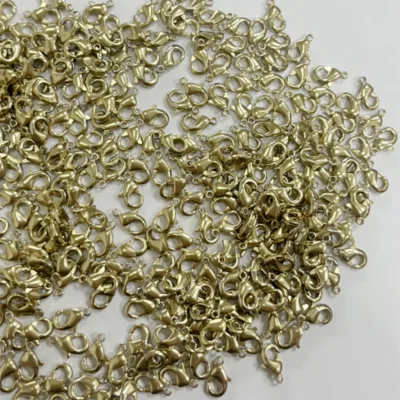
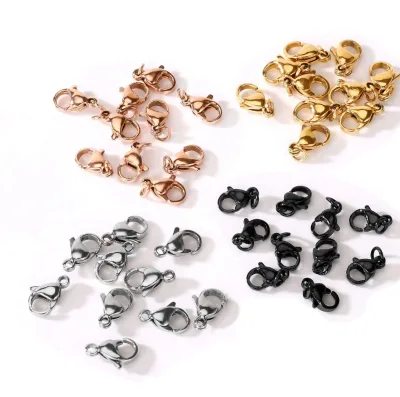
Stainless Steel Metal Various Color Lobster Clasp with Jump Ring DIY Clasp Accessories
$0.0616 - $0.1543
MOQ: 100 Minimum
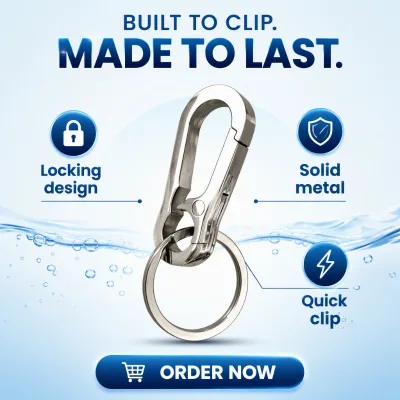

- Verified by BV
- Combined
- China Guangdong
- Lead time15 days
- Avg. response≤ 2h
Main productsSnap Hook, Lanyard Hook, Shackles, Key Ring, Metal Ring, Clip, Keychain, Wire Key Ring, Hair Clip, Bag Keychain
Main marketsNorth America


Metal Accessories Swivel Lobster Clasp Trigger Snap Hook for Bag Hardware Buckle
$0.33 - $0.42
MOQ: 200 Pieces


Metal Handbag Buckle Bag Strap Hardware Accessories Lobster Clasp Swivel Snap Hook
$0.08 - $0.12
MOQ: 200 Pieces

Stainless Steel Metal Bags Accessories Strap Buckles Lobster Clasp Lanyard Swivel Snap Hook
$0.33 - $0.42
MOQ: 200 Pieces
Dongguan Changshi Hardware Co., Ltd.
- Trading Company
- Guangdong, China
- Lead time15 days
- Avg. response≤ 2h
Main productsbuckle,snap hook,metal ring,chain,leash collar
Main marketsNorth America(30.00%), Southeast Asia(10.00%), Central America(10.00%), South America(10.00%), Western Europe(8.00%), Eastern Europe(8.00%), Northern Europe(8.00%), Oceania(7.00%), Southern Europe(5.00%), Africa(4.00%)

GUANGZHOU ATI HARDWARE CO., LTD.
- Manufacturer
- China Guangdong
- Lead time15 days
- Avg. response≤ 1h
Main productsMetal Logo and Label, Bag Lock, Metal Zip Puller, Function Buckle, Bag Handle, Adjustable Buckle, Perfume Bottle Cap, Shoes Buckle, Decorative Buckle for Garment, Ornamentation and Artware
Main marketsSoutheast Asia/ Mideast,Europe


Factory Wholesale Metal Swivel Snap Hook Lobster Claw Clasp for Purse and Strap Connection
$0.40 - $0.45
MOQ: 1000 Pieces

Dongguan Allen House Of Jewelry & Findings Co., Ltd.
- Trading Company
- Guangdong, China
- Lead time7 days
- Avg. response≤ 4h
Main productsJewelry Findings,earrings,Pendant & charms,Bracelet bangles,Necklace
Main marketsNorth America(40.00%), Southern Europe(10.00%), Northern Europe(10.00%), Eastern Europe(10.00%), Western Europe(10.00%), Oceania(5.00%), Africa(5.00%), South America(5.00%), Mid East(5.00%)
Dongguan Tianqiao Ribbon Co., Ltd.
- Manufacturer, Trading Company
- Guangdong, China
- Lead time15 days
- Avg. response≤ 3h
Main productsLanyard,Ribbon,digital printing,heat transfer Printing,metal buckles and hooks
Main marketsDomestic Market(48.00%), North America(12.00%), Western Europe(8.00%), South America(6.00%), Oceania(5.00%), Eastern Asia(3.00%), Southern Europe(3.00%), Eastern Europe(3.00%), Southeast Asia(2.00%), South Asia(2.00%), Mid East(2.00%), Northern Europe(2.00%), Central America(2.00%), Africa(2.00%)
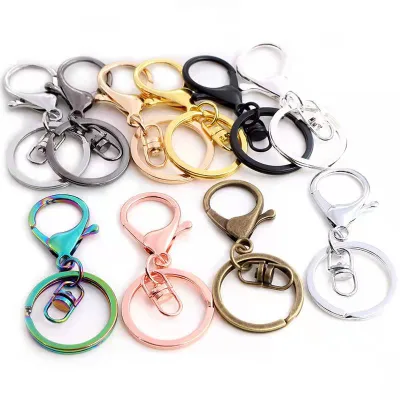
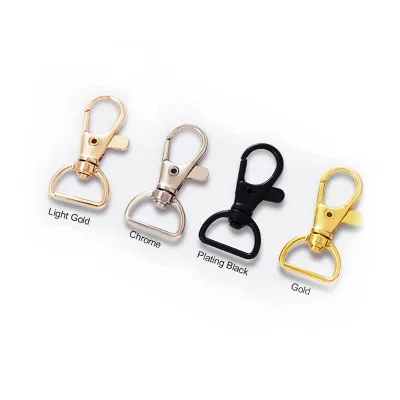
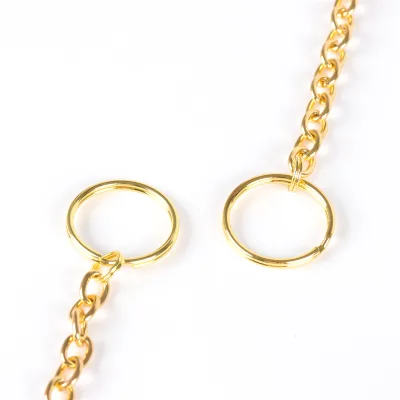
Wholesale Keyrings for DIY Lobster Clasp Metal Ring Key Chain Accessories Bag Chain
$0.35 - $0.45
MOQ: 200

Quanzhou Hongkuo Luggage Co., Ltd.
- Verified by SGS
- Trading Company
- China Fujian
- Lead time15 days
- Avg. response≤ 1h
Main productsPlastic Buckles, Zipper Slider, Webbing Straps, Zipper Puller, Bag Accessories
Main marketsDomestic

$0.20 - $0.50
MOQ: 100 pieces

- Verified by Intertek
- Trading Company
- Lead time7 days
- Avg. response≤ 3h
Main productsKeychains, Luggage Accessories, Jewelry Accessories, Chains, Carabiners
Dongguan Baoshuo Hardware Products Co., Ltd.
- Verified by TüVRheinland
- Manufacturer, Trading Company
- Lead time15 days
- Avg. response≤ 3h
Main productsLuggage Accessories, Badge, Buckle, Keychain, Medal
Main marketsDomestic Market(30%), North America(10%), Eastern Asia(10%)
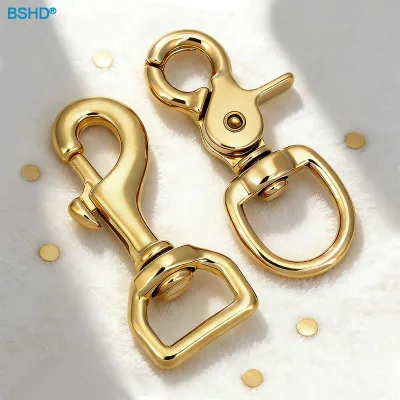
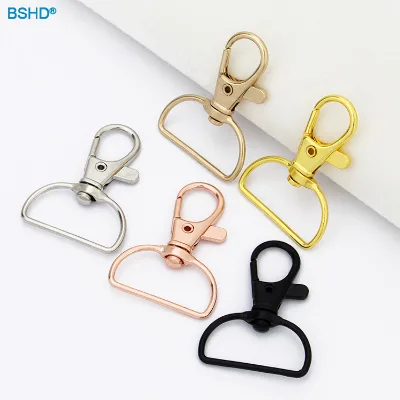
$0.1027 - $0.1233
MOQ: 500 Minimum
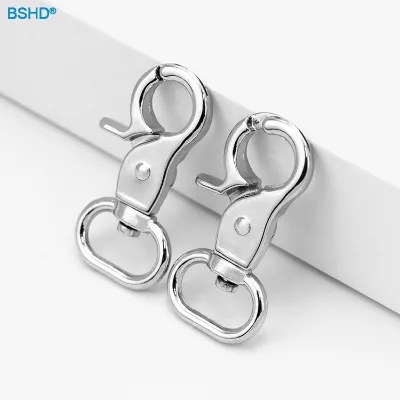
$0.1231 - $0.4928
MOQ: 100 Minimum
Guangzhou Junshang Trading Co., Ltd.
- Verified by SGS Group
- Trading Company
- Lead time15 days
- Avg. response≤ 2h
Main productsPVC Leather, PU Leather, Semi PU Leather
Main marketsAfrica(25%), Southeast Asia(20%), Mid East(20%)
Shishi Henson Import & Export Co., Ltd.
- Trading Company
- Fujian, China
- Lead time30 days
- Avg. response≤ 3h
Main productsBuckle,Button,Eyelet,Stopper,Leather Patch
Main marketsNorth America(50.00%), Southern Europe(28.00%), Western Europe(10.00%), Central America(5.00%), Oceania(5.00%), Eastern Asia(2.00%)
Decorstainless International Co., Ltd.
- Verified by SGS Group
- Manufacturer, Trading Company
- Lead time35 days
- Avg. response≤ 2h
Main productsCable Railing System, Handrail Fittings, Rigging Hardware, Marine Hardware, Glass Clamp
Main marketsNorth America(30%), Oceania(20%), Western Europe(20%)
Guangzhou Topwin Metal Accessories Ltd.
- Trading Company
- Lead time旺季: "1 - 100":10,"> 100":"To be negotiated", 淡季: "1 - 100":10,"> 100":"To be negotiated"
- Avg. response≤ 2h
Main productsMetal Buckle, Bag Buckle, Metal Label, Metal Chain

- Trading Company,Manufacturer/Factory
- China Zhejiang
- Lead time23 days
- Avg. response≤ 6h
Main productsKeychain, Patch, Paper Air Freshener, Car Perfume Bottle, Stickers, Badge, Packaging Box, Air Freshener Bottle
Main marketsSouth America,Eastern Europe,Mid East,North America,Southeast Asia,Eastern Asia,Western Europe


Wholesale 9/10/11/12/13/15/16/17/19/20mm Zinc Alloy Lobster Clasp Hooks in Gold Color
$0.022 - $0.30
MOQ: 1000 Pieces
Shenzhen Jiawo Industrial Co., Ltd.
- Manufacturer, Trading Company
- Guagndong, China
- Lead time0 days
- Avg. response≤ 6h
Main productsBag Part,Garment Accessories
Main marketsWestern Europe(40.00%), North America(40.00%)
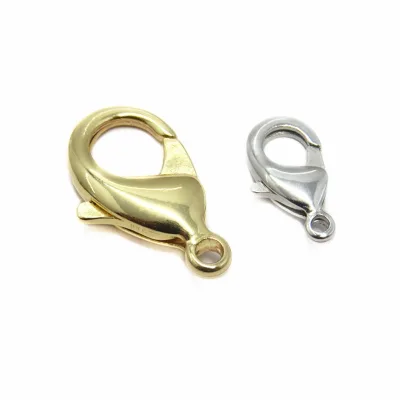
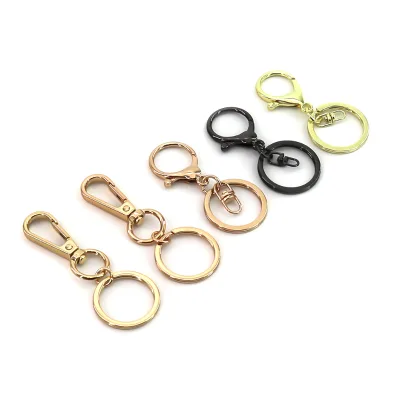


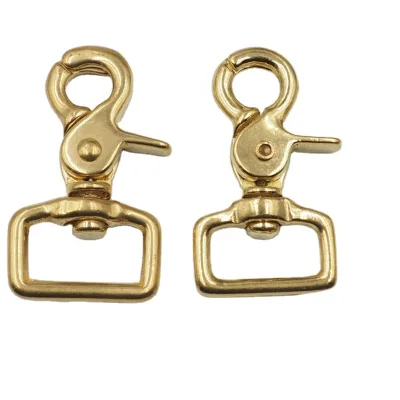
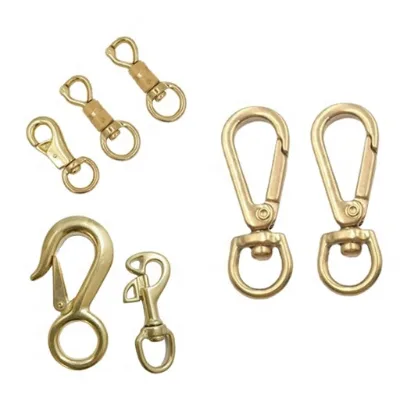


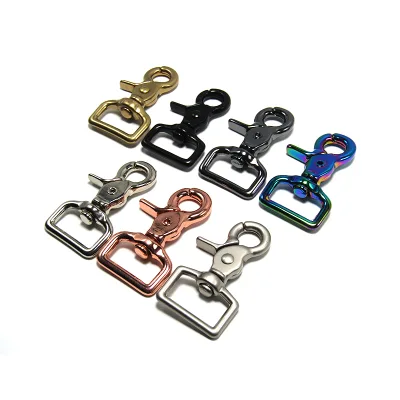
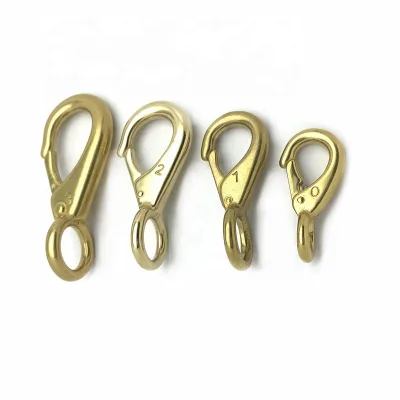
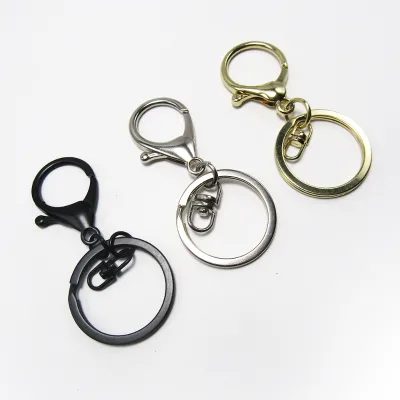
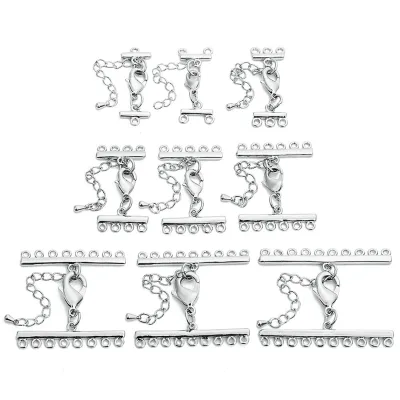
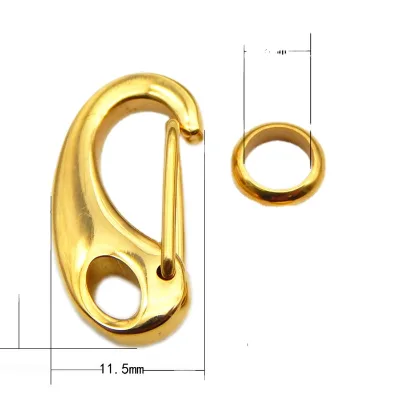
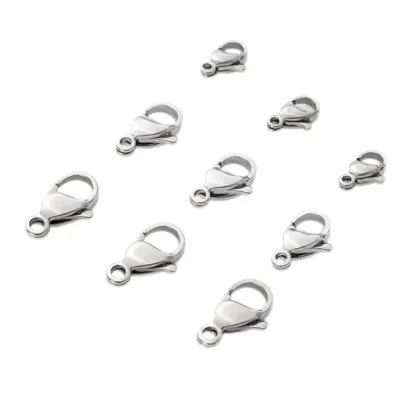
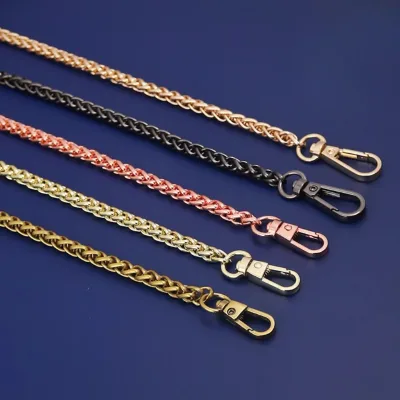
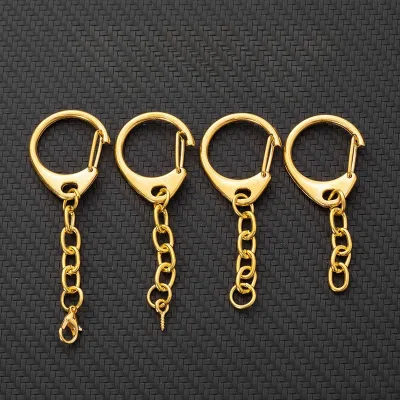
Comprehensive Sourcing Guide
Harness Accessories Lobster Clasp Supplier Concentration and Factory Types
The landscape for sourcing Harness Accessories Lobster Clasp reveals a distinct mix of manufacturing capabilities and trading structures that buyers must navigate carefully. Current data indicates that the available supplier base includes both manufacturers and trading companies, each offering different advantages depending on the scale and complexity of the order. Manufacturers typically provide direct access to production lines, which can be critical for buyers requiring strict quality control over metal finishing, plating processes, and material integrity. These entities often possess the infrastructure for light customization, sample processing, and graphic processing, allowing for tailored solutions that meet specific design requirements. On the other hand, trading companies may offer a broader portfolio of related items, such as key rings, snap hooks, ball chains, and carabiners, which can simplify logistics for buyers consolidating multiple accessory types into a single shipment. Understanding this dichotomy is essential for aligning supplier selection with your specific operational needs, whether you prioritize direct factory communication or diversified product availability.
Geographic concentration plays a significant role in the efficiency and cost structure of sourcing these metal components. Evidence points to Guangdong, China, as a primary hub for these suppliers, a region known for its robust hardware manufacturing ecosystem and supply chain maturity. This concentration allows for rapid prototyping and shorter lead times due to the proximity of raw material suppliers and specialized finishing services. Buyers should leverage this geographic insight when evaluating potential partners, as suppliers located in established industrial clusters often benefit from economies of scale and specialized labor pools. However, it is crucial to verify the actual operational base of each supplier, as trading companies may list locations that differ from their manufacturing partners. By focusing on suppliers with verified presence in key manufacturing regions, buyers can mitigate risks associated with opaque supply chains and ensure greater transparency in the production process. This geographic awareness helps in estimating shipping costs and delivery timelines more accurately, forming a foundational aspect of the sourcing strategy.
How to Verify Harness Accessories Lobster Clasp Suppliers
Verification is the cornerstone of mitigating risk when engaging with suppliers for Harness Accessories Lobster Clasp, particularly given the technical nature of metal hardware. Buyers should prioritize suppliers that have undergone third-party verification processes, such as those conducted by SGS Group, which provide an additional layer of confidence regarding the supplier’s legitimacy and operational capacity. Beyond basic verification, examining system certifications is vital for ensuring compliance with international standards. Some suppliers hold ISO 9001 certification, indicating a structured quality management system, while others may comply with REACH and RoHS standards, which are crucial for products that may come into contact with skin or require environmental safety assurances. These certifications are not merely badges but indicators of consistent manufacturing practices and material traceability. Buyers should request copies of these certificates and verify their validity through the issuing bodies to ensure they are current and applicable to the specific products being sourced.
In addition to certifications, assessing the supplier’s responsiveness and product evidence is crucial for gauging reliability. A quick response time, such as two days or less, often correlates with efficient internal communication and a higher likelihood of timely order fulfillment. Buyers should also scrutinize the detailed product attributes provided, such as material composition, plating specifications, and size options. For instance, verifying that products are nickel-free and lead-free is essential for safety and regulatory compliance, especially for items used in jewelry or pet accessories. The availability of sample processing and customization services, as indicated by some suppliers, suggests a flexibility that can be beneficial for testing quality before committing to large orders. By combining verification of credentials with an analysis of operational metrics like response speed and product detail accuracy, buyers can build a comprehensive profile of each supplier’s reliability and suitability for their specific sourcing requirements.
What to Compare Across Harness Accessories Lobster Clasp Suppliers
When evaluating multiple suppliers, buyers must systematically compare key operational metrics to identify the best fit for their project. Lead time is a critical factor, with some suppliers offering turnaround times as short as ten days, while others may require up to fifteen days or more. This variance can significantly impact inventory planning and market launch schedules, making it essential to align supplier capabilities with your timeline requirements. Similarly, the minimum order quantity (MOQ) varies widely, ranging from low thresholds of one piece for sampling or small batches to higher volumes of five hundred pieces for standard production runs. Understanding these MOQs helps buyers determine the financial feasibility of working with different suppliers, especially for new product introductions or limited edition runs. Comparing these logistical parameters allows for a more nuanced assessment of each supplier’s flexibility and suitability for your specific order volume and speed requirements.
Price and customization capabilities are equally important dimensions for comparison. Unit prices can differ based on material quality, plating thickness, and order volume, with some products priced as low as $0.02 per piece for basic components, while more complex or larger items may cost upwards of $0.50. Buyers should request detailed quotations that break down costs by material, processing, and packaging to ensure transparency. Furthermore, the extent of customization offered, such as OEM/ODM services, logo printing, or specific shape modifications, should be evaluated against your design needs. Some suppliers explicitly state that customization is available, while others may have limited options. By creating a comparison matrix that includes lead time, MOQ, price range, and customization scope, buyers can objectively rank suppliers and select those that offer the best balance of cost, speed, and flexibility for their Harness Accessories Lobster Clasp procurement.
Common Harness Accessories Lobster Clasp Sourcing Risks
One of the primary risks in sourcing metal hardware is the inconsistency in material quality and plating durability. Buyers must be vigilant about verifying that the raw materials, such as stainless steel or zinc alloy, meet the specified standards, as substandard materials can lead to corrosion, breakage, or failure under stress. The claim of being nickel-free and lead-free is critical for compliance with safety regulations, but buyers should request material test reports to confirm these assertions. Additionally, the finish quality, whether polished, coated, or plated, can vary significantly between batches if the supplier lacks rigorous quality control processes. Inconsistent surface treatments can result in products that look different from samples, leading to customer dissatisfaction and potential returns. To mitigate this risk, buyers should insist on pre-shipment inspections or third-party quality assurance services to verify that the final products match the agreed-upon specifications in terms of material, finish, and structural integrity.
Another significant risk is the discrepancy between stated capabilities and actual performance, particularly regarding lead times and communication. While some suppliers advertise rapid response times and short lead times, actual performance may fall short due to production bottlenecks or poor project management. This can disrupt supply chains and delay product launches, causing financial losses and reputational damage. Furthermore, the risk of intellectual property infringement exists when working with suppliers who offer OEM/ODM services, especially if designs are proprietary. Buyers should ensure that confidentiality agreements are in place and that the supplier has a track record of protecting client information. Additionally, the risk of hidden costs, such as unexpected shipping fees or packaging charges, can arise if terms are not clearly defined upfront. By proactively addressing these risks through thorough due diligence, clear contracts, and continuous monitoring, buyers can safeguard their interests and ensure a smoother sourcing experience.
Harness Accessories Lobster Clasp Regional Sourcing and Logistics
Sourcing from established manufacturing regions like Guangdong, China, offers logistical advantages but also requires careful planning to manage shipping and customs processes. The concentration of suppliers in this area facilitates efficient consolidation of goods, allowing buyers to combine multiple items from different suppliers into a single shipment, thereby reducing overall freight costs. However, buyers must account for the time required for inland transportation to ports and the subsequent ocean or air freight transit times. Understanding the specific port of loading and the carrier’s schedule is essential for accurate delivery forecasting. Additionally, buyers should consider the impact of seasonal fluctuations on logistics, such as peak shipping seasons that can lead to capacity constraints and higher freight rates. By planning ahead and maintaining open communication with suppliers and freight forwarders, buyers can optimize their logistics strategy and minimize delays.
Customs clearance and regulatory compliance are also critical aspects of regional sourcing. Different countries have varying import duties, taxes, and documentation requirements for metal hardware products. Buyers must ensure that their suppliers provide accurate commercial invoices, packing lists, and any necessary certificates of origin or material compliance documents. Failure to provide correct documentation can result in customs delays, fines, or seizure of goods. Furthermore, buyers should be aware of any specific labeling or packaging requirements in their target market, such as country-of-origin markings or safety warnings. By working with suppliers who are experienced in international shipping and compliance, buyers can streamline the customs process and ensure that their goods arrive at their destination without unnecessary interruptions. This proactive approach to logistics and compliance is vital for maintaining a reliable and efficient supply chain.
Harness Accessories Lobster Clasp Commercial Terms and Order Planning
Establishing clear commercial terms is fundamental to a successful sourcing relationship for Harness Accessories Lobster Clasp. Buyers should negotiate payment terms that balance risk and cash flow, such as using escrow services for initial orders to ensure payment security until goods are received and verified. For larger or recurring orders, more favorable terms like partial upfront payment and balance against shipping documents may be achievable. It is also crucial to define the scope of customization and any associated costs upfront to avoid disputes later. Clear agreements on quality standards, acceptable defect rates, and remedies for non-conforming goods are essential for protecting the buyer’s interests. By formalizing these terms in a comprehensive purchase agreement, buyers can create a stable foundation for their supplier relationship and reduce the likelihood of misunderstandings or conflicts during the production and delivery process.
Order planning should be aligned with the supplier’s production capacity and lead times to ensure timely delivery. Buyers should provide accurate forecasts and update them regularly to help suppliers plan their production schedules effectively. This collaboration can help prevent stockouts or excess inventory, optimizing working capital for both parties. Additionally, buyers should consider the lifecycle of the product and plan for potential variations in demand. For instance, if a particular lobster clasp design is expected to see increased popularity, buyers should secure capacity with their supplier in advance. Regular communication and performance reviews with suppliers can also help identify areas for improvement and strengthen the partnership over time. By integrating commercial terms with strategic order planning, buyers can achieve greater efficiency, cost savings, and reliability in their sourcing of Harness Accessories Lobster Clasp.
FAQs
What is the minimum order quantity for lobster clasps?
The minimum order quantity varies by supplier and product type. Some listings accept a minimum of one piece for samples, while others require 500 pieces for bulk orders. Buyers should check the specific product page to confirm the exact MOQ before placing an order.
How long does production take for custom orders?
Lead times typically range from 2 to 15 days depending on the supplier and order complexity. Some manufacturers offer quick turnaround times of 2-3 days for standard items, while others may require up to 15 days for larger or customized batches. Sample times are often 5-7 days.
Are the metal clasps nickel-free and safe?
Many stainless steel lobster clasps are explicitly listed as nickel-free and lead-free, ensuring safety for jewelry and pet accessories. Suppliers often highlight these features to meet international standards. Buyers should verify specific plating details and certifications like RoHS or REACH to ensure compliance with their safety requirements.
What materials are commonly used for these clasps?
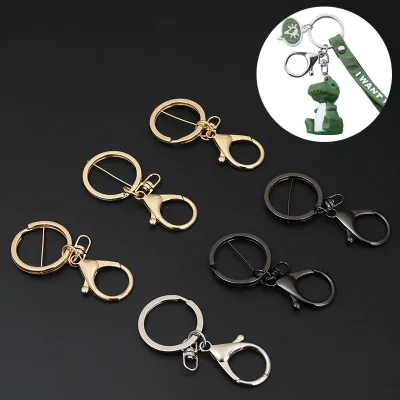
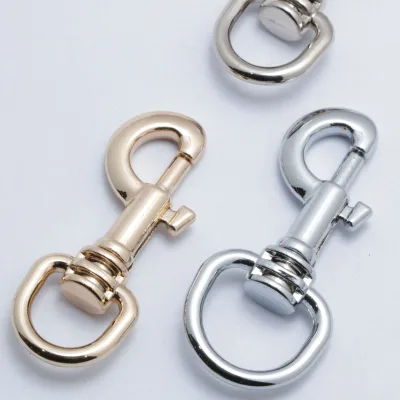
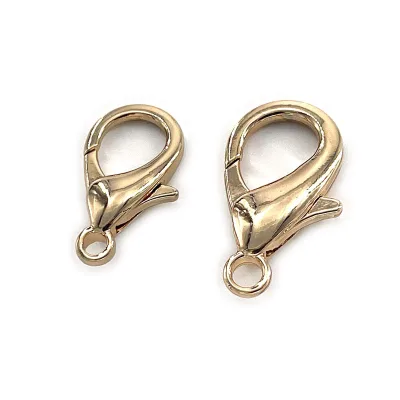
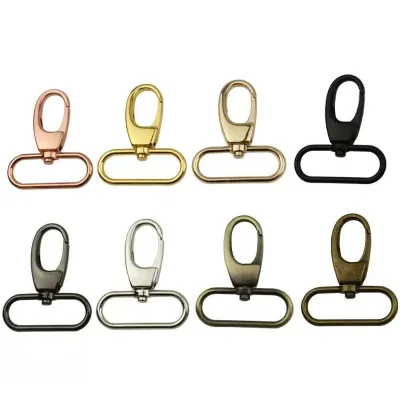
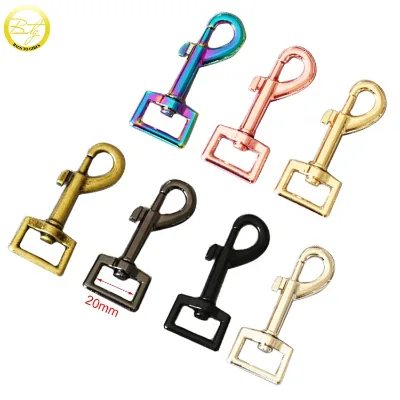
Common materials include stainless steel and zinc alloy. Stainless steel options are often polished and available in silver, black, or gold coatings. Zinc alloy clasps may feature UV printing or light keychain designs. The choice depends on the desired durability, aesthetic, and application, such as jewelry making or bag accessories.
Can suppliers provide OEM or custom designs?
Yes, many suppliers offer OEM and ODM services for custom designs. Capabilities include light customization, sample processing, and graphic processing. Buyers can request specific shapes, sizes, and coatings. It is advisable to confirm customization options and any associated minimum order quantities directly with the supplier before proceeding.
What certifications do the suppliers hold?
Some suppliers hold ISO 9001, REACH, and RoHS certifications, indicating adherence to quality and environmental standards. Others may list ISO certification for specific products. Buyers should verify the current status of these certifications to ensure they meet their regulatory requirements for the intended market or application.