Source 3D Smile Keychain for Promotions, Gifts, and Events
Compare 30 listings for the 3D Smile Keychain from verified Chinese manufacturers. Buyers can evaluate options made of PVC, resin, or metal with custom logos and varied packaging to suit promotional gifts and bag accessories; compare the available evidence and request quotations based on your requirements.
Updated
Key considerations
Products List


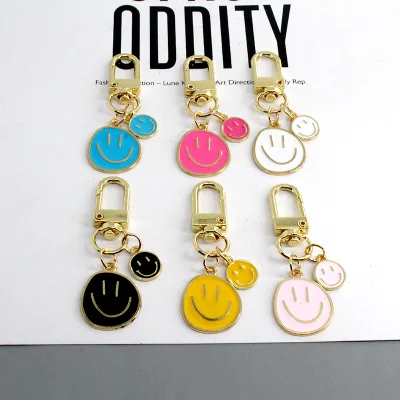
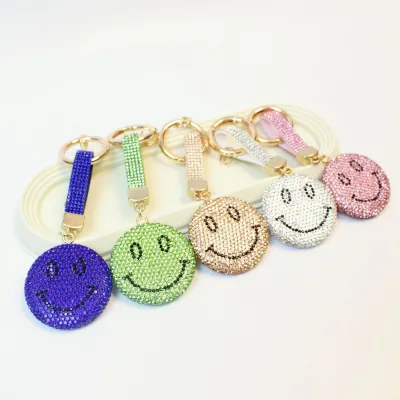
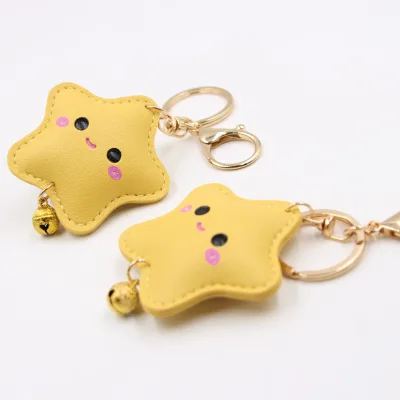


Promotional Keychain, Custom 3D Rubber Keychain, Promotional Keychain Rubber
$0.10 - $0.22
MOQ: 1000 Pieces


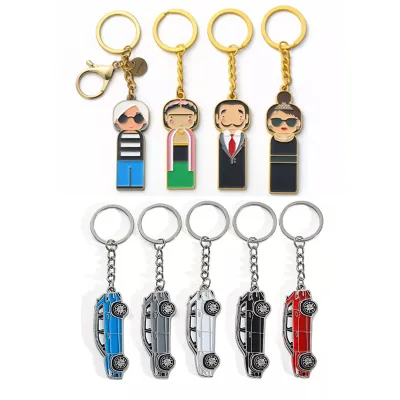
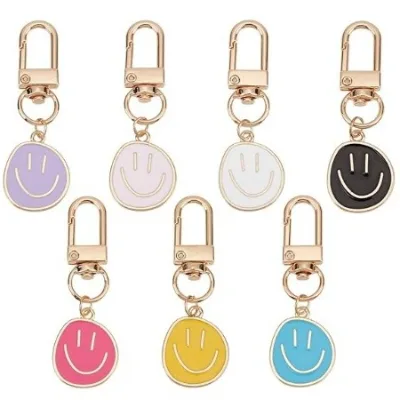
Enamel Key Chain Custom Zinc Alloy Metal Keyholder Keyring 3D Cartoon Anime Keychain
$0.35 - $0.65
MOQ: 500 pieces
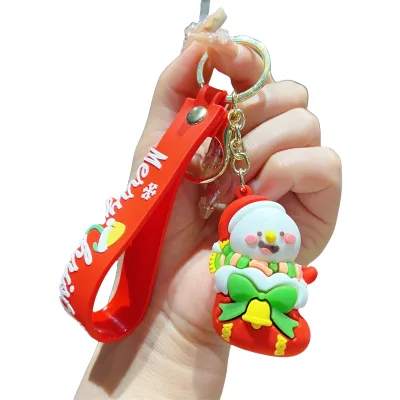

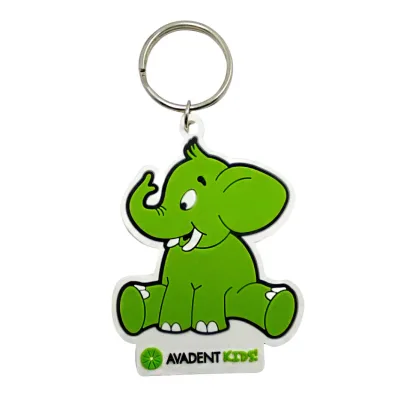


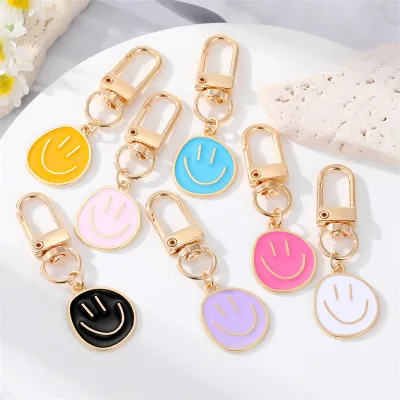


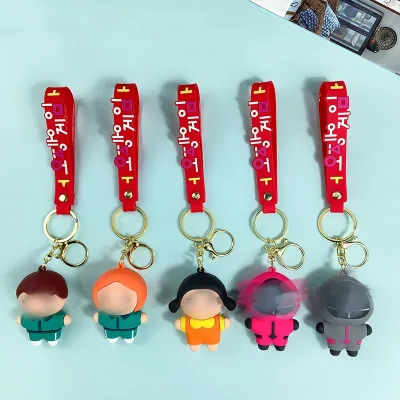


Manufacturer Custom Silicone 3D Keychain Custom Metal Keychain with Opener
$0.03 - $0.11
MOQ: 1000 Pieces
Comprehensive Sourcing Guide
3D Smile Keychain Sourcing Guide
Product Scope and Observed Listing Signals
The current market for 3D smile keychains presents a diverse array of materials and manufacturing techniques, primarily centered around PVC, resin, and metal alloys. Buyers will observe listings featuring irregular enamel smile designs alongside more traditional 3D leather or metal options, indicating a broad spectrum of aesthetic preferences in the promotional gift sector. The observed product count stands at thirty distinct items, suggesting a healthy supply base with varying degrees of customization capability. This variety allows procurement teams to select products that align with specific brand identities, whether aiming for a high-class finish or a more casual, cute style.
Price points for these items range from $0.03 to $1.56 USD, reflecting significant variation based on material complexity and production volume. Minimum order quantities (MOQs) typically start at 10 pieces, making this category accessible for small-scale trials or niche marketing campaigns. The presence of both digital printing and embossing/debossing options highlights the flexibility in branding methods available to buyers. Understanding these listing signals is crucial for setting realistic budget expectations and determining the appropriate order volume to achieve desired unit costs without compromising on quality or design fidelity.
Technical Specifications to Verify
When evaluating technical specifications, buyers must closely examine the material composition, as products are listed under PVC, resin, and metal categories such as zinc alloy. The shape of the keychain is predominantly round, with some items featuring specific 3D shapes that require precise mold verification. It is essential to confirm the single package size and gross weight, as these factors directly impact shipping logistics and cost efficiency. For instance, some metal keychains have a single gross weight of 0.045 kg and specific package dimensions, which must be accounted for in freight calculations. Verifying these physical attributes ensures that the final product meets the intended aesthetic and functional requirements.
Printing and logo application methods vary significantly across suppliers, with options including digital printing, embossing, debossing, and 3D or 2D logo integration. Buyers should verify the compatibility of their artwork with the chosen printing method, as some materials may not support high-resolution digital prints effectively. Additionally, the model numbers, such as HTS6383 or HY0517, serve as critical identifiers for tracking specific product iterations and ensuring consistency across large orders. Confirming these technical details early in the sourcing process helps prevent discrepancies between the sample and the bulk production, safeguarding the brand’s visual integrity.
Compliance and Safety Documentation
Compliance and safety documentation are paramount when sourcing promotional items, particularly those intended for children or general consumer use. While some background context mentions RoHS and CE certifications, buyers must verify the actual certification status for each specific product batch, as these are not universally guaranteed across all listings. It is crucial to request valid test reports from accredited laboratories to confirm that materials like PVC, resin, and metal alloys meet international safety standards for heavy metals and toxic substances. This verification step protects the brand from potential legal liabilities and ensures that the products are safe for end-users.
Buyers should also inquire about the origin of the materials and the manufacturing processes used to ensure adherence to environmental and labor standards. Although the products originate from regions like Zhejiang and Guangdong in China, specific factory audits may be necessary to confirm ethical manufacturing practices. Requesting documentation for material safety data sheets (MSDS) can provide additional insights into the chemical composition of the products. By prioritizing compliance verification, procurement teams can mitigate risks associated with regulatory non-compliance and enhance the overall trustworthiness of their supply chain.
Cost Drivers and Commercial Terms
Cost drivers for 3D smile keychains include material selection, customization complexity, and order volume. The use of premium materials like zinc alloy or PU leather typically commands higher prices compared to standard PVC or resin options. Additionally, the complexity of the 3D design and the chosen printing method, such as digital printing versus embossing, can influence the unit cost. Buyers should analyze these factors to determine the most cost-effective solution for their specific needs, balancing aesthetic requirements with budget constraints. Understanding these drivers allows for more accurate budgeting and negotiation with suppliers.
Commercial terms, including sample time and production time, are critical for planning procurement schedules. Sample times generally range from 5 to 7 days, while production times can extend from 10 to 15 days, depending on the order size and customization level. Buyers should factor in these lead times when planning marketing campaigns or product launches to avoid delays. Furthermore, payment terms and shipping methods should be clearly defined in the contract to ensure smooth transactions. Negotiating favorable commercial terms can significantly impact the overall cost and efficiency of the procurement process.
Supplier Qualification and Quality Control
Supplier qualification is a vital step in ensuring the reliability and consistency of 3D Smile Keychain orders. Buyers should assess suppliers based on their production capacity, quality control processes, and ability to meet customization requirements. Verifying the supplier’s experience in producing similar products, such as light keychains or metal accessories, can provide insights into their technical capabilities. Additionally, checking for any relevant certifications or awards can further validate the supplier’s credibility. A thorough qualification process helps identify partners who can consistently deliver high-quality products.
Quality control measures should be implemented throughout the production process to ensure that the final products meet the specified standards. Buyers should request pre-production samples for approval and conduct random inspections during production to catch any defects early. Post-production inspections are also essential to verify that the products match the approved samples in terms of material, color, and logo application. Establishing clear quality criteria and communication channels with the supplier can help maintain consistency and reduce the risk of receiving substandard goods. Effective quality control is key to maintaining brand reputation and customer satisfaction.
Long-Term Procurement Checks
Long-term procurement checks involve continuous monitoring of supplier performance and market trends to ensure sustained value. Buyers should regularly review supplier metrics, such as on-time delivery rates, defect rates, and responsiveness to issues. Establishing a scorecard system can help track these metrics over time and identify areas for improvement. Additionally, staying informed about changes in material costs, regulatory requirements, and consumer preferences can help buyers adapt their sourcing strategies proactively. Regular communication with suppliers can also foster stronger relationships and lead to better collaboration.
It is also important to periodically reassess the product portfolio to ensure that the 3D smile keychains remain relevant and appealing to the target audience. Conducting market research and gathering feedback from end-users can provide valuable insights into potential design or material improvements. Buyers should also explore opportunities for diversifying their supplier base to mitigate risks associated with single-source dependencies. By implementing these long-term checks, procurement teams can ensure that their sourcing strategy remains agile, cost-effective, and aligned with business objectives.
FAQs
What materials are used for 3d smile keychains?
Manufacturers typically use PVC, resin, or metal alloys such as zinc alloy for these items. Some products also feature PU leather or irregular enamel finishes. The material choice affects durability and the final aesthetic, allowing buyers to select options that best suit their promotional needs or brand identity requirements.
Can I customize the logo on these keychains?
Yes, you can add custom logos using 3D or 2D techniques like embossing, debossing, or digital printing. Many suppliers offer OEM and ODM services to create unique designs. This customization allows businesses to brand their promotional gifts effectively, ensuring the final product aligns with their specific marketing campaigns and visual guidelines.
What is the typical sample time for these products?
The standard sample time is usually 5 to 7 days. This period allows manufacturers to produce a prototype for your approval before mass production begins. Once the sample is confirmed, the production time typically ranges from 10 to 15 days, depending on the order quantity and specific customization requirements.
What is the minimum order quantity for these keychains?
The minimum order quantity generally ranges from 10 to 1000 pieces, with some suppliers setting specific MOQs like 10 or 12 pieces. This flexibility allows small businesses to test the market with low volumes. Larger orders may benefit from better pricing tiers, making it suitable for bulk promotional campaigns or retail distribution.
Where are these keychains typically manufactured?
These items are primarily manufactured in China, with specific production hubs located in Zhejiang and Guangdong provinces. This regional concentration supports efficient supply chains and competitive pricing. Buyers can expect a wide variety of designs and materials available from these established manufacturing centers, ensuring access to diverse sourcing options.
How are these keychains packaged for shipping?
Products are commonly packed in bubble bags, OPP bags, plastic boxes, or gift boxes. Some manufacturers offer customized packing solutions to meet specific branding needs. The packaging protects the keychains during transit and enhances the unboxing experience, which is crucial for promotional gifts intended for direct consumer distribution or retail display.