DC Motor Ceiling Fan Light Suppliers and Manufacturers
Source 11 verified suppliers for DC Motor Ceiling Fan Light products. Compare key dimensions including lead times, MOQs, certifications, and response rates. Contact suppliers directly to request quotes and verify production capabilities; review the available evidence before requesting comparable quotations from suitable candidates.
Suppliers List

Zhongshan Huangchuang Smart Household Technology Co., Ltd.
- Combined
- China Guangdong
- Lead time15 days
- Avg. response≤ 6h
Main productsFan Light, Fan Ceiling Light, Ceiling Fan, Ceiling Fan Lights, Remot Control Ceil Fan, Fan with LED Light, Indoor Light, LED Ceiling Fans, LED Ceiling Fan with Light, Ceiling Fan Whit Light
Main marketsSouth America,Africa,Southeast Asia/ Mideast,East Asia(Japan/ South Korea),Domestic,Europe,Australia,North America

- Manufacturer
- China Guangdong
- Lead time15 days
- Avg. response≤ 4h
Main productsChandelier, Crystal Chandelier, Ceiling Light, Pendant Light, Wall Light, Table Light, Floor Light, Modern Chandelier, LED Chandelier, Pendant Lamp
Main marketsEurope,North America

- Verified by BV
- Combined
- China Fujian
- Lead time30 days
- Avg. response≤ 4h
Main productsCeiling Fan Light, Lighting, Electronic Product, Electrocity Product
Main marketsDomestic


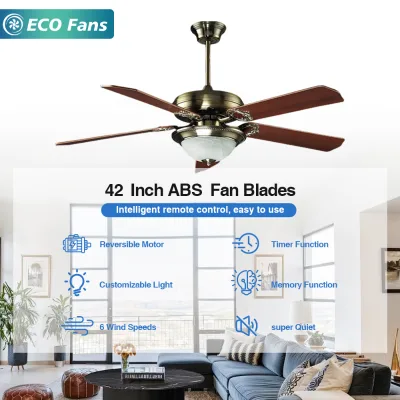
Large 42 Inch Retractable Ceiling Fan Light with Energy Efficient DC Motor
$14.20 - $16.80
MOQ: 50 Pieces


High Quality 42 Inch Retractable Ceiling Fan Light with Silent Operation Motor
$14.20 - $16.80
MOQ: 50 Pieces

Foshan Juber Electric Appliance Co., Ltd.
- Trading Company,Manufacturer/Factory
- China Guangdong
- Lead time45 days
- Avg. response≤ 9h
Main productsStand Fan, Ceiling Fan, Wall Fan, Table Fan, Mist Fan, Industrial Fan, Orbit Fan
Main marketsSouth America,Eastern Europe,Mid East,North America,Southeast Asia,Eastern Asia,Oceania,Western Europe,Africa

China Manufacturer Fan Lamp Decorative Ceiling Fan LED Ceiling Fan Light
$31.50 - $32.00
MOQ: 100 Pieces

Energy Saving Ceiling Fan Light Luxury Inverter Ceiling Fan Decorative Ceiling Light
$19.00 - $23.80
MOQ: 1000 Pieces


Fuzhou Jinhuida Import And Export Co., Ltd.
- Manufacturer, Trading Company
- Fujian, China
- Lead time10 days
- Avg. response≤ 8h
Main productsStrip Light, String Light, Pixel Light, Street Light, Flood Light
Main marketsSouth America(35.00%), Africa(21.00%), North America(20.00%), Southeast Asia(12.00%), Southern Europe(3.00%), Eastern Europe(3.00%), South Asia(2.00%), Oceania(1.00%), Western Europe(1.00%), Northern Europe(1.00%), Mid East(1.00%)

Foshan Oukon Electrical Appliance Co., Ltd.
- Verified by TUVRHEINLAND
- Manufacturer/Factory
- China Guangdong
- Lead time0 days
- Avg. response≤ 8h
Main productsStand Fan, Industrial Fan, Table Fan, Tower Fan, Floor Fan
Main marketsSouth America,Eastern Europe,Mid East,North America,Southeast Asia,Eastern Asia,Oceania,Western Europe,Africa

World-Dawn Lighting Co., Limited
- Manufacturer/Factory
- China Guangdong
- Lead time23 days
- Avg. response≤ 3h
Main productsLED Neon Flex, LED Strip Light, LED Panel Light, LED Tube, LED Floodlight, LED Rope Light, SMD Rope Light, LED Lighting, LED Downlight, LED
Main marketsSouth America,Eastern Europe,Mid East,North America,Southeast Asia,Eastern Asia,Oceania,Western Europe,Africa

Home Use Ceiling Fan 3 Blades 5 Blades DC Motor Ceiling Fan Light with Remote Control
$43.00 - $65.00
MOQ: 100 Pieces


Fuzhou Sansheng Industry and Trade Co., Ltd.
- Verified by CTI
- Combined
- China Fujian
- Lead time30 days
- Avg. response≤ 10h
Main productsPorcelain Lamp Holder Insulator Knife Swith, Fuse Holder Plastic Lamp Holder
Main marketsDomestic
Zhongshan Eco Lighting Co., Ltd.
- Manufacturer
- Guangdong, China
- Lead time0 days
- Avg. response≤ 2h
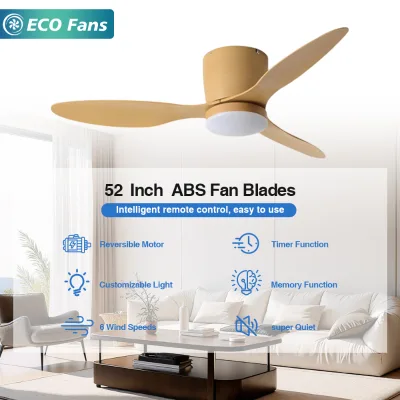
Main productsCeiling fan,Ceiling Fan with Light,Outdoor/Wet-rated fan,Smart Indoor Lighting,Chandeliers & Decorative Lighting
Main marketsNorth America(40.00%), Southeast Asia(20.00%), Northern Europe(10.00%), South Asia(5.00%), Eastern Europe(5.00%), Central America(5.00%), Mid East(5.00%), Oceania(5.00%), South America(5.00%)

Shenzhen Yukon Glory Technology Co., Ltd.
- Trading Company
- China Guangdong
- Lead time0 days
- Avg. response≤ 2h
Main productsSolar Exhaust Fan, Kitchen Ventilation Fan with Battery, Solar Pet Exhaust Fan, Solar Roof Fan, Solar Cooling Fan, Solar Exhaust Fan for Chicken Coop, Battery, Solar Fan, Solar Ventilation Fan, Ventilating Device

Changzhou Jiayi Electric Co., Ltd.
- Combined
- China Jiangsu
- Lead time30 days
- Avg. response≤ 2h
Main productsFan Motor, Brushless DC Motor, Centrifugal Fan, Axial Fan, Ec Motor, Air Conditioner Motor, AC Motor, Exhaust Fan Motor, HAVC Ec Motor, Air Purifier Motor
Main marketsSouth America,Southeast Asia/ Mideast,Domestic,Europe,North America






Comprehensive Sourcing Guide
DC Motor Ceiling Fan Light Supplier Concentration and Factory Types
The available data indicates a clear concentration of manufacturing activity in the Guangdong province of China for this specific product category. This region serves as a primary hub for the production of DC motor ceiling fan lights, offering a dense ecosystem of suppliers capable of handling complex assembly requirements. When evaluating potential partners, buyers should prioritize facilities located within this specific geographic cluster to ensure access to established supply chains and specialized labor. The presence of multiple suppliers in this area suggests a mature market with competitive dynamics that can benefit the sourcing process.
Regarding company types, the observed results show a mix of combined entities that function as both manufacturers and trading companies. These combined suppliers often possess the ability to offer Original Design Manufacturing and Original Equipment Manufacturing services alongside their own branded products. This dual capability allows for greater flexibility in customization and volume scaling. Buyers should verify whether a specific supplier operates primarily as a factory or a trading intermediary, as this distinction impacts direct communication and quality control capabilities. Understanding the specific operational model of each supplier is essential for aligning expectations regarding production capacity and service levels.
How to Verify DC Motor Ceiling Fan Light Suppliers
Verification begins with a rigorous check of the certifications listed against the specific product models being considered. The data shows various suppliers claiming certifications such as CCC, CE, RoHS, FCC, and CQC, which are critical for market access in different regions. Buyers must request valid certificates for the exact model numbers they intend to purchase, as certification status can vary between product lines within the same factory. It is important to confirm that the listed certifications are current and applicable to the specific voltage and motor specifications of the DC Motor Ceiling Fan Light. Relying on general claims without specific documentation can lead to compliance issues upon import.
Response time and lead time are also critical metrics for verifying supplier reliability and operational efficiency. The observed response times and lead times provide a baseline for assessing how quickly a supplier can engage and fulfill orders. A supplier with a slow response time may indicate underlying management issues or a lack of dedicated sales support. Similarly, lead times should be compared against the buyer's project schedule to ensure feasibility. Buyers should ask for written confirmation of these timelines before placing any order, as verbal assurances are not sufficient for contractual protection. Consistency in meeting these timeframes is a strong indicator of a reliable manufacturing partner.
What to Compare Across DC Motor Ceiling Fan Light Suppliers
When comparing suppliers, the price range and minimum order quantity are fundamental factors that directly impact the total cost of ownership. The data reveals a wide variation in pricing, with some models listed between twenty-two and sixty dollars, while minimum order quantities range from single units to ten units. Buyers must calculate the total landed cost, including shipping and duties, rather than focusing solely on the unit price. A lower unit price might be offset by a higher minimum order requirement that ties up capital in inventory. Conversely, a higher unit price with a lower MOQ might offer better cash flow management for smaller orders.
Product specifications and customization options provide another layer of comparison that distinguishes suppliers. Attributes such as blade size, lamp body material, and control methods like Bluetooth or WiFi vary significantly across the results. Some suppliers offer all-copper DC motors and extended warranties, while others provide standard aluminum alloy bodies. Buyers should create a specification matrix to compare these technical details side-by-side. The ability to customize the product, such as adjusting the color temperature or beam angle, is a key differentiator for brands seeking unique market positioning. Ensuring that the supplier can meet specific technical requirements is more important than generic product features.
Common DC Motor Ceiling Fan Light Sourcing Risks
One significant risk involves the discrepancy between claimed certifications and actual product compliance. While many suppliers list extensive certification portfolios, the actual product may not carry the necessary marks for the target market. This risk is particularly high when suppliers claim broad compliance without providing specific test reports for the batch being ordered. Buyers must insist on third-party testing reports that match the specific model and production batch to mitigate this risk. Failure to verify these documents can result in customs seizures or legal liabilities in the destination country.
Another risk relates to the warranty terms and the longevity of the DC motor components. The data shows varying warranty periods, with some offering ten years on the motor and others providing shorter coverage for accessories. Inconsistent warranty terms can indicate differences in component quality and manufacturing standards. Buyers should clarify the exact scope of the warranty, including what constitutes a defect and the process for claiming replacements. Relying on vague warranty statements without clear terms can lead to disputes and financial losses if the product fails prematurely. Understanding the supplier's commitment to after-sales support is crucial for long-term business stability.
DC Motor Ceiling Fan Light Regional Sourcing and Logistics
Sourcing from the Guangdong region offers logistical advantages due to the established infrastructure for exporting lighting products. The proximity to major ports facilitates efficient shipping and reduces transit times for international orders. However, buyers must account for the specific packaging dimensions and weights listed in the product data to optimize container loading. Variations in packing standards, such as carton sizes and protective materials, can significantly affect shipping costs and the risk of damage during transit. Accurate calculation of volumetric weight is essential for budgeting freight expenses effectively.
Logistics planning also requires attention to the origin details provided in the supplier data. While most products originate from Guangdong, China, specific factory locations within the province can influence local handling fees and customs clearance procedures. Buyers should verify the exact port of loading and ensure that the supplier has experience with the required export documentation. Delays in documentation or incorrect origin declarations can lead to storage fees and missed delivery windows. Coordinating closely with the supplier on logistics details ensures a smoother supply chain from the factory floor to the final destination.
DC Motor Ceiling Fan Light Commercial Terms and Order Planning
Commercial terms regarding payment and order planning must be clearly defined to avoid misunderstandings. The minimum order quantities observed range from one to ten units, which allows for flexibility in initial testing but requires careful volume planning for larger runs. Buyers should negotiate payment terms that align with their cash flow, such as using escrow services for the first order to ensure product quality before full payment. Understanding the supplier's capacity for scaling production is vital when moving from sample orders to mass production. A supplier with limited capacity may struggle to meet increased demand without prior notice.
Lead time management is a critical component of order planning that affects inventory levels and market availability. The data indicates a standard lead time of fifteen days, but this can vary based on order volume and customization requirements. Buyers should build buffer time into their schedules to account for potential delays in production or shipping. Clear communication regarding the production schedule and milestones helps maintain alignment between the buyer and the supplier. Regular updates on the order status ensure that any issues are identified and resolved promptly, preventing disruptions to the supply chain.
FAQs
What is the price range for DC motor ceiling fan lights?
Prices typically range from $22.10 to $60.00 per unit depending on the specific model and customization options. Basic models with aluminum alloy bodies start around $22.10, while premium stainless steel designs with advanced remote controls can reach $60.00. Buyers should verify exact pricing based on their required blade size and light features.
What certifications are available for these ceiling fans?
Common certifications include CCC, CE, RoHS, FCC, and CQC. Specific models may also feature EMC, FDA, GOST, GS, REACH, or SAA approvals. These certifications ensure compliance with international safety and electromagnetic standards. Buyers should request specific certificate copies for their target market to confirm regulatory compliance before placing orders.
What is the minimum order quantity for these products?
The minimum order quantity varies by supplier, with some accepting orders as low as one unit while others require ten pieces. This flexibility allows buyers to test samples or place small initial orders. Larger bulk purchases may offer better pricing tiers. Always confirm the specific MOQ with the supplier before finalizing the purchase agreement.
How long does production take for these fans?
Standard lead times are approximately 15 days for production. This timeframe applies to most standard models available from suppliers in Guangdong, China. Custom designs or OEM orders may require additional time. Buyers should confirm the exact delivery schedule with the supplier to ensure it aligns with their project deadlines and inventory needs.
What materials are used for the lamp body?
Lamp bodies are primarily made from stainless steel or aluminum alloy. Stainless steel models often feature a modern style with durable finishes, while aluminum alloy options provide lightweight construction. Some designs incorporate wooden elements for aesthetic appeal. Buyers should select materials based on their durability requirements and the intended installation environment.
What warranty is provided for the motor?
Most suppliers offer a ten-year warranty for the motor. Accessories typically have a one or two-year warranty period. This coverage protects against manufacturing defects and ensures long-term reliability. Buyers should review the specific warranty terms provided by each supplier to understand the scope of coverage and the process for claiming repairs or replacements.