Data Logging Digital Tension Meter Suppliers and Manufacturers
Source 18 verified suppliers for Data Logging Digital Tension Meter instruments. Compare response times, lead times, certifications, and pricing to identify suitable partners. Request quotes directly to evaluate customization options and delivery schedules; review the available evidence before requesting comparable quotations from suitable candidates.
Suppliers List

Guangzhou Amittari Instruments Co., Ltd.
- Trading Company
- China Guangdong
- Lead time0 days
- Avg. response≤ 14h
Main productsPaint Thickness Meter, Coating Thickness Gauge, Roughness Tester, Hardness Tester, Moisture Meter, Vibration Meter, Tension Tester, Window Tint Meter, Glossmeter, Anemometer

Shenzhen Yowexa Measurement Technology Co., Ltd.
- Verified by SGS
- Manufacturer/Factory
- China Guangdong
- Lead time23 days
- Avg. response≤ 11h
Main productsCoating Thickness Gauge, Data Logger, Temperature Humidity Monitor, Air Quality Monitor, Thermometer, Yw Meter
Main marketsSouth America,Eastern Europe,North America,Southeast Asia


Dual Temperature Display Digital Data Logger and Industrial Thermometer
$81.00 - $108.00
MOQ: 1 Pieces


Carbon Dioxide Meter Air Quality Temperature Humidity Meter with Data Logger
$73.80 - $94.40
MOQ: 1 Pieces

Beijing Spake Technology Co., Ltd.
- Combined
- China Beijing
- Lead time15 days
- Avg. response≤ 6h
Main productsPressure Calibrator, Temperature Calibrator, Process Calibrator, Pressure Comparator, Pressure Calibration Pump, Pressure Generator, Digital Pressure Gauge
Main marketsSouth America,Africa,Southeast Asia/ Mideast,East Asia(Japan/ South Korea),Domestic,Europe,Australia,North America

Meokon Sensor Technology (Shanghai) Co., Ltd.
- Manufacturer
- China Shanghai
- Lead time15 days
- Avg. response≤ 3h
Main productsDigital Pressure Gauge, Digital Pressure Controller, Digital Pressure Switch, Digital Electric Contact Pressure Gauge, Temperature and Humidity Table, Pressure Transmitters, Pressure Sensor, Lever Sensor
Main marketsSouth America,Southeast Asia/ Mideast,East Asia(Japan/ South Korea),Domestic,Europe,Australia,North America


High Accuracy Digital Data Logger Pressure Gauge
Contact supplier
- Trading Company
- Hong Kong S.A.R.
- Lead time7 days
- Avg. response≤ 3h
Main products4G Data Logger,Wireless Temperature Sensor,Wireless Logger,Wireless Temperature Logger,Wireless RS485 Modbus
Main marketsWestern Europe(20.00%), North America(20.00%), South America(10.00%), Mid East(10.00%), Eastern Europe(10.00%), Africa(5.00%), South Asia(5.00%), Southern Europe(5.00%), Northern Europe(5.00%), Central America(5.00%), Southeast Asia(5.00%)
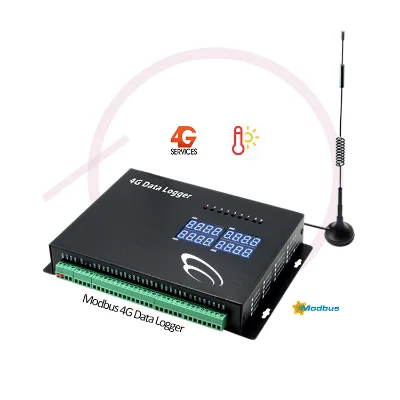
4G Network Modbus Digital Pressure Gauge With Data Logger Temperature Humidity Measuring
$102.40 - $204.81
MOQ: 1 Minimum
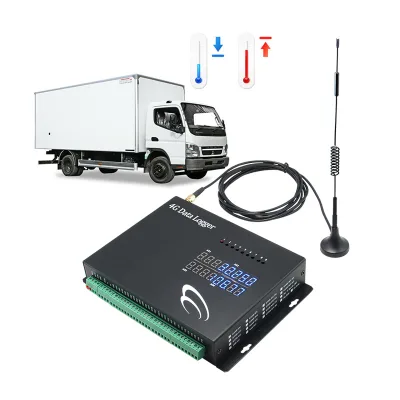
$204.81 - $307.21
MOQ: 1 sets

BAOJI XINGYUTENG MEASURE AND CONTROL INSTRUMENTS CO., LTD.
- Verified by BV
- Manufacturer/Factory
- China Shaanxi
- Lead time15 days
- Avg. response≤ 6h
Main productsPressure Transmitter, Level Transmitter, Temperature Transmitter, Flow Switch, Pressure Sensor, Flow Meter, Pressure Switch, Temperature Switch, Temperature Sensor, Sensor
Main marketsSouth America,Eastern Europe,Mid East,North America,Southeast Asia,Eastern Asia,Oceania,Western Europe,Africa


China Manufacturer High Accuracy Long Term Monitoring Data Logger Digital Pressure Gauge
$105.00 - $110.00
MOQ: 1 Pieces


Digital Oil Temperature Gauge Oil Temp Meters
Contact supplier

Hebei Baisite Machinery Accessories Co., Ltd.
- Verified by TUVRHEINLAND
- Combined
- China Hebei
- Lead time15 days
- Avg. response≤ 7h
Main productsHandle, Handwheels, Knobs, Oil Seal, Support Feet, Rubble
Main marketsSoutheast Asia/ Mideast,East Asia(Japan/ South Korea),Europe,Australia,North America

Ankang Mano Instrument Co., Ltd.
- Verified by TUVRHEINLAND
- Trading Company
- China Shaanxi
- Lead time30 days
- Avg. response≤ 4h
Main productsPressure Gauge, Digital Pressure Gauge, Pressure Calibration, Pressure Pump, Thermometer, Pressure Transmitter, Spare Parts and Valves
Main marketsAfrica,Others(foreignTradeCapacity.exportBusinessCapacityMarketOther),Southeast Asia/ Mideast,Europe,North America

Huaibei Huadian Automation Technology Co., Ltd.
- Verified by TUVRHEINLAND
- Combined
- China Anhui
- Lead time15 days
- Avg. response≤ 2h
Main productsLevel Transmitter, Flow Meter, Pressure Transmitter, Temperature Transmitter, Signal Isolator, Current Transducer
Main marketsOthers(foreignTradeCapacity.exportBusinessCapacityMarketOther),Southeast Asia/ Mideast,North America

Digital Flow Meter Flowmeter High Temperature Flow Meter Fluid Flow Meter Diesel Flow Meter Digital
$100.00 - $1000.00
MOQ: 1 Pieces

Compressed Air Flow Meter Flow Gauge Compressed Air Meter Temperature Flow Meter
$300.00 - $1000.00
MOQ: 1 Pieces

Digital Flow Meter Flowmeter External Flow Meter Flow Meter Data Logger Furnace Oil Flow Meter
$100.00 - $1000.00
MOQ: 1 Pieces
Jiangsu Jiechuang Science And Technology Co., Ltd.
- Verified by BV
- Combined
- China Jiangsu
- Lead time15 days
- Avg. response≤ 9h
Main productsFlow Meter, Pressure Transmitter, Pressure Gauge, Level Transmitter, Temperature Transmitter, Contorl Valve, Electromagnetic Flowmeter, 80GHz Radar Level Meter, Thermocouple, Differential Pressure Transmitter
Main marketsDomestic

Precision Digital Pressure Gauge Calibration Standard Digital Pressure Meter
$500.00 - $550.00
MOQ: 1 Pieces


Industrial Grade Digital Temperature Gauge for Power Generation Industry
$35.00 - $115.00
MOQ: 2 Pieces

Advanced Digital Temperature Meter Optimized for Power Production Facilities
$35.00 - $115.00
MOQ: 2 Pieces

Beijing GFUVE Electronics Co., Ltd.
- Manufacturer/Factory
- China Beijing
- Lead time23 days
- Avg. response≤ 12h
Main productsCurrent Transformer, Energy Meter Calibration, Power Quality Analyzer, Test Equipment, CT PT Analyzer, Relay Test Equipment, Split Core Current Transformer, Current Probe, Voltage Transformer, Power Meter
Main marketsSouth America,Eastern Europe,Mid East,North America,Southeast Asia,Eastern Asia,Oceania,Western Europe,Africa

Hubei Tianrui Electronic Co., Ltd.
- Verified by SGS
- Manufacturer/Factory,Group Corporation
- China Hubei
- Lead time23 days
- Avg. response≤ 3h
Main productsCurrent Transformer, Current Sensors, Rogowski Coil, Voltage Transformer, AC DC Transmitter, Open Close Current Transformer, Inductomers, Power Transformer, Hall Sensor, Zero Sequence Current Transformer
Main marketsSouth America,Eastern Europe,Mid East,North America,Southeast Asia,Eastern Asia,Oceania,Western Europe,Africa

Voltage Meter LCD DC Voltage Data Logger Energy Meter Data Logger Three Phase Digital Voltage Meter
$8.88 - $12.96
MOQ: 5 Pieces

Shanghai Total Industrial Co., Ltd.
- Verified by SGS
- Manufacturer/Factory
- China Shanghai
- Lead time0 days
- Avg. response≤ 23h
Main productsFeeder Clamp, Weather Shield Enclosure, Rubber Grommet, Hoisting Grip, Cable Entry, Flexible Jumper Cable, Cablen Ties, Terminal Lugs, Conduit and Fittings, Hole Saw

Contact supplier

Digital Temperature Data Logger (AZ8808)
Contact supplier

Thermometer /Digital Temperature Meter
Contact supplier

Jiangsu Acrel Electrical Manufacturing Co., Ltd.
- Verified by BV
- Combined
- China Jiangsu
- Lead time15 days
- Avg. response≤ 5h
Main productsPower Meter, Energy Meter, WiFi Meter, RS485 Modbus-RTU Meter, Multifunction Relay, Motor Protection Relay, Busbar Temperature Sensor, Power Tag, Insulation Monitor, Current Sensor
Main marketsSoutheast Asia/ Mideast,Europe,North America

Wireless Temperature Data Logger Measuring Instruments Electricity Meter
$154.00 - $154.10
MOQ: 1 Pieces

Temperature Monitoring Data Logger Instruments Meter with 8 Channels of PT100 Sensor
$70.00 - $70.10
MOQ: 1 Pieces

Jiangsu Sfere Electric Co., Ltd.
- Verified by BV
- Combined
- China Jiangsu
- Lead time15 days
- Avg. response≤ 7h
Main productsMulti-Functional Power Meter, Power Quality Mitigation Solution, Motor Controller & Protection, Power Monitoring System, Data Center Power Monitoring System
Main marketsAfrica


Multifunction Power Quality Analyzer Remote Energy Monitoring Data Logger Meter
$130.00 - $160.00
MOQ: 1 Pieces


Shenzhen Toprie Electronics Co., Ltd.
- Verified by SGS
- Manufacturer
- China Guangdong
- Lead time15 days
- Avg. response≤ 3h
Main productsPressure Sensor, Power Meter, Sensor, Temperature Sensor, Level Transmitter, Paperless Recorder, Iiot Gateway, Data Logger, Data Acquisition Module, Liquid Level Sensor
Main marketsEurope,North America


Residual Current Fire Detector Alarm Meter Temp Meter Energy Meter & Power Meter
$79.00 - $223.00
MOQ: 1 pcs

Hangzhou Antin Power Technology Co., Ltd.
- Verified by SGS
- Combined
- China Zhejiang
- Lead time15 days
- Avg. response≤ 1h
Main productsDIN Rail Meter, Humidity Controller, Panel Meter, Energy Meter, Kwh Meter, Electricity Meter, Electricity Submeter, Energy Storage Cabinet, Prepaid Meter, Temperature and Humidity Controller
Main marketsSoutheast Asia/ Mideast

High-Precision Three Phase Digital Energy Meter for Accurate Monitoring
$40.00 - $50.00
MOQ: 100 Pieces


Qingdao Tlead International Co., Ltd.
- Trading Company
- China Shandong
- Lead time23 days
- Avg. response≤ 25h
Main productspH Meters, Counter Meters, Arbor Press, Tools, Ddvp
Main marketsSouth America,Africa,Southeast Asia/ Mideast,East Asia(Japan/ South Korea),Europe,Australia,North America


Comprehensive Sourcing Guide
Data Logging Digital Tension Meter Supplier Concentration and Factory Types
The current search results indicate a concentration of suppliers located in China, specifically within the Guangdong province and Beijing regions. These locations serve as primary hubs for the manufacturing and trading of testing instruments, including digital tension meters and data logging devices. The supplier base in these areas includes a mix of trading companies and manufacturers, with some entities operating as combined entities that bridge both roles. This diversity in company types suggests that buyers may encounter different operational models depending on the specific supplier selected for their procurement needs.
Factory types vary significantly among the available options, ranging from pure trading companies to those with their own brands and OEM capabilities. Some suppliers list their main products as a broad array of testing instruments, such as paint thickness meters and moisture meters, while others focus more narrowly on temperature data loggers and air quality monitors. The presence of both trading companies and manufacturers implies that buyers must carefully distinguish between the two to understand the supply chain structure. Trading companies may offer a wider variety of products from different sources, whereas manufacturers might provide more direct control over production and customization options for specific tension meter models.
How to Verify Data Logging Digital Tension Meter Suppliers
Verification of suppliers requires a close examination of their stated certifications and verification status. Several suppliers in the results have obtained ISO 9001 system certifications, and some have additional verification from third-party agencies like SGS. These credentials are critical indicators of a supplier's commitment to quality management systems and operational reliability. Buyers should prioritize suppliers who display these certifications prominently, as they provide a baseline assurance that the manufacturing processes meet international standards. However, the absence of a specific certification in the search results does not necessarily disqualify a supplier, but it does warrant further inquiry during the vetting process.
Beyond certifications, the response time and verification status of a supplier offer valuable insights into their operational efficiency. The observed response times vary, with some suppliers responding within approximately five hours and others taking over ten hours. A faster response time often correlates with a more active and responsive sales team, which is essential for resolving technical queries regarding digital tension meters. Buyers should also look for suppliers who are marked as verified by external agencies, as this adds a layer of trust to their business practices. It is important to note that not all suppliers will have every verification badge displayed, so buyers must cross-reference the available data with direct communication to confirm the supplier's legitimacy.
What to Compare Across Data Logging Digital Tension Meter Suppliers
When comparing suppliers, key dimensions such as lead time, minimum order quantity (MOQ), and response speed should be evaluated to determine the best fit for specific project requirements. The data shows that lead times can vary, with some suppliers indicating a lead time of zero days, while others report a lead time of 23 days. This variation suggests that production capacity and inventory levels differ significantly between suppliers. Buyers should align their project timelines with the lead times provided by potential suppliers to avoid delays in receiving critical testing equipment. Additionally, the MOQ for some products is as low as one unit, which is beneficial for small-scale testing or initial procurement needs.
Another critical factor for comparison is the range of main products and customization capabilities offered by each supplier. Some suppliers specialize in a broad spectrum of testing instruments, including tension testers and roughness testers, while others focus on specific niches like temperature data loggers. The availability of customization options, such as digital displays and specific packing requirements, varies across the supplier base. Buyers should assess whether a supplier can provide the specific model, such as the LTMS-200 or DWL-11E, that meets their technical specifications. Furthermore, the price range for these products can differ, with some items listed at lower price points and others at higher values, necessitating a cost-benefit analysis based on the required features and quality standards.
Common Data Logging Digital Tension Meter Sourcing Risks
One significant risk in sourcing digital tension meters is the potential mismatch between the supplier's claimed capabilities and their actual production capacity. While some suppliers list extensive main products and claim OEM capabilities, the actual ability to fulfill large orders or provide customized solutions may be limited. Buyers must verify the supplier's capacity to handle their specific order volume and customization requests before committing to a purchase. The presence of a trading company model may introduce additional layers of complexity, as the supplier might not have direct control over the manufacturing process, potentially leading to delays or quality inconsistencies.
Another risk involves the variability in product specifications and certifications across different suppliers. The search results show that while some products carry certifications like RoHS, CE, and FCC, others may lack these critical compliance markers. This inconsistency can pose a risk for buyers who require their equipment to meet specific regulatory standards for their industry. Additionally, the lack of standardized lead times and response times across the supplier base can create uncertainty in project planning. Buyers should be cautious of suppliers who do not provide clear information about their production standards or who fail to respond promptly to inquiries, as these factors can indicate potential issues with reliability and service quality.
Data Logging Digital Tension Meter Regional Sourcing and Logistics
Sourcing from the identified regions in China, particularly Guangdong and Beijing, offers logistical advantages due to the established infrastructure for exporting testing instruments. These regions are known for their concentration of manufacturing facilities and trading companies, which facilitates efficient shipping and handling of goods. Buyers should consider the proximity of these hubs to major ports, as this can impact shipping costs and delivery times. The availability of suppliers in these locations suggests a robust supply chain network that can support the timely delivery of digital tension meters and related data logging equipment.
However, buyers must also account for the potential challenges associated with regional sourcing, such as language barriers and time zone differences. While many suppliers in these regions have English-speaking support, the level of communication proficiency can vary. It is advisable for buyers to establish clear communication channels and confirm the availability of technical support in their preferred language. Additionally, the logistics of shipping from China may involve customs clearance procedures and potential delays, which buyers should factor into their overall project timeline. Understanding the specific logistics capabilities of each supplier, including their experience with international shipping, is crucial for ensuring a smooth procurement process.
Data Logging Digital Tension Meter Commercial Terms and Order Planning
Commercial terms for digital tension meters often include specific details regarding pricing, payment methods, and delivery conditions. The observed price ranges for these products vary, with some items listed at lower price points and others at higher values, reflecting differences in features and quality. Buyers should carefully review the pricing information provided by each supplier to ensure it aligns with their budget and value expectations. Additionally, the minimum order quantity (MOQ) for some products is as low as one unit, which can be advantageous for buyers looking to test the market or fulfill small-scale needs.
Order planning requires a thorough understanding of the supplier's lead times and capacity to meet delivery deadlines. The data indicates that lead times can range from zero days to 23 days, depending on the supplier and the specific product. Buyers should plan their orders well in advance to accommodate these lead times and ensure that the equipment arrives when needed. It is also important to consider the customization options available, as these may extend the lead time. By carefully evaluating the commercial terms and planning their orders accordingly, buyers can mitigate risks and ensure a successful procurement experience for their digital tension meter needs.
FAQs
What is the minimum order quantity for digital tension meters?
The minimum order quantity for digital tension meters is one unit. This allows buyers to test the LTMS-200 or LTMS-1K models without bulk commitments. Customization is available for these specific instruments to meet unique electrical industry needs.
How long does it take for suppliers to respond to inquiries?
Supplier response times vary between 5.14 and 13.20 hours depending on the vendor. Some manufacturers in Shenzhen respond faster than trading companies in Guangdong. Buyers should expect a reply within half a day for most urgent sourcing requests regarding testing equipment.
Are these tension meters available with custom branding options?
Yes, customization is available for digital tension meters from multiple suppliers. Some vendors offer OEM services with their own brands like AMITTARI or YOWEXA. Buyers can request specific branding or modifications for the LTMS series instruments to suit their quality management requirements.
What certifications do the temperature and tension data loggers hold?
Certifications include ISO 9001, RoHS, CE, and FCC for various models. Specific data loggers like the DWL-11E and YEM-40CL carry these marks. Buyers should verify the exact certification list for each product model before placing orders for industrial testing applications.
What is the typical lead time for shipping these instruments?
Lead times range from zero to 23 days depending on the supplier and product. Some manufacturers in Beijing or Shenzhen may ship immediately, while others require up to three weeks. Buyers must confirm the specific delivery schedule for their selected tension meter or data logger model.
Where are the manufacturers of these testing instruments located?
Manufacturers and trading companies are primarily located in China, specifically in Guangdong and Beijing. Some facilities are situated in Shenzhen, China. Buyers can source digital tension meters and data loggers directly from these regions to ensure access to the specified product lines.
What is the price range for a digital wire tension gauge?
Prices for digital wire tension gauges range from 24.00 to 454.00 USD per unit. Specific models like the LTMS-200 are priced around 454.00 USD, while data loggers start at 24.00 USD. The final cost depends on the specific model, customization, and order quantity selected.