Deburring Chamfer End Mill Suppliers and Manufacturers
Compare 18 verified suppliers offering deburring chamfer end mills with details on location, lead times, response times, and certifications. Review product specifications like material hardness and flute counts to select the right tool for steel or aluminum machining; review the available evidence before requesting comparable quotations from suitable candidates.
Suppliers List

Wuhan Yaoxing Tools Company Limited.
- Verified by SGS
- Trading Company
- China Hubei
- Lead time15 days
- Avg. response≤ 1h
Main productsCNC Cutting Tools, CNC Tool Holder, End Mill, Hole Machining, Measuring Instruments, Cutter Head
Main marketsEurope,North America


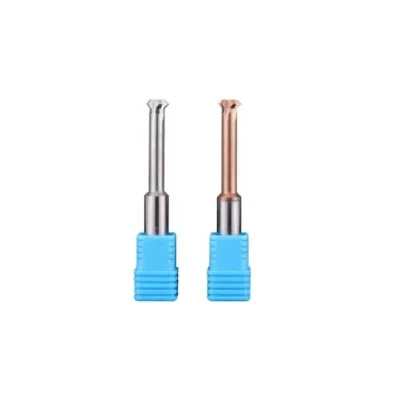
Universal Deburring Tool, Carbide Chamfer End Mill for Roughing and Finishing Edges
$1.53 - $3.50
MOQ: 10 Pieces

$1.53 - $3.50
MOQ: 10 Pieces

Heavy Duty Deburring Tool, Carbide Chamfer End Mill for Aggressive Burr Removal
$1.53 - $3.50
MOQ: 10 Pieces

Chamfer and Deburring End Mill, Combined Tool for Efficient Edge Preparation
$1.53 - $3.50
MOQ: 10 Pieces


Changsha Cutoutil Hardware Tools Co., Ltd.
- Trading Company
- China Hunan
- Lead time15 days
- Avg. response≤ 9h
Main productsCarbide Insert, Carbide End Mills, Carbide Burr, Carbide Drill, CNC Turning Tools, CNC Milling Tools and U Drills, CNC Toolholder, Measuring Tools, Machine Accessories, Spare Parts
Main marketsSouth America,Eastern Europe,Mid East,North America,Southeast Asia,Western Europe,Africa

Lanuss Intelligent Equipment (Hubei) Co., Ltd.
- Verified by SGS
- Combined
- China Hubei
- Lead time30 days
- Avg. response≤ 8h
Main productsDeburring Machine, Sanding Machine, Polishing Machine, Chamfering Machine, Wire Drawing Machine
Main marketsAfrica,Southeast Asia/ Mideast,East Asia(Japan/ South Korea),Domestic,Europe,Australia

Advanced Chamfering and Deburring Machine for Processing Equipment Parts
$35000.00 - $40000.00
MOQ: 1 Sets


Pre Grinding, Deburring, and Chamfering Machine with Surface of Laser Cut Workpieces
$35000.00 - $40000.00
MOQ: 1 Sets


Shandong Soar Machinery Co., Ltd.
- Manufacturer/Factory
- China Shandong
- Lead time15 days
- Avg. response≤ 8h
Main productsPipe Processing Machine, Plasm Cutting Machine, Lase Cutting Machine, Hole Punching Machine, Rust Removing&Polishing Machine, Riveting Machine, Aluminum Profile Processing Machine, Drilling and Tapping Machine, Wire Bending Machine, Diesel Generator
Main marketsSouth America,Mid East,North America,Southeast Asia,Eastern Asia


Metal Steel Pipe Aluminium Profile End Surface Burrs Removal Deburring Chamfering Machine
$5200.00 - $5400.00
MOQ: 1 Pieces

Zhuzhou MSU Cemented Carbide Co., Ltd.
- Trading Company,Manufacturer/Factory
- China Hunan
- Lead time23 days
- Avg. response≤ 7h
Main productsEnd Mill, Carbide Drill Bit, Carbide Insert, Hole Making Tools, Carbide Burrs, Tungsten Carbide Gripper Pads, Tungsten Carbide Product, Saw Blade, Band Saw Blade, Tct Saw Blade
Main marketsSouth America,Eastern Europe,Mid East,North America,Southeast Asia,Eastern Asia,Western Europe

Carbide End Mill Diamond Coated End Mills for Carbon Fiber Graphite Processing Special
$0.80 - $12.00
MOQ: 1 Pieces

CNC Chamfering End Mill Carbide Milling Tool Chamfer End Mill for Steel
Contact supplier
MOQ: 10 Pieces

Fast (Wuxi) New Materials Technology Co., Ltd
- Verified by BV
- Trading Company,Manufacturer/Factory
- China Jiangsu
- Lead time15 days
- Avg. response≤ 12h
Main productsCutting Tool, Turning Insert, Solid Carbide, Carbide End Mill, Chamfer Cutter, Milling Insert, Drilling Insert, Carbide Tap, Milling Cutter, Reamer
Main marketsSouth America,Eastern Europe,Mid East,North America,Southeast Asia,Eastern Asia,Oceania,Western Europe,Africa

Chamfer End Mill for Edge Deburring and Bevel Machining with High Dimensional Accuracy
$0.80 - $1.00
MOQ: 100 Pieces

High-Precision Solid Carbide Chamfer End Mill for Deburring and Edge-Finishing Operations
$0.80 - $1.00
MOQ: 100 Pieces

Versatile Chamfer End Mill Suitable for Deburring, Beveling and Precision Edge Shaping
$0.80 - $1.00
MOQ: 100 Pieces


Jinan Knoppo Automation Equipment Co., Ltd.
- Verified by BV
- Combined
- China Shandong
- Lead time15 days
- Avg. response≤ 3h
Main productsFiber Laser Cutting Machine, Fiber Laser Welding Machine, Fiber Laser Cleaning Machine, Fiber Laser Marking Machine, CO2 Laser Cutting Machine, CO2 Laser Engraving Machine, Plasma Cutting Machine, H Beam CNC Cutting Machine, Laser Welder, Laser Cutter
Main marketsSouth America,Others(foreignTradeCapacity.exportBusinessCapacityMarketOther),Southeast Asia/ Mideast,East Asia(Japan/ South Korea),Europe,North America


Stainless Deburring Machine Chamfering Machine for Aluminium Metal Parts
$7900.00 - $12000.00
MOQ: 1 Sets

Chongqing Baiguan Electromechanical Co., Ltd.
- Verified by SGS Group
- Trading Company
- Lead time0 days
- Avg. response≤ 2h
Main productsCarbide Insert , Carbide End Mill, Carbide Drill
Main marketsDomestic Market(30%), Northern Europe(12%), North America(10%)

SUZHOU SLS MACHINERY CO., LTD.
- Combined
- China Jiangsu
- Lead time45 days
- Avg. response≤ 2h
Main productsPipe Bending Machine, CNC Tube Bender, Pipe Cutting Machine, Tube Cutting Cold Saw, Tube Swaging Machine, Pipe Tapering Machine, Pipe Shrinking Machine, Pipe Chamfering Machine, Pipe End Forming Machine, Other Pipe Processing Machines
Main marketsSouth America,Southeast Asia/ Mideast,Europe,Australia,North America

Chamfering Manufacturers Production Double Head Pipe End Deburring Machine for Sale
$3999.00 - $4999.00
MOQ: 1 set/sets

Hot Sale CNC Automated Rod End Chamfer Tool - Hex Bar Both Sides Chamfering and Deburring Machine
$3599.00 - $4599.00
MOQ: 1 set/sets

Pipe End Fast Smooth Chamfering Tools Tube Section Deburring Machine
$3599.00 - $5599.00
MOQ: 1 set/sets

Tube End Smooth Deburring Tool Portable Chamfering Machine for Pipe Parts Finishing
$4599.00 - $5999.00
MOQ: 1 set/sets

China Factory Custom Round Steel Bar Dual Ends CNC Chamfering and Deburring Machine
$3599.00 - $4599.00
MOQ: 1 set/sets

Professional Manufacturer Design End Face Chamfer Tube Deburring Machine with Low Price
$4500.00 - $5999.00
MOQ: 1 set/sets

Nanjing Dyyrent Machine Technology Co., LTD
- Verified by SGS
- Combined
- China Jiangsu
- Lead time23 days
- Avg. response≤ 3h
Main productsSanding Machine, Deburring Machine, Grinding Machine, Polishing Machine, Automatic Deburring Machine, Oxide Removal, Edgers Rounded, Deslagging
Main marketsSoutheast Asia/ Mideast,Domestic,Europe,North America

Metal Deslagging Chamfering and Deburring Machine for Cutting Machine Finish Part
$8000.00 - $15000.00
MOQ: 1 Pieces


Precision Metal Chamfering Machine for Superior Deburring Solutions
$12000.00 - $28000.00
MOQ: 1 Pieces

Zhangjiagang Runtai Machinery Co., Ltd.
- Verified by BV
- Combined
- China Jiangsu
- Lead time30 days
- Avg. response≤ 1h
Main productsChamfering Machine, Pipe Bending Machine, Pipe Cutting Machine, Pipe End Forming Machine, Gear Grinding Machine, Aluminum Cutting Machine
Main marketsSouth America,Southeast Asia/ Mideast,Domestic,Europe


Round Bar Deburring Bevelling Stainless Steel Pipe Chamfering Machine
$6666.00 - $8999.00
MOQ: 1 Pieces

Anhui Xinyida Polishing Machine Joint Stock Co., Ltd.
- Verified by CTI
- Combined
- China Anhui
- Lead time45 days
- Avg. response≤ 15h
Main productsPolishing Machine, Grinding Buffing Machine, 2-in-1 Tank and Dished End Polishing Machine, Tube Polishing Machine, Flat Sheet Polishig Machine, Tank and Tank Head Grinding Machine, External and Internal Tube Grinding Machine, CNC Tank Polishing and Buffing Machine, Pipe Surface Polishing Machine, Dished End Polishing Machine
Main marketsAfrica,Southeast Asia/ Mideast,Domestic,Europe,North America

Zhuzhou Lizhou Cemented Carbide Co., Ltd.
- Verified by BV
- Combined
- China Hunan
- Lead time23 days
- Avg. response≤ 2h
Main productsTungsten Carbide Drawing Die, Pellets, Tungsten Carbide Rolling Rolls, Carbide Plates/ Blocks/Tips, Carbide Buttons, Tungsten Carbide Saw Tips, Carbide Rods, Carbide Disc Cutter, Carbide Rotary Burrs, Carbide Cold Heading /Punching Dies
Main marketsSoutheast Asia/ Mideast,Europe

- Verified by BV
- Trading Company
- China Shandong
- Lead time30 days
- Avg. response≤ 25h
Main productsMeasuring Tools, Vernier, Cutting Tools, Drills, Machine Accessories, Chucks Collets Vices, Tires, Chuck Tires, Hand Tools, Hammer
Main marketsSouth America,Africa,Southeast Asia/ Mideast,East Asia(Japan/ South Korea),Europe,Australia,North America

Dongying Youjia Industry and Trade Co., Ltd.
- Verified by BV
- Combined
- China Shandong
- Lead time15 days
- Avg. response≤ 3h
Main productsMachine Parts
Main marketsEurope

Changzhou Hongjian Tools Co., Ltd.
- Verified by CTI
- Combined
- China Jiangsu
- Lead time30 days
- Avg. response≤ 3h
Main productsCarbide End Mill, Carbide Drill, End Milling Cutter, Carbide Reamer, Carbide Ball Nose End Mill, Carbide Corner Radius End Mill, Carbide Rods, Roughing End Mill, Carbide Taper End Mill, Carbide Mirco End Mill
Main marketsSouth America,Southeast Asia/ Mideast,Domestic,Europe

CHANGZHOU DELEVEL TOOLS CO., LTD.
- Verified by BV
- Trading Company
- China Jiangsu
- Lead time15 days
- Avg. response≤ 2h
Main productsCarbide End Mills, Custom Carbide Tools, Internal Coolant Drills / Deep Hole Drills, Modular Drilling System, Carbide Boring Tools, OEM Carbide Tools, Crown Drill, Carbide Cutting Tools, Solid Carbide Drills, Threading Tools
Main marketsAfrica,Southeast Asia/ Mideast,North America

Dongguan Kunming Electronics Technology Co., Ltd.
- Manufacturer/Factory
- China Guangdong
- Lead time15 days
- Avg. response≤ 4h
Main productsMilling Cutter, Screw Thread Tap, Screw Tap, End Mill, Carbide Cutter, Parts Machining, Mold Machining, Plastic Mould, Stamping Die, Stamping Mold
Main marketsSouth America,Eastern Europe,Mid East,North America,Southeast Asia,Eastern Asia,Oceania,Western Europe,Africa




Comprehensive Sourcing Guide
Deburring Chamfer End Mill Supplier Concentration and Factory Types
Current data indicates a concentration of suppliers in China, specifically within the Hubei and Hunan provinces, which serve as primary manufacturing clusters for carbide end mills and related machining tools. These regions host a mix of trading companies and combined entities that offer a broad range of products including CNC cutting tools, tool holders, and specialized deburring machines. The presence of these facilities suggests a localized supply chain capable of supporting high-volume production of solid carbide end mills with varying flute counts and shank types. Buyers should recognize that while some suppliers operate as trading companies, others may possess direct manufacturing capabilities or strong partnerships with factories that produce the raw carbide materials and finished tools.
When evaluating the factory types available, it is essential to distinguish between pure trading entities and those with combined operational models that include design and manufacturing capacities. Some suppliers in the current results list themselves as combined companies with in-house R&D capabilities for OEM and ODM services, while others function strictly as intermediaries. This distinction impacts the ability to customize product specifications such as included angles, diameters, and coating materials. Buyers must verify whether a supplier's main products align with their specific needs, as some focus heavily on measuring instruments and machine accessories while others specialize in precision chamfering end mills for steel and aluminum applications.
How to Verify Deburring Chamfer End Mill Suppliers
Verification of supplier credibility relies heavily on third-party audit reports and specific certification standards that are explicitly listed in supplier profiles. Several suppliers in the current dataset have achieved verification through SGS, while others hold comprehensive system certifications including ISO 9001, ISO 14001, and TS 16949. These credentials indicate adherence to quality management systems and environmental standards, which are critical for ensuring consistent product quality in precision machining tools. Buyers should request copies of these certificates to confirm their validity and scope, ensuring that the supplier's quality control processes cover the specific manufacturing steps required for carbide end mills.
Response time and verification status serve as immediate indicators of a supplier's operational readiness and reliability. Data shows response times varying significantly, with some suppliers responding within less than an hour while others take several days. A rapid response time often correlates with a more active sales team and better communication channels, which is vital for resolving technical queries regarding tool geometry or material specifications. Additionally, buyers should check for the presence of escrow services or trade assurance programs that protect financial transactions. If a supplier lacks these protections or has a slow response rate, it may indicate potential risks in order fulfillment or after-sales support that require further due diligence before proceeding.
What to Compare Across Deburring Chamfer End Mill Suppliers
Comparing suppliers requires a detailed analysis of key operational metrics such as lead times, minimum order quantities, and pricing structures. Lead times in the current results range from 15 days to 30 days, reflecting differences in production capacity and inventory levels. Buyers must align these timelines with their project schedules, as longer lead times may necessitate earlier ordering to avoid production delays. Minimum order quantities also vary, with some suppliers offering low MOQs of 10 pieces while others may have higher thresholds. Understanding these constraints helps buyers optimize their procurement strategy, balancing cost efficiency with the need for flexibility in order sizes.
Product specifications and customization options are equally critical when comparing different suppliers. The available data highlights a wide range of product attributes, including included angles of 60 or 90 degrees, various flute counts, and diameter ranges from 1mm to 20mm. Some suppliers offer customization for shank types and packaging, while others provide standard specifications only. Buyers should compare the availability of specific features like high-speed cutting capabilities or specific hardness ratings (HRC) to ensure the tools meet their machining requirements. Additionally, comparing the range of main products offered can reveal whether a supplier is a specialized partner or a generalist, influencing the depth of technical support and product knowledge available during the sourcing process.
Common Deburring Chamfer End Mill Sourcing Risks
One significant risk in sourcing deburring chamfer end mills is the potential mismatch between advertised product capabilities and actual performance. While some suppliers claim high precision and high-speed cutting advantages, the actual material composition and hardness ratings must be verified against the specific application requirements. For instance, tools intended for steel machining may differ significantly from those designed for aluminum, and using the wrong tool can lead to premature wear or poor surface finish. Buyers should request detailed product evidence, including material composition data and hardness test results, to validate these claims before placing large orders.
Another risk involves the variability in lead times and the potential for supply chain disruptions. Suppliers with longer lead times, such as those requiring 30 days, may face delays due to raw material shortages or production bottlenecks. This uncertainty can impact production schedules, especially for time-sensitive projects. Furthermore, the reliance on trading companies rather than direct manufacturers can introduce communication gaps and reduce transparency regarding the manufacturing process. Buyers should assess the supplier's capacity to handle custom orders and their ability to provide timely updates on production status to mitigate these risks effectively.
Deburring Chamfer End Mill Regional Sourcing and Logistics
Sourcing from China, particularly from the Hubei and Hunan provinces, offers access to a robust manufacturing ecosystem but requires careful logistics planning. The proximity of these regions to major shipping ports facilitates efficient export, yet buyers must account for transit times and potential customs delays. Understanding the specific location of the supplier helps in estimating shipping costs and delivery schedules accurately. For buyers located far from these regions, consolidating orders or utilizing freight forwarders can help manage logistics complexity and reduce overall shipping expenses.
Logistics considerations also extend to packaging and handling of precision tools. The current data indicates that products are often packed in standard or customized packaging, such as plastic boxes or wooden crates, depending on the order size and value. Proper packaging is essential to prevent damage during transit, especially for delicate carbide tools. Buyers should verify the packaging standards with the supplier to ensure that the tools arrive in optimal condition. Additionally, understanding the supplier's experience with international shipping and their ability to handle documentation can streamline the import process and reduce the risk of delays at customs.
Deburring Chamfer End Mill Commercial Terms and Order Planning
Commercial terms for deburring chamfer end mills often include specific pricing structures based on order volume and customization requirements. Prices in the current dataset range from approximately $0.50 to $15.60 per unit, depending on the product type and specifications. Buyers should negotiate based on the total order value and seek volume discounts where applicable. Understanding the pricing model helps in budgeting and ensures that the total cost of ownership, including shipping and duties, remains within financial constraints. Clear communication regarding payment terms and currency is essential to avoid misunderstandings and ensure smooth transaction processing.
Order planning must account for the supplier's production capacity and the specific requirements of the end mill. Some suppliers offer OEM and ODM services, allowing for tailored solutions that meet unique machining needs. Buyers should plan their orders well in advance, considering the lead times and the time required for any necessary customization. Establishing a long-term relationship with a reliable supplier can provide stability and ensure consistent product quality. By carefully planning orders and maintaining open communication, buyers can optimize their procurement process and achieve their production goals efficiently.
FAQs
What is the typical lead time for ordering these end mills?
Lead times vary by supplier, with some offering 15 days and others up to 30 days for production. Buyers should verify specific delivery schedules based on order volume and customization needs before confirming purchase agreements with any vendor.
What are the minimum order quantities for carbide end mills?
Minimum order quantities typically start at 10 pieces for standard carbide end mills. Some suppliers may accept orders as low as one piece for specific models, but bulk pricing usually applies when ordering ten units or more to ensure cost efficiency.
Which certifications do these suppliers hold for quality assurance?
Suppliers often hold ISO 9001, ISO 14001, and OHSAS 18001 certifications to ensure quality and safety standards. Some also possess SGS verification or CE marks for machinery, providing buyers with confidence in the manufacturing processes and product reliability.
Where are the manufacturers of these tools located?
Manufacturers are primarily located in China, specifically in Hubei and Hunan provinces. These regions host trading companies and combined suppliers offering a wide range of CNC cutting tools and machining accessories for global export markets.
What is the price range for precision chamfering end mills?
Prices for precision chamfering end mills generally range from 0.50 to 15.60 per unit depending on specifications. Specific models like solid carbide tools often fall between 1.53 and 3.50, while larger machinery components may cost significantly more.
Do suppliers offer customization services for these end mills?
Many suppliers provide customization options including custom diameters, flute counts, and special coatings. OEM and ODM services are available for end mills, allowing buyers to tailor tools to specific machining requirements for steel, aluminum, or other materials.
How quickly do suppliers typically respond to inquiries?
Response times vary significantly, with some suppliers replying within less than one hour while others take up to eight hours. Buyers should expect faster communication from trading companies located in major industrial hubs compared to larger manufacturing facilities.