Diesel Aerial Man Lift Suppliers and Manufacturers
Explore 20 verified suppliers offering Diesel Aerial Man Lift options with varying lead times, response speeds, and certifications. Buyers can compare locations in China, response times, and product specifications to select the right partner. Contact suppliers directly to request quotes and verify details.
Suppliers List

Jinan Moral International Co., Ltd.
- Verified by BV
- Trading Company
- China Shandong
- Lead time23 days
- Avg. response≤ 3h
Main productsDisabled Wheelchair Lift, Parking Equipment, Scissor Lift, Cargo Lift, Work Platform, Transfer Cart, Car Turntable, Dock Lift, Flatcar, Dock Ramp
Main marketsSouth America,Africa,Southeast Asia/ Mideast,Europe,Australia,North America

Qingdao Sinofirst Machinery Co., Ltd.
- Verified by TUVRHEINLAND
- Manufacturer/Factory,Group Corporation
- China Shandong
- Lead time15 days
- Avg. response≤ 6h
Main productsArticulated Boom Lift, Towable Boom Lift, Lifting Platform, Scissor Lift, Hydraulic Lift, Lift Table, Man Lift, Lifting Equipment, Glass Lifter, Vacuum Lifter
Main marketsEastern Europe,Mid East,North America,Western Europe,Africa

SHANDONG BELIFT MACHINERY CO., LTD.
- Verified by SGS
- Manufacturer/Factory
- China Shandong
- Lead time23 days
- Avg. response≤ 5h
Main productsSelf Propelled Scissor Lift, Mobile Scissor Lift, Self Propelled Low Level Access Lift, Towable Boom Lift, Simple Aluminum Aerial Work Platform, High End Auminum Aerial Work Platform, Self Propelled Aluminum Work Paltform, Heavy Duty Customized Lift Tables
Main marketsSouth America,Eastern Europe,Mid East,North America,Southeast Asia,Eastern Asia,Oceania,Western Europe,Africa


Customized AC/DC Dual Power Aluminum Lift Portable Aerial Man Lift for Maintenance
$1780.00 - $2870.00
MOQ: 1 Pieces

Good Price 4-16m Man Lift Mobile Electric Lifts Aerial Work Platform Scissor Lift for Sale
$2099.00 - $4899.00
MOQ: 1 Pieces

Shandong Unid Intelligent Technology Co., Ltd.
- Verified by BV
- Manufacturer/Factory,Group Corporation
- China Shandong
- Lead time23 days
- Avg. response≤ 5h
Main productsVacuum Glass Lifter, Small Suction Cups, Vacuum Panel Lifter, Metal Sheet Vacuum Lifter, Spider Crane, Electric Floor Crane, Towable Boom Lift, Scissor Lift, Other Hydraulic Lift Platform
Main marketsSouth America,Eastern Europe,Mid East,North America,Southeast Asia,Eastern Asia,Oceania,Western Europe,Africa


CE Customized Manlift Aerial Platform Towable Electric/Diesel Hydraulic Cherry Picker Boom Lift
$5999.00 - $7999.00
MOQ: 1 Pieces

Huashi (Shandong) Machinery Equipment Co., Ltd.
- Verified by BV
- Trading Company
- China Shandong
- Lead time15 days
- Avg. response≤ 3h
Main productsScissor Lift, Boom Lift, Lifting Platform
Main marketsSoutheast Asia/ Mideast

High Quality Diesel Engine off-Road Scissor Lift Big Wheel Rough Terrain Manlift Aerial Manlift
$36260.00 - $36500.00
MOQ: 1 Pieces

Man Lifting Platform Electric Mobile Hydraulic Scissor Lift for Aerial Work Maintenance
$1099.00 - $1299.00
MOQ: 1 Pieces

Diesel Engine off-Road Big Wheel Rough Terrain Hydraulic Scissor Lift Aerial Manlift
$36260.00 - $36500.00
MOQ: 1 Pieces

Battery or Diesel 360 Degree Rotation Self-Propelled Articulate Boom Lift Man Lift
$3400.00 - $3500.00
MOQ: 1 Pieces


Lifting Equipment Scissor Lift Elevator Aerial Platform Electric Hydraulic Scissor Lift Manlift
$4373.00 - $4443.00
MOQ: 1 Pieces
Shandong Dahui International Trade Co., Ltd.
- Verified by CTI
- Combined
- China Shandong
- Lead time15 days
- Avg. response≤ 2h
Main productsDock Leveler, Self-Propelled Scissor Lift, Movable Unloading Platform, Fixed Scissor Lift, Mobile Dock Ramp, Vehicle Restraint, Hand Crank Lift, Cargo Lift
Main marketsEast Asia(Japan/ South Korea),North America


Hydraulic Mobile Scissor Lift 8m Self Propelled Aerial Work Platform Man Lift
$3200.00 - $7500.00
MOQ: 1 Sets

Factory 12m Hydraulic Tracked Scissor Lift Aerial Lift Equipment Manlift
$9000.00 - $13000.00
MOQ: 1 Sets

Shandong Cathay Machinery Co., Ltd.
- Verified by SGS
- Trading Company
- China Shandong
- Lead time15 days
- Avg. response≤ 3h
Main productsLift Platform, Boom Lift, Scissor Lift, Mast Lift, Hydraulic Lift, Cargo Lift, Home Lift, Vacuum Lifter, Spider Crane, Lift Table
Main marketsSouth America,Africa,Southeast Asia/ Mideast,East Asia(Japan/ South Korea),Domestic,Europe,Australia,North America


6-10m Mobile Aerial Working Platform Man Lift with Electric Self Moving Functionality
$6500.00 - $7000.00
MOQ: 1 Pieces

220V Towable Self Propelled Aerial Work Platform Articulated Boom Man Lift
$8500.00 - $9000.00
MOQ: 1 Pieces

CE Towable Hydraulic Articulated Towable Diesel Boom Lift Cherry Picker
$8500.00 - $9000.00
MOQ: 1 Pieces

Hebei Yuying Hoisting Machinery Manufacturing Co., Ltd
- Verified by TUVRHEINLAND
- Combined
- China Hebei
- Lead time30 days
- Avg. response≤ 9h
Main productsChain Block, Lever Hoist, Electric Hoist, Chain, Manual Hydraulic Truck, Beam Clamp, Permanent Magnetic Lifter, Screw Jack
Main marketsEurope,North America


Aerial Platform Electric Man Ladder Hydraulic Small Man Lifts for Sale
$2000.00 - $5000.00
MOQ: 1 Pieces

Jiangsu Huize Intelligent Technology Co., Ltd.
- Verified by SGS
- Manufacturer
- China Jiangsu
- Lead time15 days
- Avg. response≤ 2h
Main productsElectric Forklift, Lift Table, Reach Truck, Roll Lifter, Warehouse Forklift, Lifting Equipment, Tractor Truck, Electric Crane, Pallet Truck, Pallet Stacker

Man Lift Single Mast 125kg 10m Aluminum Aerial Work Platform Vertical Lift Sky Lift Man Lifts
$950.00 - $1300.00
MOQ: 1 Pieces

Aluminum Alloy Aerial Work Platform Double Masts Vertical Man Lift for Sale
$1300.00 - $2200.00
MOQ: 1 Pieces

Henan Ideal Machinery Equipment Co., Ltd.
- Verified by TUVRHEINLAND
- Trading Company
- China Henan
- Lead time15 days
- Avg. response≤ 7h
Main productsScissor Lift, Spider Lift, Container Straddle Carrier
Main marketsSouth America,Southeast Asia/ Mideast


Self Propelled Scissor Lift Higher Quality Safety Hydraulic Man Lift
$14550.00 - $14850.00
MOQ: 1 Pieces

Self-Propelled Scissor Lift Platform Aerial Working Manlift Platform
$14550.00 - $14850.00
MOQ: 1 Pieces


High Performance Mobile Lift for Aerial Working Equipment Applications
$4850.00 - $5000.00
MOQ: 1 Pieces

HERED (Shandong) Intelligent Technology Co., Ltd.
- Verified by BV
- Trading Company,Manufacturer/Factory,Group Corporation
- China Shandong
- Lead time15 days
- Avg. response≤ 2h
Main productsScissor Lift, Boom Lift, Man Lift, Aerial Platform, Articulating Boom Lift, Telescopic Boom Lift, Aerial Work Platform, Hydraulic Scissor Lift, Electric Scissor Lift, Crawler Scissor Lift
Main marketsSouth America,Eastern Europe,Mid East,North America,Southeast Asia,Eastern Asia,Western Europe,Africa

Suzhou Koosen Technology Co., Ltd.
- Verified by BV
- Manufacturer/Factory
- China Jiangsu
- Lead time23 days
- Avg. response≤ 2h
Main productsMast Lift Platform, Aerial Working Platform, Scissor Lift Platform, Boom Lift Platform, Forklifts, Electric Pallet Truck, Electric Pallet Stacker, Electric Towing Tugger, Electric Golf Car, Electric Sightseeing Bus
Main marketsSouth America,Eastern Europe,Mid East,North America,Southeast Asia,Eastern Asia,Oceania,Western Europe,Africa


Koosen Aluminum Aerial Work Platform Man Lift with Double Mast Lift Platform
$6155.00 - $6385.00
MOQ: 1 Pieces

Wemet Lift Machinery Co., Ltd.
- Verified by BV
- Combined
- China Shandong
- Lead time23 days
- Avg. response≤ 10h
Main productsScissor Lift, Mobile Scissor Lift, Hydraulic Lift, Aerial Work Platform, Cargo Lift, Aluminium Lift, Home Elevator Lift, Boom Lift, Car Post Hydraulic Lift, Aerial Work Platform Lift
Main marketsAfrica,Southeast Asia/ Mideast,Australia,North America

Diesel Telescopic Boom Lift Man Aerial Platform Lift 45′ 4WD 16m
$14614.00 - $19000.00
MOQ: 1 Pieces

Articulating Boom Lifts Man Lifts Aerial Work Platform Lift 10m 12m
$14614.00 - $19000.00
MOQ: 1 Pieces

Shandong Guanyun Heavy Industry Co., Ltd.
- Verified by SGS
- Trading Company
- China Shandong
- Lead time15 days
- Avg. response≤ 3h
Main productsScissor Lift, Articulating Boom Lift, Boom Lift, Loading Ramp, Aerial Work Platform, Forklift Ramp, Hydraulic Lift, Cargo Lift
Main marketsSouth America,Eastern Europe,Mid East,North America,Southeast Asia,Eastern Asia,Oceania,Western Europe,Africa

Good Price Self Propelled Diesel Articulating Boom Lifts Man Lift Aerial Work Platform
$20000.00 - $90000.00
MOQ: 1 Pieces


Qingdao Eterlift Machinery Co., Ltd.
- Verified by TUVRHEINLAND
- Trading Company
- China Shandong
- Lead time15 days
- Avg. response≤ 3h
Main productsLift Table, Electric Stacker, Cargo Lift, Single Mast Lift, Mobile Scissor Lift, Car Lift, Boom Lift
Main marketsNorth America

16m 18m Self Propelled Scissor Lift Hydraulic Mobile Aerial Work Personnel Man Lift
$900.00 - $1000.00
MOQ: 1 Pieces

Industrial Hydraulic Lift Platform Man Lifter 150-200kg Capacity 7.8m-16m Aluminum Aerial Lift
$1150.00 - $1200.00
MOQ: 1 Pieces


Jinan Three Points Intelligent Equipment Co., Ltd.
- Verified by TUVRHEINLAND
- Combined
- China Shandong
- Lead time15 days
- Avg. response≤ 3h
Main productsMobile Scissor Lift, Self-Propelled Scissors Lift Table, Crawler Scissor Lift, Fixed Boarding Bridge, Mobile Dock Ramp, Towable Boom Lift, Tracked Boom Lift, Fixed Scissors Lifting Platform, Cargo Lift, Aluminum Alloy Lift
Main marketsSoutheast Asia/ Mideast


$1150.00 - $4230.00
MOQ: 1 piece


Taizhou Kayond Machinery Co., Ltd.
- Verified by SGS
- Trading Company
- China Jiangsu
- Lead time15 days
- Avg. response≤ 4h
Main marketsSouth America,Africa,Southeast Asia/ Mideast,East Asia(Japan/ South Korea),Domestic,Europe,Australia,North America

Portable Lifter Hydraulic Aerial Work Platform Lifting Elevator Electric One Man Lift
$1800.00 - $2200.00
MOQ: 1 units


East Intelligent Technology (Jinan) Co., Ltd.
- Verified by SGS
- Trading Company
- China Shandong
- Lead time15 days
- Avg. response≤ 1h
Main productsScissor Lift, Car Lift, Forklift, Boom Lift, Lifting Equipment, Manual Hydraulic Stacker, Dock Leveler, Electric Stacker, Motorcycle Lift Table, Hydraulic Lift Table
Main marketsSoutheast Asia/ Mideast


$2328.00 - $2910.00
MOQ: 1 piece

Jining Baoliwei Construction Machinery Sales Co., Ltd
- Verified by TUVRHEINLAND
- Manufacturer/Factory
- China Shandong
- Lead time15 days
- Avg. response≤ 3h
Main productsAerial Work Platform, Truck Crane, Crane Truck, Ship Crane, Homemade Crane, Spider Crane, Truck-Mounted Crane, Boom Truck
Main marketsSouth America,Mid East,North America,Southeast Asia,Eastern Asia,Western Europe,Africa

16~75m Single Man Lift, Aerial Work Platform Lift, Aerial Boom Lift
$12000.00 - $72000.00
MOQ: 1 Pieces

Factory Direct Sales 16~75m Truck Mounted Boom Lift, Sky Lift, Man-Lift
$12086.00 - $62999.00
MOQ: 1 Pieces
Hubei Daqi Automobile Co., Ltd.
- Manufacturer, Trading Company
- Hubei, China
- Lead time30 days
- Avg. response≤ 3h
Main productsGarbage Truck,Command Truck,Dump Truck,Aerial Work Platform Truck,Wrecker Truck
Main marketsAfrica(27.0%), Mid East(20.0%), Southeast Asia(15.0%), South America(15.0%), South Asia(10.0%), North America(5.0%), Central America(5.0%), Oceania(2.0%), Eastern Asia(1.0%)
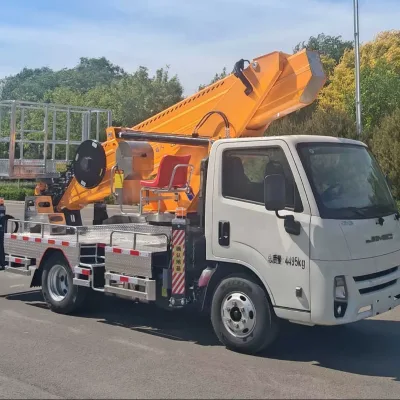
Versatile mobile 60m aerial lift truck movable hydraulic aerial lifting platform cheap
$4300.00 - $7800.00
MOQ: 1 sets
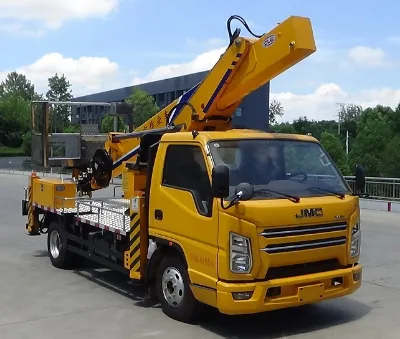
Low price articulated aerial lift one aerial lift Direct Sales Manufacturer in dubai
$4300.00 - $7800.00
MOQ: 1 sets


Comprehensive Sourcing Guide
Diesel Aerial Man Lift Supplier Concentration and Factory Types
The current supplier landscape for diesel aerial man lifts reveals a distinct split between trading companies and direct manufacturers, a factor that significantly influences sourcing strategy. Evidence indicates that some entities operating in this space are classified strictly as trading companies, which often implies they source products from external factories rather than manufacturing them in-house. These trading entities typically aggregate a wide range of lifting equipment, including disabled wheelchair lifts, parking equipment, and various scissor lifts, suggesting a broad catalog rather than deep specialization in diesel-powered aerial platforms. Buyers must recognize that a trading company structure may introduce an additional layer between the end-user and the actual production facility, potentially affecting communication speed and technical support capabilities.
Conversely, other suppliers in the results are identified as manufacturers or factory groups, possessing their own research and development capabilities and offering both own-brand and OEM services. These manufacturing entities often hold specific system certifications such as ISO 9001, ISO 14001, and OHSAS 18001, which serve as indicators of established quality management systems. While the provided data confirms the existence of these manufacturer types, it does not explicitly map every single supplier to a specific geographic cluster for diesel lifts. Therefore, buyers should verify the physical location of the factory, noting that some origins are listed as Jinan, Shandong, China, while others simply state China Mainland. Identifying whether a supplier is a direct factory or a middleman is the first critical step in assessing the supply chain structure for diesel aerial man lifts.
How to Verify Diesel Aerial Man Lift Suppliers
Verification of Diesel Aerial Man Lift suppliers requires a rigorous examination of third-party credentials and response metrics to ensure reliability. The data shows that some suppliers have undergone verification by recognized bodies such as BV or TÜV Rheinland, which provides a baseline level of trust regarding their business legitimacy. However, not all suppliers in the current results display these specific verification badges, and some may lack system certifications entirely, marked as NIL in certain records. Buyers should prioritize suppliers with active third-party verification and documented quality management standards like ISO 9001, as these are tangible proofs of operational maturity. Relying solely on self-declared claims without external validation introduces significant risk when sourcing heavy machinery like diesel aerial lifts.
Beyond static certifications, the dynamic metric of response time offers a practical gauge of supplier engagement and potential service quality. The observed response times in the dataset vary, with some suppliers showing a response time of approximately 2.99 hours while others take around 5.31 hours. A faster response time often correlates with a more active sales team and better readiness to address technical queries regarding diesel engines or lift specifications. Buyers should compare these response metrics across potential partners, understanding that a slower response might indicate a larger volume of inquiries or less dedicated support for this specific product category. It is essential to test these response channels directly before committing to an order, ensuring that the supplier can provide timely technical assistance and documentation for diesel aerial man lifts.
What to Compare Across Diesel Aerial Man Lift Suppliers
When evaluating multiple sources for diesel aerial man lifts, buyers must systematically compare lead times, minimum order quantities, and product specifications to find the best fit. The available data indicates lead times can range significantly, with some suppliers offering a 15-day turnaround while others require up to 23 days. This variation is critical for project planning, as diesel lifts are often needed for specific construction or maintenance windows. Additionally, the minimum order quantity (MOQ) appears to be flexible in some cases, with records showing an MOQ of 1 unit, which is advantageous for smaller projects or trial orders. Buyers should explicitly request and compare these logistical parameters to avoid delays or unexpected inventory costs associated with bulk purchasing requirements.
Product attributes and certification standards provide another vital dimension for comparison across different suppliers. The evidence highlights that some products carry certifications like ISO CE, ISO RoHS, and GS, while others may only list ISO CE or lack specific certification details in the provided summary. Buyers must verify if the diesel aerial man lifts meet the specific safety and environmental standards required in their target market, as regulations vary by region. Furthermore, comparing technical specifications such as load capacity, lifting height, and power systems is essential. For instance, some units offer a load capacity of 300kg with a working height up to 16m, while others may differ in platform size or drive system. A detailed side-by-side comparison of these technical and commercial terms ensures the selected supplier can meet the precise operational needs of the buyer.
Common Diesel Aerial Man Lift Sourcing Risks
One of the primary risks in sourcing diesel aerial man lifts involves the potential mismatch between advertised capabilities and actual product performance, particularly regarding engine specifications and safety features. The data shows a mix of product attributes, including explosion-proof features and various power systems, but buyers must be cautious not to assume all diesel models possess these specific traits without explicit confirmation. Some listings mention electric or battery-driven systems alongside diesel options, creating a risk of confusion if the supplier does not clearly distinguish between power types. Buyers should demand detailed technical datasheets that explicitly confirm the engine type, fuel capacity, and emission standards to ensure the equipment matches the intended application environment.
Another significant risk relates to the variability in after-sales support and warranty terms, which are not uniformly detailed in the current supplier results. While one product listing mentions a 12-month quality warranty, other entries do not specify warranty duration or the scope of coverage for diesel engines and hydraulic systems. This inconsistency can lead to costly downtime if a machine fails shortly after deployment and the supplier lacks a clear support protocol. Additionally, the absence of standardized packaging or shipping instructions in some records suggests that logistics handling might vary, increasing the risk of damage during transit. Buyers must clarify warranty terms, spare parts availability, and maintenance support requirements before finalizing any agreement to mitigate these operational risks.
Diesel Aerial Man Lift Regional Sourcing and Logistics
Regional sourcing for diesel aerial man lifts is heavily influenced by the geographic concentration of manufacturing hubs, with evidence pointing to specific origins in China. The data indicates that some products originate from Jinan, Shandong, China, a region known for its heavy machinery industry, while other listings simply state China Mainland. Buyers should verify the specific port of loading and the shipping routes available from these regions to estimate transit times and freight costs accurately. Understanding the regional logistics infrastructure is crucial, as the distance from the factory to the port can impact the overall lead time and the condition of the equipment upon arrival. Sourcing from a verified manufacturing cluster can often streamline the logistics process and reduce the risk of supply chain disruptions.
Logistics planning must also account for the specific packaging and dimensional requirements of diesel aerial man lifts, which are large and heavy items. The provided facts mention standard plywood packaging and specific dimensions for certain models, such as a standard of 10CBM or specific platform sizes. These details are vital for calculating container utilization and freight charges, as improper packaging can lead to damage or rejected shipments. Buyers should confirm the exact packaging dimensions and weight with the supplier to ensure compatibility with their shipping arrangements. Furthermore, understanding the customs requirements for importing heavy machinery from the identified regions is essential to avoid delays at the destination port. Proper logistics planning ensures that the diesel aerial man lifts arrive on time and in optimal condition for immediate deployment.
Diesel Aerial Man Lift Commercial Terms and Order Planning
Commercial terms for diesel aerial man lifts vary significantly based on the supplier type and the specific product configuration, requiring careful negotiation and planning. The data reveals a price range for similar lifting equipment, with some units listed between $2,800 and $3,200, though these figures may not directly apply to all diesel models. Buyers must request detailed quotations that break down the cost of the diesel engine, hydraulic systems, and any customization options, as these factors can substantially alter the final price. Additionally, understanding the payment terms, such as the use of escrow services or letter of credit, is critical for securing the transaction and protecting both parties against non-delivery or quality disputes.
Order planning for diesel aerial man lifts must also consider the customization availability and the production timeline. The evidence shows that customization is available for many products, allowing buyers to tailor specifications like table size, lifting height, and color to their specific needs. However, this customization often extends the lead time beyond the standard 15 to 23 days observed in the data. Buyers should factor in the additional time required for design approval, manufacturing, and quality testing when planning their project schedules. Clear communication regarding customization requirements and delivery deadlines is essential to ensure that the final product meets expectations and arrives when needed. Proper commercial planning and realistic timeline management are key to a successful procurement of diesel aerial man lifts.
FAQs
What is the price range for electric scissor man lifts?
Electric scissor man lifts are priced between $2,800 and $3,200 per unit. This range depends on specific lifting heights and customization options. Buyers can find models with varying load capacities and table sizes within this bracket. Prices reflect standard configurations for aerial work platforms.
What certifications do these lifting platforms hold?
Manufacturers provide ISO, CE, RoHS, and GS certifications for their equipment. Some suppliers also hold OHSAS 18001 and ISO 14001 system certifications. These credentials ensure compliance with international safety and quality standards. Buyers should verify specific certificates for their target market requirements.
How long does production take for these lifts?
Production lead times typically range from 15 to 23 days. This duration varies based on the manufacturer's current order volume and specific customization needs. Standard models may ship faster than custom-configured units. Buyers should confirm exact timelines with suppliers before placing orders.
What is the minimum order quantity for these lifts?
The minimum order quantity is one unit for most suppliers. This allows buyers to test quality before committing to larger volumes. Single-unit purchases are common for small projects or replacement needs. Bulk discounts may apply for larger orders depending on the supplier.
Where are these aerial work platforms manufactured?
These platforms are manufactured in China, specifically in Shandong province. Jinan is a key production hub for this machinery. Buyers should verify the exact origin for shipping and tariff purposes. Local manufacturing often reduces logistics costs and lead times.
What load capacities are available for these lifts?
Load capacities range from 125kg to 300kg depending on the model. Light-level and middle-level capacities are common for standard electric scissor lifts. Some hydraulic models support weight-level capacities up to 227kg. Buyers should select based on their specific personnel and tool requirements.