Euro 3 Heavy Truck Suppliers and Manufacturers in China
Compare 19 verified suppliers of Euro 3 Heavy Truck units based on location, lead times, response times, and product specifications like emission standards and payload. Review the available options and contact suppliers directly to request quotes for your specific needs.
Suppliers List

SHANDONG ANT TRUCK MANUFACTURING CO., LTD
- Verified by SGS
- Trading Company
- China Shandong
- Lead time15 days
- Avg. response≤ 2h
Main productsUsed Truck, Dump Truck, HOWO Truck, Tractor Head, Tractor Truck, Dumper Truck, Mixer Truck, Sinotruck, HOWO
Main marketsSouth America,Others(foreignTradeCapacity.exportBusinessCapacityMarketOther)

Shandong Ant Automobile Technology Co., LTD.
- Verified by BV
- Trading Company
- China Shandong
- Lead time30 days
- Avg. response≤ 6h
Main productsDump Trucks, Tractor Trucks, Tipper Trucks, Concrete Mixer Trucks, Concrete Pump Trucks, Used Trucks, Loaders, Excavators, Bulldozers, Semi-Trailer
Main marketsSouth America,Africa,Southeast Asia/ Mideast,East Asia(Japan/ South Korea),North America
Yurico (Jinan) Machinery Equipment Co., Ltd.
- Trading Company
- China Shandong
- Lead time30 days
- Avg. response≤ 5h
Main productsSemi Trailer, Dump Truck, Heavy Duty Truck, Tractor Truck, Flatbed Semi Trailer, Lowbed Semi Trailer, Construction Machinery Vehicle, Skeleton Semi Trailer, Dump Semi Trailer, Car Carrier Semi Trailer
Main marketsAfrica
Jinnuo New Materials (tianjin) Co., Ltd.
- Trading Company, Distributor/Wholesaler
- Tianjin, China
- Lead time0 days
- Avg. response≤ 2h
Main productsConcrete mixer truck,dump truck,truck,trailer,tractor
Main marketsAfrica(30.00%), Mid East(20.00%), North America(20.00%), Southeast Asia(10.00%)

Hubei Xingyao Import and Export Co., Ltd
- Verified by SGS
- Trading Company
- China Hubei
- Lead time23 days
- Avg. response≤ 7h
Main productsOil Tank Truck, Water Truck, Dump Truck, Suction Truck, Garbage Truck, Arial Working Truck, Fire Fighting Truck, Semi Trailer, Cargo Truck, Sweeper Truck
Main marketsAfrica,Southeast Asia/ Mideast
Shaanxi Xinqida Heavy-Duty Automobile Import and Export Co., Ltd.
- Trading Company
- China Shaanxi
- Lead time0 days
- Avg. response≤ 3h
Main productsTruck, Heavy Duty Truck, Tractor Truck, Dump Truck, Lorry Truck, Shacman Truck, Special Vehicle, Sprinkler Truck, Truck Accessories, China Truck

Shandong Ant Heavy Truck Automobile Co., Ltd
- Verified by TUVRHEINLAND
- Trading Company
- China Shandong
- Lead time15 days
- Avg. response≤ 2h
Main productsDump Truck, Tractor Truck, Concrete Mixer Truck, Concrete Pump Truck, Semi-Trailer
Main marketsSouth America,Africa,Southeast Asia/ Mideast


Cheap Price Euro5 Dumper Truck Diesel China Heavy Tipper Dump Truck
$10000.00 - $13500.00
MOQ: 1 Pieces

Shandong Ruiyuan International Trade Co., Ltd
- Verified by BV
- Trading Company
- China Shandong
- Lead time30 days
- Avg. response≤ 6h
Main productsSpecial-Shaped Trucks, Semi-Trailer, Dump Trucks, Tractor
Main marketsSoutheast Asia/ Mideast
Shandong Tianhaixing International Trade Co., Ltd
- Verified by SGS
- Trading Company
- China Shandong
- Lead time30 days
- Avg. response≤ 3h
Main productsDumper Truck, Heavy Truck, Tanker, Tipper, Trailer Truck, Mixer Truck, Dump Truck, Semi Trailer, Used Trucks, Tractor Truck
Main marketsEurope
Shandong Juyuan Auto Trade Co., Ltd.
- Verified by SGS
- Manufacturer
- China Shandong
- Lead time30 days
- Avg. response≤ 2h
Main productsSemi-Trailer, Tractor, Dump Truck, Low Flatbed Trailer, Container Semi Trailer, Dump Semi Trailer, Fence Trailer, Tanker Semi Trailer, Concrete Pump Truck, Concrete Mixer Truck
Main marketsOthers(foreignTradeCapacity.exportBusinessCapacityMarketOther),Southeast Asia/ Mideast
Shandong Ant Heavy Industry Technology Co., Ltd.
- Trading Company
- China Shandong
- Lead time0 days
- Avg. response≤ 7h
Main productsUsed Excavators, Used Bulldozers, Concrete Pump Truck, Used Motor Grader, Used Loader

6X4 Dumptruck 371HP Euro 3 Heavy Truck Engineering Transport Truck
$17000.00 - $20000.00
MOQ: 1 Pieces

Heavy Duty Diesel Dump Truck 10-Wheel Drive Euro 2 Emission Standard
$17000.00 - $20000.00
MOQ: 1 Pieces

Lupeng (Shandong) Supply Chain Co., Ltd.
- Verified by SGS
- Trading Company
- China Shandong
- Lead time30 days
- Avg. response≤ 4h
Main productsDump Truck, Tractor Truck, Low Bed Semi Trailer, Side Curtain Semi Trailer, Car Carrier Trailer, Loader, Excavator
Main marketsAfrica

Heavy Truck 460HP Diesel Euro V Second Hand Dump Truck Good Condition
$13800.00 - $19700.00
MOQ: 1 Pieces


QIANDA(SHANDONG) AUTOBILES SERVICES CO., LTD.
- Verified by CTI
- Trading Company,Manufacturer/Factory
- China Shandong
- Lead time15 days
- Avg. response≤ 4h
Main productsSemi Trailer, Tractor Truck, Dump Truck, CNG Traction Truck, Trailer, Tipper Truck, HOWO Truck, FAW Truck, Shacman Trucks, Sitrak Truck
Main marketsSouth America,Eastern Europe,Mid East,North America,Southeast Asia,Eastern Asia,Oceania,Western Europe,Africa
Hubei Ocean Automobile Industry Co., Ltd.
- Verified by TüVRheinland
- Manufacturer, Trading Company
- Lead time30 days
- Avg. response≤ 2h
Main productsRefrigerated Truck, Sanitation Truck, Ambulance, Tank Truck, Dump Truck
Main marketsAfrica(60%), North America(10%), South America(10%)

Hubei Tri-Ring International Co., Limited
- Verified by BV
- Trading Company
- China Hubei
- Lead time45 days
- Avg. response≤ 2h
Main marketsAfrica,Southeast Asia/ Mideast


Best Price Brand New 8X2 Heavy Truck with 11 Wheels From China Tri-Ring
$37170.00 - $47135.00
MOQ: 1 Pieces

Shandong Chengda Auto Sales Co., Ltd.
- Verified by BV
- Combined
- China Shandong
- Lead time30 days
- Avg. response≤ 18h
Main productsContainer Trailer, Flatbed Trailer, Lowbed Semi Trailer, Fuel Tanker Semi Trailer, Bulk Cement Semi Trailer, Dump Semi Trailer, Tractor Truck, Dump Truck, Fuel Tanker Truck, Water Tanker Truck
Main marketsAfrica,Southeast Asia/ Mideast,North America

Hubei Huate Special Equipment Co., Ltd.
- Verified by SGS
- Combined
- China Hubei
- Lead time30 days
- Avg. response≤ 5h
Main productsTank Container, Chemical Tank Truck, Tank Semi-Trailer Truck, Road Suction Truck, Electric Water Cannon, Oil Tanker Discharge Valve, Fuel Hose Reel, Manhole Cover, Mobile Fueling Machine, Fuel Truck
Main marketsSouth America,Africa,Others(foreignTradeCapacity.exportBusinessCapacityMarketOther),Southeast Asia/ Mideast,East Asia(Japan/ South Korea),Europe,Australia,North America

$15000.00 - $17000.00
MOQ: 1 pieces


Shandong Lion King International Trade Co., Ltd
- Trading Company
- China Shandong
- Lead time0 days
- Avg. response≤ 3h
Main productsDump Truck, Truck Mounted Crane, Tractor Head, Semi-Trailer, Excavation Machinery, Lifting & Hoisting Machinery, Wrecker / Recovery Truck, Oil Tanker / Fuel Tank Truck, Concrete Mixer Truck, Farm Trucks

Heavy-Duty Construction Dump Truck for Efficient Material Transport
$10000.00 - $16000.00
MOQ: 1 Pieces

Heavy-Duty Construction Dump Truck for Reliable Material Transport
$10000.00 - $16000.00
MOQ: 1 Pieces


Jining Wanshuntong Auto Trading Co., Ltd.
- Verified by SGS
- Manufacturer/Factory
- China Shandong
- Lead time23 days
- Avg. response≤ 11h
Main productsTruck, Dump Truck, Tractor Truck, Trailer Truck, Sprinkler Truck, Concrete Mixer Truck, Crane Truck, Used Dump Truck, Used Tractor Truck, New Trailer Truck
Main marketsSouth America,Eastern Europe,Mid East,North America,Southeast Asia,Eastern Asia,Oceania,Western Europe,Africa






Comprehensive Sourcing Guide
Euro 3 Heavy Truck Supplier Concentration and Factory Types
Supplier listings for the Euro 3 Heavy Truck category cluster in China, with Shandong province appearing repeatedly as a stated origin among the observed results. Shandong is a recognized base for heavy commercial vehicle assembly, refurbishment and export, and the product records in this category reference well-known heavy truck model families such as HOWO and SITRAK alongside dump trucks, tractor heads, mixer trucks and tow trucks. Buyers should treat the stated Shandong origin as a starting point for cluster research rather than a guarantee: confirm where the vehicle was actually manufactured, where it was refurbished or stored, and whether the seller operates from the same province listed on the product record.
The observed suppliers are predominantly trading companies rather than factories, which matters when evaluating a Euro 3 Heavy Truck purchase. Trading companies can aggregate inventory across multiple yards and model families, offer ODM and OEM services as stated in the observed capacity data, and simplify export paperwork, but they may not control the refurbishment process or hold the vehicles themselves. Some listings show verified status through third-party inspection bodies, which is one signal of an operating business, but verification does not confirm yard ownership or vehicle condition. Ask each supplier directly whether they are the asset owner, a consignment agent or an export intermediary, and request yard photos, chassis numbers and refurbishment records tied to the specific units they will ship.
How to Verify Euro 3 Heavy Truck Suppliers
Verification should begin with business legitimacy and then move to vehicle-level evidence. The observed results show SGS and BV as third-party verification labels on different suppliers, and one listing displays no system certification at all, so buyers cannot assume uniform credentials across the category. Request the supplier's business license, export history for the destination market and references from prior truck buyers in your region. For a Euro 3 Heavy Truck specifically, ask whether the claimed emission status was verified by inspection or simply inherited from the vehicle's original registration, because second-hand and refurbished units dominate this category and emission labels can drift from reality.
Vehicle verification is where most sourcing effort should go. Insist on the chassis and engine numbers for each unit offered, matched to the model names in the listing such as HOWO, HOWO-7 or SITRAK C7H/G7. The observed product records carry detailed attributes — horsepower ratings, tire counts, wheelbase dimensions, curb and gross weights — and you should confirm every stated attribute against physical inspection or an independent inspection report before payment. Ask for cold-start videos, hour-meter readings, cabin and frame photographs, and maintenance or refurbishment documentation. If the supplier is a trading company, clarify who performed the refurbishment and who is responsible for condition claims. A supplier who refuses to tie verification documents to specific units is asking you to buy on trust, which is an unnecessary risk in this category.
What to Compare Across Euro 3 Heavy Truck Suppliers
Comparison should be structured around the attributes suppliers actually display, because not every listing exposes the same data. In the observed results, comparable dimensions include lead time, MOQ, response speed, verification label, location, company type and main product lines. One supplier shows a lead time of 15 days and a response time around one hour, while another shows 30 days and roughly five hours; these gaps compound across a multi-unit order, so record them consistently for every candidate. Main products also differ — some suppliers focus on dump and tipper trucks, others mix in concrete pump trucks, loaders, excavators and semi-trailers — and a seller whose catalog matches your exact truck type is more likely to hold relevant stock and parts knowledge.
Price and specification comparisons should be made on equivalent units, not on headline figures alone. Observed listings in this category span a wide range, from roughly 6,900–7,000 US dollars for a heavy-duty tractor unit to 15,000–16,000 US dollars for a 20-ton front-lifting truck, with dump truck listings in between at about 8,000–12,000 dollars. These prices vary with emission standard (Euro 2, 3, 5 and 6 units all appear), horsepower, condition and model family, so a lower price may simply reflect an older standard or lighter build. Note that MOQ is stated as one unit in the observed records, but confirm this yourself, and ask each supplier to quote the same specification — same emission class, drive configuration and payload band — before comparing numbers.
Common Euro 3 Heavy Truck Sourcing Risks
The dominant risk in this category is specification mismatch between listing and vehicle. Many observed records are for used or refurbished units, and one mixer truck listing even displays a combined certification string reading "ISOCondition:Used," suggesting that listing data can be inconsistent or machine-assembled. Emission standard is a recurring point of confusion: the category keyword is Euro 3, yet observed listings include Euro 2, Euro 3, Euro 5 and a new Euro 6 CNG tractor. If your market requires Euro 3 exactly, a supplier substituting a Euro 2 unit at a lower price creates a customs or registration failure on arrival. Get the emission standard confirmed in writing against the engine plate.
Condition and structural risks follow. Used dump and mixer trucks may carry frame cracks, hydraulic cylinder wear, engine compression loss or tire replacement with non-matching retreads; observed attributes list 12-tire configurations and 10-tire tubeless setups, so confirm the actual tire specification and condition per axle. Trading-company intermediaries add a further risk layer: the party you negotiate with may not control the yard, leading to unit swaps between deposit and shipment. Mitigate by locking chassis numbers into the contract, inspecting at loading, and photographing each vehicle at containerization or bulk-loading. Finally, verify that the listed model, such as HOWO-7 or SITRAK C7H, matches the actual cab and badge on the unit, since model naming in listings can be loose.
Euro 3 Heavy Truck Regional Sourcing and Logistics
Shandong is the only stated origin in the observed results, and it aligns with China's broader heavy truck export flow through nearby ports. For the buyer, regional sourcing questions are practical: which port will the vehicles ship from, and what loading method applies? The observed packing data shows bulk loading for one listing, container packing for another, and nude packing for a third — each has different cost, transit and damage implications. Drive-away or bulk-ship options suit running vehicles destined for nearby markets, while containerized 40-foot or flat-rack shipments suit higher-value units or markets reached by ocean only. Ask the supplier to quote all applicable loading methods with photos of prior shipments.
Lead times in the observed results range from 15 to 30 days, which typically covers stock availability and loading rather than ocean transit, so build your delivery schedule around destination-leg time as well. Emission-standard legality at destination is a logistics issue, not just a regulatory one: Euro 2 and Euro 3 units face restrictions in many markets, while Euro 5 and Euro 6 listings such as the SITRAK C7H target markets with tighter rules. Confirm with your customs broker which standards clear your port before ordering. Also plan for pre-shipment inspection requirements — some destinations mandate independent inspection before loading — and book that inspection window into the supplier's stated lead time so it does not become the bottleneck for your delivery date.
Euro 3 Heavy Truck Commercial Terms and Order Planning
Commercial terms for heavy trucks differ from general merchandise because units are serialized, high-value and condition-sensitive. Negotiate payment with a meaningful balance held until pre-shipment inspection passes, since the observed listings do not display escrow arrangements and one supplier shows no system certification. A stated MOQ of one unit in the observed records makes single-unit trial orders feasible; use that to test a supplier's inspection honesty, documentation quality and loading practice before committing to a multi-unit fleet purchase. Put chassis numbers, emission standard, horsepower, model (such as HOWO 380 or SITRAK C7H/G7), tire specification and agreed packing method directly into the contract, not just into the proforma invoice.
Order planning should account for the supplier's profile. A trading company showing a 15-day lead time and roughly one-hour response can move quickly on stock units, while a 30-day lead time supplier may be coordinating refurbishment or upstream inventory — ask what work occurs during that window and what triggers delays. ODM and OEM capacity, stated by one observed supplier, matters if you need livery, body modifications or specific dumping configurations, but customization adds time and should be sequenced before inspection. Finally, plan the total landed cost: the wide price spread in observed listings (roughly 6,900 to 16,000 dollars per unit) reflects emission class and payload differences, so budget ocean freight, port charges, duties and any mandated inspection alongside the unit price, and confirm each cost line with the supplier and your broker in writing before paying a deposit.
FAQs
What does a Euro 3 Heavy Truck typically cost from suppliers in this listing?
Listed used Euro 3 heavy trucks range roughly from $6,900 to $16,000 per unit, with the lowest quotes for used dump and tractor trucks and higher prices for mixer and 20-ton models. Actual pricing depends on model year, mileage, configuration, and order volume, so request a formal quotation with the specific model before committing to a purchase.
What is the usual minimum order quantity for Euro 3 heavy trucks?
Several listed products show a minimum order quantity of just one unit, which is typical for heavy used trucks sold as individual assets. Larger volumes can unlock better per-unit pricing, especially when ordering multiple units of the same model, so confirm MOQ and volume discounts directly with each supplier before placing a deposit.
How long does delivery take after ordering a Euro 3 Heavy Truck?
Suppliers in this listing report lead times of roughly 15 days for some products and up to 30 days for others. The exact schedule depends on truck condition, preparation work, shipping method, and destination port. Ask each supplier to confirm the production or inspection window plus the estimated ocean transit time to your market.
Are the Euro 3 trucks offered new or used?
Most trucks in this listing are used units, including HOWO dump trucks, mixer trucks, and tractor trucks, while at least one newer Euro 6 tractor truck is offered in new condition. Used units vary widely in maintenance history and wear, so request photos, inspection reports, engine hours, and mileage records before finalizing any purchase.
Which truck models and body types are available in this Euro 3 category?
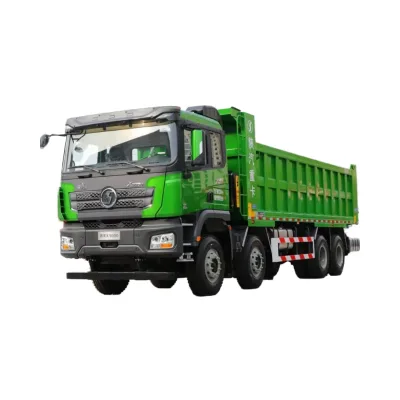
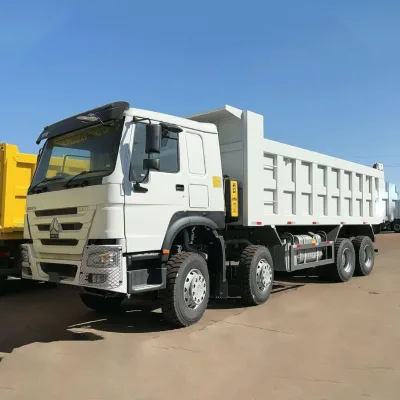
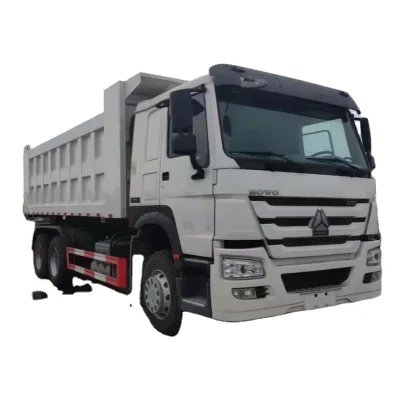
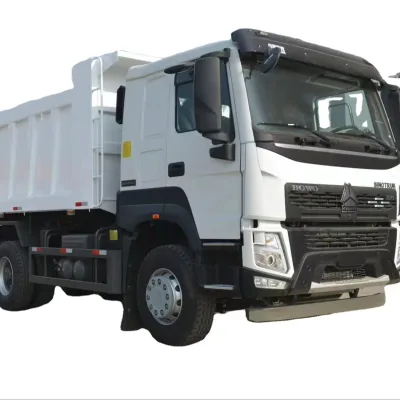
The listing covers HOWO and SITRAK model families with dump trucks, front-lifting tipper trucks, concrete mixer trucks, tractor heads, and tow trucks. Payload ratings span 20 to 35 tons with 6x4 and 8x4 drive configurations and manual transmissions. Match the body type and axle configuration to your road conditions and typical cargo before shortlisting.
Do these suppliers offer customization or OEM services for heavy trucks?
At least one supplier advertises ODM and OEM capability and lists customization as available on its products, which can include cab options, paint, or equipment mounting. For used trucks, customization is usually limited compared with new builds. Confirm in writing which modifications are feasible, their cost, and their effect on delivery time.
Are these heavy truck suppliers verified, and what does that mean?
Suppliers in this listing carry third-party verification badges such as SGS and BV, which indicate that business credentials were checked by those inspection firms. Verification is not a performance guarantee. Independently confirm export experience, spare-parts support, after-sales terms, and ask for recent shipment references to your country before paying.
Which emission standard should I choose for my market or region?
Euro 3 suits markets that accept older emission rules, but stricter regions may require Euro 5 or Euro 6, which this listing also includes. Importing a truck below your local emission standard can result in refusal at customs or registration problems. Verify your destination's current emission requirement with customs or a local registration authority before ordering.