Double Wall PET Cream Jar Suppliers and Manufacturers
Explore 22 verified options for Double Wall PET Cream Jar sourcing with dimensions like location, lead time, and MOQ. Compare response times and certifications to select a suitable partner for your packaging needs today; review the available evidence before requesting comparable quotations from suitable candidates.
Suppliers List

Ningbo Somewang Packaging Co., Ltd.
- Verified by SGS
- Combined
- China Zhejiang
- Lead time23 days
- Avg. response≤ 4h
Main productsCosmetic Packaging, Cosmetic Bottle, Plastic Bottle, Cosmetic Tube, Cream Jar, Lotion Pump, Mist Sprayer, Trigger Sprayer, Plastic Cap, Glass Bottle
Main marketsSoutheast Asia/ Mideast,Europe,North America


Large Capacity Double Wall Pet Cream Jar 200ml Facial Lotion Cosmetic Packaging
$0.17 - $0.18
Moq: 10000


Guangzhou Winly Packaging Products Co., Ltd.
- Verified by CTI
- Trading Company
- China Guangdong
- Lead time15 days
- Avg. response≤ 4h
Main productsCosmetic Packaging Pet Bottle, HDPE LDPE Bottle, Glass Bottle, Paper Boxes, Airless Bottle, Make-up Tools
Main marketsSoutheast Asia/ Mideast,Europe,North America

Yuyao Xianghao Mold Technology Company Limited
- Verified by BV
- Trading Company
- China Zhejiang
- Lead time30 days
- Avg. response≤ 10h
Main productsInjection Mold, Plastic Mold, Injection Molding, Rapid Prototyping, 3D Pritting, Manhole Cover Mold, Silicone Rubber Mould, Wire Rack, Car Air Compressor, LED Light
Main marketsNorth America

Shangyu Shengruisi Packaging Co., Ltd.
- Verified by CTI
- Combined
- China Zhejiang
- Lead time60 days
- Avg. response≤ 6h
Main productsRoll on Bottle, Roller Bottle, Airless Bottle, Perfume Bottle, Essential Oil Bottle, Cosmetic Packaging, Plastic Bottle, Make up Series, Pet Bottle, Cosmetic Jar
Main marketsSouth America,Southeast Asia/ Mideast,East Asia(Japan/ South Korea),Europe,Australia,North America

Guangzhou Shengni Plastic Products Co., Ltd.
- Verified by SGS
- Trading Company
- China Guangdong
- Lead time15 days
- Avg. response≤ 2h
Main productsPlastic Bottle, Plastic Cap, Plastic Pump, Fine Mist Sprayer, Plastic Preform, Trigger Sprayer, Cream Pump, Sprayaer Bottle, Sprayer Pump, Lotion Bottle
Main marketsAfrica,Southeast Asia/ Mideast,Europe

200g Plastic Pet Green Thick Wall Repair Container Moisturizing and Skin Face Cream Jar
$0.07 - $0.30
Moq: 10000


Shatterproof 50g Premium Bulk Cosmetic Packaging Pet Cream Bottle Plastic Jar
$0.35 - $0.38
Moq: 10000


Anhui Avantis Packaging Technology Co., Ltd.
- Verified by CTI
- Trading Company
- China Anhui
- Lead time23 days
- Avg. response≤ 5h
Main productsGlass Bottle, Glass Container, Rolling Tray, Mylar Bag, Rolling Cone Tube, Plastic Joint Tubes, Glass Tube, Hinged Cap Vials, Child-Resistant Packaging, Sitz Bath
Main marketsSouth America,Africa,Southeast Asia/ Mideast,Europe,Australia,North America


Custom Large Capacity Black Pet Plastic Jar Wide Mouth Cream Jar with Childproof Lid
$0.06 - $0.15
Moq: 10000

Hebei Lingjin Import and Export Co., Ltd.
- Verified by CTI
- Trading Company
- China Hebei
- Lead time30 days
- Avg. response≤ 3h
Main productsBaseball Hats, Trucker Hats, Peforated Hats, Bucket Hats, Snapback Hats, Beanie Hats, 5 Panel Hats, Plastic Bottle, Plastic Tank, Essential Oil Bottle
Main marketsEurope,Australia,North America

Ningbo Langyi Plastic Industry Co., Ltd.
- Verified by TUVRHEINLAND
- Combined
- China Zhejiang
- Lead time23 days
- Avg. response≤ 5h
Main productsCosmetic Packaging, Trigger Sprayer, Mist Sprayer, Lotion Pump, Cream Pump, Cosmetic Bottle, Acrylic Bottle, Airless Bottle, Cream Jar, Packaging Bottles
Main marketsSouth America,Southeast Asia/ Mideast,Europe

Guangzhou Huadu District Fengxin Plastic Products Factory
- Manufacturer
- China Guangdong
- Lead time23 days
- Avg. response≤ 2h
Main productsPet Plastic, Pet Tube, Pet Bottle, Pet Jar, HDPE Bottle, PVC Bottle, Acrylic Bottle, Acrylic Jar, Airless Bottle, Plastic Tube
Main marketsSoutheast Asia/ Mideast,Europe,Australia,North America

- Verified by BV
- Trading Company,Manufacturer/Factory
- China Zhejiang
- Lead time45 days
- Avg. response≤ 4h
Main productsPet Bottles, PP_PE Bottles, Plastic Tubes, Sustainable Packaging, R&D Service, PCR Pacakgaing, Sugarcane Packaging, Mono Material Packaging, Abl Tubes, Aluminum Tubes
Main marketsSouth America,Eastern Europe,Mid East,North America,Southeast Asia,Eastern Asia,Oceania,Western Europe,Africa

Xiamen Sinogrinder Houseware Co., Ltd.
- Verified by BV
- Trading Company
- China Fujian
- Lead time23 days
- Avg. response≤ 3h
Main productsPepper Grinder, Coffee Grinder, Salt Grinder, Spice Grinder, Salt and Pepper Grinder Set, Spice Bottle, Electric Pepper and Salt Grinder Set, Spice Jar, Salt and Pepper Grinder, Seasoning Bottle
Main marketsSouth America,Southeast Asia/ Mideast,East Asia(Japan/ South Korea),Europe,Australia,North America

guangzhou huaxin plastic product co.ltd
- Verified by CTI
- Combined
- China Guangdong
- Lead time30 days
- Avg. response≤ 3h
Main productsPlastic Tube, Cosmetic Tube, Soft Tube, Plastic Tube Packaging, PE Tube, Clear Plastic Tube, Hand Cream Tube, Eye Cream Tube, Pet Bottle, Cosmetic Jar
Main marketsSouth America,Africa,Southeast Asia/ Mideast,East Asia(Japan/ South Korea),Domestic,Europe,Australia,North America


150g 200g Storage Cosmetic Plastic Cookie Jars with Lids Cosmetic Pet Cream Jars
$0.15 - $0.40
Moq: 5000


ningbo crown commodity co.,ltd
- Verified by SGS
- Combined
- China Zhejiang
- Lead time30 days
- Avg. response≤ 25h
Main productsPerfume Sprayer, Lotion Pump, Trigger Sprayer, Pet Bottle, Cosmetic Package, Eyeliner Package
Main marketsAfrica,Southeast Asia/ Mideast,Europe,North America


Pet Bottle, Plastic Jar, Cosmetic Jar
Contact supplier

Pet Bottle, Plastic Jar, Cosmetic Jar
Contact supplier

Pet Jar, Plastic Bottle, Pet Bottle
Contact supplier

Guangzhou YELLO Packaging Co., Ltd.
- Trading Company,Manufacturer/Factory
- China Guangdong
- Lead time15 days
- Avg. response≤ 5h
Main productsCosmetic Packaging, Cosmetic Bottle, Plastic Bottle, Pet Bottle, Plastic Jar, Pet Jar, Cosmetic Jar, Lotion Tube, Cosmetic Tube, Plastic Tube
Main marketsSouth America,Eastern Europe,Mid East,North America,Southeast Asia,Eastern Asia,Oceania,Western Europe,Africa

Shenzhen Zhenghao Plastic & Mold Co., Ltd.
- Combined
- China Guangdong
- Lead time23 days
- Avg. response≤ 4h
Main productsPlastic Bottle, Plastic Jar, Plastic Container
Main marketsSouth America,Europe,Australia,North America

Thick Wall Pet Jar Cream Lotion Jar Plastic Cosmetic Jars Transparent Cosmetic Container
$0.10 - $0.50
Moq: 5000

Custom Eco Friendly 250ml Plastic Pet Frosted Body Butter Hair Mask Skin Care Cream Jar
$0.20 - $0.35
Moq: 5000
Shanghai Best China Industry Co., Ltd.
- Trading Company
- Lead time旺季: "1 - 3000":31,"3001 - 9999":33,"10000 - 30000":35,"> 30000":"To be negotiated", 淡季: "1 - 3000":31,"3001 - 9999":33,"10000 - 30000":35,"> 30000":"To be negotiated"
- Avg. response≤ 3h
Main productsGlass Bottle, Plastic Bottle, Glass Jar, Plastic Jar

Guangzhou T&E Packaging Co., Limited
- Trading Company,Manufacturer/Factory
- China Guangdong
- Lead time45 days
- Avg. response≤ 7h
Main productsPerfume Bottle, Cosmetic Bottle, Pet Bottle, Glass Bottle, Plastic Bottle, Lotion Pump, Fine Mist Sprayer, Bottle Cap, Closure, Plastic Tube
Main marketsEastern Europe,Mid East,North America,Southeast Asia,Eastern Asia,Western Europe,Africa

15ml~300ml Customized Pet Cosmetic Luxury Jar High Quality Thick-Wall Cream Jar
$0.55 - $0.92
Moq: 1000


NINGBO WELLJAR PLASTIC TECHNOLOGY CO., LTD.
- Verified by BV
- Combined
- China Zhejiang
- Lead time23 days
- Avg. response≤ 9h
Main productsPet Bottle
Main marketsSouth America,Africa,Southeast Asia/ Mideast,East Asia(Japan/ South Korea),Europe,Australia,North America

Jinhua Allies Import and Export Co., Ltd.
- Verified by SGS
- Manufacturer/Factory
- China Zhejiang
- Lead time23 days
- Avg. response≤ 5h
Main productsCanister, Container, Bottle, Cosmetic, Make up, Plastic Packaging, Eyeshadow, Palette, Box, Compact Case
Main marketsSouth America,Mid East

Xiamen Luckypack Paper Products Co., Limited
- Verified by TUVRHEINLAND
- Manufacturer/Factory
- China Fujian
- Lead time30 days
- Avg. response≤ 13h
Main productsPaper Cup, Biodegradable Tableware, Disposable Cup, Food Box
Main marketsEastern Europe,North America,Southeast Asia

Guangzhou Meiyan Packaging Products Co., Ltd.
- Verified by BV
- Trading Company
- China Guangdong
- Lead time15 days
- Avg. response≤ 9h
Main productsPlastic Bottle, Plastic Jar, Plastic Packaging, Plastic Tube, Glass Bottle, Glass Jar, Packaging Container, Paper Packaging, Cosmetics Packaging, Haircare Packaging
Main marketsEast Asia(Japan/ South Korea),Europe,North America

Yuyao Zhuoxin Import & Export Co., Ltd.
- Trading Company,Manufacturer/Factory
- China Zhejiang
- Lead time0 days
- Avg. response≤ 7h
Main productsTrigger Sprayer, Lotion Pump, Mist Sprayer, Cream Pump, Plastic Vacuum Bottle, Plastic Acrylic Jar, Plastic Cap, Card/Pen Perfume Sprayer, Lipstick Case, Cream Jar
Main marketsSouth America,Eastern Europe,Mid East,North America,Southeast Asia,Eastern Asia,Oceania,Western Europe,Africa




Comprehensive Sourcing Guide
Double Wall PET Cream Jar Supplier Concentration and Factory Types
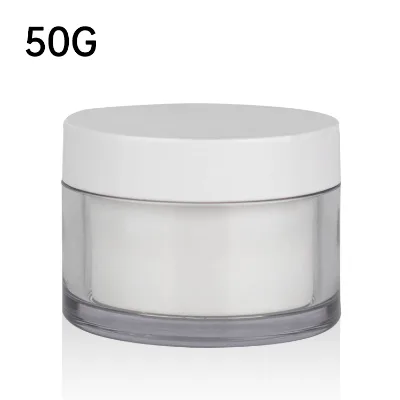
The current supplier landscape for double wall PET cream jars shows a concentration of manufacturing capabilities within China, specifically in the Zhejiang and Guangdong provinces. Fact-based observations indicate that suppliers in Zhejiang operate as combined entities offering both OEM and ODM services alongside their own brands, while those in Guangdong are identified as trading companies. This distinction is critical for buyers, as combined factories typically manage the entire production cycle from raw material to finished packaging, whereas trading companies may source from multiple manufacturers. The main product lists for these regions consistently feature cosmetic packaging, plastic bottles, and various jar types, confirming a specialized cluster for this specific packaging category.
When evaluating factory types, buyers must distinguish between the operational models presented in the search results. A combined company type suggests direct access to production lines and potentially more flexible customization options for double wall structures. In contrast, trading companies often provide a broader range of related products like airless bottles or glass containers but may have less direct control over the specific molding process of the PET jars. The presence of ODM and OEM capabilities in the Zhejiang data suggests these suppliers can handle custom designs, while the trading company model in Guangdong might focus on aggregating existing stock or coordinating with external factories. Buyers should verify the actual production capacity and ownership structure before committing to a partnership, as the factory type directly influences lead times and quality control protocols.
How to Verify Double Wall PET Cream Jar Suppliers
Verification of suppliers for double wall PET cream jars relies heavily on third-party audit results and specific certification data provided in the product listings. Current evidence shows that some suppliers hold SGS verification status, while others are verified by CTI, indicating different levels of external scrutiny regarding their business operations and product quality. Additionally, product attributes frequently list ISO and CE certifications, which serve as indicators of compliance with international management and safety standards. However, the absence of system certifications in some records means buyers cannot assume universal compliance and must request specific documentation for each potential partner. The presence of these verification badges and certification codes provides a baseline for trust, but they do not replace the need for direct communication and sample evaluation.
Beyond digital verification badges, buyers should scrutinize the specific product attributes linked to the double wall construction. Evidence shows that product models like SWC-JT80DC and WPJ-090 come with detailed specifications regarding dimensions, materials, and usage scenarios such as food, chemical, or cosmetic applications. These details help confirm that the supplier understands the technical requirements of double wall PET jars, which often require specific molding techniques to ensure durability and insulation. Buyers should cross-reference the listed certifications with the actual product samples to ensure the claims match the physical goods. Furthermore, checking the response time metrics, which range around 3.8 hours in the data, can indicate the supplier's operational readiness and communication efficiency. A slow response time might signal a lack of dedicated support staff, which could complicate the verification process for custom orders.
What to Compare Across Double Wall PET Cream Jar Suppliers
Comparing suppliers requires a systematic analysis of key operational metrics such as lead time, minimum order quantity, and pricing structures found in the product data. Lead times vary significantly, with some suppliers indicating a 23-day window while others offer a 15-day turnaround, directly impacting inventory planning and time-to-market strategies. Minimum order quantities also differ, with some listings showing an MOQ of 10,000 units and others as low as 5,000 pieces, which affects the financial risk for new buyers entering the market. Price ranges are equally diverse, spanning from approximately $0.05 to $1.50 per unit depending on the jar size, wall thickness, and customization level. These variables must be weighed against the specific needs of the buyer's project to determine the most cost-effective and efficient partner.
In addition to logistical metrics, buyers should compare the scope of customization and material specifications offered by different suppliers. The data reveals that customization is generally available, with options for custom colors, logos, and specific dimensions like D72*H53MM or 200ml capacity. Some suppliers offer free samples, which is a valuable differentiator for quality assessment, while others may charge for this service. The material composition is consistently listed as plastic, specifically PET, but the thickness and wall structure details vary by model. Buyers should also evaluate the packaging methods, such as export standard cartons or custom packaging, as these affect shipping costs and product protection. By creating a comparison matrix of these attributes, buyers can objectively rank suppliers based on their ability to meet specific project requirements rather than relying on general marketing claims.
Common Double Wall PET Cream Jar Sourcing Risks
One significant risk in sourcing double wall PET cream jars involves the discrepancy between claimed certifications and actual product compliance. While product attributes frequently list ISO and CE certifications, the system certification field sometimes shows "NIL," creating ambiguity about the depth of the supplier's quality management system. This inconsistency can lead to situations where a product meets specific safety standards but lacks the broader organizational oversight required for large-scale production consistency. Buyers must verify that the certifications listed on the product page apply to the specific manufacturing facility and not just a generic corporate claim. Relying solely on the presence of a certification label without confirming its validity for the specific batch or model can result in non-compliant goods that fail regulatory checks in the destination market.
Another critical risk is the variation in lead times and the potential for delays due to capacity constraints. The observed lead times of 15 to 23 days suggest a range of production efficiencies, but these figures do not account for potential bottlenecks during peak seasons or raw material shortages. If a supplier promises a 15-day lead time but lacks the capacity to handle the order volume, delays can cascade, affecting the entire supply chain. Additionally, the reliance on trading companies in some regions introduces an extra layer of complexity, as they may not have direct control over the production schedule. Buyers should mitigate this risk by establishing clear contractual terms regarding penalties for delays and by maintaining open communication channels to monitor production progress. Understanding the supplier's actual capacity and historical performance is essential to avoid these common pitfalls.
Double Wall PET Cream Jar Regional Sourcing and Logistics
Regional sourcing strategies for double wall PET cream jars are heavily influenced by the geographic concentration of suppliers in China, particularly in Zhejiang and Guangdong. The data indicates that Zhejiang-based suppliers often operate as combined entities with strong manufacturing capabilities, while Guangdong suppliers frequently function as trading companies. This regional split affects logistics planning, as Zhejiang factories may offer more direct shipping options for bulk orders, whereas Guangdong trading companies might consolidate shipments from multiple sources. The product origin is consistently listed as China or specific provinces like Zhejiang and Guangzhou, which helps buyers estimate shipping distances and transit times to major global markets. Understanding these regional nuances allows buyers to optimize their logistics strategy based on the specific supplier's location and operational model.
Logistics considerations also extend to the packaging and shipping methods specified in the product attributes. Evidence shows that suppliers offer packing options such as "by Sea/Air" or "Export Standard Carton," which directly impacts the cost and speed of delivery. For heavy or large-volume orders, sea freight is often the most economical choice, while air freight may be necessary for urgent, smaller batches. The dimensions of the jars, such as D72*H53MM or 200ml capacity, influence how many units can be packed per container, affecting the overall shipping efficiency. Buyers should calculate the total landed cost, including freight, insurance, and customs duties, based on the specific packaging and shipping method chosen. Additionally, the eco-friendly nature of the products and the availability of customized packaging can influence the sustainability profile of the logistics chain, which is increasingly important for modern brands.
Double Wall PET Cream Jar Commercial Terms and Order Planning
Commercial terms for double wall PET cream jars vary significantly based on the supplier's location and business model, requiring careful negotiation to align with buyer expectations. The data shows that some suppliers offer free samples, which is a favorable term for initial quality assessment, while others may require payment for samples or have specific conditions for customization. Pricing structures are also diverse, with ranges from $0.05 to $1.50 per unit, necessitating a clear understanding of the factors driving these costs, such as material quality, wall thickness, and customization complexity. Buyers should clarify payment terms, such as deposit percentages and balance due dates, to ensure cash flow compatibility. Additionally, the availability of OEM and ODM services suggests that buyers can negotiate specific design and branding terms, which should be documented clearly in the purchase agreement.
Order planning must account for the minimum order quantities and lead times to ensure a smooth supply chain operation. With MOQs ranging from 5,000 to 10,000 units, buyers need to forecast demand accurately to avoid overstocking or stockouts. The lead times of 15 to 23 days require advance planning, especially for seasonal products or time-sensitive launches. Buyers should also consider the impact of customization on lead times, as custom colors, logos, and dimensions may extend the production schedule. Establishing a clear timeline for sample approval, production, and shipping is essential to meet delivery deadlines. Furthermore, buyers should plan for potential variations in pricing due to raw material fluctuations and negotiate fixed-price contracts where possible to mitigate financial risk. By integrating these commercial terms into a comprehensive order plan, buyers can secure a reliable supply of double wall PET cream jars.
FAQs
What is the typical lead time for double wall pet cream jars?
Lead times for these jars typically range from 15 to 23 days depending on the supplier. This duration covers production and preparation for export. Buyers should confirm specific timelines during the inquiry phase to align with their shipping schedules and inventory needs.
What is the minimum order quantity for these jars?
Minimum order quantities vary significantly, with some suppliers requiring 5,000 pieces and others requiring 10,000 pieces. These thresholds are standard for custom plastic packaging. Buyers should verify the exact MOQ for their specific size and customization requirements before placing an order.
What certifications do these pet cream jars hold?
Many of these jars hold ISO and CE certifications, which indicate compliance with international quality and safety standards. Some products may only have ISO certification. Buyers should request current certificates to ensure the packaging meets their specific regulatory requirements for food or cosmetic use.
Can suppliers customize the color and logo on the jars?
Yes, customization is widely available for color, logo, and surface treatments. Options include silk screen printing, hot stamping, and frosted or glossy finishes. Suppliers can accommodate specific branding needs, but buyers should confirm the minimum quantity required for custom printing and design approval processes.
What are the common sizes for double wall pet cream jars?
Common sizes range from small 8g jars to large 270ml containers. Popular capacities include 30ml, 50ml, 100ml, and 200ml. The specific dimensions, such as diameter and height, vary by model. Buyers should select a size that matches their product volume and dispensing requirements.
What is the price range for these cosmetic jars?
Prices typically range from $0.05 to $1.50 per unit, depending on size, customization, and order volume. Smaller jars are generally cheaper, while larger or highly customized options cost more. Buyers should request a detailed quote based on their specific specifications and shipping destination.
Are these jars suitable for food and chemical storage?
Yes, many of these jars are designed for use with food, tea, and chemicals. They are often made from eco-friendly plastic materials that meet safety standards. Buyers should verify the specific material compatibility and certifications to ensure the jars are suitable for their intended contents.