Dove Style Piggy Bank Suppliers and Manufacturers
Compare 31 verified suppliers offering Dove Style Piggy Bank options with varying lead times, MOQs, and certifications. Review response times and product specifications to select the right partner for your sourcing needs today; review the available evidence before requesting comparable quotations from suitable candidates.
Suppliers List

Shandong Huiyang Industry Co., Ltd.
- Trading Company
- Shandong, China
- Lead time40 days
- Avg. response≤ 4h
Main productsWood Storage,Wooden Crate,Wooden Wall Shelf,Wooden Tray,Wooden Furniture
Main marketsWestern Europe(28.00%), Northern Europe(25.00%), North America(15.00%), Mid East(10.00%), Eastern Asia(7.00%), Eastern Europe(5.00%), Oceania(5.00%), Africa(3.00%), Domestic Market(2.00%)

Ningbo General Union Co., Ltd.
- Verified by BV
- Trading Company
- China Zhejiang
- Lead time30 days
- Avg. response≤ 11h
Main productsCleaning Brush, Bottle, Kitchenware, Storage Box, Outdoor, Pet, Fitness Equipment, Digital Devices, Camping, Pet Bottle
Main marketsSouth America,Africa,Southeast Asia/ Mideast,East Asia(Japan/ South Korea),Europe,Australia,North America
Caoxian Shuanglong Arts & Crafts Plant
- Verified by SGS Group
- Manufacturer, Trading Company
- Lead time30 days
- Avg. response≤ 1h
Main productsWooden packaging, Wooden pet products, Wooden holiday decoration, Wooden home decoration, Wooden box
Main marketsDomestic Market(45%), North America(8%), Southeast Asia(8%)

- Verified by BV
- Trading Company
- China Shandong
- Lead time30 days
- Avg. response≤ 2h
Main productsCeramic Mugs, Ceramic Dinnerware, Ceramic Tea Set, Ceramic Kitchen Ware, Custom Drum Shape Ceramic Coffee Mug, 24oz Large Capacity 3D Embossed Mug, Porcelain Cappuccino Cup and Saucer, 14oz Custom Souvenirs Ceramic Mug, 12 Sets Vintage Reactive Glazed Tableware, Custom Royal White Ceramic Milk Jar
Main marketsNorth America

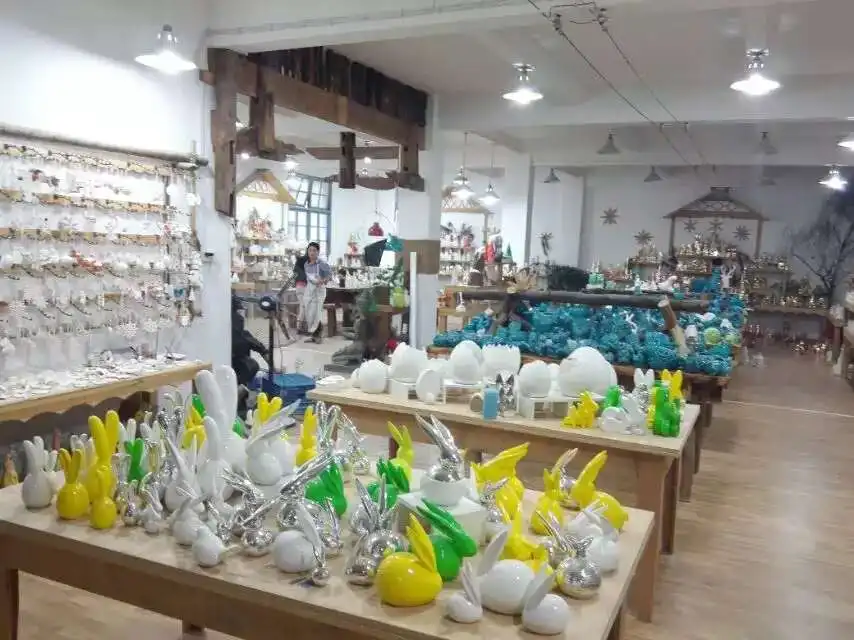
White Piggy Bank Custom Logo Cute Pig Coin Bank 3D Animal Bank Piggy Bank
$1.00 - $3.00
MOQ: 5000 Pieces

Dehua Beauty Rich Arts & Crafts Co., Ltd.
- Manufacturer, Trading Company
- Fujian, China
- Lead time30 days
- Avg. response≤ 9h
Main productsPolyresin crafts,Ceramic crafts,PVC crafts,Home decoration,Garden decoration
Main marketsEastern Europe(15.00%), North America(15.00%), South America(12.00%), Mid East(5.00%), Oceania(5.00%), South Asia(3.00%), Southern Europe(3.00%), Northern Europe(3.00%), Central America(3.00%), Western Europe(3.00%), Eastern Asia(3.00%), Domestic Market(3.00%), Southeast Asia(3.00%), Africa(2.00%)

NINGBO BOHONGCHUANGYI INTERNATIONAL CO., LTD.
- Trading Company,Manufacturer/Factory
- China Zhejiang
- Lead time30 days
- Avg. response≤ 8h
Main productsWooden Photo Frame, Photo Frame, Wooden Box, PVC Photo Frame, Baby Toy, Plastic Photo Frame, Glass Photo Frame, Polyresin Photo Frame, Wooden Toy, Leather Frame
Main marketsSouth America,Eastern Europe,Mid East,North America,Southeast Asia,Eastern Asia,Oceania,Western Europe,Africa


Modern Style Bat Saving Box Money Piggy Coin Bank for Desktop Decoration
$2.30 - $2.90
MOQ: 500 Pieces

Gold Frame Shadow Box Adult Piggy Bank Decorative Wooden Frame, Coin Bank Money Bank
$0.78 - $1.20
MOQ: 1000 Pieces

Green Color Frame Shadow Box Adult Piggy Bank Decorative Wooden Frame, Coin Bank Money Bank
$0.78 - $1.20
MOQ: 1000 Pieces

White Wood Frame Shadow Box Adult Piggy Bank Decorative Wooden Frame, Coin Bank Money Bank
$0.78 - $1.20
MOQ: 1000 Pieces
Fujian Dehua Dome Arts&crafts Co., Ltd.
- Verified by TüVRheinland
- Trading Company
- Lead time60 days
- Avg. response≤ 6h
Main productsCeramic Crafts, Resin Crafts
Main marketsWestern Europe(45%), North America(35%), Mid East(10%)
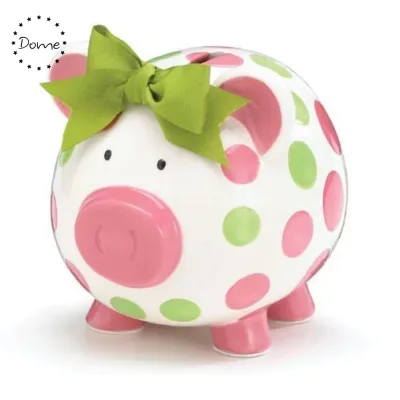
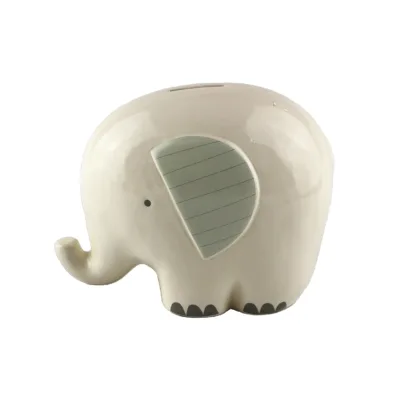
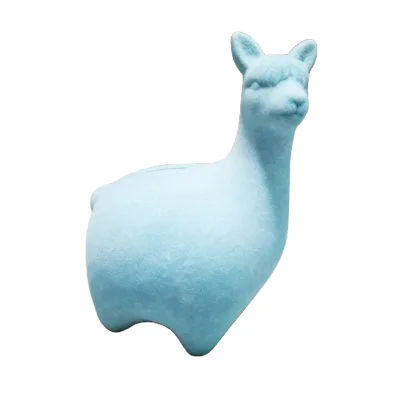
Wholesale Custom Color Alpaca Ceramic Flocked Piggy Bank Animal Shape Money Box
$2.50
MOQ: 1000 Minimum
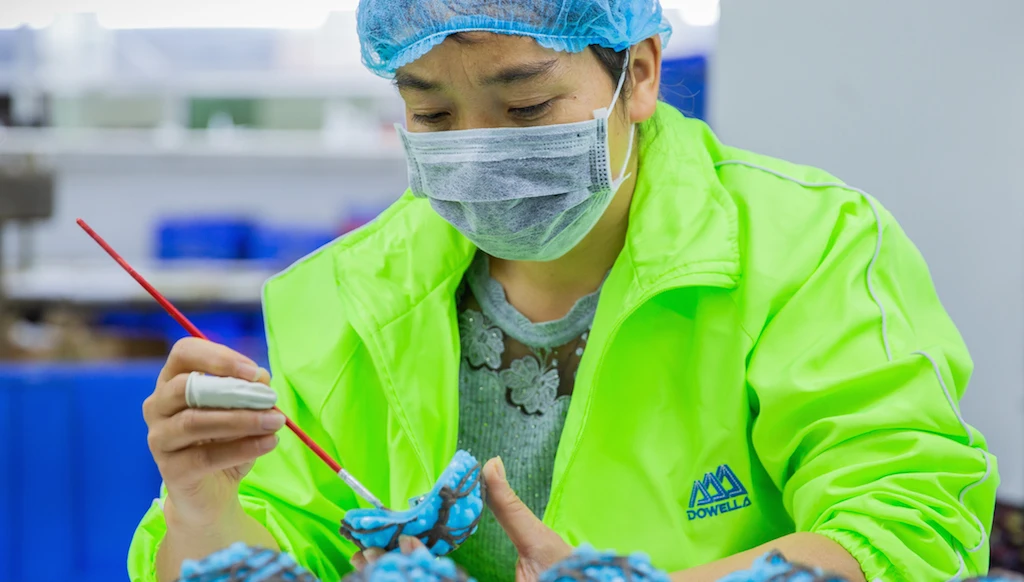
Shenzhen Dowella Plastic & Electric Co., Ltd.
- Manufacturer, Trading Company
- Guangdong, China
- Lead time35 days
- Avg. response≤ 1h
Main productspvc animal,tpr animal,silicone wrist
Main marketsNorthern Europe(16.67%), Mid East(16.67%), Eastern Europe(16.67%), South America(16.67%), North America(16.67%), Western Europe(6.00%)

Jinjiang Jiaxing Supply Management Co., Ltd.
- Verified by TUVRHEINLAND
- Trading Company
- China Fujian
- Lead time30 days
- Avg. response≤ 1h
Main productsEVA Clogs, Flip Flop, Shoe Charms, Shopping Bags, Wristbands, Gifts, Promotional Gifts, Slipper, Sport Cap, Ball
Main marketsNorth America

TAIZHOU HARSOUL IMP. & EXP. CO., LTD.
- Trading Company
- China Zhejiang
- Lead time30 days
- Avg. response≤ 14h
Main productsPromotion Gifts, Promotional Bag, Promotional Jewelry, Promotional Toys, Promotional Stationery, Promotional Plastic Goods
Main marketsOthers(foreignTradeCapacity.exportBusinessCapacityMarketOther),Europe,North America


Hot Sale Metal Tin Piggy Bank, Custom Printed Piggy Bank/Money Box/Coin Bank
$0.28 - $1.00
MOQ: 2000 Pieces


Quanzhou Leader Industry Limited
- Verified by TUVRHEINLAND
- Trading Company
- China Fujian
- Lead time30 days
- Avg. response≤ 22h
Main productsPolyresin Crafts, Metal Crafts, Souvenir Gifts, Snow Globe, Fridge Magnet, Bobble Heads, Resin Figurine, Ceramic Items, Garden Statue Garden Ornament, Ceramic Mug
Main marketsEurope

Yevir Car Piggy Bank, Cute Money Piggy Bank Coin Bank for Boys, Piggy Banks for Holiday Gifts
$2.80 - $2.85
MOQ: 2000 Pieces


BSCI Factory Adorable Ceramic Piggy Bank for Girls OEM Money Bank Welcome
$2.93 - $2.95
MOQ: 1000 Pieces

BSCI Factory Adorable Pig Unicorn Piggy Bank for Girls - Girls Ceramic Coin Bank with Rubber Stopper
$2.93 - $2.95
MOQ: 1000 Pieces
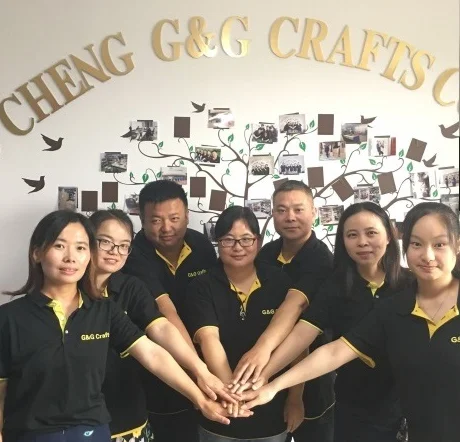
- Manufacturer
- Shandong, China
- Lead time30 days
- Avg. response≤ 4h
Main productsKitchen Items,Pet Supplies,Home Decoration,Garden Decoration
Main marketsNorth America(52.00%), Western Europe(20.00%), Southern Europe(5.00%), Northern Europe(5.00%), South America(5.00%), Eastern Asia(3.00%), Eastern Europe(3.00%), South Asia(2.00%), Southeast Asia(2.00%), Mid East(2.00%), Africa(1.00%)
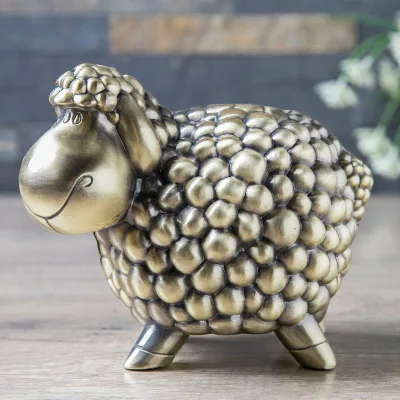
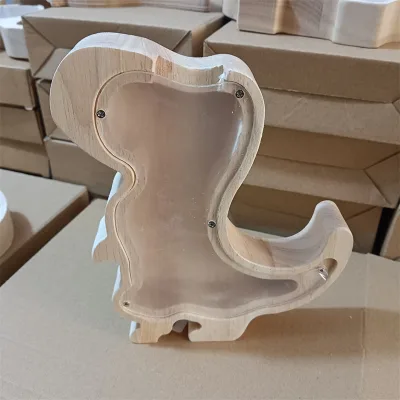
Factory High Quality Acrylic Piggy Bank Money Saving Box Dinosaur Piggy Bank
$1.99 - $2.77
MOQ: 10 Minimum
Classic Arts And Crafts Co., Ltd.
- Manufacturer, Trading Company
- Shandong Province, China
- Lead time15 days
- Avg. response≤ 3h
Main productswooden box,wooden tray,Storage rack,Pet supplies,Kitchen&Restaurant Series
Main marketsMid East(15.00%), Eastern Europe(15.00%), South America(15.00%), North America(15.00%), Central America(10.00%), Oceania(10.00%), South Asia(5.00%), Northern Europe(5.00%), Southeast Asia(5.00%), Western Europe(5.00%)
Cao County Grandview Arts & Crafts Co., Ltd.
- Manufacturer, Trading Company
- Shandong, China
- Lead time20 days
- Avg. response≤ 3h
Main productskitchen knife rack,wooden trash bin,wooden frames,kitchen wall shelf,bathroom storage rack
Main marketsNorth America(35.00%), Western Europe(13.00%), South Asia(10.00%), Eastern Europe(7.00%), Mid East(7.00%), Southern Europe(5.00%), Domestic Market(5.00%), Eastern Asia(5.00%), Southeast Asia(5.00%), Northern Europe(4.00%), Oceania(2.00%), Africa(2.00%)

Xiamen Ebei Import & Export Co., Ltd.
- Verified by CTI
- Trading Company,Manufacturer/Factory
- China Fujian
- Lead time45 days
- Avg. response≤ 2h
Main productsEco-Friendly Products, Bamboo Tableware, Bamboo Furniture, Bamboo Kitchenware, Bamboo Office Supply, Bamboo Fibre Products, Biodegradable Products, Bamboo Towel, Solar Energy Products, Bamboo Garden Products
Main marketsSouth America,Eastern Europe,Mid East,North America,Southeast Asia,Eastern Asia,Oceania,Western Europe,Africa

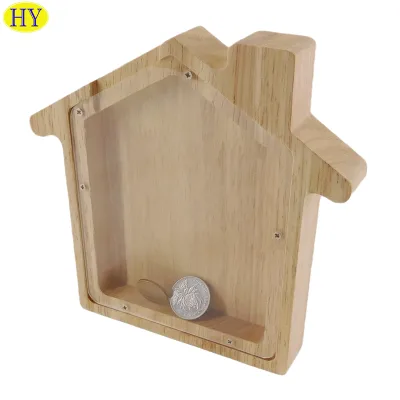
House Shaped Bamboo Coin Bank/Money Bank/Piggy Bank
MOQ: 1000 Pieces

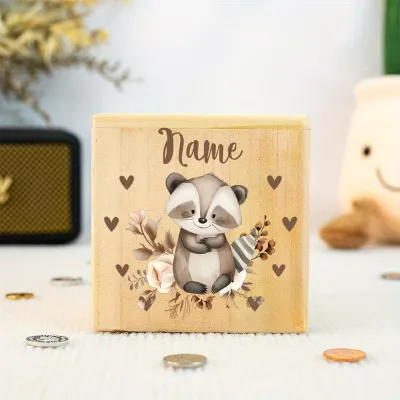
Personalized Wooden Piggy Bank for Kids
MOQ: 500 Pieces
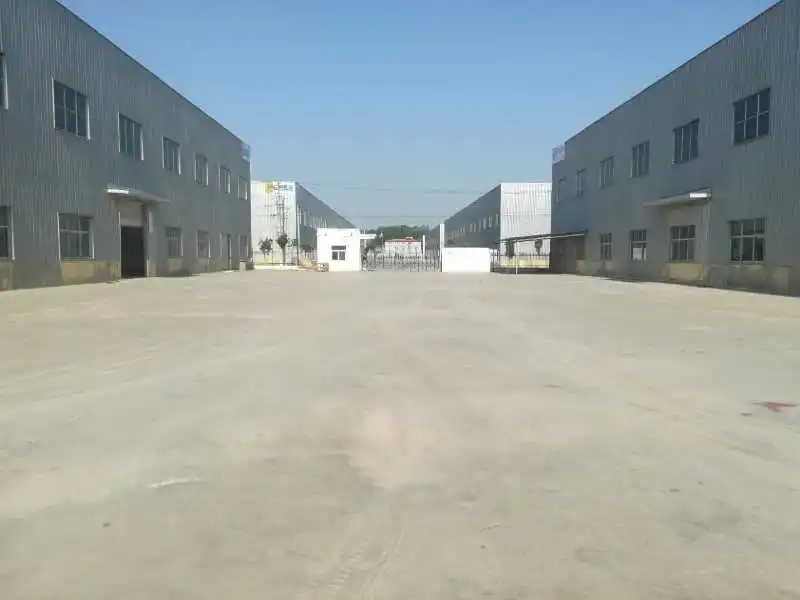
Cao County Dream Sun Furniture Co., Ltd.
- Manufacturer, Trading Company
- Shandong, China
- Lead time45 days
- Avg. response≤ 4h
Main productsWOODEN BOX,FURNITURE,WINE BARREL,Wall Storage Shelves,Kitchen&Bathroom Products
Main marketsDomestic Market(20.00%), Northern Europe(20.00%), Eastern Asia(10.00%), Mid East(10.00%), Western Europe(10.00%), Eastern Europe(10.00%), North America(5.00%), Southern Europe(5.00%), South Asia(5.00%), Central America(3.00%), South America(1.00%), Africa(1.00%)

- Verified by SGS
- Trading Company
- China Zhejiang
- Lead time15 days
- Avg. response≤ 15h
Main productsChristmas Decoration, Christmas Tree, Christmas Gift, Party Decoration, Promotional Product, Festival Items, Gift, Valentine, Party Items, Halloween Decorations
Main marketsEurope,Australia


Cross-Border Mother's Day Wooden Ornaments Gift Piggy Bank Crafts Decoration
$1.77 - $2.00
MOQ: 500 Pieces
Caoxian Harmony Home Crafts Co., Ltd.
- Manufacturer, Trading Company
- Shandong, China
- Lead time0 days
- Avg. response≤ 1h
Main productsCrafts
Main marketsSouth America(40.00%), Eastern Asia(10.00%), Mid East(10.00%), Oceania(10.00%), Africa(10.00%), Eastern Europe(10.00%), North America(10.00%)
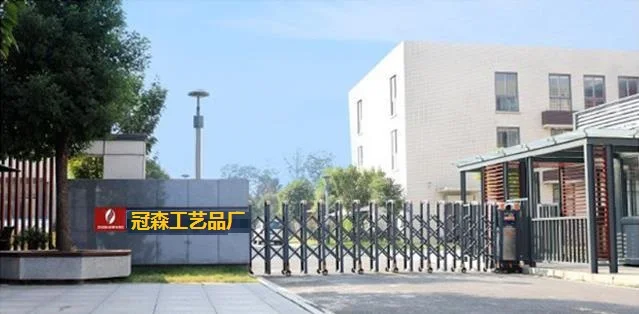
Changsha Guan Sen Homeware Co., Ltd.
- Trading Company
- Hunan, China
- Lead time15 days
- Avg. response≤ 6h
Main productshand folding fan,Furniture table,Kitchenware,Wooden Homeware,Custom Craft Umbrella
Main marketsNorth America(67.00%), Eastern Europe(10.00%), Northern Europe(8.00%), Western Europe(5.00%), Southeast Asia(3.00%), Mid East(2.00%), Southern Europe(2.00%), Africa(1.00%), South America(0.30%), Central America(0.30%), Eastern Asia(0.30%), Domestic Market(0.20%), Oceania(0.10%), South Asia(0.10%)

Quanzhou Wutongcrafts Co., Ltd.
- Verified by CTI
- Manufacturer/Factory
- China Fujian
- Lead time30 days
- Avg. response≤ 6h
Main productsResin Figurine, Snow Globe, Fridge Magnets, Tourist Souvenirs, Garden Ornaments, Holiday Decorations, Madonna Statue, Bobble Head, Polyresin Statue, Polyresin Flower Pot
Main marketsSouth America,Eastern Europe,North America,Oceania,Western Europe,Africa

Factory Customized Polyresin Coin Bank for Sale Cute Decorative Psyduck Piggy Bank
$1.00 - $8.00
MOQ: 500 Pieces

Cao County Jinpengyuan Container Packaging Co., Ltd.
- Verified by SGS Group
- Manufacturer, Trading Company
- Lead time30 days
- Avg. response≤ 4h
Main productsOak Barrel, Wooden Box, Wood Tray, Fumigator, Cutting Board
Main marketsDomestic Market(30%), North America(15%), South America(10%)
NANJING SONNY IMP. & EXP. CO., LTD.
- Verified by SGS
- Trading Company
- China Jiangsu
- Lead time60 days
- Avg. response≤ 18h
Main productsPlush Toys Animal Toys Baby Toys Pet Toys
Main marketsAfrica,Domestic,Europe

WENZHOU TIMES ARTS&CRAFTS CO., LTD.
- Verified by SGS
- Manufacturer/Factory
- China Zhejiang
- Lead time23 days
- Avg. response≤ 4h
Main productsToys, Montessori Toys, Wooden Toy, Educational Toy, Role Play Toys, Children Furniture, Puzzle, Kid Bike, Musical Toy, Wooden Blocks
Main marketsSouth America,Eastern Europe,Mid East,North America,Southeast Asia,Eastern Asia,Oceania,Western Europe,Africa

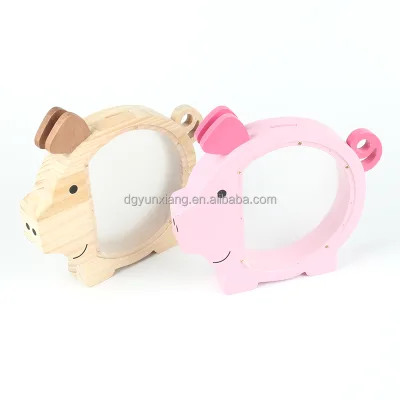
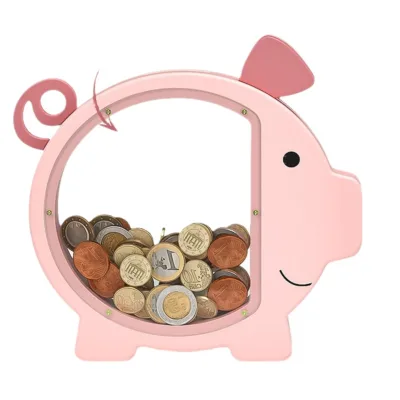
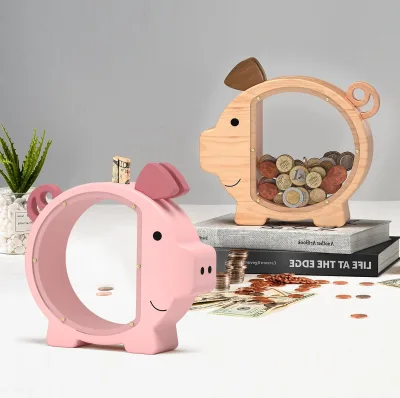
Wholesale Cheap Kids Cute Wooden Pink Piggy Bank for Coin Saving W02A275
$2.00 - $8.00
MOQ: 500 Pieces


Wholesale Lovely Wooden Unicorn Piggy Bank New Design Wooden Unicorn Piggy Bank for Kids W02A257
$1.00 - $5.00
MOQ: 500 Pieces


Wholesale Cheap Cute Wooden Cat Piggy Bank for Kids Saving Money W02A273
$2.00 - $8.00
MOQ: 500 Pieces

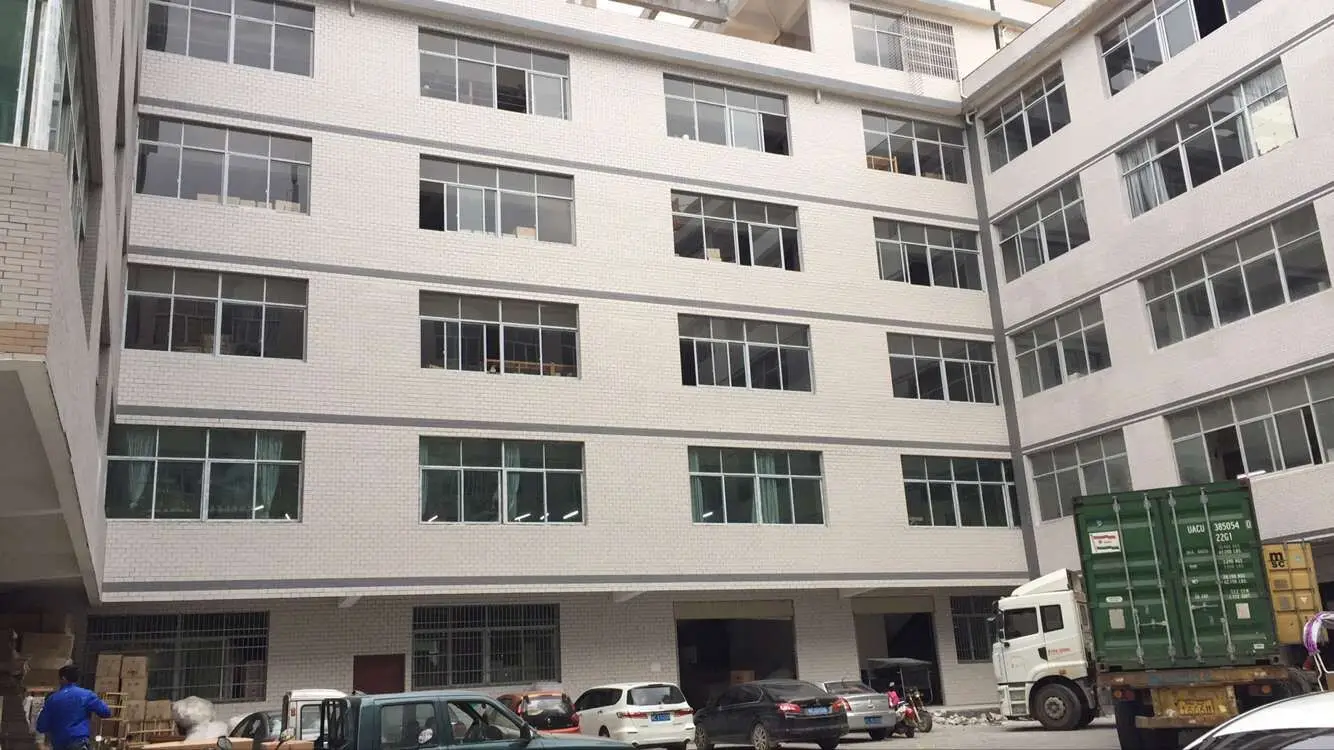
Xiamen Joinste Arts & Crafts Co., Ltd.
- Trading Company
- Fujian, China
- Lead time45 days
- Avg. response≤ 2h
Main productsCeramic Coffee Mug, Ceramic Cookie Jar, Ceramic Salt and Pepper Shakers, Ceramic Candle Jar, Ceramic Coin Bank
Main marketsNorth America(40.00%), South America(20.00%), Western Europe(10.00%), Eastern Asia(10.00%), Oceania(5.00%), Southern Europe(5.00%), Central America(5.00%), Northern Europe(5.00%)
Cao County Lubang Wood Products Co., Ltd.
- Manufacturer, Trading Company
- Shandong, China
- Lead time7 days
- Avg. response≤ 1h
Main productswooden box,Wooden storage rack,Wooden tray,Wooden crafts
Main marketsNorth America(40.00%), Southeast Asia(10.00%), Central America(5.00%), Mid East(5.00%), Africa(5.00%), South America(5.00%)

Jinjiang Naike Eco Technology Co., Ltd.
- Verified by SGS
- Trading Company
- China Fujian
- Lead time30 days
- Avg. response≤ 2h
Main productsKeychain, Promotional Gifts, Shoes Charm, Straw Toppers, Pencil Toppers, Christmas Decoration, Party Decoration, Toy, Metal Craft, Silicone Products
Main marketsEurope,North America

Wholesale PVC Pig Shaped Storage Money Box Unbreakable Plastic Piggy Bank
$0.58 - $0.82
MOQ: 1000 Pieces

New Arrival Custom Plastic Safe Coin Box Home Decoration Promotion Soft PVC Cute Piggy Bank
$1.11 - $2.01
MOQ: 300 Pieces

Fuzhou Deco-Route Import & Export Co., Ltd.
- Verified by SGS
- Trading Company
- China Fujian
- Lead time15 days
- Avg. response≤ 4h
Main productsPolyresin
Main marketsEurope
Cao County Huiy Arts & Crafts Factory
- Verified by SGS Group
- Manufacturer, Trading Company
- Lead time30 days
- Avg. response≤ 3h
Main productsWooden Box, Wooden Decoration, Bird House, Wood Craft, Wood Homeware
Main marketsNorth America(22%), Western Europe(18%), Eastern Asia(16%)

Caoxian Xinjuyuan Arts Crafts Co., Ltd.
- Manufacturer, Trading Company
- Shandong, China
- Lead time30 days
- Avg. response≤ 1h
Main productsWoodwork,weaving,bamboo,wood cork,arts and crafts
Main marketsNorth America(40.00%), Eastern Europe(20.00%), South America(20.00%), Domestic Market(10.00%), Eastern Asia(10.00%)
Dongguan Yunxiang Wooden Handicrafts Co., Ltd.
- Verified by TüVRheinland
- Manufacturer, Trading Company
- Lead time30 days
- Avg. response≤ 3h
Main productsWood Products, Wooden Lid, Wooden Box, Wooden Toy, Wood Kitchenware
Main marketsDomestic Market(39%), North America(20%), Southeast Asia(10%)
Caoxian Zhecheng Wood Industry Co.,ltd
- Verified by SGS Group
- Manufacturer, Trading Company
- Lead time20 days
- Avg. response≤ 2h
Main productsWooden box, Wooden tray, Wooden shelf, Wooden crate
Main marketsNorth America(50%), Western Europe(30%), Mid East(10%)
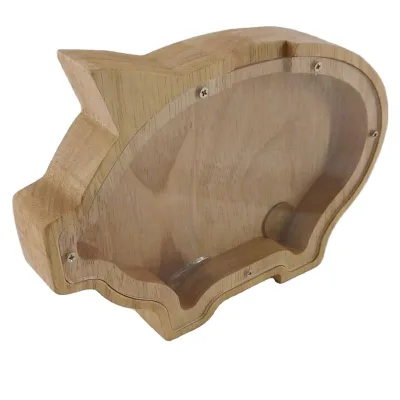



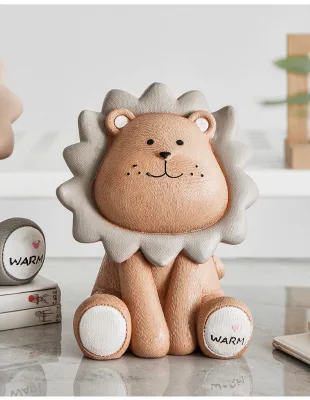
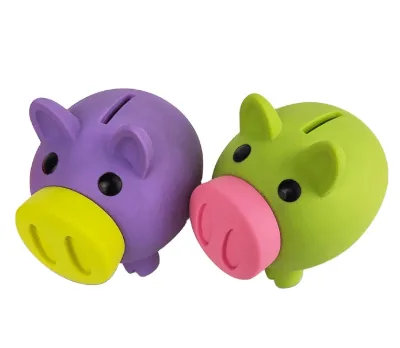


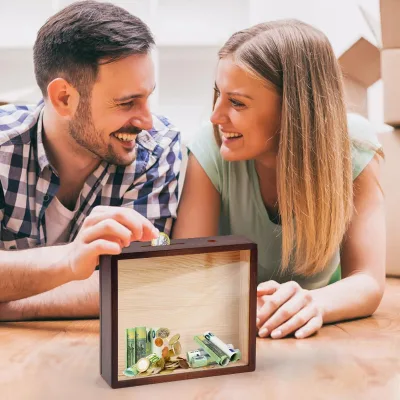
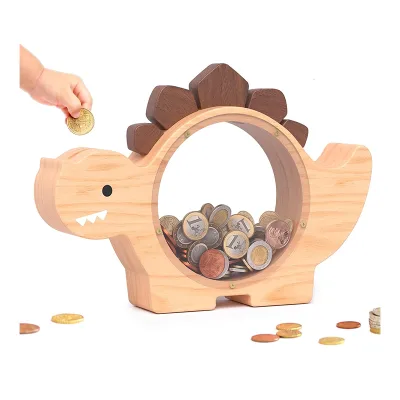
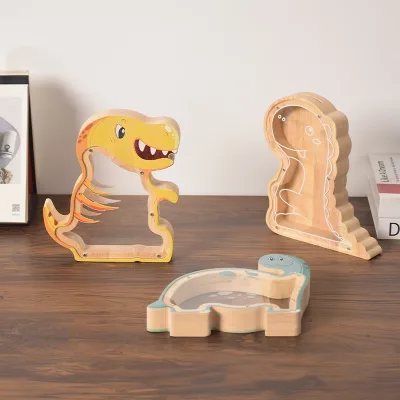
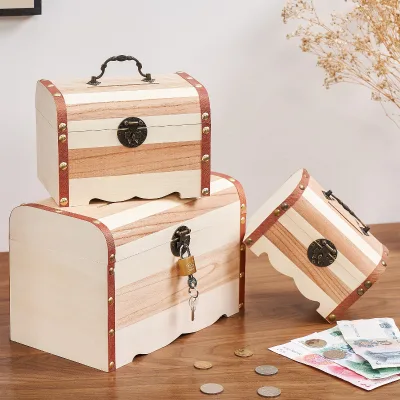
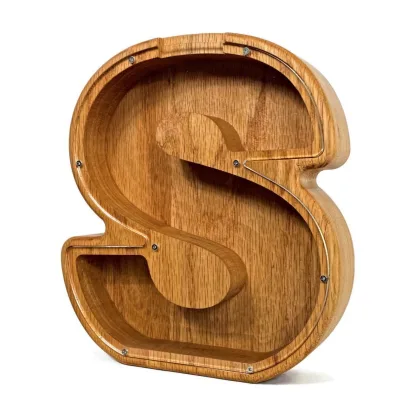
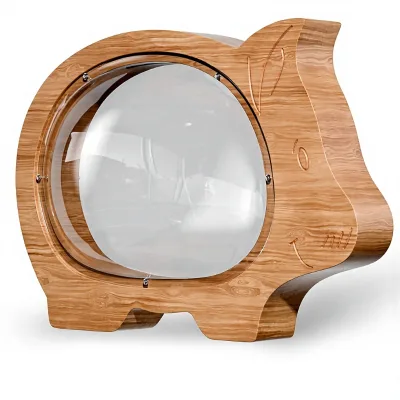
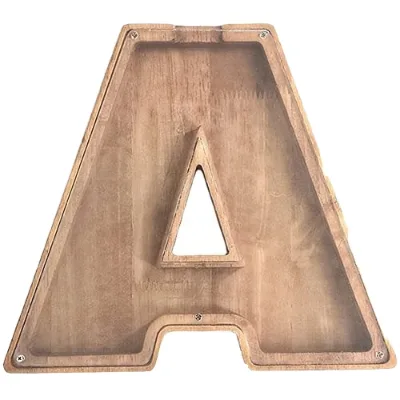
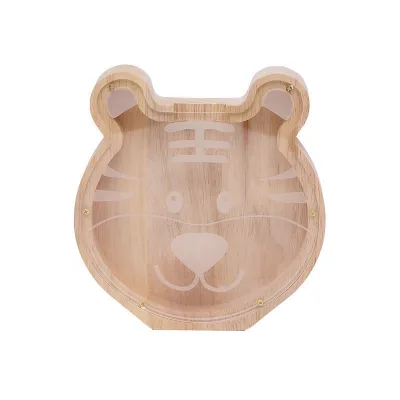
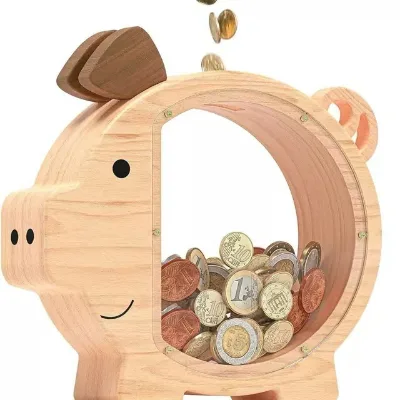
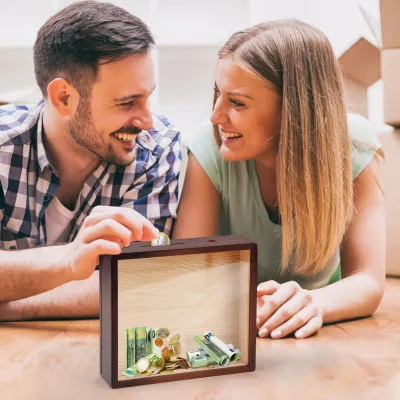
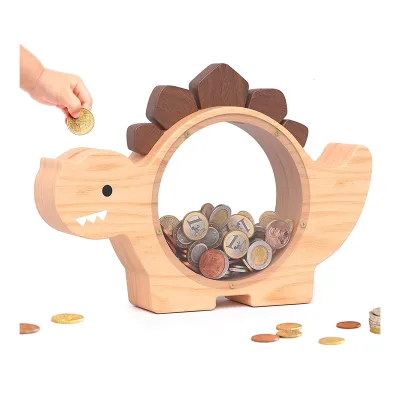
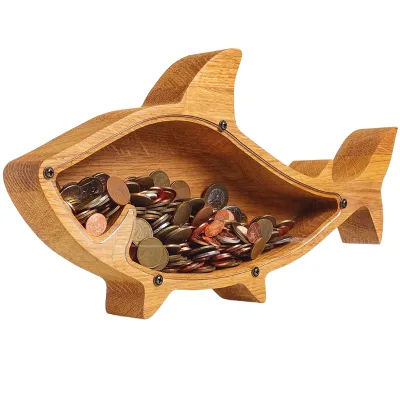
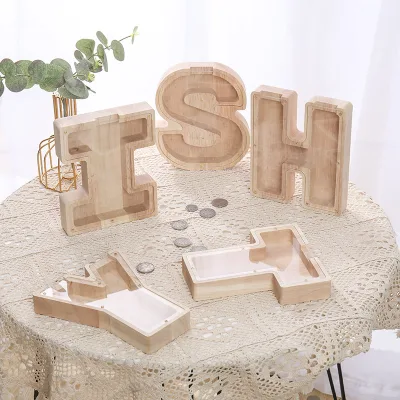
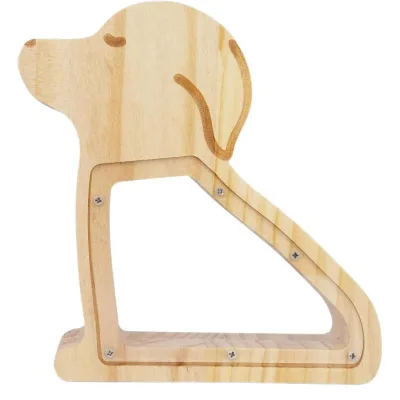
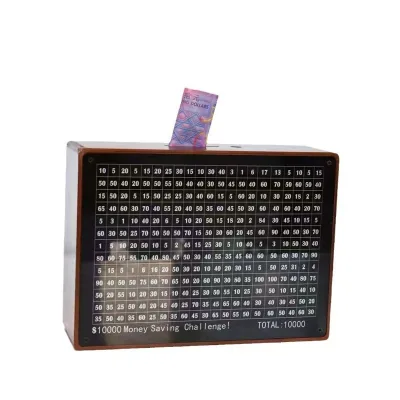
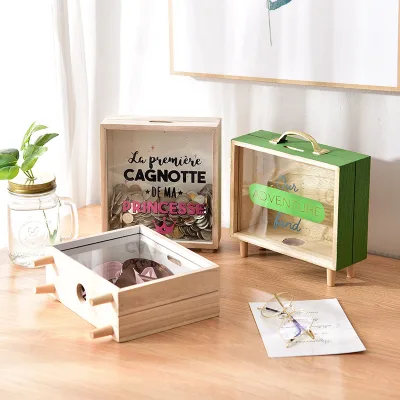


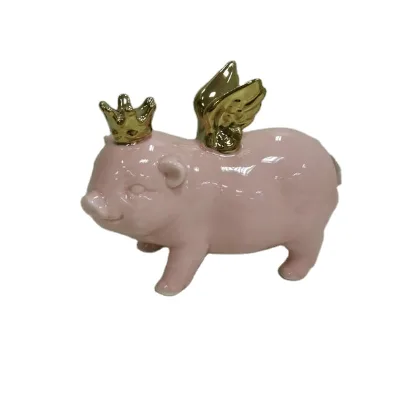
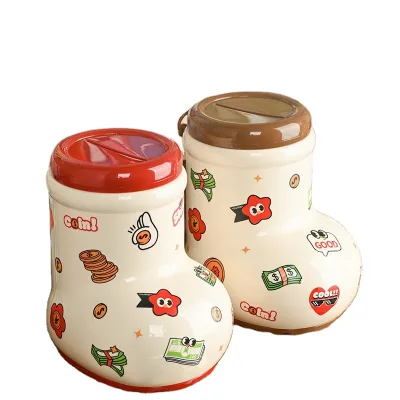
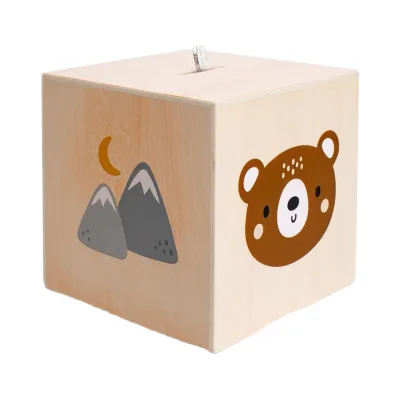


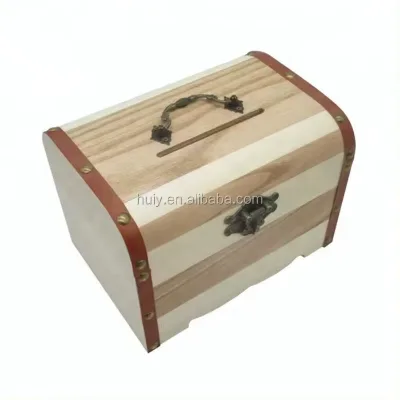
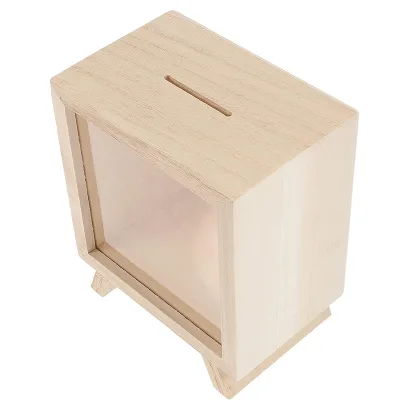
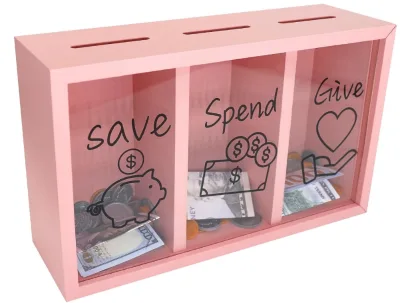
Comprehensive Sourcing Guide
Dove Style Piggy Bank Supplier Concentration and Factory Types
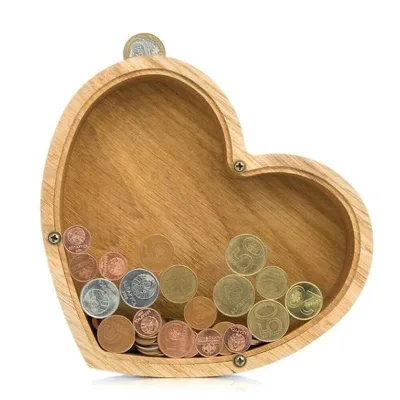
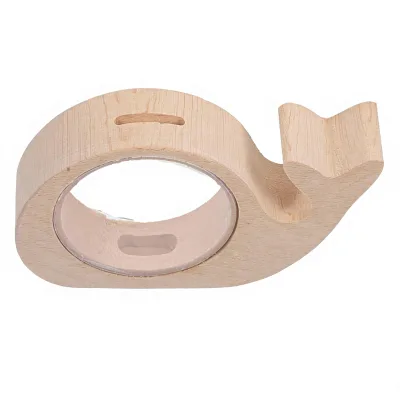
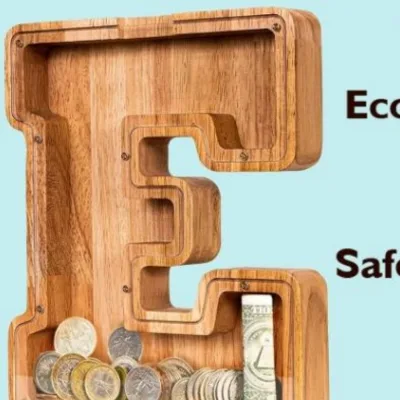
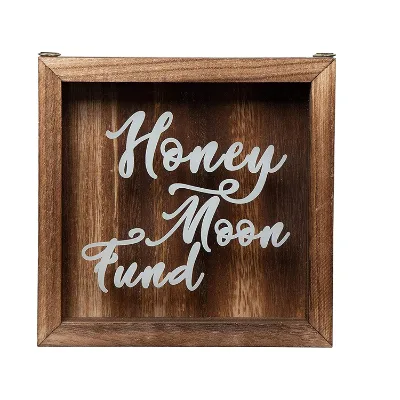
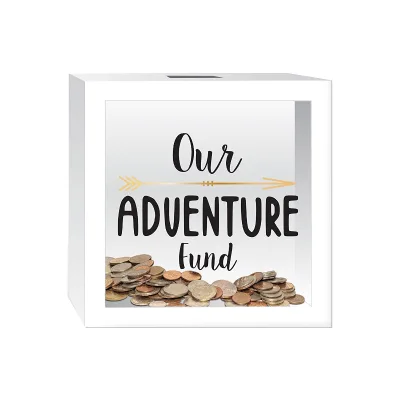
Buyers searching for Dove Style Piggy Bank listings will mostly encounter two factory archetypes. The first is wood-focused: suppliers in Shandong, China list wooden money boxes, wooden crates, wall shelves and trays, and their decorative money boxes are typically made from solid wood or MDF in natural or light yellow finishes. These companies may present themselves as trading companies or as combined manufacturer-trading operations, which affects how directly you can influence tooling and finishing details. The second archetype is toy-and-household goods suppliers in Zhejiang, China, whose main product ranges include kitchenware, storage boxes, pet products and fitness equipment, and who offer plastic or steel coin banks with playful shapes rather than wood.
To identify clusters without relying on a single search page, review the "place of origin" field in product attribute tables, which several listings state explicitly, and cross-check it against the supplier's declared location. Note which provinces appear repeatedly across different listings, then probe whether those suppliers actually manufacture or trade by asking about factory visits and equipment. Distinguish manufacturer-trading companies, which often advertise light customization, sample processing and graphic processing capabilities, from pure traders, who may resell another workshop's molds. A dove shape may not exist as a stock mold anywhere, so map which supplier type is best positioned to develop or adapt a new shape before you shortlist.
How to Verify Dove Style Piggy Bank Suppliers
Verification should start with platform-verified credentials but not end there. Some listings display third-party verification badges, such as BV or SGS Group verification, and system certifications like BSCI and FSC may appear on supplier profiles in this category. Treat displayed credentials as claims to confirm: ask for the certificate number, issuing body, validity date and scope, then check them against the certifier's public database. An FSC claim matters only if the scope covers the wood products you order, and a BSCI audit is meaningful only if it is recent and shared with you, not merely referenced.
Beyond documentation, use the category's own signals. Several piggy bank listings publish specific product attributes — model numbers, material, size, MOQ, sample time and delivery time — and suppliers who fill these in consistently are easier to audit. Request evidence that matches your exact specification: a physical sample within the quoted sample window (some suppliers quote 3–5 working days), photographs of the actual workshop, and the origin stated in writing. Ask each candidate to confirm whether the dove design will be an OEM adaptation, since some listings state "Accept OEM" or "Customization: Available" explicitly. Finally, test responsiveness under load: response times shown on profiles in this category range from about one hour to several hours, but a fast reply to a sourcing question says little about how quickly a factory answers a technical or QC issue mid-production.
What to Compare Across Dove Style Piggy Bank Suppliers
Build a comparison sheet using the dimensions suppliers themselves display. Minimum order quantities in this category vary dramatically: one wooden piggy bank listing shows an MOQ of 1,000 boxes, another wooden money box listing shows 100 pieces, and a plastic coin bank listing shows 500 pieces. Price floors differ accordingly, with quoted ranges spanning roughly the low-to-mid single digits per unit depending on material and volume. Record each supplier's MOQ and quoted price band side by side, because a low MOQ at a higher unit price may beat a high MOQ if you are testing a new dove design.
Also compare lead time, response speed and customization depth. Displayed lead times in current results range from about 30 days to 40 days, while one product-level delivery estimate runs 45–55 days — quote lead time against your specific quantity, since at least one wooden-listing supplier states delivery depends on quantity. Response time figures on profiles range from roughly one hour to over ten hours, which affects how quickly design iterations proceed. Check main product ranges to judge fit: a supplier whose catalog is wood storage, crates and trays will handle wood finishing differently from one selling plastic toys and kitchenware. Do not assume every supplier publishes every attribute; where a field is missing — establishment year, escrow availability or company type — ask directly and record the answer rather than inferring it.
Common Dove Style Piggy Bank Sourcing Risks
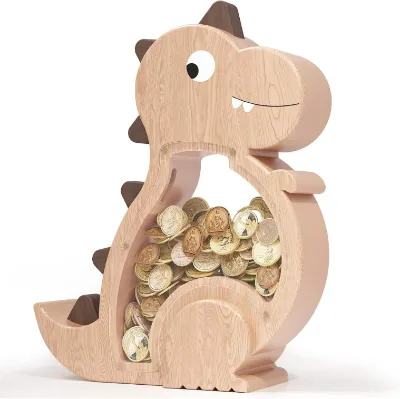
The biggest risk is shape-versus-catalog mismatch. Nearly all observed listings in this category show pig, dog or house shapes, not doves, so a "dove style" order usually means a custom or adapted mold. Risks follow directly: sampling delays, tooling fees not shown in listing prices, and a final product that drifts from your reference artwork. One supplier's listing prices sit between roughly $2.60 and $3.50, but that figure applies to the listed animal-shape item at its stated size of about 19x14 cm — do not treat it as a dove-shaped quote. Some suppliers state "No Lock" as a product attribute, which may conflict with your market's expectations for a child's savings product.
Material and finish risks are equally concrete. Wooden listings mention solid wood or MDF, with surface treatments such as dyeing, painting or burning; coatings on a children's money bank may need safety testing even where suppliers emphasize being environment-friendly. Plastic and steel listings state the battery is not included for electronic variants, so clarify what your unit price covers. Logistics risks include weight and packing surprises: single gross weights in listings range from about 0.15 kg to 1.0 kg, and carton dimensions and pack quantities are sometimes specified — verify these before costing freight. Finally, one listing expresses its MOQ as a minimum shipment value for mixed items rather than a piece count, which changes how you can plan a first order.
Dove Style Piggy Bank Regional Sourcing and Logistics
Two source regions dominate the current results, and they behave differently. Shandong, China appears as the stated origin for wooden money boxes and piggy banks, consistent with suppliers whose main products are wood storage, crates, trays and furniture — expect wood sourcing, moisture control and finishing (natural color, light yellow, or painted) to be the logistics-sensitive steps. Zhejiang, China appears as the origin for plastic and steel coin banks from suppliers with broader household, toy and outdoor ranges, where injection molding or metal stamping lead times and battery-related components (excluded from listings) drive planning. Confirmed origin fields in the listings make both provinces safe to cite, but verify that your specific dove tooling would sit in the same factory as the supplier's catalog items.
For logistics planning, work from the concrete data suppliers publish. Delivery times quoted in this category range from 30 days to 40 days at supplier level, with one product listing quoting 45–55 days and another tying delivery to quantity — build your timeline on the longest applicable quote, not the shortest. Packing details matter for costed freight: listings specify single package sizes around 29x24–25x13 cm for some items, 18x4x17.3 cm for a thinner wooden box, carton standards such as 78x38x63 cm, and pack configurations of 20 pieces per carton. Sample lead times of 3–5 working days are quoted on some listings, so sequence air-freighted samples ahead of sea-freighted production and confirm carton markings and packing materials (bubble bag, OPP bag, cotton paper are cited) before shipment.
Dove Style Piggy Bank Commercial Terms and Order Planning
Commercial terms should be extracted, not assumed. Payment terms appear explicitly on at least one listing as TT; others may differ, so confirm each supplier's accepted methods and deposit structure in writing. MOQ structures vary in kind, not just size: piece-based minimums of 100 pieces, 500 pieces and 1,000 boxes appear in current results, and one supplier states an alternative of a minimum shipment value per order for mixed items. The mixed-item option is valuable for a dove-shaped first order, since it lets you combine your custom item with the supplier's existing wood or household catalog to reach the threshold without overstocking a single design.
Plan orders around the quoted operational windows. Sample production is quoted at 3–5 working days on several listings; mass delivery ranges from 30 to 40 days up to 45–55 days depending on the listing and quantity. Confirm customization scope before paying a deposit — stated capabilities include OEM acceptance, laser engraving logos, graphic processing and customized-on-demand services — and specify which of these your dove design requires. Verify payment protection on the transaction platform where available, and ask any unverified supplier how disputes are handled. Finally, lock the specification sheet: model number, dimensions (some listings cite 19x14x2.8 cm), material, color treatment, lock configuration, packing method and gross weight, so that quoted prices, MOQs and lead times remain enforceable when production starts.
FAQs
What is the typical lead time for wooden piggy banks from Shandong suppliers?
Suppliers in Shandong, China typically offer a lead time of 40 days for standard orders. Some manufacturers may extend this to 45-55 days depending on order volume and customization requirements. Always confirm the specific delivery schedule before placing a bulk order to ensure timely arrival.
What are the minimum order quantities for custom wooden piggy banks?
Minimum order quantities vary significantly by supplier and product type. Some vendors require 1000 boxes for solid wood items, while others accept orders as low as 100 pieces for mixed shipments. A specific supplier may also set a minimum shipment value of USD 5000 for mixed items.
Which certifications do wooden piggy bank manufacturers in China hold?
Verified manufacturers in this category often hold BSCI and FSC certifications to ensure ethical sourcing and sustainable forestry practices. Some suppliers are also verified by SGS Group, indicating a higher level of quality assurance. Buyers should request current certificates to confirm compliance with international standards.
How quickly do suppliers in Zhejiang respond to sourcing inquiries?
Response times for suppliers in Zhejiang, China can range from 10 to 11 hours based on current data. Some highly responsive vendors may reply within a single day. Fast response times are crucial for negotiating custom designs and confirming sample availability before finalizing production schedules.
What materials are commonly used for dove style piggy banks?
Common materials include solid wood, MDF, and plastic depending on the design and price point. Wooden options often use pine, poplar, or beech, while plastic versions may feature painted finishes. Buyers should verify the specific material composition to ensure durability and safety for children.
What is the price range for wholesale wooden piggy banks?
Wholesale prices for wooden piggy banks typically range from USD 2.60 to USD 3.68 per unit. The final cost depends on the material, customization level, and order quantity. Bulk orders often qualify for lower unit prices, but minimum order thresholds must be met to access these rates.
Can suppliers provide OEM services for custom piggy bank designs?
Many manufacturers accept OEM requests, allowing for custom logos, shapes, and packaging. Laser engraving and painting are common customization options available for wooden products. Buyers should confirm sample times, which usually take 3-5 working days, before proceeding with large-scale production runs.