Earth Day Keychain Suppliers and Manufacturers in China
Explore 31 verified suppliers offering Earth Day Keychain options with varying lead times, response speeds, and customization capabilities. Buyers can compare locations in Jiangsu and Guangdong, MOQs, and certifications like ISO9001 before requesting quotes; review the available evidence before requesting comparable quotations from suitable candidates.
Suppliers List

Difanmax Tech Lianyungang Co., Ltd.
- Verified by BV
- Manufacturer/Factory
- China Jiangsu
- Lead time23 days
- Avg. response≤ 3h
Main productsConsumer Electronics, Kinesiology Tape Adhesive Tapes, Industrial Tools, Home & Garden, Gifts & Crafts, Sport Products Entertainment, Health & Medical, Auto Parts E-Bike Auto Tools & Components, Clothes Apparel, Bicycle Hardware Laboratory Measuring Protective
Main marketsSouth America,North America,Southeast Asia,Oceania,Western Europe
Zhongshan Lixin Crafts Co.,Ltd.
- Verified by BV
- Combined
- China Guangdong
- Lead time15 days
- Avg. response≤ 2h
Main productsPatch, Sports Event Medal, Enamel Pin, Custom Keychain, Challenge Coin, Fridge Magnet
Main marketsDomestic

Inspire Souvenirs Manufacturing Limited
- Manufacturer
- China Guangdong
- Lead time30 days
- Avg. response≤ 25h
Main productsKeychain, Key Ring, Bottle Opener, Dinner Bell, Souvenir Spoon, Souvenir Keychain, Fridge Magnet, Key Holder, Brooch, Ashtray
Main marketsSouth America,Europe,North America

Zhongshan Xinyihong Metal Craft Products Factory
- Verified by TUVRHEINLAND
- Combined
- China Guangdong
- Lead time15 days
- Avg. response≤ 2h
Main productsBadge, Lape Pin, Coin, Medal, Key Chain, Cufflink, Tie Clip, Bottle Opener, Golf Divolt, Name Plate
Main marketsNorth America
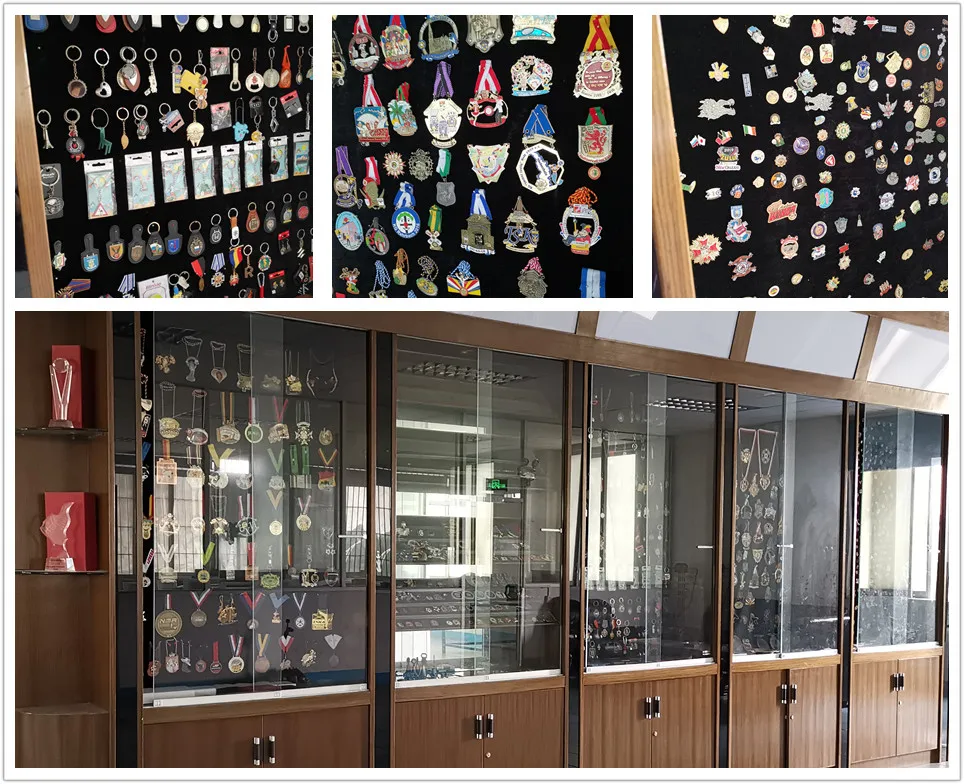
Zhongshan Chuangyu Gift Co., Ltd.
- Manufacturer
- Guangdong, China
- Lead time15 days
- Avg. response≤ 2h
Main productskeychain,lapel pin,medal,coin,fridge magnet
Main marketsNorth America(35.00%), Western Europe(25.00%), Northern Europe(10.00%), Eastern Europe(5.00%), Central America(5.00%), South America(5.00%), Eastern Asia(5.00%), Oceania(5.00%), Africa(5.00%)

Jinjiang Jiaxing Supply Management Co., Ltd.
- Verified by TUVRHEINLAND
- Trading Company
- China Fujian
- Lead time30 days
- Avg. response≤ 1h
Main productsEVA Clogs, Flip Flop, Shoe Charms, Shopping Bags, Wristbands, Gifts, Promotional Gifts, Slipper, Sport Cap, Ball
Main marketsNorth America
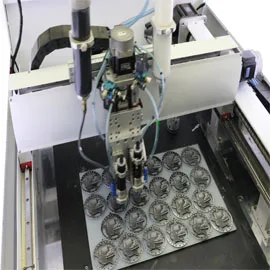
Dongguan City Taiyao Hardware Products Co., Ltd.
- Manufacturer, Trading Company
- Guangdong, China
- Lead time30 days
- Avg. response≤ 8h
Main productsMedal,Lapel Pin,Souvenir Coin,Trophy,Hardware Gifts
Main marketsNorth America(35.00%), Western Europe(30.00%), Southeast Asia(20.00%), Oceania(8.00%), Domestic Market(5.00%), Northern Europe(2.00%)

Dongguan AST Industry Co., Ltd.
- Verified by TUVRHEINLAND
- Manufacturer/Factory
- China Guangdong
- Lead time23 days
- Avg. response≤ 13h
Main productsSound Module, Voice Recorder, Video Brochure, Sound Chip, LED Flashing Module for POS, Musical Greeting Cards, Video Module, Musical Bottle Opener, Musical Postcards, DC Motor for Pop Dispay
Main marketsSouth America,Eastern Europe,Mid East,North America,Southeast Asia,Eastern Asia,Oceania,Western Europe,Africa

Logo Emblem Industries Co., Ltd.
- Verified by TUVRHEINLAND
- Combined
- China Guangdong
- Lead time15 days
- Avg. response≤ 16h
Main productsMetal Craft, Pin, Badge, Coin, Souvenirs, Medal, Golf, Bag Holder, Bottle Opener, Ornament
Main marketsNorth America

Zhongshan Leon crafts and gifts Co., Ltd.
- Verified by SGS
- Trading Company,Manufacturer/Factory
- China Guangdong
- Lead time23 days
- Avg. response≤ 7h
Main productsMetal Pin Badge, Wallet Badge, Sports Medal, Honor Medal, Belt & Buckle, Challenge Coins, Fridge Magnet, Different Kind of Security Products, Keychain, Embroidery Patch
Main marketsSouth America,Eastern Europe,Mid East,North America,Southeast Asia,Eastern Asia,Oceania,Western Europe,Africa
Zhongshan Logoson Arts And Crafts Co., Ltd.
- Verified by SGS Group
- Manufacturer, Trading Company
- Lead time30 days
- Avg. response≤ 2h
Main productsFridge Magnets, Bottle Openers, Key Chains, Dinner Bells, Decorative Plates
Main marketsNorth America(17%), Western Europe(15%), Southern Europe(11%)
Zhongshan Vinee GP Gifts&Premium Factory
- Verified by Intertek
- Trading Company
- Lead time20 days
- Avg. response≤ 5h
Main productsMedal, Keychain, Pins
Main marketsNorth America(40%), Eastern Europe(30%), Northern Europe(25%)

Zhaoqing Feixinda Metal Co., Ltd.
- Trading Company
- Guangdong, China
- Lead time7 days
- Avg. response≤ 10h
Main productsHandmade Product,Embroidery patch keychain,Custom product,PVC keychain patch,Metal product
Main marketsWestern Europe(30.00%), Eastern Europe(30.00%), South America(20.00%), North America(20.00%)
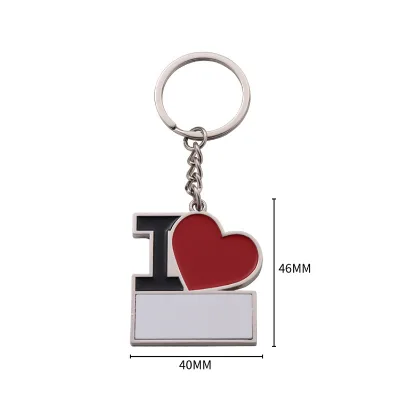
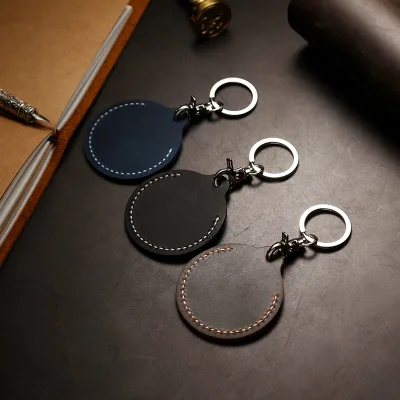
Custom logo Metal Key Chains Holder Key Ring Keyring Personalised Hard Soft Enamel Keychain
$0.54 - $0.61
MOQ: 20 pieces
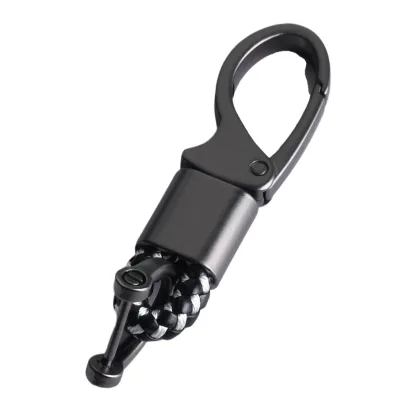
Zhongshan Liangguan Hardware Co., Ltd.
- Verified by SGS Group
- Manufacturer, Trading Company
- Lead time31 days
- Avg. response≤ 2h
Main productsKeychain, Badge, Metal Label
Main marketsNorth America(40%), Western Europe(30%), Eastern Asia(20%)
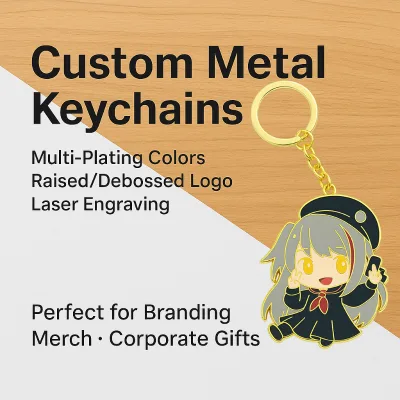
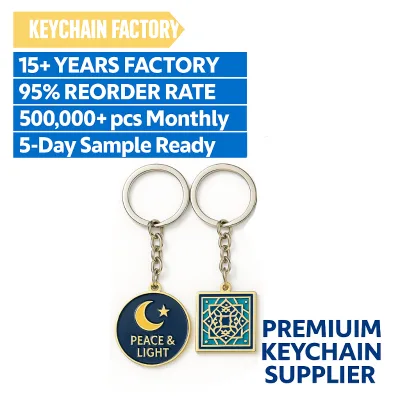
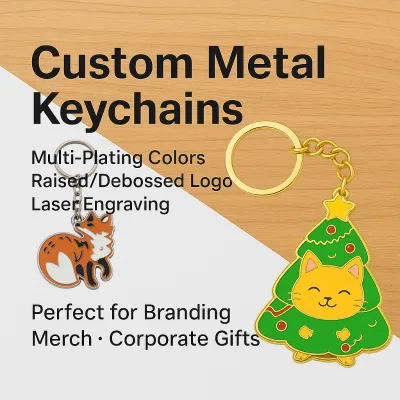
Corporate Gift Metal Keychain Custom Key Ring Production for Business Events
$0.13 - $0.70
MOQ: 100 pieces

Shenzhen Hengbo Gifts Co., Ltd.
- Trading Company, Distributor/Wholesaler
- Guangdong, China
- Lead time7 days
- Avg. response≤ 2h
Main productsGift,Craft,Toys,stationery,Home decoration
Main marketsSouth America(30.00%), North America(30.00%), Eastern Europe(20.00%), Southern Europe(6.00%), Western Europe(5.00%), Domestic Market(1.00%), South Asia(1.00%), Northern Europe(1.00%), Central America(1.00%), Africa(1.00%), Eastern Asia(1.00%), Southeast Asia(1.00%), Mid East(1.00%), Oceania(1.00%)
Dongguan Yuan Jie Gifts & Crafts Co., Ltd.
- Verified by BV
- Manufacturer/Factory
- China Guangdong
- Lead time15 days
- Avg. response≤ 4h
Main productsLapel Pin, Keychain, Golf Ball Marker, Custom Divot Tools, Medal, Coin, Poker Chip, Luggage Tag, Towel, Golf Tee
Main marketsSouth America,Eastern Europe,Mid East,North America,Southeast Asia,Eastern Asia,Oceania,Western Europe,Africa
- Manufacturer, Trading Company
- Lead time旺季: "1 - 1000":7,"1001 - 5000":8,"5001 - 10000":10,"> 10000":"To be negotiated", 淡季: "1 - 1000":7,"1001 - 5000":8,"5001 - 10000":10,"> 10000":"To be negotiated"
- Avg. response≤ 3h
Main productsCustom Flags And Banners, Promotion Gifts, Promotion Apparel And Accessories, Advertising Display, Fashion Accessories
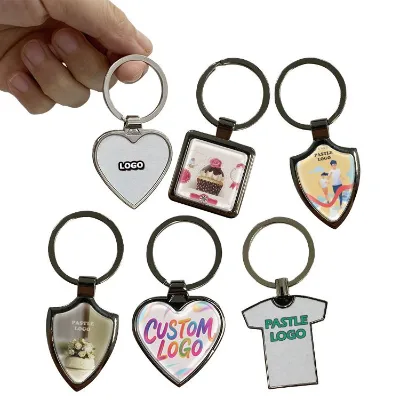
$0.20 - $0.35
MOQ: 100 pieces
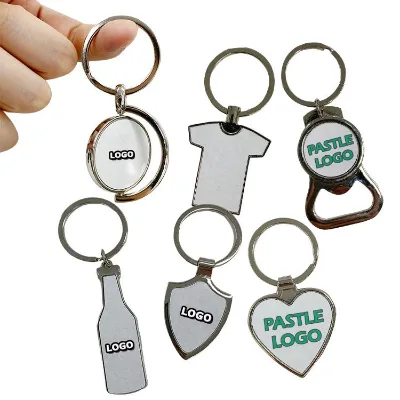
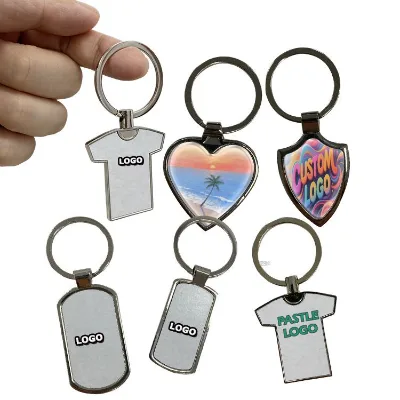
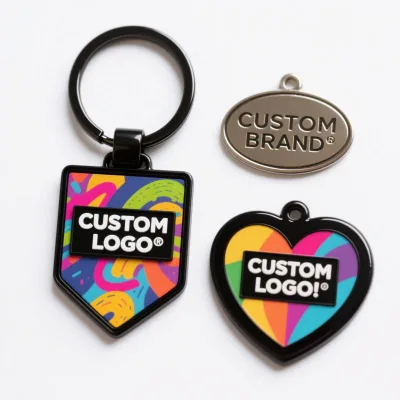
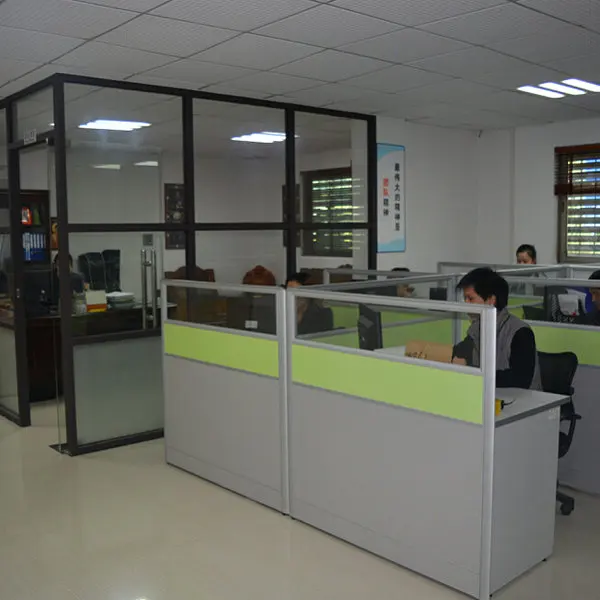
Huizhou Ever Rock Hardware Co., Limited
- Manufacturer, Trading Company
- Guangdong, China
- Lead time15 days
- Avg. response≤ 1h
Main productskeychain,badge,medal,coin,bottle opener
Main marketsWestern Europe(15.00%), North America(15.00%), Central America(10.00%), Domestic Market(10.00%), Southeast Asia(10.00%), Mid East(10.00%), Northern Europe(5.00%), South Asia(5.00%), Africa(5.00%), Southern Europe(5.00%), Eastern Europe(5.00%), Oceania(2.00%), Eastern Asia(2.00%), South America(1.00%)
Zhongshan Baojianlong Trading Co., Ltd.
- Verified by CTI
- Manufacturer/Factory
- China Guangdong
- Lead time23 days
- Avg. response≤ 1h
Main productsMetal Keychain&PVC Keychain& Enamel Pin&Medal, Lapel Pin&Lanyard&Air Freshener, Souvenir Coins, Metal Cuffinks, Bottle Opener, Fridge Magnet
Main marketsSouth America,Eastern Europe,Mid East,North America,Oceania

Shanghai Touch Industrial Development Co., Ltd.
- Verified by TUVRHEINLAND
- Combined
- China Shanghai
- Lead time15 days
- Avg. response≤ 5h
Main productsInstant Hot Pack, Hot Cold Pack, Gel Eye Mask, Gel Ice Pack, Gel Bottle Cooler, Instant Ice Pack, Hand Warmer, Heat Pack, Cooling Scarf, Gel Beads
Main marketsSouth America,Others(foreignTradeCapacity.exportBusinessCapacityMarketOther),Southeast Asia/ Mideast,East Asia(Japan/ South Korea),Domestic,Europe,Australia,North America
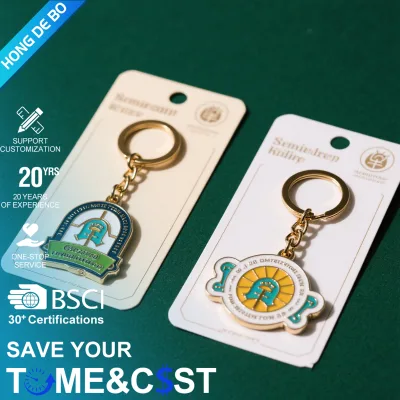
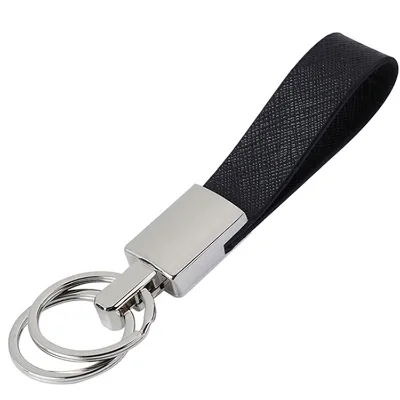
Zhongshan Hongdebo Crafts Co., Ltd.
- Manufacturer
- Guangdong, China
- Lead time7 days
- Avg. response≤ 2h
Main productsLapel Pin,Medal,Challenge Coins,Keychain,Metal Crafts
Main marketsNorth America(40.00%), Western Europe(25.00%), Eastern Asia(5.00%), South America(5.00%), Mid East(5.00%), Oceania(5.00%), Africa(5.00%), Southeast Asia(5.00%), Eastern Europe(5.00%)
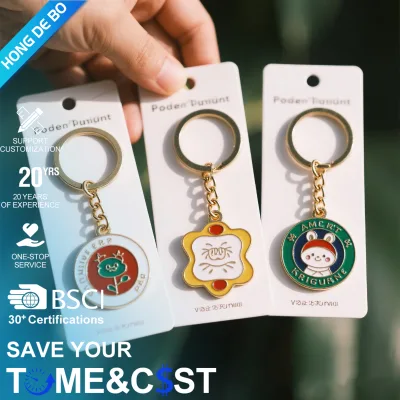
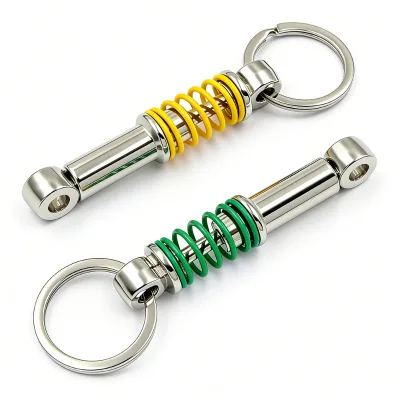
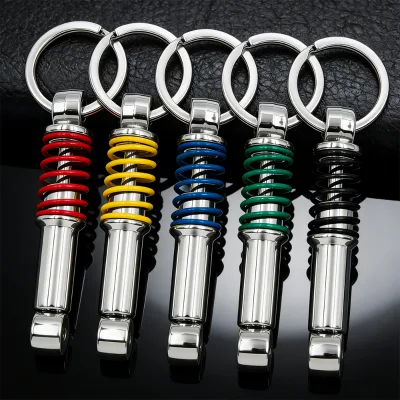
$0.37 - $0.46
MOQ: 100 Minimum

TAIZHOU HARSOUL IMP. & EXP. CO., LTD.
- Trading Company
- China Zhejiang
- Lead time30 days
- Avg. response≤ 14h
Main productsPromotion Gifts, Promotional Bag, Promotional Jewelry, Promotional Toys, Promotional Stationery, Promotional Plastic Goods
Main marketsOthers(foreignTradeCapacity.exportBusinessCapacityMarketOther),Europe,North America

Zhongshan Xinyuan Silicone Rubber Co., Ltd.
- Verified by TUVRHEINLAND
- Combined
- China Guangdong
- Lead time15 days
- Avg. response≤ 2h
Main productsEmbroidery Patch, PVC Keychain, Pin Badge, Medal, Lanyard, Challenge Coin, Paper Air Freshener, Coffee Maker, Luggage Tag, Coffee Maker/Grinder
Main marketsSouth America,Southeast Asia/ Mideast,Domestic,Europe,North America
Zhongshan Chensheng Cultural Gifts Co., Ltd.
- Verified by BV
- Combined
- China Guangdong
- Lead time15 days
- Avg. response≤ 1h
Main productsKeychain, Patch, Enamel Pins / Metal Lapel Pins, Award Medals, Fridge Magnet, Toy, Souvenir Gifts, Custom Metal Crafts, Metal Ruler Bookmarks, Incense Burner Box / Coil Incense Holder
Main marketsDomestic
Zhongshan Cugle Metal & Plastic Products Co., Ltd.
- Verified by SGS Group
- Manufacturer, Trading Company
- Lead time10 days
- Avg. response≤ 2h
Main productsLapel Pin, Challenge Coin, Medal, Bookmark, Keychain, Lanyards
Main marketsNorth America(40%), Western Europe(18%), Domestic Market(10%)
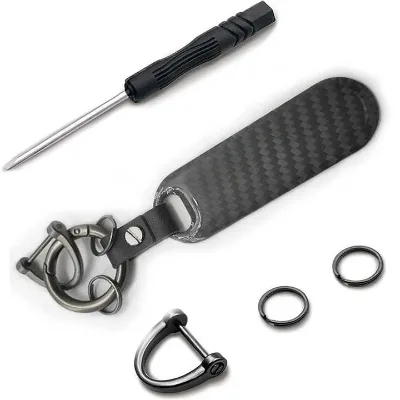
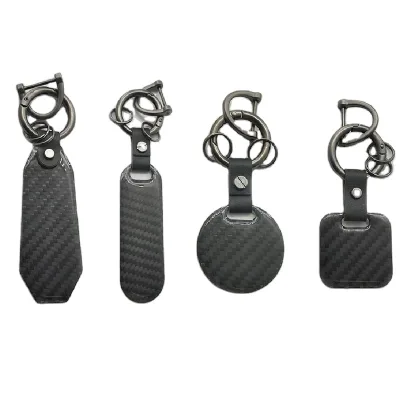
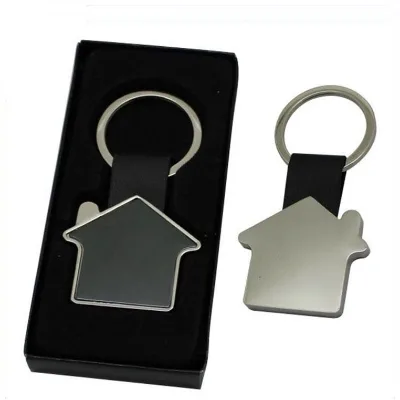
$0.26 - $0.60
MOQ: 300 pieces
Dongguan Yixiang Precision Co., Ltd.
- Verified by CTI
- Combined
- China Guangdong
- Lead time15 days
- Avg. response≤ 1h
Main productsHardware, Hardware Processing, Rigid Wire Rope, Lighting Hardware Accessories, SFP Optical Module, Rope with Expansion Clamp, Wire Fixer, Wire Rope Lock, Suspension Wire Pull Head, CNC Machining Part
Main marketsDomestic,Europe
Pingyang Jiahong Crafts Factory
- Verified by Intertek
- Manufacturer, Trading Company
- Lead time15 days
- Avg. response≤ 3h
Main productsMedal, Badge, Key Chain, Coin, Trophy
Main marketsDomestic Market(18%), North America(14%), South America(10%)
Quanzhou Guqi Plastic Products Co., Ltd.
- Verified by SGS
- Combined
- China Fujian
- Lead time15 days
- Avg. response≤ 1h
Main productsKeychain, Bag Charm, Shoe Charm, Shoe Buckle, Custom Keychain, Key Chain, Bagcharm, Custom Bagcharm, Shoe Buckle Accessories, Shoe Decoration
Main marketsDomestic
- Verified by SGS
- Combined
- China Fujian
- Lead time15 days
- Avg. response≤ 4h
Main marketsEurope

Shanghai David International Trade Co., Ltd.
- Verified by TUVRHEINLAND
- Combined
- China Shanghai
- Lead time15 days
- Avg. response≤ 8h
Main productsPromotional Gifts, Gift Sets, Tshirts, Hats, Hot Packs, Hot Cold Packs, Ice Packs, Bags, Umbrellas, Water Bottles
Main marketsSouth America,Africa,Southeast Asia/ Mideast,East Asia(Japan/ South Korea),Domestic,Europe,Australia,North America
- Trading Company
- Beijing, China
- Lead time20 days
- Avg. response≤ 4h
Main productsglow stick,solar decoration,hooks and screw,party light,table lamp
Main marketsWestern Europe(30.00%), North America(30.00%), Domestic Market(25.00%), Eastern Asia(5.00%), Southern Europe(5.00%), Eastern Europe(5.00%)


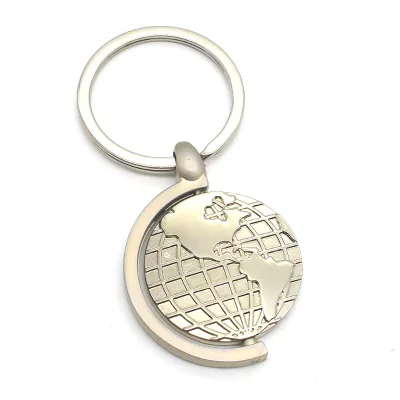


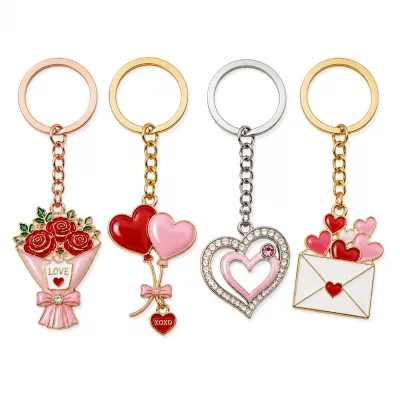
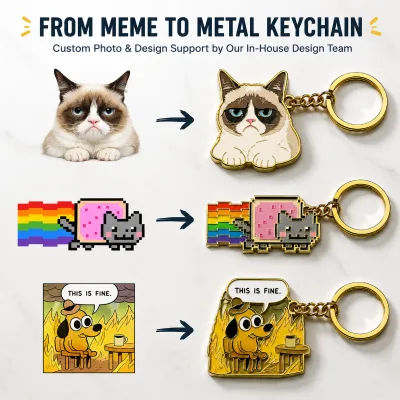


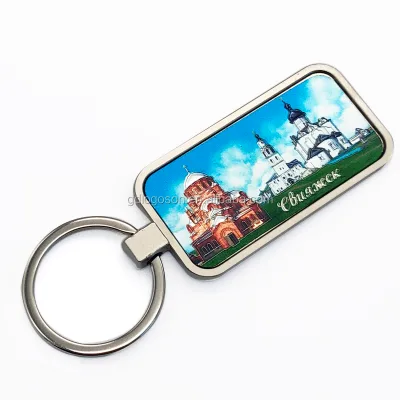
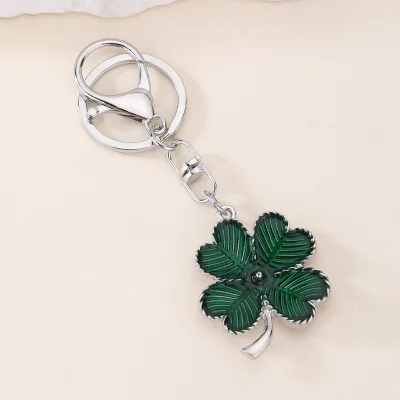
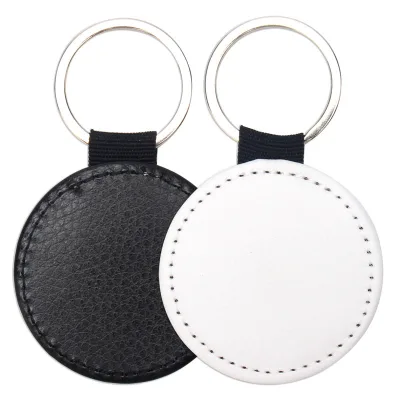


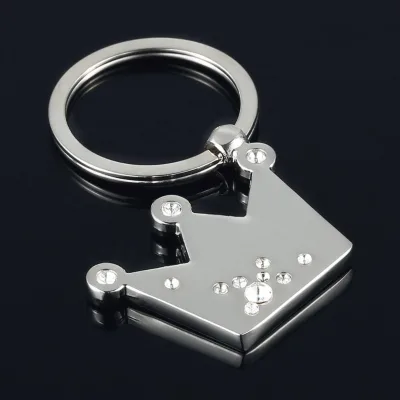
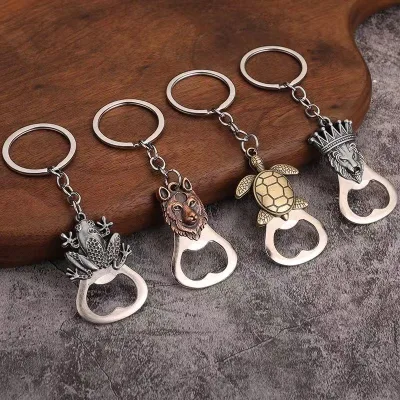




Comprehensive Sourcing Guide
Earth Day Keychain Supplier Concentration and Factory Types
Current data indicates a concentration of manufacturers and factories located in China, specifically within the Jiangsu and Guangdong provinces. These regions host a diverse array of suppliers capable of producing keychains, ranging from wood and metal varieties to embroidered and woven options. The supplier types observed include dedicated manufacturers, combined entities, and factories that offer both OEM and ODM services. Some suppliers list their capacity to produce under their own brand, such as DifanMax, while others focus strictly on custom manufacturing for external clients. This mix allows buyers to find partners who can handle large-scale production runs or specialized custom designs depending on the specific requirements of an Earth Day campaign.
When evaluating the factory types, it is essential to distinguish between pure manufacturers and combined trading entities. The available facts show that some suppliers are verified by third-party agencies like BV, which adds a layer of credibility to their operational claims. These verified entities often provide a broader range of main products, including consumer electronics, industrial tools, and various gift items alongside keychains. Buyers should look for suppliers who explicitly state their capacity for customization, as many listed products feature available customization options for logos, shapes, and materials. Understanding whether a supplier is a direct factory or a combined entity helps in predicting their flexibility, pricing structure, and ability to manage complex production requests for eco-friendly or themed keychain products.
How to Verify Earth Day Keychain Suppliers
Verification is a critical step when sourcing Earth Day keychains, as the market contains a mix of manufacturers, factories, and trading companies. Buyers should prioritize suppliers who display third-party verification badges, such as BV, which confirms that the company has undergone an external audit of its business license and operational capabilities. The presence of such verification reduces the risk of dealing with fraudulent entities and provides assurance that the supplier is a legitimate business entity. Additionally, checking the response time is a practical method to gauge supplier reliability; observed response times vary significantly, with some suppliers responding within 1.35 hours while others may take up to 25 hours. A faster response time often correlates with better communication channels and a more active sales team ready to address specific product inquiries.
Beyond verification badges and response speeds, buyers must examine the specific product evidence provided by each supplier to ensure they match the Earth Day theme requirements. The data shows that suppliers offer various materials, including wood, iron, zinc alloy, and polyester, each with distinct customization capabilities. For instance, some products are explicitly marked as eco-friendly or feature die-casting processes suitable for metal keychains. Buyers should verify that the supplier's listed main products align with their needs, such as looking for "Custom Keychain" or "Eco-Friendly Woven Keychain" in their catalog. It is also important to confirm that the supplier can provide the necessary certifications, such as ISO9001:2008, which indicates a commitment to quality management systems. Without these specific verifications, buyers risk receiving products that do not meet their sustainability or branding standards.
What to Compare Across Earth Day Keychain Suppliers
When comparing suppliers, the primary focus should be on lead times, minimum order quantities (MOQ), and pricing structures, as these factors directly impact project feasibility and budget. The observed data reveals a wide range of lead times, from 15 days to 30 days, which can significantly affect the timeline for an Earth Day campaign. Similarly, MOQs vary drastically, with some suppliers requiring orders as low as 100 pieces while others demand volumes of 10,000 or even 100,000 units. Buyers must align these requirements with their projected sales volume and inventory strategy. Pricing is another critical variable, with unit costs ranging from approximately $0.017 to $0.87 depending on the material and customization level. A detailed comparison of these metrics helps identify suppliers who offer the best balance between cost efficiency and production speed.
In addition to operational metrics, buyers should compare the customization capabilities and product attributes offered by different suppliers. The available facts highlight that many suppliers offer customization for logos, shapes, and materials, with some providing specific sample times as short as 1-3 days. This flexibility is crucial for creating unique Earth Day keychains that stand out in the market. Buyers should also evaluate the packaging standards, such as carton or box packaging, and the specific product dimensions provided, which range from 3x3x0.1 cm to 6x3 cm. Comparing these attributes ensures that the selected supplier can deliver products that meet the exact design specifications and branding requirements. Furthermore, checking the supplier's main product list can reveal if they have experience with related items like medals, pins, or magnets, which might be useful for bundled promotional campaigns.
Common Earth Day Keychain Sourcing Risks
One of the primary risks in sourcing Earth Day keychains is the potential mismatch between the supplier's claimed capabilities and their actual production capacity. While many suppliers list OEM and ODM services, the actual ability to handle large volumes or complex customizations may vary. For example, a supplier might advertise a low MOQ of 100 pieces but have a lead time of 30 days, which could delay a time-sensitive Earth Day launch. Buyers must carefully scrutinize the lead time and MOQ data provided in the product listings to ensure they align with their project schedule. Additionally, the variation in response times, ranging from under two hours to 25 hours, suggests that communication delays could become a bottleneck if the supplier is not responsive to urgent inquiries or changes in design specifications.
Another significant risk involves the consistency of product quality and material authenticity, particularly for eco-friendly claims. The data shows suppliers offering products made from wood, metal, and polyester, but without specific test results or detailed material certifications, it is difficult to verify the sustainability of these claims. Some suppliers list ISO9001:2008 certification, which is a positive indicator, but buyers should verify if this covers the specific materials used for Earth Day keychains. There is also the risk of receiving products that do not match the visual or dimensional standards described in the product attributes, such as the specified 5x3 cm or 6x3 cm sizes. To mitigate these risks, buyers should request physical samples before placing large orders and ensure that the supplier can provide clear documentation regarding material sourcing and production standards.
Earth Day Keychain Regional Sourcing and Logistics
The geographical location of suppliers plays a pivotal role in determining logistics costs and delivery timelines for Earth Day keychains. Current data points to a concentration of manufacturing facilities in China, specifically in the Jiangsu and Guangdong provinces. These regions are known for their robust manufacturing ecosystems and efficient export infrastructure, which can facilitate the shipment of goods to international markets. However, the distance between these manufacturing hubs and the buyer's destination will influence freight costs and transit times. Buyers should consider the specific location of the supplier when calculating the total landed cost of their order, as shipping from different provinces within China may result in varying logistics expenses.
Logistics planning also involves understanding the packaging and handling requirements of the suppliers. The observed product attributes indicate that keychains are typically packed in cartons, boxes, or polybags, with specific weights and dimensions provided for each item. For instance, some products are packed at 0.100 kg per unit, while others are packed in larger quantities like 480 pieces per carton. These details are essential for calculating shipping volumes and selecting the appropriate freight method. Buyers should also be aware that lead times can be affected by regional factors, such as local holidays or port congestion. By selecting suppliers in regions with established logistics networks, buyers can minimize the risk of delays and ensure that their Earth Day keychains arrive on time for promotional events.
Earth Day Keychain Commercial Terms and Order Planning
Commercial terms and order planning are fundamental to a successful sourcing strategy for Earth Day keychains. Buyers must carefully review the pricing structures, which can range from $0.017 to $0.87 per unit, and understand how these prices are affected by order volume and customization requirements. The data shows that some suppliers have fixed prices for specific models, while others may offer tiered pricing based on quantity. It is crucial to negotiate clear terms regarding payment methods, such as the use of escrow services, to protect against financial risks. Additionally, buyers should confirm the sample time, which can be as short as 1-3 days, to ensure that the product development phase does not delay the overall project timeline.
Order planning also requires a detailed assessment of the supplier's capacity to handle the required volume within the specified lead time. The observed lead times range from 15 to 30 days, and buyers must factor this into their production schedule to avoid stockouts or missed deadlines. For suppliers with high MOQs, such as 10,000 or 100,000 units, buyers need to ensure they have sufficient storage and distribution channels to manage the inventory. Conversely, suppliers with lower MOQs, like 100 pieces, offer more flexibility for testing the market or running smaller promotional campaigns. By aligning the commercial terms with the project's financial and logistical constraints, buyers can optimize their order planning and ensure a smooth execution of their Earth Day Keychain initiative.
FAQs
What is the price range for custom keychains?
Prices vary by material and order volume. Metal keychains start around $0.017 per unit with a high minimum order. Embroidered options range from $0.30 to $0.87 per piece. Bulk wood keychains are priced at approximately $0.269 each. Buyers should request quotes for specific customization needs to get accurate pricing.
What are the minimum order quantities for keychains?
MOQs depend on the product type and supplier. Metal keychains often require 100,000 units, while embroidered and woven versions typically have a lower MOQ of 100 pieces. Some standard items may have higher thresholds. Buyers seeking smaller batches should filter for suppliers offering low MOQs to reduce initial inventory costs.
How long does production take for keychains?
Lead times generally range from 15 to 30 days depending on the supplier and order complexity. Some manufacturers offer faster turnaround times for standard items. Sample production can be completed within one to three days. Buyers should confirm specific delivery schedules with suppliers before placing large orders to ensure timely receipt.
What materials are used for custom keychains?
Suppliers offer various materials including metal, zinc alloy, polyester, and wood. Metal options often feature die-casting and electroplating for durability. Polyester is used for embroidered and woven designs. Wood provides a natural aesthetic for keychains. Buyers can choose materials based on their branding requirements and target audience preferences for the final product.
Can I customize the logo on keychains?
Yes, most suppliers offer customization services for logos and designs. Options include custom shapes, colors, and embroidery. Metal keychains can feature customized logos through die-casting or plating. Embroidered keychains allow for detailed logo stitching. Buyers should provide high-resolution files to ensure accurate reproduction of their branding on the final products.
Where are keychain suppliers located?
Keychain suppliers are primarily located in China, specifically in Jiangsu and Guangdong provinces. These regions are known for manufacturing capabilities in gifts, crafts, and promotional items. Buyers can access a wide range of suppliers offering different materials and customization options. Geographic proximity to manufacturing hubs often ensures competitive pricing and efficient logistics.
What certifications do keychain suppliers have?
Some suppliers hold ISO9001:2008 certification for quality management systems. Others are verified by third-party inspection companies like BV. These certifications indicate adherence to specific manufacturing and quality standards. Buyers should verify current certification status directly with suppliers to ensure compliance with their specific quality requirements and regulatory standards for imported goods.