Early Education Beach Toy Set Suppliers and Manufacturers
Source Early Education Beach Toy Set options from 28 verified suppliers. Compare dimensions like lead times, MOQs, certifications, and response rates. Filter by material and origin to find suitable partners; review the available evidence before requesting comparable quotations from suitable candidates.
Updated
Suppliers List
- Verified by SGS Group
- Trading Company
- Lead time15 days
- Avg. response≤ 5h
Main productsPlastic Toys, RC Cars, Sport Toys, Sand Beach Toys, Pretend Play Toys
Main marketsWestern Europe(84%), North America(5%), Eastern Europe(2%)
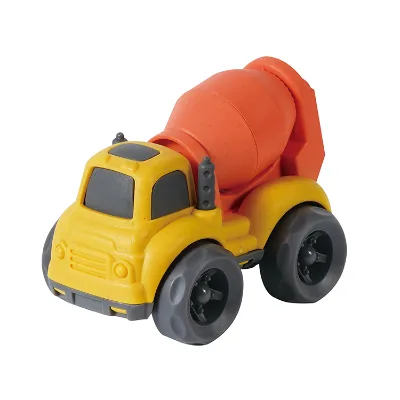
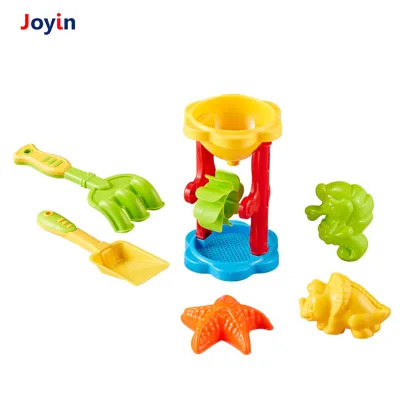
$0.5449 - $0.5763
MOQ: 720 pieces
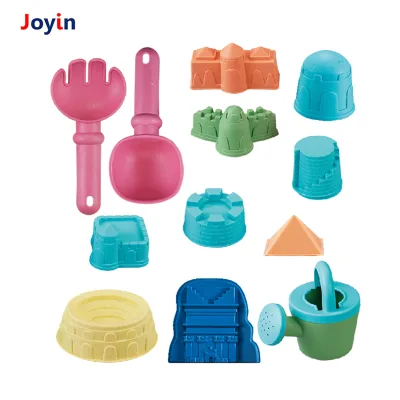
$1.20 - $1.26
MOQ: 960 pieces

Shantou Kaixin Trading Co., Ltd
- Verified by BV
- Manufacturer
- China Guangdong
- Lead time23 days
- Avg. response≤ 6h
Main productsToy, Educational Toy, Remote Control Toy, Pretend Play Toy Set, Summer Toy, Vehicle Toy, Doll, Promotion Toy, Baby Toy, Game Toy

Shantou Chenghai Xaqi Toys Industrial Co., Limited
- Verified by BV
- Combined
- China Guangdong
- Lead time23 days
- Avg. response≤ 5h
Main productsRemote Control Car, Educational Toy, Sport Toy, Pretend Play Toys, Remote Contro Toy, Baby Toy, Summer Toy, B/O Toy
Main marketsSoutheast Asia/ Mideast,Domestic,Europe


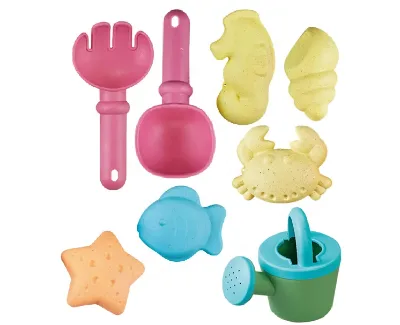
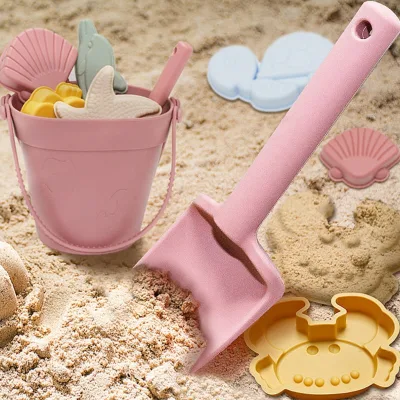
Summer Plastic Beach Toys Beach Bucket Tool Set Eco Friendly Wheat Straw Play Beach Toys
$1.66 - $2.62
MOQ: 180 Pieces


Yiwu Jingxin Toys Co., Limited
- Verified by TüVRheinland
- Manufacturer, Trading Company
- Lead time15 days
- Avg. response≤ 5h
Main productsPlastic Toys
Main marketsSouth America(40%), North America(25%), Eastern Europe(15%)
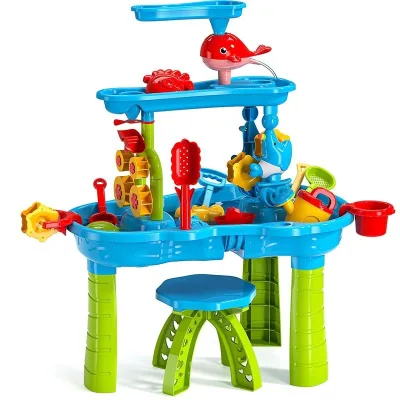
$12.2544 - $15.3173
MOQ: 2 sets
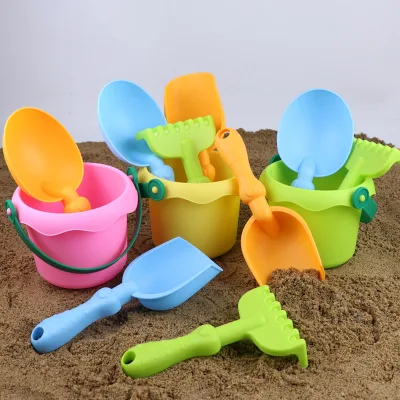
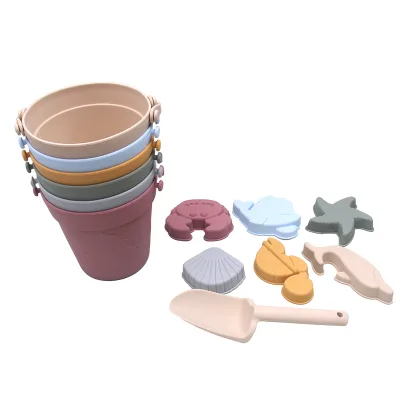

- Verified by CTI
- Trading Company
- China Anhui
- Lead time23 days
- Avg. response≤ 1h
Main productsFurniture, Home Furniture
Main marketsSoutheast Asia/ Mideast

Shantou XIQI Plastic Products Co., Ltd.
- Verified by SGS
- Manufacturer
- China Guangdong
- Lead time15 days
- Avg. response≤ 3h
Main productsToys Gift Electrical Equipment Household Effe
Main marketsEast Asia(Japan/ South Korea),Europe,North America


Hot Selling Beach Toys Snow Set Summer Winter Outdoor Toys Beach Snow Entertainment Set Toys
$7.90 - $9.40
MOQ: 6 Pieces

Summer Children Beach DIY Toys Color Soft Rubber Toy Mold Soft Rubber Car 8 Pieces Beach Beach Set
$3.30 - $4.80
MOQ: 24 Pieces

Children's Summer Outdoor Beach Toy Collection Beach Toy Bucket Collection Beach Sand Toys
$0.60 - $2.10
MOQ: 192 Pieces

$3.00 - $4.50
MOQ: 24 Pieces

Summer Kids Toys Sand Castle Construction Childrenbeach Toys Soft Plastic Beach Bucket 8-Piece Set
$2.10 - $3.60
MOQ: 36 Pieces

- Verified by TUVRHEINLAND
- Trading Company
- China Zhejiang
- Lead time15 days
- Avg. response≤ 6h
Main marketsEurope

- Verified by BV
- Manufacturer/Factory
- China Fujian
- Lead time15 days
- Avg. response≤ 25h
Main productsWater Bottle, Kitchen Ware, Shoes, Plastic Product, Bag, Toy
Main marketsSouth America,Eastern Europe,Mid East,North America,Southeast Asia,Eastern Asia,Oceania,Western Europe,Africa

Dongguan Yangtai Silicone Products Co., Ltd
- Verified by SGS
- Combined
- China Guangdong
- Lead time15 days
- Avg. response≤ 2h
Main productsSilicone Bag, Silicone Pencil Case, Silicone Products, Silicone Kitchenware, Silicone Toys, Silicone Mold, Silicone Tap Night Light, Silicone Gift
Main marketsDomestic

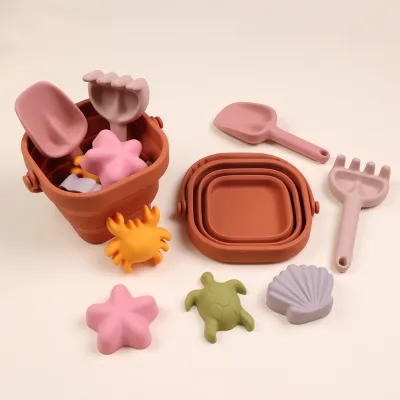
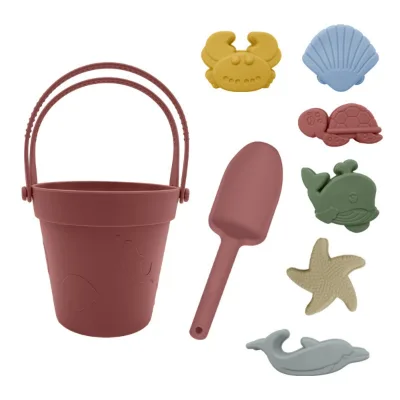
Silicone Beach Toy Set, Kids Interactive Sand Digging Tools Beach Bucket Educational Toy
$5.85 - $5.89
MOQ: 500 Pieces

Waterproof Silicone Beach Play Set, Kids Sand Toys with Bucket, Shovel & Marine Animal Molds
$5.85 - $5.89
MOQ: 500 Pieces


Silicone Beach Toy Set, Kids Sand Play Kit with Bucket, Shovel & Sea Animal Molds
$5.85 - $5.89
MOQ: 500 Pieces

Non-Toxic Silicone Sand Toy Set, Toddler Beach Toys with Bucket, Shovel & Sea Animal Shapes
$5.85 - $5.89
MOQ: 500 Pieces

Ocean Themed Silicone Sand Toys, Toddler Beach Play Set with Bucket, Shovel & 6 Animal Molds
$5.85 - $5.89
MOQ: 500 Pieces
Yiwu Hecheng Import&export Co., Ltd.
- Verified by SGS Group
- Manufacturer, Trading Company
- Lead time20 days
- Avg. response≤ 3h
Main productsToys Series
Main marketsNorth America(60%), Western Europe(30%), South America(10%)
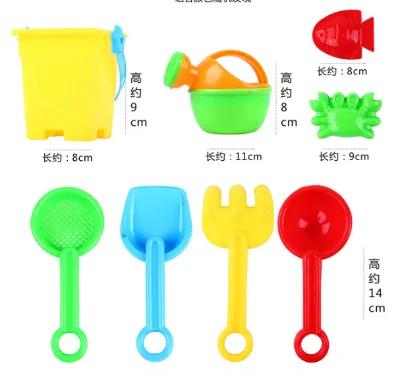
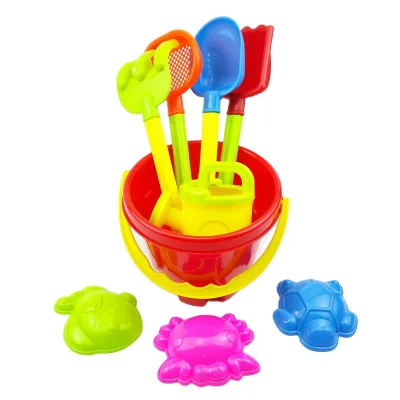
High Quality Beach Toy Set Children Splash Toys Dredging Sand Toys for Kids
$1.21 - $1.23
MOQ: 500 pieces
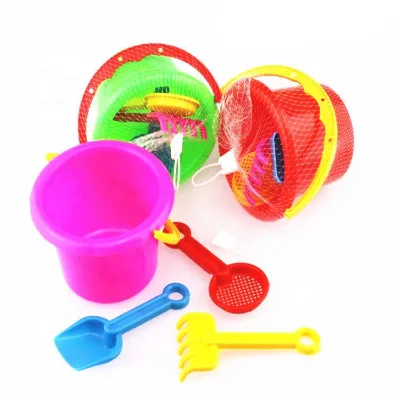
LN392 Hot Sale Product Funny Kid Summer Beach Toy Bucket Set Toy Beach Water Toys
$0.29 - $0.31
MOQ: 500
Shenzhen Bangxing Rubber Technology Co., Ltd.
- Verified by TüVRheinland
- Manufacturer, Trading Company
- Lead time7 days
- Avg. response≤ 4h
Main productsBeads, Teethers, Silicone Baby Feeding Products, Silicone Baby Toys, Pacifier Chain
Main marketsNorthern Europe(16%), North America(10%), Eastern Europe(10%)
SHANTOU BHX TECHNOLOGY CO., LTD.
- Manufacturer, Trading Company
- Lead time旺季: "1 - 72":12,"> 72":"To be negotiated", 淡季: "1 - 72":12,"> 72":"To be negotiated"
- Avg. response≤ 4h
Main productsGun Toy, Educational Toy, Outdoor Toy, Baby Toy, Remote Control Toy
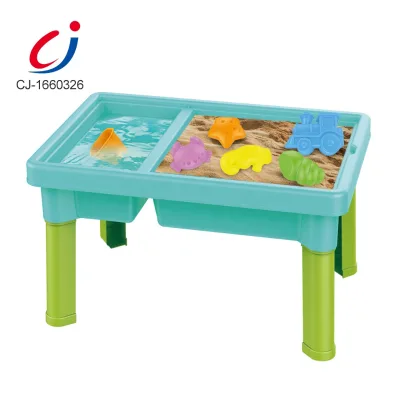
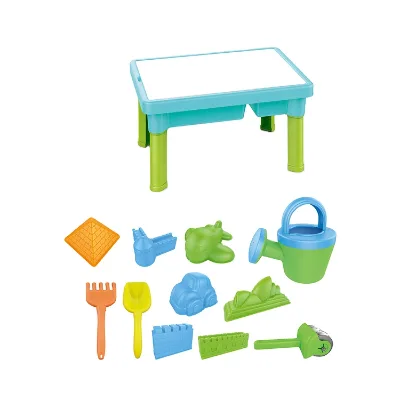
Interesting Kids Diy Outdoor Summer Play Set, Children Favor Sand Table Beach Toys
$4.8009 - $5.4955
MOQ: 24 pieces
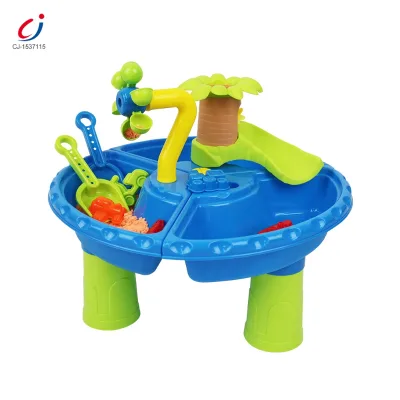
Mainan Anak Summer Outdoor Plastic Kit Tool Set Kids Water Play Table Sand Beach Toys
$6.01 - $7.72
MOQ: 36 pieces
Shantou Chenghai Givelong Toys Gift Factory
- Verified by Intertek
- Manufacturer, Trading Company
- Lead time7 days
- Avg. response≤ 5h
Main productsTable Lamp, Mini Fan, Kitchen Toys, RC Car, Baby Toys
Main marketsDomestic Market(18%), North America(13%), Eastern Europe(12%)
Shenzhen Krishna Toys & Gifts Co., Limited.
- Verified by SGS Group
- Trading Company
- Lead time0 days
- Avg. response≤ 6h
Main productsEducational Toys, Kitchen Toys, Montessori Toy, Wooden Toys, Stuffed Animal Toy
Main marketsNorth America(20%), Southeast Asia(20%), Eastern Europe(20%)
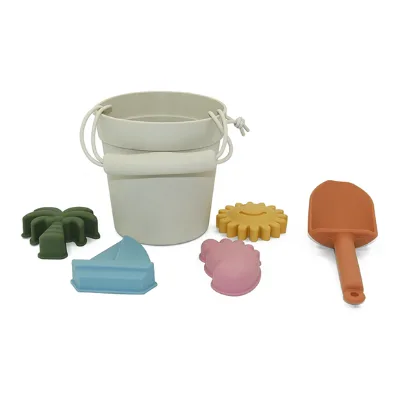
$4.08 - $4.90
MOQ: 50 pieces
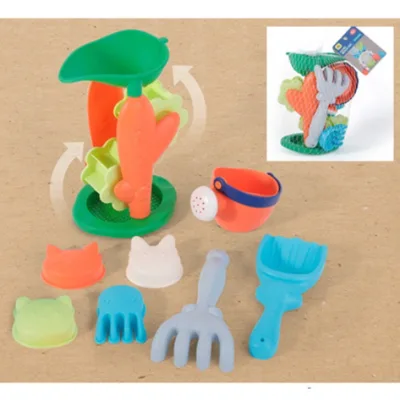
$1.8982 - $2.1542
MOQ: 48 sets
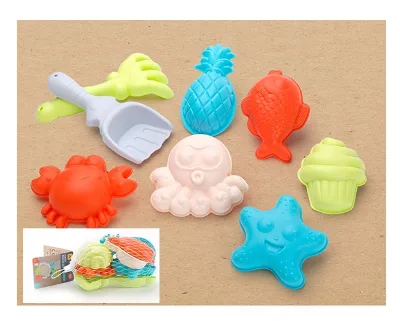
2023 New Design Beach Sand Toy Sets Summer Outdoor Garden Toy With Mold And Shovel
$0.8982 - $1.0225
MOQ: 96 sets
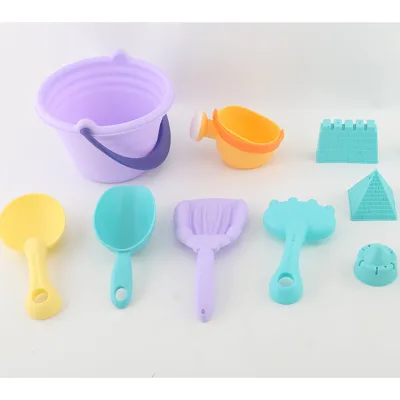
Best Selling Summer Children'S Beach Toy Set Silicone Beach Castle Play Kids Beach Toys for Outdoor
$1.8114 - $2.0599
MOQ: 48 sets
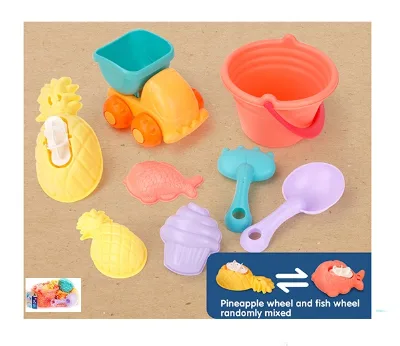
$2.0644 - $2.3428
MOQ: 36 sets
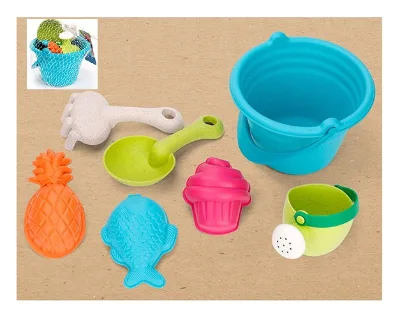
Hot Selling Summer Beach Straw Woven Beach Bucket Shovel And Other Seven-Piece Colorful Baby Toys
$1.5314 - $1.7485
MOQ: 60 sets
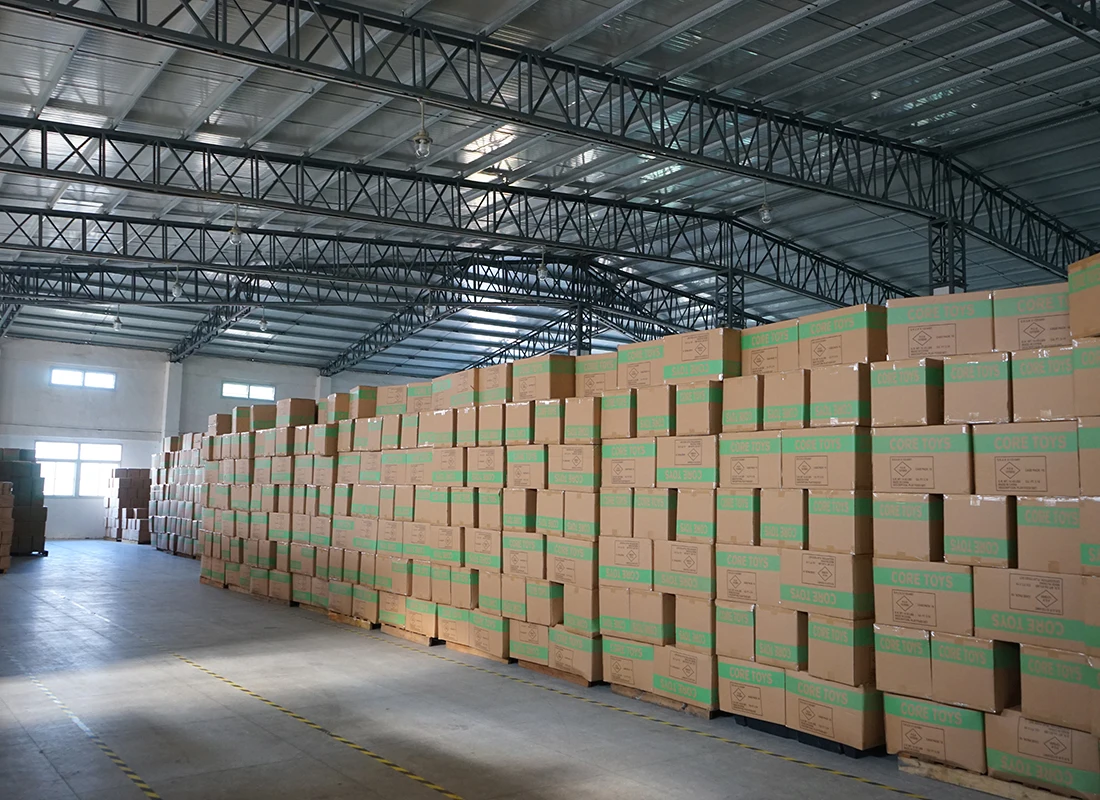
Shantou Dadi Plastic Toys Industry Co., Ltd.
- Manufacturer, Trading Company
- Guangdong, China
- Lead time30 days
- Avg. response≤ 5h
Main productsEducational Toys,Water Gun,Baby Toys,Game Toys,Role Play Toys
Main marketsNorth America(17.00%), Western Europe(13.00%), Northern Europe(10.00%), Eastern Europe(10.00%), Domestic Market(5.00%), South Asia(5.00%), Southern Europe(5.00%), Southeast Asia(5.00%), Central America(5.00%), South America(5.00%), Eastern Asia(5.00%), Mid East(5.00%), Oceania(5.00%), Africa(5.00%)

Ningbo Tonglu Children Products Co., Ltd.
- Manufacturer
- China Zhejiang
- Lead time30 days
- Avg. response≤ 9h
Main productsKids Tricycle, Kids Furniture, Kids Table, Kids Chair, Kids Balance Bike, Kids Scooter, Kids Bookshelf, Kids Storage Cabinet, Kids Educational Toys, Kids Sofe
Main marketsSouth America,Europe,North America

- Verified by CTI
- Trading Company
- China Guangdong
- Lead time23 days
- Avg. response≤ 7h
Main marketsSouth America,Africa,Southeast Asia/ Mideast,East Asia(Japan/ South Korea),Domestic,Europe,Australia,North America

Summer Outdoor Toy Sea Dig Toys Portable Light Fishing Equipment Kids Play Set Beach Sand Toys
$6.05 - $6.60
MOQ: 60 Pieces

18PCS Summer Activity Beach Water Table Sand Play Table Set Summer Toy for Toddler Backyard
$7.20 - $7.87
MOQ: 30 Pieces
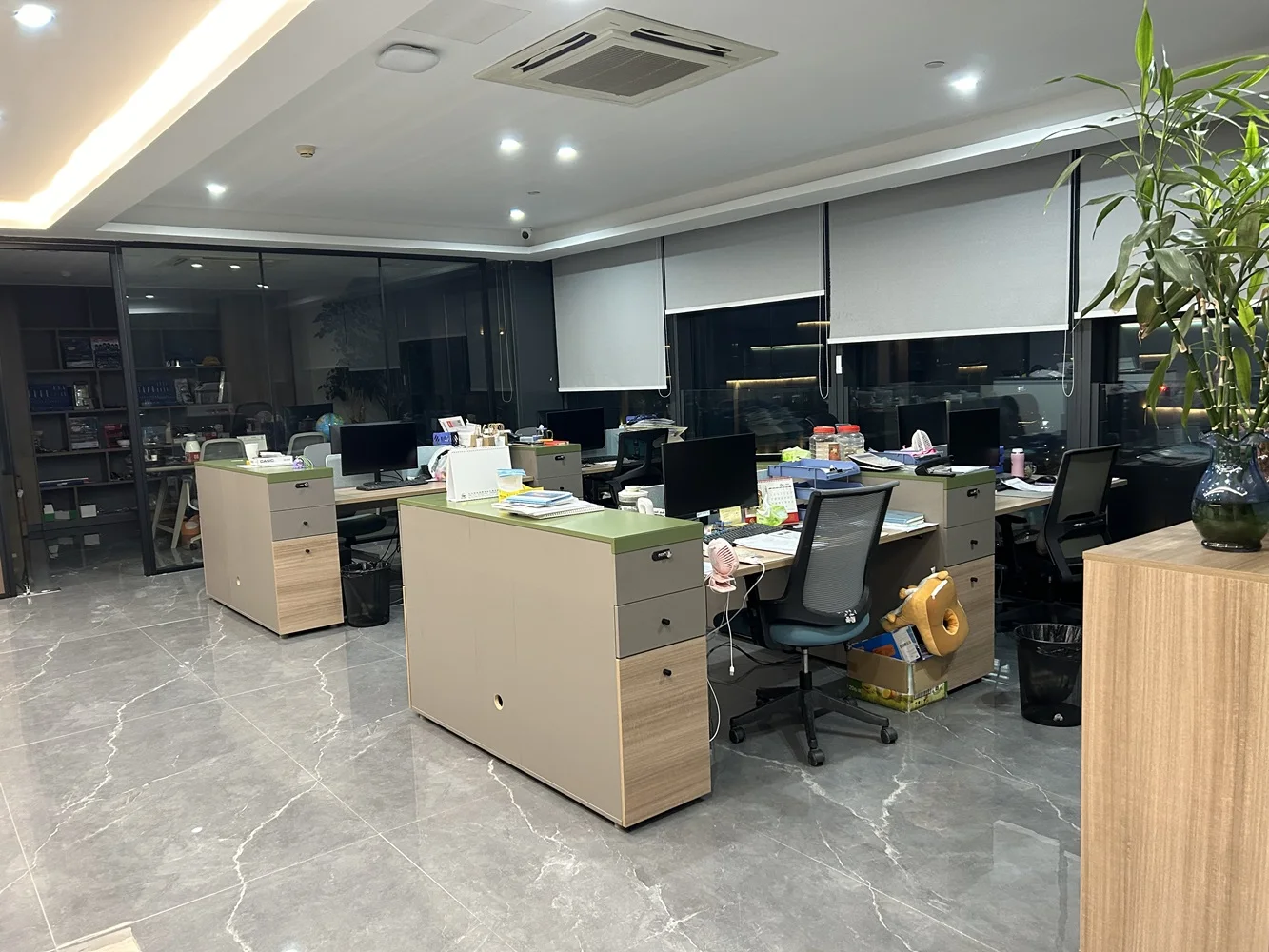
BLUFOREST INTERNATIONAL LIMITED
- Trading Company
- Hong Kong S.A.R.
- Lead time20 days
- Avg. response≤ 15h
Main productsScented Candle,Festive & Party Supplies,Home Accessory,Home Decor,Pet Product
Main marketsEastern Europe(15.00%), South America(15.00%), North America(15.00%), Northern Europe(10.00%), Western Europe(8.00%), Southern Europe(8.00%), Central America(5.00%), Mid East(5.00%), Southeast Asia(5.00%), Oceania(4.00%), Domestic Market(3.00%), Eastern Asia(3.00%), South Asia(3.00%), Africa(1.00%)
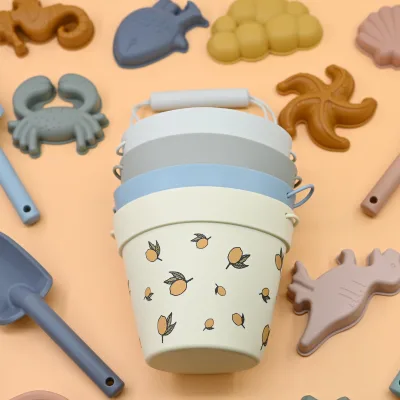
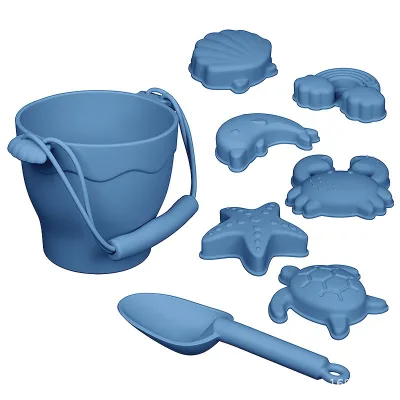
$7.1736 - $7.3368
MOQ: 500 pieces
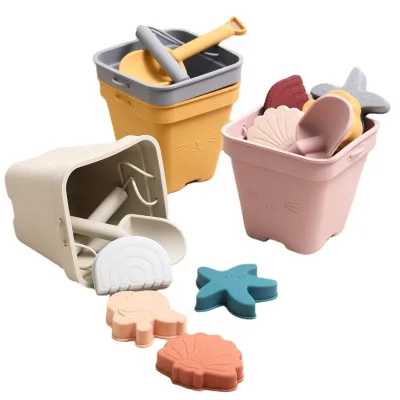
$6.9655 - $7.1108
MOQ: 500 boxes
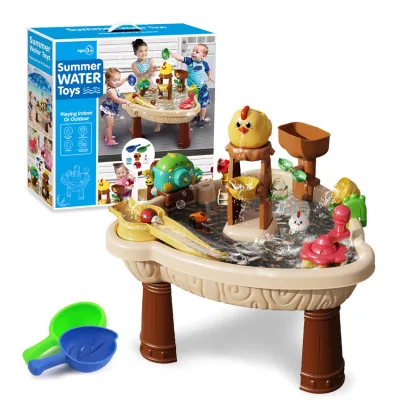
Outdoor Summer Beach Toy Games Kids Play Multifunctional Play Water Table With Parasol
$14.991 - $30.3532
MOQ: 500 Minimum

- Verified by TUVRHEINLAND
- Trading Company,Manufacturer/Factory
- China Guangdong
- Lead time23 days
- Avg. response≤ 7h
Main productsToys, Children Toys, Track Car Toys, Candy Toys, Kid Play Tent, Small & Fun Toys, Family Toys, Boy Toys, Girl Toys, Plastic Toys
Main marketsSouth America,Eastern Europe,North America,Southeast Asia,Eastern Asia,Western Europe

Shantou Xinxin Technology Co., Ltd
- Verified by CTI
- Trading Company
- China Guangdong
- Lead time15 days
- Avg. response≤ 4h
Main productsToys, RC Toys, Children's Cosmetics, Drone, Remote Control Toy, Plasticene, Superlight Clay, Electrical Toys, Remote-Control-Toys, Toy
Main marketsSouth America,Southeast Asia/ Mideast,Europe,North America


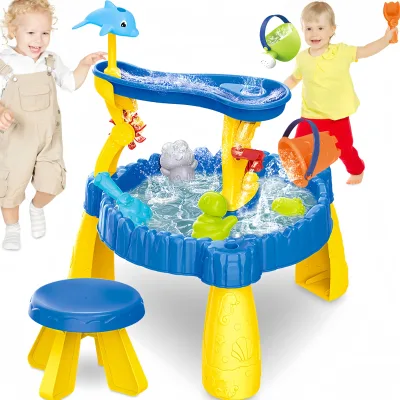
Multifunctional 4-Tier Water Play Table Summer Toys Children's Beach Toys
$13.60 - $14.60
MOQ: 30 Pieces
Shantou Denko Toys Co., Limited
- Manufacturer, Trading Company
- Guangdong, China
- Lead time30 days
- Avg. response≤ 11h
Main productsEducational Toys,Baby Toys,R/C Toys,Sport Toys,Plastic Toys
Main marketsWestern Europe(18.00%), Mid East(15.00%), South America(14.00%), Southeast Asia(13.00%), South Asia(11.00%), Domestic Market(8.00%), Oceania(8.00%), Eastern Asia(5.00%), North America(5.00%), Africa(3.00%)
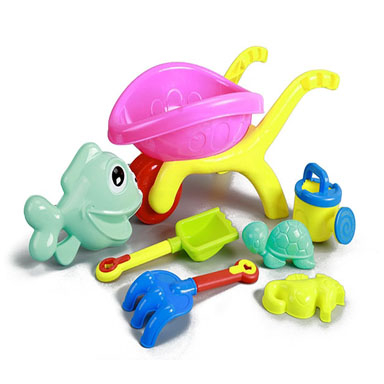
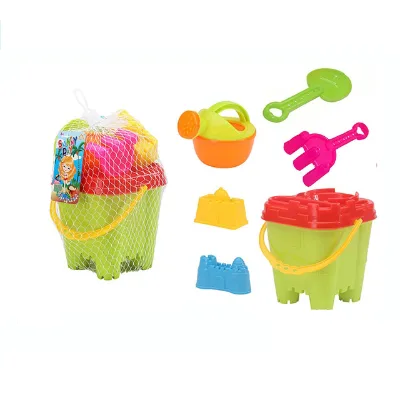
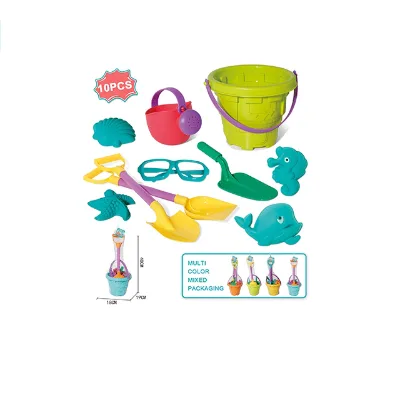
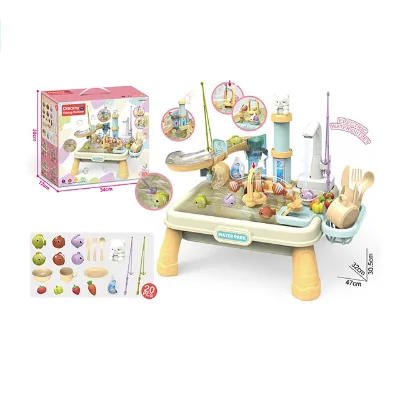
DK Toys Summer Beach Toys Kids Education Colorful Toys for Fun Play
$0.9536 - $1.2739
MOQ: 180 Minimum

Shan Tou City Xinzhigu Toys Co., Ltd.
- Verified by CTI
- Trading Company
- China Guangdong
- Lead time15 days
- Avg. response≤ 3h
Main productsToys
Main marketsEurope

New Product Children Summer Outdoor Toy House Playset Plastic Beach Toy for Kids Water Toy
$0.63 - $0.69
MOQ: 180 Sets

Hot Selling Mini Beach Toys Summer Kid Toys Children Outdoor Toy Summer Vacation
$0.64 - $0.69
MOQ: 80 Sets
Shenzhen Aidisheng Trading Co., Ltd.
- Trading Company
- Guangdong, China
- Lead time15 days
- Avg. response≤ 1h
Main productsRC Airplanes,Toy Guns,Fidget Toys,RC Cars,Cosmetic Toys
Main marketsNorth America(30.00%), Africa(10.00%), Southern Europe(10.00%), Southeast Asia(10.00%), Eastern Europe(10.00%), Western Europe(10.00%), South America(10.00%), Mid East(4.00%), Oceania(4.00%), Northern Europe(2.00%)
Dongguan Shengbin Technology Co., Ltd.
- Manufacturer, Trading Company
- Guangdong, China
- Lead time15 days
- Avg. response≤ 3h
Main productsSilicone Baby plate,Silicone Baby fork spoon,Silicone Baby Bib,Silicone Baby molar toy,Silicone baby toothbrush
Main marketsOceania(20.00%), North America(15.00%), Southeast Asia(15.00%), Domestic Market(10.00%), Southern Europe(10.00%), Northern Europe(10.00%), Western Europe(10.00%), Eastern Europe(10.00%)

- Verified by BV
- Trading Company,Manufacturer/Factory
- China Zhejiang
- Lead time15 days
- Avg. response≤ 8h
Main productsCeramic Mug, Kitchen Storage, Water Bottle, Cookware Set, Charger Plates, Shaker Set, Storage Rack, Food Container, Kitchen Accessories, Yiwu Agent
Main marketsSouth America,Eastern Europe,Mid East,North America,Southeast Asia,Eastern Asia,Oceania,Western Europe,Africa

Beach Boat Sand Table Play Set Wholesale Summer Outdoor Water Toys 18PCS Beach Toys
$7.24 - $7.35
MOQ: 18 Pieces

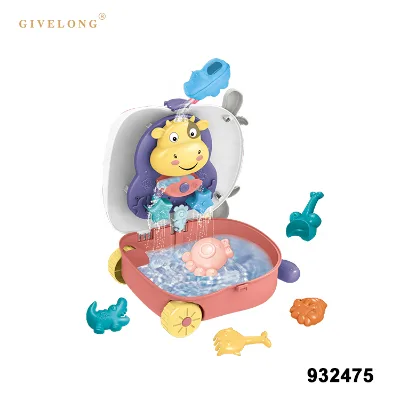
Cute and Interactive Water Spray Toys for Baby Bathing, Outdoor Beach Children's Water Play Toys
$1.10 - $1.20
MOQ: 20 Pieces

Shantou Beibeijia Trading Co., Ltd.
- Verified by CTI
- Trading Company
- China Guangdong
- Lead time23 days
- Avg. response≤ 10h
Main productstoy
Main marketsSouth America,Eastern Europe,Mid East,North America,Southeast Asia,Eastern Asia,Oceania,Western Europe,Africa

Dongguan Chengda Rubber and Plastic Co., Ltd
- Verified by SGS
- Trading Company,Manufacturer/Factory
- China Guangdong
- Lead time23 days
- Avg. response≤ 7h
Main productsSilicone Products, Machnie Part, Silicone Gifts, Silicone Bag, Medicial Products, Silicone Bra, Custom Silicone Product, Silicone Toy
Main marketsEastern Europe
Shantou Rong Yuan Toys Co., Limited
- Manufacturer
- Guangdong, China
- Lead time20 days
- Avg. response≤ 9h
Main productsBaby Activity Gym,Baby Educational Toys,Baby Music Toy,Baby Walker,Other Baby Toys
Main marketsNorth America(56.00%), Domestic Market(28.00%), South America(4.00%), Northern Europe(4.00%), Western Europe(4.00%), Eastern Europe(4.00%)






Comprehensive Sourcing Guide
Early Education Beach Toy Set Supplier Concentration and Factory Types
The current supplier landscape for early education beach toy sets reveals a mix of trading companies and manufacturers, with a notable concentration of production facilities located in Guangdong, China. This region serves as a primary hub for plastic molding and toy assembly, offering access to a robust supply chain for materials like PP plastic and wheat straw. When evaluating potential partners, buyers should look for suppliers explicitly stating their location as Guangdong to ensure proximity to established manufacturing clusters. This geographic concentration often correlates with specialized capabilities in light customization, sample processing, and graphic processing, which are critical for developing unique educational playsets.
Factory types vary significantly among the available options, ranging from pure trading entities to direct manufacturers offering ODM and OEM services. Trading companies may provide a broader catalog of items such as RC cars and pretend play toys, while manufacturers often focus on specific production lines with capabilities for customized on-demand orders. Some suppliers demonstrate advanced research and development capacity, allowing for the creation of biodegradable toys or specific educational features like freewheel mechanisms. Buyers must distinguish between these models to align with their strategic needs, whether prioritizing speed through a trading company or seeking deeper customization and control through a manufacturer with verified production lines.
How to Verify Early Education Beach Toy Set Suppliers
Verification is a critical step when sourcing early education beach toy sets, as the market includes both verified and unverified entities. Buyers should prioritize suppliers who have undergone third-party verification by recognized agencies such as SGS Group or BV. These verifications provide a baseline of confidence regarding the supplier's business legitimacy and operational stability. It is essential to confirm that the verification status is current and directly linked to the specific entity being engaged, rather than a generic company profile. This due diligence helps mitigate the risk of engaging with intermediaries who may lack direct oversight of the manufacturing process or quality control standards.
Beyond basic verification, buyers must scrutinize specific product attributes and certifications to ensure compliance with safety standards. Evidence suggests that some products carry certifications like EN71, 7P, ENASTM, and CE, which are vital for toys intended for young children. When assessing a supplier, request documentation that explicitly links these certifications to the specific product model numbers, such as TS0686 or OB0404, rather than accepting generic claims. Additionally, verify the supplier's response time, which can indicate their operational efficiency and commitment to communication. A response time of approximately five days or less suggests a responsive team capable of addressing inquiries and resolving issues promptly during the sourcing process.
What to Compare Across Early Education Beach Toy Set Suppliers
Comparing suppliers requires a systematic evaluation of key operational metrics, including lead times, minimum order quantities, and response speeds. Lead times in this category can vary from 15 days to 23 days, depending on the complexity of the order and the supplier's current production load. Buyers should calculate the total time from order placement to delivery, factoring in both the manufacturing lead time and potential shipping durations. Minimum order quantities also differ significantly, with some suppliers requiring orders as low as 240 units while others mandate 960 units. Understanding these thresholds is crucial for managing inventory costs and ensuring that the order volume aligns with the buyer's market demand and financial capacity.
Price and customization capabilities are equally important factors in the comparison process. Unit prices for beach toy sets can range from approximately $0.54 to $3.00, influenced by material choices such as wheat straw versus standard PP plastic, and the complexity of the design. Suppliers offering light customization or graphic processing may command different price points compared to those selling standard off-the-shelf items. Buyers should also assess the supplier's main product focus; some specialize in educational toys and vehicles, while others offer a broader range including sports toys and dolls. Aligning the supplier's core competencies with the specific requirements of the Early Education Beach Toy Set ensures a better fit for the project's quality and functional goals.
Common Early Education Beach Toy Set Sourcing Risks
One significant risk in sourcing early education beach toy sets involves the discrepancy between claimed certifications and actual product compliance. While some product listings display certifications like ENASTM or CE, buyers must verify that these standards apply to the specific batch being ordered. There is a risk that a supplier may list a certification for one product line while supplying a different, non-compliant item. To mitigate this, buyers should request test reports that match the exact model number and material composition of the ordered goods. Relying solely on the product page description without independent verification can lead to regulatory issues and potential recalls in the destination market.
Another critical risk is the variability in lead times and the potential for delays in production or shipping. Suppliers may advertise a lead time of 15 days, but actual delivery could be extended due to material shortages or production bottlenecks. This is particularly relevant for customized orders involving graphic processing or specific biodegradable materials like wheat straw, which may have longer processing times than standard plastic. Buyers should establish clear contractual terms regarding delivery dates and include penalties for delays to protect their interests. Additionally, the risk of inconsistent quality control exists, especially when dealing with trading companies that may not have direct oversight of the factory floor, making it essential to implement rigorous pre-shipment inspection protocols.
Early Education Beach Toy Set Regional Sourcing and Logistics
Sourcing from the Guangdong region in China offers logistical advantages due to the high density of toy manufacturers and established export infrastructure. This concentration allows for efficient coordination between raw material suppliers, molding factories, and assembly lines, often resulting in shorter lead times for standard products. However, buyers must account for the specific logistics requirements associated with shipping toys, which can be bulky and require careful packaging to prevent damage during transit. The single package sizes for various beach toy sets range from compact 13.5 cm units to larger 33 cm boxes, impacting container loading efficiency and overall shipping costs.
When planning logistics, buyers should consider the impact of packaging materials on the total weight and volume of the shipment. Some products are packed in net bags, while others use windows boxes or cartons, each with different weight implications. For instance, a single gross weight of 0.5 kg versus 1.5 kg per unit can significantly alter the freight cost per container. It is advisable to request detailed packing lists and dimensions from the supplier to optimize container utilization. Furthermore, buyers should verify the supplier's experience with international shipping and their ability to handle customs documentation, ensuring that the goods clear borders smoothly and arrive at the destination on schedule without unexpected delays or additional fees.
Early Education Beach Toy Set Commercial Terms and Order Planning
Commercial terms for early education beach toy sets often include specific requirements regarding payment, escrow, and order planning. Buyers should be aware that minimum order quantities can be substantial, ranging from 240 to 960 units, which necessitates careful financial planning and inventory management. Understanding the pricing structure is vital, as unit costs can fluctuate based on order volume and material selection. Some suppliers offer price ranges that reflect these variables, requiring buyers to negotiate based on their specific volume needs and long-term partnership potential. Clear communication regarding payment terms and the use of escrow services can help secure the transaction and protect both parties from financial disputes.
Order planning must also account for the customization capabilities and production capacity of the selected supplier. Suppliers with ODM and OEM capabilities can tailor products to specific brand requirements, but this often involves longer lead times and higher minimums. Buyers should plan their orders well in advance to accommodate these timelines, especially if the product involves unique features like biodegradable materials or specific educational functions. It is also important to verify the supplier's ability to handle sample processing and graphic customization before committing to a large order. By aligning the order timeline with the supplier's production schedule and capacity, buyers can ensure a smooth flow of goods and avoid disruptions in their supply chain.
FAQs
What materials are used in early education beach toys?
Suppliers offer biodegradable wheat straw and standard PP plastic options. Wheat straw sets provide eco-friendly alternatives for early learning, while plastic versions ensure durability. Both materials are selected for safety and suitability for young children engaging in sand play activities.
What is the typical lead time for these orders?
Manufacturers generally require 15 to 23 days for production. Trading companies may offer faster turnaround times around 15 days, while direct factories often need up to 23 days. Buyers should confirm specific schedules based on order volume and customization needs.
What are the minimum order quantities for beach sets?
MOQs typically range from 240 to 960 pieces depending on the set complexity. Smaller 9-piece sets may start at 240 units, while larger 12-piece or trolley box sets often require 720 to 960 units. Bulk pricing improves with higher volumes.
Are these toys certified for safety standards?
Yes, products commonly hold EN71, CE, ASTM, and 7P certifications. These standards ensure the toys meet international safety requirements for children. Buyers should verify specific certificate numbers for each batch to guarantee compliance with local regulations in their target markets.
What is the price range for bulk orders?
Unit prices generally fall between $0.54 and $3.00. Basic plastic sets start around $0.54, while specialized biodegradable or larger trolley sets cost up to $3.00. Prices vary based on material choice, set size, and whether customization like logos is included.
Can I customize the logo on these toys?
Customization is available for many suppliers, including logo printing and graphic processing. Some manufacturers offer OEM and ODM services for full branding. Buyers should confirm customization options and any additional costs or minimum order requirements for personalized designs before placing orders.