Early Educational Ball-Point Pen Suppliers and Manufacturers
Compare 21 verified suppliers of Early Educational Ball-Point Pen based on location, lead time, and response time. Review product specifications like material and customization options before contacting factories in China Anhui and Zhejiang; review the available evidence before requesting comparable quotations from suitable candidates.
Suppliers List
- Verified by TUVRHEINLAND
- Trading Company
- China Anhui
- Lead time45 days
- Avg. response≤ 19h
Main productsEraser, Pencil, Chalk, Paper Clip, Crayon, Stick Pen, Sheet Protector, Punch, Mathematerical Instruments, Pencil Sharpener
Main marketsSouth America,Africa,North America

Ningbo Becol Stationery & Gifts Co., Ltd.
- Verified by BV
- Trading Company
- China Zhejiang
- Lead time23 days
- Avg. response≤ 8h
Main productsPromotion Pen, Ball Pen, Marker Pen, Highlighter, Gel Pen, Cutter Knife, File Folder, Stapler, Scissor, Stamp
Main marketsSouth America,Africa,Southeast Asia/ Mideast,East Asia(Japan/ South Korea),Europe,Australia,North America

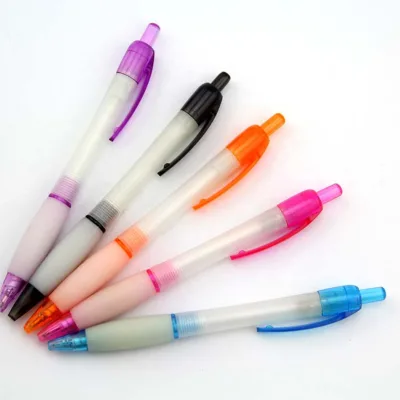
Promotional Multicolor Ball Point Pen Creative Plastic Ball Pen for Students
$0.17 - $0.34
MOQ: 50 Pieces


Multicolor Ball Pen Press Kids Cartoon Ballpoint Pen with Smooth Writing
$0.08 - $0.25
MOQ: 5000 Pieces


NINGBO SEVEN STAR STATIONERY & GIFT CO., LTD.
- Verified by SGS
- Trading Company
- China Zhejiang
- Lead time60 days
- Avg. response≤ 5h
Main productsPen, Pencil, Box, Mug, Water Bottle, Stationery, Highlighter Pen, Permanet Marker
Main marketsSouth America

- Verified by BV
- Trading Company
- China Guangdong
- Lead time30 days
- Avg. response≤ 9h
Main productsPromotional Gift, USB Flash Drive, Power Bank, Towel, Umbrella, Drink Bottle, Key Ring, Note Book, Trampoline Socks, Plush Toy
Main marketsSouth America,Southeast Asia/ Mideast,Europe,Australia,North America

Ningbo Blue Bridge Import & Export Co.,Ltd
- Verified by TUVRHEINLAND
- Trading Company
- China Zhejiang
- Lead time15 days
- Avg. response≤ 4h
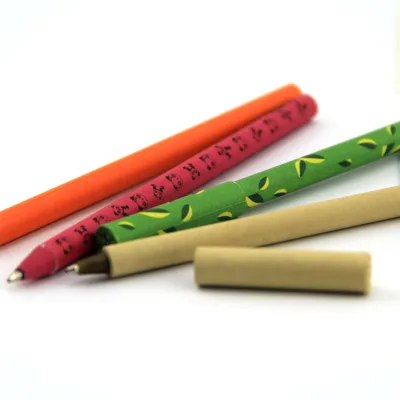
Main productsBall Point Pen, Gel Pen, Ball Pen, Highlighter, Stylus Pen, Phone Holder Pen, Eco Friendly Pen, Table Pen, Pen Box, Banner Pen
Main marketsSouth America,Africa,Southeast Asia/ Mideast,Europe,Australia,North America

Students Smooth Writing Popular Cute Short Colorful Plastic Ball Point Pen
$0.08 - $0.09
MOQ: 10000 Pcs


Ningbo Brt Imp. &Exp. Co., Ltd.
- Verified by TUVRHEINLAND
- Trading Company
- China Zhejiang
- Lead time23 days
- Avg. response≤ 3h
Main productsSchool Stationery, Water Bottle, Office Stationery, School Bag, Promotional Pen, Marker, Promotional Gift, Notebook
Main marketsAfrica,East Asia(Japan/ South Korea),North America


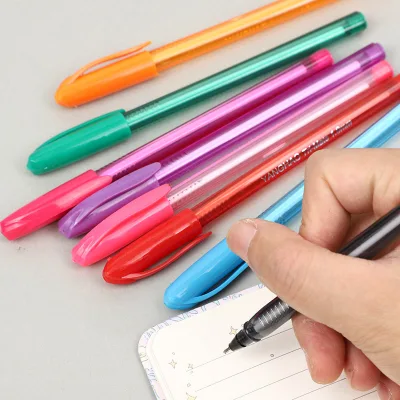
Promotional Multiple Colors Plastic Kids Ballpoint Pen for School and Office
$0.19 - $0.20
MOQ: 1000 pieces

- Verified by TUVRHEINLAND
- Trading Company
- China Zhejiang
- Lead time15 days
- Avg. response≤ 4h
Main productsLanyard, Promotional Gift, Baseball Cap, Bags, T-Shirt, Ceramic Mug, Sport Water Bottle, PU Toys
Main marketsEurope,Australia,North America


Multi-Color Customized Logo Plastic Ballpoint Pen, Promotional Gift Ballpoint Pen
$0.05 - $0.06
MOQ: 5000 Pieces


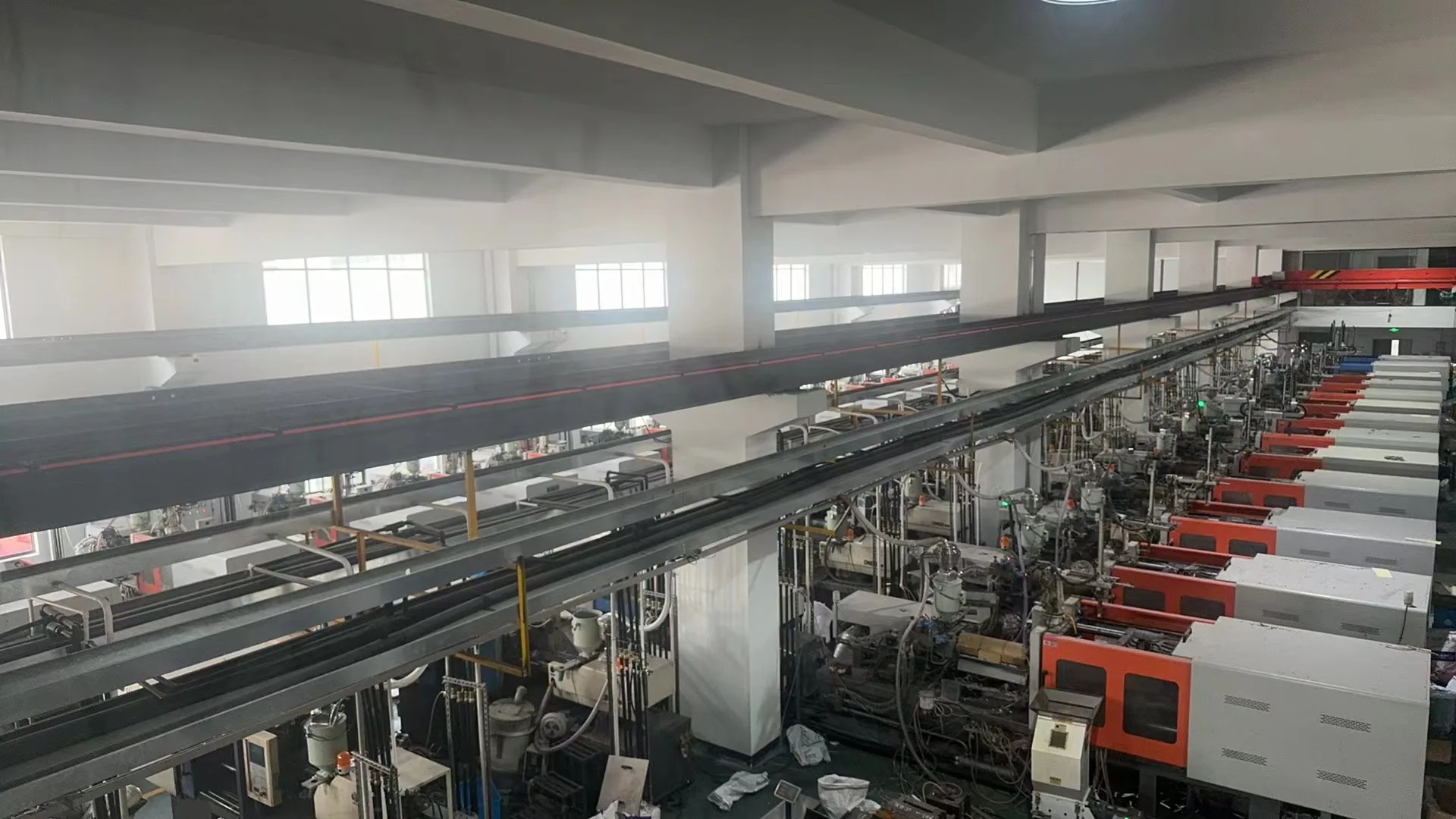
Shanghai Hongbin International Co., Ltd.
- Trading Company
- Shanghai, China
- Lead time15 days
- Avg. response≤ 7h
Main productsOffice and School Stationery,Promotion Gifts,DIY Creative Art Series,Promotion Pens,Promotion Stress Balls
Main marketsNorth America(43.00%), Southeast Asia(8.00%), Mid East(8.00%), South America(8.00%), Southern Europe(7.00%), Central America(5.00%), Eastern Asia(5.00%), Eastern Europe(3.00%), Western Europe(3.00%), Oceania(3.00%), Domestic Market(2.00%), Africa(2.00%), Northern Europe(2.00%), South Asia(1.00%)

NINGBO WILSHINE STATIONERY CO., LTD.
- Trading Company
- China Zhejiang
- Lead time30 days
- Avg. response≤ 1h
Main productsBall Pen, Pencils, Paper Products, Notebook, Note Pad, Eraser, School Bag, Measuring Tape, Roller Ball Pen, Sticky Note
Main marketsSoutheast Asia/ Mideast,Europe,North America

Tung Wing Electronics (Shenzhen) Co., Ltd.
- Trading Company
- China Guangdong
- Lead time45 days
- Avg. response≤ 25h
Main productsSound Module, Flashing Module, Recording Module, Greeting Cards, Keychain, Photo Frame, Optical Fiber Bags, Flashing Badge, Promotional Gift, Sound Pad
Main marketsSouth America,Southeast Asia/ Mideast,East Asia(Japan/ South Korea),Europe,Australia,North America

Shanghai David International Trade Co., Ltd.
- Verified by TUVRHEINLAND
- Combined
- China Shanghai
- Lead time15 days
- Avg. response≤ 8h
Main productsPromotional Gifts, Gift Sets, Tshirts, Hats, Hot Packs, Hot Cold Packs, Ice Packs, Bags, Umbrellas, Water Bottles
Main marketsSouth America,Africa,Southeast Asia/ Mideast,East Asia(Japan/ South Korea),Domestic,Europe,Australia,North America
Xiamen Jin Hong Technology Co., Ltd.
- Trading Company
- Fujian, China
- Lead time15 days
- Avg. response≤ 2h
Main productsGel pen,notebook,Colored pen,silicone bead,Beadable Pen
Main marketsNorth America(60.00%), South America(40.00%)
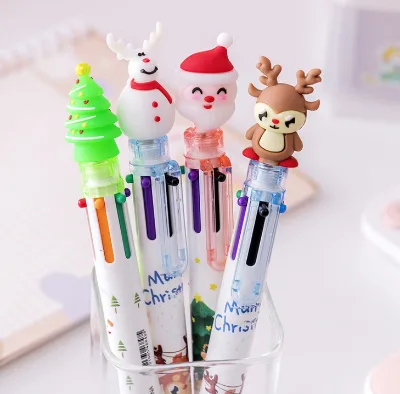
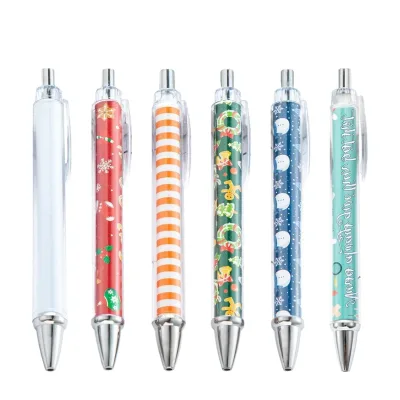
6 Color Ball Point Pen,Christmas Tree Top Decoration,Christmas Promotion Gift Pen
$0.28 - $0.40
MOQ: 3000

Shanghai Touch Industrial Development Co., Ltd.
- Verified by TUVRHEINLAND
- Combined
- China Shanghai
- Lead time15 days
- Avg. response≤ 6h
Main productsInstant Hot Pack, Hot Cold Pack, Gel Eye Mask, Gel Ice Pack, Gel Bottle Cooler, Instant Ice Pack, Hand Warmer, Heat Pack, Cooling Scarf, Gel Beads
Main marketsSouth America,Others(foreignTradeCapacity.exportBusinessCapacityMarketOther),Southeast Asia/ Mideast,East Asia(Japan/ South Korea),Domestic,Europe,Australia,North America

Changsha Sofly Industry Co.,Ltd
- Verified by BV
- Trading Company
- China Hunan
- Lead time15 days
- Avg. response≤ 6h
Main productsPower Bank, Digital Luggage Scale, USB Flash Drive, LED Light, LED, Mobile Battery Charger, USB Stick, USB 2.0 USB 3.0, Digital Hanging Portable Scale, Digital Scale
Main marketsEurope

Plastic Ball Pen Promotional Ballpoint Pen for Office Students' Stationery Gifts
$0.16 - $0.22
MOQ: 1000 Pieces

Promotion Ball Point Pen Custom Logo Printing Logo Caneta Ballpoint Pen Metal Pen
$0.15 - $0.25
MOQ: 500 Pieces
Wenzhou Bonvan Stationery & Gifts Co., Ltd.
- Verified by TüVRheinland
- Trading Company
- Lead time25 days
- Avg. response≤ 3h
Main productsMarkers, Pens, School Stationery, Office Stationery, Art Material
Main marketsNorth America(20%), Domestic Market(20%), Western Europe(15%)

Ningbo Inmax Cultural Technology Co., Ltd
- Verified by SGS
- Trading Company,Manufacturer/Factory
- China Zhejiang
- Lead time45 days
- Avg. response≤ 3h
Main productsPen, Stationery, Pencils, Ballpoint Pens, Highlighter, Notebook, Marker, Erasers, Rulers, School Stationery
Main marketsSouth America,Eastern Europe,Mid East,North America,Southeast Asia,Eastern Asia,Oceania,Western Europe,Africa

DONGGUAN HUI TAI TONG TECHNOLOGY CO., LIMITED
- Manufacturer/Factory
- China Guangdong
- Lead time23 days
- Avg. response≤ 2h
Main productsPlastic Toy, Children Toy, Educational Toy, Action Figure, PVC Figure, Promotional Gift, Sport Figure
Main marketsNorth America,Eastern Asia,Western Europe

Quanzhou Changyi Crafts Gifts Limited
- Verified by TUVRHEINLAND
- Manufacturer/Factory
- China Fujian
- Lead time23 days
- Avg. response≤ 7h
Main productsBallpoint Pen, Silicone Bracelet, Name Card Holder, Luggage Tag, Gift Set, Mobile Phone Accessory, Passport Cover, Ceramic Coaster, Gift Bag, Gift Box
Main marketsSouth America,Mid East,North America,Southeast Asia,Eastern Asia,Oceania,Western Europe,Africa

with Custom Logo School Supplies Ballpoint Pens Promotional Plastic Ball Pen
$0.19 - $0.21
MOQ: 500 Pieces


Ningbo Enlegend Stationery Co., Ltd.
- Combined
- China Zhejiang
- Lead time30 days
- Avg. response≤ 3h
Main productsMarker, Highlighter
Main marketsSouth America,Europe,North America

Difanmax Tech Lianyungang Co., Ltd.
- Verified by BV
- Manufacturer/Factory
- China Jiangsu
- Lead time23 days
- Avg. response≤ 3h
Main productsConsumer Electronics, Kinesiology Tape Adhesive Tapes, Industrial Tools, Home & Garden, Gifts & Crafts, Sport Products Entertainment, Health & Medical, Auto Parts E-Bike Auto Tools & Components, Clothes Apparel, Bicycle Hardware Laboratory Measuring Protective
Main marketsSouth America,North America,Southeast Asia,Oceania,Western Europe
Ningbo Yinzhou Wenhui Paper Co., Ltd.
- Verified by TUVRHEINLAND
- Manufacturer/Factory
- China Zhejiang
- Lead time45 days
- Avg. response≤ 10h
Main productsStationery Gifts Promotional Homeware, Pen, Pet Products, Board Game, Paper Tube, Notebook, Wooden Toys, DIY Toy, Puzzle, Gift Bag
Main marketsSouth America,Eastern Europe,Mid East,North America,Southeast Asia,Eastern Asia,Oceania,Western Europe,Africa






Comprehensive Sourcing Guide
Early Educational Ball-Point Pen Supplier Concentration and Factory Types
The current supplier landscape for early educational ball point pens reveals a distinct concentration of manufacturing activity within specific Chinese provinces. Evidence confirms that suppliers are located in Anhui and Zhejiang, with Anhui specifically noted as a production hub for items like erasers, pencils, and various stationery instruments. These regions host a mix of trading companies and factories that specialize in school and office supplies. When evaluating potential partners, buyers should look for suppliers whose main product lists explicitly include educational tools such as pencils, chalk, and mathematical instruments alongside ball point pens. This alignment suggests a dedicated focus on the school supply sector rather than a generalist approach that might dilute quality control for early education products.
Factory types vary significantly across the available results, with trading companies appearing as a primary entity type in the data. These trading companies often aggregate products from various manufacturers, offering a broader catalog that includes promotional gifts and office supplies. However, the presence of specific product attributes like "Click" or "Twist" open styles and materials such as plastic indicates a manufacturing capability that goes beyond simple reselling. Buyers must verify whether a supplier is a direct factory or a trading intermediary by examining their main product descriptions and verification status. A supplier listing "Trading Company" as their type may offer flexibility in sourcing, but a direct factory might provide more control over the customization of educational features like grip hardness or ink flow suitable for young learners.
How to Verify Early Educational Ball-Point Pen Suppliers
Verification is a critical step when sourcing early educational ball point pens, as the safety and quality of materials directly impact young users. The available data indicates that some suppliers hold verification from recognized bodies such as TÜV Rheinland and BV. These certifications serve as a baseline for assessing a supplier's commitment to quality standards and operational integrity. When reviewing a potential partner, buyers should prioritize those who display these specific verification badges on their profiles. It is essential to confirm that the verification covers the specific product category of interest, ensuring that the standards applied to the ball point pens meet the rigorous requirements for children's stationery.
Beyond third-party verification, buyers should scrutinize the detailed product attributes provided in the supplier listings. Evidence shows that suppliers list specific attributes such as "Non-Disposable" status, "Leak-Proof Design," and "Anti-Slip Rubber Grip," which are crucial for early education tools. A supplier that provides comprehensive details on ink capacity, point diameter, and material composition demonstrates a higher level of transparency and quality control. Buyers should request documentation that matches these listed attributes, such as test reports for the "Medium Soft" or "Partial Hard" hardness levels mentioned in the product data. If a supplier cannot provide evidence for these specific claims, it is advisable to proceed with caution or seek alternative partners who can substantiate their product specifications with verifiable data.
What to Compare Across Early Educational Ball-Point Pen Suppliers
When comparing suppliers, response time and lead time are two of the most immediate operational metrics available in the current data. Response times vary significantly, with some suppliers showing a response time of approximately 7.71 hours while others take nearly 19 hours. For time-sensitive educational procurement, a faster response time can be indicative of a more responsive sales team and potentially better communication channels. Similarly, lead times range from 23 days to 45 days, a difference that can impact inventory planning and delivery schedules. Buyers should calculate the total time from order placement to shipment, factoring in these lead times to ensure they meet their distribution deadlines without causing stockouts in schools or retail outlets.
Minimum Order Quantity (MOQ) and pricing structures also require careful comparison to align with budget and volume requirements. The data reveals a wide disparity in MOQs, ranging from as low as 50 units to as high as 50,000 units. This variation allows buyers to select suppliers that match their order size, whether they are testing a new product line or fulfilling a large-scale government contract. Pricing per unit also fluctuates, with some listings showing prices as low as $0.02 while others reach $0.37. Buyers must analyze the price-to-MOQ ratio to determine the most cost-effective option. It is important to note that lower prices often correlate with higher MOQs, so buyers should balance their budget constraints with their ability to absorb larger inventory volumes before committing to a specific supplier.
Common Early Educational Ball-Point Pen Sourcing Risks
One significant risk in sourcing early educational ball point pens involves the discrepancy between product claims and actual manufacturing capabilities. While some suppliers list "Customization: Available," others specify "Logo Printing: Without Logo Printing," creating potential confusion for buyers seeking branded educational tools. If a buyer requires custom logos or specific branding for a school district, selecting a supplier that does not offer this service could lead to delays or the need to source from multiple vendors. Additionally, the variation in product materials, such as "Plastic" versus other unspecified materials, poses a risk if the buyer has specific safety or environmental requirements for the pens used by children.
Another risk relates to the consistency of product standards and specifications across different batches. The data shows variations in pen tip types, with some products offering "0.5mm" and others "0.7mm" or "1.0mm" point diameters. For early education, the consistency of the writing line is critical for developing proper handwriting skills. If a supplier cannot guarantee that the point diameter remains consistent across the entire order, it could result in a poor user experience for students. Furthermore, the "Disposable" status varies, with some pens marked as "Non-Disposable." Buyers must ensure that the pens they select are durable enough for repeated use in a classroom setting, as a pen that breaks easily or leaks ink can disrupt the learning environment and damage school property.
Early Educational Ball-Point Pen Regional Sourcing and Logistics
The regional concentration of suppliers in Anhui and Zhejiang offers logistical advantages but also requires careful planning regarding shipping and customs. Suppliers in Anhui are noted for producing a wide range of stationery items, including erasers and pencils, which suggests a mature supply chain for educational goods. Zhejiang suppliers, on the other hand, appear to focus heavily on promotional and creative ball point pens. Buyers should consider the proximity of these regions to major ports to estimate shipping costs and transit times accurately. Understanding the specific location of the factory allows for better coordination of freight forwarders and more accurate estimation of delivery dates, which is vital for ensuring pens arrive before the start of the academic year.
Logistics planning must also account for the packaging standards listed in the product data. Some suppliers specify "Each Pen Is Put Into a Leak-Proof Bag," while others use "Box" or "1PC/OPP" packaging. These packaging differences affect the volume and weight of the shipment, directly influencing freight costs. For example, bulk packaging in boxes might be more efficient for large orders, whereas individual OPP bags might be better for smaller, direct-to-consumer shipments. Buyers should verify the packaging details with the supplier to ensure that the pens are protected during transit, especially given the potential for ink leakage if the pens are not properly sealed. Proper packaging is essential to maintain the quality of the product upon arrival and to minimize waste or damage during the shipping process.
Early Educational Ball-Point Pen Commercial Terms and Order Planning
Commercial terms regarding payment and order planning are critical for managing cash flow and ensuring a smooth transaction. The data indicates that some suppliers offer customization options, which often require a deposit or specific payment terms before production begins. Buyers should clarify the payment schedule, including any milestones for production updates or quality inspections, to mitigate financial risk. Additionally, the availability of escrow services, if offered, can provide an extra layer of security for the buyer, ensuring that funds are only released once the goods meet the agreed-upon specifications. Understanding these terms early in the negotiation process helps prevent misunderstandings and ensures that both parties are aligned on the financial expectations of the order.
Order planning must also consider the customization lead times and the specific attributes required for early educational pens. The data shows that customization is available for many products, but the extent of this customization, such as logo printing or specific color quantities, can impact the production timeline. Buyers should factor in the time required for design approval and sample production before the main manufacturing run begins. Furthermore, the "Open Style" of the pen, whether "Click" or "Twist," may require different tooling or assembly processes, which could affect the overall lead time. By planning for these variables and communicating clearly with the supplier about the desired specifications, buyers can ensure that their orders are completed on time and meet the specific needs of the educational market.
FAQs
Where are the ball point pens manufactured?
The ball point pens are manufactured in China, specifically in Anhui and Zhejiang provinces. These regions host trading companies that supply various stationery items including promotional pens and office supplies for global buyers seeking cost-effective solutions.
What is the minimum order quantity for these pens?
Minimum order quantities vary by product, ranging from 50 units for some promotional items to 50,000 units for bulk orders. Buyers should check specific product listings to confirm the exact MOQ required for their desired pen model and customization needs.
How long does it take to receive the order?
Lead times for these ball point pens typically range from 23 to 45 days depending on the supplier and order volume. Some suppliers in Zhejiang offer faster turnaround times, while those in Anhui may require slightly longer production periods for large batches.
Are these pens suitable for promotional gifts?
Yes, these pens are designed for promotional use, office records, and daily notes. They feature customization options, leak-proof designs, and various ink colors, making them ideal for business gifts, school supplies, and advertising campaigns targeting students or professionals.
What materials are used to make these pens?
The pens are primarily made of plastic with ballpoint pen tips for smooth writing. Some models feature anti-slip rubber grips and are available in different hardness levels, ensuring durability and comfort for both office and school environments during extended use.
Can I get custom logos printed on the pens?
Customization is available for many models, with options for logo printing or no logo printing. Buyers can select pens with or without branding based on their promotional needs, ensuring the final product aligns perfectly with their corporate identity or event theme.
What certifications do the suppliers hold?
Suppliers are verified by recognized agencies such as TÜV Rheinland and BV. These verifications indicate that the trading companies meet specific quality and safety standards, providing buyers with confidence in the reliability and compliance of the stationery products they purchase.