E0 E1 Fire Rated Plywood Suppliers and Manufacturers
Source E0 E1 Fire Rated Plywood from 20 verified suppliers in China. Compare ISO certifications, lead times, MOQs, and response speeds to find the right partner. Contact suppliers directly to request quotes and samples; review the available evidence before requesting comparable quotations from suitable candidates.
Suppliers List

Honsoar New Building Material Co., Ltd.
- Verified by TUVRHEINLAND
- Combined
- China Shandong
- Lead time30 days
- Avg. response≤ 16h
Main productsParticle Board, Plywood, MDF, Kitchen Cabinet
Main marketsSouth America,Africa,Southeast Asia/ Mideast,Europe,Australia,North America

SHOUGUANG DAWN FOREST WOOD CO., LTD.
- Manufacturer/Factory
- China Shandong
- Lead time23 days
- Avg. response≤ 16h
Main productsFurniture, Kitchen Cabinet, Wardrobe, Shoe Rack & Cabinet, Plywood, Melamine Plywood, Film Faced Plywood, MDF, Melamine MDF, Melamine Particle Board
Main marketsSouth America,Eastern Europe,Mid East,North America,Western Europe,Africa
Shanghai Jinyi Huachuang Building Materials Technology Co., Ltd.
- Verified by CTI
- Combined
- China Shanghai
- Lead time15 days
- Avg. response≤ 1h
Main productsLight Steel Keel, Fiber Cement Boards, Gypsum Boards, Mineral Fiber Ceiling Tiles, Aluminum U-Shape Baffle, Snap-on Aluminum Ceiling Panels, Calcium Silicate Board, Mineral Wool Board Ceiling, Aluminum Square Tubes, Perforated Board
Main marketsSoutheast Asia/ Mideast,Europe


Fireproof E0 Grade Formaldehyde-Free Flame Retardant Plywood for Commercial Buildings
$8.25 - $16.65
MOQ: 1 Pieces


Fuyang Dake New Materials Co., Ltd.
- Combined
- China Zhejiang
- Lead time15 days
- Avg. response≤ 7h
Main productsPlain MDF, Melamine MDF, HDF, MDF Board, Coverboard, Veneered MDF, Plywood, Particle Board, HPL, Fire Retardant Board
Main marketsDomestic


Construction Material Film Faced Plywood of E1 Construction Plywood Timber
$2.00 - $10.00
MOQ: 1 container

Timber Fire Retardant Board 1220mmx3050mx15mm Grade E1 B1-C for Ceiling Board
$300.00 - $400.00
MOQ: 1 cubic meter
Shandong Fangsi Import And Export Co., Ltd.
- Verified by TüVRheinland
- Trading Company
- Lead time30 days
- Avg. response≤ 3h
Main productsDecorative Panel, Melamine Boards, MDF, Solid Board, SPC Flooring

Weifang Suntop Imp. and Exp. Co., Ltd.
- Verified by TUVRHEINLAND
- Trading Company
- China Shandong
- Lead time15 days
- Avg. response≤ 6h
Main productsMDF, Birch Larch Pine Commercial Plywood, Melamine Faced MDF& Chipboard& Plywood, OSB, Pine Fjlb, Chipboard, Plywood
Main marketsEast Asia(Japan/ South Korea)

E1 Formaldehyde Emission Standards and First-Class Grade 18mm Marine Plywood
$5.00 - $20.00
MOQ: 500 Pieces

E2 Formaldehyde Emission Standards and 9-Ply Boards Plywood Type Marine Plywood
$5.00 - $20.00
MOQ: 500 Pieces

Xuzhou Jiatai International Trading Co., Ltd.
- Verified by BV
- Trading Company
- China Jiangsu
- Lead time30 days
- Avg. response≤ 11h
Main productsCommercial Plywood, Film Faced Plywood, Fancy Plywood, Polyester Plywood, Paper Overlaid Plywood, LVL, HPL, Flexible Plywood
Main marketsSouth America,Eastern Europe,Mid East,North America,Southeast Asia,Eastern Asia,Oceania,Western Europe,Africa

Linyi Consmos Wood Industry Co., Ltd.
- Verified by BV
- Combined
- China Shandong
- Lead time15 days
- Avg. response≤ 3h
Main productsCommercial Plywood, Film Faced Plywood, OSB, Hollow Chipboard, Full Birch Plywood, MDF, Fancy Plywood, Melamine Plywood
Main marketsNorth America

Consnos Fireproof E1 Grade High Pressure Laminated Plywood HPL Building Material Plywood
$5.99 - $17.99
MOQ: 200 Pieces

High-Quality E1 Grade High-Pressure Laminated Plywood HPL Plywood for Construction
$5.99 - $17.99
MOQ: 200 Pieces

Consmos E1 Grade Decorative Furniture HPL Laminated Fire Resistant Plywood Board
$5.99 - $17.99
MOQ: 200 Pieces

LINSEN RAILWAY VEHICLE COMPONENTS CO., LTD.
- Combined
- China Hebei
- Lead time23 days
- Avg. response≤ 7h
Main productsPlywood, 100% Birch Plywood, 100% Beech Plywood, Industrial Flooring, Acoustic Plywood, Marine Plywood, Vehicle Plywood, Fireproof Plywood, Transportation Plywood, Flooring Plywood of High Speed Train
Main marketsEurope,Australia

Shandong Hunglin Wood Industry Co., Ltd.
- Trading Company,Manufacturer/Factory
- China Shandong
- Lead time23 days
- Avg. response≤ 3h
Main productsMelamine Plywood, Commercial Plywood, Film Faced Plywood, Plywood, OSB Board, Melamine Faced Board, Slat Wall Panel, Slotted MDF Board, Moulded Door Skin, PVC Edge Banding
Main marketsSouth America,Eastern Europe,Mid East,North America,Southeast Asia,Eastern Asia,Oceania,Western Europe,Africa

1220*2440mm Customized E0/E1 Glue Melamine Coated Ecological Plywood
$3.50 - $4.65
MOQ: 21 Cubic Meter/Cubic Meters


1220*2440mm Customized Melamine Coated Ecological Plywood
$3.50 - $4.65
MOQ: 21 Cubic Meter/Cubic Meters


Shouguang Sunstar International Trading Co., Ltd.
- Trading Company,Manufacturer/Factory
- China Shandong
- Lead time0 days
- Avg. response≤ 5h
Main productsMDF, Melamine MDF, Plywood, Film Faced Plywood, Particle Board, Door Skin, PVC Edge Banfing, Gypsum Board, Commercial Plywood, Block Board


$1.70 - $19.20
MOQ: 5000 PCS


Linyi Longterm Wood Industry Co., Ltd.
- Verified by CTI
- Combined
- China Shandong
- Lead time15 days
- Avg. response≤ 8h
Main productsMelamine Boards, Plywood
Main marketsSouth America,Africa,Southeast Asia/ Mideast,East Asia(Japan/ South Korea),Australia


High Quality E0/E1/E2 Glue White Laminated Plywood Furniture Melamine Plywood
$9.00 - $25.00
MOQ: 500 Pieces


Feixian Tanyi Town Hongtaiyang Wood Co., Ltd.
- Verified by BV
- Manufacturer/Factory
- China Shandong
- Lead time15 days
- Avg. response≤ 17h
Main productsMarine Plywood, Birch Plywood, Plywood, Poplar Plywood, Pine Plywood, Okoume Plywood, Commercial Plywood, Film Faced Plywood, Pine Marine Plywood, Okoume Marine Plywood
Main marketsSouth America,Eastern Europe,Mid East,North America,Southeast Asia,Western Europe


E0 Grade Marine Plywood Sheet with Fsc&Lloyds Register EPA/Carb Certificate
Contact supplier
MOQ: 50 Pieces

Shandong Zeemo Construction Technology Co. Ltd.
- Verified by TUVRHEINLAND
- Trading Company
- China Shandong
- Lead time15 days
- Avg. response≤ 4h
Main productsPlastic Coated Plywood, Melamine/HPL Faced Board, Particle Board/Chipboard, OSB, MDF, Fancy Plywood, Commercial Plywood, Film Faced Plywood, H20
Main marketsSouth America,Africa,Southeast Asia/ Mideast,East Asia(Japan/ South Korea)


Hot Sale Melamine Plywood Fire-Proof Durable and Environmentally Friendly Custom Melamine Plywood
$5.29 - $25.69
MOQ: 600 piece

Shouguang Hongcheng Imp. & Exp. Co., Ltd.
- Trading Company
- China Shandong
- Lead time30 days
- Avg. response≤ 11h
Main productsPlywood, MDF, Woodworking Machine, Film Faced Plywood, Commercial Plywood, Particle Board, Impregantion Drier, Melamine MDF, Hot Press Machinery, MDF Door Skins
Main marketsAfrica,Others(foreignTradeCapacity.exportBusinessCapacityMarketOther),Southeast Asia/ Mideast,North America

Weifang Hengjia Imp. and Exp. Co., Ltd.
- Verified by BV
- Trading Company
- China Shandong
- Lead time15 days
- Avg. response≤ 3h
Main productsWood Based Panel, Plywood, OSB, MDF, Particle Board, Finger Joint Panel
Main marketsSoutheast Asia/ Mideast

Heze Qingfa Enterprises Co., Ltd.
- Verified by TUVRHEINLAND
- Combined
- China Shandong
- Lead time15 days
- Avg. response≤ 7h
Main productsPaulownia Board, Poplar Wood Board, Pine Board, Finger Joint Board, Drawer Side Panels
Main marketsNorth America

Shouguang Sunrise Industry Co., Ltd.
- Trading Company
- China Shandong
- Lead time15 days
- Avg. response≤ 2h
Main productsWooden Furniture & Accessories, MDF/Chipboard/ Hardboard/Blockboard, Plywood/Film Faced Plywood/LVL/H20 &H16, PE Coated Paper, Clay Coated Paper, Roller Blinds & Shading Produ, Dredger, Concrete Pipe Making Machine, Sawmill, Sterilization Pot
Main marketsSouth America,Africa,Southeast Asia/ Mideast,East Asia(Japan/ South Korea),Domestic,Europe,Australia,North America

Linyi Furuide Wood Industry Co., Ltd.
- Verified by TUVRHEINLAND
- Combined
- China Shandong
- Lead time15 days
- Avg. response≤ 4h
Main productsFilm Faced Plywood, Marine Plywood, Birch Plywood, HPL, Commercial Plywood, Furniture Plywood, Hmrmdf, Particle Board, OSB, Wood Veneer Plywood
Main marketsSouth America,Europe

Commercial Plywood - Superior Hardwood Plywood with Precise Thickness Tolerance
$4.14 - $41.40
MOQ: 50 Single sheet

Durable Commercial Plywood Featuring Thickness Tolerance of +/-0.2mm
$4.14 - $41.40
MOQ: 50 Single sheet

Commercial Plywood with Superior Thickness Tolerance and Moisture Resistance
$4.14 - $41.40
MOQ: 50 Single sheet

High-Strength Commercial Plywood with Low Moisture Content and Superior Elasticity
$4.14 - $41.40
MOQ: 50 Single sheet

Exceptional Quality Commercial Plywood, Hardwood, Thickness Tolerance +/-0.2mm
$4.14 - $41.40
MOQ: 50 Single sheet

High-Quality Plywood with Excellent Thickness Consistency and Moisture Control
$4.14 - $41.40
MOQ: 50 Single sheet

Shouguang Semmel Furniture CO., LTD
- Combined
- China Shandong
- Lead time30 days
- Avg. response≤ 5h
Main productsFurniture, Bathroom Furniture, Shelf, Wardrobe
Main marketsDomestic




Comprehensive Sourcing Guide
E0 E1 Fire Rated Plywood Supplier Concentration and Factory Types
The current supplier landscape for E0 E1 Fire Rated Plywood shows a distinct concentration in China, with specific factory clusters identified in Shandong and Shanghai regions. Evidence confirms that major manufacturing hubs are located in Shandong, where suppliers produce a wide range of timber products including particle board, plywood, and MDF. Some specific product origins are further pinpointed to Shouguang, a city within Shandong, indicating a localized supply chain for veneer and structural boards. While Shanghai is also listed as a location, its primary product focus appears to be on light steel keels and ceiling systems rather than the core plywood inventory, suggesting buyers should prioritize Shandong-based entities for this specific material category.
Factory types in this sector vary between combined trading entities and direct manufacturers. Data indicates that some suppliers operate as combined companies, blending trading and production capabilities, while others are explicitly classified as Manufacturer/Factory entities. This distinction is critical for buyers seeking direct factory pricing or custom OEM capabilities. The presence of OEM capacity in the supplier data suggests that some factories can adapt production lines for specific E0 or E1 grade requirements. Buyers should verify if a supplier is a pure manufacturer or a combined entity to ensure they are dealing with the source of production, which often influences lead times and the ability to customize thickness or glue types for fire-rated applications.
How to Verify E0 E1 Fire Rated Plywood Suppliers
Verification of E0 E1 Fire Rated Plywood suppliers requires a rigorous check of system certifications and third-party audit results. The available data highlights that credible suppliers often hold ISO9001:2015 and ISO14001:2015 certificates, which validate their quality management and environmental compliance systems. Additionally, some suppliers have undergone verification by TUVRHEINLAND, a recognized third-party inspection body, which adds a layer of trust regarding their operational standards. Buyers must confirm that these certifications are current and specifically cover the production of E0 or E1 grade boards, as general ISO certification does not automatically guarantee compliance with specific formaldehyde emission standards required for fire-rated or interior use.
Beyond certifications, buyers should scrutinize product-specific attributes and bonding strength claims found in supplier listings. Evidence shows that product attributes often list bonding strength grades such as I(NQF), Ⅱ(Ns), or Ⅲ(Nc), which are essential for determining the durability and water resistance of the plywood. Formaldehyde emission standards are explicitly mentioned, with some products citing EGrade:Grade One or specific E1/E2 glue types. To verify these claims, buyers should request test reports that match the listed bonding strength and emission grades. Relying solely on the product title is insufficient; the detailed attribute lists provide the necessary technical baseline to cross-reference with independent laboratory results before committing to an order.
What to Compare Across E0 E1 Fire Rated Plywood Suppliers
When comparing suppliers, lead time and response speed are critical operational metrics that impact project scheduling. The observed data reveals a range of lead times, with some suppliers offering a 30-day production window while others can deliver within 23 days. Response times also vary, with recorded averages around 15.61 to 15.86 hours, indicating the speed at which a supplier engages with inquiries. Buyers should prioritize suppliers with shorter lead times if their project timeline is tight, but must balance this against the potential for rushed quality control. A faster response time often correlates with better communication channels, which is vital for resolving technical queries regarding fire ratings or custom dimensions.
Minimum Order Quantity (MOQ) and pricing structures are equally important factors in the comparison process. The data indicates significant variation in MOQs, ranging from as low as 20 units for specific construction plywood to 500 units for commercial furniture grades. Price ranges also fluctuate widely, with minimum prices starting at $1.00 and maximums reaching up to $30.00 depending on the product type, such as film-faced plywood versus melamine laminated boards. Buyers must calculate the total cost of ownership, including shipping, rather than focusing solely on the unit price. A lower MOQ might be preferable for smaller projects, but it often comes with a higher per-unit cost, whereas larger orders may unlock better pricing tiers but require significant capital commitment.
Common E0 E1 Fire Rated Plywood Sourcing Risks
One significant risk in sourcing E0 E1 Fire Rated Plywood is the discrepancy between advertised formaldehyde emission standards and actual product performance. While suppliers list attributes like E0, E1, or E2 grades, the specific glue types used, such as Mr Melamine Phenolic or WBP, can vary in their compliance with international fire and emission standards. Some product listings mention "Irregular Grain" for formaldehyde standards, which may indicate a lack of consistent grading or potential quality control issues. Buyers must ensure that the glue type and emission grade are explicitly tested and certified, as relying on generic labels without supporting documentation can lead to non-compliant shipments that fail inspection upon arrival.
Another critical risk involves the mismatch between product specifications and actual delivery, particularly regarding dimensions and thickness. The data shows that while standard sizes like 1220*2440mm are common, some suppliers offer customized dimensions or varying thicknesses ranging from 2.5mm to 25mm. There is a risk that a supplier might quote a standard thickness but deliver a product that is slightly under or over, affecting the structural integrity of the final application. Additionally, packing methods vary from loose packing to export pallets, and inconsistent packing can lead to damage during transit. Buyers should verify that the supplier's packing standards align with the fragility of the specific plywood grade to prevent physical damage that could render the material unusable.
E0 E1 Fire Rated Plywood Regional Sourcing and Logistics
Regional sourcing strategies should focus on the identified manufacturing clusters in Shandong, China, where the majority of plywood and MDF production is concentrated. The evidence points to Shouguang as a specific origin point for several plywood products, suggesting a robust local supply chain for raw materials and finished goods. Sourcing from this region can reduce logistics complexity and potentially lower freight costs due to the density of manufacturers. However, buyers must also consider the logistics of shipping from Shanghai, which, while listed as a location, appears more focused on ceiling and steel products. Prioritizing Shandong-based suppliers ensures access to the core plywood inventory and may offer more competitive shipping rates for heavy timber products.
Logistics planning must account for the specific packing requirements and export standards of the chosen supplier. Product attributes indicate that suppliers use various packing methods, including loose packing, pallet packing, and sea-worthy export pallets. For international shipments, selecting a supplier that uses "Srong Sea-Worthy Exported Palet Paking" or similar robust export standards is essential to prevent moisture damage and physical deformation during transit. Buyers should verify that the supplier's packing aligns with the destination port's handling capabilities and that the product origin is clearly documented on the shipping documents. Clear communication regarding packing and origin is vital to ensure that the E0 E1 Fire Rated Plywood arrives in the condition required for immediate use.
E0 E1 Fire Rated Plywood Commercial Terms and Order Planning
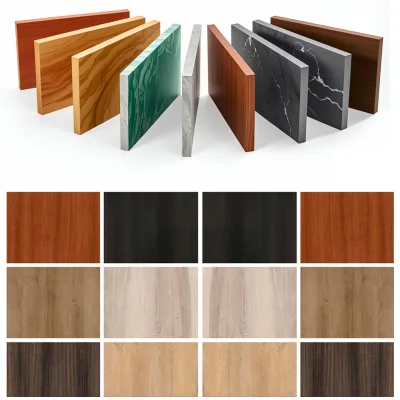
Commercial terms for E0 E1 Fire Rated Plywood orders must be carefully negotiated to align with the supplier's production capacity and payment structures. The data shows that some suppliers offer customization services, which can extend lead times and require specific deposit terms. Buyers should clarify the customization process, including whether the supplier can accommodate specific veneer types like Oak, Beech, or Walnut, and how these customizations affect the final price and delivery schedule. Understanding the supplier's capacity for OEM production is crucial, as it determines their ability to meet unique project requirements without compromising on the E0 or E1 emission standards.
Order planning should also consider the established years and verification status of the supplier to mitigate financial risks. While specific establishment years are not provided in the current data, the presence of TUVRHEINLAND verification and ISO certifications suggests a level of operational maturity. Buyers should verify the supplier's financial stability and escrow options to ensure secure transactions. Additionally, the wide range of MOQs, from 20 to 500 units, requires strategic planning to balance inventory costs with project needs. Buyers should plan orders that maximize the use of available MOQ tiers to optimize costs while ensuring a steady supply of fire-rated plywood that meets the specific technical and regulatory requirements of their construction or furniture projects.
FAQs
What certifications do the plywood suppliers hold?
Suppliers in this region hold ISO9001:2015 and ISO14001:2015 certificates. Some products also carry CE, CARB, and FSC certifications. Verification by TUVRHEINLAND confirms their operational status. Always request specific test reports for fire ratings before finalizing orders.
What are the typical lead times for plywood orders?
Lead times generally range from 23 to 30 days depending on the specific product type. Some suppliers offer faster turnaround for standard sizes like 1220x2440mm. Custom orders or large volumes may extend this period. Confirm exact delivery dates with the supplier before payment.
What is the minimum order quantity for plywood?
Minimum order quantities vary between 20 and 500 units based on the product grade. Film faced plywood often requires a lower MOQ of 20 units. Standard commercial grades typically start at 300 to 500 units. Check specific product listings for the exact threshold applicable to your needs.
Where are the plywood manufacturers located?
Manufacturers are primarily located in Shandong and Shanghai, China. Specific production hubs include Shouguang in Shandong province. These regions specialize in timber processing and export. Verify the exact factory address to ensure logistics compatibility with your shipping requirements.
What formaldehyde emission standards are available?
Products are available with E0, E1, and E2 formaldehyde emission grades. Some items meet Grade One standards for low emissions. Specific glue types like Melamine Phenolic are used to achieve these ratings. Request certification documents to verify the exact emission level for your project.
What is the price range for fire rated plywood?
Prices range from 1.00 to 30.00 per unit depending on thickness and grade. Thinner boards like 9mm may cost less than 18mm variants. Film faced plywood often falls within the lower price bracket. Final costs depend on volume discounts and specific customization requirements.
Can suppliers customize plywood dimensions and finishes?
Customization is available for size, thickness, and surface finishes like veneer or melamine. Standard sizes include 1220x2440mm, but custom cuts are possible. Veneer options include Oak, Beech, and Walnut. Confirm customization details and any additional costs with the supplier prior to placing an order.