Modern Hotel Fancy Plywood Suppliers and Manufacturers
Source Modern Hotel Fancy Plywood from 17 verified suppliers in China. Compare lead times, MOQs, certifications like FSC and PEFC, and response rates. Review product specs and request quotes to streamline your procurement process; review the available evidence before requesting comparable quotations from suitable candidates.
Suppliers List

Xuzhou Jiatai International Trading Co., Ltd.
- Verified by BV
- Trading Company
- China Jiangsu
- Lead time30 days
- Avg. response≤ 11h
Main productsCommercial Plywood, Film Faced Plywood, Fancy Plywood, Polyester Plywood, Paper Overlaid Plywood, LVL, HPL, Flexible Plywood
Main marketsSouth America,Eastern Europe,Mid East,North America,Southeast Asia,Eastern Asia,Oceania,Western Europe,Africa
Shandong Fangsi Import And Export Co., Ltd.
- Verified by TüVRheinland
- Trading Company
- Lead time30 days
- Avg. response≤ 3h
Main productsDecorative Panel, Melamine Boards, MDF, Solid Board, SPC Flooring

Shouguang Hongcheng Imp. & Exp. Co., Ltd.
- Trading Company
- China Shandong
- Lead time30 days
- Avg. response≤ 11h
Main productsPlywood, MDF, Woodworking Machine, Film Faced Plywood, Commercial Plywood, Particle Board, Impregantion Drier, Melamine MDF, Hot Press Machinery, MDF Door Skins
Main marketsAfrica,Others(foreignTradeCapacity.exportBusinessCapacityMarketOther),Southeast Asia/ Mideast,North America

Shouguang Sunstar International Trading Co., Ltd.
- Trading Company,Manufacturer/Factory
- China Shandong
- Lead time0 days
- Avg. response≤ 5h
Main productsMDF, Melamine MDF, Plywood, Film Faced Plywood, Particle Board, Door Skin, PVC Edge Banfing, Gypsum Board, Commercial Plywood, Block Board
- Verified by Intertek
- Manufacturer, Trading Company
- Lead time30 days
- Avg. response≤ 3h
Main productsVeneer Panel, Melamine Board, Slotted MDF, Plain MDF, Commercial Plywood
Main marketsCentral America(20%), North America(10%), Southeast Asia(10%)

SHOUGUANG DAWN FOREST WOOD CO., LTD.
- Manufacturer/Factory
- China Shandong
- Lead time23 days
- Avg. response≤ 16h
Main productsFurniture, Kitchen Cabinet, Wardrobe, Shoe Rack & Cabinet, Plywood, Melamine Plywood, Film Faced Plywood, MDF, Melamine MDF, Melamine Particle Board
Main marketsSouth America,Eastern Europe,Mid East,North America,Western Europe,Africa

Shandong Hunglin Wood Industry Co., Ltd.
- Trading Company,Manufacturer/Factory
- China Shandong
- Lead time23 days
- Avg. response≤ 3h
Main productsMelamine Plywood, Commercial Plywood, Film Faced Plywood, Plywood, OSB Board, Melamine Faced Board, Slat Wall Panel, Slotted MDF Board, Moulded Door Skin, PVC Edge Banding
Main marketsSouth America,Eastern Europe,Mid East,North America,Southeast Asia,Eastern Asia,Oceania,Western Europe,Africa

Linyi Changyuan International Trade Co., Ltd.
- Verified by BV
- Trading Company
- China Shandong
- Lead time30 days
- Avg. response≤ 18h
Main productsMouldings(Solid Wood/MDF/LVL), Wall Panel, Plywood, Chipboard/Partical Board, Commercial Plywood, Wood Moulding, Melamine Plywood, Flooring
Main marketsOthers(foreignTradeCapacity.exportBusinessCapacityMarketOther)

Shouguang Topbon Import & Export Co., Ltd.
- Manufacturer/Factory
- China Shandong
- Lead time23 days
- Avg. response≤ 4h
Main productsPlywood, MDF, Melamine Board, PVC Edge Banding, Film Faced Plywood, Door, Particle Board, Laminated Board, UV MDF
Main marketsSouth America,Eastern Europe,Mid East,North America,Southeast Asia,Eastern Asia,Oceania,Western Europe,Africa

Xiamen OYEE Industry and Trade Co., Ltd.
- Verified by BV
- Trading Company
- China Fujian
- Lead time23 days
- Avg. response≤ 24h
Main productsConstruction Plywood, Marine Plywood, Melamine Plywood, MDF, OSB, CDX Pine Plywood, Chipboard, Film Faced Plywood, Birch Plywood, Okoume Plywood
Main marketsSouth America,Eastern Europe,Mid East,North America,Africa

Deqing Deke Wood Industry Co., Ltd.
- Verified by BV
- Manufacturer/Factory
- China Zhejiang
- Lead time30 days
- Avg. response≤ 5h
Main productsInterior Door, Wood Door, Wood Barn Door, Wood Pocket Door, Wooden Door, Wood Screen Door, Engineered Wood Door, Wood Veneer Door, Engineered Wood Flooring, Wood Flooring
Main marketsSouth America,Eastern Europe,Mid East,North America,Southeast Asia,Eastern Asia,Oceania,Western Europe,Africa

Linyi Dituo International Trade Co., Ltd.
- Verified by BV
- Trading Company
- China Shandong
- Lead time30 days
- Avg. response≤ 8h
Main productsPlywood, Film Faced Plywood, Commercial Plywood, Veneer, OSB/MDF, Fancy Plywood, Door Skin, Full Polished Glazed Tile, Rustic Tile, Ceramic Wall Tile
Main marketsSouth America,Africa,Southeast Asia/ Mideast,East Asia(Japan/ South Korea),Europe,Australia,North America

FOSHAN SHANGDIAN HOTEL FURNITURE MANUFACTURING CO., LTD.
- Manufacturer/Factory
- China Guangdong
- Lead time45 days
- Avg. response≤ 18h
Main productsHotel Furniture, Hotel Bedroom Furniture, Bedroom Furniture Set, Apartment Furniture, Customized Furniture, Villia Furniture, Resort Furniture, Hotel Chair, Restaurant Furniture, Hotel Sofa
Main marketsSouth America,Eastern Europe,Mid East,North America,Southeast Asia,Eastern Asia,Oceania,Western Europe,Africa


Custom Modern Design Plywood Upholstered with Fabric Hotel Bedroom Furniture Set
$89.00 - $899.00
Moq: 1


Weifang Hengjia Imp. and Exp. Co., Ltd.
- Verified by BV
- Trading Company
- China Shandong
- Lead time15 days
- Avg. response≤ 3h
Main productsWood Based Panel, Plywood, OSB, MDF, Particle Board, Finger Joint Panel
Main marketsSoutheast Asia/ Mideast


2mm 3mm Teak Engineered Wood Veneer Fancy Plywood for Furniture and Decorative
$160.00 - $360.00
Moq: 40


Wholesale Teak Engineered Wood Veneer Fancy Plywood for Furniture and Decorative
$160.00 - $360.00
Moq: 40


LINSEN RAILWAY VEHICLE COMPONENTS CO., LTD.
- Combined
- China Hebei
- Lead time23 days
- Avg. response≤ 7h
Main productsPlywood, 100% Birch Plywood, 100% Beech Plywood, Industrial Flooring, Acoustic Plywood, Marine Plywood, Vehicle Plywood, Fireproof Plywood, Transportation Plywood, Flooring Plywood of High Speed Train
Main marketsEurope,Australia

Linyi Consmos Imp. & Exp. Co., Ltd.
- Verified by BV
- Combined
- China Shandong
- Lead time23 days
- Avg. response≤ 5h
Main products100% Birch Plywood, Film Faced Plywood, MDF, OSB, Commercial Plywood
Main marketsSouth America,Africa,Southeast Asia/ Mideast,Europe,North America
Linyi Consmos Imp. & Exp. Co., Ltd.
- Verified by SGS Group
- Manufacturer, Trading Company
- Lead time10 days
- Avg. response≤ 4h
Main productsBirch Plywood, Commercial Plywood, Furniture Plywood, Film Faced Plywood, OSB Board
Main marketsSouth America(20%), Western Europe(20%), Eastern Europe(15%)




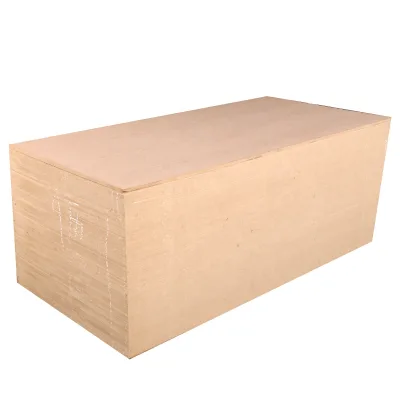
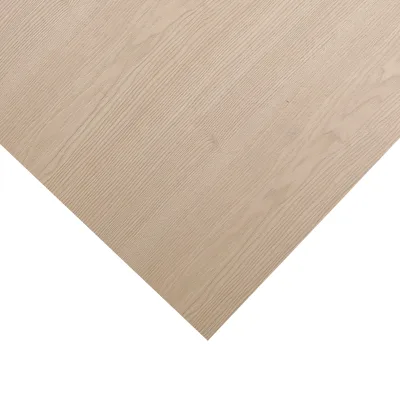
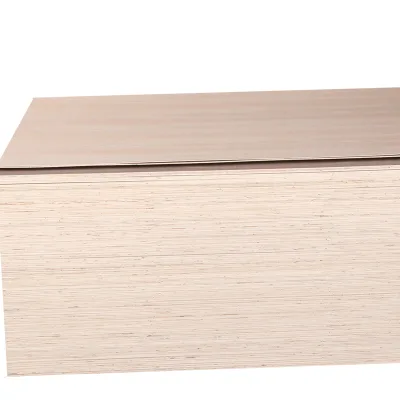
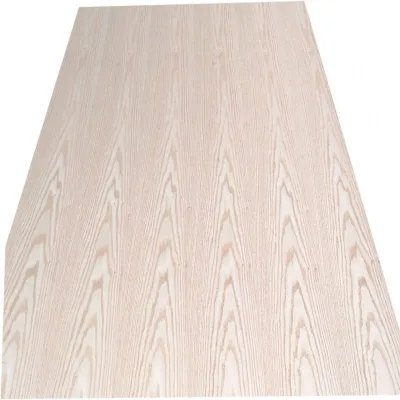


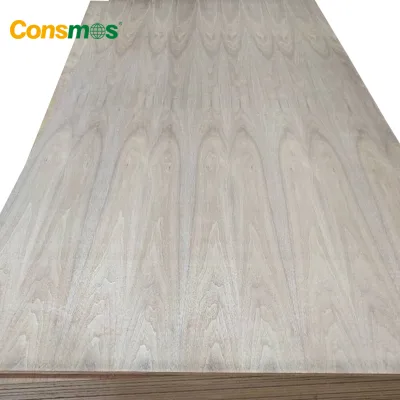
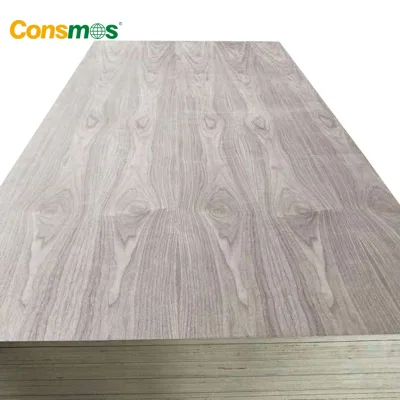
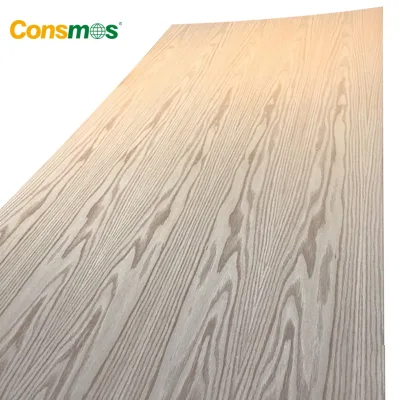
Comprehensive Sourcing Guide
Modern Hotel Fancy Plywood Supplier Concentration and Factory Types
The available data indicates that suppliers for Modern Hotel Fancy Plywood are concentrated in specific Chinese provinces, with Jiangsu and Shandong emerging as key manufacturing hubs. Fact records show locations explicitly listed as China Jiangsu and China Shandong, suggesting these regions host the primary production facilities for this category. Buyers should prioritize verifying the specific factory address within these provinces, as the concentration of woodworking machinery and veneer processing capabilities often clusters in these areas. The presence of trading companies alongside manufacturers is evident, with some entities identified as trading companies while others appear to be direct producers. This mix requires buyers to distinguish between a factory floor and a trading desk when evaluating the source of the product.
When assessing factory types, it is crucial to note that some suppliers offer a broad range of products including commercial plywood, film-faced plywood, and decorative panels, while others specialize in specific grades like furniture-grade or hotel-application plywood. The main products listed for various suppliers include decorative panels, melamine boards, MDF, and solid boards, indicating a diverse manufacturing base. Buyers must verify if the supplier's primary focus aligns with the specific requirements of a modern hotel project, such as the need for high-density cores or specific veneer finishes. The distinction between a trading company and a factory is significant for quality control and customization capabilities, as factories typically offer more direct control over the production process and material selection.
How to Verify Modern Hotel Fancy Plywood Suppliers
Verification of suppliers for Modern Hotel Fancy Plywood relies heavily on third-party audit reports and specific certification marks found in the product data. Several suppliers in the current results display verification badges from BV and TüVRheinland, which serve as critical indicators of operational legitimacy and quality management systems. Buyers should request to see the full audit reports associated with these badges to confirm the scope of the inspection, particularly regarding factory conditions and production capacity. The presence of system certifications such as PEFC, FSC, and CE further validates the supplier's adherence to international environmental and safety standards, which are often mandatory for hotel projects in various regions.
Beyond external verification, buyers must scrutinize the specific product attributes and material claims provided in the supplier listings. Evidence shows that suppliers list detailed specifications such as formaldehyde emission standards (E1, E2), moisture content ranges (8%-14%), and core materials like poplar, hardwood, or eucalyptus. It is essential to cross-reference these claims with physical samples and independent laboratory test results before placing a large order. The data also highlights the importance of checking for specific project solution capabilities, such as graphic design services or online technical support, which can indicate a supplier's ability to handle complex hotel specifications. Buyers should not rely solely on the presence of a certification but must ensure the certification covers the specific product line and manufacturing process relevant to their project.
What to Compare Across Modern Hotel Fancy Plywood Suppliers
Comparing suppliers requires a detailed analysis of key operational metrics such as lead time, minimum order quantity, and response speed, all of which vary significantly across the market. Current data reveals response times ranging from 3 hours to over 10 hours, with some suppliers offering rapid communication while others have longer turnaround periods. Lead times are also a critical differentiator, with some suppliers indicating a 30-day production window, while others may have different schedules based on order volume and customization requirements. Buyers should create a comparison matrix that includes these time-based metrics to ensure alignment with their project timeline and installation schedule.
In addition to time metrics, the minimum order quantity (MOQ) and pricing structure are vital factors in supplier selection. The observed data shows MOQs ranging from as low as 1 unit to as high as 1000 units, with prices varying from $5.00 to $400.00 depending on the product specifications and volume. Some suppliers offer flexible customization options, while others have strict standard product lines. Buyers must evaluate whether the MOQ aligns with their project needs and budget constraints, considering that lower MOQs might come with higher per-unit costs. The comparison should also include the range of main products offered, as suppliers with a broader portfolio may provide better value through bundled orders or integrated solutions for different parts of a hotel project.
Common Modern Hotel Fancy Plywood Sourcing Risks
One of the primary risks in sourcing Modern Hotel Fancy Plywood is the potential discrepancy between advertised specifications and actual product quality. While suppliers list attributes such as grain type, core material, and glue standards, these claims must be validated through rigorous sampling and testing. The data indicates variations in core materials, ranging from poplar to hardwood and eucalyptus, which can significantly impact the durability and performance of the final product. Buyers face the risk of receiving materials that do not meet the strict fire safety or formaldehyde emission standards required for hotel applications if they fail to verify these details independently.
Another significant risk involves the reliability of the supply chain and the ability to meet delivery deadlines. The variation in lead times and response speeds observed in the data suggests that some suppliers may struggle with capacity or communication during peak periods. Delays in production or shipping can disrupt hotel renovation schedules, leading to costly penalties and reputational damage. Additionally, the reliance on trading companies rather than direct manufacturers can introduce layers of communication that increase the risk of errors in order specifications or quality control. Buyers must mitigate these risks by establishing clear contractual terms, conducting regular factory audits, and maintaining open lines of communication throughout the production process.
Modern Hotel Fancy Plywood Regional Sourcing and Logistics
Sourcing from the identified regions of Jiangsu and Shandong offers logistical advantages due to the proximity to major ports such as Qingdao and Lianyungang. These ports facilitate efficient export shipping, reducing transit times and costs for international buyers. The data confirms that these ports are listed as shipping points for various suppliers, indicating a well-established infrastructure for handling plywood exports. Buyers should factor in the specific port of origin when calculating total landed costs, as shipping rates and transit times can vary depending on the destination country and the chosen port.
Logistics planning also involves understanding the packaging standards and handling requirements for large plywood sheets. The product evidence mentions standard exporting packing and specific package sizes, which are crucial for optimizing container loading and minimizing damage during transit. Buyers must ensure that the supplier's packaging meets the requirements for long-distance shipping, particularly for fragile veneer surfaces. Additionally, the weight and dimensions of the products, such as the single gross weight of 2500 kg mentioned for certain items, must be considered when arranging freight and on-site handling. Proper logistics planning ensures that the materials arrive on time and in perfect condition, ready for immediate installation in the hotel project.
Modern Hotel Fancy Plywood Commercial Terms and Order Planning
Commercial terms for Modern Hotel Fancy Plywood orders must be carefully negotiated to protect the buyer's interests and ensure project success. The data shows a wide range of pricing, from $5.00 to $400.00, and varying MOQs, which necessitates a clear understanding of the cost structure and payment terms. Buyers should seek transparent pricing that includes all costs, such as packaging, shipping, and insurance, to avoid unexpected expenses. It is also important to clarify the warranty terms, as some suppliers offer warranties of up to one year, while others may not provide any warranty at all.
Order planning should account for the customization capabilities and lead times of the selected supplier. The evidence indicates that customization is available for many products, allowing buyers to tailor the plywood to specific design requirements. However, this customization often extends the lead time and may increase the cost. Buyers must plan their orders well in advance to accommodate these variables and ensure that the materials are available when needed. Establishing a detailed order plan that includes production schedules, quality checkpoints, and delivery dates is essential for managing the complexity of sourcing Modern Hotel Fancy Plywood and ensuring a smooth project execution.
FAQs
What thicknesses are typical for Modern Hotel Fancy Plywood?
Listed hotel-grade decorative panels commonly fall in a 1.6-25mm thickness range, with tolerance stated at +/-0.2mm-0.5mm. Thinner sheets around 2.3-3.2mm suit wall panels and furniture cladding, while thicker boards work for cabinetry and reception desks. Confirm your required thickness and tolerance in writing before ordering samples.
Which veneer faces work well for hotel interiors?
Common face options include natural and engineered veneers such as Sapele, Red Oak, White Oak, Ash, and Black Walnut, offering both straight and irregular grains. Engineered veneers give more consistent color across large hotel areas. Ask for grain, moisture content of 8%-14%, and glue type specifications on each batch.
What is the minimum order quantity for hotel fancy plywood?
Minimum order quantities vary by product; observed listings range from 21 sheets to 1000 pieces. Decorative veneer plywood often has low sheet-level MOQs, while melamine-faced panels for hotel projects may require higher volumes. Request the exact MOQ per thickness, size, and face veneer before requesting a quote.
What price range should buyers expect?
Listed prices vary widely, from around 200 to 400 per unit for decorative Sapele panels to roughly 6 to 8 for melamine-faced or veneered boards, depending on size and specification. Final pricing depends on thickness, veneer type, glue, and order volume. Obtain itemized quotations tied to your written specification sheet.
What sizes are standard for hotel decorative plywood panels?
Standard sheet sizes include 1220*2440mm and 915*2135mm, with some suppliers offering 1250*2500mm or custom cut-to-size pieces. Confirm sheet dimensions against your hotel room module layouts to reduce waste. Ask whether cutting, edge treatment, and custom packing for hotel projects are available.
Which certifications matter when sourcing hotel plywood?
Buyers should verify E1 or E2 formaldehyde emission compliance, plus recognized system certifications such as FSC, PEFC, CE, ISO, and CARB where applicable. Hotel projects often require documented emission standards for indoor use. Request copies of current certificates and confirm which ones cover the specific products you are buying.
How long does production and delivery usually take?
Some suppliers list a lead time of around 30 days, though actual schedules depend on order volume, veneer availability, and customization. Shipment typically departs from ports such as Qingdao or Lianyungang in China. Confirm current production lead time, booking window, and delivery terms before confirming your hotel project order.
What core materials and glue types are available?
Cores commonly include poplar, hardwood, eucalyptus, okoume, birch, pine, combi, and MDF, with glue options of E1, E2, MR, melamine, WBP, and phenolic. For indoor hotel use, match glue type to humidity and bonding strength requirements. Stated moisture content typically falls between 8% and 14%, so verify testing per shipment.