Table Cloth Suppliers and Manufacturers in China
Source 18 verified Table Cloth suppliers from China Shandong and Shanghai. Compare response times, lead times, and certifications like ISO9001:2015. Review MOQs and pricing to identify suitable partners for your procurement needs; review the available evidence before requesting comparable quotations from suitable candidates.
Suppliers List

Laizhou Jinhong Textile Co., Ltd.
- Combined
- China Shandong
- Lead time23 days
- Avg. response≤ 3h
Main productsPP Spunbond Nonwoven Fabric, Weed Mat, Nonwoven Fabric, Landscape Fabric, Ground Cover, Weed Control Fabric, Plant Cover, Disposable Coverall
Main marketsEast Asia(Japan/ South Korea),Europe,North America

Shanghai Tongjie Printing Production Co., Ltd.
- Verified by TUVRHEINLAND
- Combined
- China Shanghai
- Lead time15 days
- Avg. response≤ 6h
Main productsBanner, Outdoor Banner, Sticker, Flag, Flatbed Printing, Pull up Banner, Decal, Poster, Digital Printing, Indoor Banner
Main marketsEurope,Australia,North America


Coffee Table Cloth Table Cloth Polyester Billiard Table Cloth Table Cloth Tablecloth
$28.50 - $55.60
MOQ: 5 Pieces


Fujian Angel Nonwoven Fabric Tech Co., Ltd.
- Verified by SGS
- Manufacturer
- China Fujian
- Lead time15 days
- Avg. response≤ 8h
Main productsNonwoven Fabric, Disposable Bed Sheet, Meltblown, Nonwoven Bag, Mattress Cover, Earloop/Nose Wire for Mask, PLA/Pet Nonwoven Fabric, Landscape Cover, Weed Control, TNT Table Cloth
Main marketsSoutheast Asia/ Mideast,Europe


Custom Size Colorful Fabric Disposable Tablecloth Nonwoven Fabric Table Cloth
$1.29 - $1.49
MOQ: 1000 kg


- Verified by SGS
- Manufacturer/Factory
- China Jiangsu
- Lead time45 days
- Avg. response≤ 16h
Main productsHome Textiles, Household Products, Outdoor Product, Sport, Pet, Heated Products
Main marketsSouth America,Eastern Europe,Mid East,North America,Southeast Asia,Eastern Asia,Oceania,Western Europe,Africa

Guangdong KINGDOM Furniture Manufacturing Co., Ltd.
- Verified by SGS
- Combined
- China Guangdong
- Lead time30 days
- Avg. response≤ 4h
Main productsHotel Chair, Banquet Chair, Wedding Chair, Chiavari Chair, Hotel Banquet Table, Folding Table, Chair Cover, Tablecloth, Meeting Chair, Dancing Floor
Main marketsSoutheast Asia/ Mideast,Domestic,North America

SHAOXING GOLD SUN TEXTILE CO., LTD.
- Combined
- China Zhejiang
- Lead time15 days
- Avg. response≤ 17h
Main productsBlankets, Carpet, Pillow, Pillowcase, Headrestcover, Table Cloth, Home Textile, Surgical Gown, Protective Clothing
Main marketsSouth America,Southeast Asia/ Mideast,East Asia(Japan/ South Korea),Domestic,Europe,Australia,North America

Table Linen Printed Table Cloth Table Cover Textile Tablecloth for Home Decoration
$0.45
MOQ: 10000 Pieces


2024 New Multi-Color Table Cloth High-Quality Comfortable High-Temperature Resistance Table Cloth
$1.09 - $1.15
MOQ: 200 Pieces

$1.55 - $1.56
MOQ: 2000 Pieces
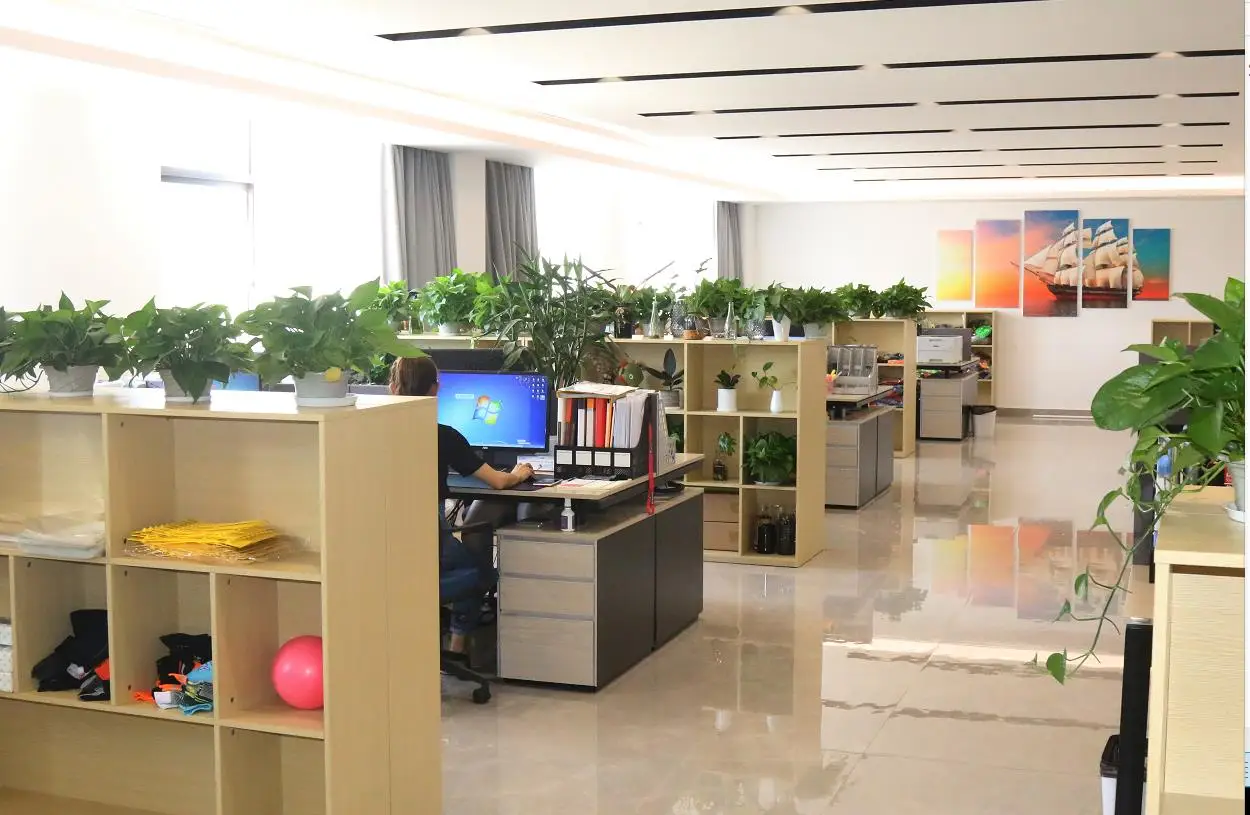
Nantong De S&Q International Trading Co., Ltd.
- Trading Company
- Jiangsu, China
- Lead time30 days
- Avg. response≤ 7h
Main productsQuilts, Blankets, Carpets, Curtains, Socks
Main marketsSouth America(45.00%), North America(15.00%), Western Europe(10.00%), Eastern Asia(10.00%), Northern Europe(8.00%), Mid East(5.00%), Southeast Asia(5.00%), Eastern Europe(2.00%)

Shanghai Easun Group Imp & Exp Co., Ltd.
- Verified by TUVRHEINLAND
- Trading Company
- China Shanghai
- Lead time15 days
- Avg. response≤ 19h
Main productsBlankets, Home Slippers, Bedding Sets, Towel, Amenity Kits, Airline Supply, Hospital Supply, Hotel Supply, Railway Supply, Pillow&Case
Main marketsAfrica,Southeast Asia/ Mideast,Europe


Linen Tablecloth Round Round Black Tablecloth Embroidered Table Cloth Cocktail Table Tablecloth
$2.99 - $3.99
MOQ: 1000 piece

- Verified by TUVRHEINLAND
- Trading Company,Manufacturer/Factory,Group Corporation
- China Fujian
- Lead time15 days
- Avg. response≤ 8h
Main productsFlag, Banner, Flagpole, Pop up Display, Table Cover, Display Flags, Bandana Scarf, Tents, Vinyl Banner, Drawstring Bag
Main marketsSouth America,Eastern Europe,Mid East,North America,Southeast Asia,Eastern Asia,Oceania,Western Europe,Africa
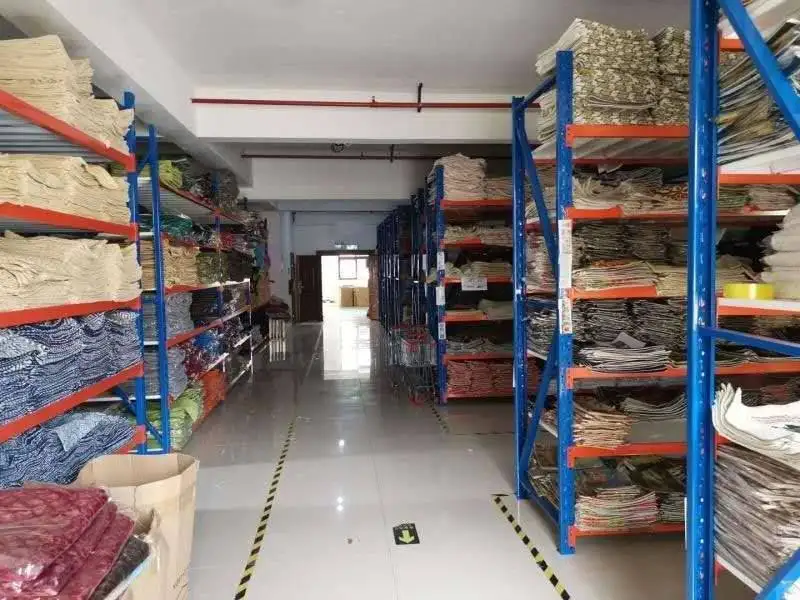
Shaoxing Bretton Textile Co., Ltd.
- Trading Company
- Zhejiang, China
- Lead time12 days
- Avg. response≤ 2h
Main productswedding backdrop,tablecloths,Customized cushion covers,home decor fabric,massage bed sheet
Main marketsNorth America(27.00%), Western Europe(16.00%), Northern Europe(10.00%), Eastern Europe(10.00%), Africa(7.00%), Southern Europe(5.00%), Mid East(5.00%), Southeast Asia(5.00%), Eastern Asia(3.00%), South Asia(3.00%), Central America(3.00%), South America(3.00%), Oceania(2.00%), Domestic Market(1.00%)
Hubei Longcell Textile Co., Ltd.
- Manufacturer, Trading Company
- Hubei, China
- Lead time45 days
- Avg. response≤ 1h
Main productsSheet Set,Blanket Throws,Kids and Babies Bedding,Comforter,Pillow Cases And Shell
Main marketsNorth America(83.00%), Western Europe(9.00%), Southeast Asia(6.00%), Mid East(2.00%)

Shaoxing Dongjing Mechanical Instrument&Equipment Co., Ltd.
- Verified by BV
- Trading Company,Manufacturer/Factory
- China Zhejiang
- Lead time45 days
- Avg. response≤ 6h
Main productsTablecloth, Window Curtain, Cushion Pillow Cover, Curtain Fabric, Instrumentation and Equipment, Sofa Cover, Sofa Fabric, Car Roof Fabric
Main marketsSouth America,Eastern Europe,Mid East,North America,Southeast Asia,Eastern Asia,Western Europe


Solid Table Cloths Rectangular, Stain and Wrinkle Resistant Washable Fabric Table Cover
$1.49 - $2.99
MOQ: 600 Pieces


Decoration Jacquard Table Cover Solid Colorful Disposable Table Cloth Tablecloth
$3.00 - $5.40
MOQ: 200 Pieces

Table Cloth Plaid Rectangular Polyester Tablecloth Tea Table Mat Table Cloth
$1.80 - $2.99
MOQ: 200 Pieces
- Verified by SGS
- Combined
- China Fujian
- Lead time15 days
- Avg. response≤ 3h
Main marketsEurope
Hothome(ningbo) Textiles Factory
- Manufacturer, Trading Company
- Zhejiang, China
- Lead time30 days
- Avg. response≤ 6h
Main productsApron,Uniform,Packaging Bags,Home Storage & Organization
Main marketsNorth America(43.00%), Western Europe(36.00%), Oceania(11.00%), Domestic Market(5.00%), South America(5.00%)
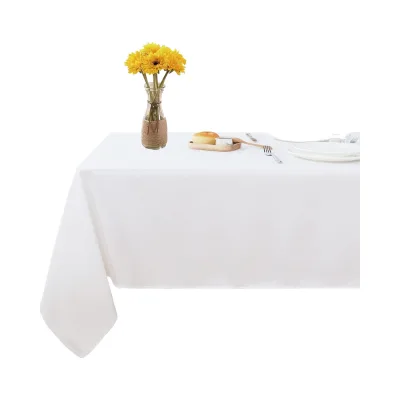
Modern Style Tablecloth Woven Polyester Tablecloth Rectangular Tablecloth
$1.86 - $2.07
MOQ: 1000 pieces
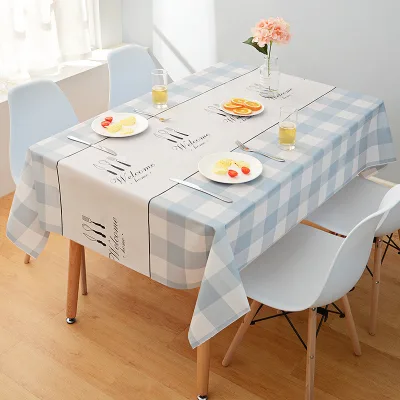

Hebei New Sight Outdoor Products Co., Ltd.
- Verified by SGS
- Combined
- China Hebei
- Lead time23 days
- Avg. response≤ 4h
Main productspop up tent
Main marketsEurope

Tablecloths for Fabric Tables Tablecloth for Events Party Wedding Decoration on Tablecloth
$30.28 - $35.00
MOQ: 1 Pieces

$30.28 - $35.00
MOQ: 1 Pieces
Foshan Dasi Metal Technology Co., Ltd.
- Verified by SGS
- Combined
- China Guangdong
- Lead time15 days
- Avg. response≤ 3h
Main productsFlag & Banner, Beach Flags, Backdrop, Tents, Promotion Table, Pop up Wall, a Frame Banner, Beach Flagpole, Beach Flagbase, Display Accessories
Main marketsDomestic,Europe

Qingdao Chifang Textile and Industry Co., Ltd.
- Verified by SGS
- Trading Company,Manufacturer/Factory
- China Shandong
- Lead time45 days
- Avg. response≤ 12h
Main productsHotel Bed Linen/White Fabric, Cotton Fabric, Bathrobe, Quilt Cover, Bedding, Pillow, Bath Towel/Hand Towel, Bedspread, Slippers, Carpet Floor Mats
Main marketsSouth America,Eastern Europe,Mid East,North America,Eastern Asia,Western Europe


Curve Stitch Napkins Cloth Table Cloth Hotel Napkin Dinner Table Cloth Wedding
$5.00 - $20.00
MOQ: 100 Pieces

FUZHOU SHOO-IN IMP & EXP CO., LTD.
- Verified by SGS
- Trading Company
- China Fujian
- Lead time15 days
- Avg. response≤ 3h
Main productsPadel Ball, Tennis Ball, Hat, Pet Leash, Pickleball, Yoga Mat, Sports Towel
Main marketsEast Asia(Japan/ South Korea),North America

Cute Tablecloth with Irregular Edges: Minimalist, Washable & Stain-Resistant
$3.50 - $6.10
MOQ: 10 Pieces

Elegant Irregular Tablecloth: Cute Design, Easy to Clean, Customizable Option
$3.50 - $6.10
MOQ: 10 Pieces

Cute Tablecloth with Irregular Edges: Heat Transfer, Minimalist, Washable & Stain-Resistant
$3.50 - $6.10
MOQ: 100 Pieces




Comprehensive Sourcing Guide
Table Cloth Supplier Concentration and Factory Types
The current supplier landscape for Table Cloth products reveals a distinct concentration of manufacturing capabilities within specific Chinese regions, particularly Shandong and Shanghai. Factories in Shandong are predominantly focused on polypropylene spunbond nonwoven fabrics, offering a wide range of applications from weed mats to disposable coveralls. These suppliers often operate as combined entities capable of handling both OEM and ODM requests, with some boasting significant production yields such as 9000 tons or 6000 tons annually. This suggests a robust industrial base for high-volume, cost-effective nonwoven table coverings that prioritize material efficiency and broad customization options. Buyers seeking bulk disposable solutions will find these facilities well-equipped to handle large-scale orders with standardized widths and GSM ranges.
In contrast, suppliers located in Shanghai appear to specialize in more decorative and fitted table linen solutions, often utilizing materials like spandex and polyester. These manufacturers emphasize modern styles, waterproof features, and high-temperature resistance, catering to the hospitality and event sectors rather than pure disposable utility. The presence of ISO9001:2015 certification and third-party verification from TÜV Rheinland among these Shanghai-based entities indicates a higher emphasis on quality management systems and international compliance standards. This regional split allows buyers to distinguish between suppliers based on their primary material expertise and target market, whether it be industrial-grade nonwovens or premium event textiles.
How to Verify Table Cloth Suppliers
Verifying the legitimacy and capability of Table Cloth suppliers requires a multi-layered approach that goes beyond simple product listings. Buyers should prioritize suppliers who display clear verification badges, such as those from TÜV Rheinland, which provide an additional layer of trust regarding business operations and product quality. It is crucial to check for specific system certifications like ISO9001:2015, which signal that the factory adheres to recognized quality management standards. For nonwoven fabric suppliers, verifying their production capacity claims, such as annual yields of 9000 tons, can be done by requesting recent production records or factory audit reports. This due diligence helps ensure that the supplier can consistently meet large order volumes without compromising on quality or delivery schedules.
Response time is another critical metric for assessing supplier reliability and operational efficiency. A response time of around 2.54 hours for Shandong-based nonwoven manufacturers suggests a responsive sales team, while Shanghai-based decorative linen suppliers may have slightly longer response times of approximately 5.36 hours. Buyers should use this data to gauge the supplier's readiness to communicate and resolve issues promptly. Additionally, examining the supplier's main product list can reveal their core competencies; a supplier listing banners and flags alongside table cloths may have different strengths compared to one specializing exclusively in fabric raw materials. Cross-referencing these details with the supplier's stated capabilities ensures that the chosen partner aligns with the buyer's specific sourcing needs and quality expectations.
What to Compare Across Table Cloth Suppliers
When evaluating multiple suppliers, comparing key operational metrics such as lead time, minimum order quantity (MOQ), and pricing is essential for making an informed decision. Shandong-based nonwoven fabric suppliers typically offer lead times around 23 days, with MOQs ranging from 1000 to 10000 units depending on the product type. Pricing for these items can vary significantly, with some products starting as low as $0.06 per unit for lightweight options, while others may cost between $1.20 and $1.60 per unit. In contrast, Shanghai-based suppliers offering decorative and fitted table cloths may have shorter lead times of 15 days but higher price points, starting around $5.60 per unit. These differences highlight the importance of aligning supplier capabilities with the buyer's budget and timeline requirements.
Beyond price and time, comparing product specifications and customization options is vital for ensuring the final product meets specific use cases. Suppliers offering nonwoven fabrics often provide features like waterproofing, anti-bacterial properties, and eco-friendly materials, with widths standardized at 58/60 inches. Customization is widely available, allowing buyers to specify patterns, colors, and sizes. For decorative table cloths, features such as washability, wrinkle-free properties, and custom printing are key differentiators. Buyers should also consider the packaging methods, whether it be rolls, cartons, or polybags, as this can impact shipping costs and product protection. By systematically comparing these attributes, buyers can identify the supplier that offers the best balance of quality, cost, and service for their specific project.
Common Table Cloth Sourcing Risks
One of the primary risks in sourcing Table Cloth products is the discrepancy between advertised specifications and actual product quality. Suppliers may claim features like "waterproof" or "anti-bacterial" for nonwoven fabrics, but these attributes can vary significantly based on the manufacturing process and material grade. Buyers must verify these claims through sample testing or third-party lab reports to ensure they meet their intended application standards. Additionally, the use of terms like "TNT" or "100% Polypropylene" requires careful attention, as material composition directly affects durability, feel, and environmental impact. Misunderstanding these material details can lead to product failures in the field, particularly for applications requiring high strength or specific chemical resistance.
Another significant risk is the variability in lead times and production capacity. While some suppliers advertise yields of 9000 tons, this does not guarantee availability for immediate large orders, especially during peak seasons. Buyers who do not account for potential delays may face stockouts or missed deadlines for events and retail launches. Furthermore, the complexity of customization can introduce risks if the supplier lacks the necessary technical expertise or equipment. For instance, custom printing on fitted table cloths requires precise color matching and fabric handling, which may not be consistent across all suppliers. To mitigate these risks, buyers should establish clear communication channels, request detailed production schedules, and conduct regular quality checks throughout the manufacturing process.
Table Cloth Regional Sourcing and Logistics
Sourcing Table Cloth products from China involves navigating distinct regional logistics advantages and challenges. Suppliers in Shandong, known for their nonwoven fabric production, benefit from proximity to major ports and industrial hubs, which can facilitate efficient shipping for bulk orders. The standardized packaging methods, such as packing in rolls or cartons, are designed to optimize container space and reduce transit damage. Buyers should consider the weight and volume of nonwoven fabrics, which can be lightweight but bulky, affecting freight costs. Understanding these logistical factors helps in selecting suppliers who can offer competitive shipping rates and reliable delivery schedules, ensuring that products arrive in good condition and on time.
In contrast, sourcing from Shanghai offers access to a more diverse range of textile products, including decorative and fitted table linens. The city's advanced logistics infrastructure supports faster turnaround times for smaller, high-value orders, which is ideal for buyers needing quick replenishment or custom designs. However, the higher value of these products may also attract stricter customs regulations and quality inspections. Buyers should be aware of the different packaging requirements for decorative items, which often involve individual OPP bags or cartons to protect delicate fabrics. By understanding the logistical nuances of each region, buyers can make informed decisions about where to source their products, balancing cost, speed, and reliability to meet their supply chain needs effectively.
Table Cloth Commercial Terms and Order Planning
Effective order planning for Table Cloth products requires a thorough understanding of commercial terms, including payment structures, warranty policies, and after-sales support. Suppliers often specify MOQs that can range from 1000 to 10000 units, which impacts the initial investment and inventory management strategies. Buyers should negotiate flexible payment terms, such as partial upfront payments and balance upon shipment, to mitigate financial risk. Additionally, understanding the supplier's return and replacement policies for defective goods is crucial, especially for large orders where quality issues can have significant financial implications. Clear communication of these terms before placing an order helps prevent misunderstandings and ensures a smooth transaction process.
Pricing strategies also play a vital role in order planning, as costs can vary based on material type, customization level, and order volume. For nonwoven fabrics, prices may start as low as $0.06 per unit for basic items, while premium decorative table cloths can cost upwards of $5.60 per unit. Buyers should request detailed quotations that break down costs for materials, labor, and shipping to identify potential savings opportunities. Volume discounts and long-term partnership agreements can further reduce costs, making it beneficial to consolidate orders with reliable suppliers. By carefully analyzing these commercial terms and planning orders strategically, buyers can optimize their procurement budget and ensure a sustainable supply chain for their Table Cloth products.
FAQs
What is the price range for PP spunbond nonwoven table cloths?
Prices for PP spunbond nonwoven table cloths typically range from $0.06 to $1.60 per unit depending on specifications. Lower-cost options around $0.06 to $0.09 are available for lightweight, custom-sized items. Standard rolls and heavier duty fabrics generally cost between $1.20 and $1.60 per piece. Buyers should verify exact pricing based on order volume and customization requirements.
What are the minimum order quantities for nonwoven table covers?
Minimum order quantities vary significantly by product type. Some suppliers require a minimum of 1,000 pieces for standard nonwoven fabric rolls. Others set the threshold at 3,000 pieces for specific disposable Table Cloth models. Higher volume orders may start at 10,000 pieces for certain bulk items. Buyers must check the specific MOQ for their desired product style and size.
How long does production take for nonwoven table cloths?
Production lead times for nonwoven table cloths generally range from 15 to 23 days. Suppliers in Shanghai often offer faster turnaround times around 15 days for certain items. Manufacturers in Shandong typically require approximately 23 days for production. These timelines depend on order size, customization needs, and current factory capacity. Buyers should confirm exact dates with the supplier before placing orders.
What features do PP nonwoven table cloths offer?
PP nonwoven table cloths are waterproof, breathable, and eco-friendly. They also provide anti-tear, anti-static, and anti-bacterial properties. These fabrics are lightweight and suitable for disposable use at events. Some options are mothproof and anti-pull. Buyers can choose from various patterns like dots or solid colors. Customization is available for size and design to meet specific event requirements.
Where are these nonwoven Table Cloth suppliers located?
Suppliers for nonwoven table cloths are primarily located in China. Specific manufacturing hubs include Shandong and Shanghai provinces. Shandong-based factories often produce PP spunbond fabrics with established production capacities. Shanghai-based suppliers may offer faster response times and different certification standards. Buyers can filter results by location to find suppliers closest to their logistics preferences.
What certifications do these Table Cloth suppliers hold?
Certification standards vary among suppliers. Some manufacturers hold ISO9001:2015 certificates for quality management. Others may have different system certifications or none listed. Verification services like TÜV Rheinland may confirm supplier status for some companies. Buyers should request specific certification documents directly from the supplier to ensure compliance with their regional or industry standards.