Borosilicate Glass Carafe with Filter Suppliers and Manufacturers
Explore 24 verified options for Borosilicate Glass Carafe with Filter from Guangdong and Shandong factories. Compare lead times, MOQs, and response rates to find the right partner. Contact suppliers directly to request samples and confirm pricing details; review the available evidence before requesting comparable quotations from suitable candidates.
Suppliers List
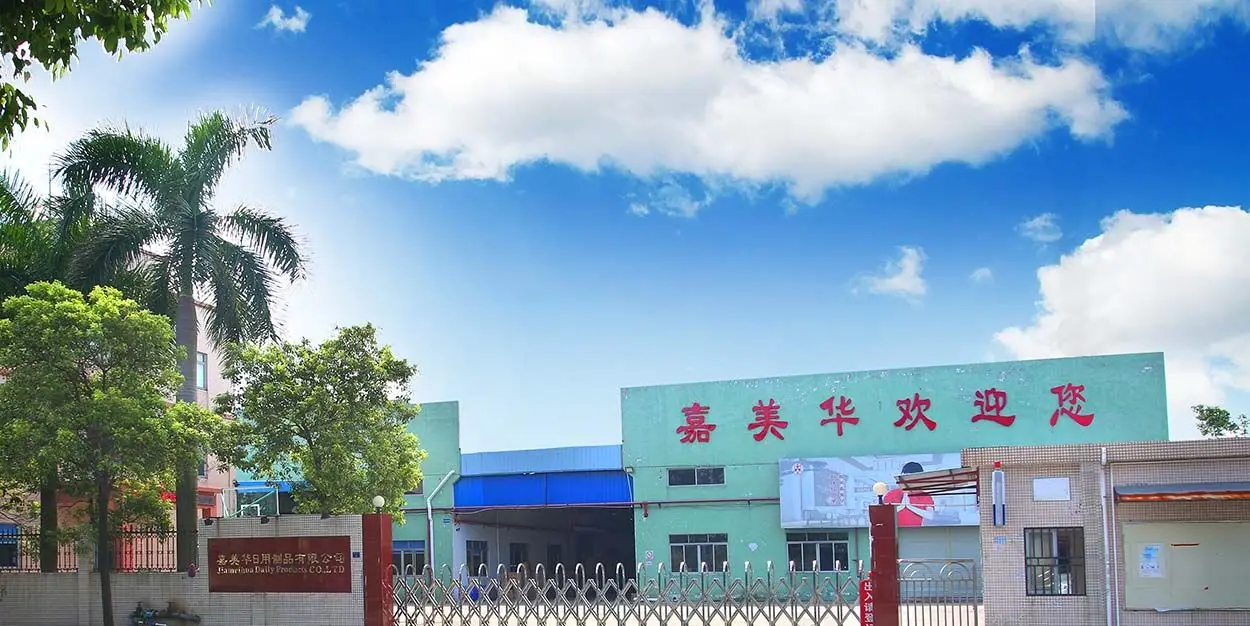
Zhongshan Jiameihua Daily Products Co., Ltd.
- Manufacturer
- Guangdong, China
- Lead time35 days
- Avg. response≤ 21h
Main productsGlass Teapot,Glass Coffee Press,Glass Carafe,Glass Cup,Glass Jar
Main marketsEastern Europe(35.00%), North America(10.00%), Western Europe(10.00%), Mid East(10.00%), Eastern Asia(10.00%), Northern Europe(10.00%), Central America(5.00%), Domestic Market(5.00%), South Asia(5.00%)
Qingdao D&o Houseware Co., Ltd.
- Trading Company
- Shandong, China
- Lead time40 days
- Avg. response≤ 4h
Main productsDouble Wall Glass,Glass Teapot,Glass Vase,Single Wall Glass Cup,Storage Jars
Main marketsWestern Europe(50.00%), North America(10.00%), Southern Europe(5.00%), Eastern Asia(5.00%), Northern Europe(5.00%), Southeast Asia(5.00%), Eastern Europe(5.00%), Mid East(3.00%), Oceania(3.00%), South Asia(2.00%), South America(2.00%), Central America(2.00%), Africa(2.00%), Domestic Market(1.00%)
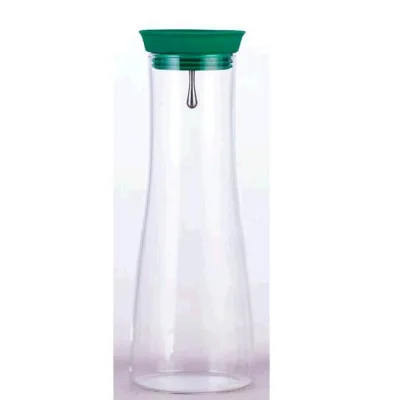
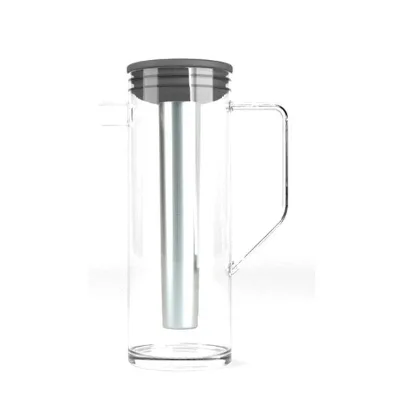
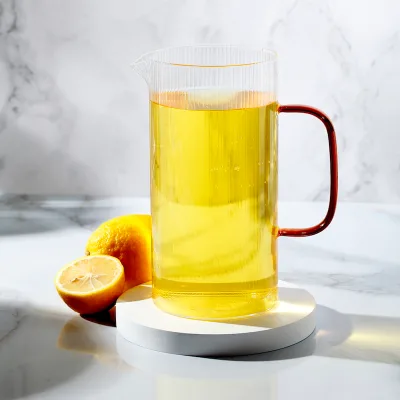
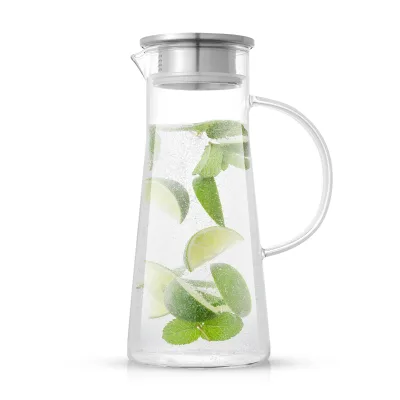
Best Seller High Borosilicate Glass Carafe
$3.54 - $3.79
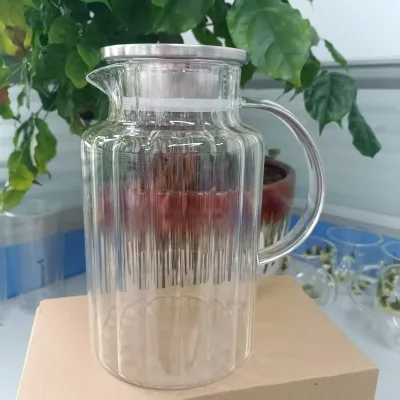
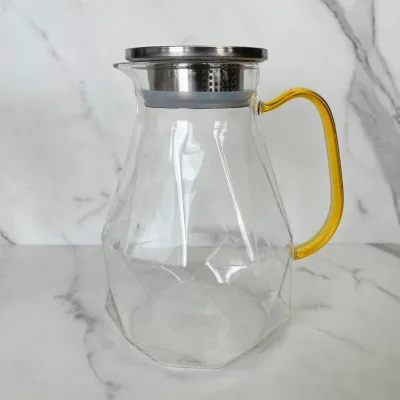

- Manufacturer, Trading Company
- Hebei, China
- Lead time30 days
- Avg. response≤ 3h
Main productsGlass Cups,Glass Ware,Wine Bottle,handmad glassware,double wall glass cup
Main marketsNorthern Europe(15.00%), Western Europe(15.00%), Southern Europe(10.00%), Mid East(10.00%), Eastern Europe(10.00%), Domestic Market(5.00%), South America(5.00%), Central America(5.00%), North America(5.00%), Eastern Asia(5.00%), Southeast Asia(5.00%), Oceania(5.00%), South Asia(3.00%), Africa(2.00%)

Hemera (Tianjin) Technology Development Limited
- Verified by TUVRHEINLAND
- Manufacturer/Factory
- China Tianjin
- Lead time38 days
- Avg. response≤ 3h
Main productsGlass Cup, Glass Teapot, Glass Jar&Container, Glass Pitcher&Carafe, Water Jug, Coffee Set, Wine Set, Glass Cooking Ware
Main marketsSouth America,Eastern Europe,Mid East,North America,Southeast Asia,Eastern Asia,Oceania,Western Europe,Africa


1800ml Large Size Pyrex Borosilicate Glass Water Carafe with Stainless Steel Lid
$5.20
MOQ: 200 Pieces

Handmade Borosilicate Glass Water Bottle Jug Carafe with Stainless Steel Lid
$4.80 - $7.30
MOQ: 200 Pieces


Plating Colored Beverage Pitcher Borosilicate Glass Bedside Water Carafe with Stainless Steel Lid
$4.00 - $4.85
MOQ: 500 Pieces

Hebei Xingchen Glass Technology Co., Ltd.
- Verified by CTI
- Combined
- China Hebei
- Lead time30 days
- Avg. response≤ 10h
Main productsGlass Cup, French Press, Coffee Pot, Glass Jar, Teapot, Syphon Coffee Maker, Glass Cooking Pot, Glass Pitcher, Glass Straw, Glass Teacup
Main marketsSouth America,Africa,Others(foreignTradeCapacity.exportBusinessCapacityMarketOther),Southeast Asia/ Mideast,East Asia(Japan/ South Korea),Europe,Australia,North America

$1.80 - $2.50
MOQ: 100 Pieces


Wholesale High Borosilicate Glass Water Kettle Glass Pitcher Water Carafe with Lid
$3.95 - $5.55
MOQ: 200 Pieces


Shandong Consing Material Technology Co., Ltd.
- Verified by SGS
- Manufacturer
- China Shandong
- Lead time23 days
- Avg. response≤ 4h
Main productsGlass Container, Glass Baking Dish, Glass Mixing Bowl, Glass Measuring Cup, Glass Casserole, Glass Canister, Double Wall Glass Cup, Glass Drinkware
Main marketsSoutheast Asia/ Mideast,North America


1800ml Consing Heat Resistant Glass Water Carafe with Stainless Steel Lid
$2.50 - $3.70
MOQ: 2000 Pieces


Yancheng Gold Best Glassware Co., Ltd.
- Trading Company
- Jiangsu, China
- Lead time20 days
- Avg. response≤ 3h
Main productsHome Decoration,Tableware,Kitchenware,Lighting Accessories,Glass Crafts
Main marketsNorth America(25.00%), Domestic Market(20.00%), Northern Europe(10.00%), Southern Europe(7.00%), Western Europe(7.00%), South America(5.00%), South Asia(5.00%), Eastern Asia(5.00%), Eastern Europe(5.00%), Oceania(5.00%), Central America(2.00%), Mid East(2.00%), Africa(1.00%), Southeast Asia(1.00%)
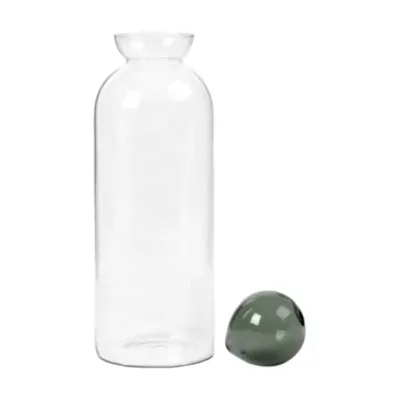
Custom Made Clear Heatable Borosilicate Glass Household Glass Carafe With Gray Ball Stopper
$3.20 - $4.00
MOQ: 500 pieces
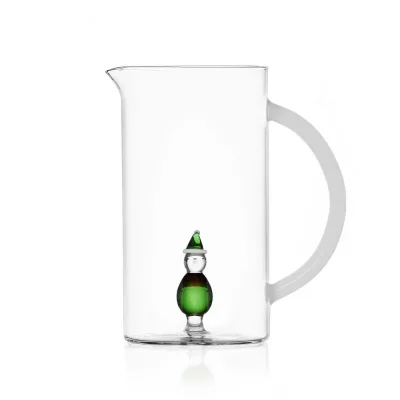
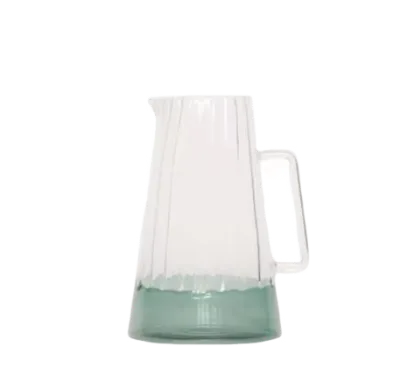
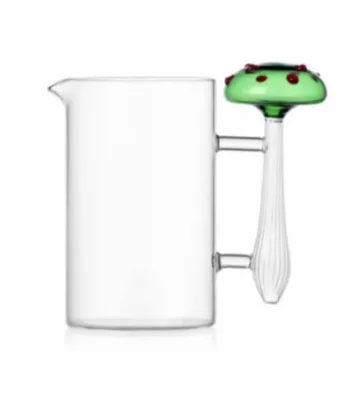
Custom Hand Made Borosilicate Glass Carafe Custom Made clear Glass Carafe with 3d Animal Pattern
$3.94 - $4.98
MOQ: 200 pieces
Huailai Golden Glass Co., Ltd.
- Manufacturer, Trading Company
- Lead time旺季: "1 - 3000":14,"> 3000":"To be negotiated", 淡季: "1 - 3000":14,"> 3000":"To be negotiated"
- Avg. response≤ 2h
Main productsGlassware, Coffee Tea and Espresso, Glass Vase and Incense Holder and Candle Holder, Dinnerware Bowls and Dishes Plates and Food Container, Glass Tube and Glass Rod
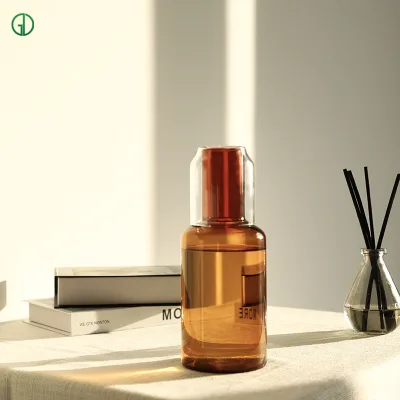
Custom Hand Blow Glass Carafe With Cover Borosilicate Glass Water Bottle With Cup Lid
$2.55 - $3.57
MOQ: 200 pieces
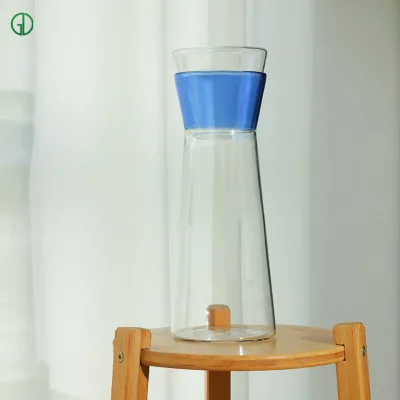
Wholesale Clear Borosilicate Glass Carafe Big Capacity for Water Wine or Whisky
$0.72 - $6.44
MOQ: 24 Minimum
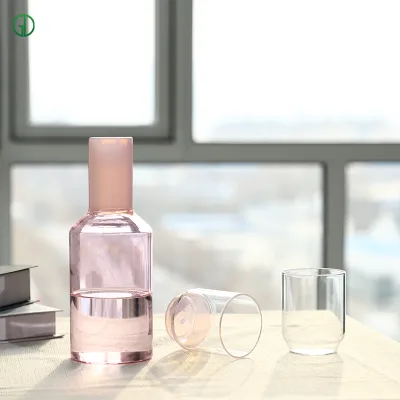
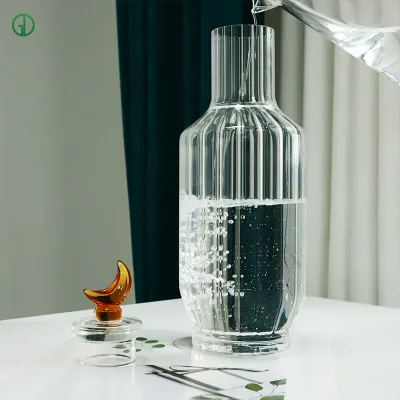
Water Carafe Set with Lid Colored Heat Resistant High Borosilicate Cold Glass New Clear Modern
$3.22 - $4.51
MOQ: 200 pieces
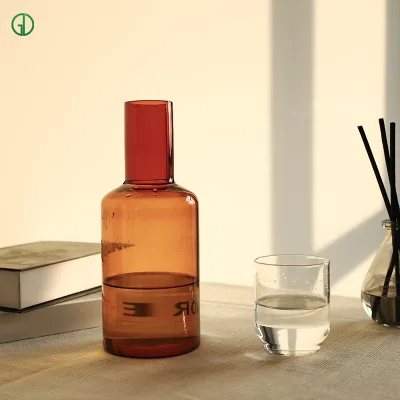
$2.58 - $3.61
MOQ: 200 pieces
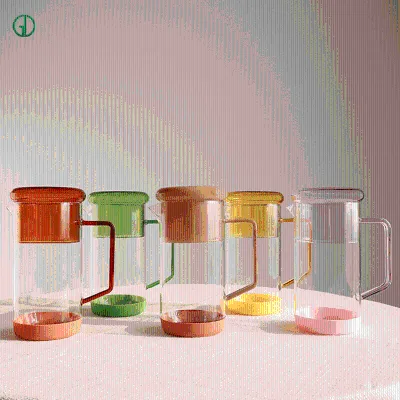
$8.67 - $12.13
MOQ: 200 pieces
Cangzhou Bontop Glass Products Co., Ltd.
- Trading Company
- hebei, China
- Lead time7 days
- Avg. response≤ 3h
Main productsglass storage jar,Glass kitchenware,wine decanter,glass dome,double wall glass cup
Main marketsNorth America(18.00%), Western Europe(13.00%), Southeast Asia(12.00%), Northern Europe(12.00%), Central America(11.00%), Eastern Europe(8.00%), Mid East(6.00%), Eastern Asia(5.00%), Southern Europe(5.00%), South America(5.00%), Africa(3.00%), South Asia(2.00%)
Cangzhou ABC Glassware Co., Ltd.
- Trading Company
- Hebei, China
- Lead time20 days
- Avg. response≤ 5h
Main productsDouble wall glass cup,Glass carafe,glass teapot,glass storage jar,Glass dome
Main marketsDomestic Market(30.00%), North America(20.00%), South America(20.00%), Eastern Europe(10.00%), Western Europe(10.00%)
Hejian Jia Teng Glass Products Co., Ltd.
- Verified by TüVRheinland
- Manufacturer, Trading Company
- Lead time20 days
- Avg. response≤ 2h
Main productsDouble Wall Glass Cup, Glass Teapot, Glass Jar, Glass Pitcher, Wine Decanter Set
Main marketsNorth America(30%), Domestic Market(30%), South America(10%)

Guangzhou Garbo International Trading Co., Ltd.
- Verified by TUVRHEINLAND
- Trading Company,Manufacturer/Factory
- China Guangdong
- Lead time45 days
- Avg. response≤ 6h
Main productsGlassware, Glass Cup, Glass Mug, Glass Bowl, Glass Candy Jar, Glass Pitcher, Glass Ice Cream Cup and Ice Bucket, Opal Glassware, Stainless Steel Cutlery, Ceramic Dinnerware
Main marketsSouth America,Eastern Europe,Mid East,North America,Southeast Asia,Eastern Asia,Oceania,Western Europe,Africa


Handmade 1-Person Glass Carafe with Cup Set 1.1L Glass Drinking Bottle Set
$6.05 - $6.95
MOQ: 2000 Sets
Qingdao Easylife Housewares Co., Limited
- Manufacturer, Trading Company
- Shandong, China
- Lead time50 days
- Avg. response≤ 4h
Main productsOil/Vinegar Bottle Set,Glass storage jar,Borosilicate Glass Containers,Spice Rack Set,Drinkingwares
Main marketsSoutheast Asia(30.00%), Northern Europe(20.00%), North America(15.00%), Mid East(10.00%), Western Europe(10.00%), Eastern Europe(5.00%), Oceania(5.00%), Domestic Market(2.00%)
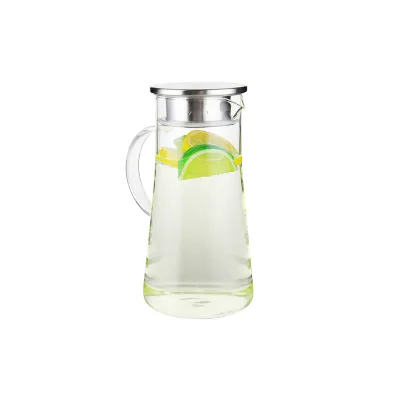
Popular Design 1.1l Borosilicate Glass Water Picture Water Carafe with Handle
$2.75 - $3.24
MOQ: 1000 pieces
$2.81 - $3.31
MOQ: 1 pieces
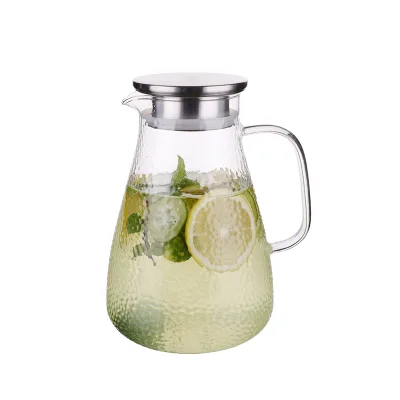

Tianjin Jiaming Technology Co., Ltd.
- Verified by SGS
- Trading Company
- China Tianjin
- Lead time15 days
- Avg. response≤ 10h
Main productsGlass Jar, Glass Cup, Kitchen Utensils, Teapot, Glass Pitcher
Main marketsOthers(foreignTradeCapacity.exportBusinessCapacityMarketOther)

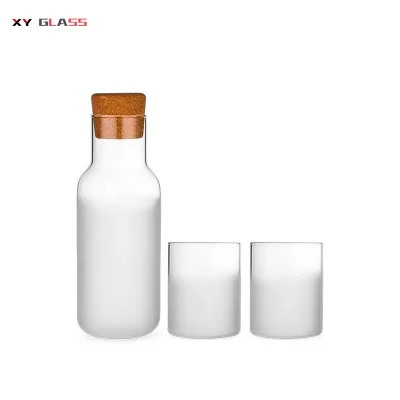
Carafe with Stopper Clear Glass Jar with Cork Lid Carafe with Cork Stopper
$1.94 - $2.77
MOQ: 500 Pieces

Wholesale Factory Carafe with Stopper Clear Glass Jar with Cork Lid Carafe with Cork Stopper
$1.94 - $2.77
MOQ: 500 Pieces

Borosilicate Glass Water Carafe Tumbler Elegant Glass Water Jar Juice Milk Carafe
$1.43 - $2.65
MOQ: 500 Pieces


JINAN FLAME GLASSWARE COMPANY LIMITED
- Verified by SGS
- Trading Company
- China Shandong
- Lead time23 days
- Avg. response≤ 20h
Main marketsDomestic

Glass Jug with Lid and Handle Heat-Resistant Borosilicate Glass Carafe Suitable for Hot/Cold Water
$0.50 - $1.00
MOQ: 5000 Pieces

$0.50 - $1.00
MOQ: 5000 Pieces
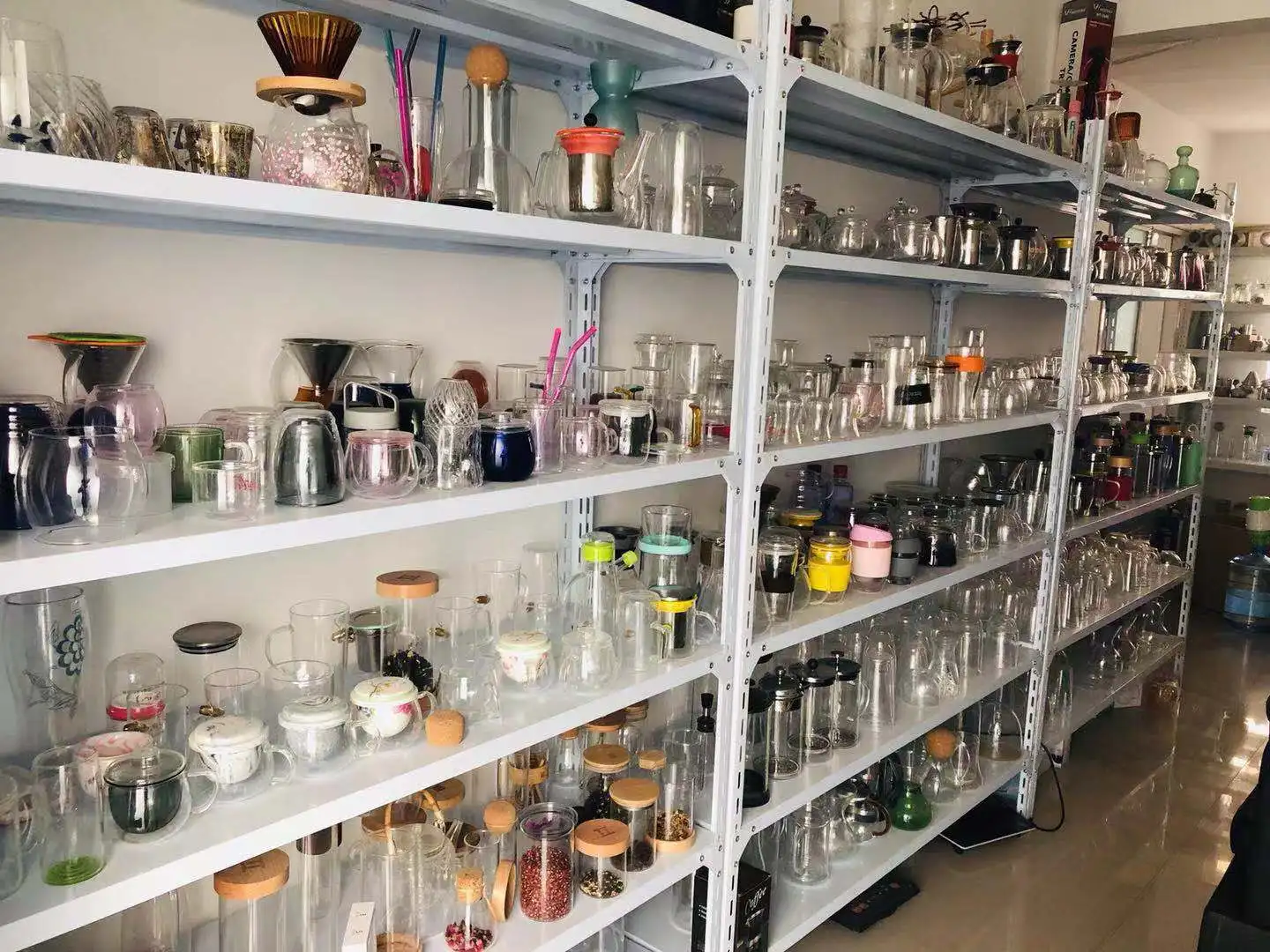
- Manufacturer, Trading Company
- Hebei, China
- Lead time30 days
- Avg. response≤ 2h
Main productsglassware,teapot,double wall glass,glass cup,glass mug
Main marketsNorth America(45.00%), Eastern Europe(18.00%), Northern Europe(10.00%), Eastern Asia(5.00%), Oceania(5.00%), Africa(3.00%), Central America(3.00%), Western Europe(3.00%), Southern Europe(2.00%), Southeast Asia(2.00%), Domestic Market(1.00%), South Asia(1.00%), Mid East(1.00%), South America(1.00%)
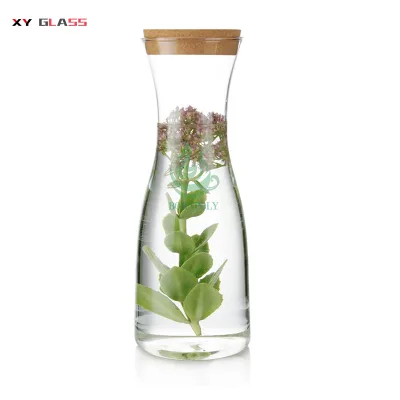
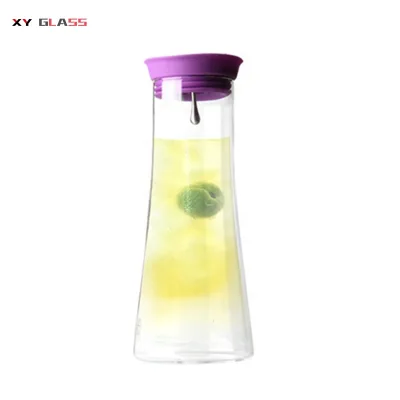
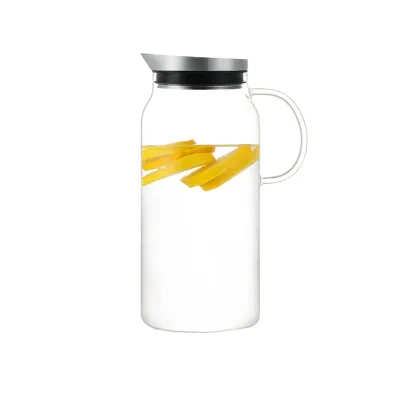
New Arrival Cooling Hot Water Cooking Borosilicate Glass Beverage Coffee Carafe
$3.10 - $3.80
MOQ: 500
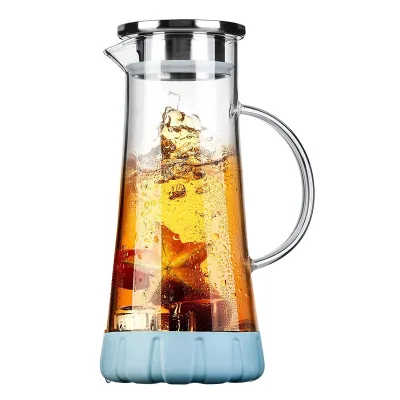
Durable Silicone Bottom Creative Stainless Steel Filter Lid thermal Glass Carafe
$3.90 - $4.40
MOQ: 500
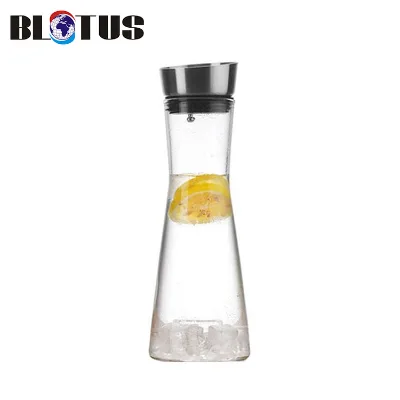
Weifang Blotus Trading Co., Ltd.
- Verified by SGS Group
- Manufacturer, Trading Company
- Lead time30 days
- Avg. response≤ 2h
Main productsDecanter, Glass Bottle, Glass Cup, Teapot, Barware
Main marketsNorth America(45%), Western Europe(30%), Domestic Market(10%)
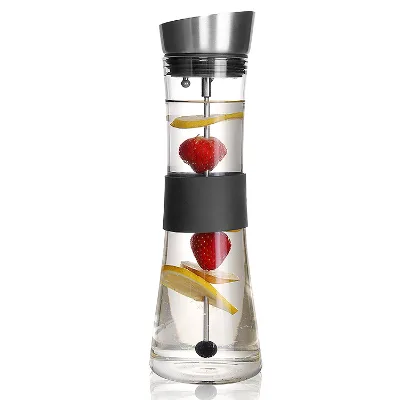
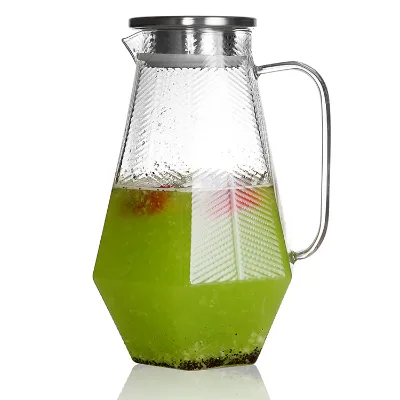
Glass Carafe Glass Pitcher Borosilicate Glass Water Pitcher Sustainable Bottle
$12.00 - $13.57
MOQ: 100 pieces
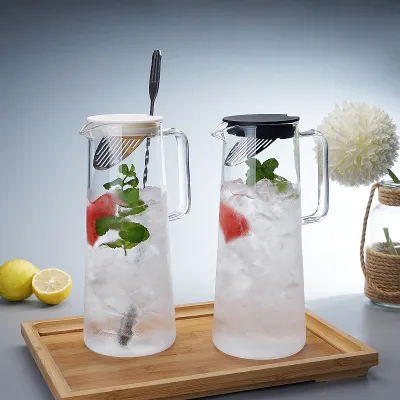
Huailai Golden Glass Co., Ltd.
- Verified by SGS Group
- Manufacturer, Trading Company
- Lead time14 days
- Avg. response≤ 2h
Main productsGlass Cup & Mug, Glass vase, Glass candle jars, Wine glasses, Tableware
Main marketsNorth America(35%), South Asia(25%), Eastern Europe(11%)

- Verified by TUVRHEINLAND
- Trading Company
- China Hunan
- Lead time45 days
- Avg. response≤ 1h
Main productsCeramic Mug, Vacuum Flask, Dinner Set, Cup, Mug, Thermal Bottle, Ceramic Dinner Set, Glass Jar, Glass Cup, Wine Cup
Main marketsSoutheast Asia/ Mideast


High Borosilicate Glass Water Drinking Carafe Jug with Stainless Steel Lid 2L
$0.80 - $1.50
MOQ: 1000 Pieces

$0.99 - $1.99
MOQ: 1000 Pieces
Yancheng Jingmao Glassware Co., Ltd.
- Trading Company
- Jingasu, China
- Lead time30 days
- Avg. response≤ 3h
Main productsWine Glassware,Tea Glass Set,Glass Vase,Glass Candle Holder,Glass Jar
Main marketsNorth America(15.00%), Western Europe(10.00%), Africa(10.00%), Southern Europe(10.00%), Southeast Asia(10.00%), South America(10.00%), Eastern Europe(9.00%), Oceania(8.00%), Central America(5.00%), Northern Europe(5.00%), Eastern Asia(3.00%), South Asia(2.00%), Domestic Market(2.00%), Mid East(1.00%)
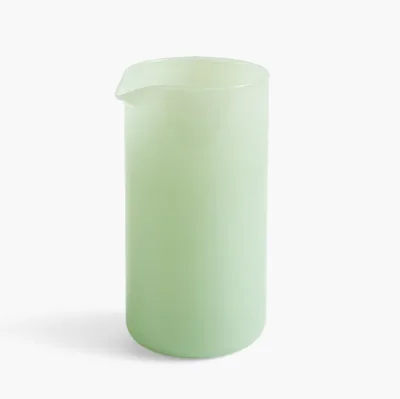
$2.05 - $3.08
MOQ: 200 Minimum
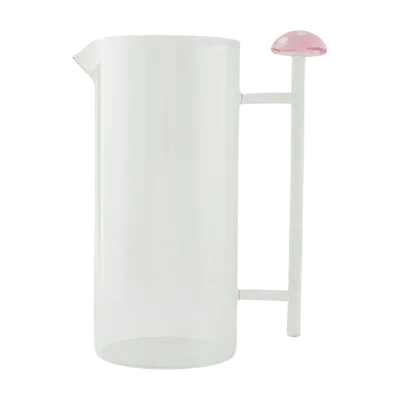
Hejian Yijing Glass Products Co., Ltd.
- Manufacturer, Trading Company
- Hebei, China
- Lead time30 days
- Avg. response≤ 2h
Main productsGlass Oil Pot,Glass Water Pitcher,Glass storage jar,Glass teapot,Glass cup
Main marketsDomestic Market(5.00%), South Asia(5.00%), Southern Europe(5.00%), Northern Europe(5.00%), Central America(5.00%), Western Europe(5.00%), Eastern Asia(5.00%), Mid East(5.00%), Oceania(5.00%), Africa(5.00%), Southeast Asia(5.00%), Eastern Europe(5.00%), South America(5.00%), North America(5.00%)

Foshan Greafor Import and Export Co., Ltd.
- Verified by BV
- Trading Company
- China Guangdong
- Lead time30 days
- Avg. response≤ 9h
Main productsBlender Glass Jar, Blender Blade, Glass Lampshade, Blender Lid and Base, Blender Spare Parts, Plastic Jar, Stainless Steel Blade, Blender Lip, Blender Machine, Blender Motor
Main marketsSouth America,Africa,Australia,North America

Hangzhou Topwell Packing Co., Ltd.
- Verified by SGS
- Trading Company
- China Zhejiang
- Lead time15 days
- Avg. response≤ 9h
Main marketsAfrica,Southeast Asia/ Mideast,Domestic,Europe,North America

Ancheng Hardware Manufacturing Co., Ltd.
- Verified by SGS
- Trading Company
- China Guangdong
- Lead time30 days
- Avg. response≤ 5h
Main productsKitchenware, Restaurant Equipment, Catering Equipment
Main marketsAfrica,Southeast Asia/ Mideast,Europe,Australia,North America


Comprehensive Sourcing Guide
Borosilicate Glass Carafe with Filter Supplier Concentration and Factory Types
Current data indicates a concentration of manufacturing activity in Guangdong, China, where specific suppliers list their location as a primary production hub for glass drinkware. These entities are identified as manufacturers specializing in glass teapots, coffee presses, and carafes, suggesting a localized ecosystem for glass forming and assembly. In contrast, other results point to Shandong, China, as a location for trading companies that source from various origins, including Hebei, China, for specific product lines. This distinction is critical because a manufacturer in Guangdong may offer direct factory control over the borosilicate glass body and filter assembly, whereas a trading company in Shandong might aggregate products from multiple factories, potentially including those in Hebei.
When assessing the factory type, buyers must distinguish between direct manufacturers and trading entities based on the company type field. The available facts show manufacturers in Guangdong with response times of 21 days and lead times of 35 days, while trading companies in Shandong demonstrate faster response times of 4 days but longer lead times of 40 days. This variance suggests that manufacturers may have more rigid production schedules, while trading companies might prioritize communication speed over immediate production capacity. Buyers should verify if the supplier claims to be a manufacturer by checking their main product list for specific glass forming capabilities rather than just general drinkware sales.
How to Verify Borosilicate Glass Carafe with Filter Suppliers
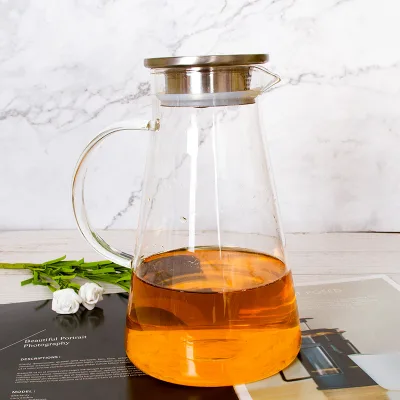
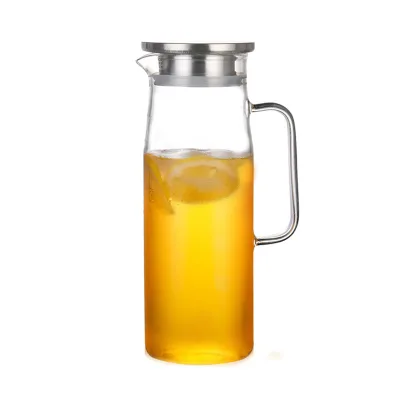
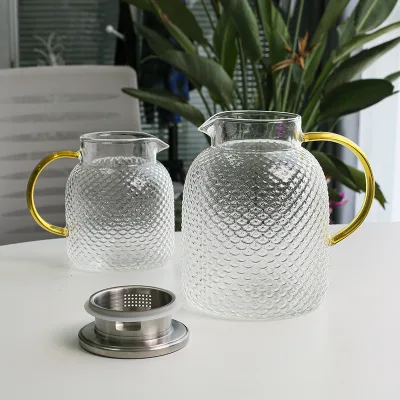
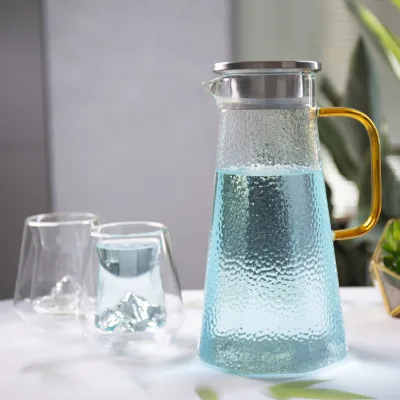
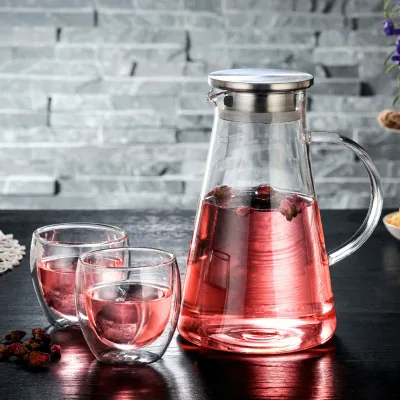
Verification begins with scrutinizing the product attributes provided in the search results, specifically the material composition and place of origin. For instance, some listings explicitly state "Borosilicate glass body" paired with "Bamboo+stainless steel lid" or "Stainless steel lid," confirming the thermal resistance required for the core function. Buyers must cross-reference the stated place of origin, such as Guangdong or Hebei, against the supplier's claimed location to ensure consistency. If a supplier claims to be a manufacturer in Guangdong but lists a product origin in Hebei, this discrepancy requires immediate clarification to confirm the actual production site.
Further verification involves checking the response time and sample availability metrics. The data shows response times ranging from 4 to 21 days, which can indicate the operational efficiency of the sales team. A supplier with a 4-day response time might be a trading company managing multiple inquiries, while a 21-day response could reflect a manufacturer focused on production. Buyers should also examine the sample time, which is listed as 7-10 days for certain products, to gauge how quickly they can validate the quality of the borosilicate glass and the filter mechanism. Confirming these timelines helps establish the reliability of the supplier before committing to a larger order.
What to Compare Across Borosilicate Glass Carafe with Filter Suppliers
Buyers should prioritize comparing the Minimum Order Quantity (MOQ) and pricing structures to align with their inventory needs. The observed data reveals significant variation, with some suppliers requiring an MOQ of 2000 pieces while others accept orders as low as 600 pieces. Pricing also fluctuates, with unit costs ranging from approximately 2.50 to 3.29 depending on the specific model and capacity, such as 1100ml versus 1500ml. A supplier offering a lower MOQ might be more suitable for startups, whereas a manufacturer with a 2000-piece MOQ might offer better economies of scale for established brands.
Lead time and supply ability are equally critical comparison points that affect inventory planning. While some manufacturers list a lead time of 35 days, others indicate a delivery time of 45 days after order confirmation, and trading companies may quote 40 days. The supply ability for one supplier is noted as 200,000 pieces per month, which is a substantial capacity indicator. Buyers must weigh these lead times against their own sales cycles; a 45-day lead time requires earlier planning than a 35-day window. Additionally, comparing the single package size and gross weight helps estimate shipping costs, as dimensions vary from 9.7x9.7x27.3 cm to 20x18x25 cm.
Common Borosilicate Glass Carafe with Filter Sourcing Risks
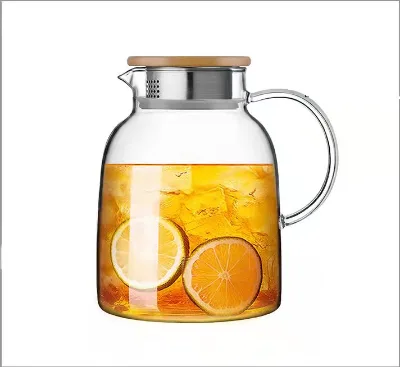
One significant risk involves the inconsistency of material specifications across different product listings from the same or different suppliers. While many products claim to use "High Borosilicate Glass," some listings lack specific details on the filter material or lid composition, which can lead to quality mismatches. For example, one product specifies a "Bamboo+stainless steel lid," while another lists only "Stainless steel lid." Without a standardized specification sheet, buyers risk receiving units with inferior thermal resistance or unstable filter mechanisms that do not match the advertised "Brewing and filtering tea" function.
Another risk is the potential for location mismatches between the supplier's registered address and the actual factory location. The data shows suppliers located in Guangdong or Shandong but listing product origins in Hebei. This separation can complicate quality control and logistics, as the trading company may not have direct oversight of the manufacturing process in a different province. Furthermore, the "Not Avaliable" status for occasion-specific attributes in some listings suggests incomplete product data, which could indicate a lack of rigorous quality assurance processes. Buyers must verify that the physical product matches the detailed attributes provided in the digital listing to avoid receiving substandard goods.
Borosilicate Glass Carafe with Filter Regional Sourcing and Logistics
Logistics planning must account for the specific ports of dispatch and packaging details associated with different regions. One supplier explicitly lists Shenzhen as the port of dispatch, which is a major hub for export, while others do not specify a port, requiring direct inquiry. The packaging details vary significantly, with some products shipped in a "Gift color box + carton" and others in a "Brown Box" or "Color box + outer carton." These differences impact the final landed cost and the condition of the goods upon arrival, as borosilicate glass is fragile and requires robust protection during transit.
Regional sourcing also influences the single gross weight and package dimensions, which directly affect freight charges. For instance, a 1.5L carafe might have a single gross weight of 1.500 kg and a package size of 18x18x25 cm, while a 1100ml version could weigh only 0.233 kg with a smaller footprint. Buyers should calculate the total volume and weight based on the specific model they intend to order, as the supply ability of 200,000 pieces per month does not guarantee uniform packaging efficiency. Understanding these logistical variables is essential for accurate cost estimation and ensuring that the shipping method chosen can safely handle the glass components.
Borosilicate Glass Carafe with Filter Commercial Terms and Order Planning
Commercial terms regarding payment and delivery timelines are pivotal for successful order execution. The available data indicates payment structures such as "TT 30% +70%," which is a common arrangement but requires careful negotiation to balance risk. Delivery times vary from 35 to 45 days after order confirmation, meaning buyers must plan their inventory replenishment cycles well in advance to avoid stockouts. A supplier with a 45-day lead time necessitates an order placement at least two months before the expected sales peak, whereas a 35-day lead time offers slightly more flexibility.
Order planning must also consider the customization options and branding capabilities. Some listings mention "Customized" logos, allowing buyers to brand the carafes with their own identity, while others do not explicitly state this capability. The capacity options, ranging from 1.2L to 1.8L, provide variety for different market segments, but buyers must ensure the supplier can consistently produce the specific capacity required. Additionally, the "Sample time" of 7-10 days should be factored into the overall timeline, as testing the sample is a necessary step before mass production. Buyers should confirm all these terms in writing to ensure alignment with their business requirements.
FAQs
What is the typical MOQ for borosilicate glass carafes with filters?
The minimum order quantity is typically 2000 pieces for manufacturers in Guangdong, China. Some suppliers in Shandong offer lower thresholds, such as 600 pieces, for specific models. Buyers should verify the exact MOQ with the supplier before placing an order to ensure it meets their volume requirements.
How long does delivery take for these glass carafes?
Production lead times generally range from 35 to 45 days after order confirmation. Some suppliers indicate a delivery time of 35 days, while others may require up to 45 days. Sample times are shorter, often taking 7 to 10 days. Buyers should confirm the exact schedule with the supplier.
What is the price range for these glass carafes?
Prices for borosilicate glass carafes with filters typically range from $2.50 to $3.29 per unit. Specific models may be priced at $2.80 or $3.10 depending on capacity and features. Buyers should request a detailed quotation to understand the final cost based on their selected quantity and customization needs.
Where are these glass carafes manufactured?
Manufacturers are primarily located in Guangdong, China, while trading companies may source from Shandong or Hebei. The place of origin is often listed as Guangdong or Hebei for specific products. Buyers should verify the actual manufacturing location to ensure it aligns with their sourcing preferences and logistics requirements.
What materials are used in these glass carafes?
These carafes are made from high borosilicate glass, which is heat-resistant and durable. Lids and handles often feature stainless steel or bamboo. Some models include silicone lids or filters. Buyers should check the specific material composition to ensure it meets their safety and aesthetic standards for beverage service.
Can I customize the logo on these glass carafes?
Yes, many suppliers offer customized logo options for their glass carafes. This allows buyers to brand the products for their specific market or corporate needs. Buyers should confirm the customization process, including any additional costs or minimum order quantities required for logo printing or engraving with the supplier.