Eco-Friendly Felt Wine Bottle Bag Suppliers and Manufacturers
Compare 26 verified suppliers offering eco friendly felt wine bottle bags with customizable sizes, materials, and designs. Review response times, lead times, and certifications before requesting samples or quotes; review the available evidence before requesting comparable quotations from suitable candidates.
Suppliers List
Nangong Huizhong Felt Products Co., Ltd.
- Verified by SGS Group
- Manufacturer, Trading Company
- Lead time30 days
- Avg. response≤ 2h
Main productsFelt, Felt Bags, Wool Felt, Felt Pads, Industrial Felt
Main marketsNorth America(30%), Central America(10%), Domestic Market(10%)

Laizhou Pairuike Crafts Co., Ltd.
- Manufacturer/Factory
- China Shandong
- Lead time45 days
- Avg. response≤ 3h
Main productsBusiness Scope: Processing and Selling Hand-Wove, PLA Non Woven Bag, RPET Woven Bag, PP Woven Bag, Lamination Non Woven Bag, Non Woven Bag
Main marketsSouth America,Eastern Europe,Mid East,North America,Southeast Asia,Eastern Asia,Oceania,Western Europe,Africa

Hangzhou Happyway Imp and Exp Co., Ltd.
- Verified by CTI
- Trading Company
- China Zhejiang
- Lead time30 days
- Avg. response≤ 5h
Main productsWine Tool, Wine Opener, Wine Stopper, Champagne Stopper, Ice Bucket, Dropstop Disc, Wine Aerator, Wine Box/Wine Tote
Main marketsSouth America,Europe,North America

$0.88 - $1.30
MOQ: 500 Pieces

Eco-Friendly Reusable 1/2/3/4/6 Bottle Beer Carrier Storage Felt Tote Shopping Wine Bag
$2.00 - $2.60
MOQ: 100 Pieces


XinMao Packaging Products Dongguan Co., Ltd.
- Verified by SGS
- Manufacturer
- China Guangdong
- Lead time15 days
- Avg. response≤ 10h
Main productsNeoprene Bag, Laptop Sleeve, Bottle / Can Cooler, Phone / Camera Bag, Ice / Lunch Bag, Key Chain / Glasses Holder, Neoprene Gloves, Shopping Bag, Cosmetic/Pennies/Stationery Pouch, Felt Bag
Main marketsEurope,Australia

Environmentally Friendly and Durable Felt Wine Bottle Bag Durable Use Felt Wine Bottle Bag
$0.54 - $0.86
MOQ: 500 Pieces

Durable Use Felt Wine Bottle Bag Customizable Felt Wine Holder Wine Tote Bag Felt Bottle Bag
$0.47 - $0.60
MOQ: 500 Pieces

Wenzhou Danni Crafts Co., Ltd.
- Manufacturer, Trading Company
- Zhejiang, China
- Lead time15 days
- Avg. response≤ 4h
Main productsCotton Canvas Bag,PVC Bag,Tyvek Bag,Burlap Bag
Main marketsSouthern Europe(100.00%), Africa(100.00%), Central America(100.00%), Eastern Asia(100.00%), South Asia(100.00%), North America(20.00%), Oceania(12.00%), Southeast Asia(12.00%), Northern Europe(10.00%), Domestic Market(10.00%), Western Europe(10.00%), Eastern Europe(10.00%), South America(8.00%), Mid East(8.00%)

Sinopromotion Products Co., Ltd.
- Verified by BV
- Trading Company
- China Zhejiang
- Lead time30 days
- Avg. response≤ 9h
Main productsPromotional Pen, Ball Pen, Promotional Gifts, Stationery, Promotional Bag, Stainless Steel Mug, USB Flash
Main marketsSouth America,Africa,Southeast Asia/ Mideast,Europe,North America


MOQ: 500 Pieces

Beijing Ulike Technology Co., Ltd.
- Trading Company,Manufacturer/Factory
- China Beijing
- Lead time23 days
- Avg. response≤ 8h
Main productsHome Storage, Laundry and Kitchen Products
Main marketsSouth America,Mid East,North America,Southeast Asia,Eastern Asia,Western Europe


$0.88 - $1.38
MOQ: 1000 Pieces

Custom High Quality Six Bottles Tote Felt Wine Bags Wine Bags for Wine Bottles Felt Gift Bag
$1.18 - $1.58
MOQ: 1000 Pieces

Fuzhou Haomin Imp. & Exp. Co., Ltd.
- Verified by SGS
- Manufacturer/Factory
- China Fujian
- Lead time23 days
- Avg. response≤ 4h
Main productsBackpacks, Beach Bags, School Bags, Shopping Bags, Canvas Bags, Sports Bags, Cosmetic Bags, Pet Bags, Cotton Bag, Travel Bag
Main marketsSouth America,Eastern Europe,Mid East,North America,Southeast Asia,Eastern Asia,Oceania,Western Europe,Africa


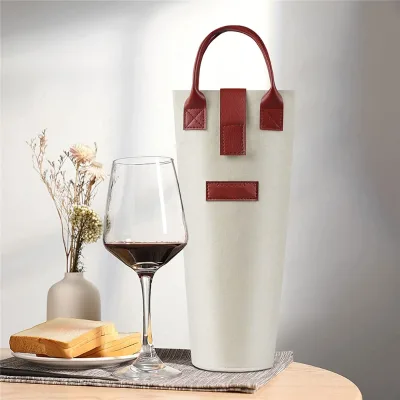
Recycled Fabric Felt Wine Bag with Eco Friendly Portable and Leather Handle
$1.46 - $2.07
MOQ: 500 Pieces


Guangzhou Fu Li Ya Industry Co., Ltd.
- Verified by TUVRHEINLAND
- Combined
- China Guangdong
- Lead time30 days
- Avg. response≤ 11h
Main productsShopping Bag, Promotional Bag, Canvas Bag, Polyester Bag, Cotton Bag, Tote Bag, Non Woven Bag, Garment Bag, Cooler Bag, Hand Bag
Main marketsEurope,North America


Promotional Felt Wine Tote Bottle Bag
MOQ: 3000 Pieces

Drawstring Felt Wine Bottle Bucket Bag with Canvas Liner
MOQ: 3000 Pieces
ZHEJIANG HUAQING PLASTIC INDUSTRY CO., LTD.
- Verified by SGS Group
- Manufacturer, Trading Company
- Lead time15 days
- Avg. response≤ 2h
Main productsNon-woven Tote Bag, Non-woven Laminated Bag, Non-woven Sewing Bag, Aluminum Foil Insulated Bag, Drawstring Bag
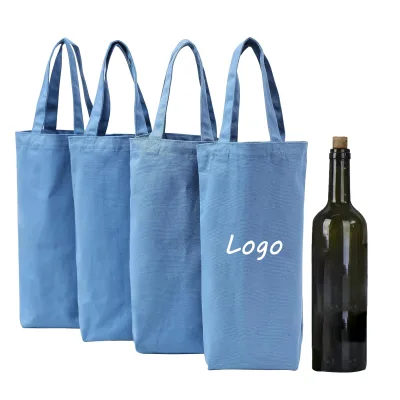
$0.18 - $0.40
MOQ: 500 pieces
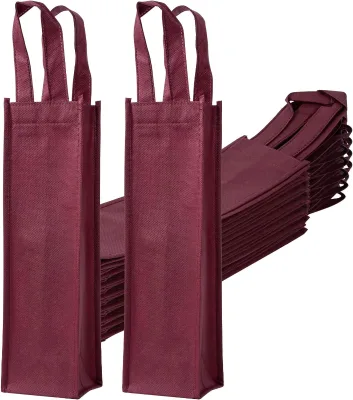
$0.15 - $0.35
MOQ: 500 pieces
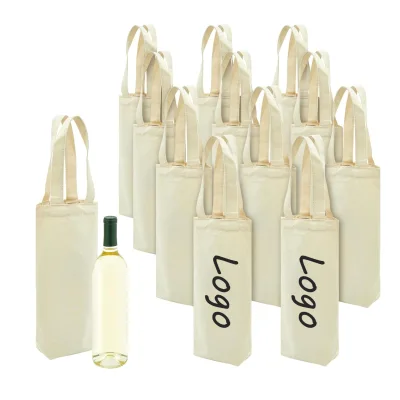
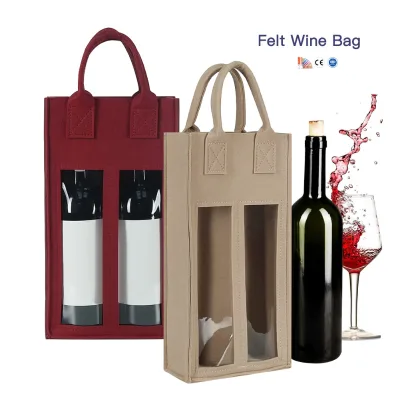
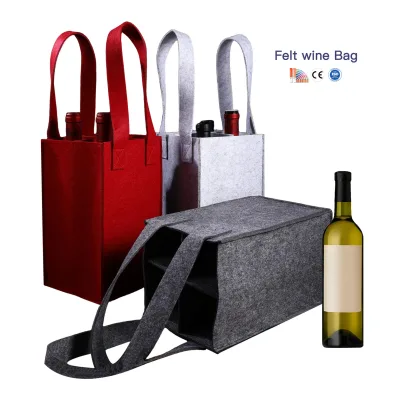

Hebei Walutz Import and Export Trading Co., Ltd
- Verified by SGS
- Trading Company
- China Hebei
- Lead time15 days
- Avg. response≤ 1h
Main productsFelt Bags, Wool Dryer Balls, Felt Polishing Products, Felt Letter Board, Industrial Felt, Christmas Gifts, Felt Diaper Bags, Felt Storage Bags, Felt Organizer Bags, Household Felt
Main marketsSouth America

Portable Wine Gift Bag Wine Beer Storage Box Felt Wine Bottle Bag with Handle
$1.20 - $2.10
MOQ: 500 Pieces

Felt Wine Bag Christmas Wine Bottle Cover Gift Bag Merry Christmas Ornaments
$0.50 - $1.20
MOQ: 500 Pieces

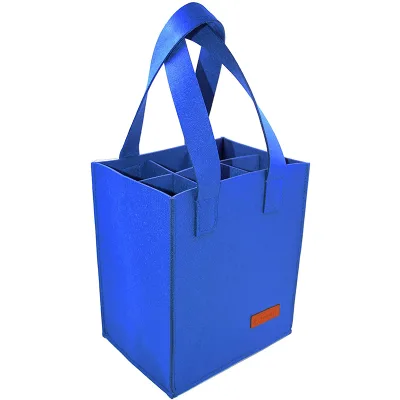
Reusable Felt Bag Wine Holder Beer Bottle Shopping Tote Bag Bottle Carrier with 9 Bottles
$1.20 - $2.10
MOQ: 500 Pieces

$1.50 - $2.20
MOQ: 500 Pieces

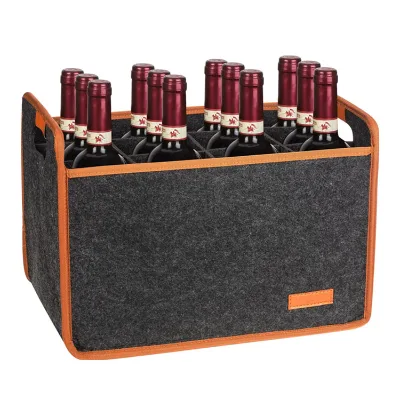
Wholesale Felt Wine Bottle Bag Divided Wine Tote Bag High Quality Hanging Felt Tote Bag
$1.20 - $2.10
MOQ: 500 Pieces

High Quality Portable Felt Single Wine Bag Storage Basket Wine Gift Basket Wine Bottle Divider Bag
$0.50 - $1.20
MOQ: 500 Pieces
- Verified by SGS Group
- Manufacturer, Trading Company
- Lead time15 days
- Avg. response≤ 3h
Main productsNeedle Punched Felt, Wool Felt, Felt Sheet, Felt Coaster, Felt Bags
Main marketsDomestic Market(40%), North America(9%), Eastern Europe(8%)
Hebei Warner Felt Technology Co., Ltd.
- Manufacturer, Trading Company
- Hebei, China
- Lead time5 days
- Avg. response≤ 2h
Main productsFelt,Wool Felt,Felt Bag,wool dryer ball,Industrial Felt
Main marketsEastern Europe(35.00%), Oceania(15.00%), Western Europe(10.00%), Northern Europe(5.00%), Mid East(5.00%), North America(5.00%), Southern Europe(5.00%), Southeast Asia(5.00%), Eastern Asia(3.00%), Domestic Market(3.00%), South Asia(3.00%), Central America(2.00%), South America(2.00%), Africa(2.00%)
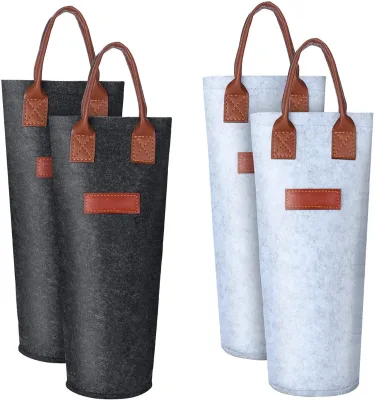
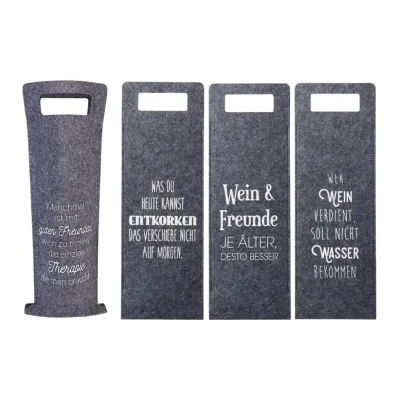
Single Felt Bottle Wine Tote bag 1 Bottle Wine Carrier Bag for Wine Lover's or Wedding Gift
$5.16 - $8.88
MOQ: 500 pieces
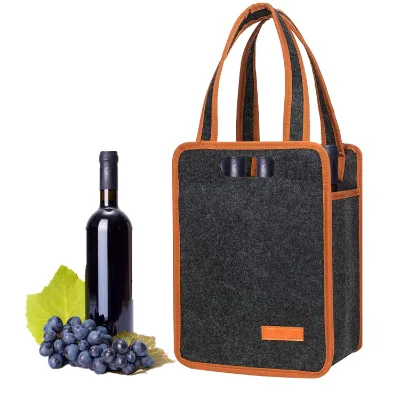
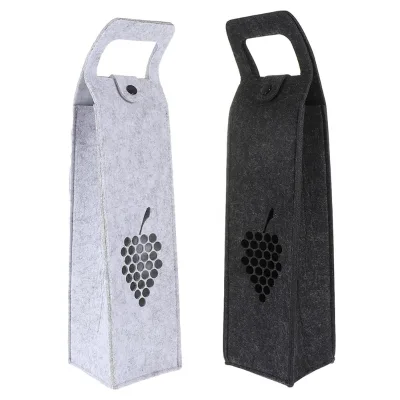
$1.80 - $3.00
MOQ: 500 pieces
$1.00 - $1.43
MOQ: 1000 pieces

Xiamen Top Green Bags Co., Ltd.
- Verified by SGS
- Trading Company,Manufacturer/Factory
- China Fujian
- Lead time45 days
- Avg. response≤ 4h
Main productsCooler Bags, Sports Bags, Apron, Promotional Bag, Waist Bag, Shoulder Bag, Travel Bags, Cosmetic Bag, Laptop Bag, Pencil Bag
Main marketsSouth America,Eastern Europe,North America,Southeast Asia,Eastern Asia,Oceania,Western Europe,Africa


Custom Embroidery Logo 6 Packs Felt Beer Bottle Tote Bag Handy Wine Bottle Felt Bag
$0.95 - $1.65
MOQ: 500 Pieces

Customized Eco-Friendly Printed Wine Bags Wine Bottle Gift Packaging Nonwoven Bag
$0.17 - $0.30
MOQ: 500 Pieces


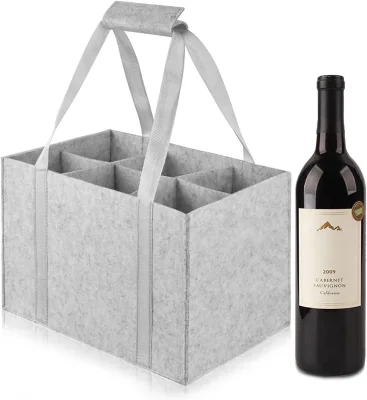
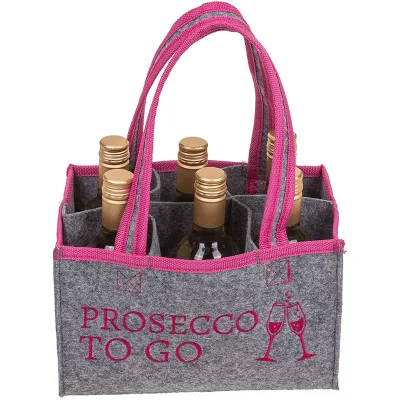
Felt Bag Wine Holder Beer Bottle Tote Bag Bottle Carrier with 6 Bottles Divider Washable Grey
$0.86 - $1.12
MOQ: 500 Pieces


Wenzhou Hongtao Packing Co., Ltd.
- Verified by TUVRHEINLAND
- Manufacturer/Factory
- China Zhejiang
- Lead time15 days
- Avg. response≤ 14h
Main productsNon Woven Bag, Cotton Bag, Drawing String Bag, PP Woven Bag, RPET Bag, Canvas Bag, Cooler Bag, Garment Bag
Main marketsEastern Europe,North America,Eastern Asia,Western Europe

Wine Packaging Bag Eco Friendly Bags for Wine Bottle Non Woven Wine Bags with Logo
$0.50 - $0.70
MOQ: 5000 Pieces

2 Bottles Non-Woven Wine Bag Bottle Packing Promotion Tote Bag Non Woven PP Wine Bag
$0.20 - $1.00
MOQ: 3000 Pieces
- Verified by SGS Group
- Manufacturer, Trading Company
- Lead time5 days
- Avg. response≤ 2h
Main productsFelt Cat Cave, Felt Storage Bins, Felt Handbag, Felt Busy Board, Felt Plant Pot
Main marketsNorth America(40%), Eastern Europe(25%), South America(10%)
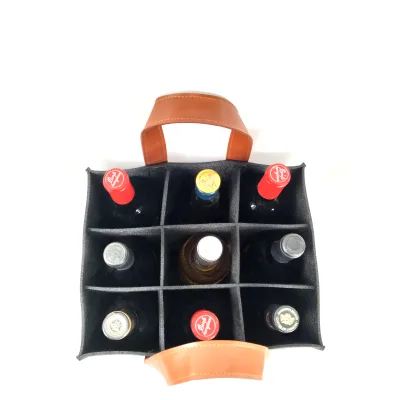
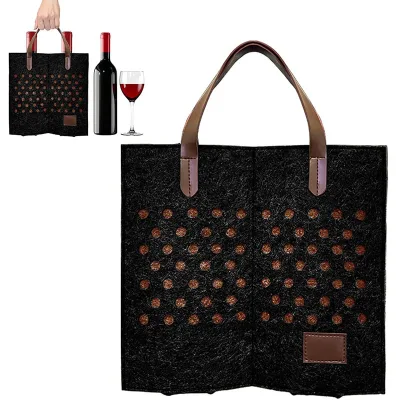
Wholesale Price Hollow Out Reusable Felt 6 Bottle 9 Bottle Wine Tote Bag Felt Wine Pouch Handbag
$1.04 - $1.53
MOQ: 100 pieces
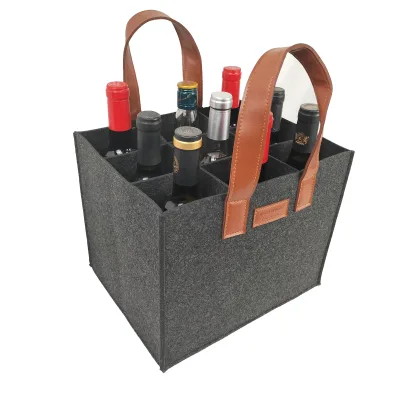
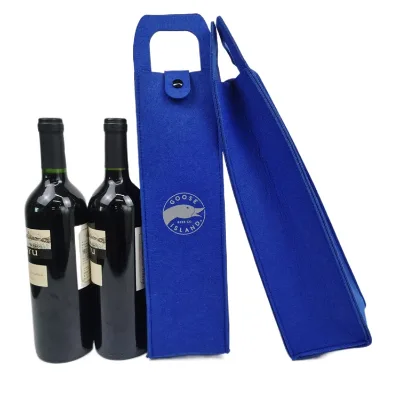
Wholesale Felt Wine Bottle Bag Divided Wine Tote Bag High Quality Hanging Felt Tote Bag
$0.98 - $1.95
MOQ: 100 pieces

Qingdao Yide Shine Industry Co., Ltd.
- Verified by SGS
- Manufacturer/Factory
- China Shandong
- Lead time15 days
- Avg. response≤ 3h
Main productsPaper Bag, Kraft Paper Bag, Non Woven Bag, Craft Paper Bag, Value Bag, Shopping Bag, PE Bag, Paper Napkin, Take Away Food Bag, Hanburger Box
Main marketsSouth America,Eastern Europe,Mid East,North America,Southeast Asia,Eastern Asia,Oceania,Western Europe,Africa


Cheap Eco Friendly Custom Logo Single Bottle Wine Packaging Fabric Non-Woven Wine Bag
$0.00 - $0.00
MOQ: 10000 Pieces

Promotional Bolsa De Vino Reusable Non Woven Wine Bag Non Woven Wine Bottle Bag with Handle
$0.07 - $0.10
MOQ: 5000 Pieces

Wenzhou Lvlin Bag Making Co., Ltd.
- Verified by SGS
- Combined
- China Zhejiang
- Lead time15 days
- Avg. response≤ 3h
Main productsNonwoven Bag, Canvas Bag, Tote Bag, PP Woven Bag, Jute Bag
Main marketsDomestic


Promotional Reusable Logo Custom Non Woven Bag Non Woven Wine Bags for Wine Bottles
$0.49 - $0.80
MOQ: 100

Longgang Green Harmony Bags & Trading Co., Ltd.
- Verified by SGS
- Trading Company
- China Zhejiang
- Lead time15 days
- Avg. response≤ 1h
Main productsNon Woven Bags, Canvas Bags, Non Woven Laminated Bags, Tyvek Bags, Jute Bags, Non Woven Suit Cover, Cotton Bags, Non Woven Ultrasonic Bags, PP Woven Bags, Polyester Drawstring Bags
Main marketsSouth America,North America

- Verified by SGS
- Trading Company
- China Fujian
- Lead time15 days
- Avg. response≤ 4h
Main productsPromotion Gift, Keychain, Timing Belt, Sport Gift, Worm, Reducer, Pulley, Tennis Gift, Pickleball Gift
Main marketsEast Asia(Japan/ South Korea),Europe,Australia,North America
Longgang City Dayou Packing Co., Ltd.
- Verified by Intertek
- Manufacturer, Trading Company
- Lead time0 days
- Avg. response≤ 2h
Main productsPp Non Woven Bag, Pp Woven Bag, Cotton Canvas Bag, Polyester Drawstring Bag, Cooler Bag
Main marketsNorth America(70%), Western Europe(20%), Eastern Asia(10%)

Wenzhou Guanmin Import and Export Co., Ltd.
- Verified by BV
- Trading Company,Manufacturer/Factory
- China Zhejiang
- Lead time120 days
- Avg. response≤ 6h
Main productsShopping Bag, Cooler Bag, Notebook, Pen, Color Pencil, Lanyard, Beach Ball, Umbrella, Sunshade, Air Freshener
Main marketsSouth America,Eastern Europe,Mid East,North America,Southeast Asia,Eastern Asia,Western Europe


Wholesale Promotional Custom Cheap Non Woven 6 Bottle Tote Carring Wine Bag
$0.30 - $1.00
MOQ: 1000 Pieces

Nanchang Qianti Packaging Co., Ltd
- Verified by TUVRHEINLAND
- Manufacturer/Factory
- China Jiangxi
- Lead time15 days
- Avg. response≤ 3h
Main productsShopping Bag, Custom Logo Bag, Canvas Cotton Bag, Non Woven Bag, Paper Bag, Kraft Paper Bag, Jute Bag, Cooler Bag, Drawstring Bag, Christmas Gift Bag
Main marketsSouth America,Eastern Europe,Mid East,North America,Southeast Asia,Oceania,Western Europe,Africa

$0.35 - $0.45
MOQ: 1000 Pieces

$0.35 - $0.45
MOQ: 1000 Pieces

$0.35 - $0.45
MOQ: 1000 Pieces

Guangzhou Gangchang Package Co., Ltd.
- Manufacturer, Trading Company
- Guangdong, China
- Lead time15 days
- Avg. response≤ 3h
Main productsPackaging Bag,Plastic Bag,Non woven Bag,Paper Bag,Organza Bag
Main marketsDomestic Market(28.11%), North America(20.76%), South America(17.30%), Oceania(10.38%), Africa(6.49%), Northern Europe(5.19%), Eastern Europe(4.33%), Western Europe(3.03%), Southern Europe(2.60%), Southeast Asia(1.73%), Eastern Asia(0.08%)

Zhenjiang Bossen International Co., Ltd.
- Verified by TUVRHEINLAND
- Trading Company
- China Jiangsu
- Lead time23 days
- Avg. response≤ 17h
Main productsBandana, Beach Towel, Beanie, Multifunctional Bandana, Scarf, Baseball Cap, Baby Bibs, Headband, Gloves, Kitchen Towel
Main marketsEurope,Australia

OEM Customized Logo Printed 2 Bottle Non Woven Red Wine Packing Portable Bag
$0.20 - $0.80
MOQ: 500 Pieces

OEM Customized Logo Printed Promotional Black Cheap Non Woven Wine Bottle Tote Gift Bags
$0.20 - $0.80
MOQ: 500 Pieces

Hangzhou Initi Imp&Exp Co., Ltd.
- Verified by SGS
- Combined
- China Zhejiang
- Lead time30 days
- Avg. response≤ 7h
Main productsTote Bag, Cotton Bag, Canvas Bag, Drawstring Bag, Garment Bag, Cooler Bag, Cosmetic Bag, Shaker Bottle, Felt Bag, Corduroy Bag
Main marketsSoutheast Asia/ Mideast,East Asia(Japan/ South Korea),Europe,Australia,North America
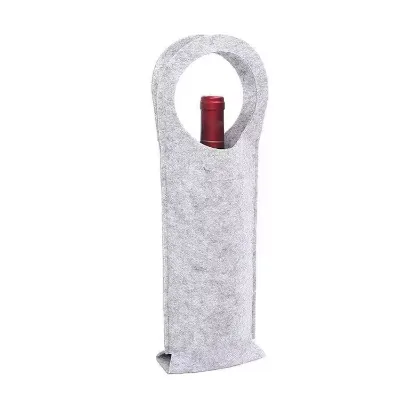


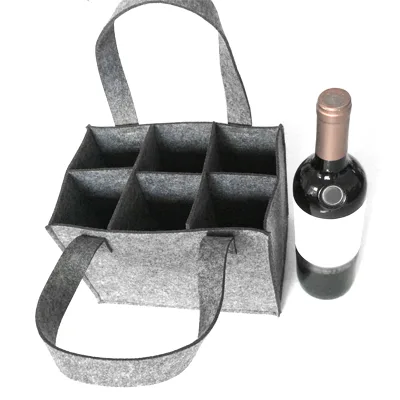
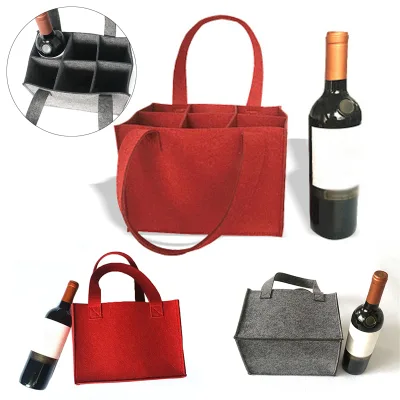
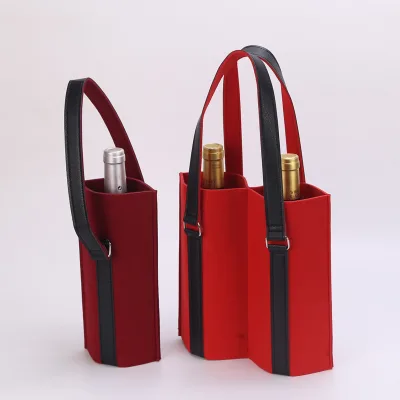
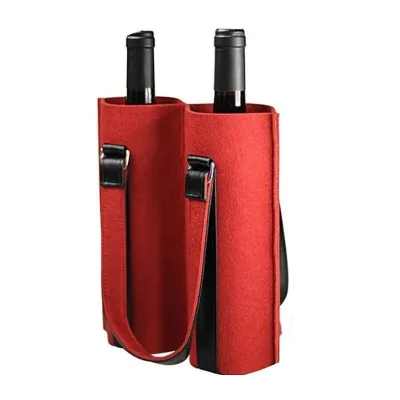
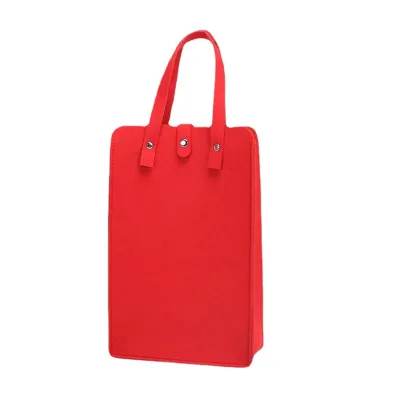
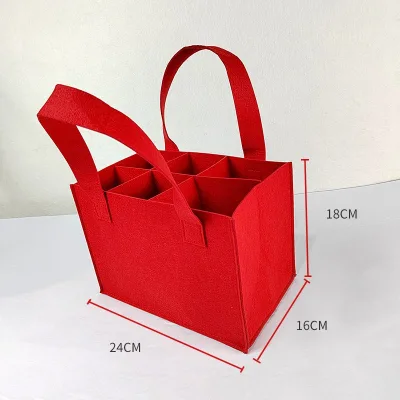
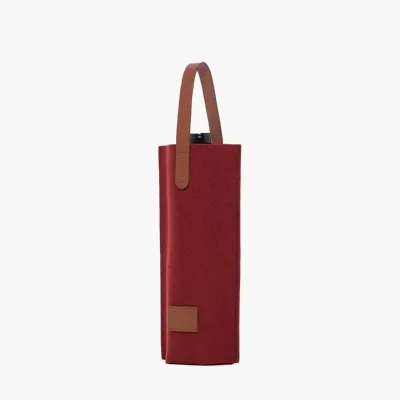
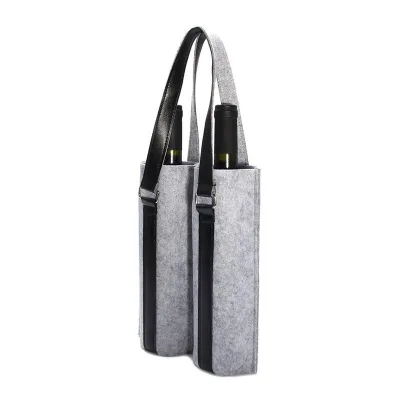


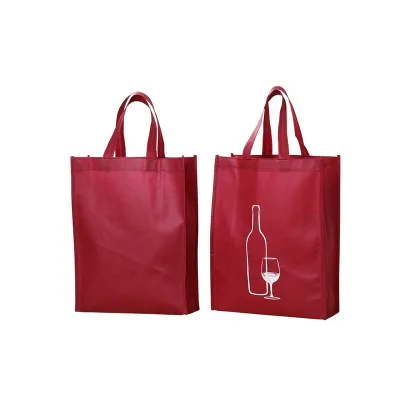
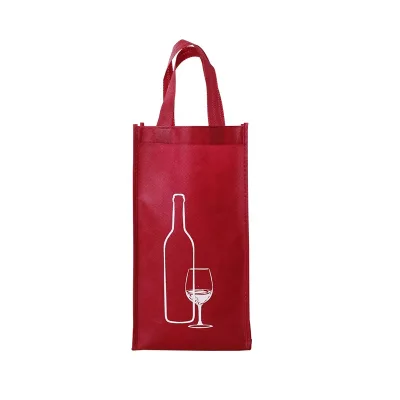
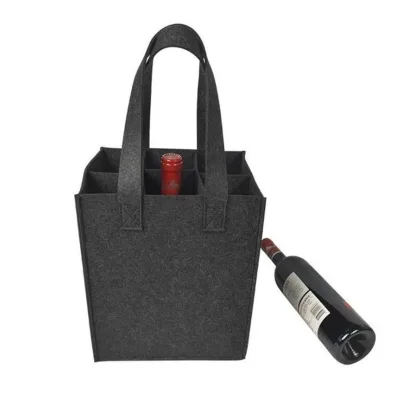


Comprehensive Sourcing Guide
Eco-Friendly Felt Wine Bottle Bag Supplier Concentration and Factory Types
The current supplier landscape for eco-friendly felt wine bottle bags includes a mix of manufacturers and trading companies, with a total of twenty-six active entities identified in the search results. These suppliers primarily operate as manufacturers capable of handling light customization, sample processing, graphic processing, and customized on-demand production. The main product categories consistently listed across these profiles include felt, felt bags, wool felt, felt pads, and industrial felt, indicating a specialized focus on textile-based storage solutions. This concentration suggests that buyers can find dedicated production lines rather than generalist traders, which often translates to better control over material quality and customization capabilities.
Geographic concentration is a critical factor for this category, as the available data points to Hebei, China, as a specific place of origin for the listed products. While the search results do not provide a comprehensive map of all global clusters, the presence of Hebei as a verified origin for multiple product attributes allows buyers to identify this region as a primary sourcing hub. Buyers should verify if other suppliers share this location to confirm cluster density, as proximity to raw material sources like wool and polyester often dictates pricing and lead times. Understanding whether a supplier is a direct manufacturer or a trading company within this region helps in assessing the depth of their technical expertise and the potential for direct communication regarding production nuances.
How to Verify Eco-Friendly Felt Wine Bottle Bag Suppliers
Verification of supplier credibility relies heavily on third-party validation and specific certification checks rather than general reputation. The current data indicates that some suppliers hold verification from SGS Group, a recognized third-party inspection body, which serves as a concrete indicator of operational legitimacy. Additionally, system certifications such as MSDS and the General Certificate of Conformity (GCC) are present in the supplier profiles, providing evidence of compliance with safety and regulatory standards. Buyers must explicitly request these documents to confirm that the supplier maintains active status with these organizations, as the presence of a certification label does not guarantee current validity without direct verification.
Beyond certifications, response time and sample processing capabilities offer practical metrics for assessing supplier reliability. The observed response time of two days suggests a baseline for communication efficiency, though buyers should confirm if this applies to all inquiries or specific product lines. The capacity for sample processing is another critical verification point, with some suppliers offering samples within three to five days. This rapid turnaround capability is essential for validating product quality before committing to larger orders. Buyers should test these response times and sample speeds directly to ensure the supplier can meet their specific timeline requirements, as these operational metrics often correlate with overall supply chain stability and customer service quality.
What to Compare Across Eco-Friendly Felt Wine Bottle Bag Suppliers
When evaluating suppliers, buyers should prioritize comparing minimum order quantities (MOQ), lead times, and pricing structures to align with their specific procurement needs. The data shows a consistent MOQ of 100 pieces across several product listings, which serves as a standard entry point for many suppliers. However, lead times vary, with a general benchmark of thirty days observed for production cycles. Buyers must compare these figures against their own inventory requirements, as a thirty-day lead time may be acceptable for planned restocking but problematic for urgent orders. Additionally, price ranges fluctuate significantly, with some single-item listings starting as low as $0.40 and others reaching up to $2.44, depending on features like leather handles or multi-bottle capacity.
Material composition and customization options are equally vital comparison points that distinguish suppliers in this category. The available product attributes reveal materials ranging from polyester felt to wool felt, with some suppliers offering both options. Customization capabilities, such as accepting custom logos and offering various colors like black, green, red, and beige, vary by supplier. Buyers should compare the specific thickness options, such as 3mm or customized dimensions, and dimensional tolerances, which are listed as less than ±5mm or ±1cm in different profiles. These technical specifications directly impact the final product's durability and aesthetic appeal, making them essential criteria for selecting the right partner for a specific project.
Common Eco-Friendly Felt Wine Bottle Bag Sourcing Risks
One significant risk in sourcing felt wine bags involves the variability of material quality and the potential for misalignment between advertised and actual product specifications. While suppliers list materials as polyester or wool felt, the specific density and thickness can vary, affecting the bag's ability to protect wine bottles during transit. Buyers face the risk of receiving products that do not meet the expected structural integrity if they do not verify the exact material composition and thickness tolerances. The presence of weight tolerances, such as less than ±5%, indicates that slight variations are expected, but significant deviations could lead to product failure or customer dissatisfaction, necessitating strict quality control measures during the sampling phase.
Another critical risk is the discrepancy between estimated lead times and actual delivery dates, which can disrupt supply chain planning. Although a thirty-day lead time is observed in the data, external factors such as raw material shortages or production bottlenecks can extend this period. Buyers must account for potential delays by building buffer time into their schedules and confirming the supplier's current production capacity. Furthermore, the reliance on third-party verification like SGS Group does not eliminate the risk of non-compliance with specific buyer requirements. Buyers should ensure that all certifications, including MSDS and GCC, are current and applicable to the specific product variant being ordered to avoid regulatory issues upon import.
Eco-Friendly Felt Wine Bottle Bag Regional Sourcing and Logistics
Sourcing from Hebei, China, presents specific logistical considerations that buyers must address to ensure efficient delivery. The concentration of suppliers in this region implies a robust local supply chain for raw materials like wool and polyester, which can streamline production. However, buyers should verify the specific shipping terms and logistics partners used by each supplier, as these can vary significantly. The single package sizes listed, such as 45x17x1 cm or 30x10x1 cm, indicate that packaging dimensions are customizable, which directly impacts shipping costs and container utilization. Buyers need to calculate the volumetric weight based on these dimensions to optimize freight expenses and avoid unexpected charges.
Logistics planning also involves understanding the impact of regional infrastructure on lead times and reliability. While the data confirms Hebei as a place of origin, buyers should confirm if suppliers have experience exporting to their specific destination country. The presence of functional designs like foldable and multifunctional features suggests that the products are designed for efficient packing, which can reduce shipping volume. However, buyers must verify if the suppliers offer consolidated shipping options or if each order is shipped individually. Understanding the local logistics capabilities of the supplier in Hebei is crucial for managing the transition from factory to final destination, ensuring that the eco-friendly nature of the product is not compromised by excessive or inefficient packaging during transit.
Eco-Friendly Felt Wine Bottle Bag Commercial Terms and Order Planning
Commercial terms for eco-friendly felt wine bottle bags often include specific requirements for branding and customization that must be clearly defined before order placement. The data indicates that suppliers accept customized logos and offer various color options, but the exact process for submitting artwork and approving proofs varies. Buyers should establish clear communication channels for design approval to prevent errors in the final product. Additionally, the selling units are listed as single items, which simplifies inventory management but requires careful calculation of total order volumes to meet the minimum order quantity of 100 pieces. Understanding these commercial terms is essential for planning the financial aspects of the order and ensuring that the customization aligns with the brand's identity.
Order planning must also account for the specific functional designs and packaging details provided by the suppliers. Products are often packed in OPP bags and carton boxes, with single gross weights ranging from 0.100 kg to higher values for multi-bottle totes. Buyers should verify the packaging details to ensure they meet their storage and display requirements. The availability of sample processing within three to five days allows for a structured order planning process where prototypes can be tested and approved before full-scale production. By integrating these commercial terms and logistical details into their planning, buyers can mitigate risks and ensure a smooth transition from order placement to final delivery, maintaining the quality and eco-friendly standards expected of the product.
FAQs
What is the minimum order quantity for felt wine bags?
The minimum order quantity is 100 pieces. This standard applies to most single and multi-bottle felt wine bag options available from verified manufacturers. Buyers should confirm specific MOQs for custom logo or size requests before placing bulk orders.
How long does production take for these bags?
Standard production lead time is 30 days. Sample processing typically takes 3 to 5 days. Buyers requiring expedited manufacturing should contact suppliers directly to discuss rush order options and potential additional fees for faster turnaround times.
What materials are used for eco-friendly felt wine bags?
Manufacturers primarily use polyester felt or wool felt. These materials are selected for their durability and eco-friendly properties. Some products also feature leather handles or specific color options like black, green, or red to meet diverse aesthetic requirements.
Are custom logos accepted on these felt wine bags?
Yes, custom logos are accepted on most felt wine bag products. Buyers can request personalized branding to enhance gift packaging or corporate identity. It is advisable to provide high-resolution artwork files to ensure accurate printing or embroidery results.
What is the price range for felt wine bags?
Prices range from $0.40 to $2.44 per unit depending on complexity. Single-bottle bags generally cost between $0.40 and $1.02. Multi-bottle totes or those with leather accents are priced higher, typically between $1.22 and $2.44 per unit.
Where are these felt wine bags manufactured?
These products originate from Hebei, China. Suppliers in this region specialize in felt goods and offer various customization capabilities. Buyers should verify specific factory locations and shipping terms to ensure efficient logistics and compliance with import regulations.
What certifications do these suppliers hold?
Suppliers hold MSDS and General Certificate of Conformity certifications. Products are also verified by SGS Group for quality assurance. These credentials help ensure that materials meet safety and environmental standards required for international trade and consumer goods.