Cotton Gauze Jewelry Pouch Suppliers and Manufacturers
Explore 26 verified suppliers offering cotton gauze jewelry pouches with customizable sizes, materials, and logos. Compare response times, lead times, and MOQs to find the right partner. Contact suppliers directly to request samples and pricing details; review the available evidence before requesting comparable quotations from suitable candidates.
Suppliers List

- Verified by TUVRHEINLAND
- Combined
- China Guangdong
- Lead time15 days
- Avg. response≤ 4h
Main productsPatches, Badges, Woven Labels, Hang Tag, Lanyard, Gift Pouch, Promotional Caps, Promotonal Bracelet, Keychain, Bracelet
Main marketsSoutheast Asia/ Mideast,East Asia(Japan/ South Korea),North America


Small Promotion Bag Gift Box Jewellery Pouch Jewelry Pouches
MOQ: 500 Pieces
Shenzhen Baishun Packing Products Co., Ltd.
- Manufacturer, Distributor/Wholesaler
- Guangdong, China
- Lead time12 days
- Avg. response≤ 2h
Main productspackaging bags,velvet pouch,Cotton Pouch,Canvas Bag,burlap bag
Main marketsWestern Europe(20.00%), North America(15.00%), Domestic Market(12.00%), Oceania(10.00%), Northern Europe(10.00%), South America(10.00%), Eastern Europe(9.00%), Africa(2.00%), South Asia(2.00%), Southern Europe(2.00%), Southeast Asia(2.00%), Central America(2.00%), Eastern Asia(2.00%), Mid East(2.00%)
Shenzhen Baishun Packing Products Co., Ltd.
- Manufacturer, Trading Company
- Lead time旺季: "1 - 500":8,"501 - 3000":10,"3001 - 5000":12,"> 5000":"To be negotiated", 淡季: "1 - 500":8,"501 - 3000":10,"3001 - 5000":12,"> 5000":"To be negotiated"
- Avg. response≤ 2h
Main productsCotton Pouch, Velvet Pouch, Jute Pouch, Dust Bags, Jewelry Pouch
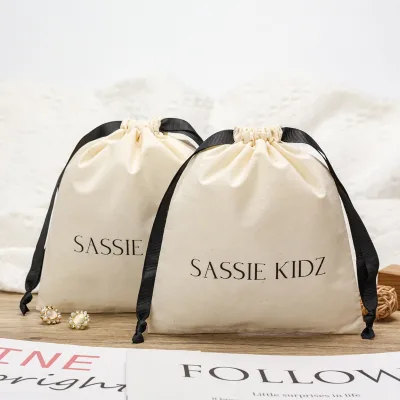
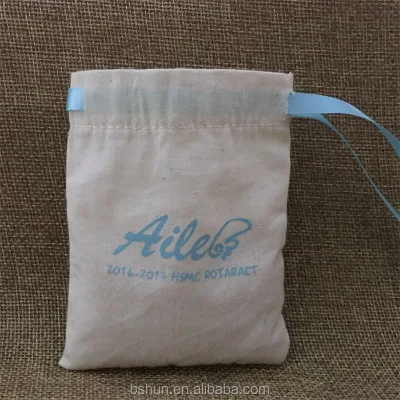
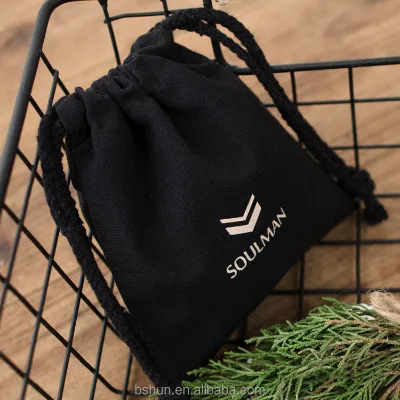
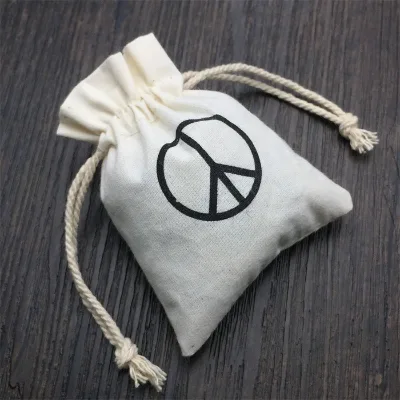
Small Cotton Pouch Pouch Bag Cotton Muslin Jewelry Bag Cotton Canvas Jewelry Pouch
$0.29 - $0.67
MOQ: 200 pieces
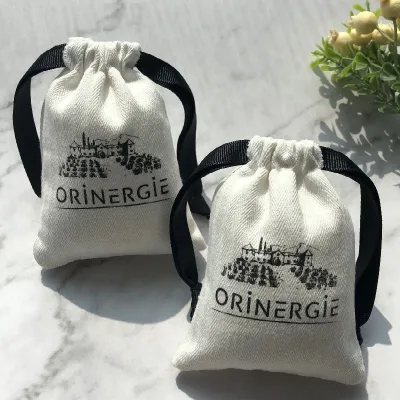
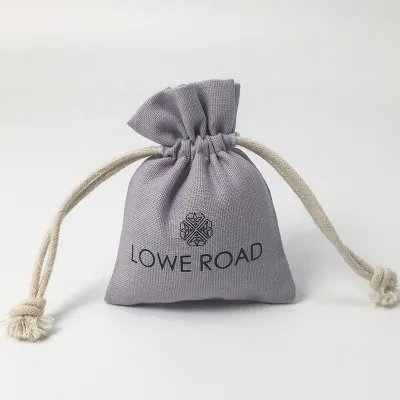

Wuhan Eco Faith Packing Co., Ltd.
- Manufacturer/Factory
- China Hubei
- Lead time23 days
- Avg. response≤ 7h
Main productsFabrics Drawstring Bag, Cotton Bags, Satin Bag, Velvet Bag, Organza Bag, Jute Bag, Jewelry Bag, Non-Woven Bag, Thermal Bag, Gift Box
Main marketsSouth America,Eastern Europe,Mid East,North America,Southeast Asia,Eastern Asia,Oceania,Western Europe,Africa


Lime Green Jewelry Bag Velvet Cosmetics Storage Bag Makeup Organizer Pouch Velvet Envelope Pouch
$0.30 - $0.60
MOQ: 1000 Pieces

Navy Blue Striped Cotton Jewelry Drawstring Bags Round Jewelry Pouches Branded Jewelry Bags
$0.30 - $0.60
MOQ: 1000 Pieces
- Manufacturer
- Zhejaing, China
- Lead time20 days
- Avg. response≤ 1h
Main productsNon woven bag,Cotton bag,Shopping bag,Insulated cooler bag
Main marketsNorth America(25.00%), Domestic Market(20.00%), Eastern Europe(15.00%), Western Europe(10.00%), Central America(7.00%), Northern Europe(7.00%), South America(5.00%), Oceania(3.00%), Southern Europe(3.00%), South Asia(2.00%), Mid East(1.00%), Southeast Asia(1.00%), Eastern Asia(1.00%)
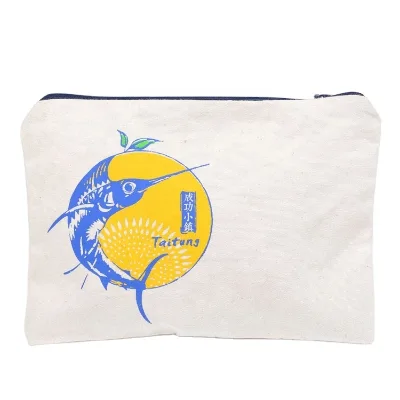
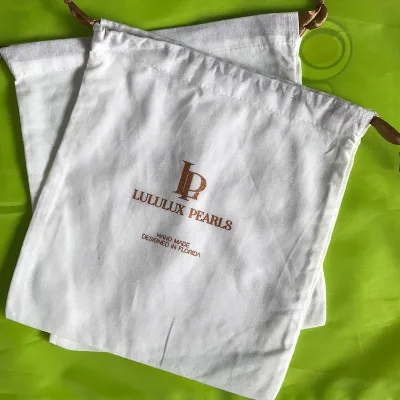
High Quality Eco Muslin Canvas Jewelry Packaging Pouch Customized Organic Cotton Drawstring Bag
$0.51 - $0.81
MOQ: 500 pieces
Shenzhen Osea Technology Co., Ltd.
- Verified by BV
- Trading Company
- China Guangdong
- Lead time15 days
- Avg. response≤ 15h
Main productsPromotional Gift, Office & Bussiness Gifts, Craft, Home Garden, Sport Products, Customized Gifts
Main marketsSouth America,Eastern Europe,Mid East,North America,Southeast Asia,Eastern Asia,Oceania,Western Europe,Africa

Customized Satin Custom Canvas Cotton Shopping Bag Jewelry Packaging Pouch Drawstring Pouch
$0.26 - $0.56
MOQ: 500 Pieces

Customized Dust Colorful Packaging Jewelry Cosmetic Blank Canvas Zipper Pouch Cotton Pouch
$0.36 - $0.53
MOQ: 100 Pieces
Shijiazhuang Baotou Import And Export Trade Co., Ltd.
- Trading Company
- Hebei, China
- Lead time5 days
- Avg. response≤ 1h
Main productsplastic Bottle,glass Bottle,cream jar,sticker,Paper Box
Main marketsNorth America(50.00%), Oceania(15.00%), South America(10.00%), Eastern Asia(5.00%), South Asia(5.00%), Southeast Asia(5.00%), Northern Europe(2.00%), Western Europe(2.00%), Eastern Europe(2.00%), Southern Europe(2.00%), Africa(1.00%), Mid East(1.00%)

Xiamen Folover Import &Export Co., Ltd.
- Verified by TUVRHEINLAND
- Trading Company
- China Fujian
- Lead time23 days
- Avg. response≤ 3h
Main productsCoaster, Cork Bulletin Board, Cork Furniture, Cork Toys, Cork Houseware, Cork Fitness, Cork Package, Cork Coasters
Main marketsEurope

Luxury Custom Soft Cotton Canvas Jewelry Pouch Jewelry Cotton Jewelry Pouch
$0.04 - $0.08
MOQ: 1000 Pieces

Custom Eco-Friendly Beige Jewelry Packaging Small Cloth Bag Natural Cotton Drawstring Pouch
$0.04 - $0.08
MOQ: 1000 Pieces

$0.04 - $0.08
MOQ: 1000 Pieces


$4.41 - $4.99
MOQ: 500 Pieces

Nan'an Brightpath International E-Commerce Co., Ltd.
- Verified by CTI
- Trading Company
- China Fujian
- Lead time0 days
- Avg. response≤ 3h
Main productsPromotion Gift, Stationery, Gift Set, Packaging Bag & Box, Keychain, Promotion Drinkware, Shoulder Bag, Backpack

Cotton Dust Bag with Custom Logo Printed Cotton Drawstring Jewelry Gift Pouch
$0.10 - $0.20
MOQ: 100 Pieces

Cotton Canvas Jewelry Pouch Bag Large Capacity Drawstring Cosmetic Bag Cotton Shoes Bag
$0.50 - $0.98
MOQ: 100 Pieces

Natural Custom Cotton Jewelry Pouch Silk Printing Drawstring Cosmetics Cotton Dust Bag
$0.10 - $0.20
MOQ: 100 Pieces

Custom Logo Cotton Jewelry Gift Bags Drawstring Wedding Packing Bag Canvas Dust Pouch
$0.10 - $0.20
MOQ: 100 Pieces

Customized Cotton Jewelry Dust Pouch Wedding Packing Bag Custom Canvas Drawstring Gift Bags
$0.10 - $0.20
MOQ: 100 Pieces


Shenzhen Hengda Xin Jewelry Co., Ltd.
- Verified by BV
- Combined
- China Guangdong
- Lead time15 days
- Avg. response≤ 3h
Main productsJewelry, Stainless Steel Fittings, Stainless Steel Jewelry, Necklace, Bracelet, Stud Earrings, Ring, Pendant, Fashion Jewelry, Fashion Accessories
Main marketsSoutheast Asia/ Mideast,East Asia(Japan/ South Korea),Domestic,Europe,Australia,North America
Hangzhou Fuhan Garment Accessories Co., Ltd.
- Verified by TüVRheinland
- Manufacturer, Trading Company
- Lead time7 days
- Avg. response≤ 2h
Main productsGarment Accessories, Woven Label Patch, Clothing Labels And Tags, Paper Packaging Box And Printing, Scented Bag
Main marketsNorth America(50%), Western Europe(20%), Domestic Market(20%)
Yancheng Gold Packaging Co., Ltd.
- Verified by TüVRheinland
- Manufacturer, Trading Company
- Lead time20 days
- Avg. response≤ 2h
Main productsVelvet Pouch, Cotton Canvas Pouch, Nonwoven Bag, Satin Pouch, Jute Pouch
Main marketsNorth America(30%), Western Europe(20%), Domestic Market(19%)
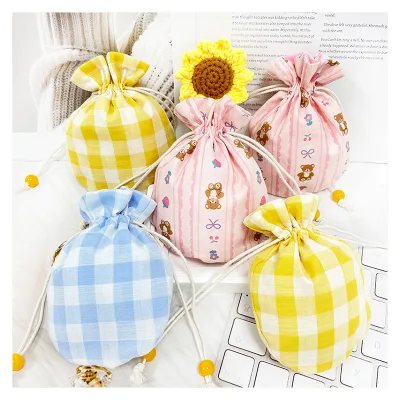
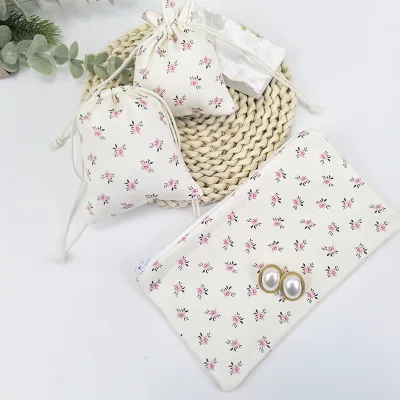
$0.37 - $0.43
MOQ: 10 pieces
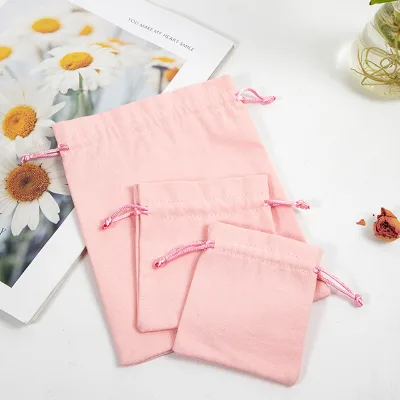
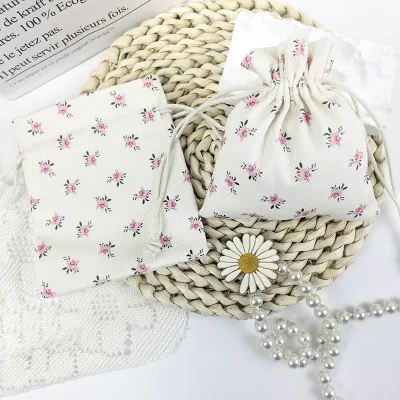
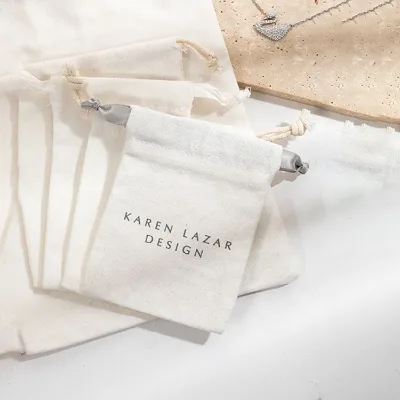
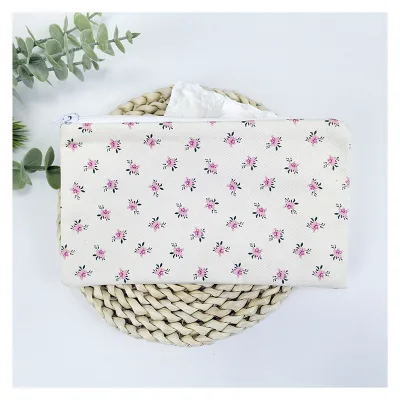
Hebei Xiaohu Imp&exp Trading Co., Ltd.
- Verified by SGS Group
- Trading Company
- Lead time10 days
- Avg. response≤ 3h
Main productsprinting plastic bag, food bag, kraft bag, coffee bag, other plastic products
Main marketsConfidential(20%), Confidential(14%), Confidential(10%)
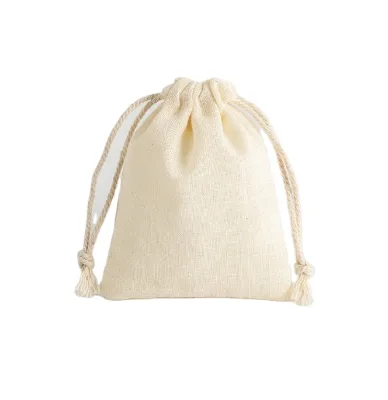
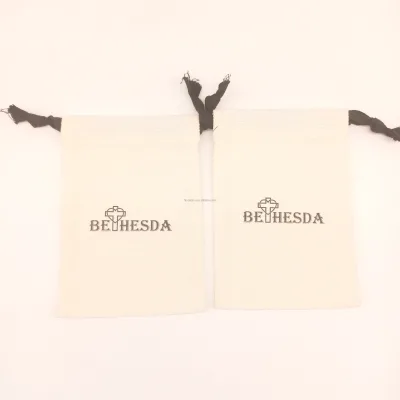
Cotton 5*7cm Jewelry Bag Drawstring White Jewelry Pouch with Ring Necklace Jewelry Packing Pouch
$0.12 - $0.25
MOQ: 200 pieces
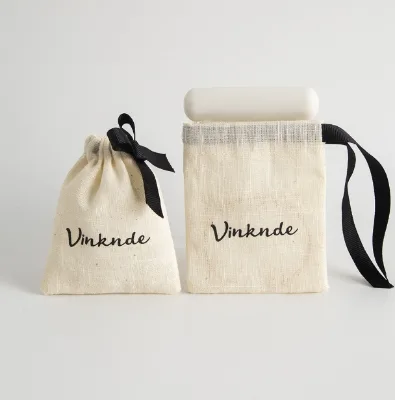
$0.17 - $0.52
MOQ: 100 Minimum

Anhui Magic Industry Co., Ltd.
- Verified by SGS
- Manufacturer/Factory
- China Anhui
- Lead time98 days
- Avg. response≤ 7h
Main productsCanvas Bag, Tote Bag, Backpack, Shoulder Bag, Drawstring Bag, Cosmetic Bag, Customize Bag, Sports Bag, Shopping Bag, Cooler Bag
Main marketsSouth America,Eastern Europe,Mid East,North America,Southeast Asia,Eastern Asia,Oceania,Western Europe,Africa

Durable Custom Logo Printed Organic Cotton Canvas Drawstring Bag Jewelry Pouch
$0.50 - $0.90
MOQ: 100 Pieces

$0.50 - $0.90
MOQ: 100 Pieces


Qingdao Chenghaoda Science and Technology Co., Ltd.
- Verified by BV
- Manufacturer/Factory
- China Shandong
- Lead time23 days
- Avg. response≤ 15h
Main productsRFID Card, NFC Card, Pcv Card, RFID Wristbands, RFID Sticker/Tag
Main marketsSouth America,Eastern Europe,Mid East,North America,Southeast Asia,Eastern Asia,Oceania,Western Europe,Africa


$0.36 - $0.45
MOQ: 100 Pieces


$0.30 - $0.80
MOQ: 500 Pieces

Qingdao Chenghaoda Science and Technology Co., Ltd.
- Verified by BV
- Manufacturer/Factory
- China Shandong
- Lead time15 days
- Avg. response≤ 13h
Main productsCustom Packaging Paper Bag, Custom Packaging Paper Box, Corrugated Carton/Gift Box, Custom Notebook, Decorative Books, Book/Booklet/Brochure/Catalog/Magazine Printing, Disposable Dishware
Main marketsNorth America,Eastern Asia,Western Europe


Hot Selling Cotton Bags Reusable All Packaging Bags Cotton Drawstring Jewelry Pouch Bag
$0.18 - $0.25
MOQ: 300 Pieces

Promotional Small Wedding Cotton Gift Jewelry Bag Custom Logo Printed Cotton Drawstring Pouch
$0.18 - $0.25
MOQ: 300 Pieces

Custom Logo Wholesale Cotton Drawstring Bag Jewelry Cosmetic Cotton Fabric Pouch Packaging Bags
$0.18 - $0.25
MOQ: 300 Pieces


Guangzhou Blf Packing Co., Ltd.
- Verified by TUVRHEINLAND
- Combined
- China Guangdong
- Lead time15 days
- Avg. response≤ 12h
Main productsPaper Bag, Paper Box, Gift Box, Non Woven Bag, Book, Tag, Sticker, Air Freshener, Cards, Jewelry Box
Main marketsOthers(foreignTradeCapacity.exportBusinessCapacityMarketOther),Europe,North America


Luxury Logo Gift Cotton Leather Suede Microfiber Bag Packaging Velvet Jewelry Pouch
$0.10 - $0.50
MOQ: 1000 Pieces


Quanzhou Changyi Crafts Gifts Limited
- Verified by TUVRHEINLAND
- Manufacturer/Factory
- China Fujian
- Lead time23 days
- Avg. response≤ 7h
Main productsBallpoint Pen, Silicone Bracelet, Name Card Holder, Luggage Tag, Gift Set, Mobile Phone Accessory, Passport Cover, Ceramic Coaster, Gift Bag, Gift Box
Main marketsSouth America,Mid East,North America,Southeast Asia,Eastern Asia,Oceania,Western Europe,Africa


Custom Button Suede Bag Jewelry Package Bags Fold Suede Jewelry Velvet Pouch
$0.30 - $0.50
MOQ: 500 Pieces

Hot Selling Drawstring Jewelry Cotton Pouch Creative White Leaves Gift Bag
$0.48 - $0.65
MOQ: 100 Pieces

Xiamen Le Young Imp. & Exp. Co., Ltd
- Verified by BV
- Trading Company,Manufacturer/Factory
- China Fujian
- Lead time23 days
- Avg. response≤ 4h
Main productsLeather Folder, Trave Wallet, Leather Notebook, Leather Compendium, Leather Portfolio, Leather Diary, Leather Journal, Hotel Supply, Leather Card Holder, Leather Wallet
Main marketsSouth America,Eastern Europe,Mid East,North America,Southeast Asia,Eastern Asia,Oceania,Western Europe,Africa

Cotton Jewelry Bag Small Cloth Cosmetic Pouch White Drawstring Canvas Gift Bag
$0.04 - $0.09
MOQ: 300 Pieces


Custom Logo String Bag Storage Jewelry Pouch Gift Bags Cotton Drawstring Bag
$0.32 - $0.78
MOQ: 500 Pieces

Fuzhou Haomin Imp. & Exp. Co., Ltd.
- Verified by SGS
- Manufacturer/Factory
- China Fujian
- Lead time23 days
- Avg. response≤ 4h
Main productsBackpacks, Beach Bags, School Bags, Shopping Bags, Canvas Bags, Sports Bags, Cosmetic Bags, Pet Bags, Cotton Bag, Travel Bag
Main marketsSouth America,Eastern Europe,Mid East,North America,Southeast Asia,Eastern Asia,Oceania,Western Europe,Africa
Jiangxi Unipack Bags Co., Ltd.
- Verified by SGS Group
- Manufacturer, Trading Company
- Lead time15 days
- Avg. response≤ 3h
Main productsCotton Pouch, Velvet Pouch, Jute Pouch, Jewelry Pouch, Cosmetic Pouch

- Verified by BV
- Manufacturer/Factory
- China Zhejiang
- Lead time15 days
- Avg. response≤ 2h
Main productsJewelry Bag, Jewelry Card, Box, Promotion Gifts
Main marketsSouth America,Eastern Europe,Mid East,North America,Southeast Asia,Eastern Asia,Oceania,Western Europe,Africa
Shenzhen Chuanghua Gifts & Packaging Co., Ltd.
- Verified by TüVRheinland
- Manufacturer, Trading Company
- Lead time12 days
- Avg. response≤ 3h
Main productsJewelry Box, Cotton Pouch, Canvas Tote Bag, Microfiber Envelope Pouch, Velvet Pouch
Main marketsNorth America(30%), South America(20%), Western Europe(10%)
$0.23 - $0.33
MOQ: 300 pieces
$0.36 - $0.76
MOQ: 100 pieces
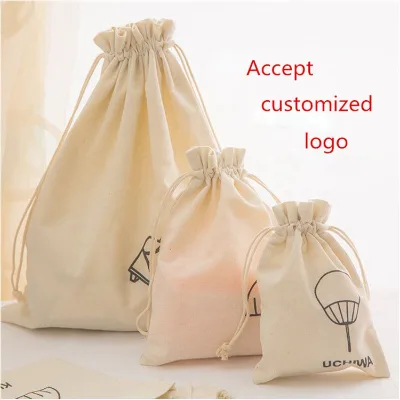
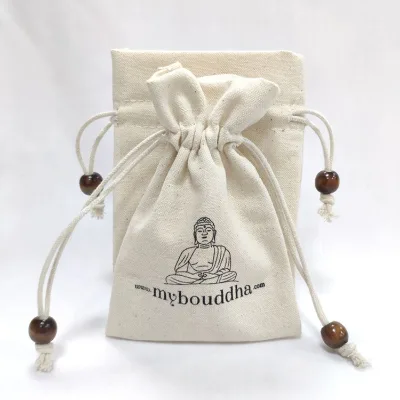
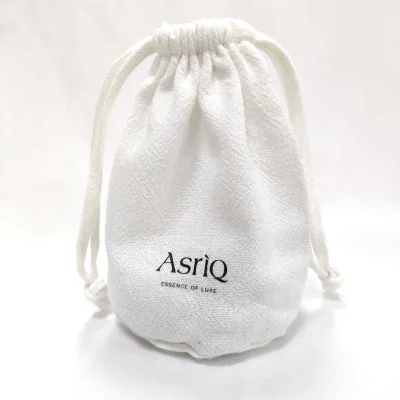
Custom High Quality Round White Cotton Jewelry Packaging Pouch With Company Logo
$0.48 - $0.58
MOQ: 300 pieces
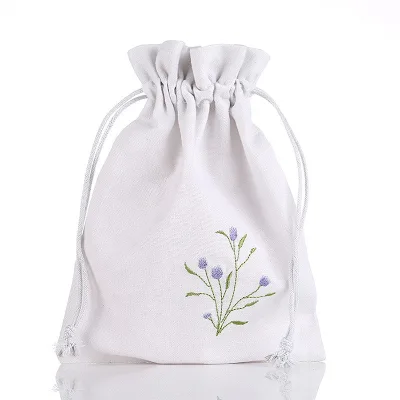
Customizable White Muslin Cotton Lavender Packaging Pouches Reusable Embroidered Jewelry
$0.23 - $0.29
MOQ: 300 pieces

Dongguan Chengsheng Gloves Purification Technology Co.,Ltd.
- Verified by TUVRHEINLAND
- Combined
- China Guangdong
- Lead time15 days
- Avg. response≤ 2h
Main productsCotton Gloves, Microfiber Cleaning Cloth, Kinesiology Tape, Arthritis Gloves, Sports Gloves
Main marketsEast Asia(Japan/ South Korea)

DONGGUAN JIN YU PACKAGE CO.,LTD
- Verified by TUVRHEINLAND
- Trading Company
- China Guangdong
- Lead time15 days
- Avg. response≤ 18h
Main productsJewelry Box, Gift Box, Watch Box, Pen Box, Cufflinks Box Box, Cosmetic Box, Pouch, Shopping Bag, Cardboard Box, Paper Box
Main marketsEurope


White Green Color Cotton Canves Jewelry Gift Promotion Pouch Bags Manufacturer
$0.39 - $0.45
MOQ: 1000 Pieces

Guangzhou Fu Li Ya Industry Co., Ltd.
- Verified by TUVRHEINLAND
- Combined
- China Guangdong
- Lead time30 days
- Avg. response≤ 11h
Main productsShopping Bag, Promotional Bag, Canvas Bag, Polyester Bag, Cotton Bag, Tote Bag, Non Woven Bag, Garment Bag, Cooler Bag, Hand Bag
Main marketsEurope,North America


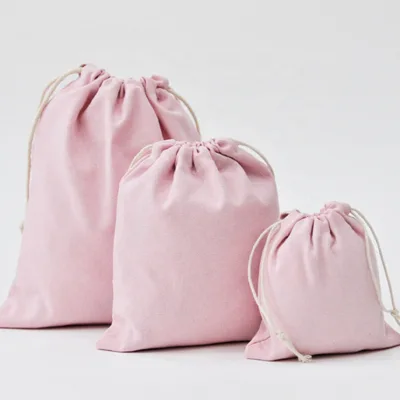
Custom Jewelry Drawstring Pouch with Logo
MOQ: 3000 Pieces
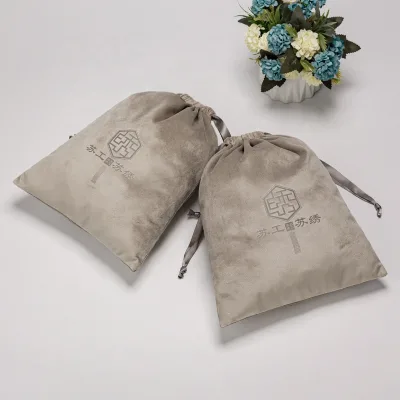
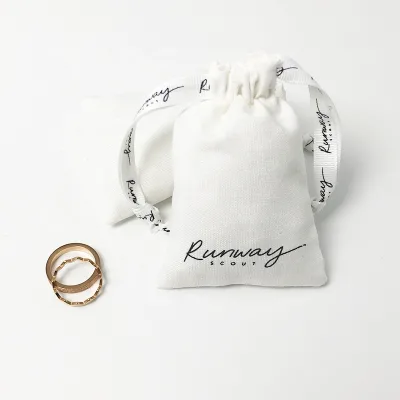


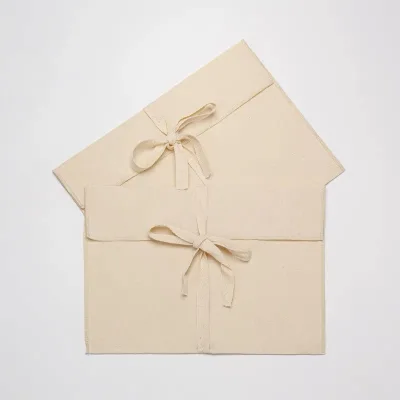
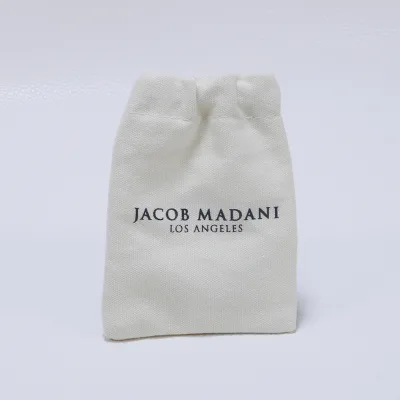


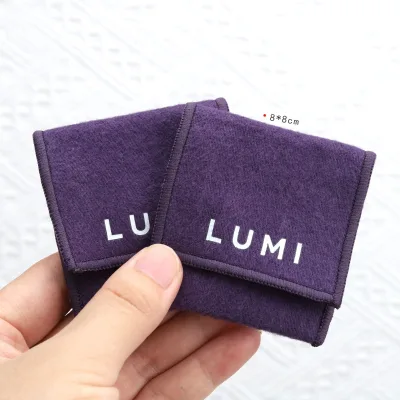
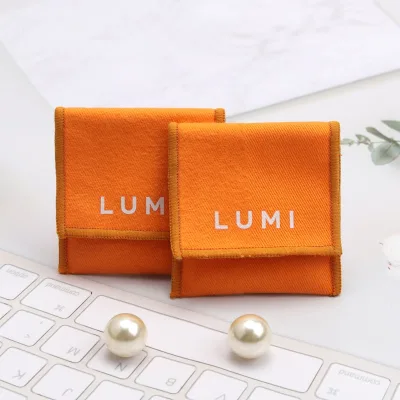


Comprehensive Sourcing Guide
Cotton Gauze Jewelry Pouch Supplier Concentration and Factory Types
Sourcing results for soft textile packaging, including the Cotton Gauze Jewelry Pouch, point strongly to Guangdong, China as the active supply region in this dataset. Suppliers based there describe themselves variously as combined companies or as manufacturers and distributor-wholesalers, and several list main product lines spanning pouches, badges, woven labels, hang tags, lanyards, gift pouches, promotional caps, bracelets and keychains. This breadth matters: a factory that already produces drawstring pouches, cotton bags, velvet pouches, canvas bags and burlap bags in volume is structurally better placed to handle gauze constructions than a generalist gift importer. Buyers should note that product origin fields in the listings reference Dongguan and Guangdong, which is consistent with the region's dense textile-packaging ecosystem.
Because listings do not always state factory location explicitly, you should confirm it rather than assume it. Ask each candidate whether it is a manufacturer, a combined manufacturer-trader, or a distributor, and request photos of the sewing, cutting and printing lines that would actually produce gauze pouches. Combined companies can be useful when you also need labels, tags or lanyards in the same shipment, since they consolidate categories. Distributor-wholesalers may offer lower minimums but less control over gauze weave density. Where a supplier's own listing names its city or province, record it; where it does not, treat the location as unverified until you see business registration documents and shipping addresses on commercial invoices.
How to Verify Cotton Gauze Jewelry Pouch Suppliers
Verification starts with third-party inspection status. At least one supplier in the current results displays TÜV Rheinland verification, which is an independent audit signal rather than a product certification; confirm what the verification actually covers by asking for the audit scope and date. Beyond that, verify legal identity against the company name on the listing, check that the business license matches the claimed location, and confirm the factory address through a video walkthrough or a third-party inspection visit. For gauze specifically, ask which processes are done in-house: cutting, drawstring tunneling, edge finishing, silkscreen printing and embroidery appear as logo options in current product listings, and knowing which are subcontracted tells you where quality drift can occur.
Then verify capability claims against the product pages themselves. Several listings state customization is available, sizes are made to customer requirements, colors follow Pantone references, and packing details are specified per carton — attributes you can test with a sample order. Sample lead times in the data range from 3–7 days to 4–6 days, so a supplier quoting significantly longer may be brokering rather than producing. Request the exact material composition for the gauze layer, GSM or weight per square meter, and seam construction, since none of the observed product attributes specify these for gauze. Finally, confirm the payment channels listed — T/T, PayPal, Western Union and L/C appear in the data — and ensure whatever you use offers a documented dispute path before any deposit is paid.
What to Compare Across Cotton Gauze Jewelry Pouch Suppliers
Build a comparison grid using the dimensions that supplier listings actually expose, without assuming every supplier publishes every field. Location is a first filter: the observed results concentrate in Guangdong, which affects freight cost and port access. Response time is displayed for some suppliers — observed values include roughly 2 hours and 3.4 hours — and this is a practical proxy for account management quality during a live order. Lead time appears in supplier-level data at 12 and 15 days; product-level entries show production windows of 8–15 days and 15–20 days, so compare like with like and confirm which figure applies to your quantity.
Minimum order quantities vary meaningfully in the observed listings: one cotton canvas pouch line states 300 pieces, while several jewelry pouch products state 500 pieces. Price bands in the current data run from about $0.10 to $1.00 per piece, so normalize quotes to a common size, material and print method before comparing. Also compare supplier type — manufacturer versus combined company versus distributor-wholesaler — against your need for ODM, OEM or own-brand service, which appears in the capability fields of at least one listing. A stated supply capacity of 10,000 pieces per week on one product line is a useful benchmark for asking other suppliers to declare theirs. Weigh verified status, main-product fit and category focus (textile packaging versus jewelry containers) alongside price, because the cheapest quote rarely survives a like-for-like specification review.
Common Cotton Gauze Jewelry Pouch Sourcing Risks
The first risk category is specification ambiguity. Observed listings give size as "customized" or "as customer required" and color as Pantone-based or customer-chosen, which means the burden of precision falls on you. Gauze is especially vulnerable: weave openness, weight and shrinkage are not stated in any observed attribute, and a supplier accustomed to satin or velvet pouches may substitute a denser cotton without telling you. Lock a physical golden sample, record GSM, thread count and finishing method, and require the sample to be referenced in the production contract. Second is substitution risk across the material list: one listing advertises cotton, canvas, non-woven, organza, wool and satin under the same product family, so confirm the exact fabric per purchase order.
Third is lead-time risk. Supplier-level figures of 12 and 15 days coexist with product-level ranges of 8–15, 15–20 and 4–6 days for samples, and a stated weekly capacity of 10,000 pieces may already be committed to other buyers. Build buffer into delivery dates and ask what happens if production slips. Fourth is payment and quantity risk: MOQs of 300 and 500 pieces observed here are modest, but deposits on T/T or Western Union carry little recourse, so prefer channels with dispute protection for first orders. Finally, packing risk: carton specifications such as 1,000 pieces per 30×40×50 cm carton appear in the data, but gross weight and moisture protection for lightweight gauze should be confirmed, since under-packed cartons are a frequent cause of transit damage claims.
Cotton Gauze Jewelry Pouch Regional Sourcing and Logistics
The verified regional signal in this category is Guangdong, China, with an origin reference to Dongguan on one product record. This concentration is convenient for logistics: Guangdong hosts major export ports, and suppliers there routinely quote trade terms such as EXW, FOB and door-to-door delivery, as seen in the observed product data. When a supplier states its province and city, you can plan inland trucking, consolidation with other Guangdong vendors, and ocean or air freight from nearby gateways with reasonable accuracy. Where a listing omits location, ask directly and verify against the business license, because freight quotes from an assumed port can differ substantially from the real pickup point.
For shipment planning, start from the packing data suppliers do publish. One observed carton spec packs 1,000 pouches into a 30×40×50 cm carton at roughly 15 kg gross; another uses 200 pieces per polybag and 2,000 per carton. These figures let you estimate carton counts, volumetric weight and container utilization for your own quantity before you request freight quotes. Lightweight gauze pouches are volume-heavy relative to weight, so air express is often viable for samples and small runs, while sea freight suits replenishment orders. Confirm whether the supplier ships under EXW, FOB or door-to-door as listed, and who books the forwarder. Finally, sequence logistics around the stated sample and production windows — 3–7 days for samples and roughly 8–20 days for production in observed listings — so your freight booking matches realistic completion dates.
Cotton Gauze Jewelry Pouch Commercial Terms and Order Planning
Commercial terms in this category are relatively standardized, which helps planning. Observed listings accept T/T, PayPal, Western Union and L/C, and trade terms include EXW, door-to-door and FOB. For a first order, split the risk: use a protected channel for the deposit, reserve a meaningful balance against inspection, and only graduate to bare T/T once a supplier has delivered conforming goods. On pricing, the observed range of roughly $0.10 to $1.00 per pouch reflects material and construction differences, so always obtain quotes against an identical specification sheet — gauze weight, size, drawstring material (cotton, nylon, polyester, PP, ribbon or leather, as one listing offers) and logo method such as silkscreen printing or embroidery.
Order planning should reconcile MOQ, capacity and lead time into a single calendar. With observed MOQs of 300–500 pieces, sample lead times of 3–7 days, and production windows of roughly 8–20 days depending on the product, a realistic first-cycle timeline from specification to shipped goods spans about a month; add freight time on top. Plan reorders against declared capacity — one listing states 10,000 pieces per week — and confirm in writing that capacity is reserved for your order. Define the payment milestone schedule, the inspection checkpoint before balance payment, and the golden sample as the quality reference. Finally, budget for Pantone color matching and print setup on customized orders, since customization is universally offered in this category but setup costs and repeats are not visible in listed prices and must be negotiated explicitly.
FAQs
What is a Cotton Gauze Jewelry Pouch typically used for?
A Cotton Gauze Jewelry Pouch is mainly used to package rings, necklaces, earrings, and other small jewelry items for retail or gifting. The soft, breathable fabric helps protect pieces from scratches during storage and transport. Buyers also use these pouches for small cosmetics, promotional giveaways, and gift packaging, with custom logos added through printing or embroidery.
What materials and sizes can I choose for custom pouches?
Listed products commonly offer cotton, canvas, satin, organza, velvet, non-woven fabric, and wool options. Sizes are usually fully customized to your requirements, and colors can often be matched to Pantone references. Some cotton canvas styles are available in thicknesses from 120GSM to 250GSM, so you can balance softness, opacity, and durability for your jewelry packaging.
What is the typical MOQ for cotton jewelry pouches?
The observed listings show MOQs of 300 to 500 pieces, so a practical planning range is roughly 300 pieces minimum. Lower quantities may be possible but often raise unit prices and setup costs. Before ordering, confirm the exact MOQ for your chosen material, size, and logo customization, since multi-process branding like embroidery can carry different minimums than simple screen printing.
How long do sampling and bulk production take?
Listed sample lead times range from about 3 to 7 days, while production lead times range from roughly 8 to 20 days depending on the product. One listed supplier reports an overall lead time of 15 days and another 12 days. Add extra days for express shipping and custom logo approval, and always confirm timelines in writing before placing your order.
How much do custom jewelry pouches cost per unit?
Observed listed prices range from about $0.10 to $1.00 per piece, varying with material, size, thickness, and logo method. Simple cotton or gauze pouches with silkscreen printing sit at the lower end, while satin, embroidery, or foil finishes cost more. Request quotes against your exact specifications, because unit pricing drops meaningfully as order quantities increase.
What logo customization methods are available?
Commonly listed methods include silkscreen printing, embroidery, gold foil, embossing, and sewn labels. Screen printing suits simple one-color logos on gauze and cotton, while embroidery gives a premium textured finish. Drawstrings can be made from cotton, nylon, polyester, PP, ribbon, or leather, with double-pull, one-side-pull, or no-pull styles, so confirm which methods your chosen supplier supports.
Where are these suppliers located and how fast do they respond?
The listed suppliers are based in Guangdong, China, a major hub for textile packaging and jewelry accessories. Their product origins include Dongguan, and most operate as manufacturers or combined manufacturer-wholesalers. Observed average response times are around 2 to 3.5 hours, which makes iterating on samples and quotes relatively quick, though you should still verify current responsiveness yourself.
What payment and shipping terms should I expect?
Listed payment options commonly include T/T, PayPal, Western Union, and L/C, giving flexibility for both sample orders and bulk production. Trade terms reported include EXW, FOB, and door-to-door delivery. Packaging is typically cartons of 1,000 or 2,000 pieces, so confirm carton dimensions, gross weight, and shipping costs with your forwarder before confirming a production order.