Eco Friendly Flatback Snap Buttons Suppliers and Manufacturers
Source 26 verified suppliers for Eco Friendly Flatback Snap Buttons. Compare attributes like Zhejiang origin, Intertek and BV verification, and certifications including Oeko-Tex-standard-100. Review sample lead times and MOQs to identify suitable partners for your garment accessories needs; review the available evidence before requesting comparable quotations from suitable candidates.
Suppliers List
Yongjia Bolai Clothing Accessories Co., Ltd.
- Verified by Intertek
- Trading Company
- Lead time0 days
- Avg. response≤ 3h
Main productsButtons, Stoppers, Hook & Loop Tapes, Webbing, Zippers Accessories
Main marketsNorth America(30%), Southeast Asia(30%), Western Europe(20%)
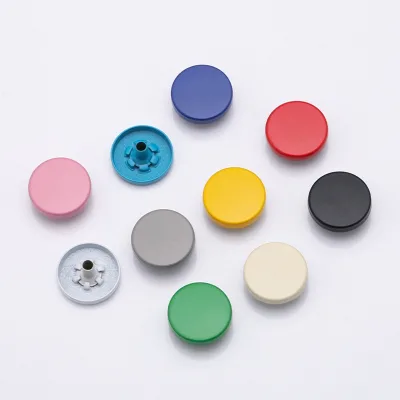
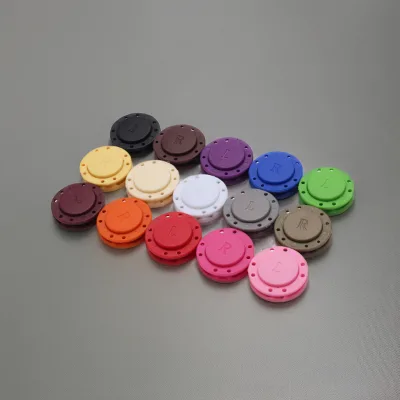
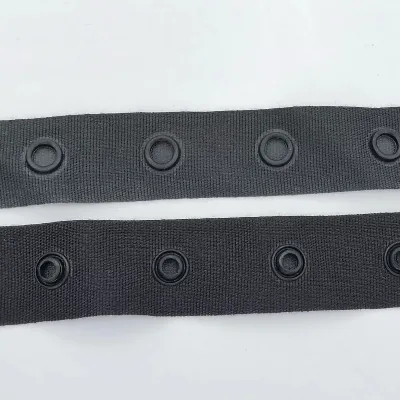
Magnetic Snap Buttons for Clothing & Textile Fashion, Nylon Plastic Flatback Buttons
$0.27 - $0.33
MOQ: 50 Minimum
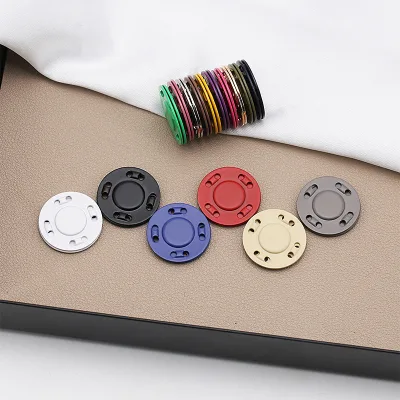
Quanzhou Jilingyang Garment Accessories Co., Ltd.
- Verified by Intertek
- Trading Company
- Lead time10 days
- Avg. response≤ 3h
Main productsMagnetic Buckle, POM Fastener Series, Rope buckle POM, Metal Keychain, Button
Main marketsSoutheast Asia(40%), Western Europe(15%), Southern Europe(15%)

Hangzhou Yuming Garment Accessories Co., Ltd.
- Verified by BV
- Trading Company
- China Zhejiang
- Lead time30 days
- Avg. response≤ 6h
Main productsButton, Patch, Rivet, Eyelet, Zipper, Zipper Puller, Resin Buckle, Underwear Accessories, Snap Hook, Garment Hook
Main marketsSouth America,Southeast Asia/ Mideast,Europe,North America

Custom Fashion Flatback Round Magnet Snaps Strong Magnetic Snap Button for Bag
$0.02 - $0.12
MOQ: 200 Sets


Hot Sale Eco Friendly Durable 18mm 14mm Magnetic Round Metal Snap Bag Button
$0.03 - $0.09
MOQ: 200 Sets

Jiashan Modern International Trade Co., Ltd.
- Trading Company
- Zhejiang, China
- Lead time0 days
- Avg. response≤ 3h
Main productsResin button,Plastic ABS,metal button,Zinc alloy diamond buckle,Horn button
Main marketsNorth America(50.00%), Southeast Asia(30.00%), Domestic Market(10.00%), Mid East(10.00%)
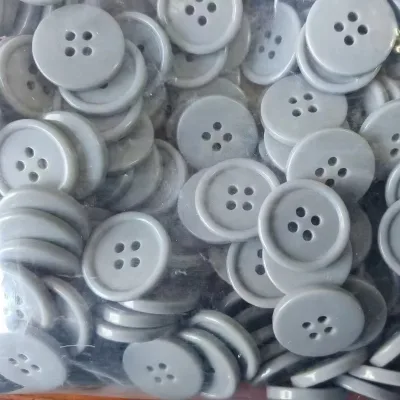
Eco-Friendly Resin 4-Hole Sewing Flatback Snaps Round White Craft Buttons with Rectangle Pattern
$0.02 - $0.03
MOQ: 1 pieces
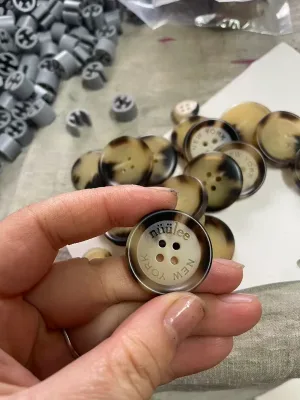
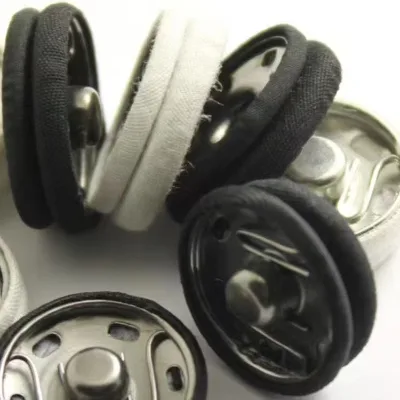
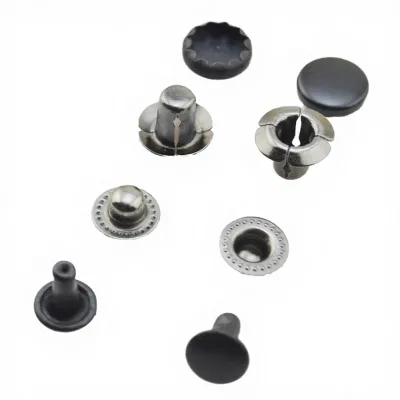

- Verified by TUVRHEINLAND
- Trading Company,Manufacturer/Factory
- China Zhejiang
- Lead time23 days
- Avg. response≤ 6h
Main productsGarment Accessories, Zipper, Button, Lace Trim, Metal Zipper, Nylon Zipper, Plastic Zipper, Metal Button, Snap Button, Cotton Lace
Main marketsNorth America,Africa

Dongguang D&G Industrial Co., Ltd.
- Verified by SGS
- Combined
- China Guangdong
- Lead time15 days
- Avg. response≤ 1h
Main productsJeans Buttons, Jeans Rivets, Snap Fasteners, Pronged Snap Fasterners, Eyelets, Metal Plates, Dress Hooks, Metal Buckles, Snap Button, Sew-on Buttons
Main marketsEurope

Buttons Wholesaler Fashion Black Coated Metal Buttons Quality Durable Snap Fastener Buttons
$0.03 - $0.13
MOQ: 5000 Pieces


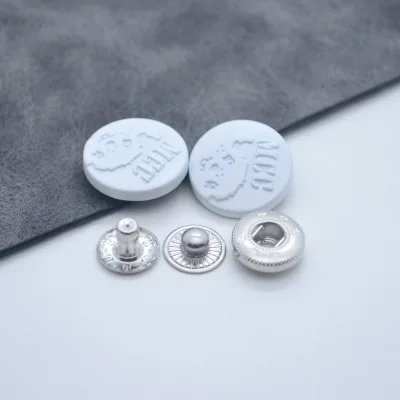
Eco-Friendly Competitive Price Dark Color Embossed Letters Logo Snap Button
$0.03 - $0.13
MOQ: 5000 Pieces

Xiamen Neostar Trade Co., Ltd.
- Verified by SGS
- Trading Company
- China Fujian
- Lead time23 days
- Avg. response≤ 6h
Main productsMetal Button, Clothing Metal Label, Bag Metal Tag, Zipper Puller, Pin Badge, Leather Patch, Rubbert Patch, Heat Transfer Label, Metal Buckle, Clothing Label
Main marketsSoutheast Asia/ Mideast,Europe,North America


Durable Style Custom Color Strong Press Metal Clothes Snap Buttons for Coats
$0.03 - $0.04
MOQ: 1000 Pieces

Snap Button Buttonbuttonbutton Customize Logo Eco-Friendly Metal Snap Button for Garment
$0.03 - $0.04
MOQ: 1000 Pieces

2021 Custom Hot Selling Design Round Buttons Decorative for Clothing Snap Button
$0.03 - $0.04
MOQ: 1000 Pieces

Eco Friendly Standard Custom Logo Engraved Snap Cover Buttons for Cloth / Bags
$0.03 - $0.04
MOQ: 1000 Pieces

$0.03 - $0.04
MOQ: 1000 Pieces
Yongjia Dongsheng Garment Accessories Co., Ltd.
- Manufacturer, Trading Company
- Zhejiang, China
- Lead time0 days
- Avg. response≤ 3h
Main productsbutton,buckle,hook,garment accessories,fastener
Main marketsDomestic Market(20.00%), Southeast Asia(15.00%), Eastern Asia(15.00%), South Asia(15.00%), North America(10.00%), South America(10.00%), Africa(5.00%), Mid East(5.00%), Northern Europe(3.00%), Eastern Europe(2.00%)

Dongguan New Coo Garment Accessories Co., Ltd
- Manufacturer/Factory
- China Guangdong
- Lead time15 days
- Avg. response≤ 6h
Main productsPolyester Button, Plastic Button, Metal Button, Buckle, Metal Label, Leather Label, Hang Tag, Woven Label, Shell Button
Main marketsSouth America,Eastern Europe,Mid East,North America,Southeast Asia,Western Europe

Dongguan Hingye Button Products Co., Ltd.
- Verified by CTI
- Combined
- China Guangdong
- Lead time15 days
- Avg. response≤ 11h
Main productsMetal Button, ABS Button, Metal Buckle, Metal Snap Button, Metal Jeans Button, Metal Rivet, Rubber Button, Nylon Button, Plastic Button, Metal Popper Snap Button
Main marketsSouth America,Domestic,Europe,North America

GUANGZHOU SAKES GARMENTS ACCESSORIES CO., LTD.
- Verified by TUVRHEINLAND
- Trading Company
- China Guangdong
- Lead time15 days
- Avg. response≤ 13h
Main productsMetal Button, Rivet, Belt, Zipper, Lace, Leather Patch, Metal Buckle, Plastic Button, Metal Eyelet, Keychain
Main marketsSouth America
Hangzhou Yijinhui Network Technology Co., Ltd.
- Trading Company
- Zhejiang, China
- Lead time0 days
- Avg. response≤ 1h
Main productsButtons, Zippers, Metal Jewelry, Rhinestones, Fabrics
Main marketsNorth America(50.00%)
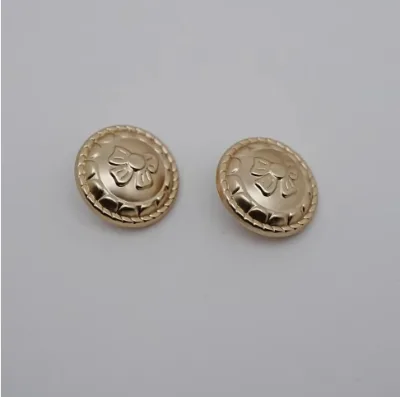
$0.14 - $0.19
MOQ: 200 pieces
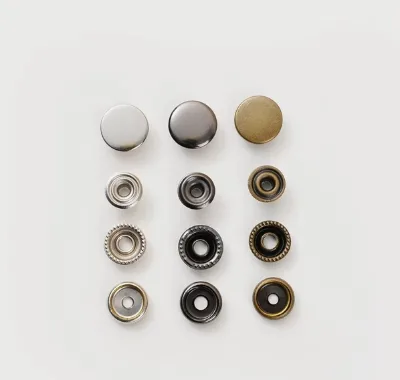
Hangzhou Daya Textile Co., Ltd.
- Trading Company
- Zhejiang, China
- Lead time20 days
- Avg. response≤ 5h
Main productsZipper&slider,Tape&Webbing,Thread&yarn,Garment accessory,Tailoring Material
Main marketsSouth America(60.00%), Domestic Market(10.00%), South Asia(10.00%), Mid East(10.00%), North America(10.00%)
Foshan Nanhai Gola Hardware Co., Ltd.
- Manufacturer, Trading Company
- Guangdong, China
- Lead time7 days
- Avg. response≤ 15h
Main productsbutton,buckle,Badge,Customized,eyelet
Main marketsDomestic Market(30.00%), Southeast Asia(12.00%), Eastern Asia(10.00%), Mid East(10.00%), Western Europe(10.00%), North America(10.00%), South Asia(5.00%), Northern Europe(5.00%), Africa(5.00%), Eastern Europe(3.00%)
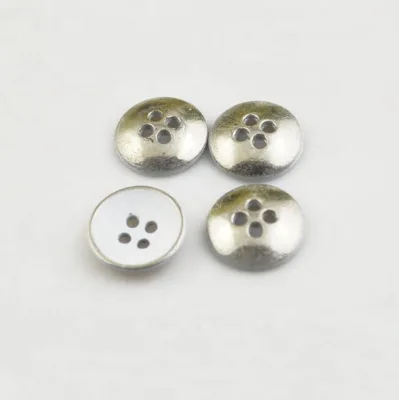
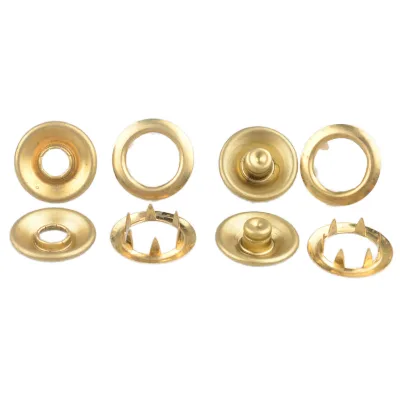
Custom Eco-Friendly Clothing Metal Alloy Snap Buttons with 4 Holes Plating Technics
$0.14 - $0.15
MOQ: 10000
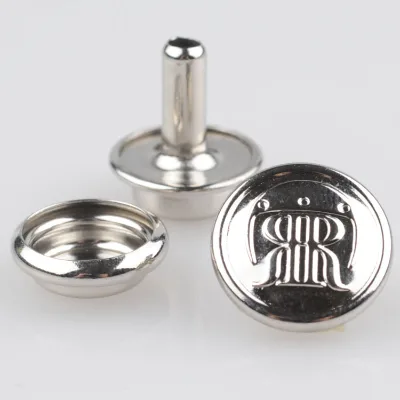
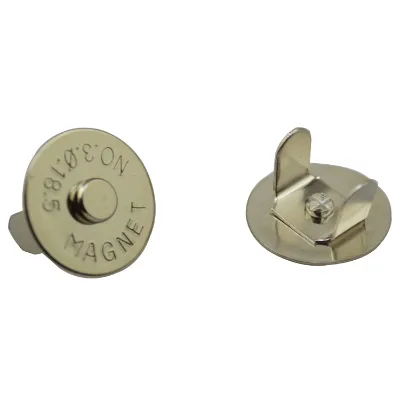
Factory Direct High Quality Magnetic Snap Button for Apparel Durable and Plated Wholesale
$0.05 - $0.05
MOQ: 10000 sets
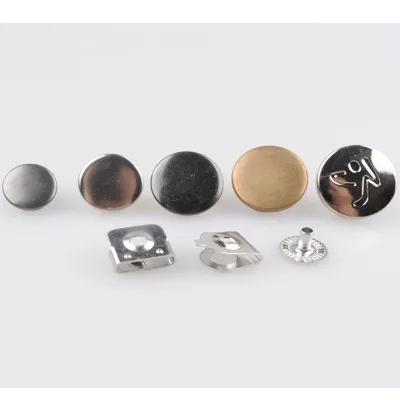
$0.05 - $0.05
MOQ: 10000 sets

- Verified by TUVRHEINLAND
- Combined
- China Zhejiang
- Lead time30 days
- Avg. response≤ 7h
Main productsThread, Zipper, Lace, Button, Webbing & Tape, Ribbon, Interlining, Fabric, Tailoring Materials, Hook & Loop
Main marketsSouth America,Africa,Europe,Australia

Fashion Metal Spring Alloy Snap Fasteners Button
MOQ: 300 great gross

Customize 4 Parts Snap Button W Style for Garment Accessories
MOQ: 300 great gross

Wholesale Customize Metal Four Parts Snap Button O-Style
MOQ: 300 great gross

Resin Buttons for Western-Style Clothes
MOQ: 1000 RMB

Ningbo Yinzhou Xindew Textile Co., Ltd.
- Trading Company
- China Zhejiang
- Lead time15 days
- Avg. response≤ 13h
Main productsKnitting Needles, Knitting Looms, Knitting Crochet Hook Set, Acrylic Yarn, Elastic Tape, Zipper, Thread, Hook and Loop, Baby Blankets, Baby Bibs
Main marketsSouth America,Africa,Southeast Asia/ Mideast,East Asia(Japan/ South Korea),Domestic,Europe,Australia,North America
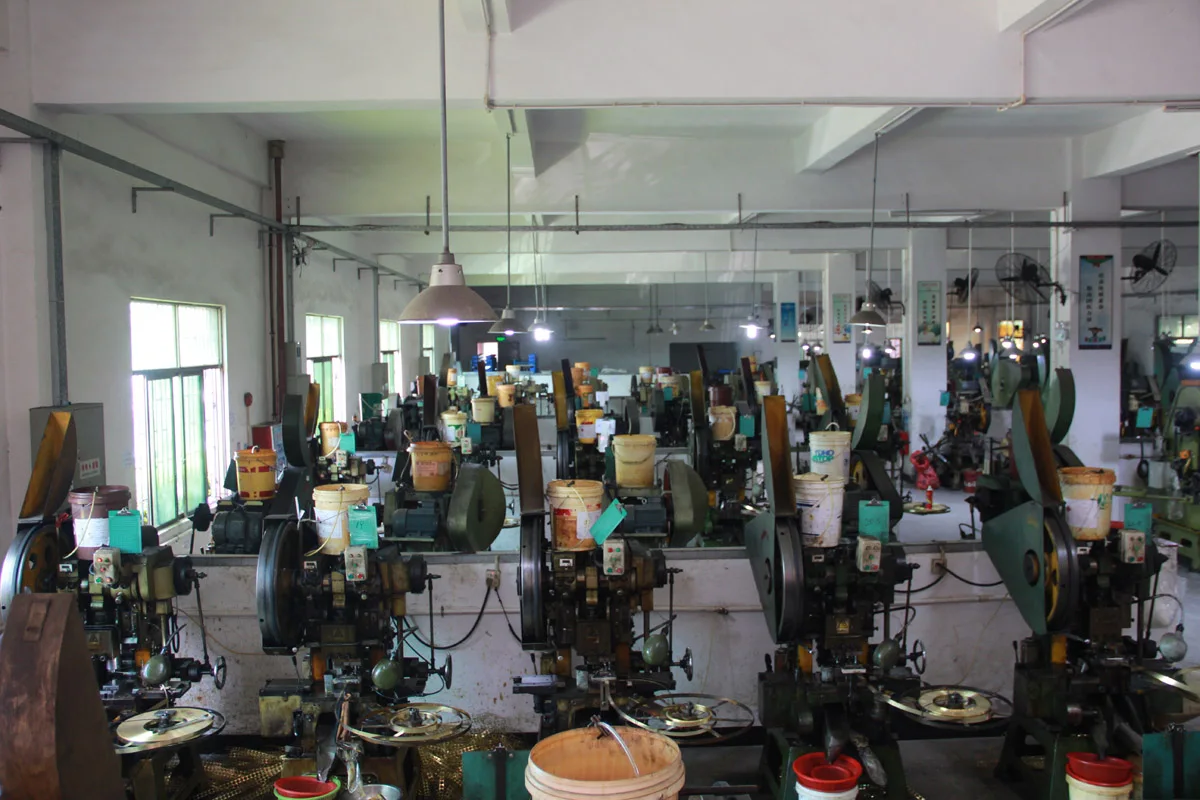
Dongguan Niuniu Industrial Co., Ltd.
- Manufacturer, Trading Company
- Guangdong, China
- Lead time10 days
- Avg. response≤ 1h
Main productsKeychain,Bottle opener,Magnet,Crafts,Badge
Main marketsNorth America(30.00%), South Asia(25.00%), Domestic Market(15.00%), Southeast Asia(12.00%), South America(8.00%), Western Europe(5.00%), Southern Europe(3.00%), Northern Europe(2.00%)

Foshan Jusfer Metal Products Co., Ltd.
- Manufacturer, Trading Company
- Guangdong, China
- Lead time15 days
- Avg. response≤ 9h
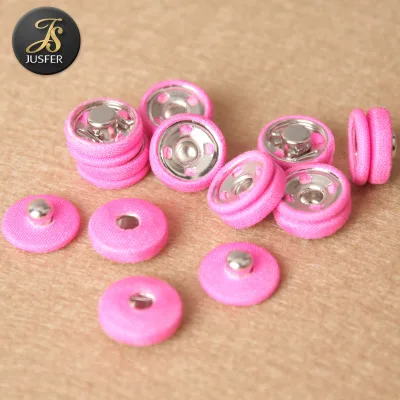
Main productsbelt buckle,buttons,cloth covered buckle,fabric covered button,fabric cover snap button
Main marketsEastern Asia(50.00%), Domestic Market(20.00%), Mid East(10.00%), South Asia(10.00%), Northern Europe(10.00%)

Ningbo Yuena Import & Export Co., Ltd.
- Verified by TUVRHEINLAND
- Trading Company
- China Zhejiang
- Lead time23 days
- Avg. response≤ 3h
Main productsLace, Thread, Button, Ribbon, Zipper, Tailors Materials, Fabric, Reflective Materials, Sewing Machine Part, Bra Parts
Main marketsSouth America,Africa,Southeast Asia/ Mideast,Europe,North America
KAM WAH INDUSTRIAL COMPANY LIMITED
- Trading Company
- Hong Kong S.A.R.
- Lead time30 days
- Avg. response≤ 3h
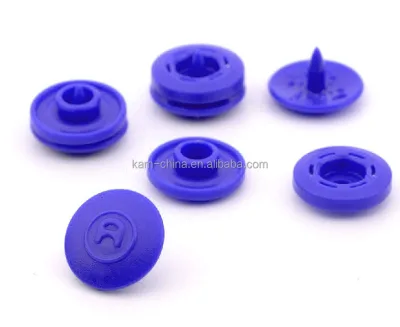
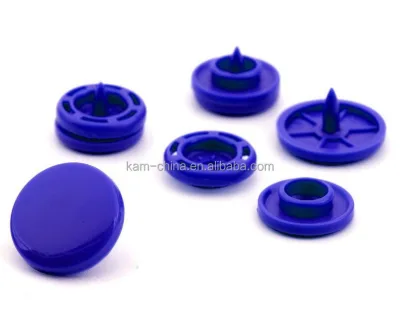
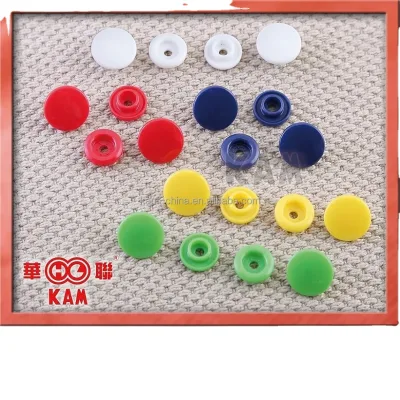
Main productsPLASTIC SNAP,SNAP FASTENER,SNAP TAPE,BAG BUCKLE,SHOES BUCKLE
Main marketsDomestic Market(38.00%), Western Europe(20.00%), North America(18.00%), Northern Europe(5.00%), South America(5.00%), Southeast Asia(5.00%), South Asia(2.00%), Southern Europe(2.00%), Eastern Europe(2.00%), Africa(2.00%), Mid East(1.00%)

- Verified by SGS
- Trading Company
- China Zhejiang
- Lead time15 days
- Avg. response≤ 23h
Main productsTerminal Block, Cable Gland, Power Cord, Lightting Components, Lamp Holder, Plug and Socket, Textile Cable, Plastic Buttons, Snaps, Cable Connector
Main marketsAfrica

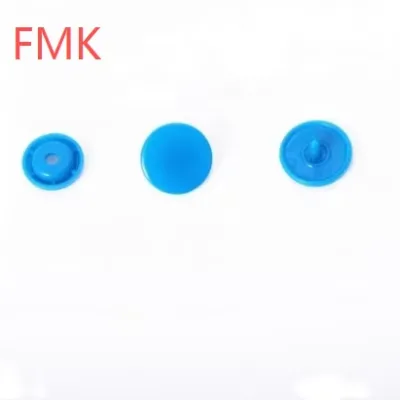
Plastic Bag Button Plastic Snap Button for Garments
MOQ: 10000 Pieces

Plastic Snap Button for Clothing
MOQ: 10000 Pieces

Cap Prong Ring Plastic Snap Buttons
MOQ: 10000 Pieces

NINGBO NCJN IMPORT AND EXPORT CO., LTD.
- Verified by TUVRHEINLAND
- Trading Company
- China Zhejiang
- Lead time15 days
- Avg. response≤ 12h
Main productsGarment Accessories, Zipper, Button, Lace, Tape, Velcro Tape, Hook and Eye Tape, Ring and Slider, Bra Cup
Main marketsSouth America,Africa,Southeast Asia/ Mideast,East Asia(Japan/ South Korea),Europe,Australia,North America
Dongguan Fuming Button Co., Ltd.
- Manufacturer, Trading Company
- Guangdong, China
- Lead time10 days
- Avg. response≤ 19h
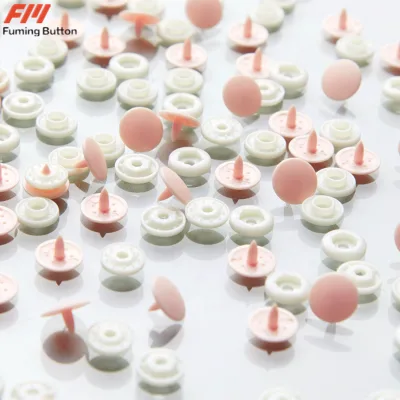
Main productsPlastic Snap Button,Snap Button Attaching Machine
Main marketsDomestic Market(77.00%), North America(5.00%), South Asia(4.00%), Eastern Europe(2.00%), Southern Europe(2.00%), Northern Europe(2.00%), South America(1.00%), Oceania(1.00%), Central America(1.00%), Africa(1.00%), Western Europe(1.00%), Southeast Asia(1.00%), Eastern Asia(1.00%), Mid East(1.00%)

Phoenix Flame Holdings Limited
- Verified by BV
- Manufacturer/Factory,Group Corporation
- China Guangdong
- Lead time15 days
- Avg. response≤ 13h
Main productsWebbing Cords Buttons Zipper Drawcord & Shoelace, Label Lace Lanyard Wristband, Embroidery Patches Beaded Applique Belt, Underwear Accessories TPU Rubber Tape
Main marketsSouth America,Eastern Europe,North America,Southeast Asia,Oceania,Western Europe,Africa


Wholesale Custom Plastic Snap Button Tape Round Square Snap Button Clothing
$0.11 - $0.35
MOQ: 1000 Yards


Dongguan Xinhemao Button Co., Ltd.
- Verified by Intertek
- Manufacturer, Trading Company
- Lead time12 days
- Avg. response≤ 2h
Main productsRecycled Jeans Button, Recycled Jeans Rivets, Recycled Snap Button, Recycled Eyelet and Washers, Recycled Hook and Eyes
Main marketsDomestic Market(36%), South America(35%), Western Europe(11%)
Shenzhen Guanhua Button Co., Ltd.
- Verified by TüVRheinland
- Manufacturer, Trading Company
- Lead time15 days
- Avg. response≤ 8h
Main productsProng Snap Button, Spring Snap Button, Jeans Button, Metal Plate, Eyelets
Main marketsSouth Asia(22%), Eastern Asia(20%), North America(15%)










Comprehensive Sourcing Guide
Eco Friendly Flatback Snap Buttons Supplier Concentration and Factory Types
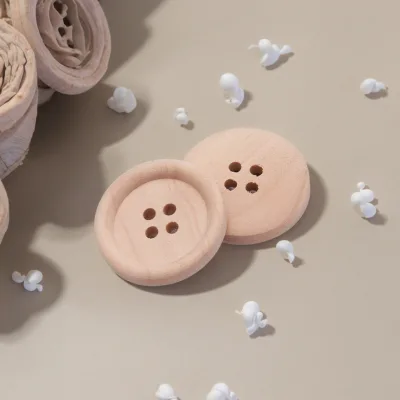
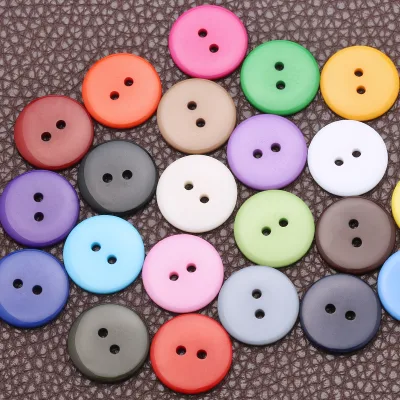
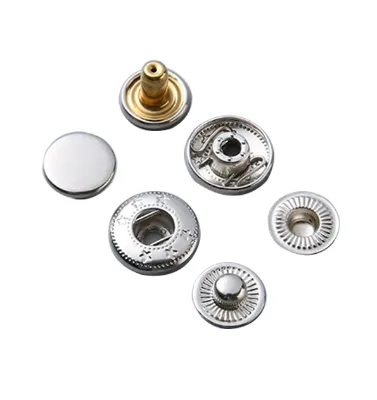
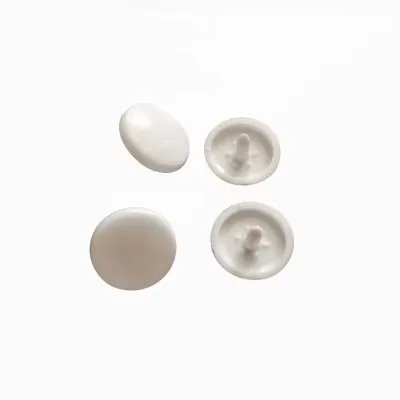
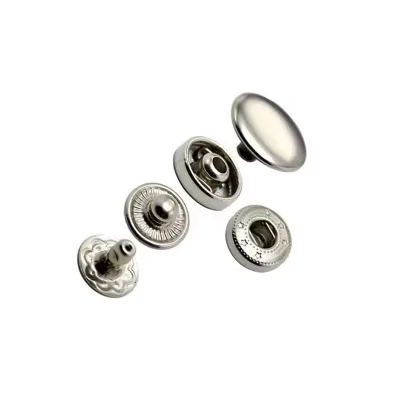
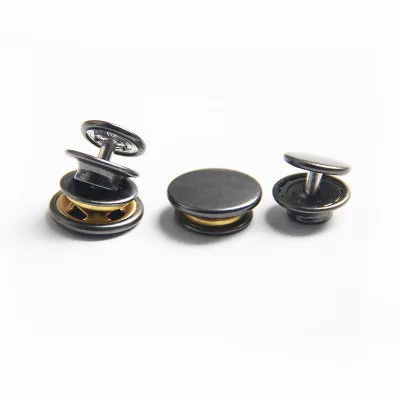
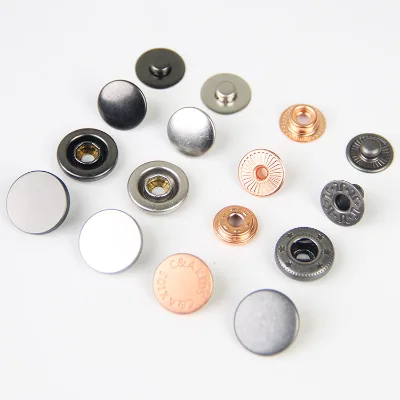
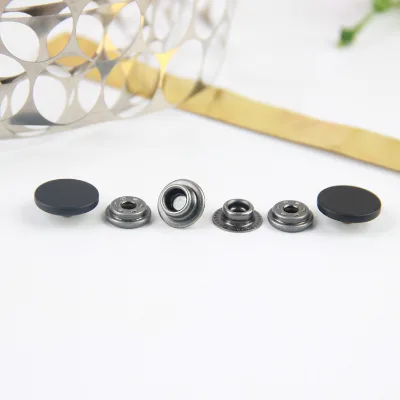
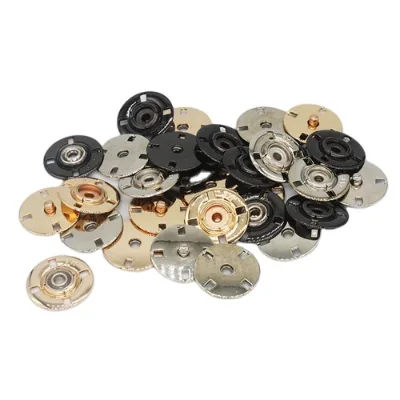
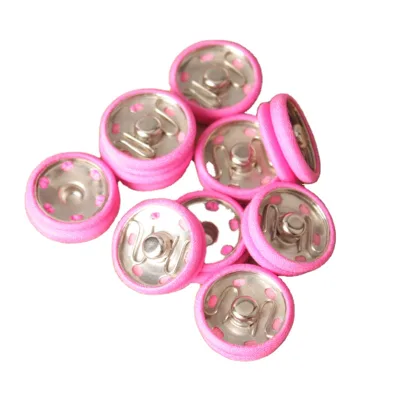
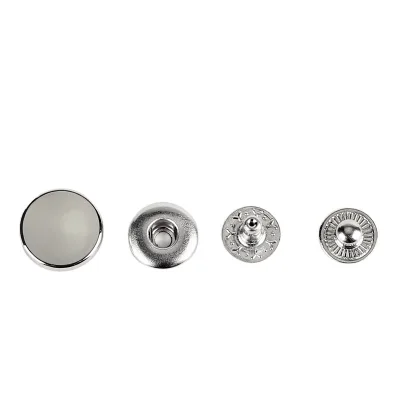
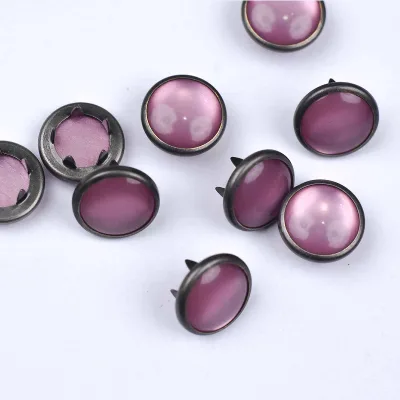
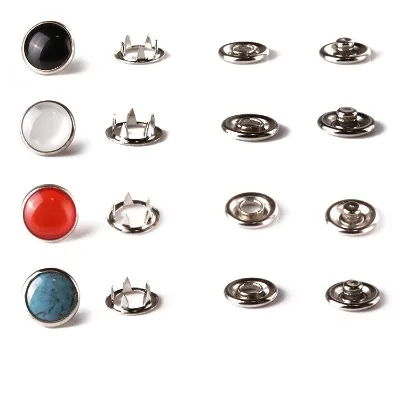
The supplier results for Eco Friendly Flatback Snap Buttons show a clear concentration in eastern and southeastern China. Product-level origin data points to Zhejiang Province as the dominant sourcing region for flatback snap buttons, with listings covering metal snap buttons with flatback design, magnetic snap buttons in nylon plastic, flatback wooden buttons with engraved logos, and colorful resin two-hole flatback buttons. A separate cluster appears in Fujian Province, represented by ABS eco-friendly plastic plating snap buttons with beads in round and rectangle patterns. Buyers should treat Zhejiang as a dense, diversified accessory region and Fujian as a complementary plastic-fastener base, since both provinces appear repeatedly across listings from different product types rather than from a single catalog entry.
The company-type mix also matters when interpreting these results. One prominent supplier profile identifies as a trading company whose main products span buttons, stoppers, hook and loop tapes, webbing, and zipper accessories, with sample processing, graphic processing, and customization-on-demand capabilities listed. Another profile covers magnetic buckles, POM fastener series, rope buckles, metal keychains, and buttons, while a third lists buttons, patches, rivets, eyelets, zippers, zipper pullers, resin buckles, underwear accessories, snap hooks, and garment hooks. This breadth signals that many flatback snap button sellers are multi-category garment accessory traders rather than single-product factories. Buyers should therefore ask whether tooling, plating, and dyeing happen in-house or through subcontractors, because that answer drives quality control, customization depth, and how quickly design changes can be executed during production.
How to Verify Eco Friendly Flatback Snap Buttons Suppliers
Verification should begin with third-party inspection status, which is displayed directly on some supplier profiles in this category. The current results show one trading company verified through Intertek and another verified through BV, two independent inspection organizations. This is a meaningful differentiator: verified status means an onsite check of the company has been performed by an external body, though it does not guarantee factory ownership or product quality. Buyers should also note displayed system certifications, including 16 CFR 1501 and Oeko-Tex Standard 100, which relate to small-parts safety testing and textile chemical safety respectively. Always request the current certificate copies and confirm scope, validity dates, and whether the certified entity matches the legal name you are contracting with.
Beyond badges, verification should confirm production reality. Several listings state that 7-day sample orders are supported, so order a paid sample from each shortlisted supplier and compare plating uniformity, coating adhesion on painted metal snaps, magnetic pull strength on snap buttons, and wood or resin finishing. For Zhejiang-origin listings, ask whether the supplier is the actual manufacturer or a trader, and request business license details plus export history for garment accessories. Cross-check the place of origin stated in product attributes against invoices. A supplier unable to explain its own supply chain for a simple flatback snap button is unlikely to handle eco-friendly material documentation reliably, so build that conversation into your first-round qualification calls.
What to Compare Across Eco Friendly Flatback Snap Buttons Suppliers
Build a comparison grid using the attributes suppliers actually display, since not every profile shows every field. Lead time is one of the widest spreads in the current results: one profile shows a 30-day lead time, another shows 10 days, and a third shows none displayed at all, so treat missing values as "ask" rather than assuming parity. Response time is another comparable dimension, with one supplier at around 3 hours and another at roughly 5 hours on the platform. These numbers indicate service speed, but confirm business-hour coverage for your time zone before committing to development-heavy projects involving custom colors or engraved logos.
Product and commercial attributes deserve equal weight in the grid. Displayed MOQs in this category range widely; one metal snap button listing shows a minimum order of 50 pieces with unit prices roughly between $0.03 and $0.05, while a magnetic nylon flatback button lists prices near $0.27 to $0.33 in sizes 22mm and 26mm, which suggests price-per-unit varies sharply by material and mechanism. Compare main products to judge specialization: a button-and-rivet specialist differs from a magnetic-buckle specialist even when both list snap buttons. Weigh establishment year where shown, escrow or trade-assurance availability, and customization support—one profile explicitly states customization is available for magnetic snaps. Rank suppliers on the combination of verification, responsiveness, sample quality, and displayed commercial fit rather than on any single attribute.
Common Eco Friendly Flatback Snap Buttons Sourcing Risks
The most common risk in this category is eco-friendly claims that lack documentation. Listings frequently carry the word "eco-friendly" in titles and attributes—for metal plated snaps, ABS plastic buttons, wooden buttons, and resin buttons alike—but the underlying certifications vary. Only some supplier profiles show system certifications such as Oeko-Tex Standard 100 or 16 CFR 1501 small-parts testing, and those apply to specific scopes. Plated metal and dyed plastic can involve coatings, nickel, or magnet assemblies that require separate compliance review. Require material declarations, test reports for the exact finish you order, and confirmation that childrenswear applications have been considered before treating any "eco-friendly" label as a compliance fact.
A second risk cluster involves specification and fulfillment gaps. Flatback snap buttons come in multiple technologies—prong-backed snap buttons, true magnetic snap fasteners, sew-through 4-hole wooden buttons, and 2-hole resin buttons—yet all may be marketed under similar flatback keywords, so misordered constructions are easy to make. Size notation is another trap: one listing mixes ligne sizing (24L, stated as 15.3mm) with 15mm face references, while magnetic buttons appear in 22mm and 26mm and an ABS listing simply says "OEM" for size. Other risks include thin plating that chips during garment washing, magnetized units that interfere with sensitive product lines, and trading companies that subcontract plating without disclosure. Mitigate all of these with written specs, golden samples, and pre-shipment inspection clauses.
Eco Friendly Flatback Snap Buttons Regional Sourcing and Logistics
Regional sourcing in this category should start from the locations the data actually supports. Zhejiang Province dominates the flatback snap button listings, appearing across metal snap buttons, nylon magnetic buttons, wooden buttons, and resin buttons, which makes it a natural first-visit region for buyers who want to compare material types within one trip. Fujian Province appears as a second origin for ABS plastic plating snap buttons with beads, indicating a complementary base for plastic fastener work. When scheduling factory visits, ask Zhejiang-based suppliers whether their plating, polishing, and printing processes are onsite or outsourced to nearby workshops, because multi-process outsourcing is common in accessory clusters and affects both lead time and quality control exposure.
Logistically, flatback snap buttons are small, dense, low-value-per-kilogram goods—displayed gross weights range from roughly 1 gram for ABS snap buttons to 10 grams for magnetic nylon buttons—which means freight cost is rarely the deciding factor but dimensional data still matters for landed-cost models. Confirm packaging counts per box and per carton, since single-item selling units and 2x2x1 cm or 2.6x2.6x1 cm pack dimensions are typical. For orders from verified suppliers, align shipment timing with the stated production lead times—30 days, 10 days, or sample-only windows—plus inspection and customs clearance. Magnet-containing buttons may face carrier restrictions on some air channels, so confirm shipping mode acceptability for magnetic snaps before booking freight.
Eco Friendly Flatback Snap Buttons Commercial Terms and Order Planning
Commercial planning should anchor on the pricing and MOQ structure visible in the results. Entry-level metal snap buttons show unit pricing from roughly three to five U.S. cents with a minimum order of 50 pieces, while magnetic nylon flatback buttons price roughly eight to ten times higher at $0.27–$0.33. This spread tells buyers to separate commodity snap buttons from mechanism-bearing magnetic snaps in their cost models, because material, plating, and the magnet assembly change the economics entirely. Customization—engraved logos on wooden buttons, custom colors on metal snaps, or branded magnetic closures—usually sits above list pricing, so request itemized quotes separating base product, finish, logo work, and packaging.
Order sequencing should exploit the sample terms suppliers display. Multiple listings state support for 7-day sample orders, so plan a two-stage process: paid samples across several candidates first, then a pilot order sized between the displayed MOQ and your recurring volume to validate plating durability, magnet strength, and color consistency. Record each supplier's stated lead time—ranging from 10 to 30 days in these profiles—into your calendar with buffer for Chinese holidays and re-plating loops. Negotiate payment terms proportionate to verification status: trade assurance or escrow-style protection for first orders with less-established profiles, and standard terms only after inspection results confirm consistency. Finally, lock reorder specifications in writing, including ligne-to-millimeter conversions, finish codes, and color numbers, since listings show dozens of numbered colorways that must match across repeat orders.
FAQs
What materials are used for eco-friendly flatback snap buttons?
Suppliers offer snap buttons made from metal, plastic, resin, and wood. Metal options often feature plating and bead decorations. Plastic variants include ABS and nylon constructions. Wooden and resin choices provide eco-friendly alternatives. Each material supports different aesthetic and durability requirements for garment and accessory applications.
What is the minimum order quantity for these buttons?
The minimum order quantity is 50 pieces for specific metal snap button listings. Buyers should verify the exact MOQ for other materials like magnetic or wooden buttons. Minimums may vary based on customization needs and supplier policies. Confirming the specific product details ensures accurate ordering requirements are met for bulk purchases.
How long does sample processing take?
Sample processing typically supports a seven-day lead time for order preparation. This timeframe applies to various button types including metal and plastic variants. Buyers can request samples to verify quality and design before committing to larger orders. The seven-day window allows for efficient evaluation of product specifications and finish.
Are these buttons certified for safety and quality?
Certifications include 16 CFR 1501 and Oeko-Tex Standard 100 for specific suppliers. Verification services like Intertek and BV are also utilized to ensure product reliability. These standards address safety and environmental concerns for textile accessories. Buyers should check individual product listings to confirm which certifications apply to their specific material choice.
Where are these buttons manufactured?
Manufacturing locations include Zhejiang and Fujian provinces in China. These regions are known for producing garment accessories and fasteners. Buyers can filter suppliers by these specific geographic origins to align with logistics preferences. The place of origin is clearly stated in product attributes for transparency.
What customization options are available?
Customization includes graphic processing, on-demand designs, and engraved logos. Suppliers support OEM specifications for size, color, and decoration. Magnetic and snap buttons can be tailored for specific garment applications. Buyers should consult suppliers directly to confirm the extent of custom design capabilities and associated lead times.