Eco Friendly Handwoven Cooler Bag Suppliers and Manufacturers
Compare 23 verified suppliers offering eco friendly handwoven cooler bags with details on location, lead times, certifications, and response times. Review product specifications and pricing to select the right partner for your sourcing needs; review the available evidence before requesting comparable quotations from suitable candidates.
Suppliers List

Wenzhou Guanmin Import and Export Co., Ltd.
- Verified by BV
- Trading Company,Manufacturer/Factory
- China Zhejiang
- Lead time120 days
- Avg. response≤ 6h
Main productsShopping Bag, Cooler Bag, Notebook, Pen, Color Pencil, Lanyard, Beach Ball, Umbrella, Sunshade, Air Freshener
Main marketsSouth America,Eastern Europe,Mid East,North America,Southeast Asia,Eastern Asia,Western Europe

LION PROMOTIONAL GIFT CO., LIMITED
- Trading Company,Manufacturer/Factory
- China Zhejiang
- Lead time15 days
- Avg. response≤ 25h
Main productsPromotional Gifts, Giveaways, Advertising Gift, Premium Items, Publicity Material, Freebie Items, Marketing Gifts, Campaign Gifts, Promotional Products, China Gifts Supplier
Main marketsSouth America,Mid East,North America,Southeast Asia,Oceania,Western Europe,Africa
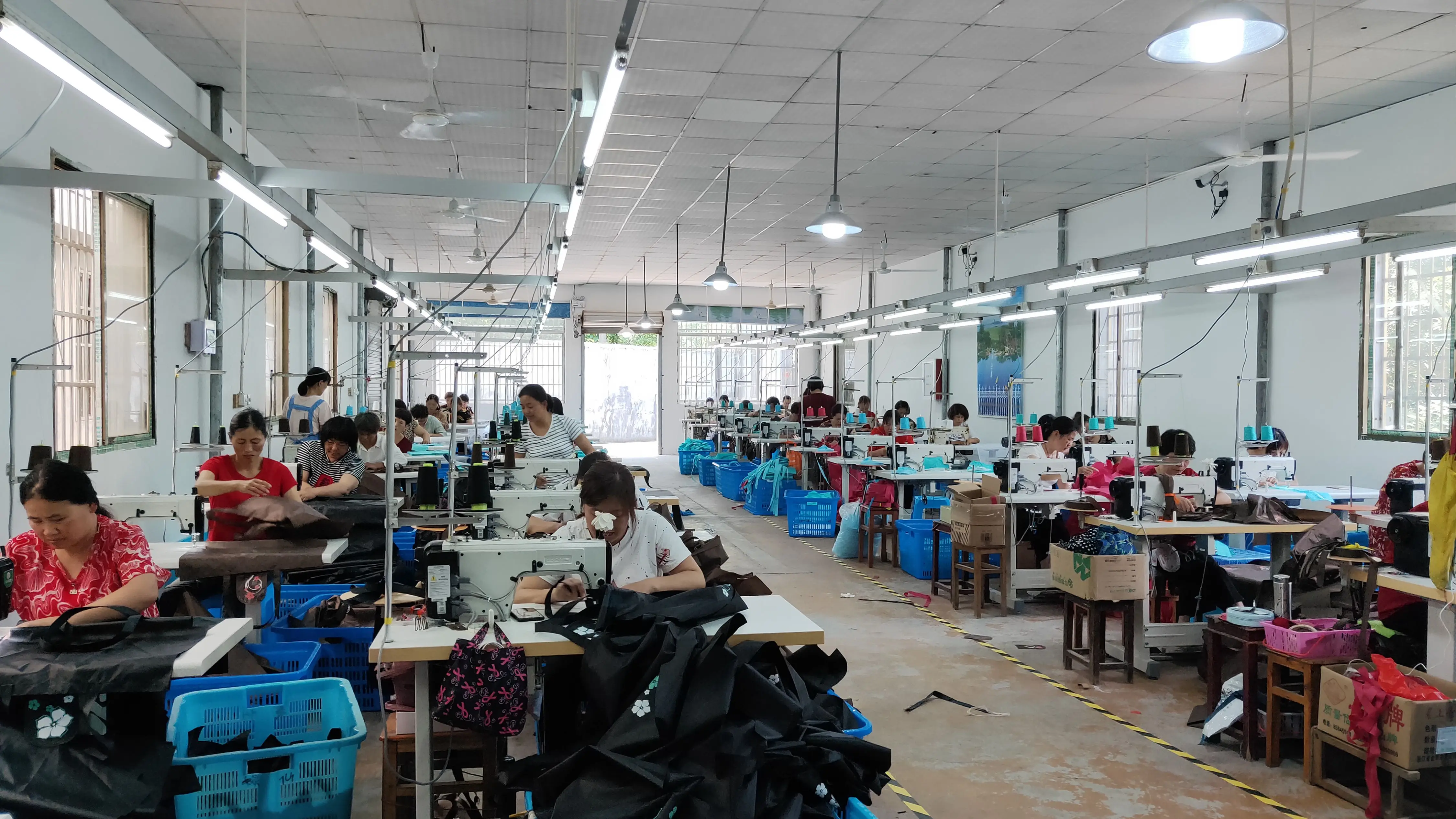
Lanxi Yilaibeidi Luggage Manufacturing Co., Ltd.
- Manufacturer
- Zhejiang, China
- Lead time30 days
- Avg. response≤ 4h
Main productsshopping bag,drawstring bag,cotton bag,apron,backpack
Main marketsNorthern Europe(20.00%), Western Europe(20.00%), Central America(15.00%), North America(15.00%), Eastern Europe(10.00%), Eastern Asia(10.00%), Mid East(10.00%)

Wenzhou Gaodeng Packaging Technology Co., Ltd.
- Trading Company,Manufacturer/Factory
- China Zhejiang
- Lead time23 days
- Avg. response≤ 6h
Main productsCooler Bag, Non Woven Bag, Cotton Bag Canvas Bag, Jute Tote Bag, Cosmetic Bag, PP Woven Bag, Polyester Bag/Drawstring Bag, Ultrasonic Bag, Toolkit
Main marketsSouth America,Eastern Europe,Mid East,North America,Southeast Asia,Eastern Asia,Oceania,Western Europe,Africa


Eco Friendly Portable Non Woven Milk Insulation Bag Ice Cooler Bag Waterproof Bag
$0.40 - $1.00
MOQ: 1000 Pieces

Eco-Friendly Reusable Custom Logo Non Woven Cooler Bag with Zipper Closure
$0.35 - $0.60
MOQ: 1000 Pieces
Xiamen Yahongda Trading Co., Ltd.
- Verified by BV
- Trading Company
- China Fujian
- Lead time30 days
- Avg. response≤ 5h
Main productsNon Woven Bag, Cotton Bag, Folding Bag, PP Woven Bag, RPET Bag, Makeup Bag, Mesh Bag, Jute Bag, Drawstring Bag, Garment Bag
Main marketsSoutheast Asia/ Mideast,East Asia(Japan/ South Korea),Europe,Australia,North America

Non Woven Lunch Cooler Bag for Food Eco-Friendly Ice Cooler Tote Shoulder Bags
$0.63 - $0.73
MOQ: 1000 Pieces


Xiamen Top Green Bags Co., Ltd.
- Verified by SGS
- Trading Company,Manufacturer/Factory
- China Fujian
- Lead time45 days
- Avg. response≤ 4h
Main productsCooler Bags, Sports Bags, Apron, Promotional Bag, Waist Bag, Shoulder Bag, Travel Bags, Cosmetic Bag, Laptop Bag, Pencil Bag
Main marketsSouth America,Eastern Europe,North America,Southeast Asia,Eastern Asia,Oceania,Western Europe,Africa


$0.90 - $1.00
MOQ: 1000 Pieces

$0.90 - $1.20
MOQ: 500 Pieces
Wenzhou Mixing Arts & Crafts Co., Ltd
- Verified by TUVRHEINLAND
- Trading Company
- China Zhejiang
- Lead time23 days
- Avg. response≤ 4h
Main productsPP Woven Bags, Cotton Canvas Bag, Cooler Bag, Tyvek Bag, Picnic Mat, Drawstring Bag, Cosmetic Bag, RPET Bag, Toiletry Bag, Non Woven Bag
Main marketsEurope


Wholesale Reusable Waterproof Non-Woven Cooler Bag Custom Thermal Food Bags
$0.56 - $0.78
MOQ: 1000 Pieces
Quanzhou Golden Nonwoven Co., Ltd.
- Verified by BV
- Trading Company
- China Fujian
- Lead time23 days
- Avg. response≤ 7h
Main productsNonwoven Bag, Cooler Bag, Jute Bag, Canvas Bags, Garment Bag, PP Woven Bag, Backpack, Nonwoven Fabric, T-Shirt/D-Cut Nonwoven Bag, RPET PLA Nonwoven Bag
Main marketsSouth America,Southeast Asia/ Mideast,Europe,North America

High Quality Nonwoven Bag Large Capacity Food Storage Nonwoven Cooler Bag
$0.07 - $0.12
MOQ: 500 Pieces


Huizhou Green Foil Insulation Co., Ltd.
- Verified by BV
- Combined
- China Guangdong
- Lead time15 days
- Avg. response≤ 2h
Main productsCooler Bag, Gift Bag, Gift Box, Insulated Bag, Color Printed Box, Jewelry Box, Paper Bag, Paper Box, Packaging Box, Insulated Mailer
Main marketsEast Asia(Japan/ South Korea),Europe,North America

Qingdao Yide Shine Industry Co., Ltd.
- Verified by SGS
- Manufacturer/Factory
- China Shandong
- Lead time15 days
- Avg. response≤ 3h
Main productsPaper Bag, Kraft Paper Bag, Non Woven Bag, Craft Paper Bag, Value Bag, Shopping Bag, PE Bag, Paper Napkin, Take Away Food Bag, Hanburger Box
Main marketsSouth America,Eastern Europe,Mid East,North America,Southeast Asia,Eastern Asia,Oceania,Western Europe,Africa

XinMao Packaging Products Dongguan Co., Ltd.
- Verified by SGS
- Manufacturer
- China Guangdong
- Lead time15 days
- Avg. response≤ 8h
Main productsNeoprene Bag, Laptop Sleeve, Bottle / Can Cooler, Phone / Camera Bag, Ice / Lunch Bag, Key Chain / Glasses Holder, Neoprene Gloves, Shopping Bag, Cosmetic/Pennies/Stationery Pouch, Felt Bag
Main marketsEurope,Australia

Insulated Cooler Handbag Portable Customed Logo Cooler Bags Fashion Style Cooler Bag
$2.48 - $2.81
MOQ: 500 Pieces

Reusable Portable Tote Thermal Bag Customized Logo Eco Friendly Cooler Bag Insulated
$2.18 - $2.61
MOQ: 500 Pieces

Large Capacity Customed Ecofriendly Cooler Travel Shopping Lunch Waterproof Bag
$2.48 - $2.81
MOQ: 500 Pieces


DongGuan Saivlon Sport Goods Co., Ltd.
- Verified by BV
- Combined
- China Guangdong
- Lead time23 days
- Avg. response≤ 3h
Main productsSwimsuit, Rash Guard, Horse Equipment, Sport Swear, Horse Products, Horse Rug, Horse Bell Boots, Horse Bits, Neoprene Bag, Horse Tack
Main marketsSouth America,East Asia(Japan/ South Korea),Europe,Australia,North America

- Verified by BV
- Manufacturer/Factory
- China Shandong
- Lead time23 days
- Avg. response≤ 3h
Main productsShopping Bag, Cotton Bag, Cooler Bag, Wooden Box, Promotional Item, Promotional Product, PVC Bag, Suit Cover, RPET Bag, PP Woven Bag
Main marketsSouth America,Eastern Europe,Mid East,North America,Southeast Asia,Eastern Asia,Oceania,Western Europe,Africa

Shanghai David International Trade Co., Ltd.
- Verified by TUVRHEINLAND
- Combined
- China Shanghai
- Lead time15 days
- Avg. response≤ 8h
Main productsPromotional Gifts, Gift Sets, Tshirts, Hats, Hot Packs, Hot Cold Packs, Ice Packs, Bags, Umbrellas, Water Bottles
Main marketsSouth America,Africa,Southeast Asia/ Mideast,East Asia(Japan/ South Korea),Domestic,Europe,Australia,North America

Guangzhou Fu Li Ya Industry Co., Ltd.
- Verified by TUVRHEINLAND
- Combined
- China Guangdong
- Lead time30 days
- Avg. response≤ 11h
Main productsShopping Bag, Promotional Bag, Canvas Bag, Polyester Bag, Cotton Bag, Tote Bag, Non Woven Bag, Garment Bag, Cooler Bag, Hand Bag
Main marketsEurope,North America


Neoprene Wine Bag Cooler Tote Bag
MOQ: 1000 Pieces

Sharewin(Yangzhou) Import and Export Co., Ltd.
- Verified by SGS
- Trading Company
- China Jiangsu
- Lead time30 days
- Avg. response≤ 11h
Main productsHome Slippers Indoor Slippers, Snow Boots, Pet Beds Dog Beds Cat Beds, Pet Products Pet Toys, Picnic Bag, Gym Bag, Cosmetic Bag, Laptop Bag, Travel Bag, Duffle Bag
Main marketsSouth America,Domestic,Europe,Australia,North America

TAIZHOU HARSOUL IMP. & EXP. CO., LTD.
- Trading Company
- China Zhejiang
- Lead time30 days
- Avg. response≤ 14h
Main productsPromotion Gifts, Promotional Bag, Promotional Jewelry, Promotional Toys, Promotional Stationery, Promotional Plastic Goods
Main marketsOthers(foreignTradeCapacity.exportBusinessCapacityMarketOther),Europe,North America

Quanzhou Song Hu Bags Co., Ltd.
- Verified by BV
- Combined
- China Fujian
- Lead time30 days
- Avg. response≤ 3h
Main productsTravel Bag, Backpacks, School Bag, Cooler Bag, Bike Bags, Laptop Documents Briefcase, Documents Bag, Sports Bag, Hydration Bag, Mountain Backpacks
Main marketsDomestic

- Verified by CTI
- Manufacturer/Factory
- China Fujian
- Lead time23 days
- Avg. response≤ 7h
Main productsTrolley Luggage, Travel Bags, School Bag, Cooler Bag, Special Backpack, Delivery Bag, Picnic Bag, Hunting Bag, Duffel Bag, Rolling Bag
Main marketsMid East,North America,Southeast Asia,Western Europe

Factory Customized Waterproof Cooler Bag with Pocket Insulated Thermal Bag
$9.68 - $11.00
MOQ: 500 Pieces

Custom Large Capacity Cooler Bag Made of Polyester for Outdoor Camping.
$3.00 - $4.00
MOQ: 1000 Pieces


Hangzhou Initi Imp&Exp Co., Ltd.
- Verified by SGS
- Combined
- China Zhejiang
- Lead time30 days
- Avg. response≤ 7h
Main productsTote Bag, Cotton Bag, Canvas Bag, Drawstring Bag, Garment Bag, Cooler Bag, Cosmetic Bag, Shaker Bottle, Felt Bag, Corduroy Bag
Main marketsSoutheast Asia/ Mideast,East Asia(Japan/ South Korea),Europe,Australia,North America
Wenzhou Lvlin Bag Making Co., Ltd.
- Verified by SGS
- Combined
- China Zhejiang
- Lead time15 days
- Avg. response≤ 4h
Main productsNonwoven Bag, Canvas Bag, Tote Bag, PP Woven Bag, Jute Bag
Main marketsDomestic

Fuzhou ADF International CO., LTD.
- Verified by BV
- Trading Company,Manufacturer/Factory
- China Fujian
- Lead time45 days
- Avg. response≤ 4h
Main productsBags, Suitcase, Backpack, Travel Bags, School Bags, Storage Ottoman, Luggage, Cooler Bag, Household Products
Main marketsSouth America,Eastern Europe,Mid East,North America,Southeast Asia,Eastern Asia,Oceania,Western Europe,Africa
Xiamen Weihuang Textile Products Co., Ltd.
- Verified by CTI
- Combined
- China Fujian
- Lead time30 days
- Avg. response≤ 5h
Main marketsSoutheast Asia/ Mideast,East Asia(Japan/ South Korea),Domestic





Comprehensive Sourcing Guide
Eco Friendly Handwoven Cooler Bag Supplier Concentration and Factory Types
Current data indicates that verified suppliers for this category are concentrated in the Zhejiang province of China, a region known for its manufacturing density. The available results show a mix of company types, including both trading companies and manufacturers or factories. This dual presence suggests that buyers may encounter intermediaries who manage logistics alongside direct production facilities. The specific location of Zhejiang provides a logistical advantage for sourcing, as it is a major hub for textile and bag production. However, the exact distribution of these facilities within the province is not detailed in the current results, so buyers should verify the specific factory address during the inquiry phase.
When evaluating the supplier type, it is crucial to distinguish between a trading company and a manufacturer based on the specific product capabilities required. The observed data lists main products ranging from shopping bags to promotional gifts, indicating a broad product range that often characterizes trading companies. Conversely, some entries explicitly state a manufacturer status, which may imply direct control over the production process for items like cooler bags. Buyers should confirm whether the supplier handles the weaving and insulation directly or sources these components from third parties. This distinction impacts quality control and the ability to customize materials, which is a key requirement for eco-friendly products.
How to Verify Eco Friendly Handwoven Cooler Bag Suppliers
Verification of supplier credentials is a critical step before engaging in any transaction. The current results show that some suppliers hold BV verification status, which serves as a third-party validation of their business operations. Additionally, various system certifications are listed, including BSCI, ISO 9000, ISO 13485, TS 16949, ISO 9001, and SEDEX. While these certifications indicate adherence to specific management and safety standards, buyers must confirm that the specific cooler bag product line complies with the relevant eco-friendly claims. The presence of ISO 9001 is common, but buyers should request evidence that the specific materials used for the handwoven cooler bags meet environmental standards.
Response time and lead time are also vital indicators of supplier reliability and operational efficiency. The data shows response times ranging from approximately 4 hours to over 24 hours, with lead times varying significantly from 15 days to 120 days. A shorter response time often suggests a more active sales team, while a longer lead time might indicate a complex production process or high order volume. Buyers should verify if the quoted lead time includes the time required for sample production, which some results indicate can take 20 to 25 days. It is essential to ask for a detailed production schedule to ensure the timeline aligns with the buyer's market launch requirements.
What to Compare Across Eco Friendly Handwoven Cooler Bag Suppliers
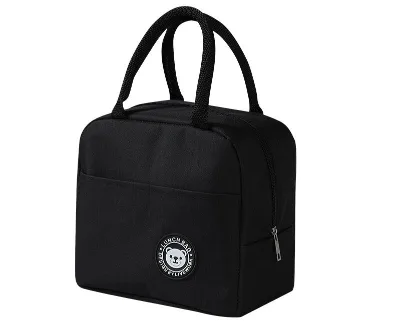
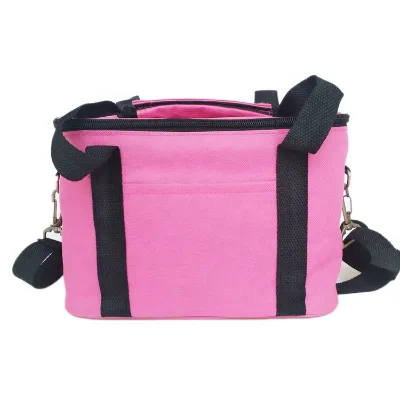
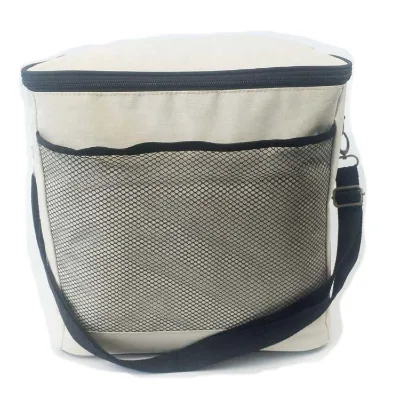
Comparing suppliers requires a focus on specific product attributes and commercial terms found in the search results. Key product evidence includes material composition, with many listings specifying Polyester or Non-Woven materials, and customization options for logos and designs. The price range observed varies from as low as $0.10 to $2.25 per unit, depending on the model and specifications. Buyers must compare the minimum order quantity (MOQ), which is listed as 1000 units for some products, against their own inventory needs. Additionally, the bearing capacity and cold retention time, such as 4-6 hours, are critical performance metrics that differ between models like the SU-CLB-020 and SU-CLB-001.
Beyond product specs, the commercial terms and service levels must be weighed carefully. Some suppliers offer OEM and ODM capabilities, allowing for significant customization of the bag's style and function. The packing method is another variable, with options ranging from individual OPP bags to carton packaging. Buyers should also consider the gross weight and bearing capacity, which affect shipping costs and durability. For instance, a bag with a bearing capacity of over 10 kg may be more suitable for heavy-duty use than a lighter alternative. Comparing these specific attributes side-by-side helps identify the supplier that offers the best balance of cost, quality, and functionality for the intended application.
Common Eco Friendly Handwoven Cooler Bag Sourcing Risks
One significant risk involves the discrepancy between claimed eco-friendly attributes and actual material composition. While the keyword suggests handwoven materials, the product evidence frequently lists Polyester or Non-Woven fabrics, which may not align with traditional handwoven definitions or specific sustainability goals. Buyers must verify the exact material source and processing methods to ensure the product meets their environmental standards. The presence of "Customized" labels for materials does not guarantee that the base material is sustainable, so explicit confirmation of the raw material origin is necessary before placing an order.
Another risk relates to the variability in lead times and response capabilities across different suppliers. The data shows lead times ranging from 15 to 120 days, which can severely impact supply chain planning. A supplier with a 120-day lead time may not be suitable for urgent orders, whereas a 15-day lead time might indicate a stock item or a highly efficient process. Furthermore, the response time varies from 4 hours to 24 hours, which can delay critical communication regarding design changes or quality issues. Buyers should assess the supplier's capacity to handle their specific order volume and timeline to avoid potential delays that could disrupt their business operations.
Eco Friendly Handwoven Cooler Bag Regional Sourcing and Logistics
The primary sourcing region identified in the results is Zhejiang, China, which serves as a central hub for this type of manufacturing. This concentration allows for efficient logistics and potentially lower shipping costs due to the density of suppliers in the area. However, the specific port of loading and shipping terms are not detailed in the current data, so buyers must clarify these details with each supplier. Understanding the logistics network in Zhejiang is essential for estimating total landed costs, including freight, insurance, and customs duties. Buyers should also consider the distance from the factory to the port, as this can affect transit times and overall delivery schedules.
Logistics planning must also account for the specific packaging requirements of the cooler bags. The product evidence indicates that items are packed in individual OPP bags or cartons, which influences the volume and weight of the shipment. For example, a gross weight of 0.5 to 1 kg per unit affects the total cargo weight and the number of units that can fit in a container. Buyers should calculate the optimal container load to minimize shipping costs while ensuring the products arrive without damage. Additionally, the cold retention time of the bags, typically 4-6 hours, is a functional attribute that does not impact logistics but is crucial for the end-user experience and product positioning.
Eco Friendly Handwoven Cooler Bag Commercial Terms and Order Planning
Commercial terms such as pricing, MOQ, and payment conditions are fundamental to successful order planning. The observed price range spans from $0.10 to $2.25, with an MOQ of 1000 units for many products. Buyers need to determine if the price includes customization costs, such as logo printing, which is listed as available for most models. It is also important to verify if the price is based on a specific material grade or if it fluctuates with raw material costs. Understanding the pricing structure helps in budgeting and negotiating effectively with suppliers to secure the best possible deal for the required volume.
Order planning should also incorporate the sample process and production timeline. Some suppliers indicate a sample lead time of 20 to 25 days, which must be factored into the overall project schedule. Buyers should request samples early to validate the product quality, material feel, and insulation performance before committing to a large order. The production capacity, indicated by OEM and ODM capabilities, suggests that suppliers can handle custom designs, but this requires clear communication of specifications. By aligning the sample approval process with the production lead time, buyers can ensure a smooth transition from design to mass production, minimizing the risk of delays or quality issues.
FAQs
What is the typical lead time for cooler bags?
Lead times vary by supplier, ranging from 15 to 120 days. Some manufacturers offer faster production within 15 days, while others require up to four months. Buyers should confirm specific timelines based on order volume and customization needs before placing an order.
What certifications do these suppliers hold?
Suppliers often hold BSCI, ISO 9000, ISO 13485, TS 16949, ISO 9001, and SEDEX certifications. These standards ensure quality management and ethical manufacturing practices. Buyers should verify specific certificates for their product requirements to ensure compliance with international safety and labor standards.
What is the minimum order quantity for cooler bags?
The minimum order quantity is typically 1000 units for standard models. Some suppliers may have different thresholds depending on the product type and customization level. Buyers need to check specific listings to confirm the exact MOQ required for their intended purchase volume.
Where are these cooler bag manufacturers located?
Most manufacturers are located in Zhejiang, China. This region is a major hub for bag production and offers efficient logistics. Buyers should verify the exact location of their chosen supplier to assess shipping costs and delivery times accurately for their specific destination.
What materials are used for these cooler bags?
Common materials include Polyester and Non-Woven fabrics. Some bags feature specific weights like 300d Polyester for durability. Buyers should check product attributes to ensure the material meets their insulation and strength requirements for food, cans, or wine storage.
Can these bags be customized with logos?
Yes, customization is available for logos, sizes, and designs on many models. Suppliers offer options for custom printing to suit promotional needs. Buyers should confirm the customization process and any additional costs associated with adding their specific branding to the cooler bags.
What is the price range for these bags?
Prices range from 0.10 to 2.25 USD per unit depending on material and features. Basic non-woven options start lower, while insulated or specialized designs cost more. Buyers should compare specific listings to find the best price for their required quality and quantity.
How quickly do suppliers respond to inquiries?
Response times vary, with some suppliers replying within 4 hours and others taking up to 24 hours. Faster response times indicate higher availability for immediate communication. Buyers should prioritize suppliers with quicker response rates to ensure efficient project management and order processing.