Eco Friendly Pet Repellent Collar Suppliers and Manufacturers
Compare 20 verified suppliers offering Eco Friendly Pet Repellent Collar options with varying lead times, certifications, and MOQs. Review response times and product specifications to select the right partner for your sourcing needs; review the available evidence before requesting comparable quotations from suitable candidates.
Suppliers List

NINGER PESTICIDE INDUSTRIAL CO., LTD.
- Trading Company,Manufacturer/Factory
- China Zhejiang
- Lead time23 days
- Avg. response≤ 6h
Main productsGlue Trap, Mouse Trap, Cockroach Killer, Mosquito Killer Lamp, Pest Repeller, Live Mouse Trap, Cockroach Trap, Pesticide, Fly Trap, Mosquito Killer
Main marketsSouth America,Eastern Europe,Mid East,North America,Southeast Asia,Eastern Asia,Oceania,Western Europe,Africa

- Verified by BV
- Trading Company,Manufacturer/Factory
- China Zhejiang
- Lead time30 days
- Avg. response≤ 12h
Main productsPet Bed, Pet Leash, Pet Cloth, Pet Toy, Pet Bowl, Pet Grooming, Pet Cage, Pet Training, Cat Tree, Pet Supply
Main marketsSouth America,Eastern Europe,Mid East,North America,Southeast Asia,Eastern Asia,Oceania,Western Europe,Africa

Pet Repellent Collar Anti-Mosquito and Flea Leash Flea and Tick Repellent Collar
$0.90 - $1.50
MOQ: 50 Pieces

Nature Safe Waterproof Pet Collar Adjustable Elastic Dog Cat Pet Repellent Flea and Tick Collar
$0.90 - $1.40
MOQ: 50 Pieces
- Verified by SGS
- Trading Company
- China Zhejiang
- Lead time23 days
- Avg. response≤ 5h
Main productsPet Supplies, Toys, Plastic Products
Main marketsSouth America,Africa,Southeast Asia/ Mideast,East Asia(Japan/ South Korea),Europe,Australia,North America
Chengdu Tops Technology Co., Ltd.
- Trading Company
- Lead time旺季: "1 - 10":7,"11 - 1000":15,"1001 - 5000":20,"> 5000":"To be negotiated", 淡季: "1 - 10":7,"11 - 1000":15,"1001 - 5000":20,"> 5000":"To be negotiated"
- Avg. response≤ 3h
Main productsAutomatic Cat Litter Box, Automatic Pet Feeder, Dog Poop Bag, Pet Wipes, Pet Grooming Brush
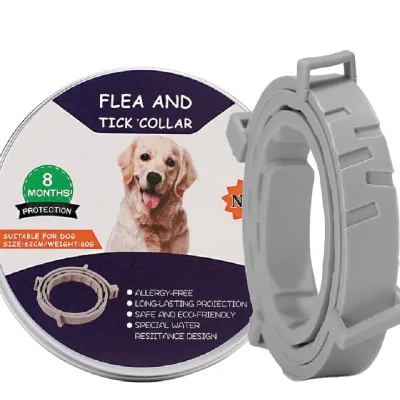
Exploding Pet Anti-insect Collar Cat Dog Collar Adjustable Mosquito Flea Repellent Pet Neck Collar
$0.66 - $1.53
MOQ: 10 pieces
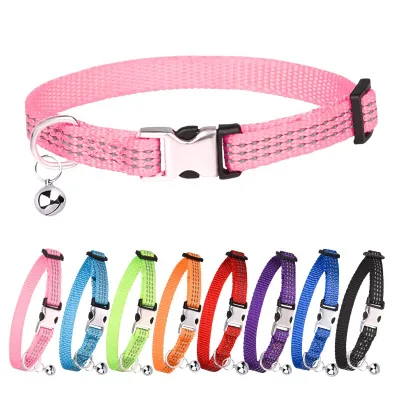
Dog Collar Engraved Cat Collar Adjustable Cat Collar
$0.77 - $0.80

Ullwin (Shanghai) Industrial Co., Ltd
- Verified by SGS
- Trading Company
- China Shanghai
- Lead time30 days
- Avg. response≤ 17h
Main productsMedical & Health Care Products, Cosmetic Packaging
Main marketsSouth America,Africa,Southeast Asia/ Mideast,East Asia(Japan/ South Korea),Europe,Australia,North America


Dog Flea and Tick Collar, Waterproof Adjustable Collar for Dogs and Puppies
$1.50 - $2.00
MOQ: 2000 Pieces

NINGBO BANGZHIYOU ARTS INDUSTRY AND TRADE CO., LTD.
- Verified by BV
- Trading Company
- China Zhejiang
- Lead time30 days
- Avg. response≤ 19h
Main productsPet Supplies, Pet Foods Snacks, Pet Trainer Collar, Pet Bed, Pet Toys, Pet Clothes, Equestrian Supplies, Pet Backpack, Cat Scratcher
Main marketsSouth America,Africa,Southeast Asia/ Mideast,East Asia(Japan/ South Korea),Europe,Australia,North America
Henan Kangdar Pet Products Co.ltd
- Verified by Intertek
- Manufacturer, Trading Company
- Lead time5 days
- Avg. response≤ 3h
Main productsPet hoodie, Dog treadmill, Dog bite tug toy, Dog trainer bite-proof suit, Birdcage
Main marketsNorth America(52%), Eastern Europe(15%), Domestic Market(13%)
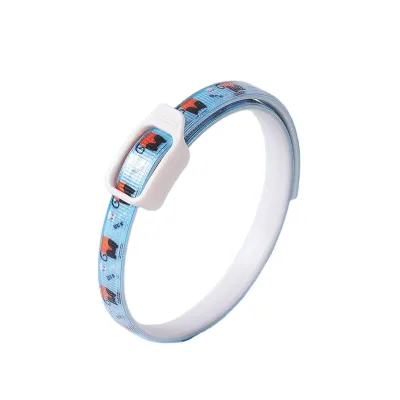
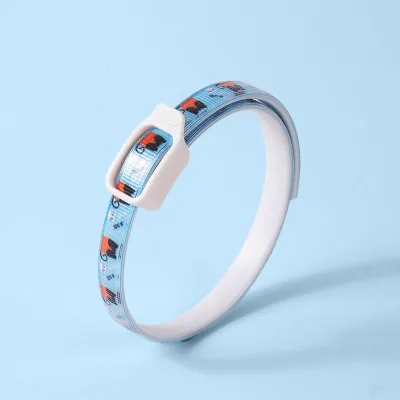
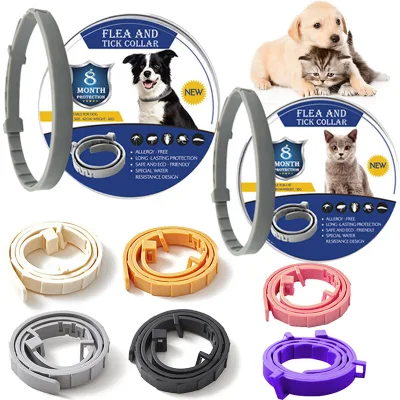
Wholesale Cat Cute Multicolor Pet Insect Repellent Adjustable PVC Dog Collar Eco-Friendly
$1.10 - $1.30
MOQ: 100 Minimum

PUYANG SELFAIDING INDUSTRIAL CO., LTD.
- Verified by SGS
- Manufacturer
- China Henan
- Lead time15 days
- Avg. response≤ 4h
Main productsAdult Bib, Pet Pad, Underpad, Baby Bib, Protective Panties, Washable Sanitary Pad, Compression Stockings, Patient Care Clothing, Pet Nest, Pet Toy


Pet Elizabeth Collar Anti-Lick Plastic Pet Collar for Pet Health Recovery
$0.42 - $0.45
MOQ: 800 Pieces


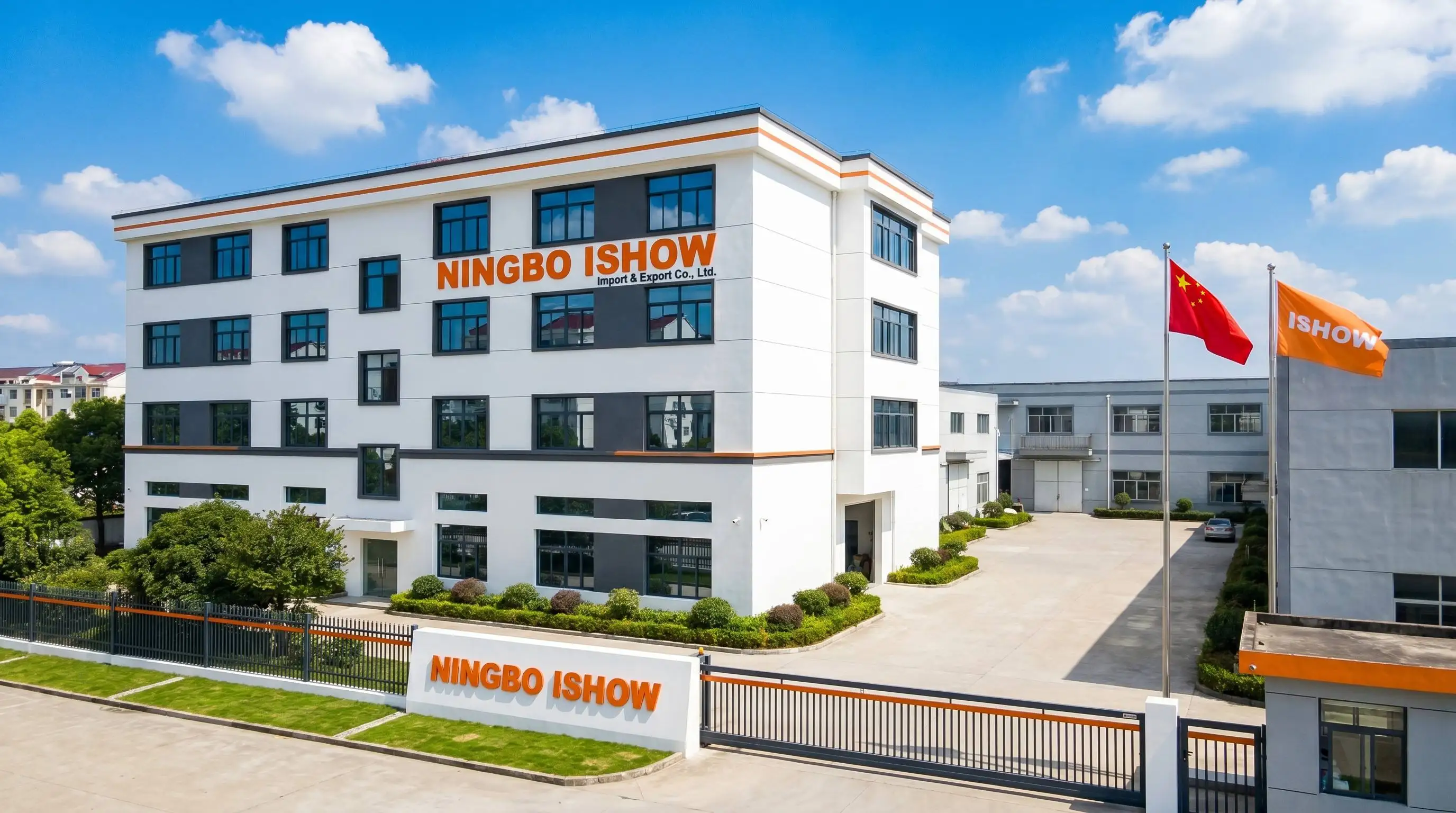
Ningbo Ishow Import & Export Co., Ltd.
- Manufacturer, Trading Company
- Zhejiang, China
- Lead time10 days
- Avg. response≤ 7h
Main productsPet Grooming Tools,Pet's tick remover,Tick Removal Tool,Pet's BPA-free plastics,tick removal kit
Main marketsEastern Europe(20.00%), Central America(20.00%), North America(20.00%), Southern Europe(10.00%), Northern Europe(10.00%), South America(10.00%), Western Europe(10.00%)
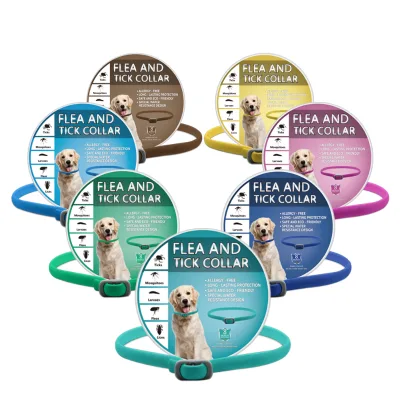
$0.82 - $0.97
MOQ: 2 pieces
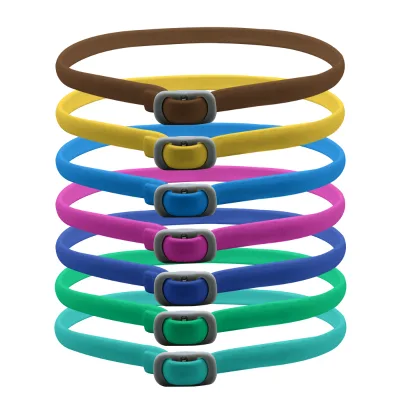
Waterproof Long Lasting protection Dog Cat Flea & Tick Collar Pet Neck Collars
$0.85 - $0.95
MOQ: 2 pieces

Rizhao Spring Trading Co., Ltd.
- Verified by CTI
- Manufacturer/Factory
- China Shandong
- Lead time15 days
- Avg. response≤ 3h
Main productsWalnut, Pet House, Peanut, Cat Litter, Pet Products, Pet Food, Cat Food, Pet Treats, Dog Food, Pet Toys
Main marketsMid East,North America,Western Europe
Zhangjiagang Kingholy Machinery Co., Ltd.
- Trading Company
- Jiangsu, China
- Lead time0 days
- Avg. response≤ 7h
Main productsDumbbell,Yoga Mat,Resistance Bandsnd,Jump Rope,Yoga Ball
Main marketsWestern Europe(25.00%), North America(25.00%), Northern Europe(11.00%), Eastern Europe(10.00%), Southern Europe(9.00%), Central America(8.00%), South America(5.00%), Domestic Market(1.00%), South Asia(1.00%), Africa(1.00%), Southeast Asia(1.00%), Oceania(1.00%), Mid East(1.00%), Eastern Asia(1.00%)

- Verified by SGS
- Trading Company
- China Zhejiang
- Lead time15 days
- Avg. response≤ 12h
Main productsPet Harness, Pet Collar, Pet Leash, Pet Feeder, Pet Carries, Pet Toy, Pet Bed, Pet Grooming, Pet Accessories
Main marketsEurope,Australia
Monica Technology (Shenzhen) Co., Ltd.
- Verified by SGS
- Trading Company
- China Guangdong
- Lead time30 days
- Avg. response≤ 22h
Main productsPet Product, Pet Water Dispenser, Sports Repair Products, Beauty Equipment, Pet Daily Necessities, Tens Products, Outdoor Sports Products, Phototherapy Beauty Products, Work out Repair Products, Phototherapy Sports Rehabilitation Products
Main marketsEast Asia(Japan/ South Korea)

Hangzhou Tianyuan Pet Products Co., Ltd.
- Verified by TUVRHEINLAND
- Combined
- China Zhejiang
- Lead time30 days
- Avg. response≤ 19h
Main productsPet Beds, Cat Trees, Pet Products, Pet Accessories, Pet Supplies, Pet Collar, Pet Toy, Pet Brush, Pet Bowl, Pet Clothes
Main marketsEurope,North America

Shenzhen Sweetpet Pet Product Co., Ltd.
- Trading Company,Manufacturer/Factory
- China Guangdong
- Lead time23 days
- Avg. response≤ 7h
Main productsDog Collar, Dog Leash, Dog Harness, Dog Clothes, Dog Bed, Pet Supply, Pet Accessory, Pet Toys, Pet Bowl, Cat Toys
Main marketsSouth America,Eastern Europe,North America,Oceania,Western Europe

Dongguan Altra Pet Products Co., Ltd.
- Verified by CTI
- Combined
- China Guangdong
- Lead time15 days
- Avg. response≤ 10h
Main productsDog Collar, Dog Leash, Polyurethane Dog Collar, PVC Dog Collar, PVC Coated Webbbing, Polyurethane Coated Webbing, Horse Bridle and Halter, Football Chin Strap, Gait Belt
Main marketsEurope,North America

$1.99 - $3.99
MOQ: 100 Pieces

$1.99 - $3.99
MOQ: 100 Pieces

- Verified by TUVRHEINLAND
- Trading Company
- China Zhejiang
- Lead time15 days
- Avg. response≤ 4h
Main productsLanyard, Promotional Gift, Baseball Cap, Bags, T-Shirt, Ceramic Mug, Sport Water Bottle, PU Toys
Main marketsEurope,Australia,North America


Dog Collar with Custom Logo, Promotional Dog Collar, Promotion Dog Collar
$0.35 - $0.45
MOQ: 1000 Pieces

Dongguan Wangda Technology Co., Ltd.
- Verified by TUVRHEINLAND
- Trading Company
- China Guangdong
- Lead time15 days
- Avg. response≤ 6h
Main productsDog Collar, Dog Harness, Dog Products, Dog Leash, Dog Lead
Main marketsDomestic

Dongguan City Shanli Weaving Co., Ltd.
- Verified by BV
- Combined
- China Guangdong
- Lead time30 days
- Avg. response≤ 6h
Main productsWebbing, Nylon Webbing, Polyester Webbing, Polypropylene Webbing, Cotton Webbing, Elastic Webbing, Jacquard Webbing, Printed Webbing, Tubular Webbing, Reflective Webbing
Main marketsEurope,North America

Adjustable Red Nylon Dog Collar with Eco-Friendly Print Pattern Durable Polyester Material
$1.88 - $2.36
MOQ: 50 Pieces


Adjustable Nylon Dog Collar with Eco-Friendly Print Pattern Durable Polyester Material
$1.88 - $2.15
MOQ: 500 Pieces


Adjustable Nylon Dog Collar with Eco-Friendly Print Pattern Durable Polyester
$1.88 - $2.36
MOQ: 50 Pieces

Wholesale Anti-Impact Outdoor Walking Pet Collar Adjustable Nylon Dog Collar
$1.79 - $2.09
MOQ: 500 Pieces
Foshan Jinzhen Hardware & Plastic Products Co., Ltd.
- Manufacturer
- Guangdong Province, China
- Lead time15 days
- Avg. response≤ 5h
Main productspet toys,pet bowls,pet feeders,pet beds,pet mats
Main marketsMid East(18.00%), North America(15.00%), Central America(13.00%), South America(10.00%), Southern Europe(10.00%), Northern Europe(8.00%), Western Europe(6.00%), Eastern Europe(5.00%)




Comprehensive Sourcing Guide
Eco Friendly Pet Repellent Collar Supplier Concentration and Factory Types
The available data indicates a concentration of manufacturing activity in the Zhejiang province of China for eco-friendly pet repellent collars. This region hosts a mix of trading companies and manufacturers that produce items such as flea and tick collars, mosquito repellent devices, and general pest control solutions. Buyers observing this geographic clustering should verify if the specific factory they engage with possesses the claimed production capacity, as the distinction between a trading entity and a direct manufacturer often impacts quality control and customization flexibility. The presence of both company types suggests a robust supply chain where some entities handle sourcing while others manage the actual fabrication of silicone, rubber, or solid-form repellent products.
When evaluating the factory types, it is critical to distinguish between entities offering OEM and ODM services versus those providing only standard inventory. The observed supplier profiles include capabilities for own-brand development, suggesting that some manufacturers can create unique designs or modify existing formulas for specific market needs. However, not all suppliers in this cluster may offer the same level of customization or have the same production scale. Buyers must confirm whether the supplier is a direct factory capable of handling complex material requirements like silicone or rubber, or if they are a trading company that aggregates products from multiple sources. This distinction directly influences the ability to meet specific eco-friendly standards and customization requests for pet collars.
How to Verify Eco Friendly Pet Repellent Collar Suppliers
Verification of suppliers requires a rigorous check of their system certifications and third-party audit reports. The current data shows that some suppliers hold ISO 9000 and ISO 9001 certifications, while others possess BSCI, SEDEX, or verification badges from agencies like BV and SGS. These credentials are essential indicators of a supplier's commitment to quality management systems and ethical labor practices. Buyers should not assume that all suppliers in the eco-friendly pet collar category possess these specific certifications; instead, they must request current certificates and verify their validity through the issuing bodies. The presence of these documents provides a baseline for assessing the supplier's operational maturity and compliance with international standards.
Beyond certifications, buyers must scrutinize the supplier's response time and verification status to gauge reliability. The observed response times vary, with some suppliers responding within approximately five hours while others take over eleven hours. A faster response time often correlates with better communication channels and a more active sales team, which is crucial for resolving issues during the sourcing process. Additionally, the verification status, such as BV or SGS, serves as an external validation of the supplier's business legitimacy. Buyers should prioritize suppliers with verified badges and prompt response metrics, as these factors reduce the risk of dealing with unresponsive or non-compliant entities. Always cross-reference these metrics with the supplier's claimed capabilities before proceeding with any order.
What to Compare Across Eco Friendly Pet Repellent Collar Suppliers
Comparing suppliers requires a detailed analysis of their minimum order quantities (MOQ) and pricing structures. The data reveals significant variation in MOQs, ranging from as low as 50 pieces to as high as 10,000 pieces depending on the specific product model and customization level. Pricing also fluctuates, with observed ranges between $0.78 and $1.50 per unit. Buyers must align these figures with their own inventory requirements and budget constraints. A supplier offering a low MOQ might be ideal for testing a new product line, while a high-volume supplier could provide better unit economics for established brands. It is essential to request detailed quotes that clarify whether the price includes packaging, customization, or shipping costs to avoid hidden expenses.
Lead times and production capacity are equally critical factors in the comparison process. The observed lead times span from 23 to 30 days, indicating that production schedules can vary significantly between different factories. Buyers should compare these timelines against their own product launch deadlines to ensure timely delivery. Furthermore, the capacity for OEM and ODM services varies, with some suppliers offering full customization while others may be limited to standard products. Evaluating the supplier's ability to handle custom designs, such as specific sizes or eco-friendly materials, is vital for meeting unique market demands. Buyers should also consider the supplier's main product range, as those specializing in pet supplies may offer better expertise and quality control than general trading companies.
Common Eco Friendly Pet Repellent Collar Sourcing Risks
One significant risk in sourcing eco-friendly pet repellent collars is the inconsistency in product specifications and material claims. The data shows products described with attributes like "Solid" physical form, "Silicone" material, or "Rubber" composition, yet the pest types targeted vary from mosquitoes to fleas. Buyers must verify that the materials used are genuinely eco-friendly and safe for pets, as claims of being "Eco-Friendly" or "Hypoallergenic" require substantiation. Without clear evidence or third-party testing results, there is a risk of receiving products that do not meet safety standards or fail to perform as advertised. This discrepancy can lead to product recalls, customer dissatisfaction, and potential legal liabilities.
Another major risk involves the reliability of the supply chain and the potential for delays. The observed lead times and response times suggest that some suppliers may struggle with production bottlenecks or communication gaps. If a supplier fails to meet the agreed-upon delivery date, it can disrupt the buyer's inventory planning and sales strategy. Additionally, the variation in MOQs can pose a risk for small buyers who may be forced to order more stock than they can sell, tying up capital in unsold inventory. Buyers should mitigate these risks by establishing clear contracts with penalty clauses for delays and by conducting regular quality checks during the production process. Ensuring that the supplier has a proven track record of meeting deadlines and maintaining quality is essential for long-term success.
Eco Friendly Pet Repellent Collar Regional Sourcing and Logistics
The primary sourcing region identified for these products is Zhejiang, China, which serves as a hub for pet supply manufacturing. This concentration offers logistical advantages, such as proximity to major ports and established shipping routes, which can streamline the export process. However, buyers must verify the specific port of loading and the shipping terms offered by each supplier to understand the full logistics picture. The location of the factory can also impact the cost of freight and the speed of delivery, as suppliers in different parts of the province may have varying access to transportation infrastructure. Understanding these regional nuances helps buyers optimize their supply chain and reduce overall logistics costs.
Logistics planning also involves considering the packaging and handling requirements for pet repellent collars. The data indicates that products are often packed in cartons with specific quantities, such as 1000 bags per carton, or in aluminum cases. Buyers need to ensure that the packaging is robust enough to protect the products during transit, especially if they are shipping to regions with varying climate conditions. Additionally, the supplier's ability to handle custom packaging requests, such as branding or specific labeling, is a key consideration. Buyers should discuss packaging details early in the negotiation process to avoid last-minute changes that could delay shipment. Clear communication regarding logistics and packaging ensures a smooth transition from factory to final destination.
Eco Friendly Pet Repellent Collar Commercial Terms and Order Planning
Commercial terms for eco-friendly pet repellent collars often include specific conditions regarding payment, customization, and warranty. The observed data highlights that customization is available for many products, allowing buyers to tailor designs to their brand needs. However, the extent of customization and the associated costs must be clearly defined in the commercial agreement. Buyers should negotiate terms that cover the scope of OEM or ODM services, including design fees, tooling costs, and minimum order requirements for custom runs. Clear commercial terms prevent misunderstandings and ensure that both parties are aligned on the expectations for the final product.
Order planning must account for the variability in lead times and MOQs to maintain a steady supply chain. With lead times ranging from 23 to 30 days and MOQs varying widely, buyers need to forecast their demand accurately to avoid stockouts or overstocking. It is advisable to place orders well in advance of peak seasons to accommodate potential delays. Additionally, buyers should consider the supplier's capacity to scale production if demand increases unexpectedly. Establishing a long-term relationship with a reliable supplier can provide more flexibility in order planning and help mitigate risks associated with supply chain disruptions. By carefully managing commercial terms and order planning, buyers can ensure a consistent and efficient supply of eco-friendly pet repellent collars.
FAQs
What is the typical lead time for eco friendly pet repellent collars?
Manufacturers in Zhejiang, China typically require 23 to 30 days for production. This timeframe allows for quality control and packaging preparation. Buyers should confirm specific schedules with suppliers before placing orders to ensure timely delivery for their inventory needs.
What is the minimum order quantity for these collars?
Minimum order quantities vary significantly by supplier and product model. Some manufacturers require as few as 50 pieces, while others set thresholds at 500 or 10,000 pieces. Buyers must check the specific MOQ listed for each product to determine feasibility for their order size.
Are these collars available with custom branding or OEM services?
Yes, many suppliers offer OEM and ODM customization options. Buyers can often request custom logos, specific colors, or unique packaging designs. This service allows businesses to brand the products effectively for their target markets while maintaining the core repellent functionality of the collar.
What certifications do these suppliers typically hold?
Reputable suppliers often hold ISO 9001 and ISO 9000 certifications for quality management systems. Some also possess BSCI or SEDEX audits for social compliance. Buyers should verify these credentials directly with the supplier to ensure the manufacturing processes meet international standards and ethical requirements.
What materials are used in eco friendly pet repellent collars?
Common materials include silicone, rubber, and other eco-friendly compounds. These materials are chosen for durability and safety for pets. The collars are often designed to be non-irritating and waterproof, ensuring long-lasting protection against fleas and ticks while minimizing environmental impact during production and use.
How quickly do suppliers typically respond to inquiries?
Response times vary, with some suppliers replying within 4.65 hours and others taking up to 11.07 hours. Faster response times often indicate a more active sales team. Buyers should prioritize suppliers with quicker response rates to ensure efficient communication throughout the sourcing and negotiation process.
What is the price range for these collars?
Prices generally range from $0.78 to $1.50 per piece depending on the model and order volume. Factors like material quality, customization requirements, and certification levels influence the final cost. Buyers should request detailed quotes to understand the total landed cost including shipping and taxes.