Eco Friendly Printed Sweatshirt Set Suppliers and Manufacturers
Find 28 verified suppliers offering eco friendly printed sweatshirt sets with ODM capabilities and Knitted fabric types. Compare response times, lead times, and MOQs to source efficiently. Contact suppliers directly to request samples; review the available evidence before requesting comparable quotations from suitable candidates.
Updated
Suppliers List

- Verified by CTI
- Combined
- China Zhejiang
- Lead time23 days
- Avg. response≤ 6h
Main productsHoodie, T-Shirt, Short, Jacket, Tracksuit, Caoat, Polo, Leggings
Main marketsEurope,Australia,North America


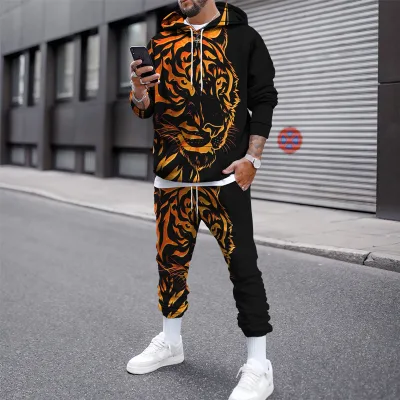
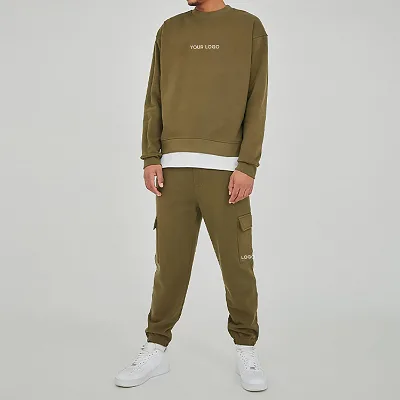
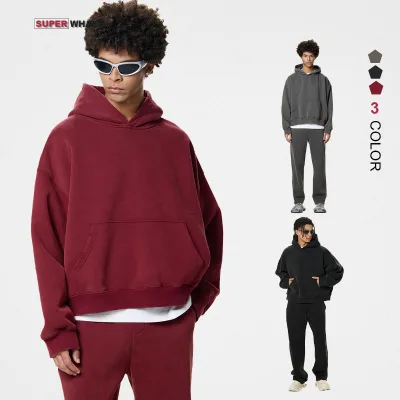
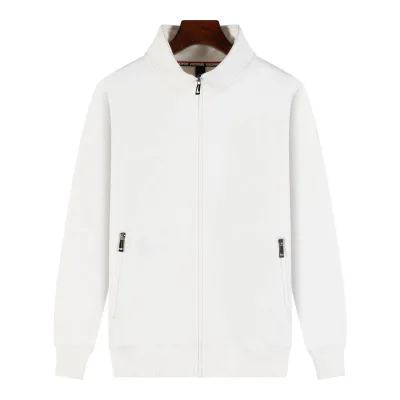
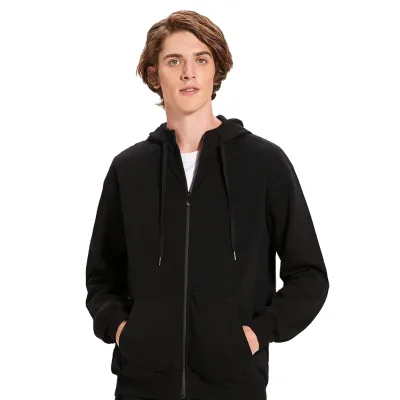
Custom Logo 230g Men's Casual Pullover 100% Polyester Two-Piece Hoodies Set
$9.84 - $10.99
MOQ: 2 pieces

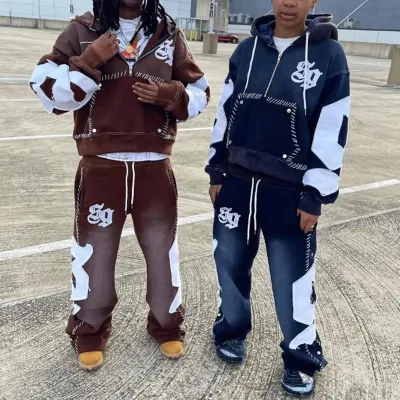
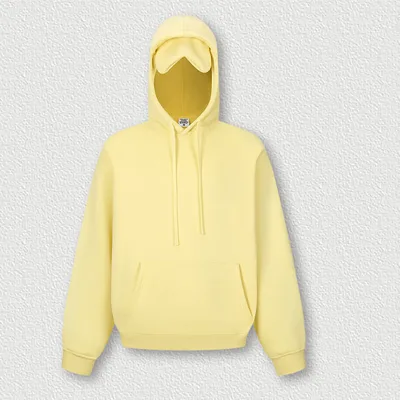
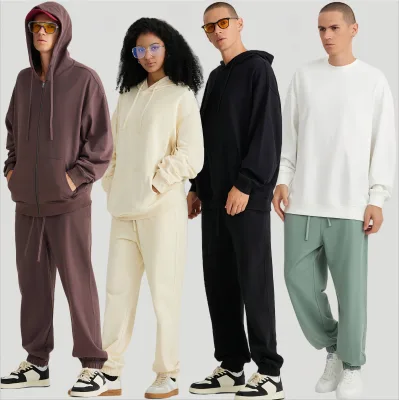
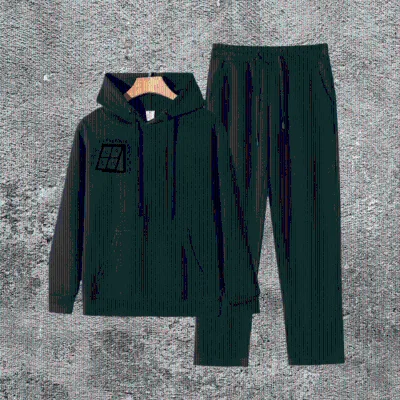
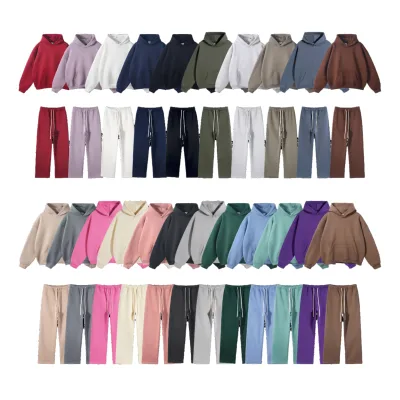
345GSM Unisex 2-Piece Casual Stacked Plus Size Hoodies and Sweatpants Set
$10.00 - $12.59
MOQ: 2 pieces

Shanghai Easun Group Imp & Exp Co., Ltd.
- Verified by BV
- Trading Company
- China Shanghai
- Lead time15 days
- Avg. response≤ 21h
Main productsHoodies, Pajamas, T-Shirt, Bath Robe, Sleepwear, Polo Shirts, Safety Shoes
Main marketsAfrica


Sweatshirt Custom Sweatshirt Dress Sweatshirt Fleece Sweatshirt Set Sweatshirt Wholesale
$3.00 - $7.50
MOQ: 300 Pieces


Tong Lu Spring River Knitting Group Co., Ltd.
- Verified by BV
- Manufacturer/Factory
- China Zhejiang
- Lead time60 days
- Avg. response≤ 25h
Main productsSweater, Cashmere Cardigan, Cashmere Sweater, Knitwear, Merino Sweater, Knitted Pullover, Kid Sweater, Wool Sweater, Women Sweater, Men Sweater
Main marketsEastern Europe,Mid East,North America,Eastern Asia,Western Europe
Guangzhou Ali Clothing Trading Co., Ltd.
- Manufacturer, Trading Company
- Guangdong, China
- Lead time0 days
- Avg. response≤ 2h
Main productsMans Tshirt,Polo Shirts,Shirts,Hoodie,sweater
Main marketsNorth America(30.00%), Southeast Asia(20.00%), Africa(20.00%), South America(20.00%), Eastern Europe(10.00%)

Guangzhou Longsen Garment Co., Ltd.
- Verified by BV
- Trading Company
- China Guangdong
- Lead time15 days
- Avg. response≤ 1h
Main productsCustom Denim Jeans, OEM Denim Apparel, ODM Denim Wear, Denim Pants, Private Label Denim, Denim Jacket, Denim Shorts, Denim Skirts
Main marketsDomestic


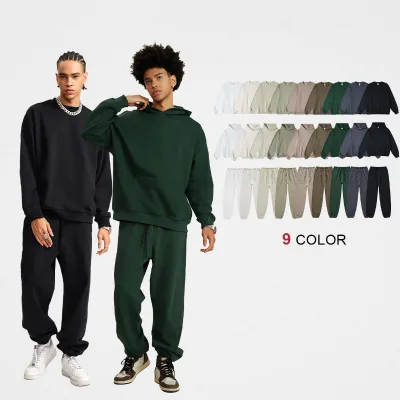
High Quality Sporty Oversized Skin-Friendly Sweatshirt Set for All Four Seasons
$11.00 - $15.00
MOQ: 100 Pieces


Dongguan Qidu Apparel Co., Ltd.
- Verified by BV
- Manufacturer/Factory
- China Guangdong
- Lead time23 days
- Avg. response≤ 4h
Main productsDress, Top, Blouse, Sweatwear, Bottom, Shorts, Jacket, Coat, Pajamas, Denim
Main marketsSouth America,Eastern Europe,Mid East,North America,Southeast Asia,Eastern Asia,Oceania,Western Europe


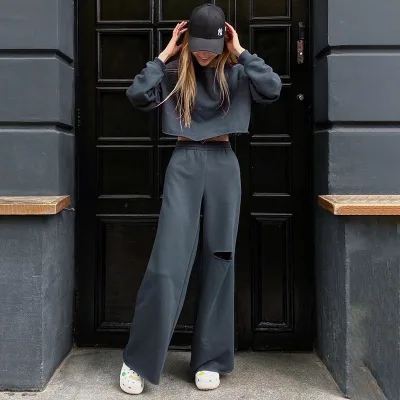
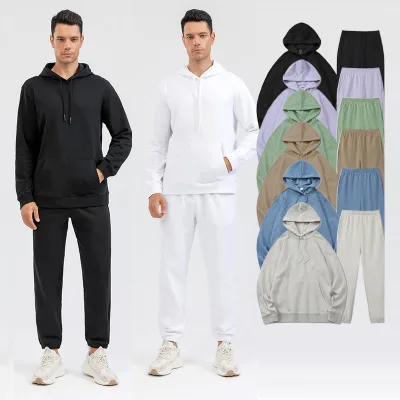
Loose-Sleeved Round-Neck Pullover Hoodie and Pants Two-Piece Set Sweatshirt
$25.20 - $28.20
MOQ: 10 pcs

Washed and Distressed Casual Long-Sleeved Pullover Hoodie and Pants Set Sweatshirt
$31.20 - $34.20
MOQ: 10 pcs
Dongguan Rui Mei Clothing Co., Ltd.
- Manufacturer, Trading Company
- Guangdong, China
- Lead time25 days
- Avg. response≤ 8h
Main productsDress Evening, Dress, Hoodie, T-shirt, Tank Top
Main marketsNorth America(70.00%), Eastern Asia(10.00%), Oceania(10.00%), Domestic Market(10.00%)
Gaomi Jia He Yuan Garments Co., Ltd.
- Verified by SGS Group
- Manufacturer, Trading Company
- Lead time15 days
- Avg. response≤ 2h
Main productsHoodies and Sweatshirts, T-shirt, Pants and Shorts, Tracksuit Set, Yoga and Activewear
Main marketsNorth America(50%), Western Europe(35%), Oceania(3%)
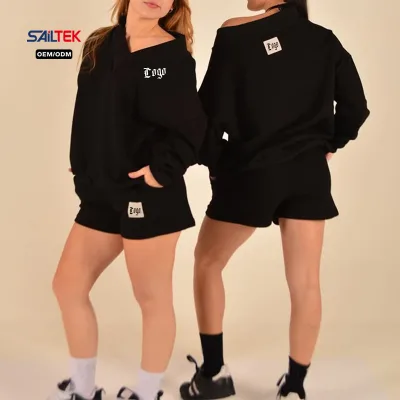
Shandong Sailtek Clothing Technology Co., Ltd.
- Verified by TüVRheinland
- Manufacturer, Trading Company
- Lead time5 days
- Avg. response≤ 1h
Main productsWomen's Wear, Men's Sets, Yoga Wear
Main marketsNorth America(30%), Oceania(30%), Western Europe(13%)

Jiangxi Flower Garment Co., Ltd
- Manufacturer, Trading Company
- Jiangxi, China
- Lead time20 days
- Avg. response≤ 4h
Main productspolo t shirt,t shirt,hoodie,pants,tank top
Main marketsNorth America(25.00%), Central America(20.00%), Northern Europe(10.00%), Eastern Europe(8.00%), South America(5.00%), South Asia(5.00%), Southeast Asia(5.00%), Mid East(5.00%), Oceania(5.00%), Africa(5.00%), Western Europe(2.00%), Southern Europe(2.00%), Eastern Asia(2.00%), Domestic Market(1.00%)
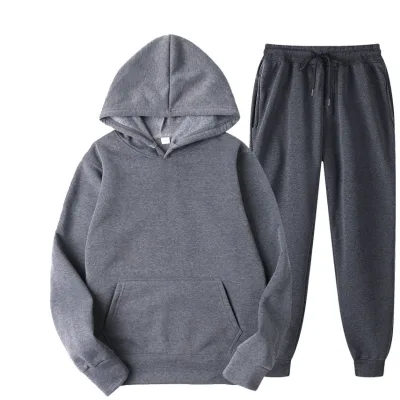
$10.7874 - $12.6631
MOQ: 2 pieces
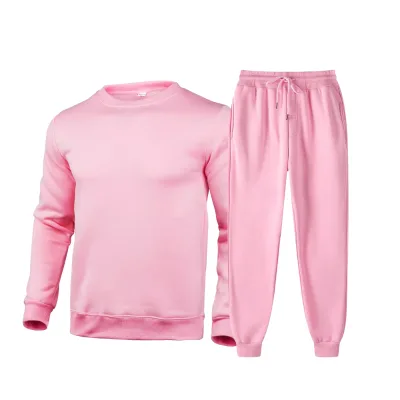
$8.7979 - $13.3098
MOQ: 2 pieces

- Verified by CTI
- Trading Company
- China Anhui
- Lead time23 days
- Avg. response≤ 1h
Main productsFurniture, Home Furniture
Main marketsSoutheast Asia/ Mideast
Hangzhou Jingqiu Technology Co., Ltd.
- Verified by SGS Group
- Trading Company
- Lead time7 days
- Avg. response≤ 2h
Main productsMen's Hoodies, Men's T-Shirts, Men's Shorts, Men's Jackets, Women's Sets
Main marketsNorth America(60%), Western Europe(30%), Oceania(10%)
Shenzhen Eking Clothing Co., Ltd.
- Verified by SGS Group
- Manufacturer, Trading Company
- Lead time14 days
- Avg. response≤ 4h
Main productsHoodie, Sportswear, Teamwear, Cap, T-Shirts
Main marketsNorth America(40%), Oceania(15%), Eastern Europe(10%)
- Trading Company
- Zhejiang, China
- Lead time4 days
- Avg. response≤ 8h
Main productsCloth,Printing service,Gift,fabric,cloth accessories
Main marketsNorth America(70.00%), Southeast Asia(13.00%), Mid East(6.00%), Domestic Market(1.00%), South Asia(1.00%), South America(1.00%), Southern Europe(1.00%), Northern Europe(1.00%), Eastern Europe(1.00%), Central America(1.00%), Western Europe(1.00%), Eastern Asia(1.00%), Oceania(1.00%), Africa(1.00%)
Guangzhou Hengdong Sports Goods Co., Ltd.
- Verified by SGS Group
- Trading Company
- Lead time7 days
- Avg. response≤ 5h
Main productsGym wear, Yoga wear, Street Wear, Running wear, Sports Wear
Main marketsNorth America(20%), Western Europe(20%), Mid East(12%)

Xiamen Junmao Technology Co., LTD
- Verified by BV
- Combined
- China Fujian
- Lead time30 days
- Avg. response≤ 4h
Main productsFootball Kit, Sportswear, Football Equipment, Gym Wear, Yoga Set, Sports Products
Main marketsAfrica,Southeast Asia/ Mideast,Europe,Australia,North America

Guangzhou Shangshang Industrial Co., Ltd.
- Combined
- China Guangdong
- Lead time15 days
- Avg. response≤ 18h
Main productsHoodies, T Shirt, Sweatpant, Shorts, Jacket
Main marketsDomestic


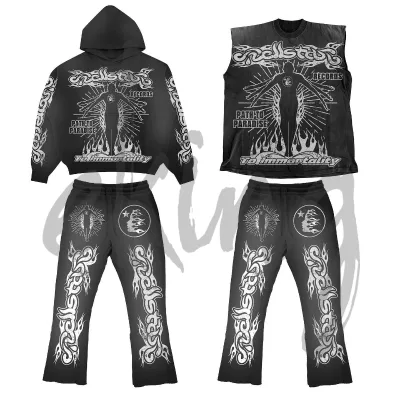
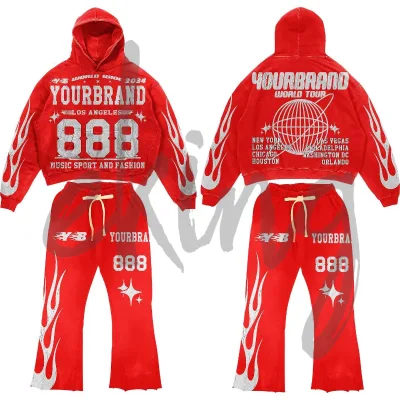
Custom Cotton Sweat Suit Sweatpants and Hoodie Set Custom Logo Puff Print Sweatsuit
$9.00 - $16.00
MOQ: 100 Pieces


Custom Tracksuit Screen Print Graphic Sweatsuit Oversized Hoodie Flare Sweatpants Set
$9.00 - $16.00
MOQ: 100 Pieces

- Verified by SGS
- Trading Company
- China Zhejiang
- Lead time30 days
- Avg. response≤ 4h
Main productsBlazers, Dress, Jumpsuits&Bodysuits, Bottoms&Pants, Blouses, Sportswear, Skirts, Tops, T-Shirts, Coats&Jackets
Main marketsEurope,Australia,North America


Stylish Wholesale Printed Hooded Sweatshirt and Flannel Jogging Pants Set
$15.00 - $29.00
MOQ: 30 Pieces


Customizable Cozy Flannel Sweatshirt and Casual Long Pants Set for Comfort
$15.00 - $29.00
MOQ: 30 Pieces

Fushun Nxcaps Clothing Company Limited
- Verified by CTI
- Trading Company
- China Liaoning
- Lead time23 days
- Avg. response≤ 6h
Main productsTracksuit, Football Jersey, Basketball Jersey
Main marketsSouth America,Australia,North America


$12.20 - $20.80
MOQ: 50 Pieces


Guangzhou Difan Clothing Co., Ltd.
- Verified by BV
- Combined
- China Guangdong
- Lead time15 days
- Avg. response≤ 5h
Main productsTshirt, Hoodie, Jacket, Polo, Pant, Sweatshirt, Jersey, Shorts, Tracksuit
Main marketsSouth America,Africa,Southeast Asia/ Mideast,East Asia(Japan/ South Korea),Europe,Australia,North America

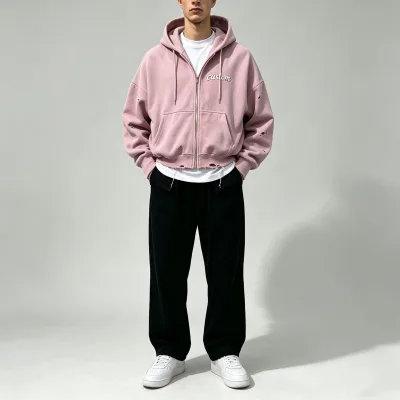
Custom Men's Hoodie Set for Men Zip up Printing Unisex Sweatshirt and Sweatpants Set
$10.00 - $13.00
MOQ: 50 Sets

Custom Hoodie Set for Men Printing Logo Zipper Distressed Sweatpants Set Unisex
$10.00 - $13.00
MOQ: 50 Sets

Guangzhou BaiNaJia Garment Co., Ltd
- Verified by SGS
- Manufacturer/Factory
- China Guangdong
- Lead time45 days
- Avg. response≤ 4h
Main productsKnitted Sweater, Women Sweater, Men Sweater, Child Sweater, T-Shirt, Hoodies, Apparel, Custom Sweater, Sweater Products, Fashion Sweater
Main marketsEastern Europe,Mid East,North America
BaiLi Fashion Group Co., Limited
- Verified by SGS Group
- Manufacturer, Trading Company
- Lead time0 days
- Avg. response≤ 2h
Main productsT Shirts, Pants & Shorts, Jeans, Tracksuit, Hoodies & Sweatshirts

Dongguan Borsung Apparel Co., Ltd.
- Manufacturer, Trading Company
- Guangdong, China
- Lead time20 days
- Avg. response≤ 3h
Main productstracksuit,Hoodies,Jackets,Sweatpants,t shirts
Main marketsNorth America(40.00%), Western Europe(20.00%), Northern Europe(10.00%), Eastern Europe(10.00%), Mid East(10.00%), Oceania(10.00%)

YANCHENG HAPPYNESS IMP. AND EXP. CO. LTD
- Verified by SGS
- Trading Company
- China Jiangsu
- Lead time15 days
- Avg. response≤ 4h
Main productsCustom Slides Slippers, Custom Indoor Slippers, Custom Socks, Custom Caps, Custom Clothing, Custom Rainboots, Custom Winter Boots, Custom Shoes, Custom Slippers, Custom Flipflops
Main marketsSouth America,Africa,Southeast Asia/ Mideast,East Asia(Japan/ South Korea),Domestic,Europe,Australia,North America

Women's Oversized Winter Hoodie and Sweatpants Set with Custom Puff Print
$29.60 - $39.38
MOQ: 100 piece


Fuzhou Hanyu Apparel Co., Ltd.
- Trading Company
- Fujian, China
- Lead time10 days
- Avg. response≤ 3h
Main productsT-shirts,Hoodies,sweatsuit,Jogger pants,Caps
Main marketsNorth America(60.00%), Western Europe(10.00%), Northern Europe(7.00%), South America(5.00%), Eastern Europe(5.00%), Southern Europe(5.00%), Southeast Asia(1.00%), Africa(1.00%), Oceania(1.00%), Mid East(1.00%), Eastern Asia(1.00%), Central America(1.00%), South Asia(1.00%), Domestic Market(1.00%)

Dongguan Humen Hucai Garment Co., Ltd.
- Verified by TUVRHEINLAND
- Combined
- China Guangdong
- Lead time15 days
- Avg. response≤ 6h
Main productsSportswear, Yoga Pants, Sports Bra, T Shirt, Tank Top, Jogger Pants, Tracksuit, Hoodies, Shorts, Leggings
Main marketsAustralia,North America


Wholesale Sweat Suits Hoodie Wholesale Custom Men Tracksuit Jogger Set
$25.18 - $28.68
MOQ: 200 Pieces

Baoding Yukaihe Clothing Import & Export Co., Ltd.
- Verified by TUVRHEINLAND
- Trading Company
- China Hebei
- Lead time15 days
- Avg. response≤ 6h
Main productsCap, Hat, Baseball Cap, Bucket Hat, Beanie, Running Hat, Snapback Caps, Sport Hat, Trucker Hat, Camp Caps
Main marketsSoutheast Asia/ Mideast,Europe,Australia,North America

Guangzhou Healy Apparel Co., Ltd.
- Verified by SGS
- Combined
- China Guangdong
- Lead time15 days
- Avg. response≤ 21h
Main productsSoccer Jersey, Basketball Jersey, Soccer Wear, Basketball Wea, Tracksuit, Hoodie, Yoga Wear
Main marketsSoutheast Asia/ Mideast,Europe,Australia,North America


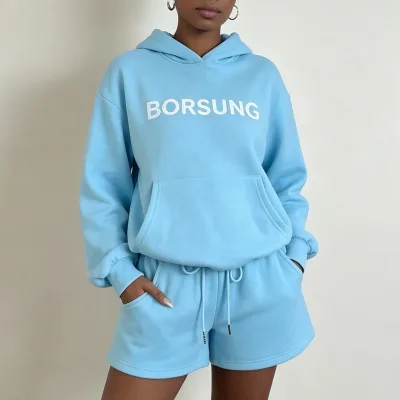
Blank Cotton Fleece Custom Hoodie Set Unisex Casual High Quality Hoodie Shorts Set for Men
$21.90 - $24.90
MOQ: 50 sets

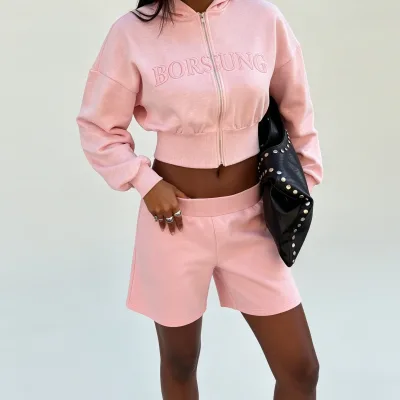
Unisex Hoodie and Shorts Set Men Custom Hoodies and Sweatpants Set Blank Zip up Hoodie Manufacturer
$15.90 - $21.90
MOQ: 50 sets

$25.90 - $28.90
MOQ: 50 sets

$23.90 - $28.90
MOQ: 50 sets










Comprehensive Sourcing Guide
Eco Friendly Printed Sweatshirt Set Supplier Concentration and Factory Types
Current supplier data indicates manufacturing activity concentrated in China, specifically within the Zhejiang and Shanghai regions. Fact records show Zhejiang-based entities offering combined company types, while Shanghai listings identify trading companies as the primary operational structure. These locations serve as the verified hubs for the observed product range, which includes hoodies, sweatshirts, and tracksuits. Buyers should prioritize verifying the specific factory address against these regional facts, as the data confirms production origins in Zhejiang and Shanghai rather than other global manufacturing clusters. The presence of combined company types in Zhejiang suggests a mix of manufacturing and trading capabilities, whereas Shanghai listings explicitly denote trading company status. This distinction is critical for understanding the supply chain structure, as trading companies may source from multiple factories while combined entities might manage their own production lines.
When assessing supplier concentration, buyers must rely on the provided location facts rather than general industry assumptions. The evidence confirms that suppliers in this category are operating out of China, with specific mentions of Zhejiang and Shanghai. There is no verified data regarding suppliers in other countries or regions for this specific product category. Consequently, sourcing strategies should focus on these confirmed Chinese locations. Buyers should request proof of the physical factory location if the supplier claims to be a manufacturer, especially when the company type is listed as combined. For trading companies, verifying the actual production facility they represent is essential to ensure quality control and lead time accuracy. The concentration in these two provinces suggests a mature supply chain for apparel, but buyers must confirm the specific facility details for each order to avoid miscommunication regarding production capabilities.
How to Verify Eco Friendly Printed Sweatshirt Set Suppliers
Verification processes for this category rely heavily on the specific credentials displayed in supplier profiles. The available data shows that some suppliers hold CTI verification status, while others display BV verification. These third-party audits provide a baseline for assessing the legitimacy of the business entity. Buyers should prioritize suppliers with these specific verification badges, as they indicate that an independent agency has reviewed the company's business license and operational status. It is important to note that not all suppliers in the search results may display these specific verification marks, and the absence of a badge does not necessarily imply a lack of legitimacy, but it does require deeper due diligence. Buyers must check the specific verification type listed, such as CTI or BV, and confirm that the verification is current and covers the relevant business scope.
Beyond verification badges, buyers should examine the response time and lead time metrics provided in the supplier data. The records indicate response times ranging from approximately 5.88 hours to over 20 hours, with lead times varying between 15 and 23 days. A faster response time often correlates with better communication channels, which is vital for customizing eco-friendly printed sets. Buyers should compare these metrics across different suppliers to gauge their operational efficiency. Additionally, the presence of ODM or OEM capabilities in the capacity section is a key indicator of a supplier's ability to handle custom designs. For eco-friendly products, verifying that the supplier has the technical capacity for specific printing techniques, such as puff printing or embroidery, is essential. Buyers should request samples to confirm that the claimed capabilities match the actual product quality before committing to a large order.
What to Compare Across Eco Friendly Printed Sweatshirt Set Suppliers
Comparing suppliers requires a detailed analysis of product attributes, pricing, and minimum order quantities. The data reveals a wide range of fabric weights, from 180 GSM to 345 GSM, which directly impacts the warmth and durability of the sweatshirt set. Buyers must specify their preferred fabric weight to ensure the product meets their market requirements. Pricing also varies significantly, with minimum prices ranging from $3.00 to $10.00 and maximum prices reaching up to $12.59. These price differences often reflect variations in material quality, customization options, and order volume. Buyers should calculate the total cost per unit, including shipping, to determine the most cost-effective option for their specific needs. It is crucial to note that lower prices may come with higher minimum order quantities, such as 300 or 500 pieces, which could impact cash flow for smaller buyers.
Another critical comparison point is the customization availability and technical specifications. The product evidence shows that customization is available for many items, with options for logo printing or embroidery. However, the specific techniques supported, such as puff printing, embroidery, or tie-dye, vary by supplier. Buyers should verify which techniques are available for their desired design to avoid production delays. Additionally, the supply type, whether in-stock items or made-to-order, affects the lead time and flexibility. Some suppliers offer 7-day sample order lead times, which is beneficial for rapid prototyping. Buyers should also compare the packing standards, such as 1PCS/OPP or paper cartons, to ensure the packaging meets their branding and shipping requirements. By systematically comparing these attributes, buyers can select a supplier that aligns with their specific product and operational needs.
Common Eco Friendly Printed Sweatshirt Set Sourcing Risks
One significant risk in sourcing this category is the discrepancy between claimed eco-friendly materials and actual product composition. While some products are described as cotton or polyester, the specific blend and sourcing of these materials are not always detailed in the public product attributes. Buyers must verify the exact material composition to ensure it meets their sustainability standards. For instance, a product labeled as "eco-friendly" might contain a high percentage of synthetic fibers that do not biodegrade. Additionally, the customization options, such as logo printing, may involve inks or dyes that are not environmentally friendly. Buyers should request detailed material safety data sheets or certifications to confirm the eco-friendly claims. Without this verification, there is a risk of receiving products that do not align with the buyer's sustainability goals or brand values.
Another risk involves the variability in lead times and response times, which can disrupt supply chain planning. The data shows response times ranging from under 6 hours to over 20 hours, and lead times between 15 and 23 days. These variations can lead to delays in production and delivery, especially if the supplier is overwhelmed with orders. Buyers should establish clear communication protocols and set realistic expectations regarding delivery dates. Furthermore, the minimum order quantities, which range from 2 to 500 pieces, can pose a financial risk for buyers who are testing new markets. Ordering large quantities to meet MOQs increases inventory risk if the product does not sell as expected. Buyers should negotiate flexible MOQ terms or seek suppliers who support smaller sample orders to mitigate this risk.
Eco Friendly Printed Sweatshirt Set Regional Sourcing and Logistics
The regional sourcing landscape for eco-friendly printed sweatshirt sets is currently centered in China, with verified production hubs in Zhejiang and Shanghai. These regions offer a mature infrastructure for apparel manufacturing, including access to raw materials and specialized printing facilities. Buyers should consider the logistical advantages of sourcing from these locations, such as established shipping routes and experienced freight forwarders. However, the distance from these Chinese hubs to international markets can impact shipping costs and delivery times. Buyers must factor in these logistics costs when calculating the total landed cost of the product. Additionally, the specific location of the supplier within these regions can affect the efficiency of the supply chain, as some areas may have better access to ports or airports.
When planning logistics, buyers should verify the packing standards provided by the supplier, as these directly influence shipping efficiency. The data indicates packing standards such as 45456CM or 25255CM, which vary by product and supplier. Efficient packing can reduce shipping volume and costs, making it a critical factor in the overall sourcing strategy. Buyers should also consider the impact of seasonal factors on logistics, as weather conditions in China can sometimes delay shipments. It is advisable to build buffer time into the shipping schedule to account for potential delays. Furthermore, buyers should confirm the supplier's experience with international shipping and customs clearance to ensure a smooth delivery process. By understanding the regional logistics landscape, buyers can optimize their supply chain and minimize potential disruptions.
Eco Friendly Printed Sweatshirt Set Commercial Terms and Order Planning
Commercial terms for eco-friendly printed sweatshirt sets vary significantly based on the supplier's capacity and product specifications. The data shows minimum order quantities ranging from 2 to 500 pieces, with prices fluctuating between $3.00 and $12.59. Buyers should carefully evaluate these terms to ensure they align with their budget and inventory strategy. For buyers with limited capital, suppliers with lower MOQs and flexible payment terms may be more suitable. Conversely, buyers looking to scale production quickly might prefer suppliers with higher capacity and lower per-unit costs. It is essential to negotiate clear terms regarding payment schedules, delivery dates, and quality assurance to avoid disputes. Buyers should also consider the implications of customization on pricing, as custom designs often incur additional costs.
Order planning for this category requires a strategic approach to manage lead times and production schedules. The observed lead times range from 15 to 23 days, with some suppliers offering 7-day sample order lead times. Buyers should plan their orders well in advance to accommodate these lead times and ensure timely delivery. Additionally, the availability of in-stock items versus made-to-order products affects the planning process. In-stock items can be shipped quickly, while made-to-order products require production time. Buyers should communicate their timeline expectations clearly to the supplier and confirm the production schedule before placing an order. By carefully planning the order process and understanding the commercial terms, buyers can streamline their procurement operations and reduce the risk of delays or cost overruns.
FAQs
What is the price range for eco friendly printed sweatshirt sets?
Prices for these sets typically range from $3.00 to $12.59 per unit. The final cost depends on fabric weight, customization options, and order volume. Buyers can find budget-friendly cotton options starting at $3.00 or premium polyester blends around $10.89. Always confirm the exact quote based on your specific design requirements and quantity.
What are the minimum order quantities for custom sweatshirt sets?
Minimum order quantities vary significantly by supplier. Some manufacturers accept orders as low as two pieces for sample testing or small batches. Others require bulk commitments of 300 or 500 units to activate production lines. Check the specific supplier listing to determine if they support low MOQs for custom logo printing or require larger volumes.
How long does production take for custom sweatshirt sets?
Standard lead times generally range from 15 to 23 days after order confirmation. Some suppliers offer faster turnaround times for in-stock items or simple designs. Others may require additional time for complex embroidery or specific fabric sourcing. Always verify the estimated delivery date with the supplier before finalizing payment to ensure it meets your launch schedule.
What customization options are available for printed sweatshirt sets?
Most suppliers offer extensive customization including logo printing, embroidery, and tie-dye techniques. You can choose from various fabric weights like 180GSM or 345GSM and styles such as hooded or crewneck. Customization is widely available for both men's and unisex designs. Confirm specific technical capabilities like puff printing or washed plain dyed finishes with your chosen manufacturer.
Where are these sweatshirt sets manufactured?
These products are primarily manufactured in China, with key production hubs located in Zhejiang and Shanghai. Zhejiang suppliers often specialize in knitted fabrics and diverse styles, while Shanghai-based trading companies may offer broader product ranges including pajamas and safety shoes. Verify the exact origin on the supplier profile to ensure alignment with your sourcing preferences.
What certifications do these suppliers hold?
Verified suppliers often hold third-party certifications such as CTI or BV. These verifications confirm the company's legitimacy and operational standards. While specific environmental certifications are not explicitly listed in the provided data, you should request relevant eco-friendly documentation directly from the supplier. Always ask for current audit reports to ensure compliance with your quality and sustainability requirements.