Eco-Friendly Printed Cotton Label Suppliers and Manufacturers
Source 16 verified suppliers for Eco-Friendly Printed Cotton Label products. Compare key dimensions including Guangdong and Zhejiang locations, ISO 9001 certification, and lead times ranging from 15 to 23 days. Review MOQs and response metrics to identify suitable partners for your garment labeling needs.
Suppliers List

Dongguan FengSuer Textile Co., Ltd
- Verified by TUVRHEINLAND
- Trading Company
- China Guangdong
- Lead time23 days
- Avg. response≤ 4h
Main productsWoven Patches, Woven Labels, Embroidery Patch, Keychians, Hantags, Printing Labels, Printing Patches, Woven Tape, Ribbon
Main marketsEurope


Custom Personalized Brand Cotton Printed Tags Logo Printed Care Labels for Clothing
$0.00 - $0.10
Moq: 100


Hangzhou Jiugui Garment Accessories Co., Ltd.
- Verified by BV
- Trading Company,Manufacturer/Factory
- China Zhejiang
- Lead time15 days
- Avg. response≤ 7h
Main productsWoven Label, Hang Tag, Embroidery Patch, Leather Patch, Stickers, Seal Tag, Grosgrain Ribbon, Tote Bag, Printing Label
Main marketsSouth America,Eastern Europe,Mid East,Southeast Asia,Eastern Asia,Oceania,Western Europe,Africa


Custom Eco Friendly Printed Clothing Garment Soft Care Printing Labels for Garment
$0.01 - $0.03
Moq: 1000


Hangzhou Fuhan Garment Accessories Co., Ltd.
- Verified by BV
- Combined
- China Zhejiang
- Lead time15 days
- Avg. response≤ 3h
Main productsGarment Woven Label Tag, Packaging Box, Embroidery Patch, PVC Rubber Patch, Garment Accessories, Adhesive Sticker Print Label, Packaging Bag, Leather Labels, Scented Sachet, Ribbon
Main marketsEurope


Organic Cotton Print Label Custom Silk Printed Natural 100% Cotton Ribbon Logo Label
$0.02 - $0.09
Moq: 1000


Zhongshan Yulan Garment Accessories Co., Ltd
- Verified by BV
- Trading Company
- China Guangdong
- Lead time15 days
- Avg. response≤ 2h
Main productsSilicone Patch/Rubber Badge, Elastic Band/Webbing, Embroidery Patch/Badge, Woven Label/Tag, Woven Patch/Badge, Metal Label/Metal Badge, Leather Patch/Leather Label, Printing Label/Tag, Hang Tag/Swing Ticket, Shoes Outsole
Main marketsOthers(foreignTradeCapacity.exportBusinessCapacityMarketOther)


Washable Brand Name Cotton Label Eco-Friendly Printing Cotton Label for Baby Clothing
$0.01 - $0.19
Moq: 5000

Center Fold Black Cotton Label, Care Instruction Cotton Printing Label for Promotion
$0.01 - $0.19
Moq: 5000


Guangzhou Shangpin Clothing Accessories Co., Ltd.
- Trading Company
- China Guangdong
- Lead time15 days
- Avg. response≤ 14h
Main productsWoven Label, Hang Tag, Printing Label, Woven Patch, Printing Ribbon, Embroidery Patch, Leather Patch, Silicone Patch, Zipper, Button
Main marketsSouth America,Africa,Southeast Asia/ Mideast,Domestic,Europe,Australia,North America
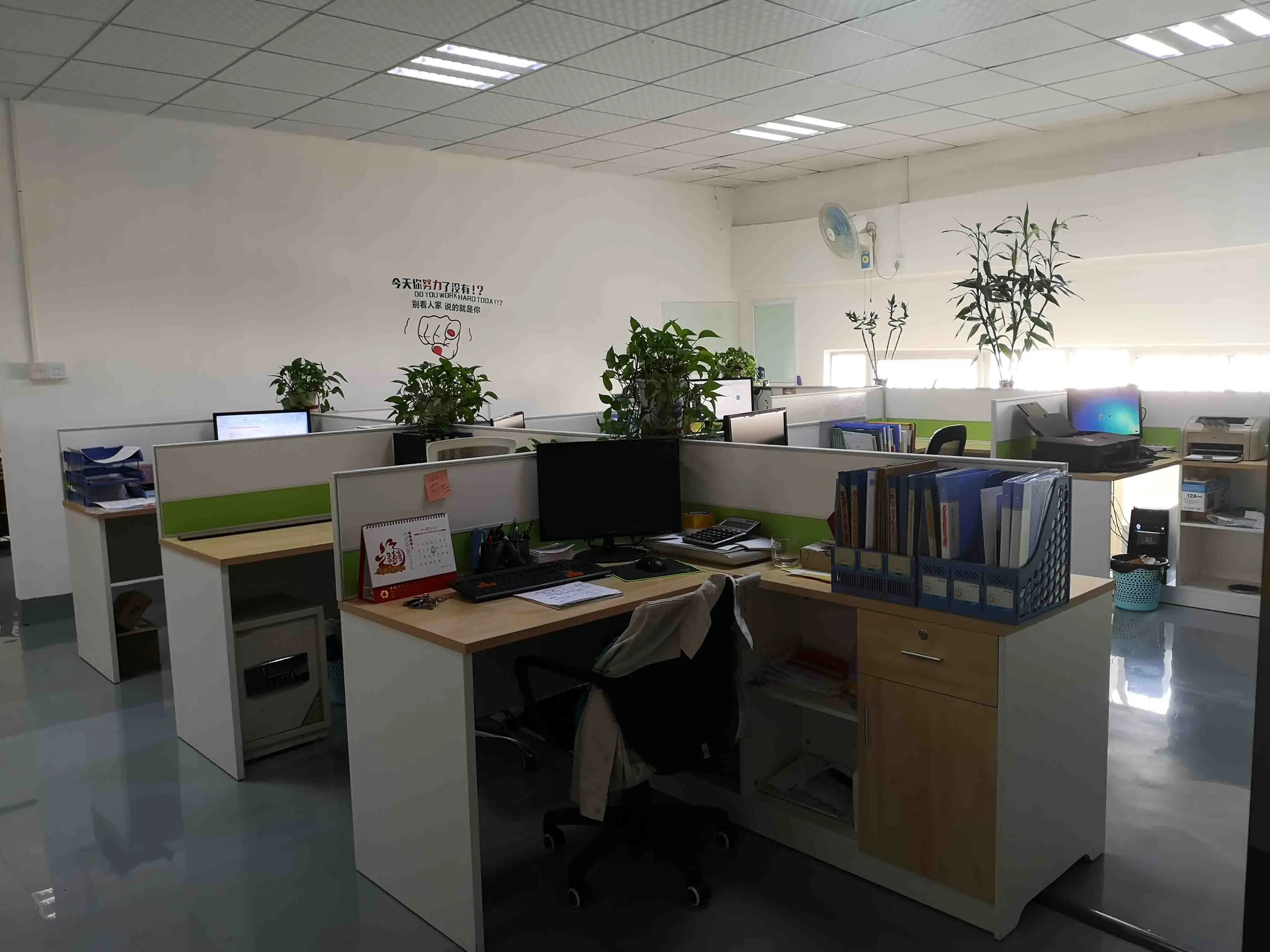
Hangzhou Zheye Garment Accessories Co., Ltd.
- Manufacturer, Trading Company
- Zhejiang, China
- Lead time7 days
- Avg. response≤ 1h
Main productsHang tag,Woven label,Printed label,Ribbon,Paper packaging
Main marketsNorth America(30.0%), Domestic Market(20.0%), Western Europe(12.0%), Southern Europe(10.0%), Eastern Europe(10.0%), Northern Europe(5.0%), Mid East(5.0%), Eastern Asia(2.0%), Southeast Asia(2.0%), South Asia(2.0%), South America(1.0%), Africa(1.0%)

Hangzhou Hongshi Industry and Trade Co., Ltd.
- Verified by TUVRHEINLAND
- Combined
- China Zhejiang
- Lead time15 days
- Avg. response≤ 2h
Main productsPatch Cloth Print Label, Embriodery Badge, Woven Label, Hangtag, Care Label, Leather Badge, Garment Tag, Sticker, 3D TPU Embossed Patch, Rubber Patch
Main marketsEurope
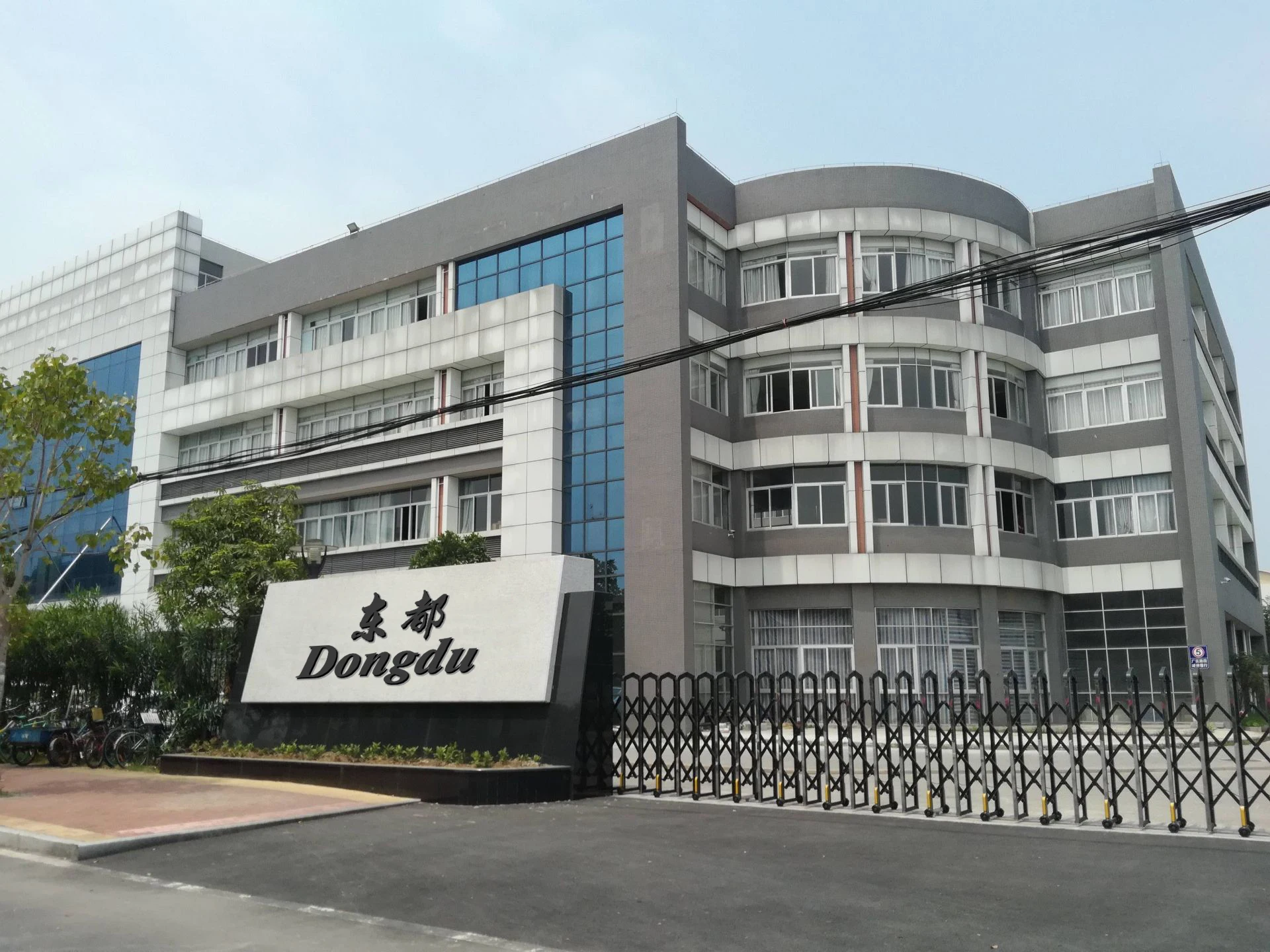
Guangzhou City Haizhu District Dongdu Accessories Firm
- Manufacturer, Trading Company, Distributor/Wholesaler
- Guangdong, China
- Lead time0 days
- Avg. response≤ 2h
Main productsPackaging printing,digital printing,Hot stamping,Computer Embroidery
Main marketsSoutheast Asia(20.0%), Eastern Asia(10.0%), Mid East(10.0%), South Asia(10.0%), Southern Europe(8.0%), Northern Europe(8.0%), Western Europe(8.0%), Eastern Europe(7.000000000000001%), North America(5.0%), Africa(5.0%), Central America(3.0%), Domestic Market(3.0%), South America(2.0%), Oceania(1.0%)

XIAMEN POPTRIMS TEXTILE CO.,LTD.
- Verified by BV
- Trading Company
- China Fujian
- Lead time15 days
- Avg. response≤ 6h
Main productsElastic Webbing, Elastic Suspender, Custom Lanyard, Garment Label, Rubber Patch, Shoelace, Strings & Drawcords, Fancy Satin Grosgrain Ribbon, Jacquard Ribbon, Custom Print Ribbon
Main marketsSouth America,Africa,Southeast Asia/ Mideast,East Asia(Japan/ South Korea),Europe,Australia,North America

Jiangsu Itech Packaging Printing Co., Ltd.
- Verified by BV
- Combined
- China Jiangsu
- Lead time15 days
- Avg. response≤ 6h
Main productsLabel, Adhesive Sticker, Adhesive Roll Label, Multi Layer Label, Adhesive Sheet Label, Reel Label, Printer Ribbon, Die Cut Sticker, Printer, Anti-Counterfeit Sticker
Main marketsAfrica,Southeast Asia/ Mideast

Dongguan Fanyuan Trading Co., Ltd.
- Verified by BV
- Manufacturer/Factory
- China Guangdong
- Lead time23 days
- Avg. response≤ 11h
Main productsWoven Label, Woven Patch, Embroidered Patch, PVC/Silicone Label, 3D PVC Keychains, Hangtags, Stickers, Clothing, Gift Box
Main marketsSouth America,Eastern Europe,Mid East,North America,Southeast Asia,Eastern Asia,Oceania,Western Europe,Africa

Dongguan New Coo Garment Accessories Co., Ltd
- Manufacturer/Factory
- China Guangdong
- Lead time15 days
- Avg. response≤ 6h
Main productsPolyester Button, Plastic Button, Metal Button, Buckle, Metal Label, Leather Label, Hang Tag, Woven Label, Shell Button
Main marketsSouth America,Eastern Europe,Mid East,North America,Southeast Asia,Western Europe

Guangzhou Blf Packing Co., Ltd.
- Verified by TUVRHEINLAND
- Trading Company,Manufacturer/Factory
- China Guangdong
- Lead time15 days
- Avg. response≤ 11h
Main productsPaper Bag, Paper Box, Gift Box, Non Woven Bag, Book, Tag, Sticker, Air Freshener, Cards, Jewelry Box
Main marketsSouth America,Eastern Europe,Mid East,North America,Southeast Asia,Eastern Asia,Oceania,Western Europe,Africa

- Verified by SGS
- Trading Company
- China Jiangsu
- Lead time15 days
- Avg. response≤ 2h
Main marketsDomestic

Guangzhou Bowen Packing Material Co., Ltd
- Verified by TUVRHEINLAND
- Combined
- China Guangdong
- Lead time15 days
- Avg. response≤ 14h
Main productsThermal Transfer Ribbon, Barcode Printer, Self Adhesive Sticker, Hot Coding Foil, Hot Ink Roll, Barcode Foil, Self Adhesive Label
Main marketsDomestic

- Trading Company,Manufacturer/Factory
- China Guangdong
- Lead time15 days
- Avg. response≤ 9h
Main productsCoin, Lapel Pin, Keychain, Lanyard, Medal, Promotional Items, Golf Marker Divot Tool, Badge, Embroidery, Police Badge
Main marketsSouth America,Eastern Europe,Mid East,North America,Southeast Asia,Eastern Asia,Oceania,Western Europe,Africa






Comprehensive Sourcing Guide
Eco-Friendly Printed Cotton Label Supplier Concentration and Factory Types
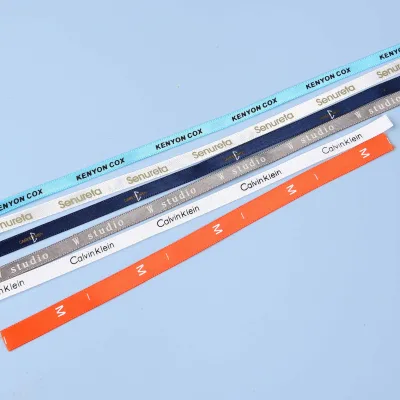
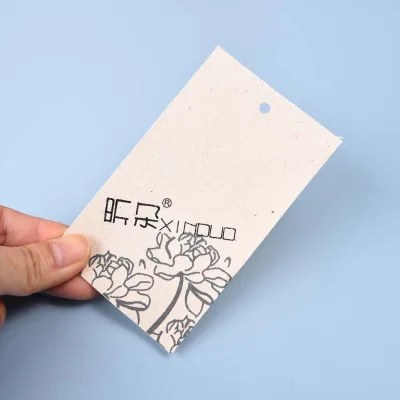
When searching for Eco-Friendly Printed Cotton Label suppliers, buyers will notice that many of the listed companies are located in China, with Guangdong and Zhejiang appearing as common base provinces in current results. Guangdong has a long association with garment trims and accessories manufacturing, and the supplier results tied to that region include a company listing products such as woven patches, woven labels, embroidery patches, hangtags, printing labels and printing patches — a product mix that naturally sits alongside cotton care and neck labels. Zhejiang-based results similarly show suppliers offering woven labels, hang tags, embroidery patches, leather patches, seal tags and printing labels. These concentrations are useful signals: a cluster means competing printers, cotton label converters and trim suppliers sit close to each other, which can shorten sampling rounds and give buyers fallback options if one factory's cotton stock or ink availability fails.
Factory types also differ in ways that matter for this category. Current results show both pure trading companies and combined trading company plus manufacturer/factory structures. A trading company can aggregate labels from multiple printing partners and may respond faster on quotations, while a factory structure gives more direct control over cotton sourcing, ink formulation and finishing such as folding. Buyers should ask each supplier to state which role they play for cotton labels specifically, because a supplier may manufacture woven labels but subcontract printed cotton work. Confirming that split early prevents surprises during production.
How to Verify Eco-Friendly Printed Cotton Label Suppliers
Verification should start with the credentials displayed on each supplier listing and then move to questions the listing cannot answer. In current results, at least one supplier carries TÜV Rheinland verification and another carries Bureau Veritas (BV) verification, and one Zhejiang-linked supplier shows an ISO 9001 system certification. These third-party checks are not the same as product-level eco claims: an ISO 9001 certificate says something about quality management systems, not about whether the inks used on a cotton label meet a specific ecological standard. Buyers should ask suppliers for documentation that ties directly to the label itself, such as ink composition statements or test reports for the printed cotton substrate, and treat any platform verification badge as a starting point rather than proof.
Company type and trading history provide a second verification layer. One Guangdong supplier in the results is structured as a trading company and lists a response time of around 3.27 hours with a lead time of about 23 days, while a Zhejiang supplier shows a response time of roughly 6.34 hours, a lead time near 15 days, and OEM research and development capability. These figures let buyers cross-check claimed responsiveness against measured responsiveness. Buyers should also request references or photographs of completed cotton label orders, confirm whether 100% inspection before packing is performed — as one listed product claims — and verify that customization claims (available across the listed cotton, satin and non-woven label products) extend to eco-friendly ink printing on cotton rather than only to size and color changes.
What to Compare Across Eco-Friendly Printed Cotton Label Suppliers
Build a comparison grid using the attributes that actually appear in supplier listings rather than assuming every supplier publishes every field. Useful dimensions include: location (Guangdong versus Zhejiang in the current results), company type (trading versus trading-plus-factory), verification status (TÜV Rheinland or BV), system certifications (ISO 9001 where shown), average response time, quoted lead time, MOQ, main product range and OEM capability. For example, the current results show cotton label products with MOQs of 100 pieces on one Guangdong listing and 1000 pieces or 1000-piece minimums on Zhejiang listings — a tenfold difference that directly affects how much inventory a small brand must commit. Lead times in the results range from about 15 days to about 23 days at the supplier level, and individual product listings quote sample times of 3–7 days and production of 7–15 days.
Product-level attributes deserve their own columns. The listed cotton labels vary in material (cotton, satin, non-woven), features (waterproof, eco-friendly, washable), shape (folded), and customization scope (logo, size, color, design, packing). Price ranges in the results span roughly $0.001–$0.10 per label depending on product, which suggests that material choice and print method drive cost more than order size alone. Compare quoted prices at the same MOQ, the same material and the same folding style, and note which suppliers offer design support at no charge — one listing states free design according to the buyer's request.
Common Eco-Friendly Printed Cotton Label Sourcing Risks
The most common risk in this category is a gap between the "eco friendly" label claim and the actual ink or cotton certification behind it. Supplier listings in the current results tag products with features such as "Eco-Friendly" and "Waterproof," and one product name references organic material, but feature tags are marketing attributes, not test evidence. If your brand makes on-product environmental claims, you need documentation — ink declarations, substrate composition and, where relevant, recognized ecological certifications — and you should never assume a listing tag satisfies a regulator or retailer. Ask what "eco-friendly" means for that specific print run before committing.
Operational risks follow the label trade's structure. Several suppliers are trading companies, which means the factory doing the cotton printing may be a subcontractor whose quality control you never see; one listing claims 100% inspection before packing, but that claim should be verified with inspection reports or a third-party inspection booking. Small MOQs of 100 pieces are attractive for trials, yet very low minimums can signal short-run digital printing with different wash durability than higher-volume methods — request washed samples. Other risks include folding and cutting tolerance drift on folded shapes, color variation between cotton dye lots, care-label information errors after art changes, and lead time slippage: a listed supplier lead time of 23 days can stretch if cotton stock or specific ink is unavailable. Build these checks into a pre-production approval step rather than discovering them after bulk shipment.
Eco-Friendly Printed Cotton Label Regional Sourcing and Logistics
Regional choice shapes both product mix and logistics. The current supplier results point to Guangdong and Zhejiang as the provinces where listed cotton label suppliers are based. Guangdong's supplier in the results is a trading company with a broad trim portfolio — woven patches, keychains, hangtags, ribbons and printed labels — which suits buyers who want to consolidate multiple trim items with one contact. The Zhejiang supplier combines trading and manufacturing, holds ISO 9001 in the listing, and quotes a shorter supplier-level lead time (about 15 days versus 23), which matters when label production must sync with garment cutting dates. Response-time figures (roughly 3.3 hours versus 6.3 hours) also differ and affect how quickly sampling questions get resolved.
On logistics, printed cotton labels are light, compact and non-hazardous, so freight cost is rarely the deciding factor; schedule risk is. Labels usually must arrive before garment production starts, so align the quoted lead time with your cut date and add buffer for artwork approval and sample courier time. Product listings in the results describe export-oriented packing such as transparent PP bags inside export cartons, and note origins in Dongguan and Hangzhou — useful detail when calculating inland haulage to port. Ask each supplier which port they ship from, whether they support courier samples before bulk, and how they mark cartons so label sizes and folding styles can be identified at receiving without opening every box.
Eco-Friendly Printed Cotton Label Commercial Terms and Order Planning
Commercial terms should be negotiated against the reference points visible in current listings, not assumed. Price ranges for printed cotton, satin and non-woven labels in the results run from roughly $0.001 to $0.30 per piece depending on material and product, with cotton label products clustering between $0.005 and $0.10. MOQs range from 100 pieces on one listing to 1000 pieces on others, so a practical plan is to place a small 100-piece trial where offered, wash-test it, then scale to the volume tier that unlocks better pricing. Confirm what the quoted price includes: one listing states free design and design per the buyer's request, but plate, die or screen charges may still apply on other suppliers and should be itemized.
Order planning should account for the full timeline visible in the data: sample times of 3–7 days, production of 7–15 days on one listing, and supplier-level lead times of 15–23 days. Work backwards from your garment cut date, adding time for artwork revision and shipping. Use platform protections where available — ask whether escrow or trade assurance-style payment coverage applies to your order, since verification badges (TÜV Rheinland, BV) do not by themselves protect payment. Finally, agree on quality control in writing: 100% inspection before packing is claimed on one listing, so specify inspection criteria, approved samples and remedy terms for defective or misprinted labels in the purchase order itself.
Word count check: sections ~226+231+229+227+226+230 ≈ 1369 plus headings — within range.
FAQs
What is the minimum order quantity for printed cotton labels?
The minimum order quantity is 100 pieces for standard custom printed cotton labels. Some suppliers offer a higher threshold of 1000 pieces for specific satin or non-woven variations. Buyers should verify the exact MOQ with the supplier before placing an order to ensure it aligns with their production needs.
How long does production take for custom printed labels?
Production lead times typically range from 7 to 15 days for standard orders. Some suppliers indicate a general lead time of 23 days, while others specify 15 days for specific product lines. Sample preparation usually requires 3 to 7 days before mass production begins.
Are eco-friendly printed cotton labels waterproof?
Yes, many eco-friendly printed cotton labels are designed to be waterproof. These labels often feature additional properties such as being eco-friendly, washable, and durable for use on garments, shoes, and bags. Buyers should confirm specific material treatments with the supplier to ensure suitability for their application.
What certifications do these label suppliers hold?
Suppliers may hold ISO 9001 system certification and verification from TÜV Rheinland or Bureau Veritas. These credentials indicate adherence to quality management standards. Buyers should request current certification documents to verify compliance with their specific sourcing requirements and industry regulations.
Where are these label manufacturers located?
Manufacturers are primarily located in China, specifically in Guangdong and Zhejiang provinces. Dongguan and Hangzhou are common origin cities for these products. Buyers can filter suppliers by these locations to reduce shipping costs and improve logistics efficiency for their orders.
What is the price range for custom printed labels?
Prices for custom printed labels range from $0.001 to $0.10 per piece depending on material and quantity. Satin or non-woven options may cost between $0.005 and $0.30. Buyers should request detailed quotes based on their specific design, size, and order volume to get accurate pricing.