Eco-Friendly Stadium Cup Suppliers and Manufacturers
Compare 28 verified suppliers offering eco friendly stadium cups with varying lead times, response speeds, and certifications like FDA. Review product specs such as PP material and UV printing options before requesting samples to finalize your order; review the available evidence before requesting comparable quotations from suitable candidates.
Suppliers List
- Verified by Intertek
- Trading Company
- Lead time15 days
- Avg. response≤ 3h
Main productsBackpacks, Promotional Gifts, Tote Bags, Drawstring Bags, Waist Bags
Main marketsNorth America(22%), Africa(16%), South America(13%)
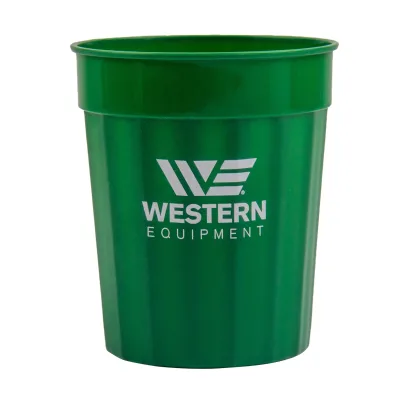
Eco Friendly Reusable 22oz Large Capacity PP Plastic Stadium Cup
Contact supplier
OEM Custom 20oz Reusable Stadium Cups Promotional Plastic Cups
Contact supplier

UNIQUE ROYAL INDUSTRIES LIMITED
- Trading Company
- China Jiangsu
- Lead time23 days
- Avg. response≤ 6h
Main productsPet Tennis Balls Pet Toys, Drink Ware Mugs Bottle Opener, Apparel and T Shirt Apron, Children Toys, Backpack Lunch Bag Tote Pouch, Lanyards Keychain Luggage Strap, Advertising Products, Caps Hats Sunglasses, Kitchen Ware Home Products, Promotional Products
Main marketsEurope,North America
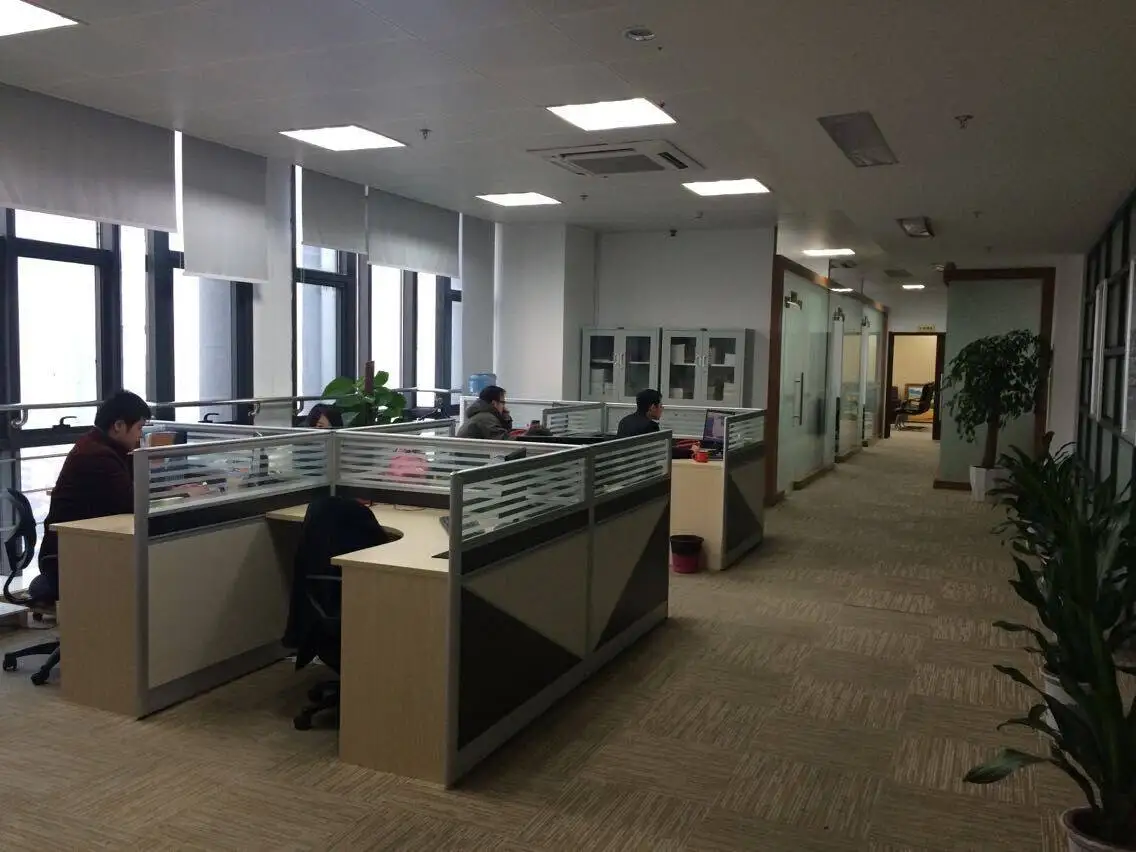
Taizhou Huangyan Enjoy Plastic Co., Ltd.
- Trading Company
- Zhejiang, China
- Lead time15 days
- Avg. response≤ 4h
Main productsPlastic Products
Main marketsNorth America(60.0%), Oceania(20.0%), Western Europe(12.0%), Northern Europe(2.0%), Mid East(2.0%), Eastern Europe(2.0%), Eastern Asia(1.0%), Southeast Asia(1.0%)
- Verified by TüVRheinland
- Trading Company
- Lead time30 days
- Avg. response≤ 7h
Main productsPromotional Office Products, Promotional Gifts, Promotional Bags, Promotional Drinkware, Promotional Apparel And Accessories
Main marketsNorth America(75%), Western Europe(10%), Mid East(5%)
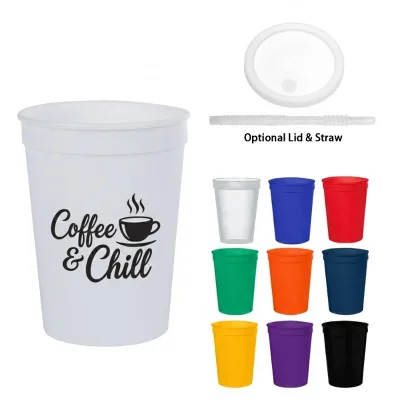
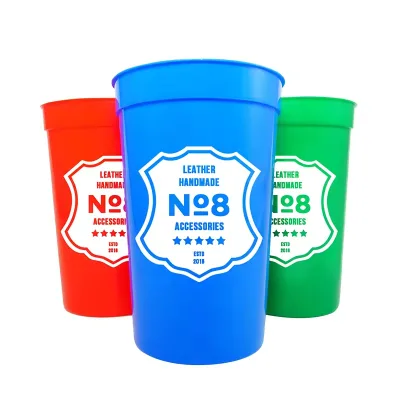
BPA-Free 10oz 16oz 22oz 32oz Plastic Smooth Stadium Cup Disposable Plastic Drinking Cup
$0.13 - $0.15
MOQ: 3 pieces
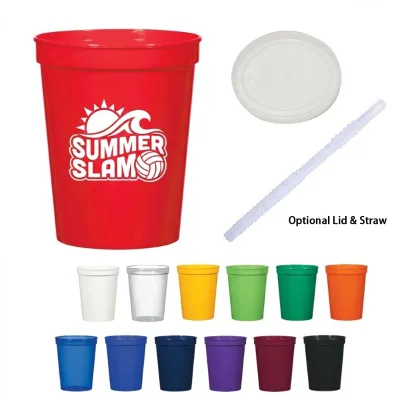
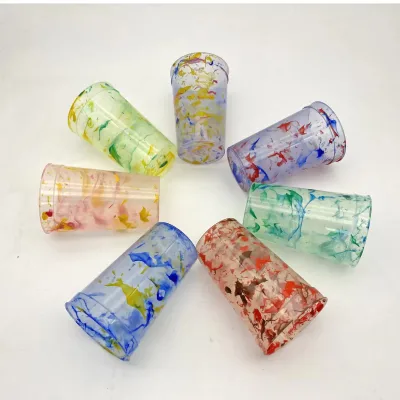
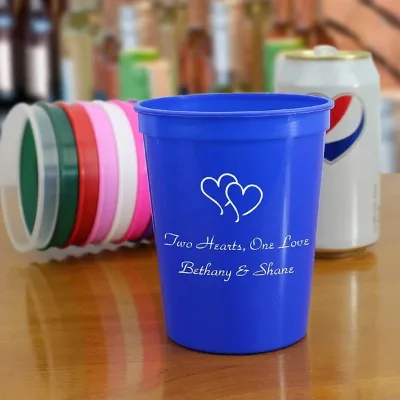
Promotion 12oz 16oz 22oz Plastic Stadium Cup Party Event Cup Full Color with logo
$0.10 - $0.20
MOQ: 100
Wenzhou Guda Technology Co., Ltd.
- Verified by BV
- Combined
- China Zhejiang
- Lead time30 days
- Avg. response≤ 5h
Main marketsEurope

High-Quality Matte Custom Plastic Stadium Cups Free Logo Design Eco-Friendly and Reusable
$0.09 - $0.65
MOQ: 500 Pieces


Customized 16oz Plastic Stadium Cup with Custom Logo Reusable Plastic Stadium Cup
$0.09 - $0.65
MOQ: 500 Pieces

Factory Mass Production and Customization of Stadium Plastic Cups Sizes and Colors Available
$0.09 - $0.65
MOQ: 500 Pieces

Customized High-Quality 16oz Reusable Stadium Plastic Cup with Logo for Promotion
$0.09 - $0.65
MOQ: 500 Pieces
Xuzhou Dawn International Co., Ltd.
- Verified by SGS Group
- Trading Company
- Lead time30 days
- Avg. response≤ 7h
Main productsApparel, Bags, Office & Award, Drinkware, Outdoor & Sports
Main marketsNorth America(75%), South America(5%), Oceania(5%)
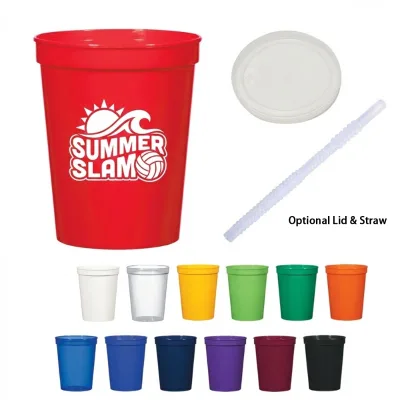
2024 Custom Recyclable 16oz Plastic Lid Straw square Sports Stadium Cup Custom Plastic Stadium Cup
$0.09 - $0.45
MOQ: 200 pieces
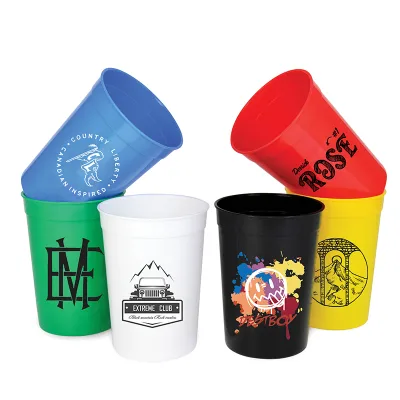
Football Cup Customized Logo Drinking Beer Cup BPA Free 12OZ Promotion Stadium Cups with Custom Logo
$0.09 - $0.45
MOQ: 200 pieces

Sinopromotion Products Co., Ltd.
- Verified by BV
- Trading Company
- China Zhejiang
- Lead time30 days
- Avg. response≤ 8h
Main productsPromotional Pen, Ball Pen, Promotional Gifts, Stationery, Promotional Bag, Stainless Steel Mug, USB Flash
Main marketsSouth America,Africa,Southeast Asia/ Mideast,Europe,North America
Shijiazhuang Persistence Technology Co., Ltd.
- Verified by TüVRheinland
- Trading Company
- Lead time15 days
- Avg. response≤ 2h
Main productsCeramic Mug, Stainless Steel Insulation Cup, Paper Bag, Plastic Bag
Main marketsNorth America(50%), Western Europe(30%), Southeast Asia(10%)
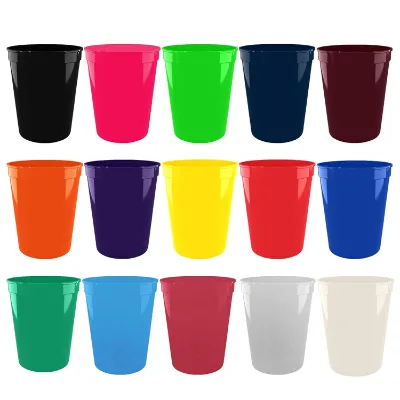
$0.15 - $0.30
MOQ: 1000 pieces
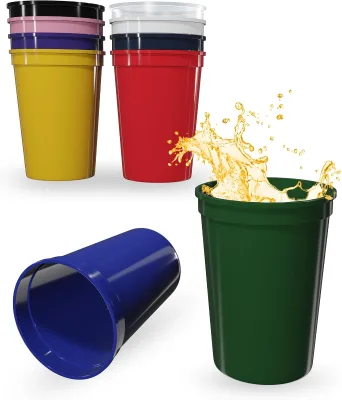
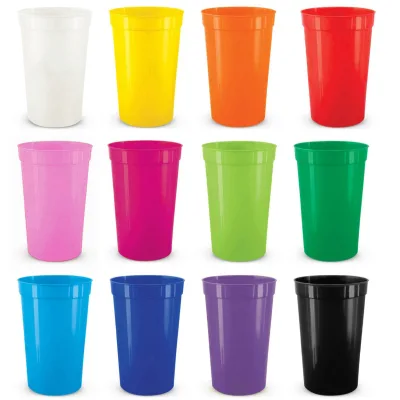
Wholesale BPA Free 8/12/16/22/32oz Stadium Cup Hot Sell Beer Cups Reusable Custom logo Stadium Cup
$0.15 - $0.30
MOQ: 1000 pieces

Wenzhou Guanmin Import and Export Co., Ltd.
- Verified by BV
- Trading Company,Manufacturer/Factory
- China Zhejiang
- Lead time120 days
- Avg. response≤ 6h
Main productsShopping Bag, Cooler Bag, Notebook, Pen, Color Pencil, Lanyard, Beach Ball, Umbrella, Sunshade, Air Freshener
Main marketsSouth America,Eastern Europe,Mid East,North America,Southeast Asia,Eastern Asia,Western Europe

Shanghai Touch Industrial Development Co., Ltd.
- Verified by TUVRHEINLAND
- Combined
- China Shanghai
- Lead time15 days
- Avg. response≤ 5h
Main productsInstant Hot Pack, Hot Cold Pack, Gel Eye Mask, Gel Ice Pack, Gel Bottle Cooler, Instant Ice Pack, Hand Warmer, Heat Pack, Cooling Scarf, Gel Beads
Main marketsSouth America,Others(foreignTradeCapacity.exportBusinessCapacityMarketOther),Southeast Asia/ Mideast,East Asia(Japan/ South Korea),Domestic,Europe,Australia,North America
Shenzhen Gift Joint Promo Co., Ltd.
- Verified by SGS Group
- Trading Company
- Lead time20 days
- Avg. response≤ 2h
Main productsCar Sunshade, Beach Ball, Stress Ball, Letter Opener, Kraft Notebook
Main marketsNorth America(30%), South America(10%), Eastern Europe(10%)
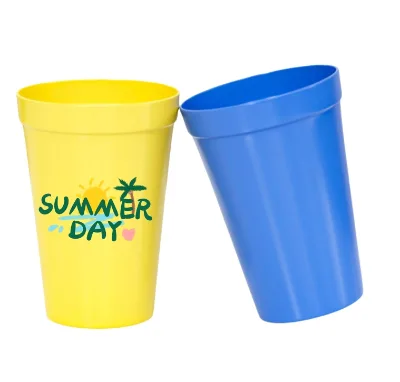
Football Match Event 16 oz Stadium Cups Reusable Plastic Party Cups Stadium Cups with Logo
$0.06 - $0.21
MOQ: 1000 pieces
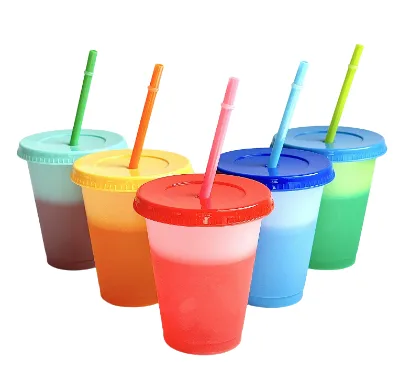
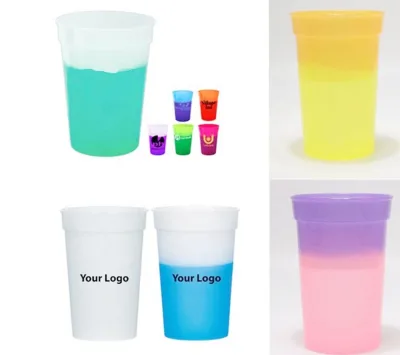
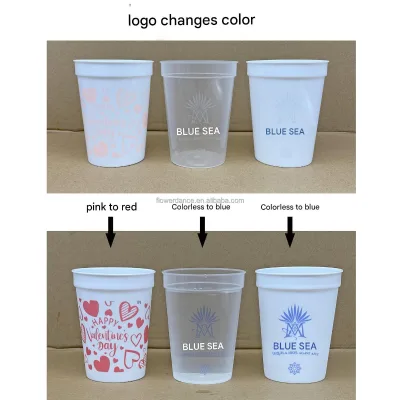
Hot Selling Color Changing Stadium Cups Pink Plastic Stadium Cups With Lids and Straws
$0.30 - $0.50
MOQ: 1000
Wenzhou Qi Hong Imp. & Exp. Co., Ltd.
- Verified by TüVRheinland
- Trading Company
- Lead time15 days
- Avg. response≤ 5h
Main productsBaseball Cap, Shopping Bag, Promotional Gift
Main marketsSouth America(30%), North America(20%), Western Europe(10%)

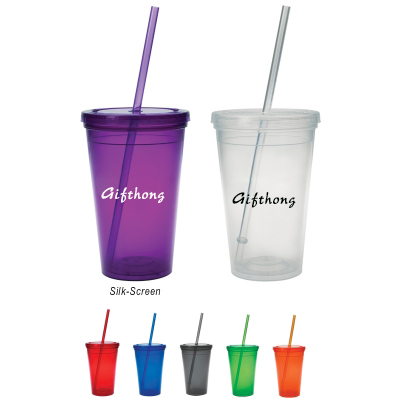
Custom logo Brand Stadium Cup With Straw and Lid Set for Giveaways and Promotional
$0.50 - $0.75
MOQ: 3000 pieces
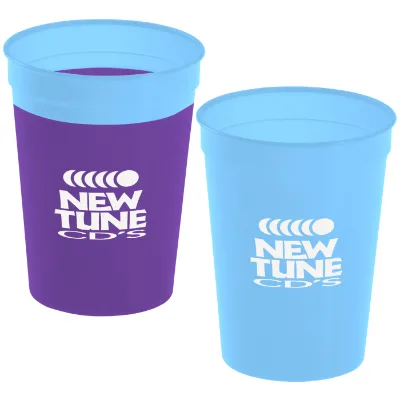
Good Quality Hot Saling Wholesale logo Customized Plastic Color Changing Stadium Cups
$0.08 - $0.30
MOQ: 500 pieces
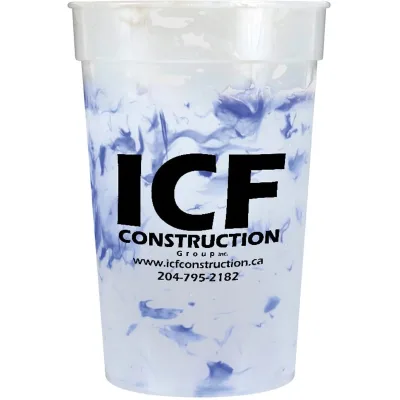
Reusable Custom logo 16oz Stadium Cup With Hot Sell Beer Pong Cups Clear for Promotion
$0.10 - $0.21
MOQ: 3000 pieces
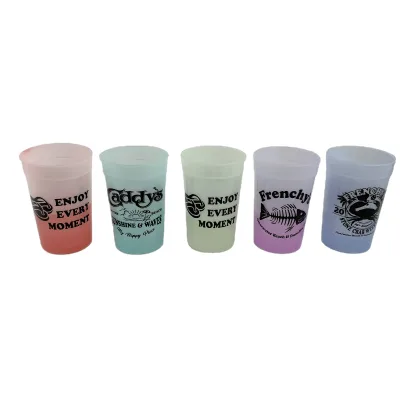
OEM Custom Cheap Price Stadium Cups Plastic Beer Wedding Party Event Cup With Logo
$0.08 - $0.30
MOQ: 500 pieces
Xinxiang Hongqi District Huafeiwu Import And Export Trade Co., Ltd.
- Trading Company
- Henan, China
- Lead time0 days
- Avg. response≤ 3h
Main productsHome decor,Kitchenware,Garden Supplies
Main marketsSoutheast Asia(20.0%), Mid East(20.0%), South Asia(20.0%), Africa(10.0%), Eastern Asia(10.0%), Northern Europe(10.0%), Domestic Market(10.0%)

- Verified by SGS
- Combined
- China Hebei
- Lead time15 days
- Avg. response≤ 5h
Main productsPaper Cups Paper Bags, Aluminum Foil Containers
Main marketsDomestic

Changsha Sofly Industry Co.,Ltd
- Verified by BV
- Trading Company
- China Hunan
- Lead time15 days
- Avg. response≤ 6h
Main productsPower Bank, Digital Luggage Scale, USB Flash Drive, LED Light, LED, Mobile Battery Charger, USB Stick, USB 2.0 USB 3.0, Digital Hanging Portable Scale, Digital Scale
Main marketsEurope


$0.10 - $0.15
MOQ: 5000 Pieces

Promotion Juice Drinking Beer Plastic Cup 12oz 16oz 22oz Reuse Stadium Plastic Cup
$0.10 - $0.18
MOQ: 5000 Pieces


$0.12 - $0.15
MOQ: 5000 Pieces

Jinjiang Jiaxing Import and Export Co., Ltd.
- Verified by CTI
- Manufacturer/Factory
- China Fujian
- Lead time120 days
- Avg. response≤ 1h
Main productsShoes, Slipper, Clothes, Promotion Gifts, Silicone Products, Outdoor Sports Products, Bags, Fashion Accessories, Consumer Electronics
Main marketsSouth America,Eastern Europe,Mid East,North America,Southeast Asia,Eastern Asia,Oceania,Western Europe,Africa
Jiaxing Dashu Plastic Products Co., Ltd.
- Trading Company
- Zhejiang, China
- Lead time0 days
- Avg. response≤ 4h
Main productsplastic household product,plastic pet product,PLA product,plastic cup,plastic container
Main marketsWestern Europe(20.0%), Eastern Europe(20.0%), South America(20.0%), North America(20.0%), Northern Europe(10.0%), Southeast Asia(10.0%)
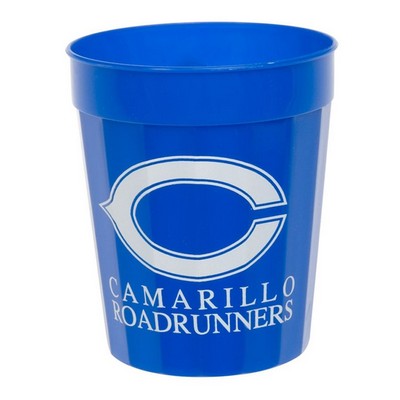
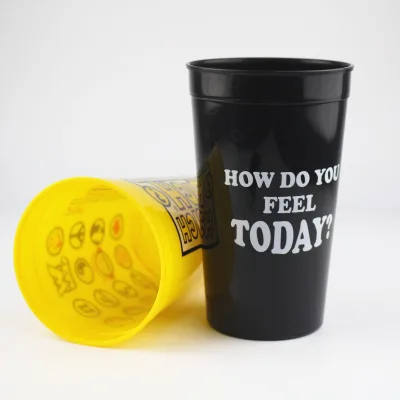
Hight Quality Factory Reusable 8/12/16/20/22/25/32oz Plastic Stadium Cup with Lid
Contact supplier
MOQ: 200
Ningbo Yinzhou Wenhui Paper Co., Ltd.
- Verified by TUVRHEINLAND
- Manufacturer/Factory
- China Zhejiang
- Lead time45 days
- Avg. response≤ 10h
Main productsStationery Gifts Promotional Homeware, Pen, Pet Products, Board Game, Paper Tube, Notebook, Wooden Toys, DIY Toy, Puzzle, Gift Bag
Main marketsSouth America,Eastern Europe,Mid East,North America,Southeast Asia,Eastern Asia,Oceania,Western Europe,Africa


OEM Cheap Price Promotional Custom Plastic Drinking Cup Fluted Stadium Cup
$0.23 - $0.31
MOQ: 1000 Pieces

Shandong Taike Environmental Protection Technology Co., Ltd
- Verified by SGS
- Combined
- China Shandong
- Lead time15 days
- Avg. response≤ 22h
Main productsFood Containers, Toy
Main marketsDomestic
Ningbo Hongwei Plastic Co., Ltd
- Verified by SGS
- Combined
- China Zhejiang
- Lead time23 days
- Avg. response≤ 1h
Main marketsDomestic

- Verified by SGS
- Trading Company
- China Anhui
- Lead time30 days
- Avg. response≤ 3h
Main productsPeper Cup, Plastic Cup, Paper Bowl, Biodegrable Cup, Straw, Paper Bag, Cup Carry Tray, Cup Sleeves
Main marketsSoutheast Asia/ Mideast,Europe,Australia,North America


High Quality Hot Sale Disposable Eco Friendly Biodegradable Cups with Lids
$0.01 - $0.01
MOQ: 50000 Pieces

Event-Specific Compostable Coffee Custom Designed Eco High Quality Cup
$0.01 - $0.01
MOQ: 50000 Pieces

Yiwu Pioneer Trading Co., Ltd.
- Trading Company
- Zhejiang, China
- Lead time7 days
- Avg. response≤ 6h
Main productsplastic cup,plastic kitchenware,plastic houseware,plastic promotion gift
Main marketsWestern Europe(60.0%), North America(9.0%), South America(6.0%), Eastern Europe(5.0%), Southern Europe(3.0%), Northern Europe(3.0%), South Asia(3.0%), Mid East(2.0%), Oceania(2.0%), Africa(2.0%), Southeast Asia(2.0%), Eastern Asia(2.0%), Central America(1.0%)
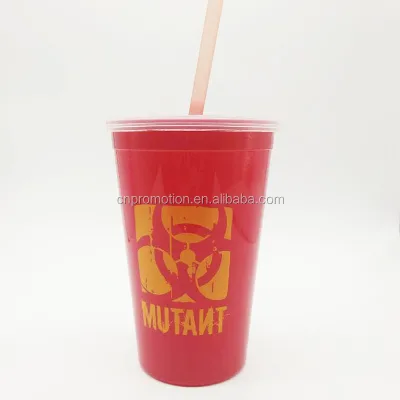
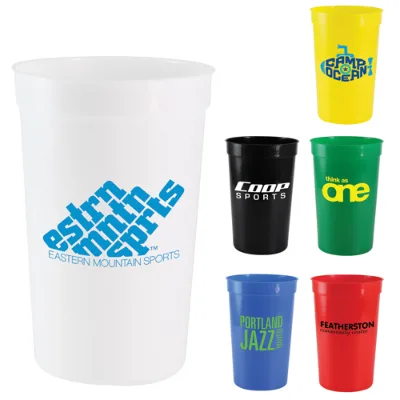
Reusable Plastic Straw Cups Customized Printing Stadium Cup 16oz Stadium Cups for Party Events
$0.18 - $0.27
MOQ: 5000 pieces
Ningbo East Packaging Technology Co., Ltd.
- Verified by BV
- Trading Company
- China Zhejiang
- Lead time23 days
- Avg. response≤ 3h
Main productsDisposable Gloves, Nitrile Gloves, Vinyl Gloves, Latex Gloves, Food Packaging, Disposable Tableware, PPE Products, Packaging & Labels, Flashlights, General Consumer Products
Main marketsDomestic
Shenzhen Small Orders Co., Ltd.
- Manufacturer, Trading Company
- GuangDong, China
- Lead time0 days
- Avg. response≤ 2h
Main productsPromotional Gift,Gift Set,Keychain,Trophies Medals & Plaques,DVD
Main marketsNorth America(20.0%), Western Europe(20.0%), South Asia(10.0%), Africa(10.0%), Southeast Asia(5.0%), South America(5.0%), Northern Europe(5.0%), Central America(5.0%), Eastern Asia(5.0%), Eastern Europe(5.0%), Mid East(5.0%), Oceania(5.0%)

- Verified by SGS
- Trading Company
- China Zhejiang
- Lead time23 days
- Avg. response≤ 3h
Main productsBagasse Tableware, Food Packaging, Biodegradable Container, PLA Cup, Paper Bag, Salad Bowl, Disposable Tableware, Perfume
Main marketsOthers(foreignTradeCapacity.exportBusinessCapacityMarketOther),Southeast Asia/ Mideast
Yiwu Yamai Import And Export Co., Ltd.
- Manufacturer, Trading Company
- zhejiang, China
- Lead time30 days
- Avg. response≤ 3h
Main productsOEM PLASTIC PRODUCT,PLASTIC PROMOTION PRODUCT,VINYL PRODUCT
Main marketsNorthern Europe(30.0%), Eastern Europe(20.0%), Southern Europe(20.0%), Southeast Asia(20.0%), Western Europe(10.0%)

Jinjiang Jiaxing Supply Management Co., Ltd.
- Verified by TUVRHEINLAND
- Trading Company
- China Fujian
- Lead time30 days
- Avg. response≤ 1h
Main productsEVA Clogs, Flip Flop, Shoe Charms, Shopping Bags, Wristbands, Gifts, Promotional Gifts, Slipper, Sport Cap, Ball
Main marketsNorth America

Ningbo Beixuan International Trading Co., Ltd.
- Verified by TUVRHEINLAND
- Manufacturer/Factory
- China Zhejiang
- Lead time15 days
- Avg. response≤ 10h
Main productsPlastic Bottle, Plastic Cup, Plastic Honey Jar, Plastic Food Container, Glass Juice/ Beverage Bottle, Glass Jar, Glass Wine Bottle, Glass Essential Oil Bottles, Cosmetic & Perfume Glass Bottles, Paper Cup
Main marketsSouth America,Eastern Europe,Mid East,North America,Southeast Asia,Eastern Asia,Oceania,Western Europe,Africa










Comprehensive Sourcing Guide
Eco-Friendly Stadium Cup Supplier Concentration and Factory Types
The current supplier landscape for eco friendly stadium cups reveals a mix of trading companies and manufacturers, with a notable concentration of verified entities operating within specific Chinese provinces. Data indicates that suppliers are frequently located in Jiangsu and Zhejiang, regions known for their robust plastic manufacturing infrastructure. These areas often host facilities capable of graphic processing and sample customization, which are critical for producing branded promotional drinkware. When evaluating potential partners, buyers should look for suppliers explicitly stating their location as Jiangsu or Zhejiang to ensure proximity to established supply chains for polypropylene materials.
Factory types vary significantly, with many entities identifying as trading companies that aggregate products from various production lines. These trading firms often specialize in a broad range of items including backpacks, tote bags, and promotional gifts alongside stadium cups. This diversification suggests they may offer bundled sourcing solutions for event organizers needing multiple product types. However, buyers must distinguish between pure manufacturers and trading intermediaries by examining the specific production capabilities listed, such as graphic processing or customized on-demand services. Understanding this distinction helps in assessing whether a supplier can directly control quality or relies on third-party production for the final eco-friendly stadium cup output.
How to Verify Eco-Friendly Stadium Cup Suppliers
Verification is a critical step when sourcing eco friendly stadium cups, as the market contains numerous entities claiming compliance with environmental standards. Buyers should prioritize suppliers who have undergone third-party verification processes, such as those conducted by Intertek, to confirm their business legitimacy and operational stability. While some suppliers list certifications like FDA for their plastic products, it is essential to cross-reference these claims with the specific product attributes provided in the listing. A verified status does not automatically guarantee that every product variant meets the same safety or material standards, so individual product verification remains necessary.
Beyond general company verification, buyers must scrutinize the specific product evidence provided for each stadium cup listing. Key indicators include detailed material specifications, such as the use of PP (polypropylene) plastic, and explicit statements regarding eco-friendly features. Some listings confirm the material is non-disposable and suitable for boiling water, which are strong indicators of durability and safety. Buyers should also check for the presence of specific certifications like FDA on the product attributes page rather than relying solely on the company profile. If a supplier lacks clear evidence of material composition or safety testing, it is advisable to request additional documentation before proceeding with any order.
What to Compare Across Eco-Friendly Stadium Cup Suppliers
When comparing suppliers, buyers should focus on operational metrics such as lead times, minimum order quantities, and response speeds to determine the best fit for their project timeline. Current data shows response times ranging from three to nearly six hours, with lead times varying between fifteen and twenty-three days. These variations can significantly impact the ability to meet event deadlines, making it crucial to select a supplier whose production schedule aligns with the required delivery date. Additionally, minimum order quantities (MOQ) differ, with some suppliers requiring orders as low as one thousand units while others set thresholds at three thousand pieces.
Beyond logistics, buyers must evaluate the customization capabilities and pricing structures offered by different vendors. Some suppliers offer UV printing or full printing options, while others provide heat transfer logo printing, which affects the final aesthetic and cost of the stadium cups. Price ranges also vary, with some listings showing costs as low as $0.11 per unit and others reaching $0.30, depending on the specific model and customization level. Buyers should compare these factors alongside the supplier's main product focus; a company specializing in plastic products may offer better pricing than a general trading company. Ensuring that the selected supplier can meet specific design requirements while maintaining a competitive price point is essential for a successful sourcing outcome.
Common Eco-Friendly Stadium Cup Sourcing Risks
One of the primary risks in sourcing eco friendly stadium cups involves the discrepancy between claimed environmental attributes and actual material composition. While many listings advertise products as eco-friendly, the specific type of plastic used, such as PP, must be verified to ensure it meets the buyer's sustainability criteria. There is a risk that a supplier may use standard plastic without proper recycling content or biodegradable additives, despite marketing claims. Buyers should carefully review the product attributes for explicit mentions of eco-friendly features and avoid assuming that "reusable" automatically equates to "environmentally friendly" without further evidence.
Another significant risk relates to the consistency of quality and the reliability of the supply chain, particularly when dealing with trading companies. Variations in lead times and response speeds can lead to delays that disrupt event planning or marketing campaigns. If a supplier fails to meet the agreed-upon production time of fifteen days or fails to respond within the expected window, the entire order could be jeopardized. Furthermore, the lack of standardized packaging or labeling across different suppliers can lead to confusion during the logistics phase. Buyers must mitigate these risks by establishing clear communication channels and setting strict contractual terms regarding delivery schedules and quality assurance before placing any orders.
Eco-Friendly Stadium Cup Regional Sourcing and Logistics
Regional sourcing plays a pivotal role in determining the efficiency and cost-effectiveness of the supply chain for eco friendly stadium cups. Suppliers located in Jiangsu and Zhejiang offer distinct advantages due to their proximity to major ports and established logistics networks. These regions are hubs for plastic manufacturing, which often translates to faster production cycles and more competitive shipping rates. Buyers should prioritize suppliers based in these provinces to minimize transit times and reduce the overall carbon footprint associated with long-distance shipping. However, if a supplier is located outside these key regions, buyers must verify their logistics capabilities to ensure they can handle international shipping efficiently.
Logistics planning also involves understanding the packaging requirements and weight constraints of the products. Product attributes indicate that single gross weights can vary, with some cups weighing as little as 0.020 kg while others are heavier, affecting the total shipping volume. Buyers need to calculate the total weight and volume of their order to estimate freight costs accurately. Additionally, the packaging details, such as poly bags or OPP bags, must be considered to ensure the products arrive in good condition. Proper logistics planning ensures that the eco friendly stadium cups are delivered safely and on time, preventing damage during transit and avoiding additional costs associated with returns or replacements.
Eco-Friendly Stadium Cup Commercial Terms and Order Planning
Commercial terms for eco friendly stadium cups often include specific requirements regarding sample times and production lead times that buyers must plan for carefully. Current data suggests sample times can be as short as seven days, while production times typically range from fifteen to twenty-three days. Buyers should factor these durations into their overall project timeline to avoid last-minute rushes that could compromise quality or delivery. It is also important to confirm the payment terms and whether the supplier offers escrow services to protect the buyer's financial interests during the transaction. Understanding these commercial terms helps in creating a realistic schedule and budget for the procurement process.
Order planning must also account for the minimum order quantities and customization options available from each supplier. With MOQs ranging from one thousand to three thousand units, buyers need to assess their inventory needs and marketing goals to determine the appropriate order size. Customization options, such as logo printing and color choices, can further influence the order timeline and cost. Buyers should finalize their design specifications early to allow the supplier sufficient time for sample approval and mass production. By aligning commercial terms with a well-structured order plan, buyers can ensure a smooth procurement process and receive high-quality eco friendly stadium cups that meet their specific requirements.
FAQs
What materials are typically used for eco friendly stadium cups?
Most eco friendly stadium cups listed by suppliers are made from polypropylene (PP), a reusable plastic marketed as eco-friendly. Listings commonly offer sizes such as 12oz, 16oz, 20oz, and 22oz, with some versions including lids and straws. Buyers should confirm food-contact compliance, reusability, and any specific material certifications before ordering samples.
What is the typical minimum order quantity for custom stadium cups?
Minimum order quantities vary by supplier and product. Some listings show MOQs of 1,000 pieces for PP stadium cups, while other color-change or specialty cup listings show MOQs of 3,000 pieces. Always confirm the MOQ for your chosen size, color, and printing option, since customization choices can affect the supplier's stated minimum.
How long do production and sampling usually take?
One product listing cites a sample time of 7 days and a production time of 15 days for customized PP stadium cups. Supplier-level lead times in the results range from 15 to 23 days. Treat these as indicative only; confirm current sample and production timelines directly with each supplier before placing an order.
What printing options are available for promotional stadium cups?
Listings in the results reference UV printing, full printing, and heat transfer logo printing on PP stadium cups. Custom logo placement is common for promotional giveaways, welcome gifts, and back-to-school campaigns. Discuss artwork requirements, number of colors, and print durability with suppliers, and request a pre-production sample to verify print quality.
What price ranges should I expect for PP stadium cups?
Listed prices in the results range roughly from $0.11 to $0.15 per piece for one PP stadium cup listing and $0.25 to $0.30 per piece for a color-change 16oz version. Prices depend on size, printing method, order quantity, and material. Request quotations based on your exact specifications and volume to get accurate current pricing.
Where are the stadium cup suppliers located?
The supplier results show locations including Jiangsu and Zhejiang in China, with several products listing China as the place of origin. Zhejiang is a common base for plastic drinkware manufacturers. When shortlisting, check each supplier's stated location, trading or manufacturer status, and shipping options to your destination market.
Do eco friendly stadium cups come with food-safety certifications?
At least one product listing states FDA certification for its PP stadium cup, but not all listings display recognized food-contact certifications. Buyers should verify which certifications apply to their specific order, ask for test reports from recognized bodies, and confirm the material is suitable for the beverages and temperatures intended.
How fast do these suppliers typically respond to inquiries?
Response times shown in the results range from about 3 hours to just under 6 hours for different suppliers, with another listing around 4 hours. Faster response speeds can help when resolving artwork, sampling, or lead-time questions. Consider response time alongside lead time, verification status, and product fit when choosing whom to contact first.