Eco-Friendly Soft Silicone Lip Brush Suppliers and Manufacturers
Compare 28 verified suppliers offering eco friendly soft silicone lip brushes with varying lead times, MOQs, and certifications. Review product attributes like material and origin, then request quotes to finalize your sourcing decision; review the available evidence before requesting comparable quotations from suitable candidates.
Suppliers List
Guangzhou Hanle Cosmetic Products Co., Ltd.
- Manufacturer, Trading Company, Distributor/Wholesaler
- Guangdong, China
- Lead time0 days
- Avg. response≤ 2h
Main productsMakeup Brushes,Makeup Sponges,Cosmetic Puff,Makeup Bags,Makeup blender
Main marketsNorth America(25.0%), Africa(15.0%), Mid East(12.0%), Oceania(10.0%), Western Europe(10.0%), South Asia(5.0%), Eastern Europe(5.0%), Central America(5.0%), Southeast Asia(3.0%), Domestic Market(2.0%), Eastern Asia(2.0%), Southern Europe(2.0%), Northern Europe(2.0%), South America(2.0%)

Wenzhou Liyang Beauty Trade Co., Ltd.
- Verified by BV
- Trading Company
- China Zhejiang
- Lead time23 days
- Avg. response≤ 4h
Main productsHair Brush, Bath Items, Beauty Instruments, Makeup Brushes, Makeup Sponge, Jade Craft, Makeup Mirror, Cotton Pads, Silicone Accessories, False Nails
Main marketsSouth America,Eastern Europe,Mid East,North America,Western Europe
HK CX SILICONE PRODUCTS LIMITED
- Manufacturer, Trading Company
- Hong Kong S.A.R.
- Lead time20 days
- Avg. response≤ 6h
Main productsPet silicone finger brush,Silicone feeding kit,Silicone bib,Pick racket,Silicone plastic mold
Main marketsNorth America(20.0%), Northern Europe(10.0%), South Asia(10.0%), Western Europe(10.0%), Eastern Asia(10.0%), Southern Europe(10.0%), Eastern Europe(10.0%), Central America(5.0%), Oceania(5.0%)

NINGBO AOVEA IMPORT & EXPORT CO., LTD.
- Verified by TUVRHEINLAND
- Trading Company
- China Zhejiang
- Lead time30 days
- Avg. response≤ 6h
Main productsMakeup Brush, Cosmetic Brush, Make up Brush, Cosmetic Bag Case, Makeup Tools, Jade Roller and Gua Sha, Hair Brush, Body Brush, Hair Accessories, Makeup Sponge
Main marketsSouth America,Africa,Southeast Asia/ Mideast,Europe,Australia,North America


Wholesale Amazon Hot Sale Mini Double-Sided Lip Soft Silicone Exfoliating Lip Brush
$0.76 - $0.95
Moq: 100


High Good Quality Silicone Makeup Brush Cleaning Tool Silicone Makeup Cleaning Mat
$0.35 - $0.55
Moq: 100

Chengdu Utop Technology Co., Ltd.
- Verified by SGS
- Trading Company
- China Sichuan
- Lead time15 days
- Avg. response≤ 4h
Main productsPlastic Bottle, Plastic Sprayer Pump, Plastic Tube, Glass Bottle, Aluminum Bottle, Paper Boxes
Main marketsSoutheast Asia/ Mideast,East Asia(Japan/ South Korea),Europe,Australia,North America

Shenzhen Belifa Cosmetic Tools Co., Ltd.
- Manufacturer, Trading Company
- Guangdong, China
- Lead time25 days
- Avg. response≤ 3h
Main productsMakeup Brush,Cosmetic Powder Puff,Makeup Bag,Comb,Mirror
Main marketsDomestic Market(100.0%), Southeast Asia(100.0%), South Asia(100.0%), Eastern Europe(100.0%), South America(100.0%), Southern Europe(100.0%), Northern Europe(100.0%), Central America(100.0%), Mid East(100.0%), Africa(100.0%), North America(70.0%), Western Europe(20.0%), Oceania(8.0%), Eastern Asia(2.0%)

Zhongshan Mingxin Silicone Manufactory
- Verified by SGS
- Combined
- China Guangdong
- Lead time15 days
- Avg. response≤ 5h
Main productsSilicone Kitchenware, Silicone Keypaid, Silicone Bracelet, Silicone Wristband, Silicone Ashtray, Silicone Tube, Silicone Watch, Silicone Rubber, Silicone Sex Doll, Silicone Mold
Main marketsEurope,North America


Makeup Tools- Silicone Woman Facial Cleaning Brush Facial Silicone Face Clean Brush
$0.48 - $0.56
Moq: 1000

Eco-Friendly Beauty Tool Skin Care Exfoliator Silicone Cleansing Face Logo Facial Brush
$0.45 - $0.55
Moq: 1000


Eco-Friendly Tool Skin Deep Cleaning Custom Beauty Care Tools Waterproof Face Brush
$0.45 - $0.55
Moq: 1000
Shenzhen Cormay New Materials Technology Co., Ltd.
- Verified by SGS Group
- Manufacturer, Trading Company
- Lead time30 days
- Avg. response≤ 1h
Main productsMake Up Brush, Microcrystal Fiber, Painting Brush Filament, Toothbrush Filament, Beauty Tools
Main marketsNorth America(40%), Eastern Asia(20%), Southeast Asia(10%)

Yangzhou Muhe Trading Co., Ltd.
- Trading Company
- China Jiangsu
- Lead time15 days
- Avg. response≤ 3h
Main productsHeadband, Bamboo Fiber Scrunchie, Bamboo Cotton Make up Removers Pads, Silk Scrunchie, Hair Claw Clip, Bow Hair Clip, Cellulose Acetate Hair Claw Clip, Fashion Hair Accessories, Flannel Wristband & Headband
Main marketsSoutheast Asia/ Mideast,Europe

Cosmetic Makeup Tool DIY Facial Mask Applicator Brush Soft Silicone Face Mask Brush
$0.13 - $0.21
Moq: 1000


- Verified by SGS
- Trading Company
- China Zhejiang
- Lead time15 days
- Avg. response≤ 16h
Main productsEyelashes, Makeup Brush, Cosmetic Brush, Eyelash Extension, Lipstick, Eyeshadow, Mascara, Nail Sticker, Nail Lamp, Mask
Main marketsEurope,Australia


Soft Silicone Face Wash Brush Makeup Remover Blackhead Cleanser Portable Beauty Tool
$0.23 - $0.50
Moq: 1000

Silicone Octopus Beauty Cleaning Facial Brush Manual Makeup Remover Massage Tool
$0.09 - $0.11
Moq: 9220


Factory Wholesale Silicone Beauty Tools Convenient Wash Bowl Makeup Brush Cleaner
$0.25 - $0.27
Moq: 3700

Shenzhen Glmd Technology Co., Ltd.
- Manufacturer, Trading Company, Distributor/Wholesaler
- Guangdong, China
- Lead time0 days
- Avg. response≤ 4h
Main productsMakeups,Makeup tools,PMU products,skin care,nail care
Main marketsNorth America(42.0%), Northern Europe(19.0%), South America(8.0%), Oceania(8.0%), Southeast Asia(5.0%), Eastern Europe(5.0%), Africa(5.0%), Mid East(3.0%), Southern Europe(2.0%), Western Europe(2.0%), Eastern Asia(1.0%)
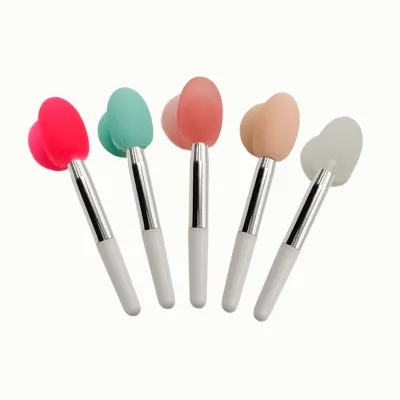
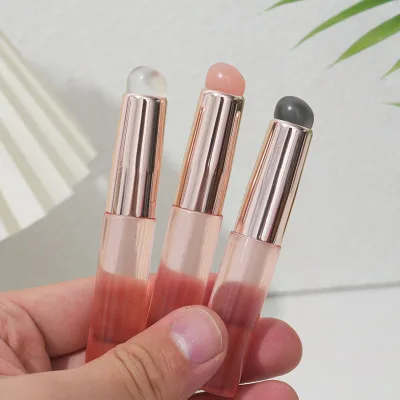
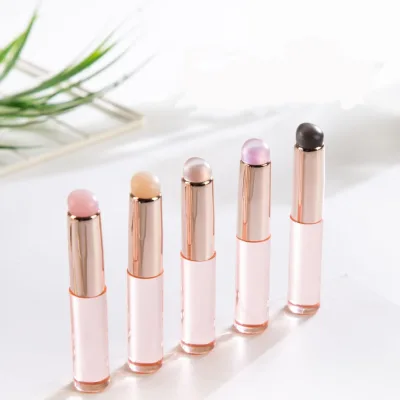
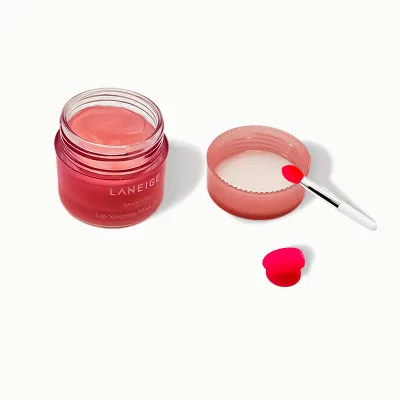
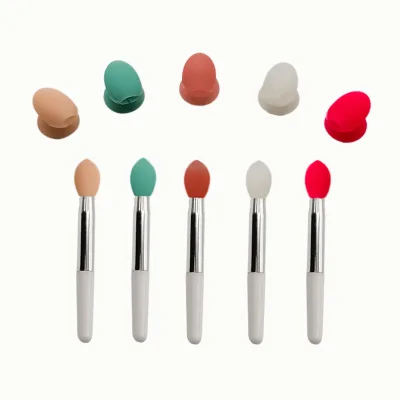
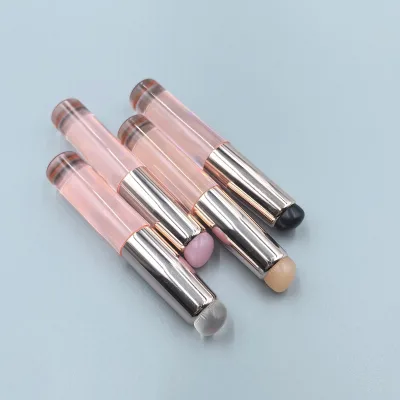
Beauty Cosmetic Brushes Silicone Head Lip Balm Mask Oil Makeup Applicator Tools
$0.20 - $0.30
Moq: 500

Hangzhou Ditong Biotechnology Co.,Ltd.
- Verified by BV
- Trading Company
- China Zhejiang
- Lead time15 days
- Avg. response≤ 10h
Main productsCosmetics, Skin Care Product, Makeup, Perfume, Cosmetics OEM, Makeup OEM, Cosmetic Packaging Design, Beauty Supplies Wholesale, Beauty Instrument, Cosmetic Design Packaging
Main marketsDomestic

Jinjiang Jiaxing Supply Management Co., Ltd.
- Verified by TUVRHEINLAND
- Trading Company
- China Fujian
- Lead time30 days
- Avg. response≤ 1h
Main productsEVA Clogs, Flip Flop, Shoe Charms, Shopping Bags, Wristbands, Gifts, Promotional Gifts, Slipper, Sport Cap, Ball
Main marketsNorth America
Shenzhen Jafon Beauty Co., Ltd.
- Manufacturer, Trading Company
- Guangdong, China
- Lead time15 days
- Avg. response≤ 2h
Main productsMakeup Brushes/Nail Brush,Nail brush,Makeup Tools,nail art brush,Makeup Sponge
Main marketsWestern Europe(40.0%), North America(40.0%), Southern Europe(10.0%), Northern Europe(10.0%)

Ningbo Shinein Import & Export Co., Ltd
- Verified by CTI
- Manufacturer/Factory
- China Zhejiang
- Lead time15 days
- Avg. response≤ 15h
Main productsHair Extensions, Face Jewels, Body Glitter, Tattoos, Braiding Hair, Glitters, Plastic Buttons, Shell Buttons, Nipple Covers, Rhinestone Stickers
Main marketsSouth America,Eastern Europe,Mid East,North America,Southeast Asia,Eastern Asia,Oceania,Western Europe,Africa


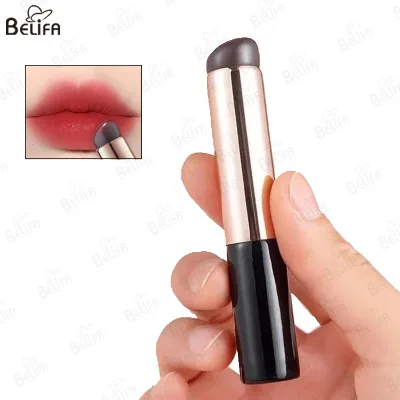
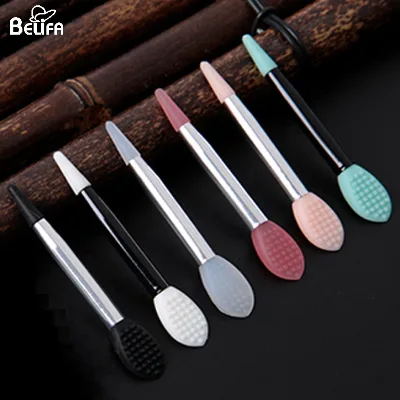
Makeup Beauty Tool Lipstick Brush Round Head Reusable Silicone Lips Applicator Brush
$0.20 - $0.40
Moq: 200


Small Reusable Lipstick Lip Gloss Applicator Wands Mini Silicone Makeup Lip Brush
$0.05 - $0.18
Moq: 500

Wenzhou Boyo Electric Appliance Co., Ltd.
- Verified by BV
- Manufacturer/Factory
- China Zhejiang
- Lead time45 days
- Avg. response≤ 14h
Main productsHair Straightener, Hair Curler, Men's Shaver, Lady Epilator/Rozar, Callus Remover, Hair Dryer, Hair Clipper/Trimmer, Facial Cleansing Brush, Hot Air Brush, Oil Diffuser
Main marketsSouth America,Eastern Europe,Mid East,North America,Southeast Asia,Eastern Asia,Oceania,Western Europe,Africa
- Verified by SGS
- Trading Company
- China Zhejiang
- Lead time15 days
- Avg. response≤ 11h
Main marketsEurope
Foshan Yuli Cosmetic Supplies Co., Ltd.
- Manufacturer, Trading Company
- Lead time旺季: "1 - 1000":15,"> 1000":"To be negotiated", 淡季: "1 - 1000":15,"> 1000":"To be negotiated"
Main productsFan Eyelash, Eyelash Extension, Eyelash Tools, Nail Tools, Makeup Tools
Shenzhen Kingod Silicone Products Co., Ltd
- Verified by TUVRHEINLAND
- Combined
- China Guangdong
- Lead time15 days
- Avg. response≤ 2h
Main productsBaby Set, Baby Products, Baby Goods, Breast Pump, Face Mask, Baby Bottle, Medical Components, Phone Case, Silicone Kitchen Products, Toys
Main marketsNorth America

Guangzhou Gabriel Cosmetic Co., Ltd.
- Manufacturer, Trading Company
- Guangdong, China
- Lead time7 days
- Avg. response≤ 3h
Main productsbeauty makeup,Beauty cosmetics tool,eyeshadow,Lip Gloss,lipstick
Main marketsNorth America(60.0%), Northern Europe(10.0%), South America(10.0%), Mid East(8.0%), Africa(6.0%), Oceania(5.0%), Southeast Asia(1.0%)
- Verified by SGS Group
- Trading Company
- Lead time30 days
- Avg. response≤ 2h
Main productsCosmetic Brush, Powder Puff, Nail Brush
Main marketsEastern Europe(30%), South America(20%), Southeast Asia(20%)
Shenzhen Mermaid Artistry Makeup Co., Ltd.
- Manufacturer, Trading Company
- Guangdong, China
- Lead time20 days
- Avg. response≤ 4h
Main productsMakeup Tools,makeup products,skincare products
Main marketsDomestic Market(30.0%), North America(20.0%), Eastern Asia(20.0%), Africa(15.0%), South America(15.0%)
Hebei Urkunet Trading Co., Ltd.
- Verified by TüVRheinland
- Trading Company
- Lead time20 days
- Avg. response≤ 3h
Main productsMakeup Brush, Shaving Brush, Makeup Bag, Makeup Puff & Beauty Egg, Razor
Main marketsNorth America(53%), Mid East(10%), Western Europe(10%)

Changsha Fusheng Electronic Technology Co., Ltd.
- Trading Company
- China Hunan
- Lead time15 days
- Avg. response≤ 2h
Main productsElectronic Product
Main marketsSoutheast Asia/ Mideast,Europe,North America
Dongguan Achievement Rubber & Plastic Co., Ltd.
- Combined
- China Guangdong
- Lead time23 days
- Avg. response≤ 4h
Main productsSilicone Face Cleanser, Baby Feeder, Silicone Ear Plugs, Silicone Keypad, Silicone Side Cover of Speaker, Silicone Cake Mould, Silicone Oven Gloves, Silicone Utensils, Silicone O Ring, Silicone USB Dust Plug
Main marketsEurope

Dongguan Chengda Rubber and Plastic Co., Ltd
- Verified by SGS
- Trading Company,Manufacturer/Factory
- China Guangdong
- Lead time23 days
- Avg. response≤ 8h
Main productsSilicone Products, Machnie Part, Silicone Gifts, Silicone Bag, Medicial Products, Silicone Bra, Custom Silicone Product, Silicone Toy
Main marketsEastern Europe

- Verified by TUVRHEINLAND
- Combined
- China Guangdong
- Lead time15 days
- Avg. response≤ 4h
Main productsPhone Case, Sex Toy, Silicone Kitchenwares, Sex Doll, Silicone Electronic Accessories, Keychain, Bracelets, Silicone Necklace, Silicone Cup Mat, Silicone Ashtray
Main marketsSoutheast Asia/ Mideast,East Asia(Japan/ South Korea),Europe,North America

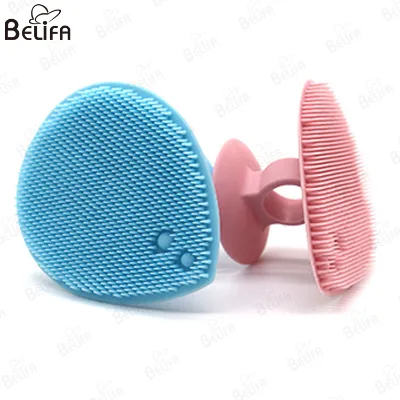
Bowl Shape Wash Pad Cleaner Tool Cosmetic Silicone Facial Makeup Brush Cleaner
$0.40 - $0.45
Moq: 1000

8cm Heart Shape Portable Makeup Scrubber Silicone Makeup Facial Cleaning Brush
$0.32 - $0.38
Moq: 1000

Elephant Shape Multicolor Silicone Wash Pad Makeup Cleaning Tool Cosmetic Brush Cleaner
$1.05 - $1.35
Moq: 1000

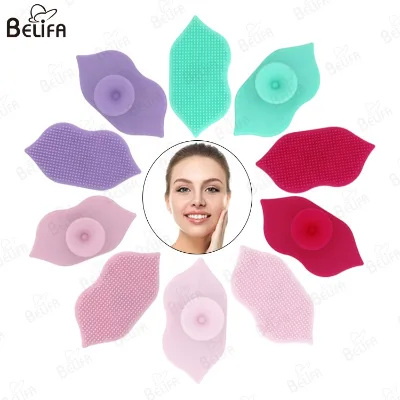
Lip Shape Multifunction Exfoliating Massage Face Shower Cleanser Facial Cleansing Brush
$0.12 - $0.15
Moq: 1000

NanChang Sunflower Silicone Rubber Co. Ltd
- Verified by TUVRHEINLAND
- Trading Company
- China Jiangxi
- Lead time15 days
- Avg. response≤ 4h
Main productsSex Toy, Watch, Phone Case, Kitchenware, Gift
Main marketsOthers(foreignTradeCapacity.exportBusinessCapacityMarketOther)
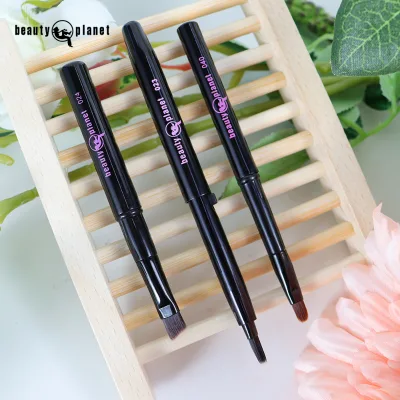


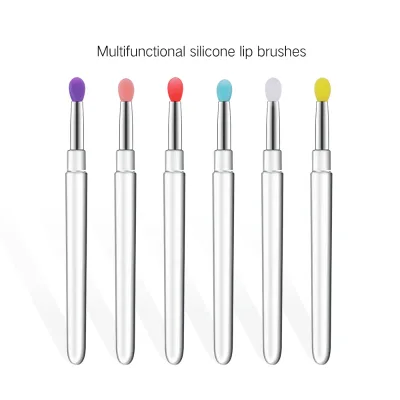
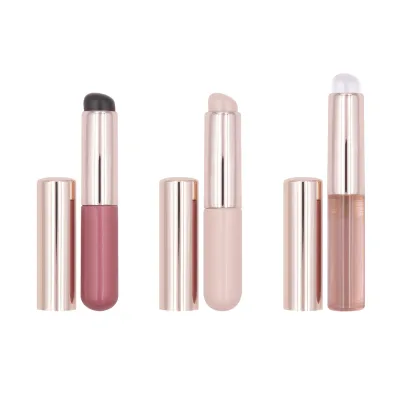


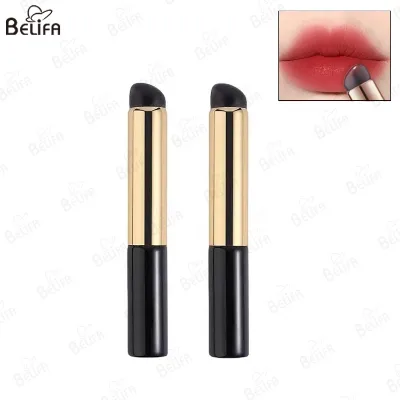






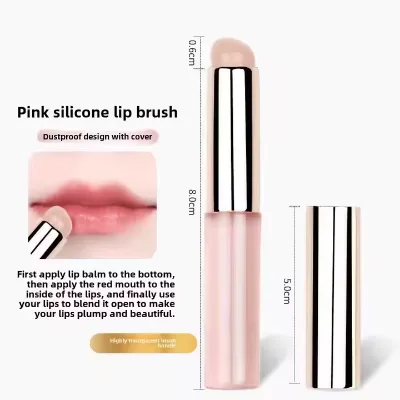
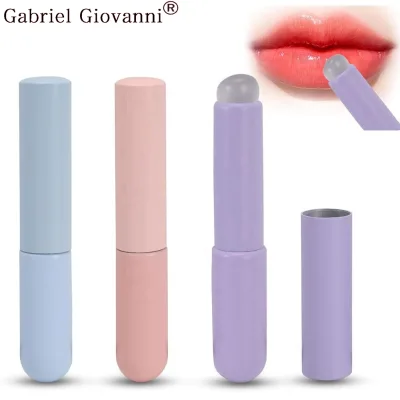
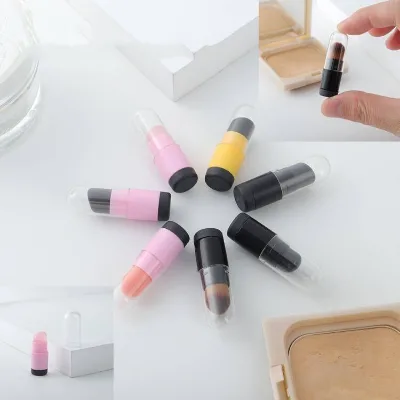
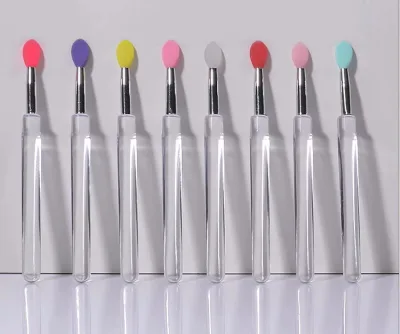


Comprehensive Sourcing Guide
Eco-Friendly Soft Silicone Lip Brush Supplier Concentration and Factory Types
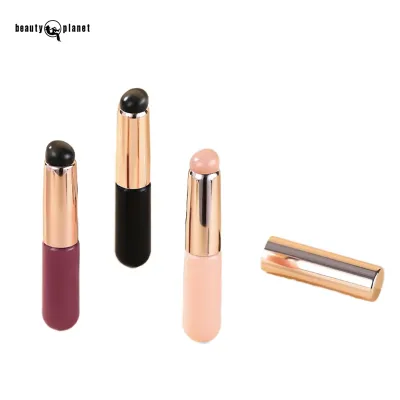
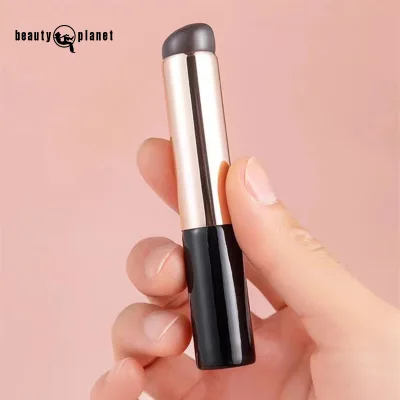
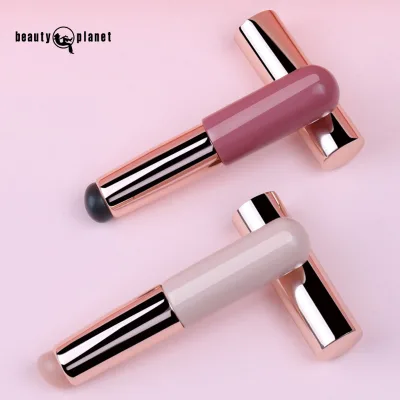
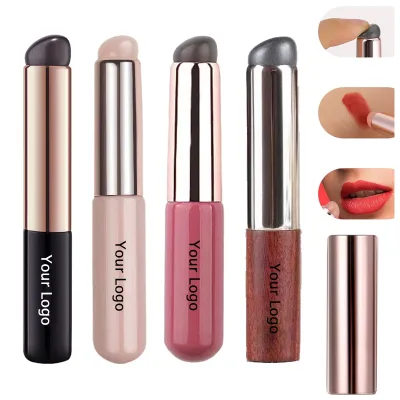
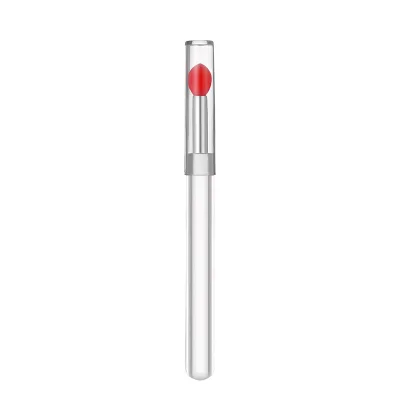
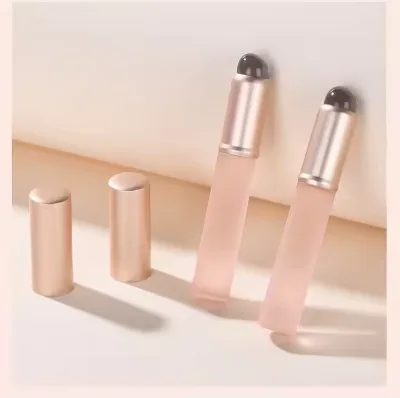
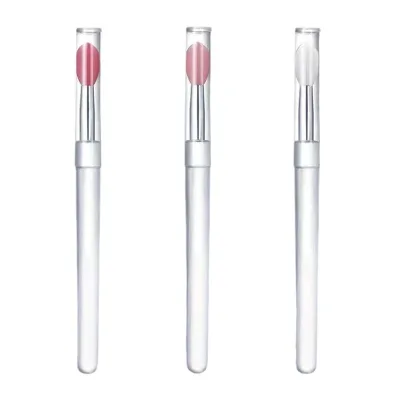
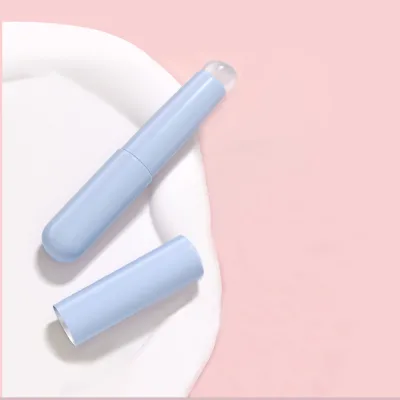
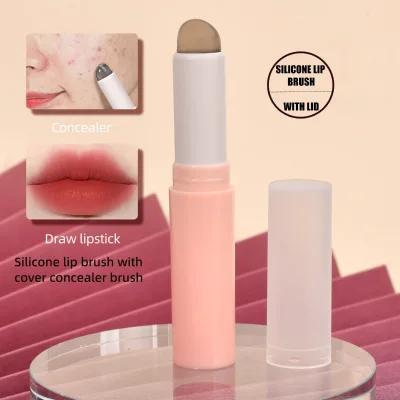
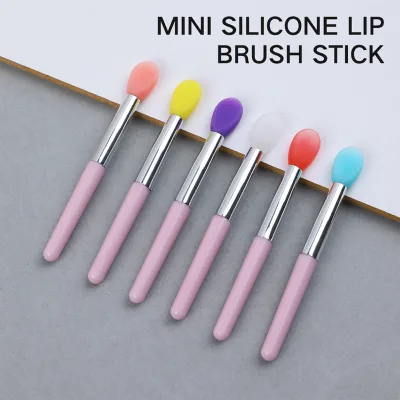
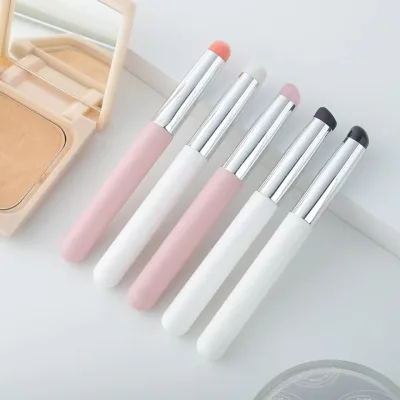
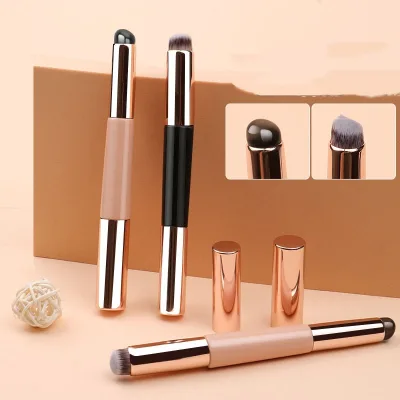
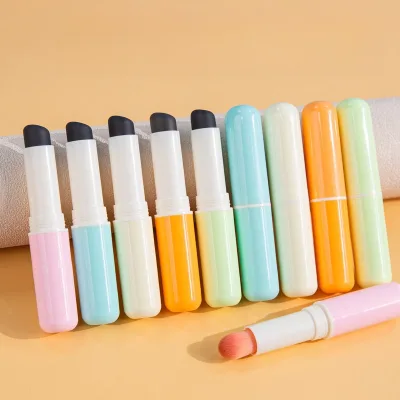
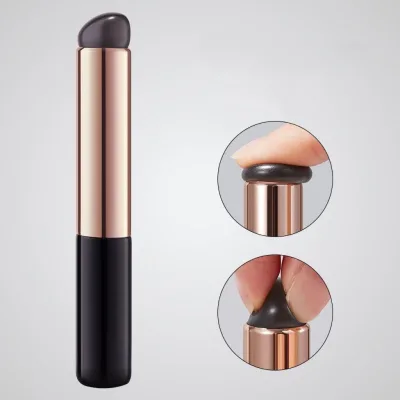
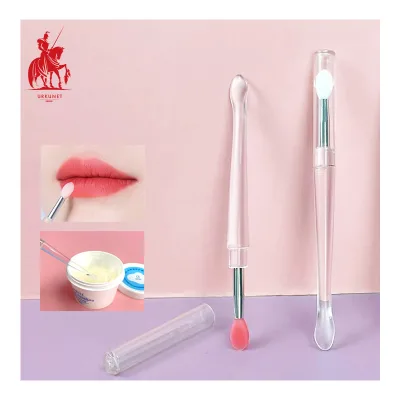
The available data indicates that a significant portion of suppliers offering eco-friendly soft silicone lip brushes are concentrated in Guangdong, China, where manufacturing clusters for beauty tools are well-established. This region hosts a mix of company types, including manufacturers, trading companies, and distributors, allowing buyers to access both direct factory production and broader product portfolios. Some suppliers in this area specialize in specific items like silicone lip brushes with wooden or metal handles, while others offer a wider range of beauty tools such as makeup sponges and cosmetic puffs. The presence of multiple company types suggests that buyers can find partners ranging from pure production facilities to intermediaries that aggregate products from various sources.
In contrast, other regions like Zhejiang, China, also appear in the supplier landscape, though the specific product focus may differ slightly, often including hair brushes and bath items alongside makeup tools. When evaluating these locations, buyers should verify if the supplier is a manufacturer capable of customizing silicone materials or a trading company that sources from multiple factories. The distinction matters because manufacturers often provide more flexibility for custom branding and material selection, whereas trading companies might offer faster access to a broader inventory. Buyers must confirm the actual factory location and type through direct inquiry, as the search results only provide general location data without confirming specific facility ownership or capacity for custom eco-friendly silicone production.
How to Verify Eco-Friendly Soft Silicone Lip Brush Suppliers
Verification begins with checking for recognized system certifications such as BSCI, ISO 9000, ISO 9001, BS 25999-2, and SEDEX, which indicate a commitment to social responsibility and quality management. Some suppliers in the results display these certifications, suggesting they adhere to international standards for labor practices and operational safety. Buyers should request current certification documents directly from the supplier to ensure they are valid and cover the specific production lines for silicone lip brushes. Additionally, third-party verification badges like BV (Bureau Veritas) provide an extra layer of confidence regarding the supplier's business legitimacy and operational history. These credentials are critical when sourcing eco-friendly materials, as they often correlate with stricter environmental and safety protocols.
Beyond certifications, buyers must assess the supplier's response time and lead time to gauge their operational efficiency and reliability. The data shows response times ranging from 2 to 3.59 hours, which can indicate how quickly a supplier engages with potential orders. A faster response time often correlates with better communication channels and a more active sales team. Lead times also vary, with some suppliers indicating a 23-day production window, while others may have different timelines depending on order volume and customization needs. Buyers should ask for a detailed production schedule and confirm if the supplier can meet specific deadlines. Verifying these operational metrics helps ensure that the supplier can deliver consistent quality and timely shipments without unexpected delays.
What to Compare Across Eco-Friendly Soft Silicone Lip Brush Suppliers
When comparing suppliers, the minimum order quantity (MOQ) is a primary factor that significantly impacts order planning and cash flow. The observed data reveals a wide range of MOQs, from as low as 1 set for sample orders to 1500 or 3000 pieces for bulk production. Buyers seeking to test the market or launch a small brand should prioritize suppliers with lower MOQs, while those planning large-scale distribution might negotiate better unit prices with higher volume commitments. It is essential to clarify whether the MOQ applies to the total order value or specific product models, as some suppliers may have different thresholds for custom branding versus standard items. Understanding these thresholds helps buyers align their inventory strategy with their financial capabilities.
Price and material composition are equally critical comparison points, with unit costs varying based on handle material and brush design. The data indicates prices ranging from approximately $0.15 to $0.63 per unit, depending on whether the handle is made of wood, metal, or plastic, and whether the brush features a retractable or fixed design. Buyers should request detailed quotes that break down costs for different handle materials and customization options, such as silk screen printing or private labeling. Additionally, comparing the main products offered by each supplier can reveal their specialization; some focus exclusively on lip brushes, while others offer a broader range of beauty tools. This comparison ensures that buyers select a partner whose product range and pricing structure align with their specific business needs.
Common Eco-Friendly Soft Silicone Lip Brush Sourcing Risks
One significant risk involves the discrepancy between claimed eco-friendly attributes and actual material composition. While many suppliers advertise silicone brushes as eco-friendly, the specific type of silicone and the manufacturing process may vary. Buyers must verify if the silicone is food-grade, non-toxic, and free from harmful additives, as these factors determine the product's safety and environmental impact. Some suppliers list materials like wood handles, which may be sustainable, but the source of the wood and the treatment processes should be confirmed. Without clear evidence of material sourcing and certification, buyers risk receiving products that do not meet their sustainability claims or regulatory requirements in their target markets.
Another risk is the inconsistency in lead times and production capacity, which can disrupt supply chain planning. The data shows lead times that vary significantly, with some suppliers indicating a 23-day production window while others may have different timelines. If a supplier overpromises on delivery dates or lacks the capacity to handle sudden order spikes, it can lead to stockouts and missed sales opportunities. Buyers should assess the supplier's ability to scale production and their history of meeting deadlines. Additionally, the risk of quality inconsistency across batches is a concern, especially when dealing with custom silicone molds. Establishing clear quality control protocols and requesting pre-shipment samples can mitigate these risks and ensure product consistency.
Eco-Friendly Soft Silicone Lip Brush Regional Sourcing and Logistics
Sourcing from Guangdong, China, offers logistical advantages due to its established infrastructure for exporting beauty tools, but buyers must account for regional shipping complexities. The concentration of manufacturers in this region often leads to competitive pricing and faster access to raw materials, yet it also means that many suppliers operate in close proximity, potentially leading to similar lead times and shipping routes. Buyers should evaluate the specific port of loading and the shipping methods available, as these factors influence the total cost and delivery speed. Understanding the logistics network in Guangdong helps buyers plan their inventory replenishment cycles more effectively and anticipate potential delays during peak seasons.
For suppliers located in other regions like Zhejiang, China, logistics may differ, potentially involving different shipping routes or transit times. Buyers should verify the specific shipping terms and whether the supplier offers door-to-door delivery or requires pickup from a local port. The distance from the factory to the port can impact transit times, especially for smaller orders that may not fill a container. Additionally, buyers should consider the impact of regional holidays and customs procedures on delivery schedules. By understanding the logistical nuances of each region, buyers can make informed decisions about which suppliers to partner with based on their specific shipping requirements and timeline constraints.
Eco-Friendly Soft Silicone Lip Brush Commercial Terms and Order Planning
Commercial terms such as payment methods, escrow services, and return policies are vital for securing a safe transaction. While the data does not explicitly confirm escrow availability for all suppliers, buyers should prioritize platforms or suppliers that offer secure payment options to protect their investment. Understanding the payment structure, including deposit requirements and balance payment terms, helps buyers manage their cash flow effectively. Buyers should also clarify the terms for custom branding, such as logo placement and packaging design, to ensure these details are included in the final contract. Clear commercial terms prevent misunderstandings and ensure that both parties are aligned on the expectations for the order.
Order planning requires careful consideration of the MOQ and lead time to avoid overstocking or stockouts. Buyers should calculate the optimal order quantity based on their sales forecasts and the supplier's MOQ constraints. If the MOQ is high, buyers might consider consolidating orders with other products or negotiating a lower threshold for future orders. Additionally, planning for lead times is crucial; buyers should factor in production time, shipping duration, and potential customs delays when scheduling their inventory replenishment. By aligning their order planning with the supplier's capabilities and commercial terms, buyers can maintain a steady supply of eco-friendly soft silicone lip brushes while minimizing financial risks and operational disruptions.
FAQs
What is the minimum order quantity for silicone lip brushes?
Minimum order quantities vary by supplier and product type. Some manufacturers accept orders as low as one set for sampling, while others require bulk purchases of 1500 pieces or more. Buyers should verify the specific MOQ with the supplier before placing an order to ensure it aligns with their inventory needs.
Where are these silicone lip brushes manufactured?
Most silicone lip brushes are manufactured in Guangdong, China. Some suppliers are also located in Zhejiang, China. Buyers can filter results by these specific regions to find manufacturers that match their logistical preferences or sourcing strategies for beauty tools and cosmetic accessories.
What materials are used for the brush handles?
Handle materials vary significantly among suppliers. Options include plastic, wood, and metal. Some products feature a wood handle combined with a silicone head, while others use metal for a luxury feel. Buyers should check the product attributes to select the handle material that best fits their brand aesthetic.
What is the typical price range for these brushes?
Prices for silicone lip brushes generally range from $0.15 to $0.63 per unit. The final cost depends on the material, handle type, and order volume. Buyers can find options starting at $0.44 for silicone brushes and as low as $0.15 for facial cleaning brushes, depending on the supplier.
Do suppliers offer custom logo printing services?
Yes, many suppliers accept customized logos and private labeling. Services include silk screen printing and other graphic design options. Buyers looking for branded products can request these services to enhance their product identity, ensuring the supplier supports the specific customization requirements for their business.
How quickly do suppliers typically respond to inquiries?
Response times vary, with some suppliers responding within two hours and others taking up to 3.59 hours. Buyers seeking fast communication should prioritize suppliers with shorter response times. Checking the response time metric helps ensure efficient negotiation and order processing for time-sensitive sourcing projects.