Eco Friendly Soft Baby Rattle Suppliers and Manufacturers
Compare 32 verified suppliers offering Eco Friendly Soft Baby Rattle products with varying certifications like EnCE and ASTM. Review response times, lead times, and MOQs to select the right factory for your needs; review the available evidence before requesting comparable quotations from suitable candidates.
Suppliers List

Shantou Chenghai Xaqi Toys Industrial Co., Limited
- Verified by BV
- Combined
- China Guangdong
- Lead time23 days
- Avg. response≤ 4h
Main productsRemote Control Car, Educational Toy, Sport Toy, Pretend Play Toys, Remote Contro Toy, Baby Toy, Summer Toy, B/O Toy
Main marketsSoutheast Asia/ Mideast,Domestic,Europe

Yangzhou Better Toys Co., Ltd.
- Trading Company,Manufacturer/Factory
- China Jiangsu
- Lead time45 days
- Avg. response≤ 25h
Main productsPlush Toy, Stuffed Toy, Unstuffed Toy, Plush Toys Animal, Teddy Bear, Hand Puppet, Plush Promotion, Fans Sport Memorabilia
Main marketsSouth America,Eastern Europe,Mid East,North America,Eastern Asia,Oceania,Western Europe

Kingsun Baby Products Co., Ltd.
- Verified by TUVRHEINLAND
- Trading Company,Manufacturer/Factory
- China Guangdong
- Lead time23 days
- Avg. response≤ 5h
Main productsBaby Bottle, Nipple, Pacifier, Breast Pump, Teethers, Baby Water Bottle, Nasal Aspirator, Baby Dinner Set, Baby Products, Feeding Accessories
Main marketsSouth America,Eastern Europe,Mid East,North America,Southeast Asia,Oceania,Western Europe,Africa
- Verified by CTI
- Trading Company
- China Guangdong
- Lead time23 days
- Avg. response≤ 7h
Main marketsSouth America,Africa,Southeast Asia/ Mideast,East Asia(Japan/ South Korea),Domestic,Europe,Australia,North America

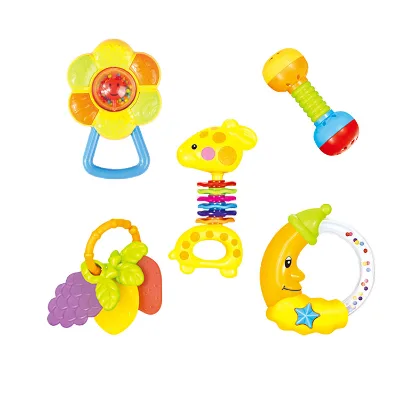
5PCS Eco-Friendly Infant Toy Cartoon Dinosaur Teether Silicone Rattle Baby Soft Toys
$2.76 - $3.03
Moq: 120


Shantou Dadi Plastic Toys Industry Co., Ltd.
- Manufacturer, Trading Company
- Lead time旺季: "1 - 100000":10,"> 100000":"To be negotiated", 淡季: "1 - 100000":10,"> 100000":"To be negotiated"
- Avg. response≤ 5h
Main productsEducational Toys,Water Gun,Baby Toys,Game Toys,Role Play Toys
Shenzhen Jinhengnuo Technology Co., Ltd.
- Manufacturer, Trading Company
- Guangdong, China
- Lead time0 days
- Avg. response≤ 2h
Main productsElectronic components,integrated circuit,semiconductor devices,Electronic module,Active passive components
Main marketsOceania(10.0%), Eastern Europe(10.0%), North America(10.0%), South America(10.0%), Africa(10.0%), Mid East(10.0%), Western Europe(10.0%), Central America(10.0%), Northern Europe(10.0%), Southern Europe(10.0%)
- Manufacturer
- Tianjin, China
- Lead time45 days
- Avg. response≤ 5h
Main productsDrum,Melodica,Accordion,Wind Instrument,Guitar
Main marketsSouth America(50.0%), Domestic Market(25.0%), Africa(25.0%)
Shantou Chenghai Zhuochen Trading Firm
- Verified by SGS Group
- Manufacturer, Trading Company
- Lead time30 days
- Avg. response≤ 3h
Main productsPlay Mat, Baby & Toddler Toys, Educational Toys, Baby Suppliers & Products, Dolls & Doll clothes Accessories
Main marketsNorth America(50%), South America(20%), Western Europe(20%)

Ruijin Baibaole E-Commerce Co., Ltd.
- Verified by BV
- Trading Company
- China Jiangxi
- Lead time15 days
- Avg. response≤ 8h
Main productsToy, Educational Toy, Bubble Toy, Radio Control Toy, Building Block Toy, Children Toy, Plastic Toy, Outdoor Toy, Drawing Toy, DIY Toys
Main marketsNorth America

Dongguan Mayachi Gifts & Toys Co., Ltd.
- Verified by BV
- Combined
- China Guangdong
- Lead time45 days
- Avg. response≤ 4h
Main productsPlush Animals, Pillows/Cushions, Plush Dolls, Baby Toys, Shopping Bags, Plush School Bags, Pencil Bags/Holders, Phone Cases/Holders, Finger/Hand Puppets, Christmas Hat and Stockings
Main marketsDomestic,Europe,Australia,North America
Shantou Xiaobole Plastic Industrial Co., Ltd.
- Trading Company
- Guangdong, China
- Lead time25 days
- Avg. response≤ 4h
Main productsKitchen Toys,Educational Toys,Diecast Toys,Remote Control Toys,Bubble Toys
Main marketsNorth America(27.0%), Eastern Europe(20.0%), Eastern Asia(20.0%), Northern Europe(10.0%), Western Europe(5.0%), Southern Europe(5.0%), Oceania(5.0%), South America(3.0%), Southeast Asia(3.0%), Domestic Market(2.0%)

- Verified by TUVRHEINLAND
- Trading Company
- China Zhejiang
- Lead time15 days
- Avg. response≤ 12h
Main productsWooden Toy, Outdoor Product, Kitchen Item, Personal Care Tool, Painting Set, Disk Rack, Yoga, Garden
Main marketsSouth America,Europe,North America
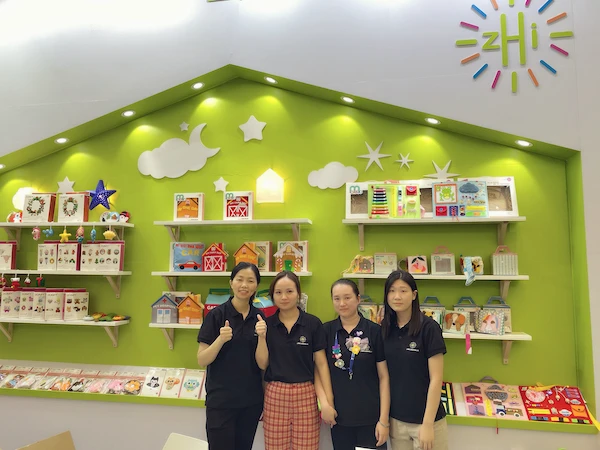
Shanghai Zhizhi Import And Export Co., Ltd.
- Trading Company
- Shanghai, China
- Lead time45 days
- Avg. response≤ 7h
Main productsEducational Toys,Educational Teaching Aids,DIY Crafts,Hair Accessories,Arts and Crafts
Main marketsNorth America(80.0%), Western Europe(15.0%), Domestic Market(5.0%)

Ningbo Yinzhou Wenhui Paper Co., Ltd.
- Verified by TUVRHEINLAND
- Manufacturer/Factory
- China Zhejiang
- Lead time45 days
- Avg. response≤ 9h
Main productsStationery Gifts Promotional Homeware, Pen, Pet Products, Board Game, Paper Tube, Notebook, Wooden Toys, DIY Toy, Puzzle, Gift Bag
Main marketsSouth America,Eastern Europe,Mid East,North America,Southeast Asia,Eastern Asia,Oceania,Western Europe,Africa
Shantou Chenghai Ar Leite Toys Factory
- Manufacturer, Trading Company
- Guangdong, China
- Lead time10 days
- Avg. response≤ 6h
Main productsBABY ITEMS,BABY TOYS,BABY BOUNCER,PLASTIC TOYS,CRAFT ITEMS
Main marketsSouth America(15.0%), Mid East(15.0%), Southeast Asia(10.0%), North America(10.0%), Domestic Market(5.0%), South Asia(5.0%), Southern Europe(5.0%), Northern Europe(5.0%), Central America(5.0%), Western Europe(5.0%), Eastern Asia(5.0%), Eastern Europe(5.0%), Oceania(5.0%), Africa(5.0%)
Jiangxi Hand by Hand E-commerce Co., Ltd
- Verified by TUVRHEINLAND
- Trading Company
- China Jiangxi
- Lead time15 days
- Avg. response≤ 4h
Main productsPlastic Toys, Educational Toys, Baby Toys, RC Toys, Pretend Play Toys, Doll Toys, Robot Toys, Summer Toys, Sport Toys
Main marketsOthers(foreignTradeCapacity.exportBusinessCapacityMarketOther)

Shantou Kaixin Trading Co., Ltd
- Verified by BV
- Manufacturer
- China Guangdong
- Lead time23 days
- Avg. response≤ 6h
Main productsToy, Educational Toy, Remote Control Toy, Pretend Play Toy Set, Summer Toy, Vehicle Toy, Doll, Promotion Toy, Baby Toy, Game Toy


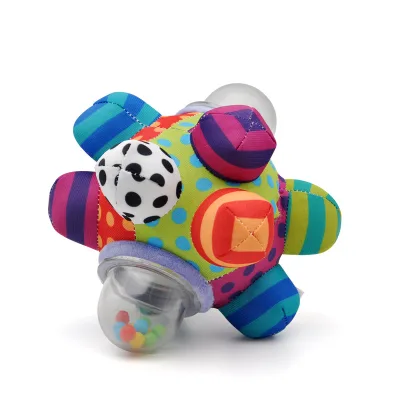
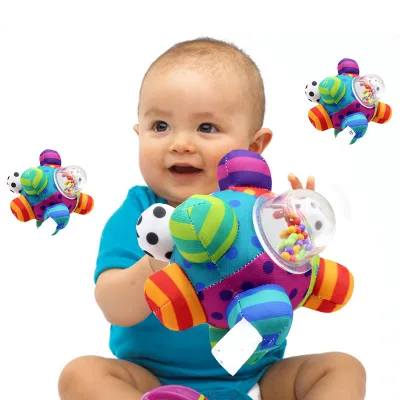
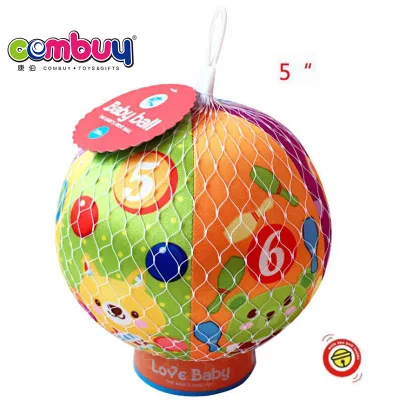
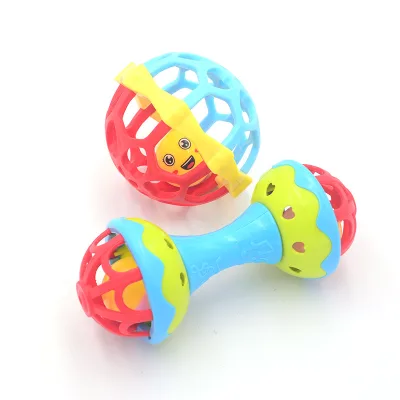
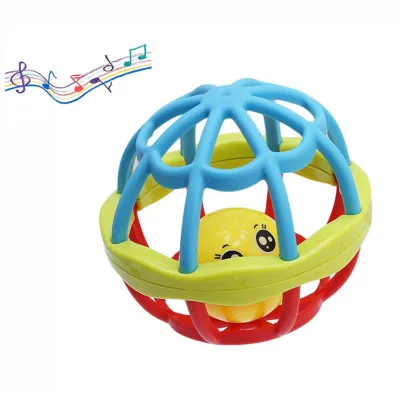
10317282 Infant Shaking Bell Teether Toy Rolling Plastic Soft Baby Rattle Balls
$0.60 - $2.00
Moq: 720


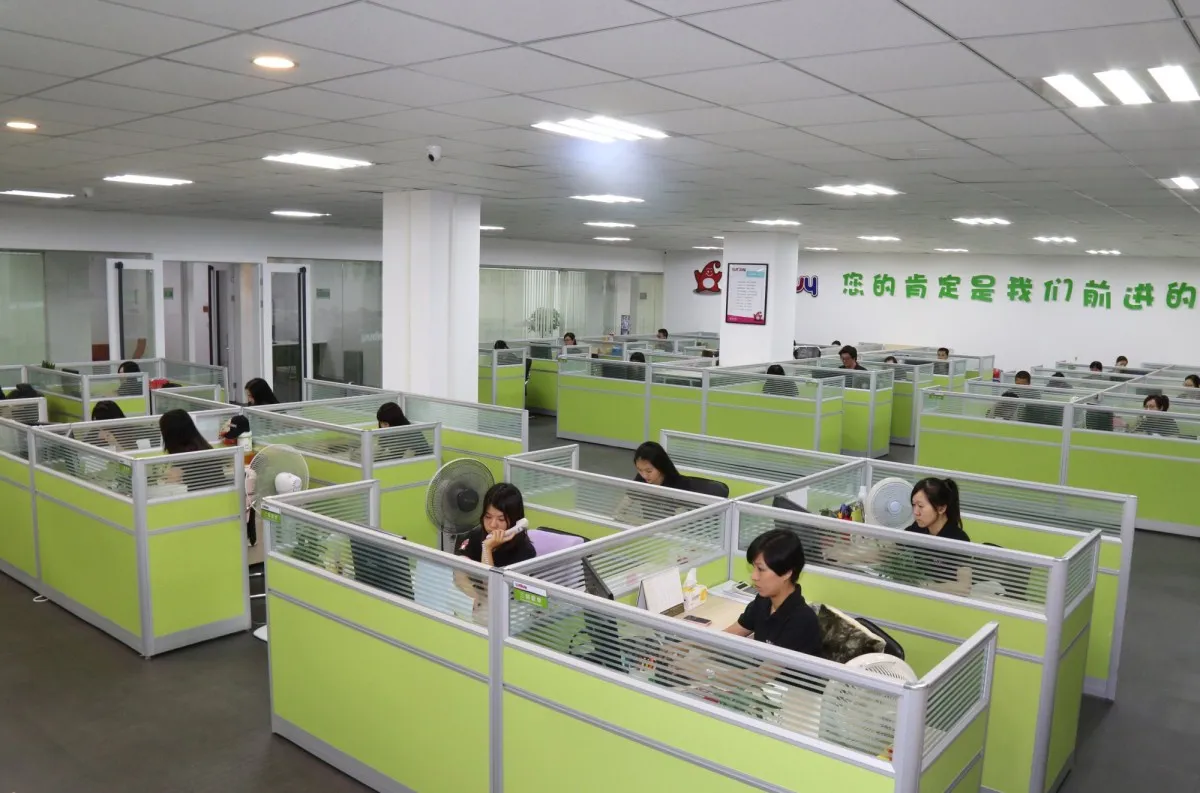
Shantou Combuy Toys&gifts Co., Ltd.
- Trading Company
- Guangdong, China
- Lead time30 days
- Avg. response≤ 4h
Main productsBaby Toys,Summer Toys,Pretend play toys,Educational Toys,RC TOYS
Main marketsNorth America(30.0%), Eastern Europe(20.0%), South America(20.0%), Western Europe(10.0%), Eastern Asia(10.0%), Mid East(10.0%)

- Manufacturer/Factory
- China Henan
- Lead time15 days
- Avg. response≤ 13h
Main productsRibbons and Printed Ribbons, Sticker Label, Hang String Seal /Seal Tags/ Hang Tags String, Cotton Tape, Silicone Products, Nail Files, Lanyard
Main marketsSouth America,Eastern Europe,Mid East,North America,Southeast Asia,Eastern Asia,Oceania,Western Europe,Africa
Suzhou Mygreen Textiles Co., Ltd.
- Verified by Intertek
- Trading Company
- Lead time15 days
Main productsBaby Blanket, Plush Toy, Baby Clothes, Baby Towel
Main marketsNorth America(35%), Eastern Europe(25%), South America(5%)

- Verified by BV
- Trading Company,Manufacturer/Factory
- China Zhejiang
- Lead time15 days
- Avg. response≤ 9h
Main productsCeramic Mug, Kitchen Storage, Water Bottle, Cookware Set, Charger Plates, Shaker Set, Storage Rack, Food Container, Kitchen Accessories, Yiwu Agent
Main marketsSouth America,Eastern Europe,Mid East,North America,Southeast Asia,Eastern Asia,Oceania,Western Europe,Africa
- Trading Company
- Guangdong, China
- Lead time3 days
- Avg. response≤ 7h
Main productsRemote Control Toys, Educational Toys, Building Block Toys, Stress Relief Toys, Outdoor Sports Toys
Main marketsNorth America(25.0%), Western Europe(20.0%), Southeast Asia(10.0%), Eastern Europe(5.0%), Mid East(5.0%), South Asia(5.0%), South America(5.0%), Oceania(5.0%), Southern Europe(5.0%), Eastern Asia(5.0%), Central America(5.0%), Northern Europe(5.0%)

- Verified by CTI
- Trading Company
- China Anhui
- Lead time23 days
- Avg. response≤ 1h
Main productsFurniture, Home Furniture
Main marketsSoutheast Asia/ Mideast

- Verified by BV
- Trading Company
- China Guangdong
- Lead time15 days
- Avg. response≤ 4h
Main productsPlastic Toys, Baby Toys, Educational Toys, Plush Toys, Pretend Play Toys, RC Toys, Doll Toys, Bubble Toys, DIY Toys, B/O Toys
Main marketsSouth America,Southeast Asia/ Mideast,East Asia(Japan/ South Korea),Europe,Australia,North America

Hua Dong Plastic Toys & Electronic Co., Ltd
- Verified by SGS
- Combined
- China Guangdong
- Lead time23 days
- Avg. response≤ 4h
Main productsEducational Toys, Remote Control Cars, Baby Toys, Adult Toys, Plush Toys, Girl Toys, Children Bike, Decoration Toys, Gun Toys, Wooden Toys
Main marketsEurope

Dongguan Dingman Toy And Gift Co., Ltd.
- Verified by TUVRHEINLAND
- Combined
- China Guangdong
- Lead time30 days
- Avg. response≤ 3h
Main productsStuffed Toy, Plush Toy, Stuffed Animal, Play Mat, Soft Book, Cloth Doll, Plush Bag, Pillow, Cloth Masks, Soft Toys
Main marketsOthers(foreignTradeCapacity.exportBusinessCapacityMarketOther),Domestic
Shenzhen Hanchuan Industrial Co., Ltd.
- Verified by Intertek
- Manufacturer, Trading Company
- Lead time3 days
- Avg. response≤ 2h
Main productsSilicone Baby feeding set, Silicone Baby Teether, Baby Toys, Silicone Plate Placement, Silicone Baby Bib
Main marketsNorth America(40%), Western Europe(30%), Eastern Europe(10%)
Shantou Rongheqiang Trade Co. Ltd
- Verified by TüVRheinland
- Trading Company
- Lead time7 days
Main productsToys
Main marketsNorth America(50%), Western Europe(30%), Southeast Asia(10%)
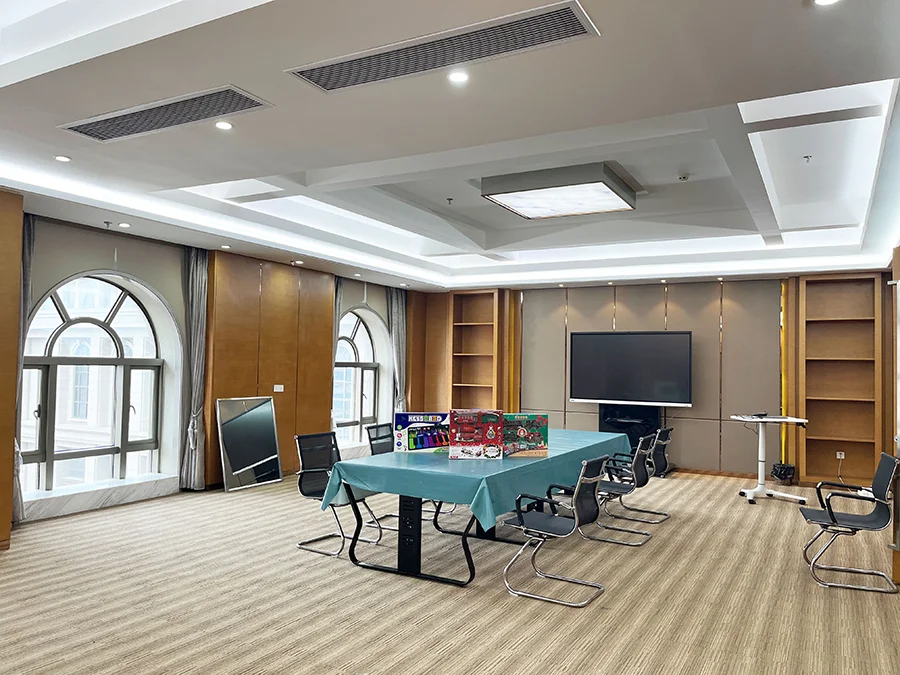
- Manufacturer, Trading Company
- Guangdong, China
- Lead time15 days
- Avg. response≤ 4h
Main productsMagnetic Block, Slot Toys, Baby & Toddler Toys, Educational Toys, Toys
Main marketsDomestic Market(55.00000000000001%), North America(14.000000000000002%), Western Europe(7.000000000000001%), Eastern Europe(7.000000000000001%), South America(5.0%), Oceania(4.0%), South Asia(1.0%), Eastern Asia(1.0%), Southern Europe(1.0%), Central America(1.0%), Northern Europe(1.0%), Africa(1.0%), Mid East(1.0%), Southeast Asia(1.0%)
Shantou Liansheng Toys Co., Ltd.
- Verified by TüVRheinland
- Trading Company
- Lead time15 days
- Avg. response≤ 3h
Main productsMontessori Toys, Play House Toys, Baby Toys, Building Block Toys, Sport Toys
Main marketsEastern Europe(30%), Western Europe(20%), South America(10%)
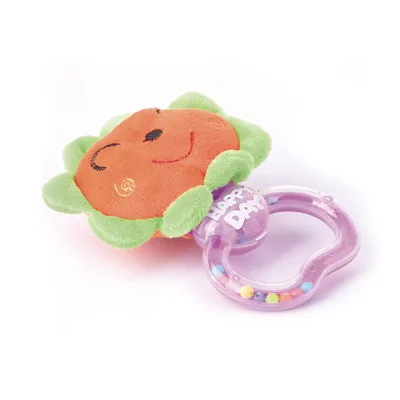
Infant Soft Hand Bell Rocking Sounds Plush Colorful Flower Safety Baby Rattles Toys
$0.60 - $0.62
Moq: 648
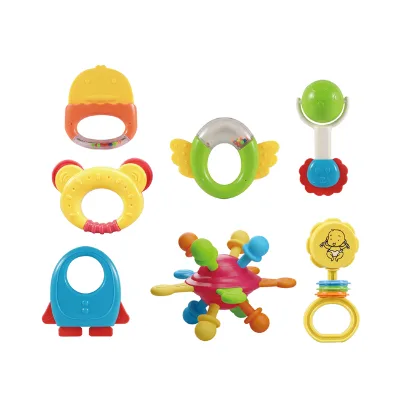
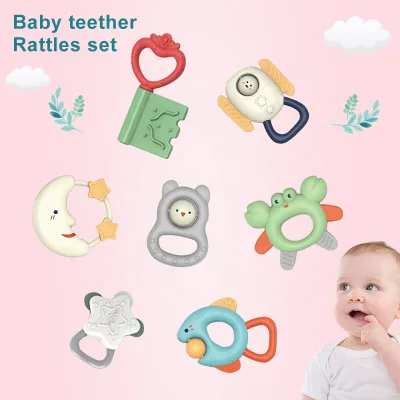
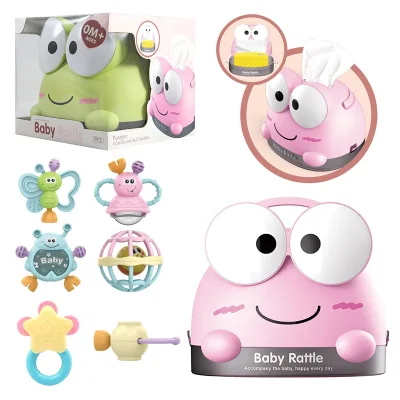
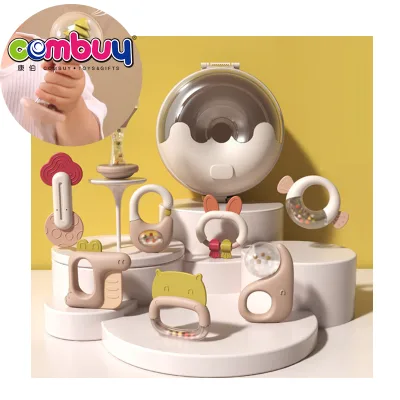
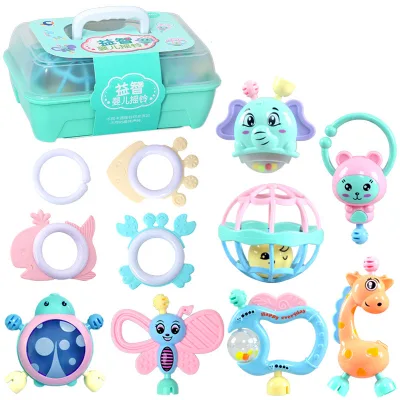
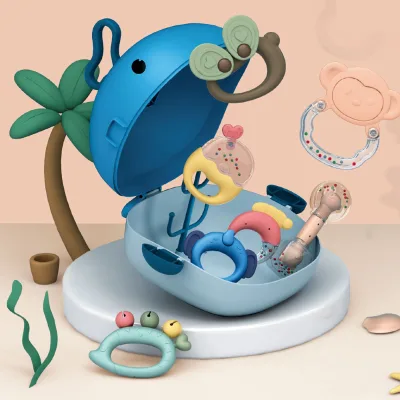
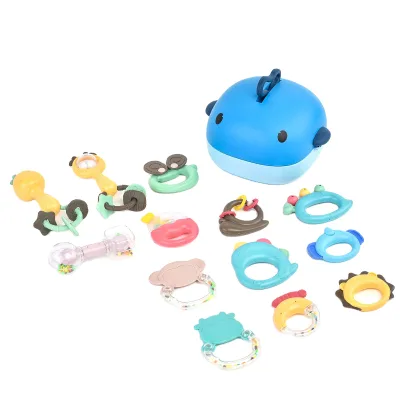
Storage Box 7pcs Baby Rattles Teether Baby Toys Set Shaking Ring Teether Baby Rattle
$2.05 - $2.12
Moq: 216
Dongguan Angna Rubber Plastic Products Co., Ltd.
- Manufacturer, Trading Company
- Guangdong, China
- Lead time15 days
- Avg. response≤ 2h
Main productsBaby Rattle, Baby Teether, Baby Teething Toys, Silicone Teether, Baby Silicone
Main marketsNorth America(30.0%), South America(20.0%), Western Europe(10.0%), Southern Europe(10.0%), Eastern Asia(10.0%), Domestic Market(10.0%), Mid East(10.0%)
Guangdong Chuangfa Plastic Toys Co., Ltd.
- Manufacturer, Trading Company
- Guangdong, China
- Lead time15 days
- Avg. response≤ 19h
Main productsToys
Main marketsDomestic Market(40.0%), Eastern Asia(24.0%), North America(18.0%), South America(6.0%), Mid East(6.0%), Western Europe(3.0%), Eastern Europe(3.0%)


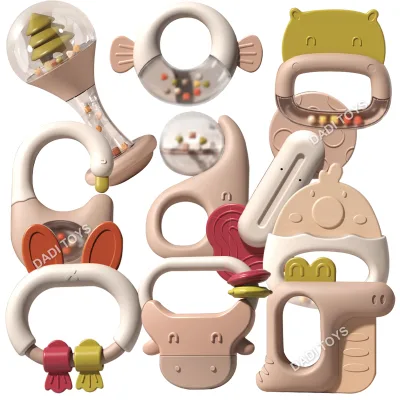
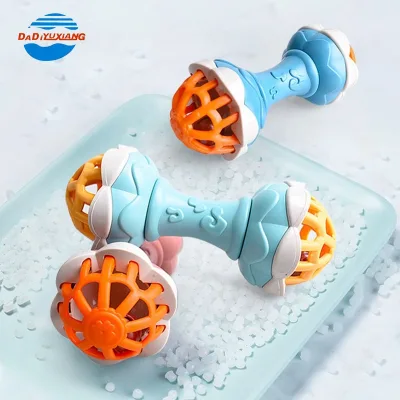


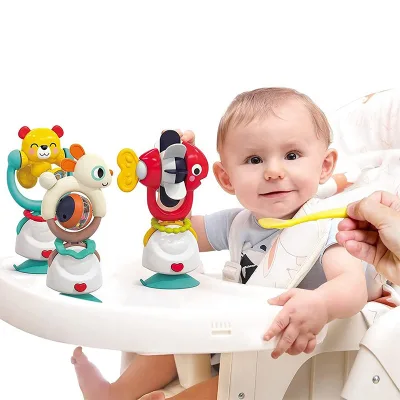
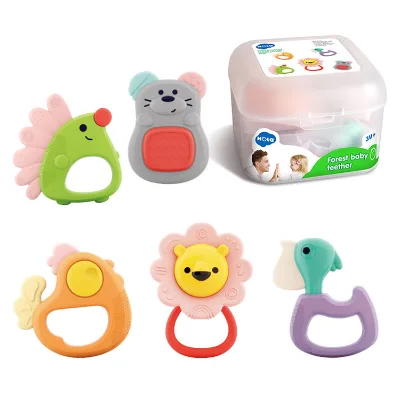


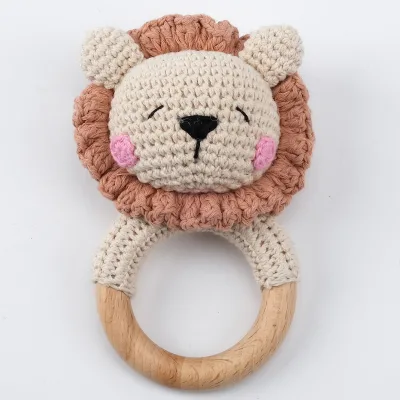
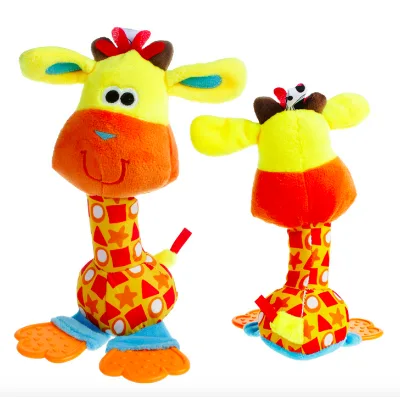










Comprehensive Sourcing Guide
Eco Friendly Soft Baby Rattle Supplier Concentration and Factory Types
Current data indicates a concentration of suppliers in China Guangdong, specifically in Shantou, which is a known hub for toy manufacturing. These facilities often operate as combined entities, offering both OEM and ODM capabilities to meet diverse customization needs. The region specializes in products like plush baby rattles, hanging bells, and educational toys, with many factories producing items for infants aged 0-3 months. Buyers should verify if a supplier's primary location matches this cluster to ensure access to established supply chains and specialized labor.
In contrast, other verified suppliers are located in China Jiangsu, particularly in Yangzhou, where the focus shifts toward plush toys and stuffed animals. These facilities often function as trading companies or manufacturers with broader certifications like BSCI, ISO 9001, and SEDEX. While Guangdong suppliers may offer faster response times, Jiangsu-based factories might provide more extensive safety certifications and larger production capacities for bulk orders. Understanding these distinct regional profiles helps buyers align their sourcing strategy with specific product requirements and compliance standards.
How to Verify Eco Friendly Soft Baby Rattle Suppliers
Verification begins by checking for specific third-party audit badges such as BV, which confirms a supplier's operational legitimacy. Buyers must also scrutinize product-level certifications listed in the data, such as EnCE, EnASTM, CE, EN71, ASTM, CPSIA, and REACH. These standards are critical for baby products, ensuring materials are safe for infants who frequently mouth toys. A supplier claiming eco-friendly status should provide documented proof of these specific safety tests rather than relying on general marketing claims.
Beyond certifications, buyers should assess the supplier's response time and verification status to gauge reliability. Data shows response times varying significantly, with some suppliers responding in under four hours while others take up to 25 hours. A fast response often correlates with active inventory management and efficient communication channels. Additionally, checking for established company types like Combined or Trading Company/Manufacturer helps determine if the supplier has direct control over production quality or relies on intermediaries.
What to Compare Across Eco Friendly Soft Baby Rattle Suppliers
When comparing suppliers, lead time is a primary differentiator, with observed ranges spanning from 23 days to 45 days. Shorter lead times may indicate ready-to-ship inventory or streamlined production lines, while longer durations often reflect custom manufacturing processes. Buyers must align these timelines with their own inventory planning to avoid stockouts. It is essential to confirm if the quoted lead time includes sample approval and mass production, as some suppliers list sample times separately, such as 1-5 days for prototypes.
Minimum Order Quantity (MOQ) and pricing structures also vary widely across the supplier pool. Some suppliers require MOQs as low as 90 units, while others demand 2000 units for specific plush items. Price points can range from under one dollar to over five dollars per unit depending on material complexity and customization levels. Buyers should compare these metrics against their budget and volume requirements, ensuring that the selected supplier offers a price structure that supports their business model without compromising on the required safety certifications or material quality.
Common Eco Friendly Soft Baby Rattle Sourcing Risks
One significant risk involves the discrepancy between claimed eco-friendly materials and actual product composition. While many listings specify plush materials, buyers must verify if the stuffing and external fabrics meet specific environmental and safety standards. Some products list certifications like EnCE or EnASTM, but without direct access to test reports, buyers cannot confirm the absence of harmful chemicals. Relying solely on product descriptions without requesting physical samples or third-party lab results can lead to compliance failures in target markets.
Another risk is the variability in production capacity and consistency across different supplier types. Combined entities and trading companies may outsource production, leading to potential quality control gaps. For instance, a supplier with a 45-day lead time might face delays if raw material shortages occur or if they are managing multiple large orders simultaneously. Buyers should assess the supplier's ability to maintain consistent quality over time, especially when scaling orders from small batches to large volumes, to prevent disruptions in their supply chain.
Eco Friendly Soft Baby Rattle Regional Sourcing and Logistics
Logistics planning must account for the specific origins of the products, such as Shantou in Guangdong or Yangzhou in Jiangsu. These regions have distinct port access and shipping routes that affect transit times and costs. Products originating from Shantou often benefit from proximity to major shipping hubs, potentially reducing freight costs for ocean transport. However, buyers should verify the exact packing standards, such as carton box or double blister card, as these impact the volume per container and overall shipping efficiency.
Customs and import regulations also vary by region, requiring careful attention to the declared origin and certification details. Suppliers in China Jiangsu may have different export documentation processes compared to those in Guangdong. Buyers should ensure that the supplier provides accurate packing lists and certificates of origin to facilitate smooth customs clearance. Additionally, understanding the standard dimensions and volume per cubic meter, such as 0.188 CBM or 0.153 CBM, helps in calculating precise shipping costs and optimizing container utilization.
Eco Friendly Soft Baby Rattle Commercial Terms and Order Planning
Commercial terms often include customization availability, which is a key factor for buyers seeking branded products. Many suppliers offer logo printing or embroidery services, allowing for unique product differentiation. However, buyers must confirm the specific requirements for customization, such as minimum order quantities for branded items and the additional costs involved. Some suppliers list sample times of 1-5 days, which can accelerate the design approval process, but this should be factored into the overall project timeline.
Order planning should also consider the payment terms and escrow options to mitigate financial risks. While specific payment terms are not detailed in the current data, buyers should negotiate clear terms that protect their interests, such as using escrow services for large orders. It is crucial to align the order quantity with the supplier's MOQ to avoid unnecessary costs. Furthermore, buyers should plan for potential lead time extensions by ordering well in advance, especially for products with complex certifications or custom manufacturing requirements.
FAQs
What certifications do the baby rattles have?
Products feature EnCE, CE, EN71, ASTM, CPSIA, REACH, and Nm300 certifications. These standards ensure safety for infants aged zero to three months. Some items also meet specific regional requirements. Verify the exact certification list for your target market before placing orders.
What is the minimum order quantity for these toys?
Minimum order quantities range from 90 to 2000 units depending on the specific product model. Some plush rattles require 600 units, while others need 1200 or 480 units. Bulk orders of 2000 units are available for certain stuffed animal styles. Check the specific MOQ for your selected item.
How long does production take for these items?
Standard lead times vary between 23 and 45 days based on the supplier and product type. Some manufacturers offer a normal lead time of 45 days for custom plush toys. Sample times are typically one to five days. Confirm the exact production schedule with the supplier before finalizing your purchase.
Are customization options available for these baby rattles?
Customization is available for most products including logo printing and embroidery. You can request specific colors, shapes, and sizes to match your brand. Materials like plush are often customizable. Ensure your design requirements align with the supplier's capabilities before confirming the order details.
Where are these baby rattle manufacturers located?
Manufacturers are located in China, specifically in Guangdong and Jiangsu provinces. Some products originate from Shantou, while others come from Yangzhou. These regions are known for toy production. Verify the specific factory location to ensure it meets your logistical and compliance requirements.
What is the price range for these soft rattles?
Prices range from 0.50 to 6.58 US dollars per unit depending on the model and material. Basic plush rattles start at 0.94 dollars, while more complex sets can reach 5.02 dollars. Bulk pricing often applies for larger quantities. Request a detailed quote based on your specific order volume.
What materials are used to make these rattles?
Most products are made from soft plush materials designed for infant safety. Some items feature teether functions and are suitable for babies aged zero to three months. Materials are selected to meet safety standards like EnCE and ASTM. Always verify the specific material composition for your chosen product.