Eco-Friendly Stainless Steel Cocktail Shaker Suppliers and Manufacturers
Source 18 verified suppliers for Eco-Friendly Stainless Steel Cocktail Shaker. Compare dimensions like lead time, MOQ, and certifications from factories in China. Request quotes to secure competitive pricing; review the available evidence before requesting comparable quotations from suitable candidates.
Suppliers List

Eagle Catering Equipment Co., Ltd.
- Manufacturer/Factory
- China Guangdong
- Lead time30 days
- Avg. response≤ 8h
Main productsTrolleys, Gastronorm Containers, Table, Shelves, Sink, Barrier Post, Cookware, Buffetware, Barware, Kitchen Utensils
Main marketsSouth America,Eastern Europe,Mid East,North America,Southeast Asia,Eastern Asia,Oceania,Western Europe,Africa

Xiamen Polaris Innovate Co., Ltd.
- Trading Company
- China Fujian
- Lead time23 days
- Avg. response≤ 4h
Main productsBar Tools, Brewery Point of Sale Materials, LED Bar Decoration, Packaging Materials, Promotional Gifts
Main marketsAfrica,East Asia(Japan/ South Korea),Europe,Australia,North America

Ningbo Artisan Import & Export Co., Ltd.
- Verified by TUVRHEINLAND
- Trading Company
- China Zhejiang
- Lead time30 days
- Avg. response≤ 25h
Main productsMailbox, Shaggy Blanket, Bathrobe, Furniture, Bill Counter, Book Stand, Bamboo Shoes Rack, Bar Tools
Main marketsEurope


Promotional Stainless Steel Perfect Gift Hosts Gatherings Holidays Cocktail Shaker
$19.99 - $28.99
MOQ: 500 Pieces

Wenzhou Guanmin Import and Export Co., Ltd.
- Verified by BV
- Trading Company,Manufacturer/Factory
- China Zhejiang
- Lead time120 days
- Avg. response≤ 6h
Main productsShopping Bag, Cooler Bag, Notebook, Pen, Color Pencil, Lanyard, Beach Ball, Umbrella, Sunshade, Air Freshener
Main marketsSouth America,Eastern Europe,Mid East,North America,Southeast Asia,Eastern Asia,Western Europe

- Verified by BV
- Manufacturer/Factory
- China Fujian
- Lead time15 days
- Avg. response≤ 25h
Main productsWater Bottle, Kitchen Ware, Shoes, Plastic Product, Bag, Toy
Main marketsSouth America,Eastern Europe,Mid East,North America,Southeast Asia,Eastern Asia,Oceania,Western Europe,Africa

Zhejiang Daian Commodity Co., Ltd.
- Verified by TUVRHEINLAND
- Combined
- China Shanghai
- Lead time45 days
- Avg. response≤ 4h
Main productsTumbler, Water Bottle, Stainless Steel Water Bottle, Travel Mug, Coffee Mug, Stainless Steel Tumbler, Mug, Plastic Cup, Barware, Pet Bowl
Main marketsSouth America,East Asia(Japan/ South Korea),Australia,North America

Double Wall Drink Shaker Stainless Steel Martini Alcohol Cocktail Shaker
$3.95 - $4.40
MOQ: 500 pieces


Marchdouble Wall Insulated Premium Drink Shaker Stainless Steel Martini Alcohol Cocktail Shaker
$2.60 - $4.40
MOQ: 500 Pieces

Custom Logo 20oz Double Wall Stainless Steel Shaker Daian Design for Cocktail Lovers
$1.20 - $5.00
MOQ: 300 pieces

Hot Sale 20oz Double Wall Insulated Cocktail Shaker with Custom Logo and Design
$1.20 - $5.00
MOQ: 300 pieces

- Verified by TUVRHEINLAND
- Manufacturer/Factory
- China Zhejiang
- Lead time45 days
- Avg. response≤ 3h
Main productsIce Bucket, Toys, Kitchen Products, Hip Flask, Shaker, Bar Caddy, Menu Board, Bottle Opener, Barwares, Wine Glasses
Main marketsSouth America,Eastern Europe,Mid East,North America,Southeast Asia,Eastern Asia,Oceania,Western Europe,Africa


3PCS Natural Stainless Steel Color Cocktail Shaker for Bartender Mixing Wine
$4.00 - $10.00
MOQ: 1000 Pieces


750ml Natural Stainless Steel Silver Color Bartender Kit Cocktail Shaker Set
$3.00 - $6.00
MOQ: 1000 Pieces


- Verified by SGS
- Manufacturer/Factory
- China Zhejiang
- Lead time38 days
- Avg. response≤ 7h
Main productsBar Mat, Ice Bucket, Cocktail Shaker, Barware, Jigger, Mug, Ss Cup, Bar Spoon, Strainer, Muddler
Main marketsSouth America,Eastern Europe,Mid East,North America,Southeast Asia,Eastern Asia,Oceania,Western Europe,Africa


Custom Japanese Shaker Bar Tools Metal Stainless Steel Drink Cocktail Shaker
$2.00 - $3.00
MOQ: 100 Pieces


Yongkang Heecn Stainless Steel Co., Ltd.
- Manufacturer/Factory
- China Zhejiang
- Lead time45 days
- Avg. response≤ 8h
Main productsMug, Cup, Flask, Bottle, Coffee Mug, Drink Bottle, Camping Mug, Advsing Mug, Gift Mug, Shot Glass
Main marketsSouth America,Eastern Europe,North America,Western Europe

Shanghai Touch Industrial Development Co., Ltd.
- Verified by TUVRHEINLAND
- Combined
- China Shanghai
- Lead time15 days
- Avg. response≤ 5h
Main productsInstant Hot Pack, Hot Cold Pack, Gel Eye Mask, Gel Ice Pack, Gel Bottle Cooler, Instant Ice Pack, Hand Warmer, Heat Pack, Cooling Scarf, Gel Beads
Main marketsSouth America,Others(foreignTradeCapacity.exportBusinessCapacityMarketOther),Southeast Asia/ Mideast,East Asia(Japan/ South Korea),Domestic,Europe,Australia,North America

KKS Enterprises Co., Ltd. Hangzhou
- Verified by SGS
- Manufacturer/Factory
- China Zhejiang
- Lead time23 days
- Avg. response≤ 12h
Main productsBar Runner, Floor Mats, Bar Mats, Logo Mats, Carpet, Promotional Products, Ice Bucket, Dust Control Mats, Bar Tray, Bottle Openers
Main marketsSouth America,Eastern Europe,Mid East,North America,Southeast Asia,Eastern Asia,Oceania,Western Europe,Africa

UNIQUE ROYAL INDUSTRIES LIMITED
- Trading Company
- China Jiangsu
- Lead time23 days
- Avg. response≤ 6h
Main productsPet Tennis Balls Pet Toys, Drink Ware Mugs Bottle Opener, Apparel and T Shirt Apron, Children Toys, Backpack Lunch Bag Tote Pouch, Lanyards Keychain Luggage Strap, Advertising Products, Caps Hats Sunglasses, Kitchen Ware Home Products, Promotional Products
Main marketsEurope,North America

YONGKANG ONWARD INDUSTRY & TRADE CO., LTD.
- Combined
- China Zhejiang
- Lead time30 days
- Avg. response≤ 14h
Main productsWine Rack, Wine Gift, Corkscrew, Bottle Openers, Egg Cutter, Decanter
Main marketsDomestic

- Verified by TUVRHEINLAND
- Trading Company
- China Anhui
- Lead time30 days
- Avg. response≤ 15h
Main productsCoffee Syphon, Coffee Grinder, Coffee Tampers, Coffee Dripper, Iced Brewer, Coffee Mugs, Coffee Pitcher, Tamper Mat, Coffee Mug, Coffee Maker
Main marketsSoutheast Asia/ Mideast,North America


Wholesale Barware 304 Stinless Steel Multiple Colour 750ml Cocktail Shaker
$5.75 - $13.10
MOQ: 12 Pieces


Professional Bar Tools Shaker Pot 304ss Cocktail Shaker Household Commmercial
$3.70 - $4.70
MOQ: 50 Pieces


Jinjiang Jiaxing Import and Export Co., Ltd.
- Verified by CTI
- Manufacturer/Factory
- China Fujian
- Lead time120 days
- Avg. response≤ 1h
Main productsShoes, Slipper, Clothes, Promotion Gifts, Silicone Products, Outdoor Sports Products, Bags, Fashion Accessories, Consumer Electronics
Main marketsSouth America,Eastern Europe,Mid East,North America,Southeast Asia,Eastern Asia,Oceania,Western Europe,Africa
Hangzhou Heqi Trading Technology Co., Ltd.
- Trading Company
- Zhejiang, China
- Lead time90 days
- Avg. response≤ 7h
Main productsshaker sets,Color changing aluminum cup,stainless steel cup,bar mat,beer tower
Main marketsSoutheast Asia(10.0%), South Asia(10.0%), Northern Europe(10.0%), Western Europe(10.0%), South America(10.0%), North America(10.0%), Oceania(5.0%), Africa(5.0%), Domestic Market(5.0%), Southern Europe(5.0%), Central America(5.0%), Eastern Europe(5.0%), Eastern Asia(5.0%), Mid East(5.0%)

Shanghai David International Trade Co., Ltd.
- Verified by TUVRHEINLAND
- Combined
- China Shanghai
- Lead time15 days
- Avg. response≤ 7h
Main productsPromotional Gifts, Gift Sets, Tshirts, Hats, Hot Packs, Hot Cold Packs, Ice Packs, Bags, Umbrellas, Water Bottles
Main marketsSouth America,Africa,Southeast Asia/ Mideast,East Asia(Japan/ South Korea),Domestic,Europe,Australia,North America

Wenzhou Cathylin International Trade Co., Ltd.
- Verified by TUVRHEINLAND
- Trading Company
- China Zhejiang
- Lead time15 days
- Avg. response≤ 14h
Main productsFlatware, Cutlery, Kitchen Tools, Tableware, Cookware, Bakeware, Drinkware
Main marketsNorth America




Comprehensive Sourcing Guide
Eco-Friendly Stainless Steel Cocktail Shaker Supplier Concentration and Factory Types
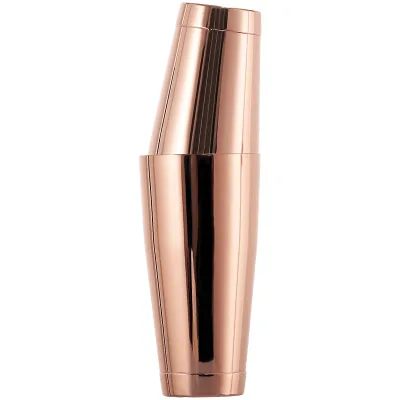
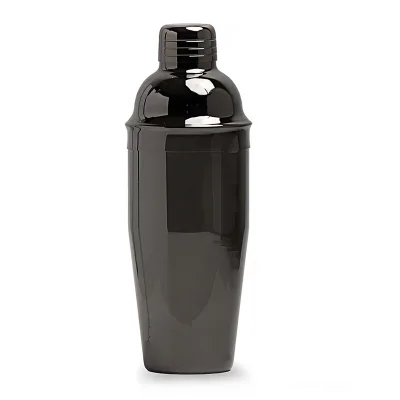
Current data indicates a concentration of manufacturing activity in China, specifically within the Guangdong and Fujian provinces, where suppliers list stainless steel barware as a core product line. Factories in these regions often operate as Manufacturer/Factory entities, offering direct production capabilities for items like the Stainless Steel Eco Cocktail Shaker and Boston Wine Shaker. These facilities typically support OEM and ODM services, allowing buyers to request customizations on material, shape, and surface finishes such as matt, mirror, or plating. The presence of these specific locations suggests a mature supply chain for hotel and catering equipment, though buyers must verify if a specific supplier is a factory or a trading company before assuming direct manufacturing control.
In contrast, some suppliers in the same regions operate as Trading Companies, focusing on sourcing and logistics rather than direct fabrication. These entities may aggregate products from various factories, offering a wider range of styles like retro designs or glass-capped shakers alongside standard stainless steel models. While trading companies can provide faster response times in some cases, they may not offer the same level of control over the production process as a dedicated factory. Buyers should examine the company type listed in supplier profiles to determine if they are dealing with the source of production or an intermediary, as this distinction impacts lead times, customization flexibility, and the ability to conduct on-site factory audits for quality assurance.
How to Verify Eco-Friendly Stainless Steel Cocktail Shaker Suppliers
Verification begins with checking for recognized system certifications that validate the safety and quality of materials used in cocktail shakers. Some suppliers in the results list certifications such as CE, EU, FDA, CIQ, EEC, and LFGB, which are critical for products intended for food and beverage contact. These certifications ensure that the stainless steel or glass components meet international safety standards for heavy metals and chemical leaching. However, not all suppliers display these credentials; some profiles show "NIL" for system certification. Buyers must explicitly request proof of these specific certifications for the exact product model they intend to purchase, rather than accepting a general claim of compliance without documentation.
Beyond certifications, buyers should assess the supplier's verification status and response metrics to gauge reliability. A verified status, such as TUVRHEINLAND, provides an additional layer of confidence regarding the company's business legitimacy and operational stability. Response times vary significantly across the market, with some suppliers responding within 3.25 hours while others may take up to 25 hours. A slow response time can indicate a lack of dedicated sales support or potential communication bottlenecks. Buyers should prioritize suppliers with rapid response times and verified badges, but they must also confirm that the specific product attributes, such as the "Eco Friendly" designation, are backed by material data sheets rather than marketing claims alone.
What to Compare Across Eco-Friendly Stainless Steel Cocktail Shaker Suppliers
When evaluating potential partners, buyers must compare key operational metrics including lead times, minimum order quantities, and price ranges to ensure alignment with their business needs. Lead times in the current data range from 23 to 30 days, which can significantly impact inventory planning and market responsiveness. Minimum order quantities also vary, with some models requiring 500 units while others demand 1000 or even 300 units depending on the complexity of the design and customization options. Price points fluctuate based on material specifications and finishing techniques, with some shakers listed between $2.00 and $6.00, while more complex designs with plating or glass components can reach $13.00 to $14.00 per unit.
In addition to cost and volume, buyers should compare the specific product attributes and customization capabilities offered by each supplier. Some manufacturers provide detailed specifications for models like the BR5504 or PPL-BSC005, including material grades, surface finishes, and packing methods like export cartons or gift boxes. The availability of customization is a crucial differentiator, as some suppliers allow for logo engraving, color changes, and capacity adjustments, while others may have rigid standard offerings. Buyers should create a comparison matrix that lists these attributes side-by-side to identify which suppliers can meet their specific design requirements without compromising on quality or delivery schedules, ensuring the final product matches the intended brand identity.
Common Eco-Friendly Stainless Steel Cocktail Shaker Sourcing Risks
One significant risk involves the discrepancy between marketing claims and actual material composition, particularly regarding the "eco-friendly" label. While some products are explicitly described as stainless steel, others may incorporate glass or mixed materials that require different handling and recycling considerations. Buyers must verify the exact material composition listed in the product attributes, such as "Stainless Steel," "Glass," or "Metal," to ensure it aligns with their sustainability goals. Relying solely on product titles or keywords without checking the detailed property list can lead to receiving materials that do not meet the buyer's environmental standards or regulatory requirements for the target market.
Another risk stems from inconsistent quality control and packaging standards across different suppliers. The data shows variations in packing methods, ranging from standard export cartons to shock-proof packing or gift boxes, which directly affects the condition of goods upon arrival. If a supplier does not specify a robust packing method for fragile components like glass lids, the risk of breakage during transit increases significantly. Furthermore, the absence of specific certifications for some suppliers means that the safety of the materials used in the shakers is unverified. Buyers should mitigate this by requesting pre-shipment inspection reports and ensuring that the supplier has a clear protocol for quality assurance before the goods leave the factory.
Eco-Friendly Stainless Steel Cocktail Shaker Regional Sourcing and Logistics
Sourcing from China, specifically the Guangdong and Fujian provinces, offers access to a dense network of manufacturers and trading companies specializing in barware. These regions benefit from established logistics infrastructure that facilitates the export of heavy items like stainless steel shakers. However, the distance from these manufacturing hubs to international destinations can introduce variability in shipping costs and transit times. Buyers should factor in the lead times observed in the data, which range from 23 to 30 days, and add buffer time for potential customs delays or port congestion. Understanding the specific location of the supplier is essential for calculating accurate landed costs and planning inventory replenishment cycles effectively.
For buyers considering suppliers outside of the identified Chinese clusters, the logistics landscape changes significantly. Without confirmed location data for other regions, buyers must investigate the local manufacturing capabilities and export readiness of potential partners. If a supplier is located in a region with less developed logistics infrastructure, shipping times may increase, and the risk of damage during transit could rise. Buyers should ask suppliers for their preferred shipping methods and whether they offer door-to-door delivery services. Additionally, verifying the supplier's experience with international shipping and their ability to handle export documentation is crucial to avoid delays that could disrupt the supply chain and affect product availability in the target market.
Eco-Friendly Stainless Steel Cocktail Shaker Commercial Terms and Order Planning
Commercial terms regarding payment, escrow, and order planning are critical for managing financial risk and ensuring smooth transactions. While specific escrow details are not universally provided in the current data, buyers should insist on using secure payment methods that protect their funds until the goods are verified. The minimum order quantities observed, ranging from 300 to 1000 units, require careful financial planning to ensure that the initial investment aligns with the buyer's budget and sales projections. Buyers must calculate the total cost of goods, including shipping and duties, to determine the true profitability of the product line before committing to a large order.
Order planning must also account for the customization lead times and production capacity of the selected supplier. Some suppliers offer OEM and ODM services, which can extend the production timeline due to the need for mold creation or design approval. Buyers should confirm the exact production schedule and request a timeline that includes design finalization, sampling, mass production, and quality inspection. It is also important to verify if the supplier can handle rush orders or if the standard lead time of 23 to 30 days is fixed. Clear communication regarding these timelines and the ability to scale production up or down based on market demand will help buyers maintain a flexible and responsive supply chain.
FAQs
What is the price range for stainless steel cocktail shakers?
Prices for stainless steel cocktail shakers range from 2.00 to 14.00 USD per unit depending on the specific model and customization options. Some basic models start at 2.00 USD while specialized designs with plating or glass components can reach up to 14.00 USD. Buyers should check specific product listings for exact pricing based on order volume.
What are the minimum order quantities for these shakers?
Minimum order quantities vary significantly by supplier and product type, ranging from 300 to 1000 units for standard stainless steel models. Some suppliers accept small orders for specific items, while others require bulk purchases of 500 or more units. Buyers must verify the specific MOQ for each product model before placing an order.
How long does it take to receive these shakers after ordering?
Lead times for manufacturing and shipping these shakers typically range from 23 to 30 days depending on the supplier location and order complexity. Suppliers in Guangdong and Fujian report lead times around 30 days, while some trading companies in Fujian may offer faster turnaround times of 23 days. Actual delivery times depend on shipping methods selected.
Are customization options available for these cocktail shakers?
Yes, customization is widely available for stainless steel cocktail shakers including logo engraving, color selection, and capacity adjustments. Many suppliers offer OEM and ODM services with options for different surface finishes like matte, mirror, or plating. Buyers can request specific designs and packaging solutions to meet their brand requirements.
What certifications do these stainless steel shakers have?
Many stainless steel cocktail shakers come with certifications including CE, EU, FDA, CIQ, EEC, and LFGB to ensure food safety compliance. These certifications verify that the materials and manufacturing processes meet international standards for kitchen and bar equipment. Buyers should request specific certification documents for each product model to confirm compliance.
Where are these cocktail shakers manufactured?
These stainless steel cocktail shakers are manufactured in China, specifically in provinces like Guangdong, Fujian, and Zhejiang. Different suppliers operate in these regions with varying specializations in barware and kitchen equipment. Buyers can filter searches by location to find suppliers in specific manufacturing hubs.
What materials are used to make these cocktail shakers?
Most cocktail shakers are made from stainless steel, though some models incorporate glass components or other metal alloys. The primary material ensures durability and resistance to corrosion during regular bar use. Some products feature glass cups with stainless steel lids for enhanced functionality and aesthetic appeal.