Ecofriendly Honeycomb Paper for Ceramic Suppliers and Manufacturers
Compare 27 verified suppliers offering Ecofriendly Honeycomb Paper for Ceramic with ISO9001:2015 and FSC certifications. Review response times, lead times, and MOQs to select a partner. Contact suppliers directly to request samples; review the available evidence before requesting comparable quotations from suitable candidates.
Updated
Suppliers List

Wuxi Shenxi Honeycomb Machinery Factory
- Verified by BV
- Combined
- China Jiangsu
- Lead time30 days
- Avg. response≤ 22h
Main productsHoneycomb, Honeycomb Paperboard, Honeycomb Papercore, Honeycomb Pallet, Honeycomb Machine, Paper Pallet
Main marketsSoutheast Asia/ Mideast,Domestic,Europe,North America
Dongguan Banyan Material Co., Ltd.
- Verified by SGS Group
- Manufacturer, Trading Company
- Lead time7 days
- Avg. response≤ 1h
Main productsGrey Board, Black Paper, Ivory Board, Bond Paper, Laminated Cardboard
Main marketsSouth America(30%), Mid East(30%), Southeast Asia(20%)

Shaoxing Shecan Packaging Material Co., Ltd.
- Verified by BV
- Trading Company
- China Zhejiang
- Lead time30 days
- Avg. response≤ 4h
Main productsFlower Paper, Flower Wrapping Film, Ribbon, Flower Bag, Flower Box
Main marketsSouth America,Southeast Asia/ Mideast,Europe,North America

Suzhou Beecore Honeycomb Materials Co., Ltd.
- Manufacturer, Trading Company
- Jiangsu, China
- Lead time5 days
- Avg. response≤ 7h
Main productsAluminum honeycomb core,Paper honeycomb core,Aluminum honeycomb panel,flame resistant paper honeycomb,honeycomb machine
Main marketsSoutheast Asia(20.00%), South America(15.00%), Mid East(10.00%), Northern Europe(10.00%), Africa(10.00%), North America(10.00%), Eastern Asia(10.00%), Eastern Europe(5.00%), South Asia(3.00%), Southern Europe(2.00%), Oceania(2.00%), Central America(2.00%), Western Europe(1.00%)

Qingdao Shengxintian New Materials Co., Ltd.
- Verified by CTI
- Combined
- China Shandong
- Lead time15 days
- Avg. response≤ 14h
Main productsAluminum Foil Cardboard, Flame Retardant Paper, Paper Corner Protectors, Paper Pallets, Honeycomb Paperboards, Paper Slip Sheets, Honeycomb Meshpaper
Main marketsDomestic,Europe
Dongguan Chuyuanhui Packing Material Co., Ltd.
- Verified by SGS Group
- Manufacturer, Trading Company
- Lead time30 days
- Avg. response≤ 3h
Main productsBubble Wrap, Paper Cushion Material, Air Column, Air Cushion Machine, Cardboard Shredder
Main marketsNorth America(35%), Eastern Asia(20%), Southeast Asia(18%)
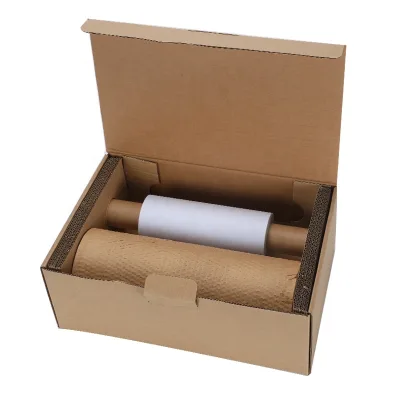
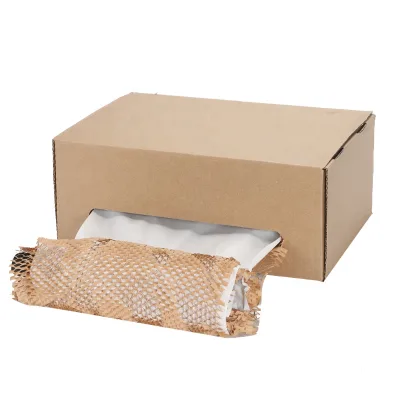
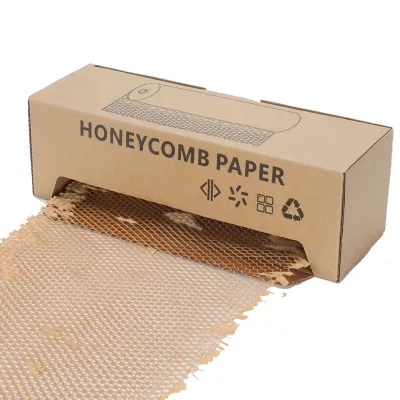
$9.926 - $10.2356
MOQ: 1 boxes
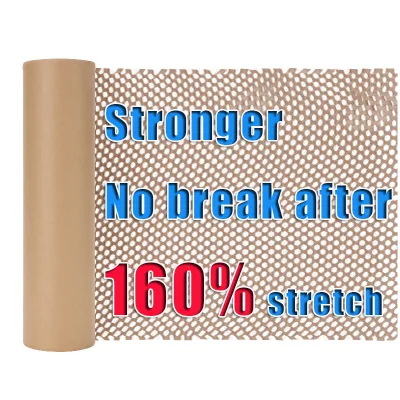
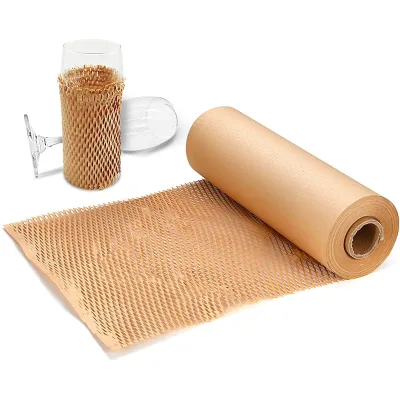
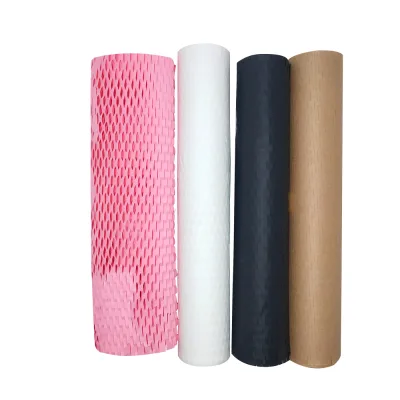
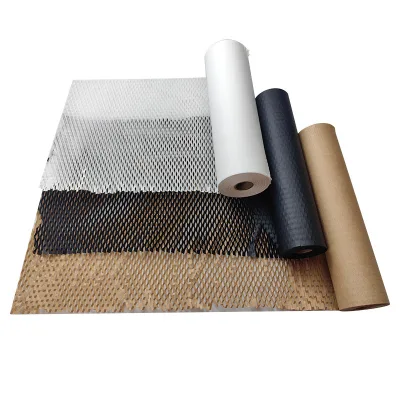
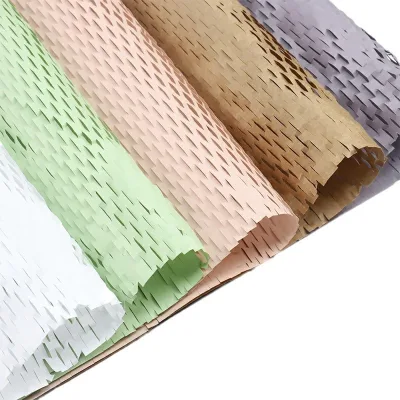
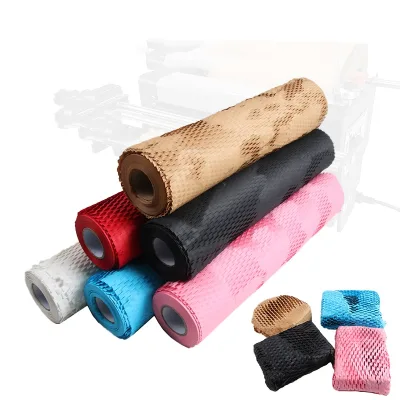
White Red Black Pink Brown 80g Recyclable Biodegradable Kraft Wrap Roll Honeycomb Packing Paper
$4.6406 - $13.3009
MOQ: 1 Minimum
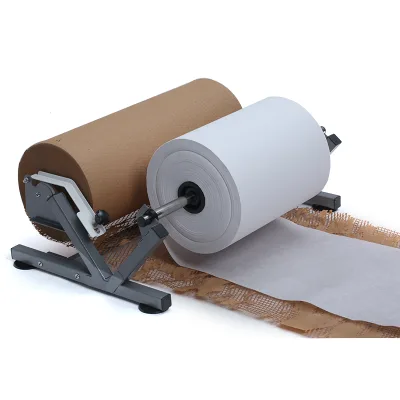

SINOTOP PACKAGING MACHINERY CO., LTD.
- Verified by BV
- Combined
- China Jiangsu
- Lead time45 days
- Avg. response≤ 13h
Main productsHoneycomb Machine, Corrugated Machine, Slip Sheet Machine, Edgeboard Machine, Dunnage Bag Machine, Slitter and Rewinder, Pallet Leg Machine, Edgeboard, Slip Sheet, Dunnage Bag
Main marketsSouth America,Africa,Southeast Asia/ Mideast,East Asia(Japan/ South Korea),Europe,Australia,North America
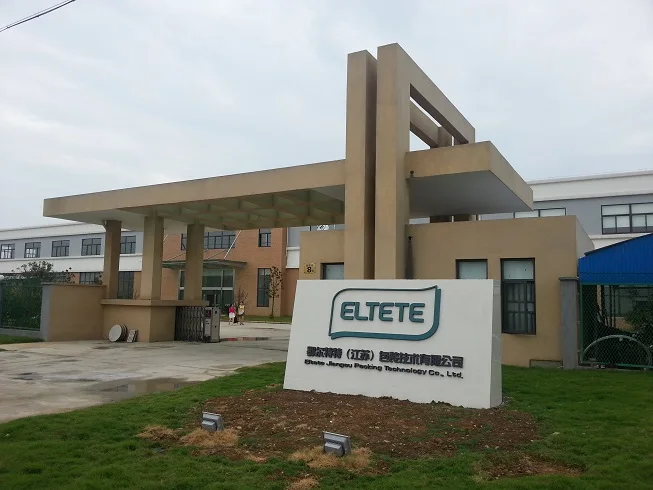
Jiangsu Eltete Packaging Technology Co., Ltd.
- Manufacturer, Trading Company
- Jiangsu, China
- Lead time3 days
- Avg. response≤ 2h
Main productsD-BOARD,EDGEBOARD,SLIP SHEET,DUNNAGE BAG,MACHINE
Main marketsDomestic Market(20.00%), Southeast Asia(18.00%), South America(15.00%), Central America(15.00%), Africa(7.00%), North America(5.00%), Eastern Europe(5.00%), Eastern Asia(5.00%), Mid East(5.00%), Oceania(5.00%)
Dongguan Yuxi Industrial Co., Ltd
- Manufacturer, Trading Company
- Guangdong, China
- Lead time10 days
- Avg. response≤ 6h
Main productsTPU bands,rubber bands,TPU tape,TPU Crystal stretch cord,Sewing thread
Main marketsSouthern Europe(20.00%), Eastern Europe(20.00%), South America(20.00%), North America(20.00%), Western Europe(10.00%), Northern Europe(10.00%)
Kunshan Jiasid Packaging Technology Co., Ltd.
- Verified by SGS Group
- Manufacturer, Trading Company
- Lead time0 days
- Avg. response≤ 4h
Main productsAir Column Bag, Air Pillow Film, Air Cushion Film, Bag In Bag, Air Column Roll
Main marketsDomestic Market(50%), North America(20%), Southeast Asia(5%)

Laizhou Dechen Machinery Co., Ltd.
- Verified by TUVRHEINLAND
- Combined
- China Shandong
- Lead time15 days
- Avg. response≤ 2h
Main productsPaper Bag, Paper Box, Lunch Box, Food Wrapping Paper, Food Container, Drinking Straw, Stone Machinery, Cornstarch Food Container, PLA Straw, Cupcake Box
Main marketsSouth America,Southeast Asia/ Mideast,Europe,Australia,North America

Dongguan Heshengyuan Environmental Protection Materials Co., Ltd.
- Trading Company
- Guangdong, China
- Lead time0 days
- Avg. response≤ 8h
Main productsRecycled paper bag,GRS recycled polybag,biodegradable bags,Recycled paper box,corrugated shipping box
Main marketsNorth America(50.00%), Domestic Market(20.00%), Southeast Asia(10.00%), Western Europe(10.00%), Eastern Asia(10.00%)
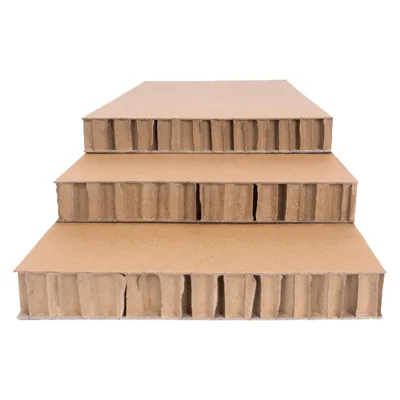
$1.60 - $18.00
MOQ: 100 Minimum
$0.02 - $1.00
MOQ: 500 Minimum
$1.60 - $18.00
MOQ: 100 Minimum
$1.0592 - $5.2914
MOQ: 100 Minimum
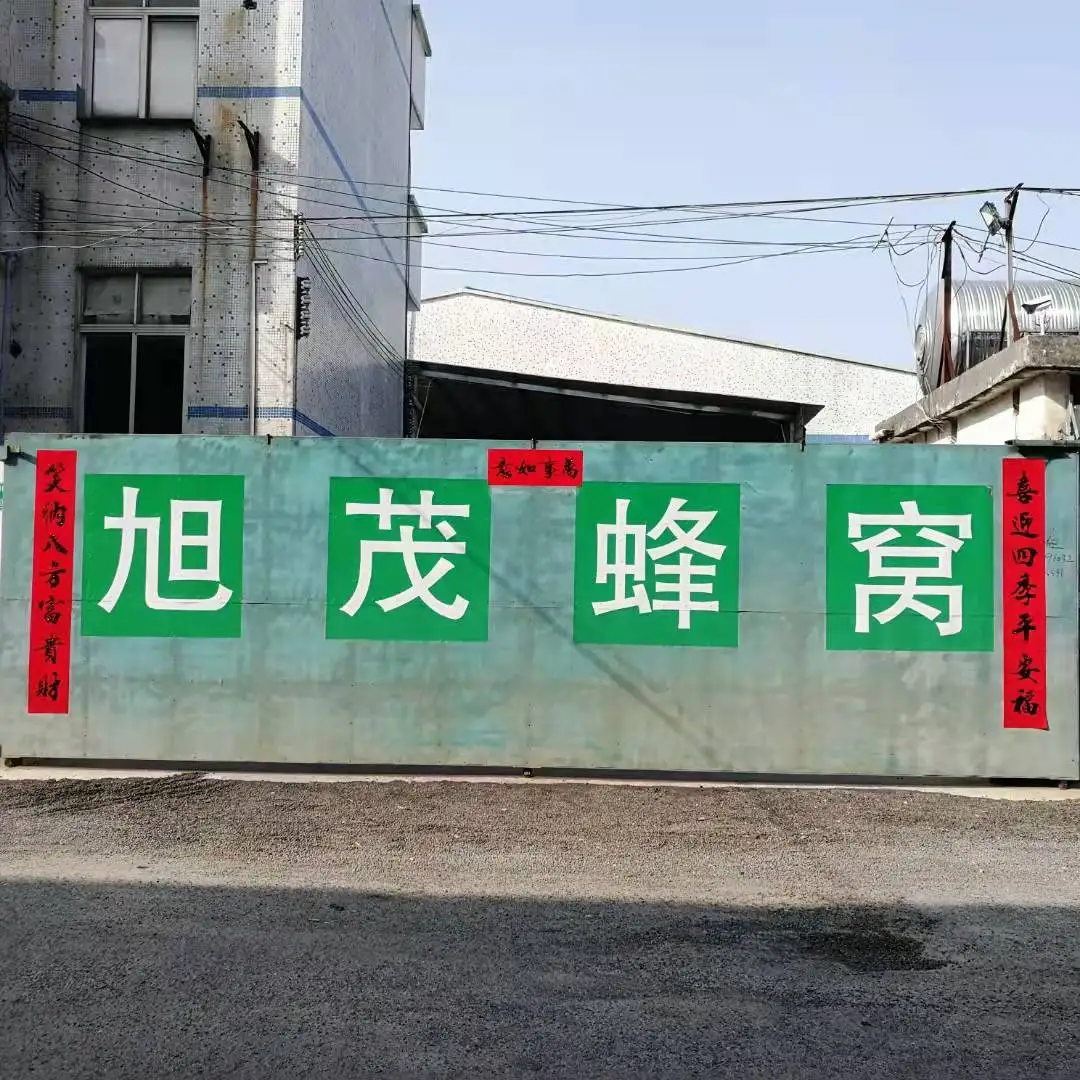
Guangzhou Xumao Honeycomb Paper Products Co., Ltd.
- Manufacturer, Trading Company
- Guangdong, China
- Lead time0 days
- Avg. response≤ 11h
Main productsEdge Protectors, Honeycomb Paper, Honeycomb Paper Sleeve, Paper Carton, PET Strapping
Main marketsNorth America(45.00%), Southeast Asia(20.00%), Western Europe(15.00%), Oceania(10.00%), Mid East(10.00%)
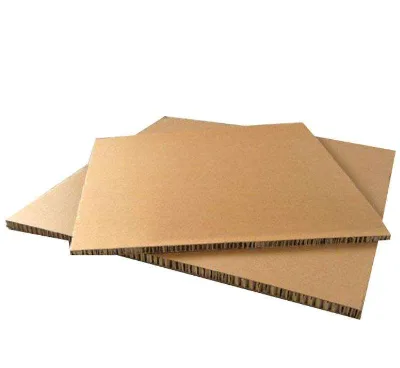
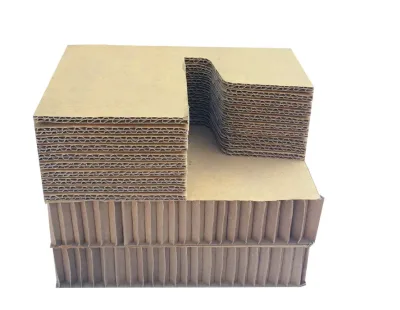
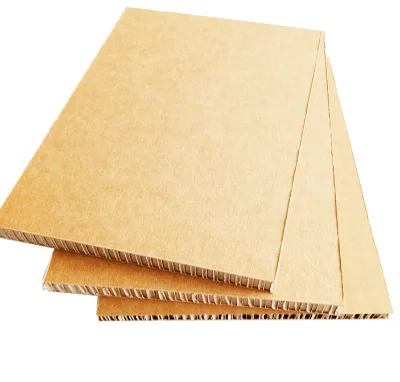
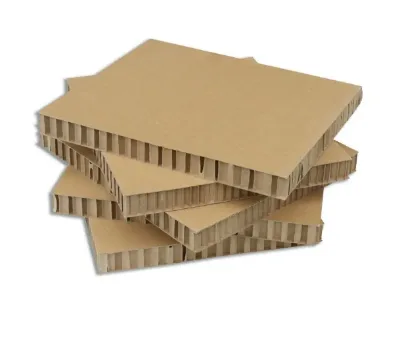
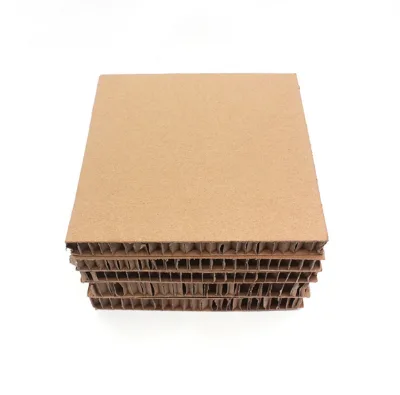
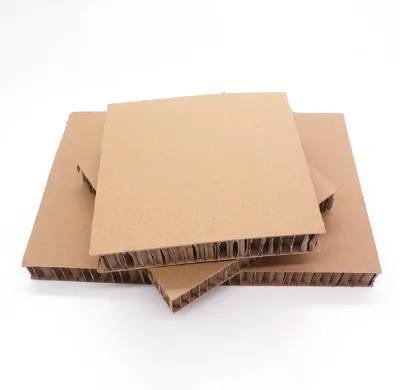
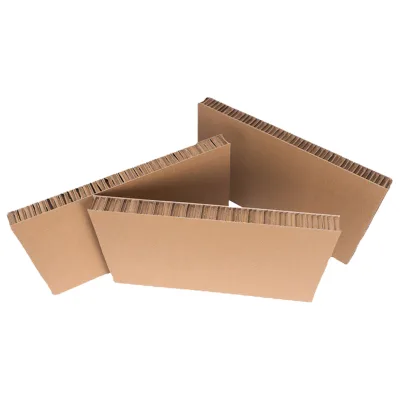
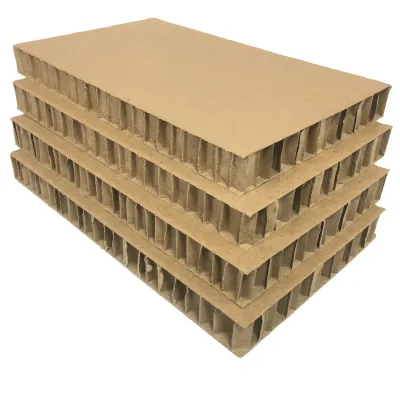
Custom Thickness Honeycomb Paper Packaging Material Paper Board Corrugated Panels
$2.20 - $2.23
MOQ: 1000

Zhejiang Anranda Packaging Materials Co., Ltd.
- Manufacturer
- Zhejiang, China
- Lead time0 days
- Avg. response≤ 2h
Main productsAir Bubble Film, Air Column Bag, Envelope Bag, Air Cushion Machine
Main marketsDomestic Market(70.00%), North America(15.00%), Western Europe(5.00%), Southern Europe(2.00%), Northern Europe(2.00%), Eastern Europe(2.00%), Southeast Asia(2.00%), South Asia(1.00%), Eastern Asia(1.00%)

Laizhou Guoliang Packing Products Co., Ltd.
- Verified by TUVRHEINLAND
- Combined
- China Shandong
- Lead time15 days
- Avg. response≤ 6h
Main productsFood Packaging Tray, Fruit Tray, Frozen Food Box Packaging, Plastic Food Box, Foam Fruit Net, Bottle Foam Sleeve Net, Meat Tray, Fresh Food Tray, Food Packaging Container, Plastic Container Food Packaging
Main marketsAustralia,North America

Wenzhou Kxite Machinery Technology Co., Ltd.
- Verified by CTI
- Manufacturer/Factory
- China Zhejiang
- Lead time30 days
- Avg. response≤ 10h
Main productsBag Making Machine, Flexo Printing Machine, Thermoforming Machine, Sheet Feed Paper Bag Making Machine, Honeycomb Paper Bag Making Machine, Printing Machine, Plastic Bag Making Machine, Die Cutting Machine, Paper Bag Making Machine, Blister Packing Machine
Main marketsSouth America,Eastern Europe,Mid East,North America,Southeast Asia,Eastern Asia,Oceania,Western Europe,Africa

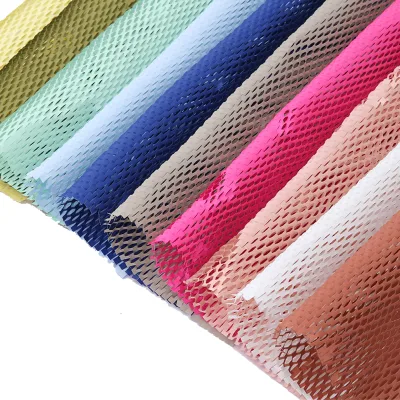
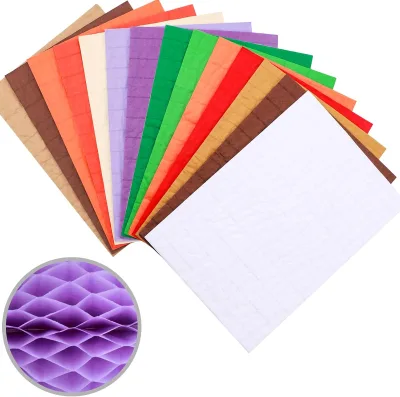
Multi-Color Kraft Paper Honeycomb Custom Environmentally Friendly Recyclable Paper
$25.00 - $35.00
MOQ: 1 Rolls

Shenzhen Gly Packaging & Printing Co., Ltd.
- Manufacturer, Trading Company
- Guangdong, China
- Lead time30 days
- Avg. response≤ 4h
Main productsCustom Food Box,Custom Coffee Cup,Custom Box,Custom Packaging,Mailer Box
Main marketsNorth America(80.00%), Western Europe(20.00%)

- Manufacturer, Trading Company
- Taiwan, China
- Lead time45 days
- Avg. response≤ 2h
Main productsPAPER DECORATION, HONEYCOMB BLIND, HONEYCOMB PAPER BOARD / HONEYCOMB CUSHION WRAPPING PAPER
Main marketsWestern Europe(51.00%), Eastern Europe(26.00%), Domestic Market(12.00%), North America(11.00%)
Shanghai Laili Industry Co., Ltd.
- Manufacturer, Trading Company
- Shanghai, China
- Lead time10 days
- Avg. response≤ 2h
Main productsMetal packaging paper,VCI Anti-rust bag,Kraft paper,Anti-static bag,Medical lining paper
Main marketsSoutheast Asia(40.00%), Eastern Europe(20.00%), Northern Europe(20.00%), North America(10.00%), South America(5.00%), Western Europe(5.00%)
Changzhou Wujin Luoyang Guangming Printing Co., Ltd.
- Verified by Intertek
- Manufacturer, Trading Company
- Lead time7 days
- Avg. response≤ 1h
Main productsTissue Paper, Paper Bag, Label
Main marketsNorth America(40%), Domestic Market(30%), Western Europe(5%)
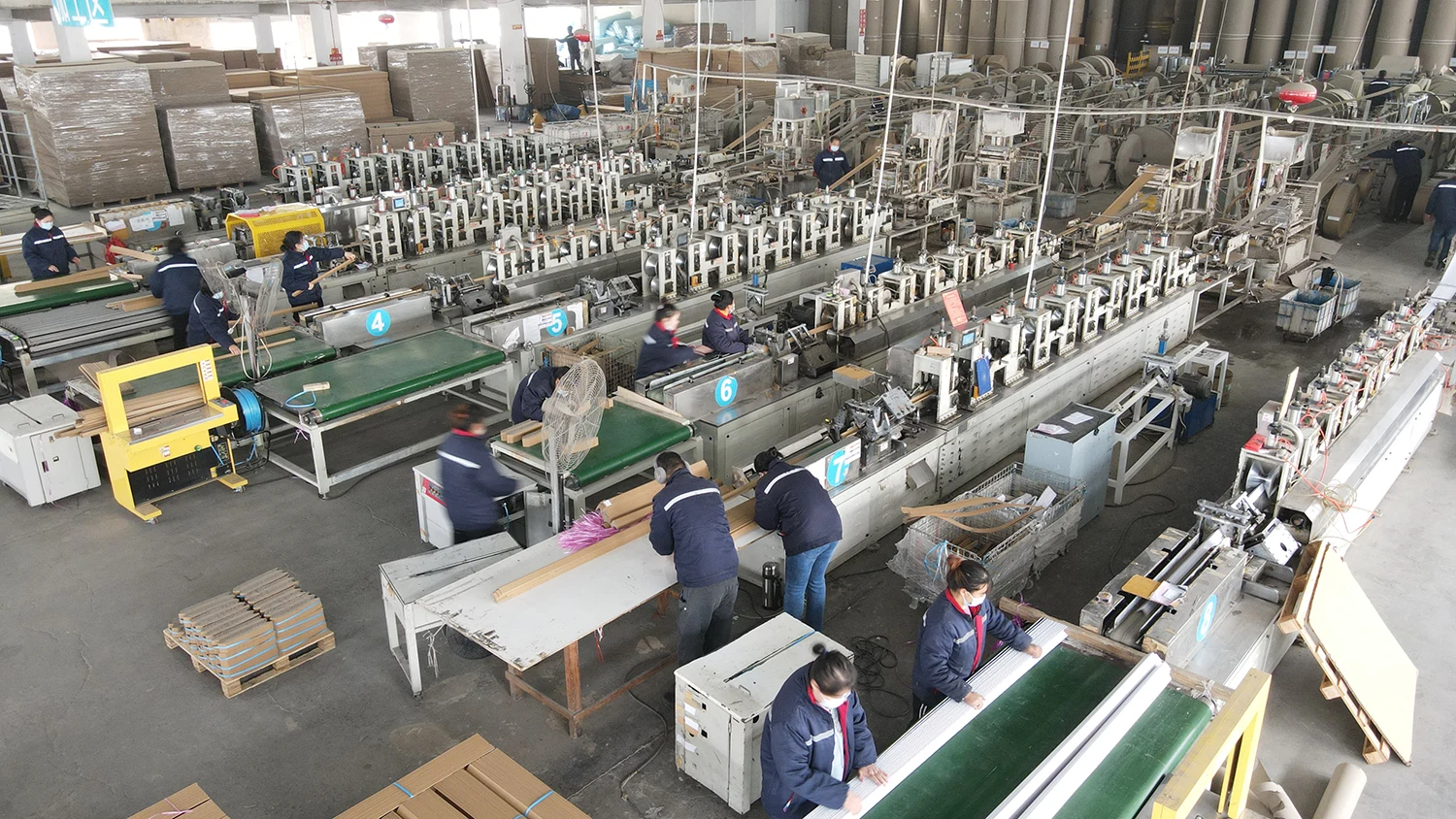
Qingdao Hengnice Packing Co., Ltd.
- Manufacturer, Trading Company
- Shandong, China
- Lead time5 days
- Avg. response≤ 1h
Main productsPaper Corner,Honeycomb Board,Paper Pallet,Bopp Tape,Wrap Film
Main marketsDomestic Market(30.00%), South Asia(15.00%), North America(15.00%), Southeast Asia(15.00%), Western Europe(10.00%), Northern Europe(10.00%), Oceania(5.00%)
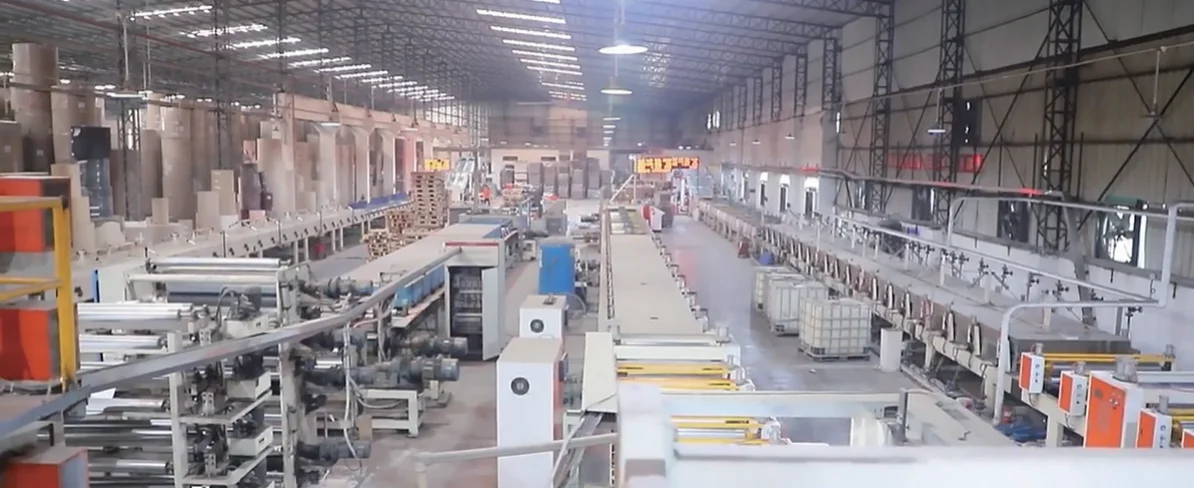
Dongguan Tangxia Fulin Paper Products Factory
- Manufacturer, Trading Company
- Gunagdong, China
- Lead time10 days
- Avg. response≤ 4h
Main productsGrey Board,Duplex Paperboard,Black Cardboard,White Paperboard,Specialty Paper
Main marketsSouth Asia(20.00%), Africa(20.00%), North America(15.00%), Northern Europe(14.00%), South America(8.00%), Southern Europe(8.00%), Oceania(4.00%), Western Europe(4.00%), Southeast Asia(2.00%), Domestic Market(1.00%), Eastern Asia(1.00%), Eastern Europe(1.00%), Mid East(1.00%), Central America(1.00%)

Changhe Paper Packing Co., Ltd.
- Verified by SGS
- Combined
- China Guangdong
- Lead time15 days
- Avg. response≤ 19h
Main productsCarton, Cardboard Box, Packaging Carton, Air-Craft Box, Corrugated Box, Paper Box, Kraft Box, Shipping Carton
Main marketsDomestic

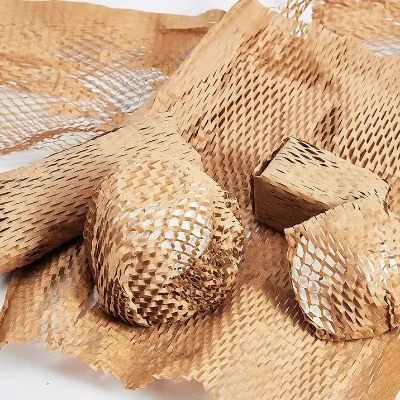
Eco-Friendly Wrapping Sheet Recyclable Grid Gift Packaging Roll Honeycomb Paper
$1.37 - $4.58
MOQ: 500 Pieces

Environmental Friendly Corrugated Kraft Paper Packaging Honeycomb Cardboard
$0.25 - $0.40
MOQ: 500 Pieces

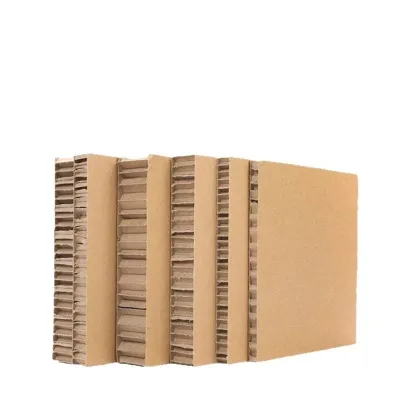
Custom High Strength Eco-Friendly Reusable Kraft Paper Honeycomb Cardboard
$0.25 - $0.40
MOQ: 500 Pieces

Environmentally Friendly Custom High Strength Corrugated Recyclable Honeycomb Cardboard
$0.25 - $0.40
MOQ: 500 Pieces

Environmentally Friendly Double Paper High Strength Durable Kraft Honeycomb Cardboard
$0.25 - $0.40
MOQ: 500 Pieces
Changsha Enriching Crafts Co., Ltd.
- Trading Company
- Hunan, China
- Lead time30 days
- Avg. response≤ 9h
Main productsColour Paper,Wrapping Paper,Korean Paper,File Folder,Book Cover
Main marketsSouth America(32.00%), North America(16.00%), Oceania(12.00%), Western Europe(11.00%), Central America(8.00%), Mid East(5.00%), Eastern Europe(4.00%), Southern Europe(2.00%), Northern Europe(2.00%), Africa(2.00%), South Asia(2.00%), Eastern Asia(2.00%), Domestic Market(1.00%), Southeast Asia(1.00%)
Zhuhai Ronghui Packing Products Co., Ltd.
- Verified by SGS Group
- Manufacturer, Trading Company
- Lead time15 days
- Avg. response≤ 3h
Main productsBIB Packaging, Plastic Packaging, Paper Packaging, Thermal Insulation Packaging , Grow Bag Packaging
Main marketsNorth America(30%), Oceania(15%), Eastern Europe(10%)

WEIFANG DEFU NEW MATERIAL COMPANY LIMITED
- Verified by TUVRHEINLAND
- Combined
- China Shandong
- Lead time15 days
- Avg. response≤ 7h
Main productsPlastic Bags
Main marketsSouth America
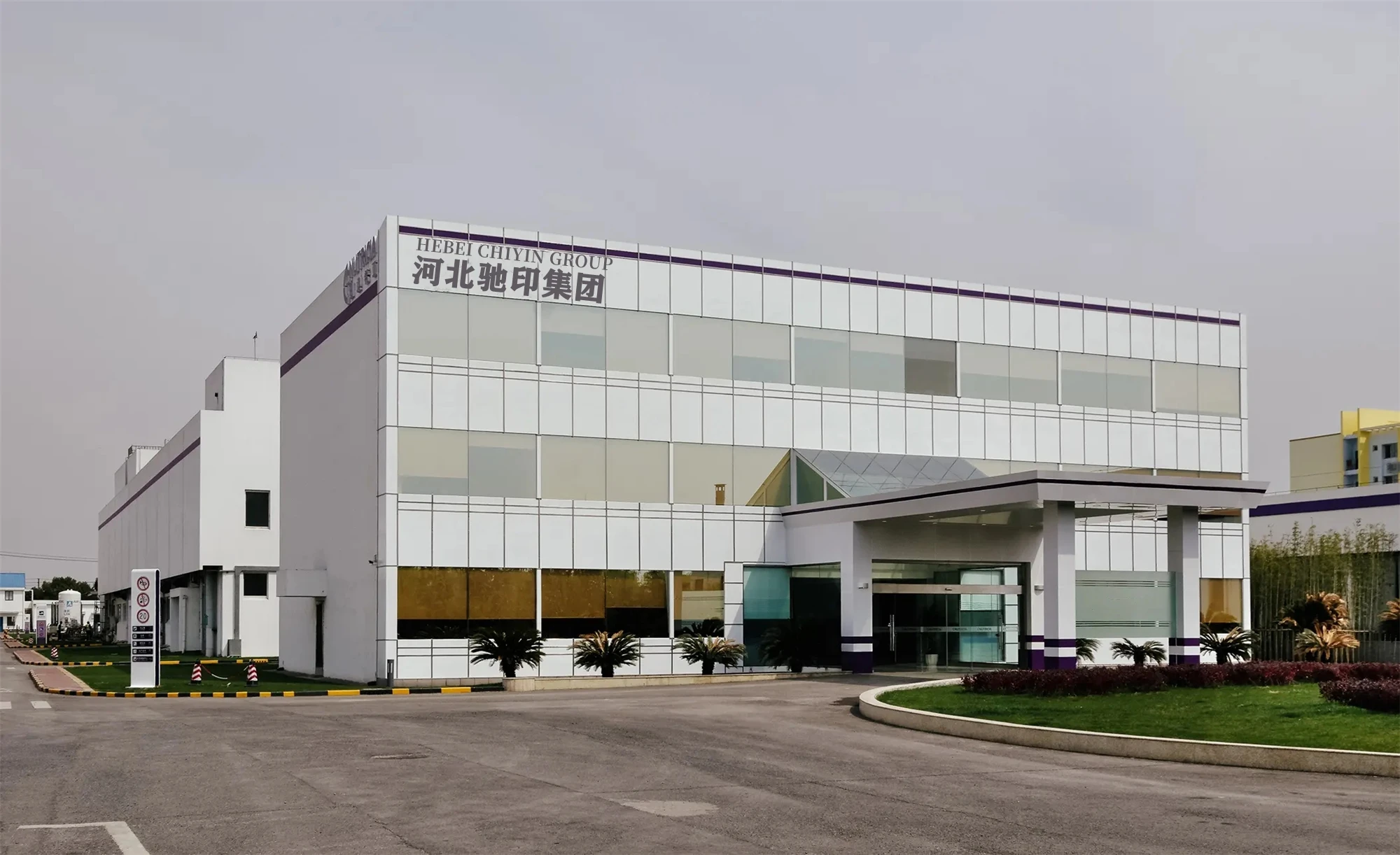
Hebei Chiyin Packaging Materials Co., Ltd.
- Manufacturer, Trading Company
- Hebei, China
- Lead time10 days
- Avg. response≤ 5h
Main productsPaper Boxes, Paper Bags, A4 Paper, Vellum, Paper Cup Fan
Main marketsNorth America(40.00%), Mid East(30.00%), Southeast Asia(30.00%)
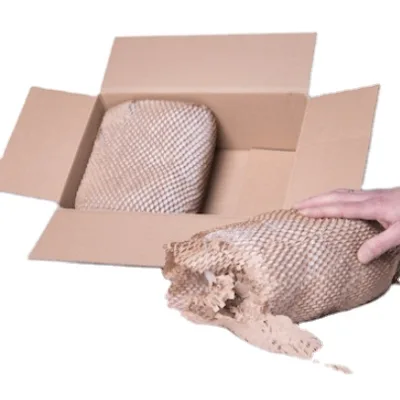
$1150.00 - $1300.00
MOQ: 5 metric






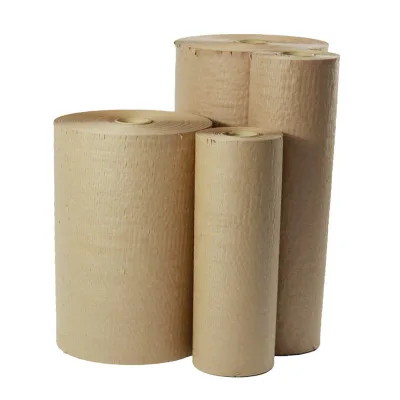


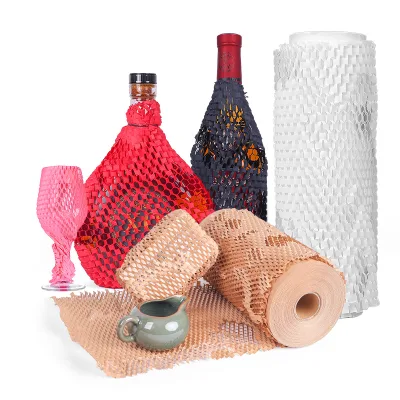
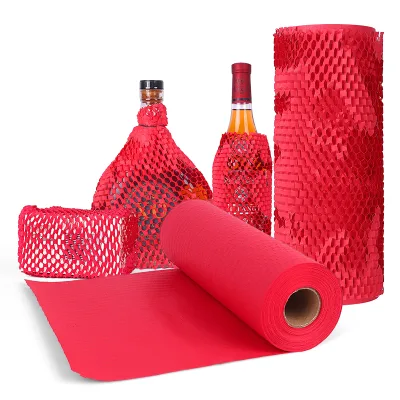
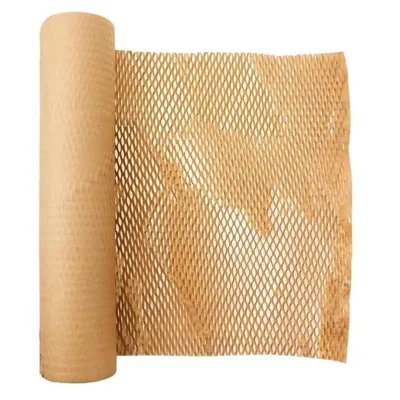
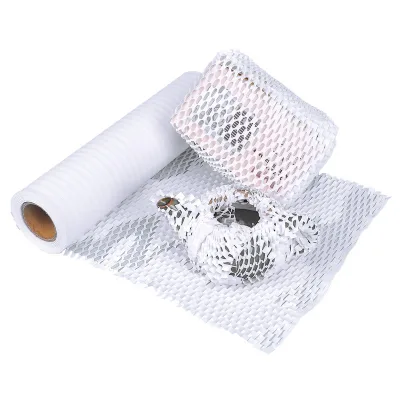
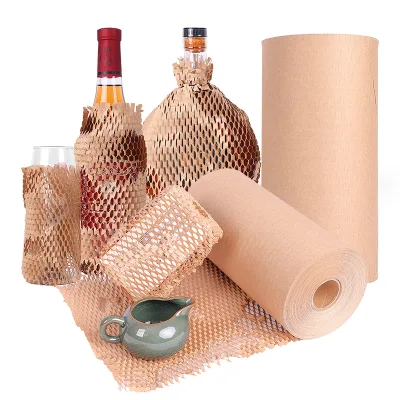
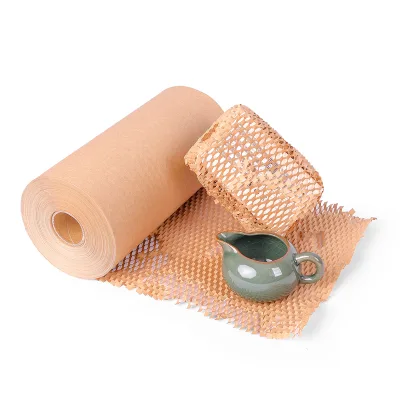


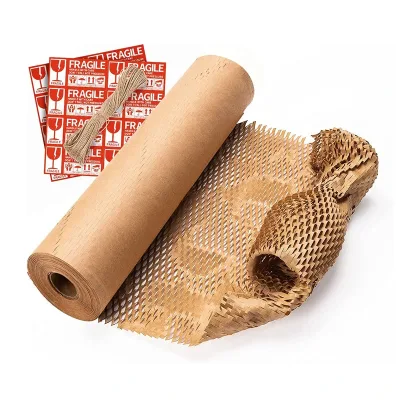
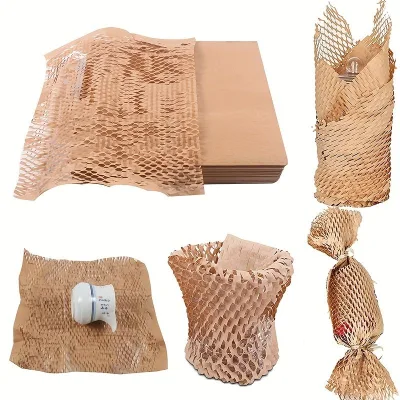
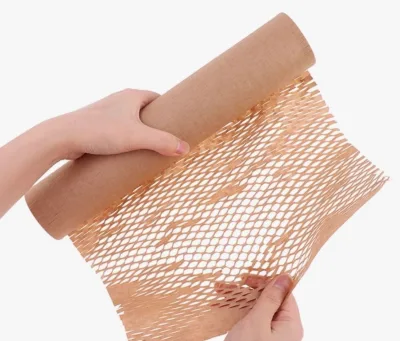
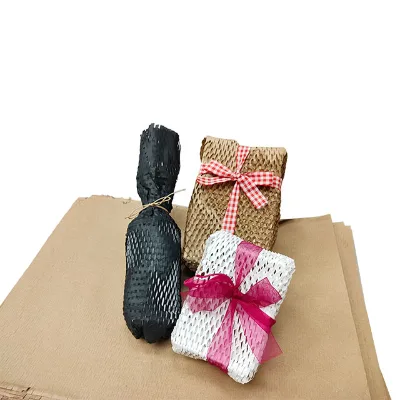
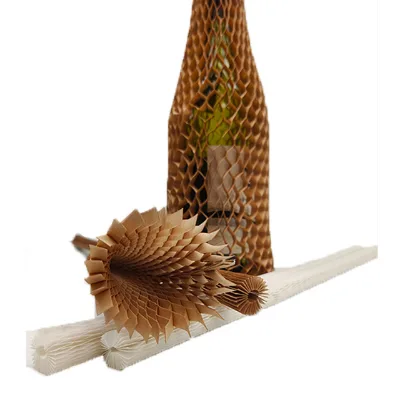
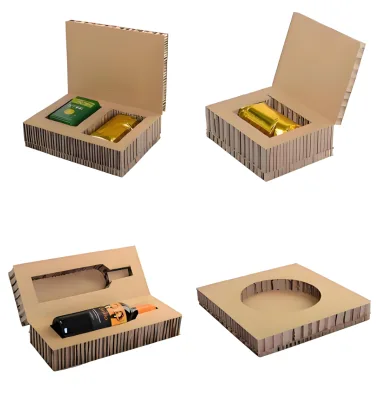
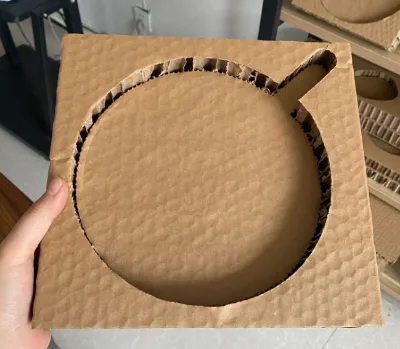
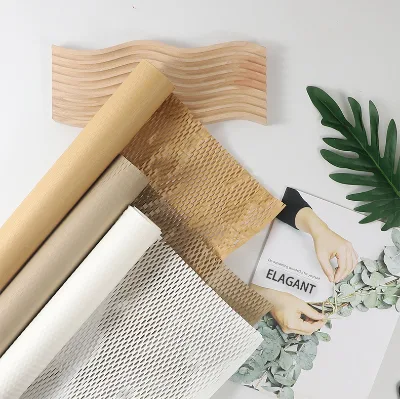
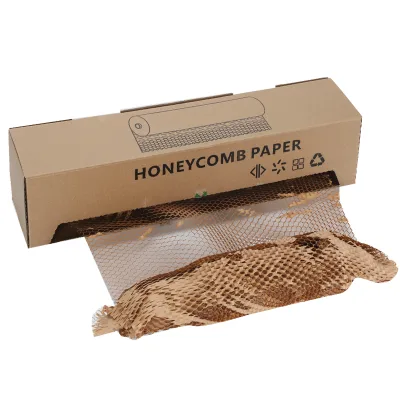


Comprehensive Sourcing Guide
Ecofriendly Honeycomb Paper for Ceramic Supplier Concentration and Factory Types
The current supplier landscape for ecofriendly honeycomb paper reveals a distinct geographic concentration in China, with specific manufacturing hubs identified in Jiangsu and Zhejiang provinces. Suppliers located in Wuxi, Jiangsu, are actively producing honeycomb kraft paper and related packaging materials, indicating a localized cluster for this specific product type. This regional presence suggests that buyers seeking these materials may find a higher density of capable manufacturers in this area compared to other regions. The presence of suppliers in Guangdong, China, further diversifies the sourcing options, particularly for those interested in virgin wood pulp variants or customized color options. Understanding these geographic clusters is essential for logistics planning and supply chain resilience, as proximity to raw material sources and port infrastructure can significantly impact delivery efficiency and cost structures.
Company types in this sector vary, ranging from combined entities that handle both manufacturing and trading to specialized manufacturers and pure trading companies. Some suppliers offer OEM and ODM capabilities, allowing for significant customization of honeycomb paper specifications, including cell size, paper weight, and coating types. Others focus on specific product lines such as grey board, black paper, or ivory board, which may serve as complementary materials for ceramic packaging solutions. The diversity in company types means that buyers must carefully assess whether they need a direct factory relationship for cost efficiency or a trading company for broader product variety and consolidated shipping. Combined companies may offer a middle ground, providing both production capacity and trading flexibility, which can be advantageous for buyers with complex sourcing requirements.
How to Verify Ecofriendly Honeycomb Paper for Ceramic Suppliers
Verification is a critical step in ensuring the reliability and quality of ecofriendly honeycomb paper suppliers. Buyers should prioritize suppliers who have undergone third-party verification processes, such as BV or SGS Group certifications, which provide an additional layer of trust regarding the supplier's operational legitimacy and business practices. These verifications help confirm that the supplier exists as a legal entity and adheres to certain operational standards, reducing the risk of engaging with fraudulent or non-existent businesses. Additionally, system certifications like ISO9001:2015 indicate that the supplier has implemented a quality management system, which is crucial for maintaining consistent product quality, especially when dealing with materials intended for fragile items like ceramics.
Beyond basic verification, buyers should examine the specific certifications related to the product itself, such as FSC for sustainable forestry practices or BS for specific material standards. These certifications are particularly relevant for ecofriendly products, as they validate the environmental claims made by the supplier. Buyers should also look for evidence of sample offerings, as many suppliers provide samples to demonstrate product quality and customization capabilities. The availability of samples allows buyers to physically inspect the honeycomb paper's texture, cell structure, and moisture resistance before committing to a larger order. Furthermore, checking the supplier's response time can provide insights into their customer service quality and operational efficiency, with faster response times often indicating a more responsive and organized business.
What to Compare Across Ecofriendly Honeycomb Paper for Ceramic Suppliers
When evaluating multiple suppliers, buyers should compare key operational metrics such as lead time, minimum order quantity (MOQ), and response time to determine which supplier best fits their production schedule and budget. Lead times can vary significantly, with some suppliers offering a 7-day turnaround while others may require up to 30 days. This difference is crucial for buyers with tight production deadlines or those who need to maintain low inventory levels. Similarly, MOQs can range from as low as 1 unit for sample orders or small batches to 5000 units for larger industrial orders. Understanding these MOQs helps buyers assess the financial commitment required and whether the supplier can accommodate their order volume without imposing excessive minimums.
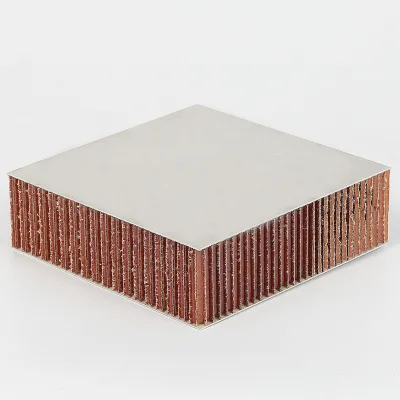
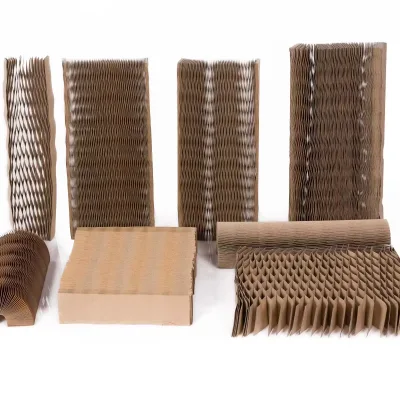
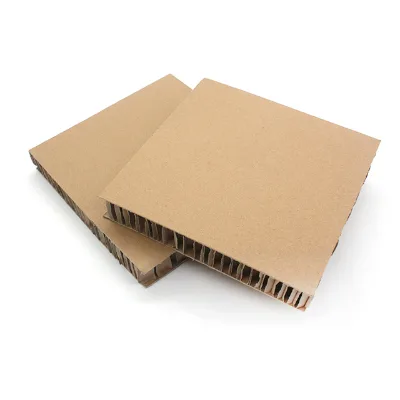
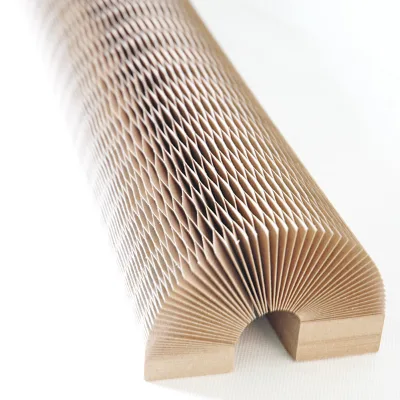
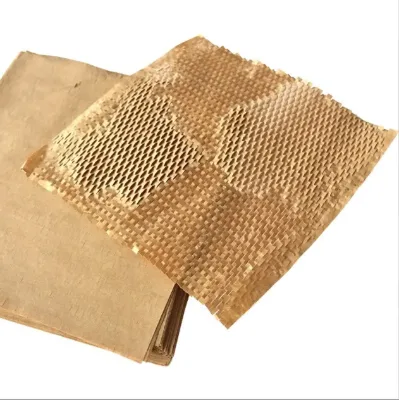
Product specifications and customization options are another critical area for comparison. Buyers should examine details such as paper weight (e.g., 50-80GSM), honeycomb cell size (e.g., 10-20mm), and available colors (e.g., brown, white, black, or customized). Some suppliers offer uncoated kraft paper, while others may provide coated options or specific features like moisture proofing or anti-curl properties. The ability to customize product dimensions, such as width or standard sizes like 500200200mm, is also important for ensuring the packaging fits ceramic products securely. Additionally, comparing price points, which can range from $0.03 to $22.00 depending on the product type and quantity, helps buyers identify cost-effective options without compromising on quality.
Common Ecofriendly Honeycomb Paper for Ceramic Sourcing Risks
One of the primary risks in sourcing ecofriendly honeycomb paper is the potential discrepancy between claimed environmental attributes and actual material composition. Buyers must verify that the "eco-friendly" label is supported by credible certifications, such as FSC or specific recycling claims, rather than relying solely on marketing language. There is a risk that some suppliers may use mixed pulp materials or include non-recyclable components, which could undermine the sustainability goals of the buyer's packaging strategy. Additionally, the variability in raw materials, such as wood pulp versus other plant fibers, can affect the paper's strength and durability, which is critical for protecting fragile ceramic items during transit. Buyers should request detailed material specifications and test reports to ensure the product meets their performance requirements.
Another significant risk is the inconsistency in product quality and dimensions across different batches or suppliers. Honeycomb paper must have precise cell sizes and uniform thickness to provide adequate cushioning and protection. Inconsistent manufacturing processes can lead to variations in cell structure, resulting in poor shock absorption and increased risk of damage to ceramic products. Furthermore, the lack of standardized packaging or labeling can lead to logistical challenges, such as difficulty in stacking or storing the materials. Buyers should establish clear quality control protocols and request pre-shipment inspections to mitigate these risks. Engaging with suppliers who offer sample processing and graphic processing capabilities can also help ensure that the final product meets specific branding and functional requirements.
Ecofriendly Honeycomb Paper for Ceramic Regional Sourcing and Logistics
Sourcing from specific regions in China, such as Jiangsu and Zhejiang, offers logistical advantages due to their proximity to major ports and manufacturing infrastructure. Suppliers in Wuxi, Jiangsu, benefit from established supply chains and efficient transportation networks, which can reduce shipping times and costs for international buyers. Similarly, suppliers in Guangdong provide access to southern ports, which may be more convenient for buyers targeting markets in Southeast Asia or other nearby regions. Understanding the geographic location of suppliers allows buyers to optimize their logistics strategy, considering factors such as freight rates, transit times, and customs procedures. Buyers should also consider the impact of regional trade policies and tariffs on the overall cost of sourcing honeycomb paper from these areas.
Logistics planning should also account for the packaging and handling requirements of honeycomb paper, which can be bulky and sensitive to moisture. Suppliers often use plastic film or specific packaging methods to protect the paper during transit, but buyers should verify that these methods are sufficient for their shipping conditions. Additionally, the weight and volume of the honeycomb paper can affect freight costs, so buyers should negotiate shipping terms carefully to avoid unexpected expenses. Collaborating with suppliers who have experience in international shipping can help streamline the logistics process, ensuring that products arrive in good condition and on time. Buyers should also consider the environmental impact of their logistics choices, opting for suppliers who use sustainable packaging and shipping practices.
Ecofriendly Honeycomb Paper for Ceramic Commercial Terms and Order Planning
Commercial terms, including payment methods, pricing structures, and order flexibility, play a crucial role in the sourcing process. Buyers should negotiate clear pricing terms, noting that prices can vary based on order volume, customization requirements, and material specifications. Some suppliers offer fixed prices for standard products, while others may provide quotes based on specific order details. Understanding these pricing dynamics helps buyers budget effectively and avoid hidden costs. Additionally, buyers should clarify the terms for sample orders, including whether samples are free or charged, and how sample costs are credited against future bulk orders. This flexibility can reduce initial testing costs and encourage long-term partnerships with suppliers.
Order planning should also consider the supplier's production capacity and lead times to ensure timely delivery. Buyers with large or urgent orders should confirm the supplier's ability to meet their volume requirements within the specified timeframe. Some suppliers offer ODM and OEM services, which may require additional lead time for design and production setup. Buyers should communicate their order timelines clearly and maintain open communication with suppliers to address any potential delays or changes in requirements. Furthermore, buyers should establish clear quality assurance protocols and return policies to handle any issues that may arise during the order fulfillment process. By carefully planning commercial terms and order logistics, buyers can minimize risks and ensure a smooth sourcing experience for ecofriendly honeycomb paper.
FAQs
What is the price range for ecofriendly honeycomb paper?
Prices for ecofriendly honeycomb paper vary by specification and order volume. Some listings show a fixed price of 20.00 USD per unit, while others range from 0.03 to 0.04 USD. Higher-end recycled options may cost around 2.47 USD. Buyers should verify exact pricing based on their required GSM and cell size.
What is the minimum order quantity for honeycomb paper?
Minimum order quantities depend on the specific supplier and product type. Some suppliers require a minimum of 50 units, while others set the threshold at 100 units. For bulk industrial applications, the MOQ can be as high as 5000 units. Buyers must check individual product listings to confirm the applicable minimum order quantity.
How long does production take for honeycomb paper orders?
Production lead times vary significantly among suppliers. Some manufacturers offer a fast turnaround of 7 days, while others require up to 30 days for standard orders. Buyers should confirm the specific lead time with their chosen supplier before placing an order to ensure it aligns with their shipping schedule and project deadlines.
Are samples available for honeycomb paper products?
Yes, samples are available for many honeycomb paper products. Several listings explicitly state that samples are offered to help buyers evaluate quality before committing to bulk orders. Buyers should contact suppliers directly to request samples and confirm any associated costs or shipping fees for the evaluation process.
What certifications do honeycomb paper suppliers hold?
Suppliers hold various certifications to ensure quality and environmental standards. Common certifications include ISO9001:2015 for quality management and FSC for sustainable forestry. Some products also carry BS certification. Buyers should verify specific certification documents with suppliers to ensure compliance with their regional regulatory requirements and sustainability goals.
Where are honeycomb paper suppliers located?
Honeycomb paper suppliers are primarily located in China. Key manufacturing hubs include Jiangsu, Zhejiang, and Guangdong provinces. Specific origins mentioned include Wuxi in Jiangsu. Buyers can filter search results by these locations to find suppliers closer to their logistics hubs or preferred sourcing regions.
What customization options are available for honeycomb paper?
Customization is widely available for honeycomb paper products. Suppliers offer options for custom colors, sizes, and packaging. Some manufacturers support OEM and ODM services to meet specific brand requirements. Buyers should discuss their custom needs, such as specific GSM or cell sizes, directly with suppliers to ensure feasibility.