Educational Animal Wind Up Toy Suppliers and Manufacturers
Compare 27 verified suppliers offering Educational Animal Wind Up Toy options with ODM and OEM capabilities. Review response times, lead times, and certifications like EN71 and CE before requesting quotes for plastic wind-up products; review the available evidence before requesting comparable quotations from suitable candidates.
Suppliers List

Shantou Chenghai Xaqi Toys Industrial Co., Limited
- Verified by BV
- Combined
- China Guangdong
- Lead time23 days
- Avg. response≤ 4h
Main productsRemote Control Car, Educational Toy, Sport Toy, Pretend Play Toys, Remote Contro Toy, Baby Toy, Summer Toy, B/O Toy
Main marketsSoutheast Asia/ Mideast,Domestic,Europe
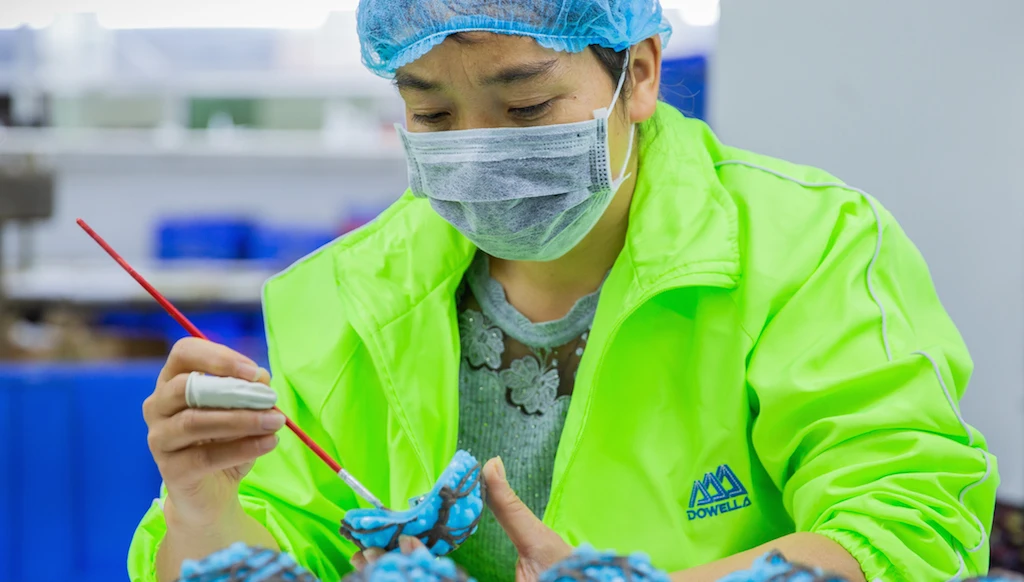
Shenzhen Dowella Plastic & Electric Co., Ltd.
- Manufacturer, Trading Company
- Guangdong, China
- Lead time35 days
- Avg. response≤ 2h
Main productspvc animal,tpr animal,silicone wrist
Main marketsNorthern Europe(16.67%), Mid East(16.67%), Eastern Europe(16.67%), South America(16.67%), North America(16.67%), Western Europe(6.00%)
Guangzhou Baolilong Toys Trading Co., Limited
- Trading Company
- Guangdong, China
- Lead time45 days
- Avg. response≤ 7h
Main productspromotion toys,dollar chain shop toys,OEM and ODM,candy toy,capsule toy
Main marketsNorthern Europe(35.00%), Mid East(25.00%), Eastern Europe(25.00%), South Asia(10.00%), South America(5.00%)
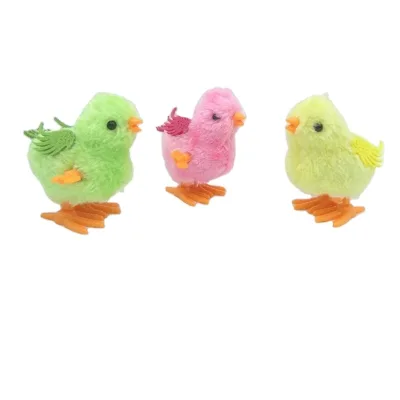
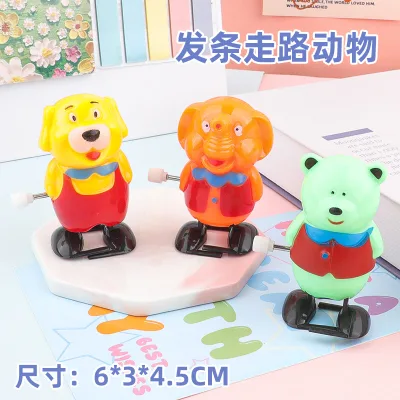
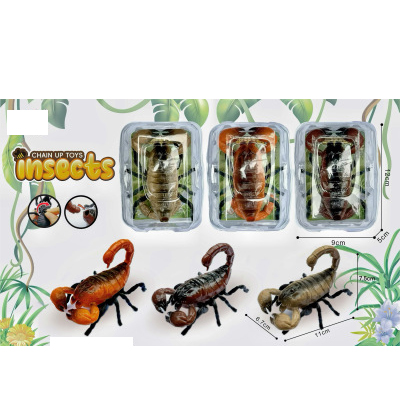
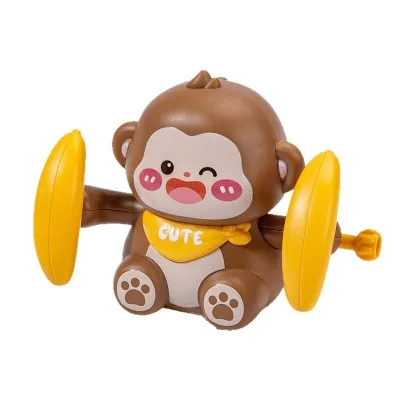
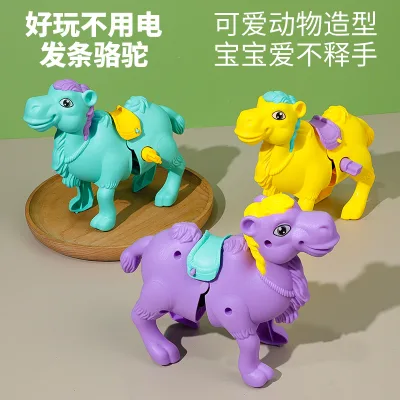
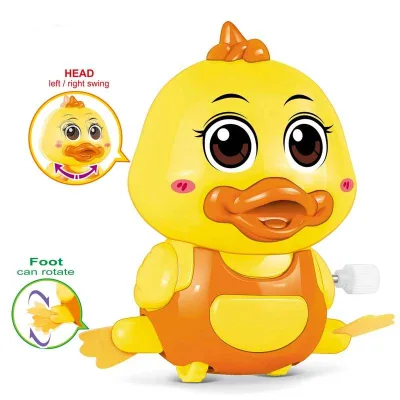
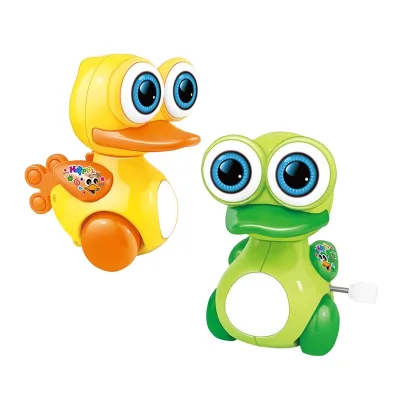
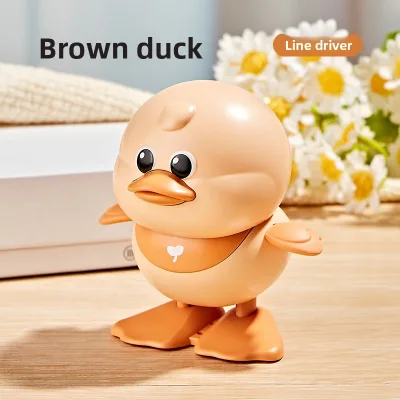
Plastic Wind up Lovely Animal Baby Toy Cartoon Wind up Toys Little Duck Toys
$0.34 - $0.35
MOQ: 10000 units
Jinjiang Zhengzheng Technology Co., Ltd.
- Trading Company
- China Fujian
- Lead time0 days
- Avg. response≤ 2h

Mini Colorful Cartoon Clockwork Gliding Windup Animal Windup Animal Toy
$0.50 - $25.00
MOQ: 200 Pieces


Shantou Cypress Toys Co., Ltd.
- Verified by TüVRheinland
- Trading Company
- Lead time25 days
- Avg. response≤ 2h
Main productsRole Play Toys, Educational Toys, Dinosaur Toys
Main marketsWestern Europe(35%), North America(20%), Southeast Asia(20%)
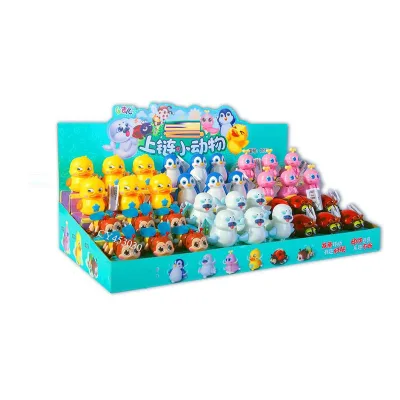
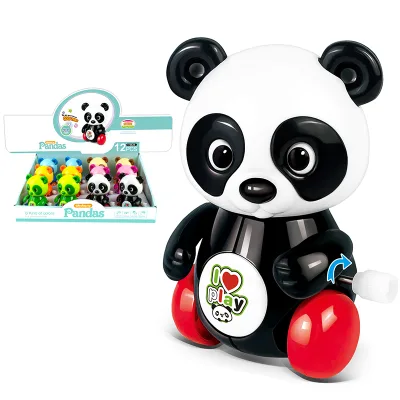
High Quality Baby Wind up Toys Animal Desktop Toy Plastic Cartoon Toys Animals for Kids
$0.40 - $0.41
MOQ: 2880

- Verified by SGS
- Trading Company
- China Guangdong
- Lead time15 days
- Avg. response≤ 4h
Main productsPlastic Toys, Educational Toys, Baby Toys, RC Toys, Pretend Play Toys, Doll Toys, Robot Toys, Summer Toys, Sport Toys
Main marketsSoutheast Asia/ Mideast,Europe

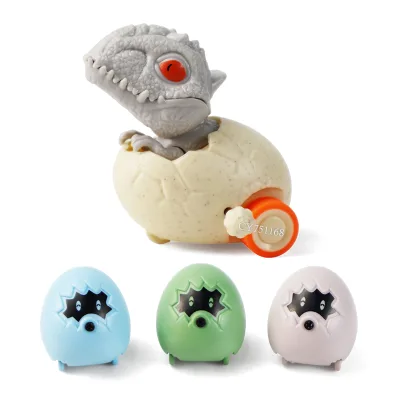
Clockwork Chicken Animal Jumping Toys Wind up Walking Toys Novelty Wind up Party Toys
$0.20 - $0.30
MOQ: 1008 Pieces

Wholesale Promotional Mini Animal Cute Insect Plastic Custom Wind up Toy
$0.35 - $0.40
MOQ: 1400 Pieces

Custom Colorful Cartoon Animals Cheap Plastic Clockwork Mechanical Wind up Toys
$0.28 - $0.33
MOQ: 3000 Pieces

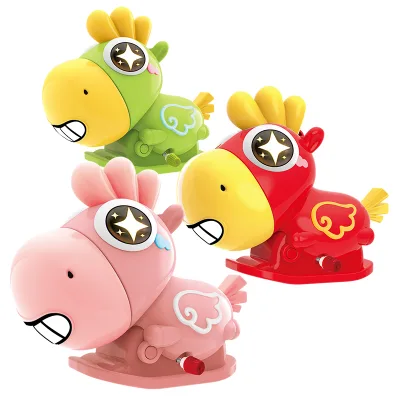
Wholesale Wind-up Rocking Horse Toy Clockwork Walking Animal Wind up Toys for Toddler
$0.53 - $0.59
MOQ: 1500 Pieces


Shantou Kaixin Trading Co., Ltd
- Verified by BV
- Manufacturer
- China Guangdong
- Lead time23 days
- Avg. response≤ 6h
Main productsToy, Educational Toy, Remote Control Toy, Pretend Play Toy Set, Summer Toy, Vehicle Toy, Doll, Promotion Toy, Baby Toy, Game Toy


Classic Plush Wind up Chicken Kids Toys Clockwork Jumping Walking Chicks Easter Eggs Plastic Toys
$0.90 - $1.80
MOQ: 432 Sets

Wind-up Toys Walking Jumping Clockwork Toys for Kids Birthday Party Favors
$0.40 - $0.90
MOQ: 1296 Pieces
Guangzhou Combuy Toys Co., Ltd.
- Trading Company
- Guangdong, China
- Lead time30 days
- Avg. response≤ 3h
Main productsEducational Toy,Building blocks,Baby Toy,Summer Toy,RC Toys
Main marketsMid East(20.00%), Eastern Europe(20.00%), South America(20.00%), North America(20.00%), Western Europe(10.00%), Eastern Asia(10.00%)
Guangdong Chuangfa Plastic Toys Co., Ltd.
- Manufacturer, Trading Company
- Guangdong, China
- Lead time15 days
- Avg. response≤ 19h
Main productsToys
Main marketsDomestic Market(40.00%), Eastern Asia(24.00%), North America(18.00%), South America(6.00%), Mid East(6.00%), Western Europe(3.00%), Eastern Europe(3.00%)
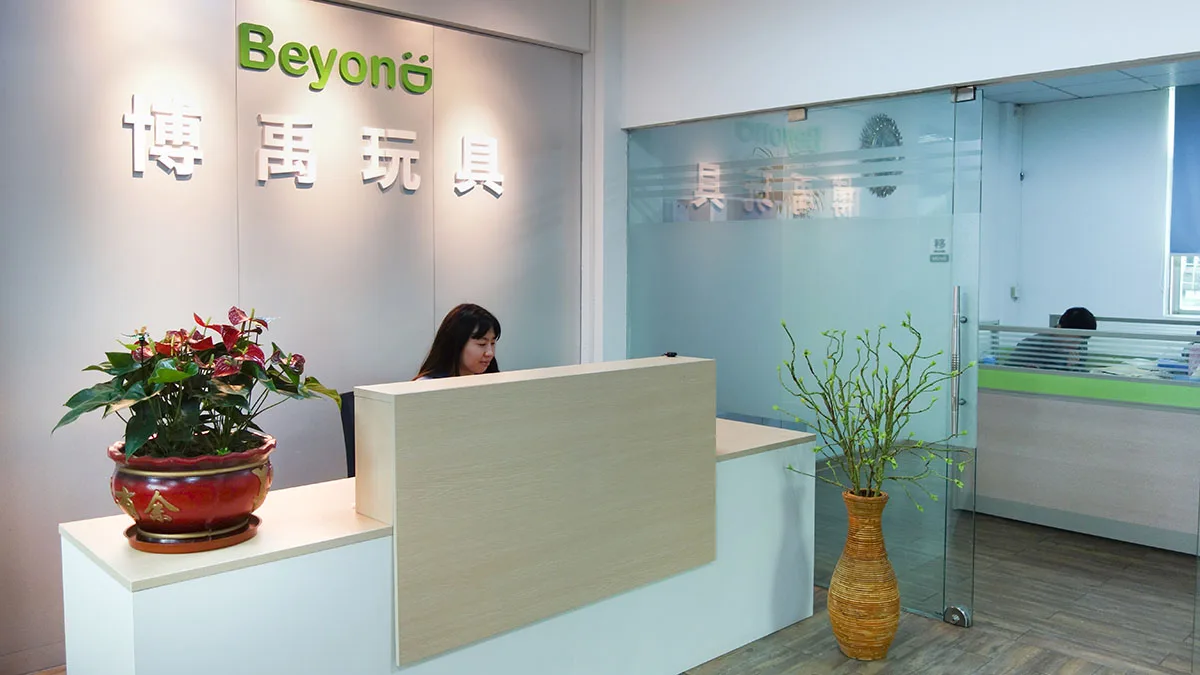
Shaotou Chenghai Beyond Toys Firm
- Trading Company
- Guangdong, China
- Lead time30 days
- Avg. response≤ 15h
Main productsSmall toys,Party favors,Promotional toys,Educational toys,toy accessories
Main marketsNorthern Europe(20.00%), North America(15.00%), Southern Europe(10.00%), Western Europe(10.00%), Eastern Europe(10.00%), South Asia(5.00%), Africa(5.00%), South America(5.00%), Southeast Asia(5.00%), Eastern Asia(5.00%), Mid East(5.00%), Oceania(5.00%)
Jinming Toys & Crafts Imp. & Exp. Co., Ltd.
- Trading Company
- Guangdong, China
- Lead time15 days
- Avg. response≤ 7h
Main productsEducational Toys,Learning Machine,Musical Instrument,Pretend Play & Preschool,R/C Toy
Main marketsSoutheast Asia(25.00%), North America(22.00%), South America(18.00%), Mid East(8.00%), Western Europe(8.00%), Eastern Asia(8.00%), Eastern Europe(6.00%), Africa(5.00%)
Shantou Gaozheng Trading Co., Ltd.
- Trading Company
- China Guangdong
- Lead time0 days
- Avg. response≤ 3h
Main productsToy, Educational Toy, Building Blocks, Puzzle Toy, OEM/ODM, Baby Toy, Plastic Toy, Board Games, RC Toy, Transformer Toy

Shantou Nanhuang Toys Co., Ltd.
- Verified by TUVRHEINLAND
- Trading Company
- China Guangdong
- Lead time15 days
- Avg. response≤ 4h
Main productsToys
Main marketsSoutheast Asia/ Mideast,Europe
Shenzhen City Botree Toys Factory
- Manufacturer, Distributor/Wholesaler
- Guangdong, China
- Lead time15 days
- Avg. response≤ 4h
Main productsPlastic Toys,Promotional Toys,Capsule Toys,DIY Toys,Pull Back Car Toys
Main marketsMid East(60.00%), Southeast Asia(35.00%), Africa(5.00%)

Zhejiang Beima Education & Technology Co., Ltd.
- Trading Company
- China Zhejiang
- Lead time30 days
- Avg. response≤ 25h
Main productsToy, Building Toy, Education Toy, Building Block, DIY Toy, Puzzle Game, Children Toy, Preschool Toy, Plastic Toy, Plastic Building Toy
Main marketsEast Asia(Japan/ South Korea),Domestic,Europe,North America

Ningbo General Union Co., Ltd.
- Trading Company
- China Zhejiang
- Lead time30 days
- Avg. response≤ 15h
Main productsKitchen Appliance, Camping Supplies, Gift, Kitchen Utensil, Educational Toy, Promotional Mug, Aromatherapy Diffuser, Smoothie Blender, Backpack Cooler
Main marketsSouth America,Africa,Southeast Asia/ Mideast,East Asia(Japan/ South Korea),Europe,Australia,North America

Popular Multifunctional Learning Animal Shape Blocks Winding Beads Educational Toy
$4.26 - $4.31
MOQ: 120 Sets

New Arrival Wooden Multifunctional Animals Winding Beads Educational Toy
$2.16 - $2.23
MOQ: 230 Pieces

Shantou Xinxin Technology Co., Ltd
- Verified by CTI
- Trading Company
- China Guangdong
- Lead time15 days
- Avg. response≤ 3h
Main productsToys, RC Toys, Children's Cosmetics, Drone, Remote Control Toy, Plasticene, Superlight Clay, Electrical Toys, Remote-Control-Toys, Toy
Main marketsSouth America,Southeast Asia/ Mideast,Europe,North America

- Combined
- China Jiangsu
- Lead time30 days
- Avg. response≤ 4h
Main productsCustom Plush Toy, Plush Doll
Main marketsSoutheast Asia/ Mideast,Europe,North America

Plush Toy Children Teaching Soft Animal Shaped Hand Puppet Cartoon Animal Toy
$2.99 - $6.99
MOQ: 10 Pieces

Plush Animal Toys Educational Stuffed Animal Hand Puppets Pretend Telling Story Toys
$2.99 - $6.99
MOQ: 10 Pieces

Ningbo Shone Med-Tech Co., Ltd.
- Verified by SGS
- Trading Company,Manufacturer/Factory,Group Corporation
- China Zhejiang
- Lead time23 days
- Avg. response≤ 4h
Main productsWooden Games, Wooden Toys, Bingo Games, Wooden Sport Items, Wooden Box
Main marketsSouth America,Eastern Europe,Mid East,North America,Southeast Asia,Eastern Asia,Oceania,Western Europe,Africa

Dongguan Jiehao Technology Co., Ltd.
- Verified by CTI
- Manufacturer/Factory
- China Guangdong
- Lead time90 days
- Avg. response≤ 3h
Main productsPlastic Toys, Vinyl Toys, Silicon Toys, Educational Toys, Intelligent Toy, Toys, Plastic Doll, Soft PVC Toys, 2D Soft PVC Keychain Toys, Blowing Toys
Main marketsSouth America,Eastern Europe,Mid East,North America,Southeast Asia,Eastern Asia,Oceania,Western Europe,Africa

Shanghai Touch Industrial Development Co., Ltd.
- Verified by TUVRHEINLAND
- Combined
- China Shanghai
- Lead time15 days
- Avg. response≤ 5h
Main productsInstant Hot Pack, Hot Cold Pack, Gel Eye Mask, Gel Ice Pack, Gel Bottle Cooler, Instant Ice Pack, Hand Warmer, Heat Pack, Cooling Scarf, Gel Beads
Main marketsSouth America,Others(foreignTradeCapacity.exportBusinessCapacityMarketOther),Southeast Asia/ Mideast,East Asia(Japan/ South Korea),Domestic,Europe,Australia,North America
Ningbo EC Life Imp&Exp Co., Ltd.
- Verified by Intertek
- Trading Company
- Lead time45 days
- Avg. response≤ 3h
Main productsOutdoor Toys, Educational Toys, Novelty Toys, Night Lights, Gifts & Crafts
Main marketsWestern Europe(40%), North America(20%), Northern Europe(10%)
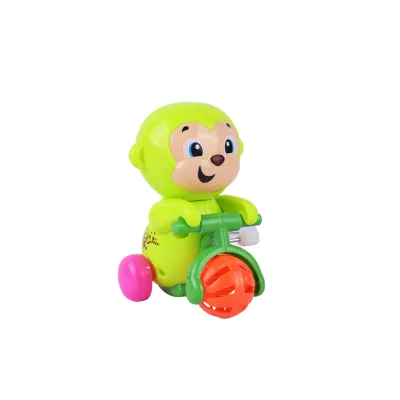
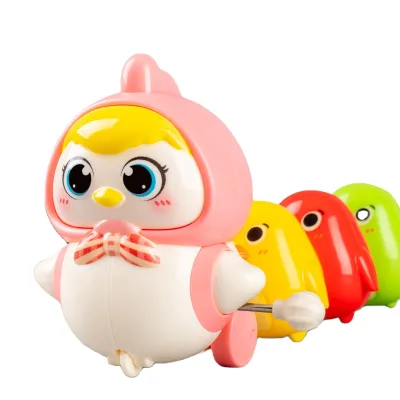
$0.72 - $0.98
MOQ: 50 pieces

- Verified by TUVRHEINLAND
- Trading Company
- China Zhejiang
- Lead time15 days
- Avg. response≤ 11h
Main productsWooden Toy, Outdoor Product, Kitchen Item, Personal Care Tool, Painting Set, Disk Rack, Yoga, Garden
Main marketsSouth America,Europe,North America

Frey Home Decoration Co., Limited
- Verified by BV
- Trading Company
- China Shandong
- Lead time30 days
- Avg. response≤ 2h
Main productsPlush Toy, Stuffed Toy, Microwaveable Toy, Heated Toy, Wheat Bag, Heated Slipper, Heated Body Pillow, Mirror Frame, Baby Furniture, Photo Frame
Main marketsAustralia


Hot Sale New Design Plush Toys Stuffed Animal Puppet Toy for Children Toys
$0.65 - $1.10
MOQ: 1000 Pieces
Shantou Starworld Toys Arts & Crafts Co., Ltd.
- Manufacturer, Trading Company
- Guangdong, China
- Lead time20 days
- Avg. response≤ 5h
Main productsBubble gun,Novelty items,light up toys,RC toys,baby toys
Main marketsDomestic Market(21.00%), Eastern Europe(10.00%), South America(10.00%), North America(10.00%), Western Europe(10.00%), Southern Europe(5.00%), Northern Europe(5.00%), Southeast Asia(5.00%), Eastern Asia(5.00%), Mid East(5.00%), Oceania(5.00%), Africa(5.00%), South Asia(4.00%)
Shantou Chenghai District Hangyi Plastic Products Factory
- Manufacturer, Trading Company
- Guangdong, China
- Lead time0 days
- Avg. response≤ 5h
Main productsEducational toy,Baby toy,Remote control toy,Children's toy
Main marketsNorth America(10.00%), South America(10.00%), Eastern Europe(10.00%), Southeast Asia(10.00%), Africa(10.00%), Oceania(10.00%), Mid East(5.00%), Eastern Asia(5.00%), Western Europe(5.00%), Central America(5.00%), Northern Europe(5.00%), Southern Europe(5.00%), South Asia(5.00%), Domestic Market(5.00%)

PIN INTERNATIONAL (NINGBO) LTD.
- Verified by TUVRHEINLAND
- Manufacturer/Factory
- China Zhejiang
- Lead time90 days
- Avg. response≤ 4h
Main productsWooden Toys Kids Toys Educational Toys, Arts and Crafts, Stem Toys, DIY Products, Subscription Box for Kids
Main marketsSouth America,Eastern Europe,North America,Eastern Asia,Western Europe


Parent-Kids Animal Toys Kids Learning and Exploring Push & Pull Wooden Toddler Toys
$6.20
MOQ: 2000 Pieces






Comprehensive Sourcing Guide
Educational Animal Wind Up Toy Supplier Concentration and Factory Types
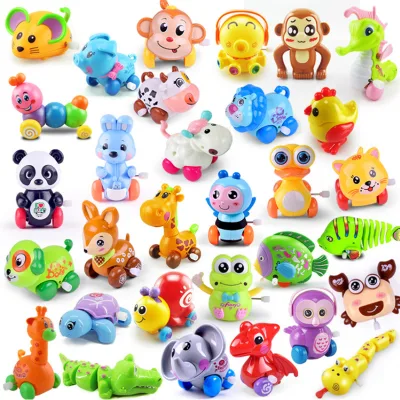
The current supplier landscape for educational animal wind up toys shows a distinct concentration in China, specifically within the Guangdong province. This region serves as a primary manufacturing hub where combined entities and manufacturers operate side by side. The data indicates that many suppliers in this cluster are located in Shantou, a city known for its toy production capabilities. When evaluating potential partners, buyers should look for companies that list Guangdong or Shantou as their place of origin, as this geographic clustering often correlates with established supply chains for plastic-based toys.
Factory types in this sector vary between pure manufacturers and combined trading companies. Some suppliers explicitly state they offer both OEM and ODM capabilities, allowing for custom mold creation and design adjustments. Others may function primarily as trading companies while still maintaining direct factory relationships. The presence of combined company types suggests a flexible sourcing environment where buyers can access both production expertise and trading services. It is essential to verify whether a supplier is a direct manufacturer or a trading intermediary, as this distinction impacts communication efficiency and cost structures for Educational Animal Wind Up Toy orders.
How to Verify Educational Animal Wind Up Toy Suppliers
Verification is a critical step when sourcing educational animal wind up toys, particularly given the diverse range of certifications and standards required for children's products. Buyers should prioritize suppliers who display specific verification badges, such as BV verification, which indicates a third-party audit of the company's business operations. Additionally, product-level evidence often includes certifications like ENCE, ENASTM, CE, EN71, and ASTM F963-96a. These standards are not universal; some products may only hold specific certifications, so buyers must cross-reference the product listing with the supplier's claimed compliance to ensure safety standards are met for the target age groups.
Beyond certifications, response time and company history provide insight into supplier reliability. The observed data shows response times ranging from 2 to 3.37 hours, which can serve as a benchmark for communication efficiency. A faster response time often indicates a more active sales team and better customer service readiness. Buyers should also check for the availability of customization services, as many suppliers list "Customization: Available" alongside their product details. Confirming that a supplier can handle custom molds and branding, such as the "DOWELL" brand example, ensures they can meet specific project requirements rather than just offering off-the-shelf inventory.
What to Compare Across Educational Animal Wind Up Toy Suppliers
When comparing suppliers, lead time and minimum order quantity (MOQ) are two of the most significant operational variables. The data reveals lead times varying from 23 days to 35 days, which directly impacts inventory planning and delivery schedules. Similarly, MOQs differ substantially across product lines, ranging from as low as 60 pieces for certain educational games to over 2,000 pieces for standard wind-up toys. Buyers must align these figures with their own sales volume forecasts to avoid overstocking or facing production delays. A supplier with a lower MOQ might be preferable for testing new designs, while a higher MOQ supplier may offer better unit economics for large-scale distribution.
Product specifications and pricing structures also require careful comparison to ensure value alignment. Prices for similar items can vary, with some wind-up toys listed between $0.28 and $1.28, while more complex educational sets may range from $4.86 to $5.86. Buyers should examine the material composition, such as plastic types like PP, and the specific dimensions provided in the product attributes. Furthermore, the inclusion of packaging details, such as color boxes or specific carton measurements, affects the total landed cost. Comparing these granular details helps buyers identify suppliers who offer the best balance of quality, cost, and logistical convenience for their specific Educational Animal Wind Up Toy needs.
Common Educational Animal Wind Up Toy Sourcing Risks
One significant risk in sourcing educational animal wind up toys involves the variability of product certifications and safety standards. While some listings explicitly state compliance with EN71, CE, or ASTM F963-96a, others may lack clear certification details or list incomplete standards. Buyers must verify that the specific product model they intend to purchase holds the necessary certifications for their target market, as a supplier might claim general compliance without guaranteeing it for every item in their catalog. Relying solely on a supplier's general reputation without checking individual product evidence can lead to customs delays or product recalls in the destination country.
Another risk relates to the consistency of production capacity and lead times. The observed lead times fluctuate between 23 and 35 days, suggesting that production schedules may vary based on order volume or current factory workload. If a buyer places an order without confirming the current lead time, they risk missing critical sales windows. Additionally, the distinction between manufacturer and trading company types can introduce communication gaps or quality control inconsistencies. Buyers should ensure that the supplier has the capacity to handle their specific order size and that they can provide consistent quality control measures, especially when dealing with complex mechanical components like wind-up mechanisms in plastic toys.
Educational Animal Wind Up Toy Regional Sourcing and Logistics
Sourcing from the Guangdong region in China offers logistical advantages due to the established infrastructure for toy exports. The concentration of suppliers in cities like Shantou means that many factories are located near major ports, facilitating efficient shipping and reduced inland transportation costs. Buyers should verify the specific origin of the product, as some listings explicitly state "Shantou" or "Guangdong, China" as the place of origin. This geographic specificity helps in estimating transit times and understanding the local regulatory environment that governs toy manufacturing in that area.
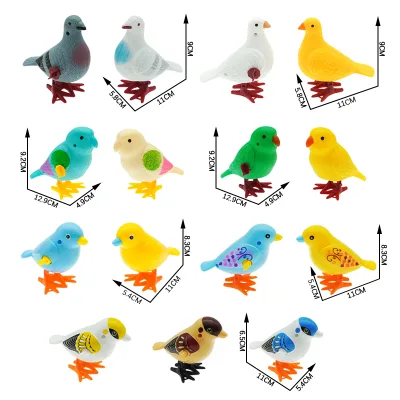
Logistics planning must also account for packaging dimensions and volume, which vary significantly across different product models. For instance, some educational toys have carton measurements of 775345 cm, while others are much smaller, such as 173.516.5 cm. These dimensions directly influence the number of units that can be loaded into a shipping container, affecting the overall freight cost per unit. Buyers should request detailed packing lists and CBM (cubic meter) data from suppliers to optimize container utilization. Understanding these logistical details ensures that the total cost of goods, including shipping, remains within budget and that the supply chain remains efficient from the factory floor to the final destination.
Educational Animal Wind Up Toy Commercial Terms and Order Planning
Commercial terms for educational animal wind up toys often include specific customization options and branding capabilities. Many suppliers indicate that they can perform custom mold creation, allowing buyers to develop unique product designs or add their own branding, such as the "DOWELL" brand example seen in the data. Buyers should clarify the terms regarding mold costs, tooling fees, and the timeline for custom production. Understanding these commercial terms is crucial for budgeting, as custom molds can represent a significant upfront investment that needs to be amortized over the order volume.
Order planning should also consider the age range and intended usage of the toys to ensure market fit. The data shows products targeting various age groups, from 2 to 4 years up to 14 years and older. Buyers must align their order quantities with the specific age demographics they are targeting, as different age groups may require different safety features or complexity levels. Additionally, the availability of customization and the specific product models, such as RFD316113 or RFD290492, should be factored into the procurement strategy. By carefully planning orders based on these commercial and product-specific details, buyers can minimize risks and maximize the return on investment for their Educational Animal Wind Up Toy inventory.
FAQs
What certifications do the wind up toys have?
Products carry ENCE, ENASTM, CE, EN71, and ASTM F963-96a certifications. These standards ensure safety for children aged 3 to 8 years. Verify specific model numbers like RFD316113 for exact compliance details before placing bulk orders.
What is the minimum order quantity for these toys?
Minimum order quantities range from 60 pieces for educational games to 2160 pieces for wind up frogs. Specific models like RFD290492 require only 72 units. Check individual product listings to confirm the exact MOQ for your selected item.
How long does production take for these toys?
Lead times vary between 23 and 35 days depending on the supplier and order volume. Some manufacturers in Guangdong, China, offer faster turnaround. Confirm the specific delivery schedule with the supplier before finalizing your purchase agreement.
Are customization and OEM services available?
Yes, customization is available for most plastic wind up toys. Suppliers offer OEM and ODM services including custom molds and branding. You can request specific shapes, colors, or packaging to match your brand requirements for promotional or retail purposes.
What is the price range for these educational toys?
Prices range from 0.28 to 5.86 USD per unit based on complexity and features. Simple wind up frogs cost less than magnetic DIY sets. Bulk pricing depends on the quantity ordered and the specific model selected from the available product catalog.
Where are these toys manufactured?
Most products originate from Shantou or Guangdong, China. These regions specialize in plastic toy manufacturing with established supply chains. Verify the place of origin on the product page to ensure it meets your sourcing location preferences.
What materials are used to make these toys?
Toys are primarily made from durable plastic, including PP types. Some items feature PVC or TPR materials for specific animal shapes. All materials are selected to meet safety standards for children aged 2 to 13 years depending on the product.