Eco Friendly Pulp Vitamin Bottle Suppliers and Manufacturers
Source 23 verified suppliers for Eco Friendly Pulp Vitamin Bottle options. Compare key dimensions such as lead times, MOQs, and response speeds to identify the right partner. Review product specifications and contact suppliers directly to request samples or quotes; review the available evidence before requesting comparable quotations from suitable candidates.
Updated
Suppliers List
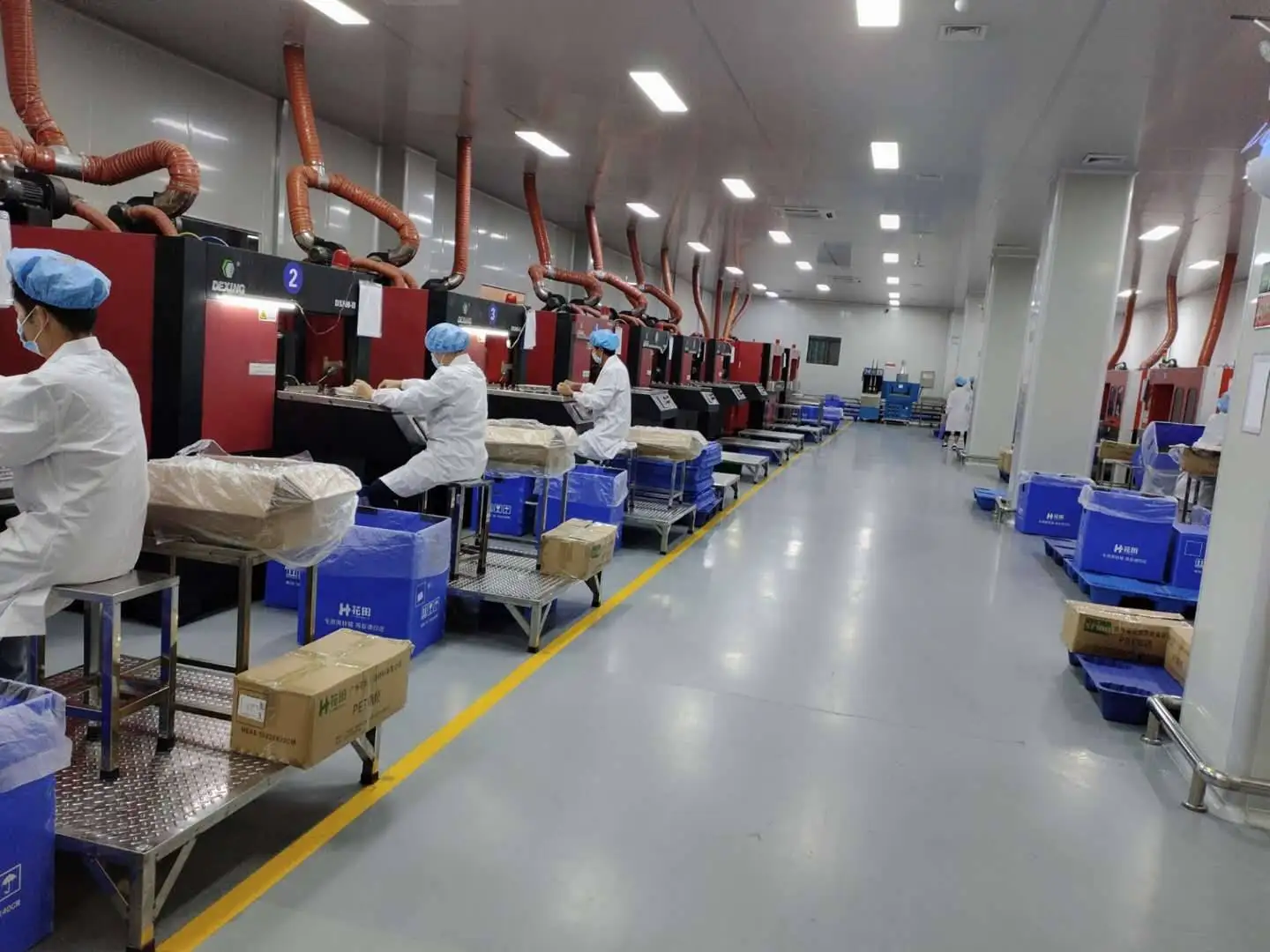
Guangzhou Meiren Packing Products Co., Ltd.
- Manufacturer, Trading Company
- Guangdong, China
- Lead time20 days
- Avg. response≤ 4h
Main productsplastic packages,aluminum packages,glass packages,customized packages,customized label
Main marketsNorth America(30.00%), Southeast Asia(20.00%), Oceania(15.00%), Eastern Europe(10.00%), South America(10.00%), Southern Europe(5.00%), Western Europe(5.00%), Africa(5.00%)
- Trading Company
- Shanghai, China
- Lead time0 days
- Avg. response≤ 1h
Main productsBiodegradable Packing Materials,Compostable Disposable tableware,PHA,PVA,PLA
Main marketsDomestic Market(30.00%), Western Europe(20.00%), North America(20.00%), Southern Europe(15.00%), Eastern Asia(10.00%), Mid East(5.00%)
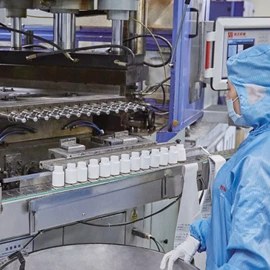
Foshan Qianfeng Industry Co., Ltd.
- Manufacturer
- Guangdong, China
- Lead time25 days
- Avg. response≤ 1h
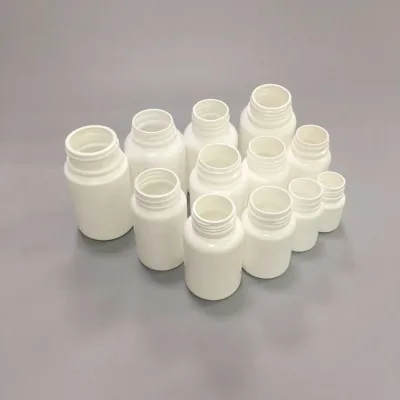
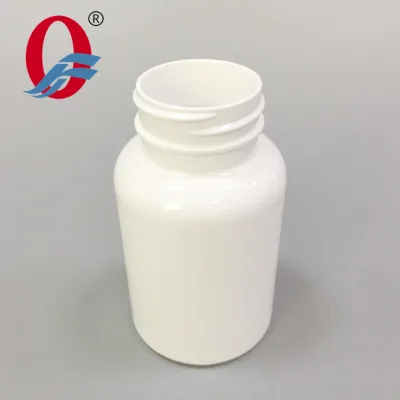
Main productsplastic bottles,plastic containers,pill packer bottles,medical plastic bottles,pharmaceutical Plastic bottle
Main marketsDomestic Market(70.00%), Oceania(20.00%), North America(10.00%)
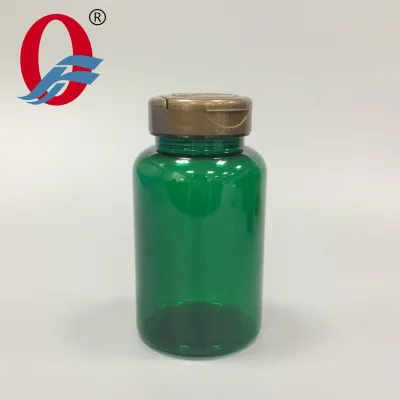
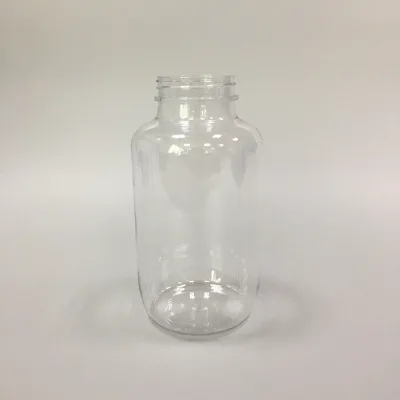
$0.0513 - $1.0278
MOQ: 30 Minimum

Hubei Mingda Plastics Products Co., Ltd.
- Verified by BV
- Manufacturer/Factory
- China Hubei
- Lead time23 days
- Avg. response≤ 12h
Main productsHDPE Bottle, Pet Bottle, Plastic Bottle/Container/Packaging, Pills Bottle, Tablets Bottle, Capsules Bottle, Powder Protein Jar, Food Bottle, Food Container, PCR Plastic Container
Main marketsSouth America,Eastern Europe,Mid East,North America,Southeast Asia,Eastern Asia,Oceania,Western Europe,Africa

Plastic Vitamin Bottle Health Supplement Packaging Bottle Capsule Tablet Bottle
$0.09 - $0.12
MOQ: 10000 Pieces


Advantrio Packaging (Shandong) LLC
- Verified by TUVRHEINLAND
- Trading Company
- China Shandong
- Lead time23 days
- Avg. response≤ 3h
Main productsPlastic Bottles, Plastic Caps, Glass Bottles, Glass Vials, Droppers, Perfume Glass Bottles, Food Glass Jars, Juice Bottles, Medicine Bottles, PET Bottles
Main marketsSouth America,North America,Southeast Asia
- Manufacturer, Trading Company
- Lead time旺季: "1 - 10000":31,"> 10000":"To be negotiated", 淡季: "1 - 10000":31,"> 10000":"To be negotiated"
- Avg. response≤ 2h
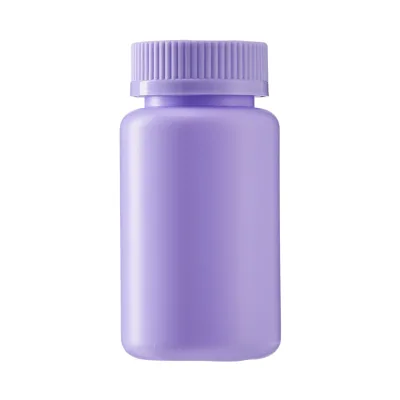
Main productsPlastic Bottle, Plastic Jar, PET Bottle, PET Jar, Plastic Container
$0.1556 - $0.2064
MOQ: 10000 pieces

Cangzhou Weikang Package Co., Ltd.
- Verified by BV
- Trading Company
- China Hebei
- Lead time15 days
- Avg. response≤ 3h
Main productsPlastic Bottle, Spray Bottle, Medicine Bottle, Pill Bottle, Test Cassette, Capsule Bottle, Supplement Bottle, Hand Snitizer Bottle, Glass Bottle
Main marketsSouth America,Africa,Southeast Asia/ Mideast,East Asia(Japan/ South Korea),Domestic,Europe,Australia,North America

$0.30 - $0.35
MOQ: 10000 Pieces


$0.30 - $0.35
MOQ: 10000 Pieces


Guangzhou Zhishi Molecular Technology Co., Ltd.
- Verified by SGS
- Trading Company
- China Guangdong
- Lead time15 days
- Avg. response≤ 3h
Main productsVitamin Drop, Vitamin Capsule, Maca, Maca Capsule
Main marketsDomestic


200cc Plastic Bottle of Vitamin Capsules for Comprehensive Health Support
$2.50 - $3.00
MOQ: 1000 Pieces
Dongguan Fukang Plastic Products Co., Ltd.
- Verified by SGS Group
- Manufacturer, Trading Company
- Lead time15 days
- Avg. response≤ 2h
Main productsPlastic Bottles
Main marketsDomestic Market(50%), North America(14%), Oceania(14%)
Shijiazhuang Leguang Trading Co., Ltd.
- Verified by SGS Group
- Trading Company
- Lead time3 days
- Avg. response≤ 2h
Main productsCosmetic Plastic bottles, Cream Jar, Glass Spray Bottle, Cosmetic Jar, Paper Tube
Main marketsNorth America(30%), Western Europe(20%), Southeast Asia(20%)

Jinhua Allies Import and Export Co., Ltd.
- Verified by SGS
- Manufacturer/Factory
- China Zhejiang
- Lead time23 days
- Avg. response≤ 6h
Main productsCanister, Container, Bottle, Cosmetic, Make up, Plastic Packaging, Eyeshadow, Palette, Box, Compact Case
Main marketsSouth America,Mid East

Low Price Plastic Storage Bottle Plastic Container Nutrition Supplement Package Bottle
$0.40 - $1.00
MOQ: 10000 Pieces


Jiangyin Hanmo Technology Co., Ltd.
- Trading Company
- Jiangsu, China
- Lead time35 days
- Avg. response≤ 4h
Main productsmetal packaging,plastic packaging,glass packaging,wood packaging,paper packaging
Main marketsNorth America(18.00%), South America(17.00%), Western Europe(16.00%), Eastern Asia(14.00%), Eastern Europe(11.00%), Northern Europe(10.00%), Mid East(9.00%), Domestic Market(5.00%)
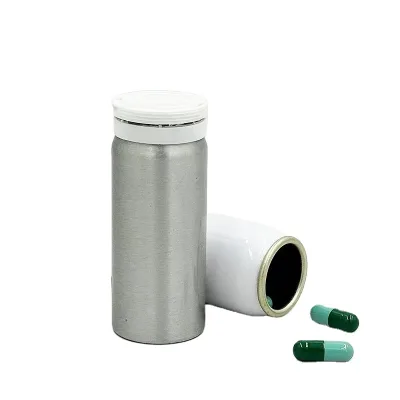
Recyclable Aluminum Vitamin Bottles Food Grade Pill Bottle Packaging Probiotic-capsule Bottle
$0.4144 - $0.6223
MOQ: 10000 pieces
- Verified by SGS Group
- Trading Company
- Lead time30 days
- Avg. response≤ 3h
Main productsGlass Beverage Liquor Sauce Milk Bottles, Glass Food and cosmetic Jars, Supplement Bottles Vitamin Bottles, Lids Accessories, Paper box and cartons
Main marketsNorth America(24%), Oceania(14%), Southeast Asia(10%)
Jiangyin E-Better Packaging Co., Ltd.
- Manufacturer, Trading Company
- Lead time旺季: "1 - 5000":45,"> 5000":"To be negotiated", 淡季: "1 - 5000":45,"> 5000":"To be negotiated"
- Avg. response≤ 4h
Main productsaluminum Bottles,perfume atomizers,medicine bottles,cosmetic jars,perfume bottle

Cangzhou Guangming Plastic Indusrty Co., Ltd.
- Manufacturer, Trading Company
- Hebei, China
- Lead time15 days
- Avg. response≤ 5h
Main productsPlastic Bottle, PE Jar, Arcylic Bottle, HDPE Plastic Bottle, PET Plastic Bottle
Main marketsDomestic Market(70.00%), Southeast Asia(20.00%), North America(10.00%)

Guangzhou Mayue Packaging Products Co., Ltd.
- Trading Company
- Guangdong, China
- Lead time3 days
- Avg. response≤ 4h
Main productsPET Plastic Bottle,PS Plastic Bottle,Double-layer Bottle,Electroplated Bottle,Flip-top Bottle
Main marketsNorth America(80.00%), Western Europe(10.00%), Southeast Asia(10.00%)
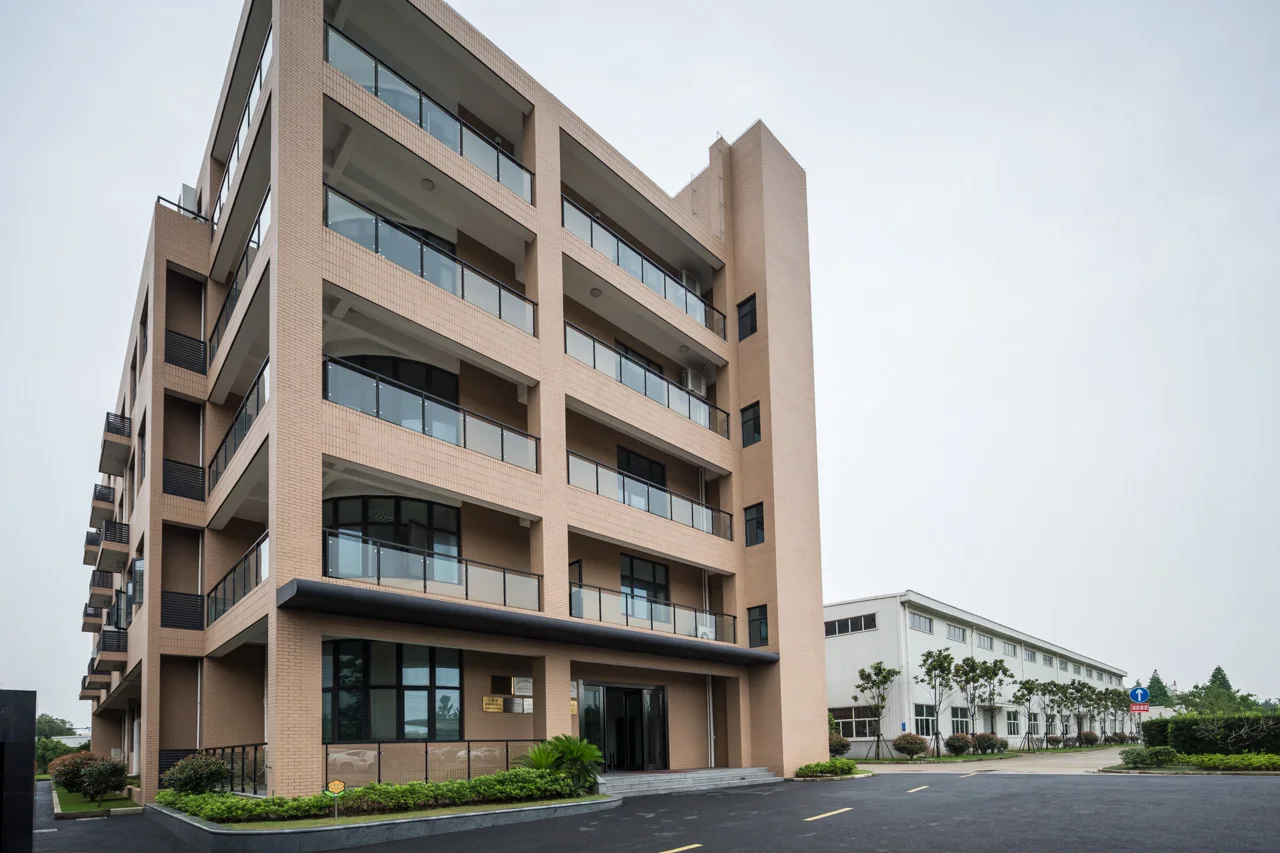
Shijiazhuang Fujiu Packing Products Co., Ltd.
- Trading Company
- Hebei, China
- Lead time0 days
- Avg. response≤ 3h
Main productsGlass bottle,Plastic bottle,Cosmetic bottle,Paper box,Shrink film
Main marketsNorth America(40.00%), Eastern Europe(30.00%), Domestic Market(10.00%), South America(5.00%), Southeast Asia(5.00%), Central America(3.00%), Western Europe(2.00%), Northern Europe(2.00%), Africa(1.00%), Mid East(1.00%), Oceania(1.00%)

SHANTOU DAFU PLASTIC PRODUCTS FACTORY CO., LTD.
- Combined
- China Guangdong
- Lead time15 days
- Avg. response≤ 7h
Main productsPlastic Container, Plastic Container for Pharmaceuticals, Plastic Bottle, Plastic Bottle for Healthcare Products, Plastic Bottle for Pharmaceuticals, Plastic Container for Healthcare Products, Plastic Caps, Plastic Lids, Plastic Medicinal Conainer, Plastic Medicinal Bottle
Main marketsSoutheast Asia/ Mideast,Europe,North America
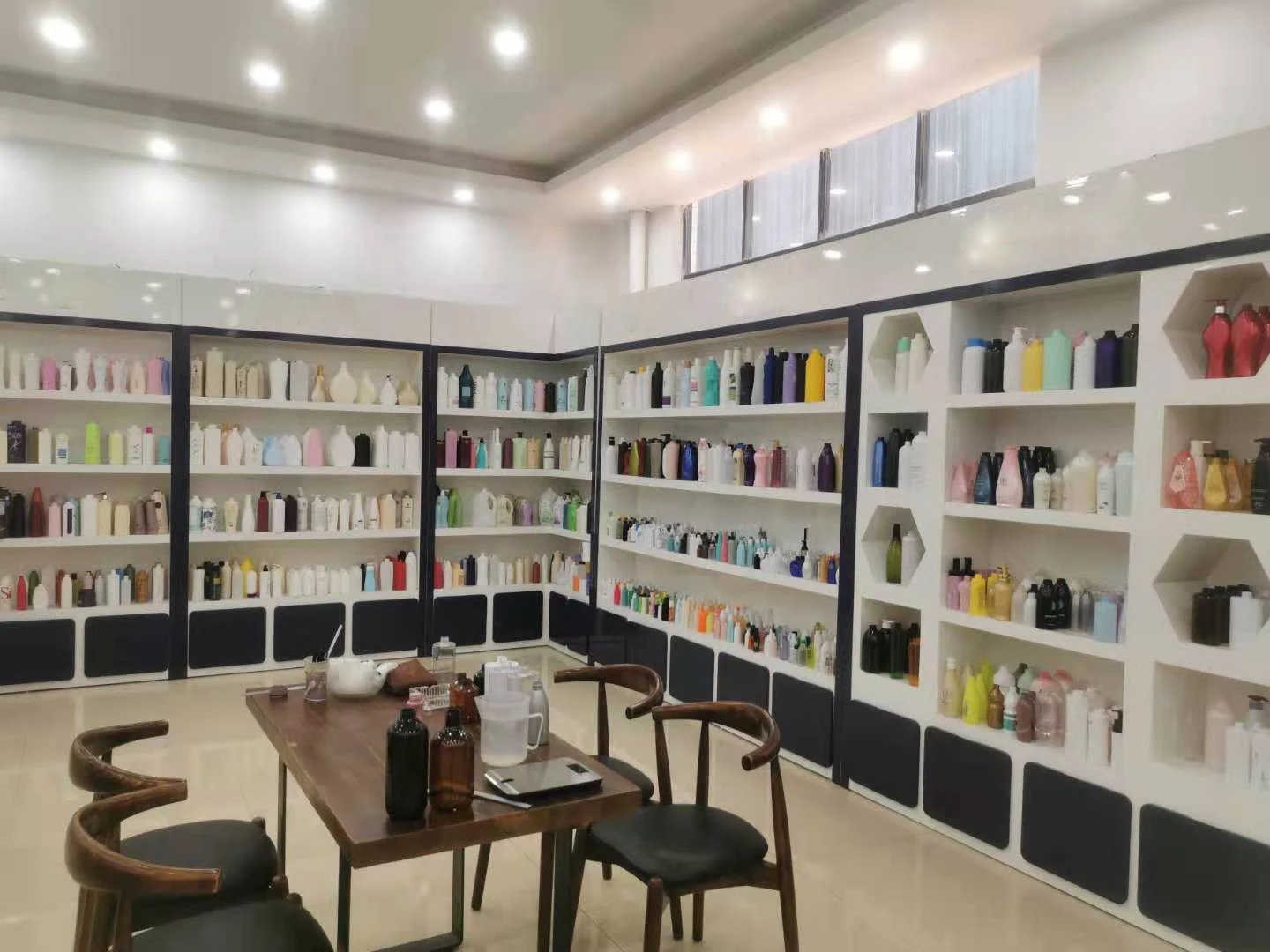
Guangzhou S&t Plastic Co., Ltd.
- Manufacturer, Trading Company
- Guangdong, China
- Lead time20 days
- Avg. response≤ 2h
Main productsPET Bottle,PETG Bottle,HDPE Bottle,PE Tube,Printing
Main marketsNorth America(60.00%), Northern Europe(10.00%), Western Europe(8.00%), Southeast Asia(5.00%), Oceania(5.00%)
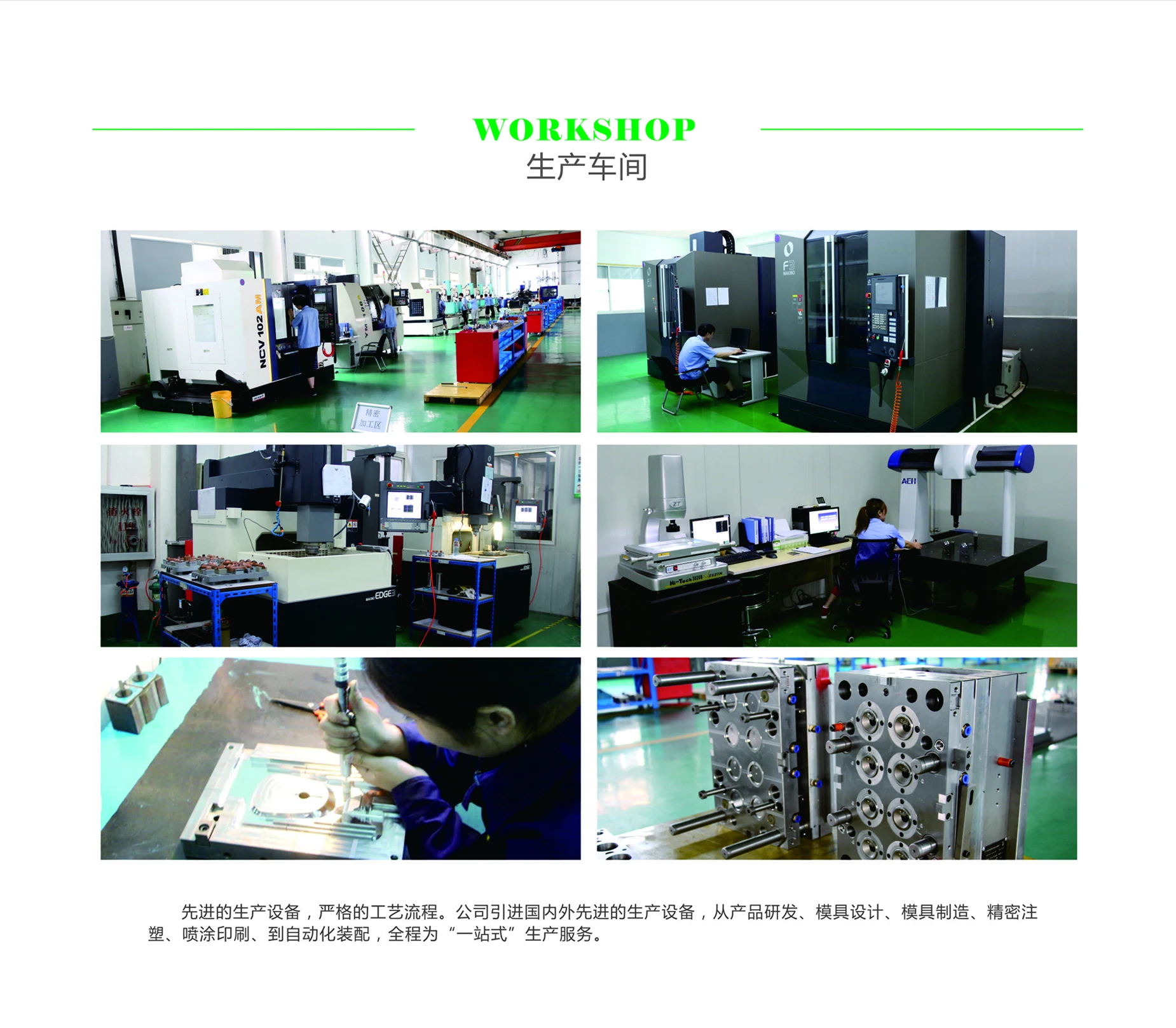
Shanghai Bropack Trade Co., Ltd.
- Trading Company
- Shanghai, China
- Lead time30 days
- Avg. response≤ 2h
Main productsPlastic Jar, Plastic Cap, Plastic Bottle, Airless Jar, Plastic Pump
Main marketsNorth America(30.00%), Western Europe(30.00%), Southeast Asia(20.00%), Eastern Europe(10.00%), Northern Europe(5.00%), Mid East(5.00%)
- Verified by TüVRheinland
- Manufacturer, Trading Company
- Lead time25 days
- Avg. response≤ 3h
Main productsDrinkware, Ceramicware, Barware, Kitchenware, Glass Bottles
Main marketsNorth America(20%), South America(20%), Southeast Asia(20%)

ZHANGZHOU SHENGMING I&T CO., LTD
- Verified by BV
- Combined
- China Fujian
- Lead time30 days
- Avg. response≤ 2h
Main productsPet Can, Plastic Can, Pet Preform, Beverage Can, Juice Can, Sealing Machine, Blowing Machine, Top Can, Plastic Container, Pet Bottle
Main marketsSouth America,Southeast Asia/ Mideast,East Asia(Japan/ South Korea)

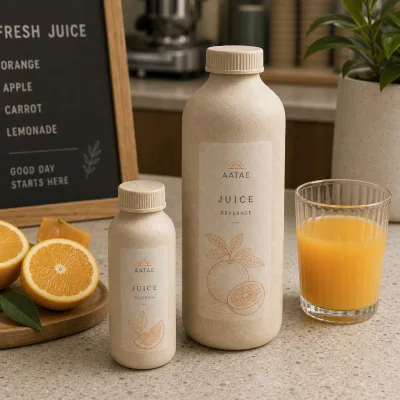
Eco-Friendly Clear Juice Bottle 330ml - Ideal for Cold Pressed Beverages
$0.10 - $0.11
MOQ: 5000 Pieces


YUYAO YUHUI COMMODITY CO., LTD.
- Verified by BV
- Combined
- China Zhejiang
- Lead time30 days
- Avg. response≤ 4h
Main productsTrigger Sprayer, Lotion Pump, Cosmetic Jar, Plastic Bottle, Plastic Case, Plastic Cap, Fine Mist Sprayer, Foam Pump, Treatment Pump, Plastic Travel Bottle Set
Main marketsSouth America,Africa,Southeast Asia/ Mideast,East Asia(Japan/ South Korea),Europe,Australia,North America






Comprehensive Sourcing Guide
Eco Friendly Pulp Vitamin Bottle Supplier Concentration and Factory Types
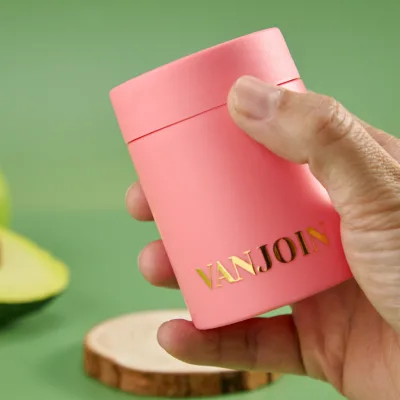
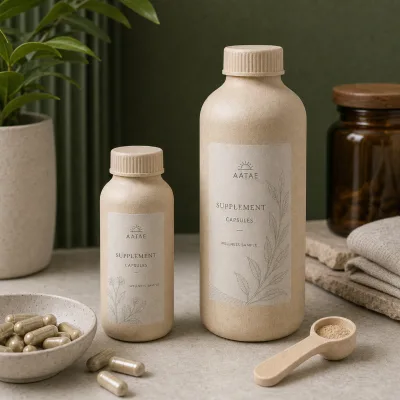
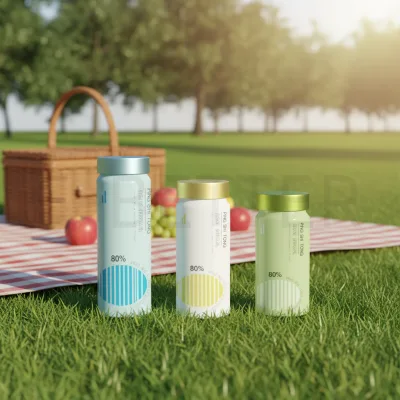
When you search for Eco Friendly Pulp Vitamin Bottle suppliers, the results typically fall into two distinct factory types that you must separate early. One group consists of molded pulp and paper packaging specialists, often listed as trading companies, whose main products include biodegradable packing materials, compostable tableware, PHA, PVA and PLA. These suppliers market paper bottles for supplements with bio-based coatings, positioned as microplastic-free alternatives. The second group consists of PET plastic bottle manufacturers whose product lines include vitamin and supplement bottles; they appear in the same searches because the end use overlaps, even though their material story is entirely different. Confirm which type you are actually dealing with before comparing anything else.
Geographically, the visible results in this category point to two Chinese sourcing bases. Pulp-molded and paper bottle listings trace to Shanghai, while plastic vitamin bottle manufacturing clusters in Guangdong province, with dispatch ports such as Guangzhou and Foshan appearing on product pages. If your search returns listings without a verified location, treat cluster assumptions as unproven. In that case, identify clusters yourself by checking the place of origin field on each product page, the port of dispatch, and whether the company type reads Manufacturer or Trading Company. Cross-checking those three signals across several listings gives you a defensible picture of where pulp bottle capacity actually sits, without relying on general assumptions.
How to Verify Eco Friendly Pulp Vitamin Bottle Suppliers
Verification starts with the supplier profile fields visible on the platform results. Check the company type first: in this category you will encounter both manufacturers and trading companies, and the distinction matters because pulp-molded bottle tooling and fiber supply chains are specialized. A trading company may still be legitimate, but you should ask which mill produces the bottles and whether you can audit or at least contact that factory directly. Next, examine the product evidence on each listing. For example, verified paper bottle pages typically state the material (wood pulp or paper), paper type, capacity options, and whether custom orders are accepted. Absence of these attributes is a warning sign, not a neutral gap.
Second, verify claims that are central to the eco positioning rather than accepting them as printed. "Biodegradable," "eco-friendly," "recyclable" and "bio-based coating" are marketing attributes on listings; ask each supplier what test reports or material documentation backs them, and whether the coating interferes with compostability. For food or supplement contact, request food-contact compliance documentation appropriate to your destination market before sampling. Also verify practical operational signals: response time is displayed on some profiles in this category and ranged from roughly one hour to several hours in current results, which tells you how quickly a supplier handles pre-sales questions, though it does not guarantee production discipline. Finally, confirm the place of origin on the product attributes matches the registered company location, since mismatches between the two suggest a reseller arrangement worth investigating before you commit.
What to Compare Across Eco Friendly Pulp Vitamin Bottle Suppliers
Build your comparison on the supplier-label dimensions that platforms actually display, and record which fields are missing rather than assuming every supplier shows the same data. Useful dimensions include: location (Shanghai versus Guangdong in current results, which maps to pulp versus plastic specializations), main products (biodegradable packing materials versus plastic bottles versus mixed packaging lines), company type, response time, lead time, and establishment year where shown. Lead time values in the current results range widely, from near-immediate listings to 20 or 25 days, so normalize this before comparing quotes. Do not penalize a supplier for a hidden field; instead, treat every missing value as a question to send.
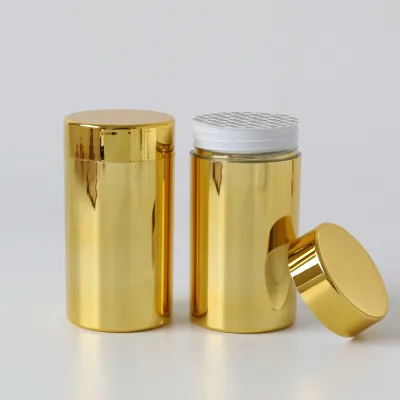
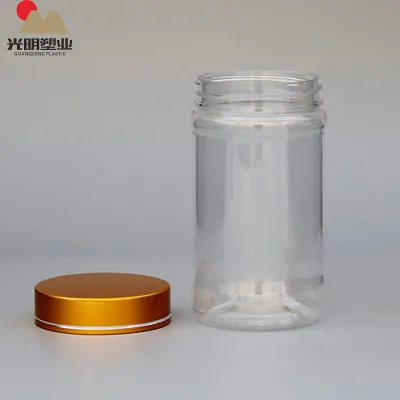
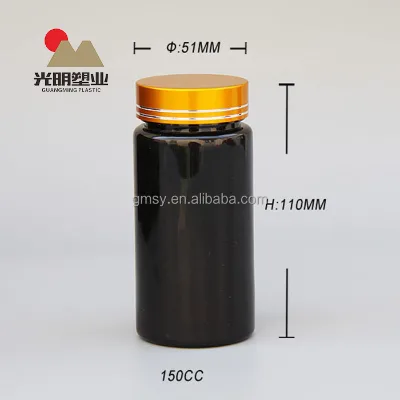
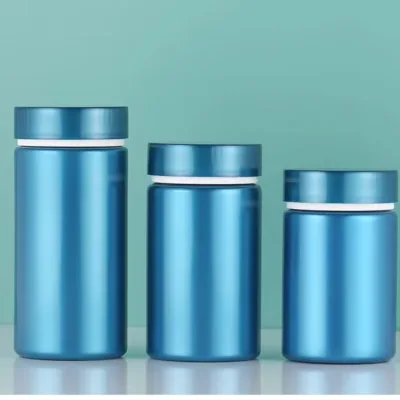
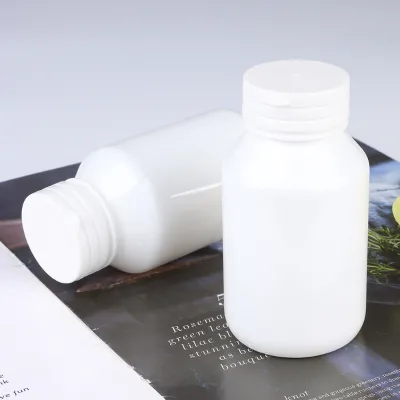
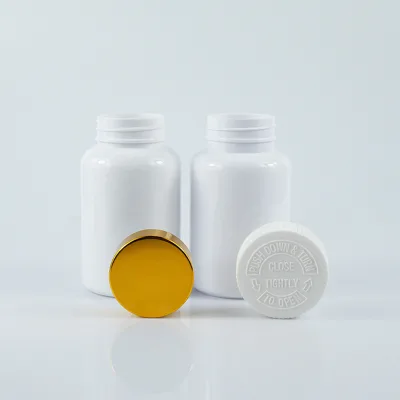
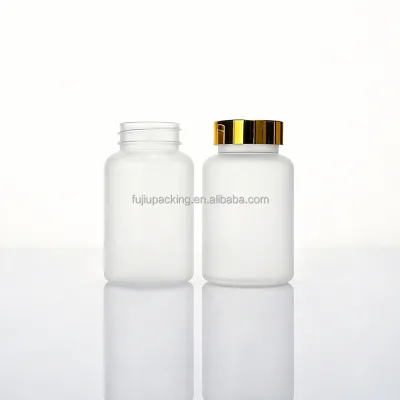
On the product side, compare structural specifics rather than slogans. For pulp and paper bottles, compare stated capacities (current listings show 120ml, 350ml and 1000ml options), whether custom orders and custom styles are accepted, printing handling such as embossing, and moisture-proofing claims, since fiber-based containers need barriers for supplement shelf life. For the plastic alternatives that share your search results, compare PET construction, neck diameter, cap type, weight and processing method. Also compare commercial signals visible on listings: some suppliers publish a minimum order quantity (one PET listing shows 500 pieces) and a price range, while others publish neither. Compare suppliers only on identical data points, and issue a standardized request-for-quotation to collect the missing fields so your eventual comparison table has one row per attribute rather than per supplier's convenience.
Common Eco Friendly Pulp Vitamin Bottle Sourcing Risks
The largest risk in this category is material substitution without disclosure. Because eco positioning commands a premium, some suppliers blur the line between molded pulp, coated paper, and conventional plastic. A search for pulp bottles will return PET vitamin bottle manufacturers, and if you brief loosely, you may receive plastic samples priced attractively while believing you sourced fiber. Mitigate this by specifying the base material in writing, referencing the product attributes you verified (for example, wood pulp construction with a stated paper type), and requiring material declarations with every sample shipment. A second risk is performance failure: pulp bottles rely on coatings and molded structure for moisture resistance, and a listing that claims "moisture-proof" is not the same as a validated shelf-life result for your capsule or gummy formulation.
Third, there is a scale and consistency risk. Pulp bottle suppliers in current results appear as trading companies rather than large manufacturers, which can mean variable capacity, dependent production scheduling, and limited tooling ownership. Ask who owns the molds and what happens if the intermediary changes factories. Fourth, watch for compliance gaps: listings may display eco attributes without any food-contact or destination-market documentation attached, so verify before scaling. Finally, beware of lead-time optimism. Displayed lead times in this category range from effectively immediate to 25 days, and pulp tooling customization typically sits at the long end. Contract with a delivery window, milestone checks during tooling, and a defined consequence for late batches rather than relying on the headline figure shown at inquiry time.
Eco Friendly Pulp Vitamin Bottle Regional Sourcing and Logistics
The regional picture in current results is concentrated in eastern and southern China with distinct roles. Shanghai-based listings dominate the pulp and paper bottle segment, offering wood-pulp and coated-paper bottles in capacities such as 120ml and 350ml with embossed, customized styling. Guangdong province dominates the adjacent PET supplement bottle segment, with product pages indicating ports of dispatch at Guangzhou and Foshan and very high monthly supply capacity for plastic bottles. If you genuinely require fiber-based packaging, prioritize suppliers whose origin and port both sit in the paper-packaging cluster; if you are comparing against plastic as a fallback, the Guangdong base offers mature mold-making and export infrastructure. Do not infer a cluster from one listing alone—verify origin and dispatch port together.
Logistically, plan around a few category-specific realities. Paper bottles are lighter than PET per unit in some formats but bulkier in carton terms, so request the single package size and gross weight figures shown on listings (one plastic example lists a 0.015 kg single gross weight and a 1.8 by 1.8 by 13 cm unit) and model your freight cost both ways before choosing. Confirm the quoted port of dispatch and whether the supplier consolidates with your other packaging components. For eco claims, ask whether cartons and inner packing are also fiber-based, since mixing plastic mailers with pulp bottles undermines your sustainability narrative. Finally, verify export documentation experience for food-contact packaging at the quoted port, and confirm Incoterms early because trading-company suppliers in this category vary in how they handle freight arrangements.
Eco Friendly Pulp Vitamin Bottle Commercial Terms and Order Planning
Commercial terms in this category vary more than buyers expect, so structure your order planning around verified figures rather than category averages. Where listings display them, minimum order quantities can be surprisingly accessible—one visible PET supplement bottle listing shows an MOQ of 500 pieces with a unit price band—and paper bottle listings typically state that custom orders are accepted, though custom pulp tooling will carry its own minimums. Payment methods shown on current product pages include T/T, PayPal and MoneyGram; treat platform-mediated payment protections as preferable for first orders and confirm in writing which method the supplier actually supports. Sample availability is sometimes listed as free, but always confirm who pays freight and whether the sample matches the customized production specification.
Order planning should sequence three stages. First, a paid or freight-charged sample round to validate material, coating, moisture performance and print quality. Second, a pilot order at or slightly above the stated MOQ to test filling-line compatibility—check neck finish, cap fit and dimensional tolerances against your filler's specs, since pulp bottles are less dimensionally forgiving than molded PET. Third, a scale-up order with a contracted lead time informed by displayed values (current results show lead times from short to roughly 20–25 days) plus a buffer for tooling and coating variability. Establish response-time expectations up front using the profile data, put eco-material claims and food-contact documentation into the purchase contract, and agree on replacement terms for out-of-spec batches before any deposit moves.
FAQs
What is the minimum order quantity for eco friendly pulp vitamin bottles?
The minimum order quantity is 500 pieces for standard PET plastic pill bottles. For custom eco-friendly paper bottles made from wood pulp, buyers should verify specific supplier terms as these may vary. Always confirm the exact MOQ with the manufacturer before placing an order to ensure production readiness.
How long does it take to manufacture and ship these bottles?
Lead times typically range from 20 to 25 days for plastic and paper packaging solutions. Some suppliers may offer faster turnaround times depending on stock availability. Buyers should confirm the exact production schedule with the supplier to align with their inventory needs and avoid delays in product launches.
Are these vitamin bottles made from biodegradable or eco-friendly materials?
Yes, options include biodegradable paper bottles made from wood pulp with bio-based coatings. These are designed to be eco-friendly and recyclable. Plastic alternatives are also available in PET material. Buyers should specify their preference for paper or plastic to ensure the packaging meets their sustainability goals.
What customization options are available for branding on these bottles?
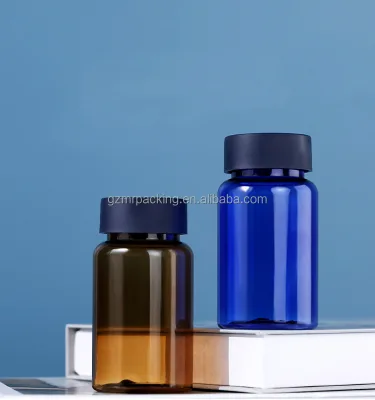
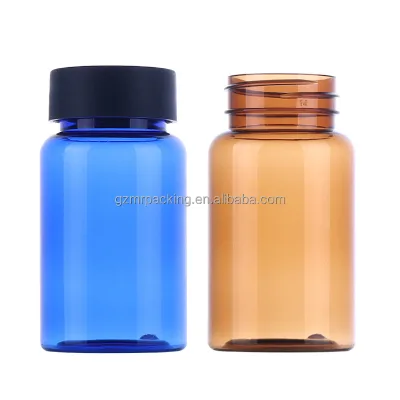
Customization includes silk screen printing, embossing, and hot stamping for logos and labels. Buyers can choose from various colors like brown, blue, or green. The shape and capacity can also be customized. Ensure the supplier accepts custom orders and confirm the design requirements before production begins.
What is the typical response time from suppliers for inquiries?
Suppliers generally respond within one to four days to buyer inquiries. This ensures timely communication regarding quotes, samples, and production details. Buyers should expect a prompt reply to facilitate efficient sourcing decisions. Faster response times may indicate a more responsive supplier ready to assist with urgent orders.
Can I get free samples before placing a bulk order?
Some suppliers offer free samples for evaluation purposes. This allows buyers to check the quality, material, and printing before committing to a large order. Buyers should contact the supplier directly to request samples and confirm any shipping costs or conditions associated with the sample request process.