Handmade Coated Paper Chocolate Box Suppliers and Manufacturers
Compare 25 verified suppliers of handmade coated paper chocolate boxes located in Guangdong, China. Review lead times, certifications like ISO 9001, and customization options before requesting samples to ensure quality standards are met for your specific packaging needs; review the available evidence before requesting comparable quotations from suitable candidates.
Updated
Suppliers List

Guangzhou Vitality Printing Co., Ltd
- Verified by SGS
- Trading Company,Manufacturer/Factory
- China Guangdong
- Lead time105 days
- Avg. response≤ 5h
Main productsPaper Packaging, Paper Folding Box, Booklet, Paper Can, Gift Box, Book Printing Service, PVC Box, Cosmetics Packaging, Food Container, Children Book Printing
Main marketsEastern Europe,North America,Southeast Asia,Eastern Asia,Western Europe,Africa

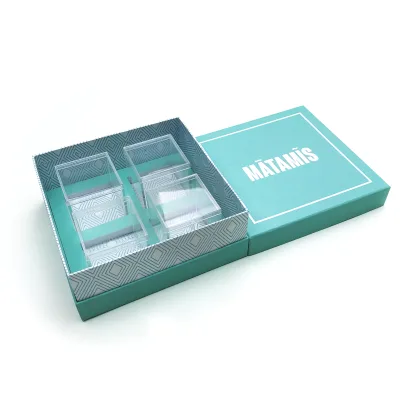
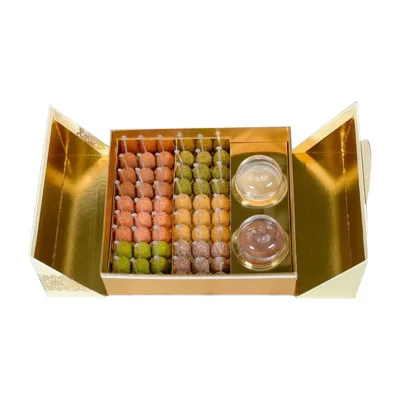
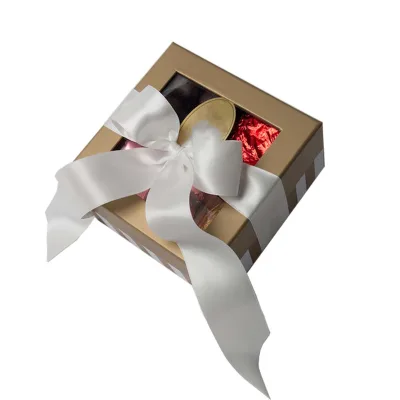
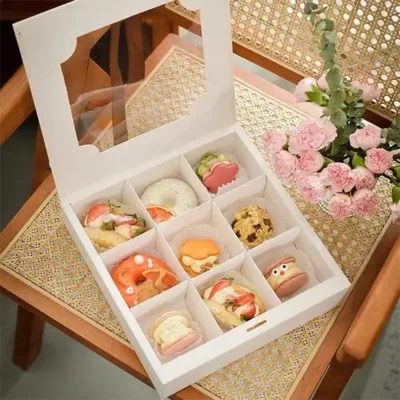
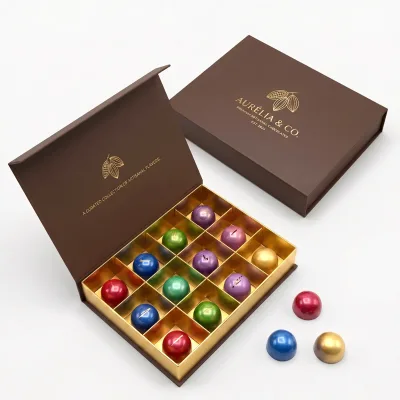
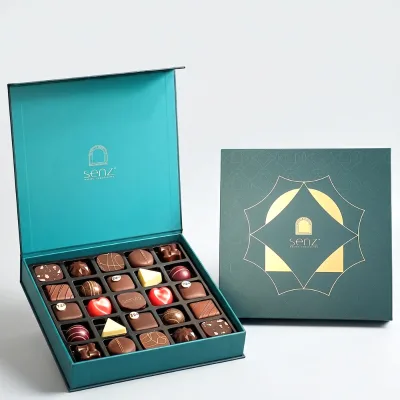
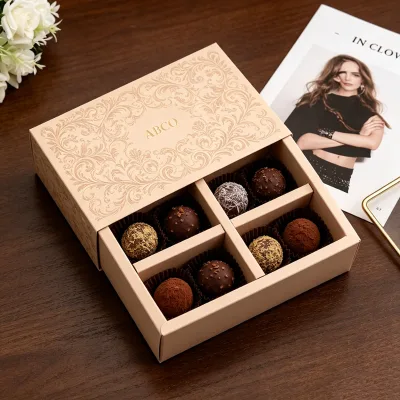
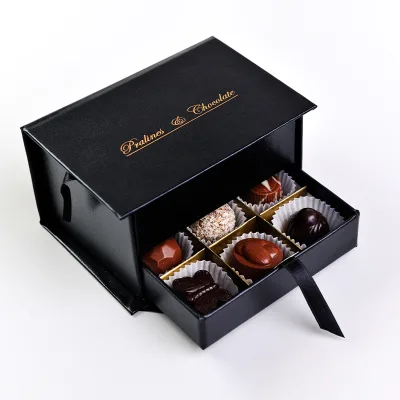
Handmade Custom Paper Boxes Cardboard Gift Box Chocolate Luxury Chocolate Packaging Boxes
$0.29 - $0.69
MOQ: 500 Pieces

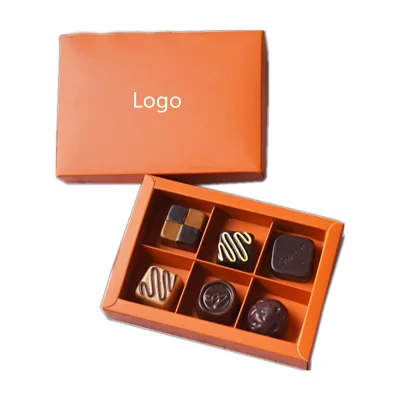
Handmade Custom Printing Logo Cardboard Box Chocolate Packaging Box Recyclable Gift Paper Box
$0.50 - $1.50
MOQ: 500 Pieces

$0.50 - $1.50
MOQ: 500 Pieces

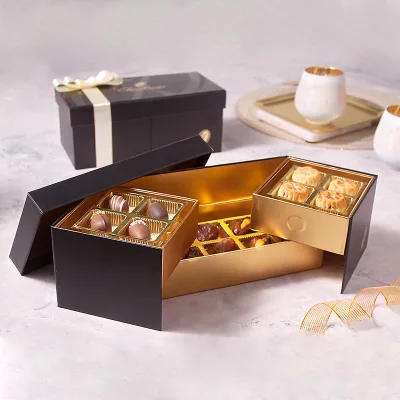
Handmade Chocolate Packaging Box with Detachable Lid Customized Gift Box
$0.29 - $0.69
MOQ: 500 Pieces


Dongguan Fuliter Paper Products Co., Ltd.
- Manufacturer, Trading Company
- Guangdong, China
- Lead time18 days
- Avg. response≤ 5h
Main productsChocolate Box, Sweet Box, Dates Box, Pre-roll Box, Cigarette Box
Main marketsNorth America(40.00%), Western Europe(10.00%), Central America(10.00%), Oceania(8.00%), South America(7.00%), Eastern Europe(5.00%), Mid East(5.00%), Eastern Asia(3.00%), Northern Europe(3.00%), Southeast Asia(3.00%), Southern Europe(2.00%), Africa(2.00%), South Asia(1.00%), Domestic Market(1.00%)
Guangzhou Elephant Color Printing & Packaging Co., Ltd.
- Verified by Intertek
- Trading Company
- Lead time12 days
- Avg. response≤ 2h
Main productsPackaging Box, Paper Box, Mailer Box, Book, Paper Bag
Main marketsNorth America(30%), Oceania(20%), Mid East(10%)

Jinjiang Jiaxing Supply Management Co., Ltd.
- Verified by TUVRHEINLAND
- Trading Company
- China Fujian
- Lead time30 days
- Avg. response≤ 2h
Main productsEVA Clogs, Flip Flop, Shoe Charms, Shopping Bags, Wristbands, Gifts, Promotional Gifts, Slipper, Sport Cap, Ball
Main marketsNorth America

Shanghai Woods Packaging Co., Ltd.
- Verified by CTI
- Combined
- China Shanghai
- Lead time15 days
- Avg. response≤ 10h
Main productsGift Box, Paper Box, Carton Box, Pizza Box, Paper Gift Box, Carton Cardboard Box
Main marketsAustralia,North America


Manufacture Food Grade Custom Paper Gift Boxes Chocolate Handmade Chocolate Packaging Cartons
$0.17 - $0.56
MOQ: 1000 Pieces

Huizhou Green Foil Insulation Co., Ltd.
- Verified by BV
- Combined
- China Guangdong
- Lead time15 days
- Avg. response≤ 2h
Main productsCooler Bag, Gift Bag, Gift Box, Insulated Bag, Color Printed Box, Jewelry Box, Paper Bag, Paper Box, Packaging Box, Insulated Mailer
Main marketsEast Asia(Japan/ South Korea),Europe,North America


Bespoke Coated Paper Display & Promotional Paper Chocolate Packaging Gift Paper Box
$0.14
MOQ: 3000 Pieces


Shanghai Hongyun Packaging Co., Ltd.
- Verified by TUVRHEINLAND
- Trading Company,Manufacturer/Factory
- China Shanghai
- Lead time15 days
- Avg. response≤ 3h
Main productsPaper Box, Gift Box, Packaging Box, Cartons, Paper Bags, Stickers, Hang Tags, Labels, Food Bags, Shopping Bags
Main marketsSouth America,Eastern Europe,Mid East,North America,Southeast Asia,Eastern Asia,Oceania,Western Europe,Africa

Custom Belgian Chocolate Truffle Box Candy Handmade Paper Chocolate Boxes
$0.08 - $0.52
MOQ: 1000 Pieces


Wholesale Customized 4 Pieces Gift Paper Chocolate Bonbon Packaging Box
$0.65 - $1.85
MOQ: 1000 Pieces

EVER GREATER IMP. & EXP. CO., LIMITED
- Verified by TUVRHEINLAND
- Trading Company
- China Zhejiang
- Lead time15 days
- Avg. response≤ 6h
Main productsDisposable Cup, Paper Cup, Pet Cup, PLA Cup, Sleeve, Coaster, Food Packag Box, Pizza Box, Cake Box, Paper Box
Main marketsSoutheast Asia/ Mideast,Europe,Australia,North America

Ningbo Yinzhou Wenhui Paper Co., Ltd.
- Verified by TUVRHEINLAND
- Manufacturer/Factory
- China Zhejiang
- Lead time45 days
- Avg. response≤ 8h
Main productsStationery Gifts Promotional Homeware, Pen, Pet Products, Board Game, Paper Tube, Notebook, Wooden Toys, DIY Toy, Puzzle, Gift Bag
Main marketsSouth America,Eastern Europe,Mid East,North America,Southeast Asia,Eastern Asia,Oceania,Western Europe,Africa

Eco Friendly Handmade with Insert Christmas Gift Chocolate Paper Gift Box
$1.00 - $2.50
MOQ: 2000 Pieces

Factory Handmade Luxury Unique Shape Chocolate Packaging Box with Insert
$1.00 - $2.50
MOQ: 2000 Pieces
Shenzhen Kung Fu Boy Packaging Products Co., Ltd.
- Verified by SGS Group
- Trading Company
- Lead time9 days
- Avg. response≤ 6h
Main productsGift Box, Folding Magnetic Box, Corrugated Box, Wig Hair Extension Box, Lingerie Clothes Box
Main marketsNorth America(30%), Western Europe(25%), Eastern Asia(15%)

Xiamen Airetion Technology Co., Ltd.
- Trading Company
- China Fujian
- Lead time0 days
- Avg. response≤ 3h
Main productsGift Box, Jewelry Box, Color Box, Food Box, Cosmetic Box, Electronic Packaging Box, Paper Bag

Customized Chocolate Box with Compartments for Handmade Chocolate and Gourmet Food Brands
$2.00 - $10.00
MOQ: 500 Pieces

Printed Paper Chocolate Box for Custom Branded Chocolate Packaging Solutions
$2.00 - $10.00
MOQ: 500 Pieces
Qingdao Aibokaier Industry And Trade Co., Ltd.
- Verified by TüVRheinland
- Manufacturer, Trading Company
- Lead time10 days
- Avg. response≤ 2h
Main productsPaper Box, Paper Bag, Stickers
Main marketsDomestic Market(28%), North America(15%), Northern Europe(7%)

Qingdao Vista Packaging Co., Ltd.
- Manufacturer/Factory
- China Shandong
- Lead time15 days
- Avg. response≤ 4h
Main productsPackaging Box, Paper Box, Cardboard Box, Carton Box, Gift Box, Corrugated Box, Fruit Box, Shipping Box, Paper Bag, Cosmetic Box
Main marketsSouth America,Eastern Europe,Mid East,North America,Southeast Asia,Eastern Asia,Oceania,Western Europe,Africa

Custom Logo Printed Cardboard Luxury Handmade Paper Chocolate Gift Packing Packaging Boxes
$0.35 - $0.38
MOQ: 3000 Pieces

Packaging Box for Chocolates Paperboard Chocolate Packaging Box Printing Chocolate Box with Window
$0.85 - $0.88
MOQ: 3000 Pieces

$0.33 - $0.35
MOQ: 3000 Pieces

Guangzhou Igiftbox Printing & Packaging Co., Ltd
- Verified by SGS
- Trading Company
- China Guangdong
- Lead time15 days
- Avg. response≤ 6h
Main productsPaper Gift Box, Paper Box, Paper Bags, Gift Box, Packaging Box, Chocolate Box, Cosmetic Box, Sticker Label, Cardboard Box, Book Printing
Main marketsSouth America,Southeast Asia/ Mideast,Europe,North America

Anhui Beauty Culture Development Co., Ltd.
- Verified by BV
- Combined
- China Anhui
- Lead time15 days
- Avg. response≤ 19h
Main productsGift Packing Box, Paper Bag, Stationery Printings, Packaging Box, Children Book, Board Games, Book Printing, Magazing Printing, Calendar Printing, Envelope Printing
Main marketsSoutheast Asia/ Mideast,Domestic,Europe,North America
Dongguan Dekun Printing Co., Ltd.
- Verified by TüVRheinland
- Manufacturer, Trading Company
- Lead time15 days
- Avg. response≤ 4h
Main productsEco Friendly Packaging, Mailer Box, Paper Bag, Chocolate Box, Flower Box
Main marketsNorth America(30%), Mid East(15%), Domestic Market(15%)

Green Valley Tech (Zhuhal) Co., ltd
- Manufacturer
- Guangdong, China
- Lead time30 days
- Avg. response≤ 8h
Main productsMolded Pulp Packaging,Molded Pulp Insert,Bagasse Box,Dry Pressed Packaging,Wet Pressed Packaging
Main marketsNorth America(50.00%), Western Europe(25.00%), Mid East(20.00%), Southern Europe(5.00%)
$2.35 - $3.18
MOQ: 1000 Minimum
$1.86 - $2.69
MOQ: 1000 Minimum

$1.0547 - $1.1788
MOQ: 1000 Minimum
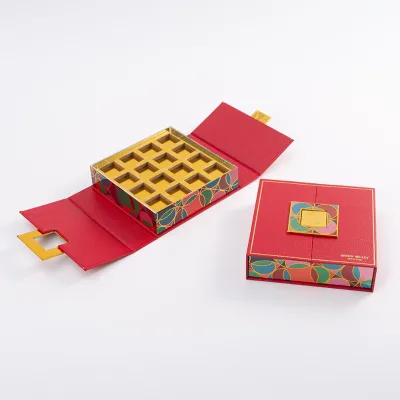
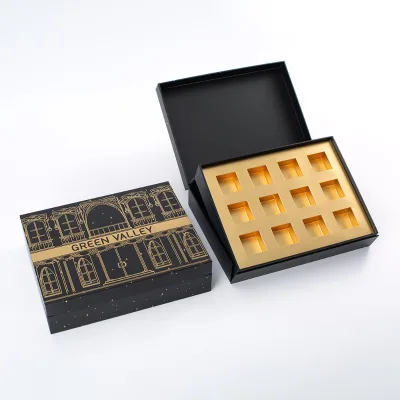

Guangzhou Mousse Packaging Co., Ltd.
- Verified by SGS
- Trading Company
- China Guangdong
- Lead time30 days
- Avg. response≤ 3h
Main productsPaper Box, Paper Cup, Coffee Cup, Paper Gift Bag, Chocolate Gift Box, Pizza Burger Box, Cake Box, Ice Cream Cup, Takeaway Bag, Paper Bag
Main marketsEurope,North America

Custom Luxury Chocolate Gift Boxes Packaging Paperboard Dessert Chocolate Packaging Box
$0.30 - $0.90
MOQ: 1000 Pieces

Chocolate Boxes Packaging Rectangle Chocolate Covered Strawberry Paper Gift Box
$0.30 - $0.90
MOQ: 1000 Pieces

Custom Luxury Chocolate Box with Cover Gift Box Paper Chocolate Packaging Box
$0.30 - $0.90
MOQ: 1000 Pieces

Chocolate Packaging Paper Boxes with Dividers Custom Your Own Logo Removable Lid Gift Box
$0.30 - $0.90
MOQ: 1000 Pieces
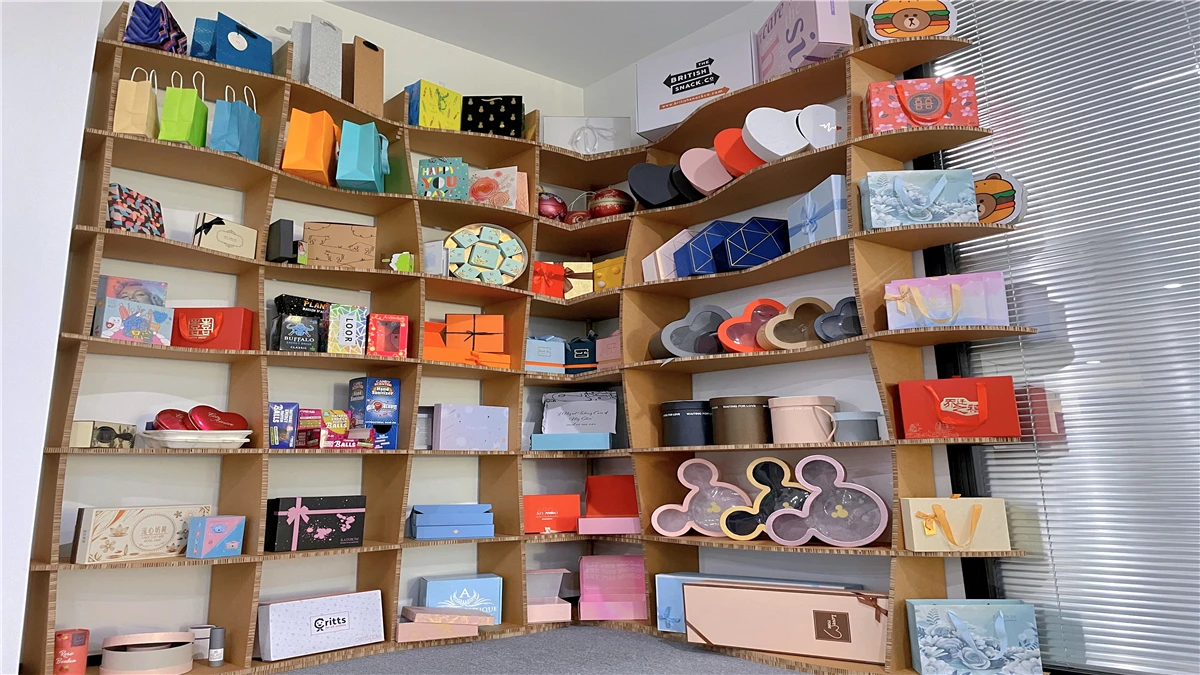
Shenzhen Leader Industrial Co., Ltd.
- Manufacturer, Trading Company
- Guangdong, China
- Lead time7 days
- Avg. response≤ 4h
Main productsGift Boxes,Gift Bags,Paper Card Boxes,Carton Boxes,Cardboard Display Boxes
Main marketsNorth America(35.00%), Western Europe(20.00%), Oceania(20.00%), South America(10.00%), Eastern Europe(5.00%), Mid East(5.00%), Southeast Asia(5.00%)
Guangzhou Maibao Package Co., Ltd.
- Manufacturer, Trading Company
- Lead time旺季: "1 - 500000":15,"> 500000":"To be negotiated", 淡季: "1 - 500000":15,"> 500000":"To be negotiated"
- Avg. response≤ 7h
Main productsCoffee And Bakery Packaging, Fast Food Packaging, Food And Beverage Packaging, Eco-friendly Packaging, Luxury Packaging
Guangzhou Maibao Package Co., Ltd.
- Manufacturer, Trading Company
- Lead time旺季: "1 - 50000":15,"> 50000":"To be negotiated", 淡季: "1 - 50000":15,"> 50000":"To be negotiated"
- Avg. response≤ 8h
Main productsCoffee And Bakery Packaging, Fast Food Packaging, Food And Beverage Packaging, Eco-friendly Packaging, Luxury Packaging

Shanghai Coffe Packing Group Co., Ltd.
- Verified by CTI
- Combined
- China Shanghai
- Lead time15 days
- Avg. response≤ 8h
Main productsPaper Gift Box, Carton Cardboard Box, Gift Box, Paper Box, Carton Box, Cardboard Box, Corrugated Box, Packaging Box, Paper Packaging, Paper Carton
Main marketsDomestic,Europe,Australia,North America
Hangzhou Wonder Tree Technology Co., Ltd.
- Verified by TüVRheinland
- Manufacturer, Trading Company
- Lead time30 days
- Avg. response≤ 4h
Main productsPaper Puzzle, Board Game, Cards Game, Poker Chip, Flashcards
Main marketsNorth America(50%), Western Europe(20%), Eastern Europe(10%)
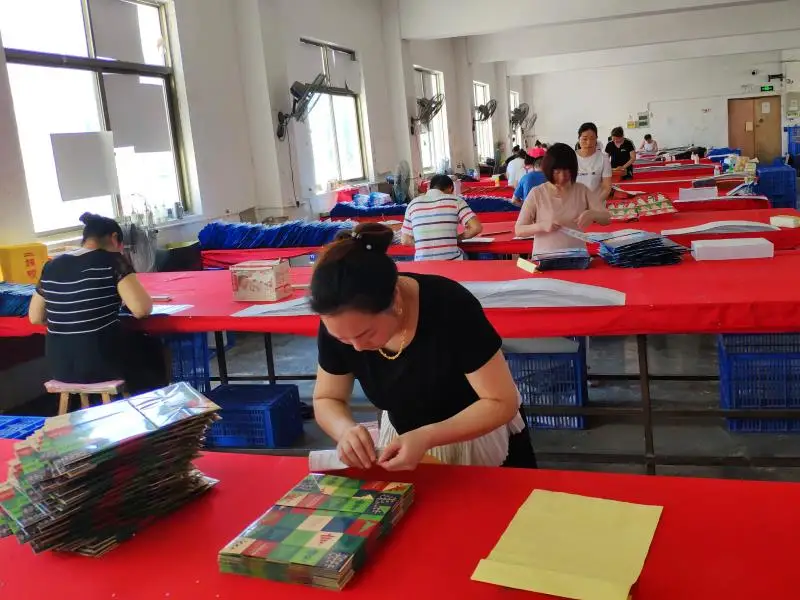
Yiwu Bangdi Packaging Products Co., Ltd.
- Trading Company
- Zhejiang, China
- Lead time15 days
- Avg. response≤ 3h
Main productsJewelry Packaging, Beauty Products Packaging, Gift Box, Gift Bag, Mailer Packaging
Main marketsNorth America(45.00%), Central America(12.00%), Eastern Asia(10.00%), Eastern Europe(10.00%), Mid East(10.00%), Northern Europe(8.00%), Oceania(3.00%), South America(2.00%)
Shenzhen Meijiacai Printing Co., Ltd.
- Verified by SGS Group
- Manufacturer, Trading Company
- Lead time10 days
- Avg. response≤ 4h
Main productsCylinder Box, Gift Box, Paper Bag, Paper Box, Magnetic Box
Main marketsNorth America(35%), Eastern Europe(15%), Western Europe(12%)






Comprehensive Sourcing Guide
Handmade Coated Paper Chocolate Box Supplier Concentration and Factory Types
The current supplier landscape for handmade coated paper chocolate boxes reveals a distinct geographic concentration in China, specifically within the Guangdong province. This region serves as a critical manufacturing hub for packaging solutions, leveraging established supply chains for raw materials like art paper and cardboard. Buyers evaluating potential partners will find that the majority of verified entities operate from this specific location, which facilitates efficient logistics for international shipping. The presence of suppliers in Guangdong indicates a mature ecosystem where specialized factories and trading companies coexist, offering diverse options for sourcing high-quality, custom-printed packaging. Understanding this geographic clustering is essential for buyers who need to assess proximity to ports or evaluate regional labor costs that may influence final pricing structures.
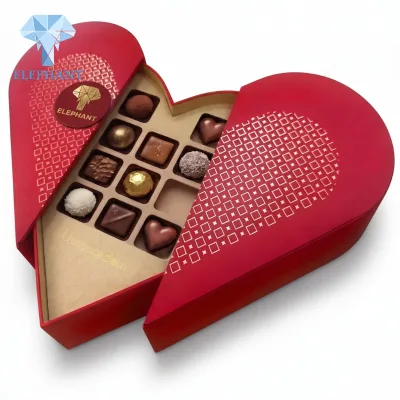
Within this concentrated market, the supplier base is composed of two primary company types: manufacturers and trading companies. Manufacturers possess the direct capability to produce items such as rigid boxes, heart-shaped containers, and standard square designs, often holding certifications like ISO 9001 and BSCI to ensure quality control. Trading companies, on the other hand, may aggregate products from multiple factories, offering a broader catalog that includes specialized items like magnetic gift boxes or eco-friendly recycled material options. Both types support OEM and ODM services, allowing for significant customization in logo printing, surface handling, and structural design. Buyers must distinguish between these entity types to determine whether they are engaging directly with the production line or through an intermediary, as this distinction impacts communication efficiency and cost transparency.
How to Verify Handmade Coated Paper Chocolate Box Suppliers
Verification is a critical step in ensuring that suppliers meet the rigorous demands of the chocolate packaging industry. Buyers should prioritize suppliers who display third-party verification badges, such as SGS, which provides an additional layer of trust regarding the company's operational legitimacy. Beyond basic verification, it is important to check for system certifications like ISO 9000 and ISO 9001, which indicate that the supplier has implemented standardized quality management systems. These certifications are particularly relevant for manufacturers producing complex items like handmade chocolate boxes, where consistency in dimensions, material weight, and print quality is paramount. Buyers should request copies of these certificates and verify their validity through the issuing bodies to ensure that the supplier maintains ongoing compliance with international standards.
Another key aspect of verification involves assessing the supplier's responsiveness and sample production capabilities. A quick response time, such as the 4.60-hour average observed in some results, suggests a proactive communication style that is vital for resolving design queries and order issues promptly. Buyers should also evaluate the sample process, noting that many suppliers accept custom samples with a turnaround time of approximately three days. This rapid sample production allows buyers to physically inspect the quality of the coated paper, the precision of the handmade assembly, and the accuracy of logo printing before committing to large orders. Additionally, verifying the supplier's main product focus ensures they specialize in packaging rather than general goods, which often correlates with higher expertise in handling delicate materials and intricate box structures.
What to Compare Across Handmade Coated Paper Chocolate Box Suppliers
When comparing suppliers, buyers must analyze a range of operational metrics to determine the best fit for their specific needs. Lead time is a crucial factor, with some suppliers offering a production window of up to 105 days, while others provide faster turnaround times of around 18 days. This variance can significantly impact inventory planning and market launch schedules, so buyers should align their choice with their urgency requirements. Minimum Order Quantities (MOQ) also vary widely, ranging from small batches of five units for prototyping to larger orders of 1,000 units for mass production. Understanding these thresholds helps buyers determine which suppliers can accommodate their initial order size without incurring excessive per-unit costs or requiring unrealistic volume commitments.
Price and customization options are equally important comparison points. Unit prices for handmade coated paper chocolate boxes can range from as low as $0.29 to over $6.93, depending on the complexity of the design, the type of paper used, and the extent of surface finishing like hot stamping or UV coating. Buyers should compare these prices against the included features, such as logo printing, custom shapes, and specialized lid materials. Additionally, the availability of OEM and ODM services allows for unique branding opportunities, so buyers should assess which suppliers offer the most flexible design support. By systematically comparing lead times, MOQs, prices, and customization capabilities, buyers can identify suppliers that offer the best balance of cost, speed, and quality for their specific product requirements.
Common Handmade Coated Paper Chocolate Box Sourcing Risks
One significant risk in sourcing handmade coated paper chocolate boxes is the potential inconsistency in product quality due to the manual nature of the production process. While handmade elements add value and uniqueness, they can also lead to variations in box dimensions, alignment, and finish if the supplier lacks strict quality control measures. Buyers must be vigilant about requesting detailed product specifications, including paper type, weight, and surface handling techniques, to ensure that the final product meets their expectations. Without clear standards, there is a risk of receiving boxes that are fragile, poorly printed, or structurally unsound, which can damage the brand's reputation and lead to customer dissatisfaction.
Another risk involves the reliability of supply chain logistics and communication. Suppliers located in distant regions may face delays due to shipping constraints or customs issues, which can disrupt delivery schedules. Additionally, miscommunication regarding design files, artwork formats, and color proofs can result in incorrect orders, leading to wasted time and resources. Buyers should mitigate these risks by establishing clear communication channels, verifying the supplier's response time, and ensuring that all design specifications are documented and approved before production begins. It is also advisable to conduct regular quality checks during production and upon delivery to catch any issues early. By proactively addressing these potential pitfalls, buyers can safeguard their orders and maintain a smooth sourcing process.
Handmade Coated Paper Chocolate Box Regional Sourcing and Logistics
Sourcing handmade coated paper chocolate boxes from Guangdong, China, offers logistical advantages due to the region's well-developed infrastructure and proximity to major ports. This location facilitates efficient export processes, reducing transit times and shipping costs for international buyers. However, buyers must also consider the environmental impact and sustainability aspects of their sourcing decisions. Many suppliers in this region are increasingly adopting eco-friendly practices, such as using recycled materials and biodegradable coatings, which align with global trends toward sustainable packaging. Buyers should inquire about the specific materials used in their boxes, such as art paper or cardboard, and verify if these materials meet relevant environmental standards.
Logistics planning should also account for the packaging of the chocolate boxes themselves to prevent damage during transit. Suppliers often use export cartons or standard packaging methods to ensure that the boxes arrive in pristine condition. Buyers should confirm the packing details, such as whether each unit is individually wrapped in OPP bags or if they are bulk-packed, to determine the most suitable shipping method. Additionally, considering the weight and dimensions of the boxes is essential for calculating freight costs accurately. By understanding the logistical nuances of sourcing from Guangdong, buyers can optimize their supply chain, reduce costs, and ensure that their products reach the market efficiently and safely.
Handmade Coated Paper Chocolate Box Commercial Terms and Order Planning
Commercial terms play a pivotal role in the final cost and risk allocation of a chocolate box order. Buyers should carefully review payment terms, which often include a deposit structure, such as 50% upfront and 50% before shipment. This arrangement protects both parties but requires buyers to manage their cash flow effectively. Additionally, understanding the lead time for samples and bulk production is crucial for accurate order planning. Some suppliers offer quick sample times of three days, while bulk production may take up to 105 days, depending on the order size and complexity. Buyers should align their production schedules with these timelines to avoid stockouts or delays in market launches.
Order planning also involves considering the customization options and their impact on pricing and lead times. Features like logo printing, hot stamping, and custom shapes can increase the unit price and extend the production time. Buyers should evaluate these options against their budget and timeline constraints to make informed decisions. Furthermore, verifying the supplier's ability to handle large volumes without compromising quality is essential for scaling operations. By thoroughly understanding the commercial terms and planning orders strategically, buyers can minimize risks, optimize costs, and ensure a successful sourcing experience for their handmade coated paper chocolate boxes.
FAQs
What is the price range for handmade chocolate boxes?
Prices typically range from $0.29 to $1.50 per unit depending on customization and material. Some luxury options are priced around $6.93. Buyers should verify specific costs based on order volume and design complexity before placing an order.
What is the minimum order quantity for these boxes?
Minimum order quantities vary significantly by supplier and product type. Some manufacturers require as few as 5 units, while others set the threshold at 500 or 1000 pieces. Buyers must check the specific MOQ for their chosen design and supplier.
How long does production take for custom orders?
Sample production usually takes three days, while full order lead times can extend up to 105 days. Some suppliers offer faster turnaround times of around 18 days. Buyers should confirm exact timelines with the supplier before finalizing the purchase agreement.
Are these boxes suitable for food packaging?
Yes, many suppliers list food as a primary usage category for their handmade boxes. The products are designed to hold chocolates, candies, and other confectionery items safely. Buyers should verify specific food-grade certifications or material safety standards with the manufacturer.
What customization options are available for logos?
Custom logo printing is widely available, including hot stamping, embossing, and UV coating. Suppliers accept various artwork formats such as PDF, AI, and Corel Draw. Buyers can request custom sizes, colors, and shapes to match their brand identity and packaging needs.
Where are these suppliers located?
Most suppliers are located in Guangdong, China, specifically in Guangzhou. This region is a major hub for paper packaging and printing manufacturing. Buyers can expect efficient logistics and access to a wide variety of packaging solutions from these geographic clusters.
What certifications do the suppliers hold?
Many suppliers hold ISO 9001 and ISO 9000 certifications, ensuring quality management standards. Some also possess BSCI certification for social compliance. Buyers should request valid certificates to verify that the manufacturer meets international quality and ethical production requirements.