Source Recyclable Kraft Paper for Agriculture, Packaging, and Mailing
Find 30 listings for Recyclable Kraft Paper for Agriculture and industrial use. Compare options featuring moisture-proof, anti-rust, and antistatic properties in grades A and B, with GSM ranging from 30 to 450; compare the available evidence and request quotations based on your requirements.
Updated
Key considerations
Products List


China Eco Friendly Recycle Pulp Kraft Paper for Wrapping and Package Kraft Paper
$300.00 - $600.00
MOQ: 1 Tons


Custom Size Paper Kraft Roll Packing Recyclable Paper Roll Brown Kraft Paper Roll
$500.00 - $700.00
MOQ: 1 Tons





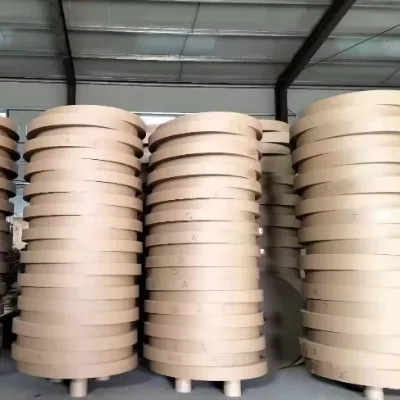
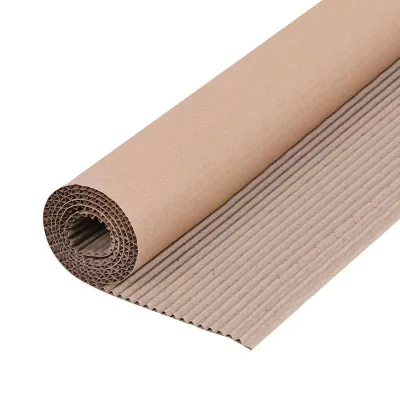

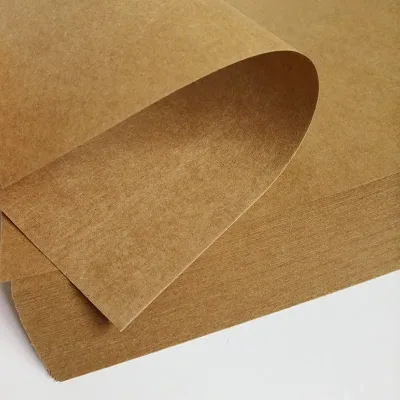
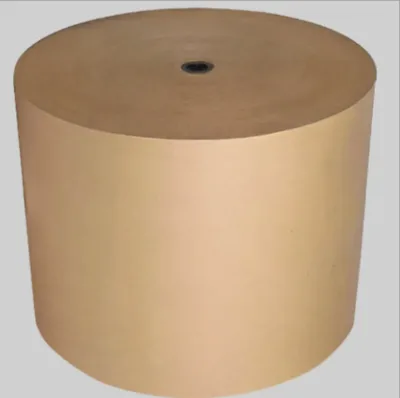





Comprehensive Sourcing Guide
Recyclable Kraft Paper for Agriculture Sourcing Guide
The procurement of recyclable kraft paper for agricultural applications requires a careful balance between material integrity, environmental compliance, and functional performance. Buyers must recognize that while the core material is derived from wood pulp or recycled sources, the specific grade and treatment determine its suitability for diverse farming needs. The observed market offers a wide spectrum of options, ranging from standard brown kraft paper to specialized honeycomb structures, each serving distinct protective and packaging roles. Understanding these variations is essential for selecting the right product that aligns with both operational efficiency and sustainability goals.
Sourcing decisions should be guided by the specific end-use within the agricultural supply chain, whether it involves protecting harvested goods, packaging inputs, or creating eco-friendly wrapping solutions. The available products demonstrate high tensile strength and moisture resistance, which are critical for maintaining product quality during storage and transit. By focusing on verified attributes such as GSM ranges, coating types, and customization options, buyers can ensure that the selected kraft paper meets the rigorous demands of agricultural logistics while adhering to recyclability standards.
Product Scope and Observed Listing Signals
The current market landscape for recyclable kraft paper includes a variety of forms, primarily available in rolls or sheets, with thicknesses around 0.14mm and GSM ranges spanning from 30 to 450. These products are characterized by their natural brown or natural kraft paper appearance, often featuring single-light finishes or specific textures like honeycomb structures. The observed listings indicate a strong emphasis on customization, allowing buyers to specify dimensions, GSM weights, and surface treatments to match precise agricultural packaging requirements. This flexibility ensures that the material can be adapted for everything from lightweight wrapping to heavy-duty industrial applications.
Key product attributes observed include high tensile strength, moisture proofing, and anti-rust properties, which are vital for protecting agricultural products from environmental degradation. The material composition is typically 100% kraft pulp or recycled kraft paper, ensuring that the core product remains recyclable and environmentally friendly. Additionally, features such as antistatic and anti-curl properties enhance the usability of the paper in automated packaging lines, reducing waste and improving operational efficiency. These signals help buyers identify products that offer both durability and sustainability in their agricultural supply chain operations.
Technical Specifications to Verify
When evaluating technical specifications, buyers must prioritize the GSM range, which typically spans from 30GSM to 450GSM, depending on the intended application. For agricultural packaging, selecting the appropriate weight is crucial to ensure adequate protection without excessive material usage. The thickness of the paper, often around 0.14mm, should be verified against the load-bearing requirements of the packaged goods. Additionally, the width of the rolls can be customized, allowing for precise fitting in existing packaging machinery, which minimizes setup time and material waste during production.
Surface treatments and coatings also play a significant role in the performance of kraft paper for agricultural use. While some products are uncoated to maintain breathability and recyclability, others may feature coatings to enhance moisture resistance or greaseproofing. Buyers should verify whether the paper is food-grade, especially if it is used for wrapping produce or other consumable agricultural products. The presence of micro-perforations can also be a valuable feature, allowing for ventilation while maintaining structural integrity, which is particularly useful for fresh produce storage and transport.
Compliance and Safety Documentation
Compliance with safety and environmental standards is paramount when sourcing recyclable kraft paper for agricultural applications. Buyers should verify that the paper meets food-grade standards if it comes into direct contact with edible products, ensuring that no harmful chemicals are transferred to the food. The material should be free from toxic substances and comply with relevant regulations regarding recyclability and biodegradability. Documentation such as material safety data sheets (MSDS) and certificates of analysis can provide assurance that the product meets these critical safety benchmarks.
Additionally, buyers must ensure that the sourcing process aligns with sustainability goals, which often involve verifying the origin of the raw materials. Whether the paper is made from virgin wood pulp or recycled content, the supply chain should be transparent and traceable. Certifications related to responsible forestry practices or recycled content percentages can add value to the procurement process, demonstrating a commitment to environmental stewardship. These documents not only mitigate regulatory risks but also enhance the brand reputation of agricultural businesses that prioritize sustainable packaging solutions.
Cost Drivers and Commercial Terms
The cost of recyclable kraft paper is influenced by several factors, including the GSM weight, coating type, and customization requirements. Higher GSM weights and specialized coatings, such as moisture-proof or greaseproof treatments, typically command higher prices due to the additional processing involved. Buyers should also consider the impact of order volume on pricing, as larger orders often benefit from economies of scale. The observed market indicates that small MOQs are accepted, providing flexibility for businesses that need to test new packaging solutions or manage inventory carefully.
Commercial terms such as payment methods, lead times, and shipping conditions are critical components of the procurement process. Buyers should negotiate clear terms regarding packaging standards, such as sea-worthy or standard export cartons, to ensure that the product arrives in optimal condition. Additionally, understanding the supplier's production capacity and lead times can help in planning inventory levels and avoiding disruptions in the supply chain. Transparent communication about these terms helps in building a reliable partnership and ensures that the total cost of ownership is minimized.
Supplier Qualification and Quality Control
Supplier qualification is a crucial step in ensuring the reliability and consistency of recyclable kraft paper supplies. Buyers should assess the supplier's production capabilities, quality control processes, and track record in the industry. Verifying the supplier's ability to meet specific customization requirements, such as unique sizes or GSM weights, is essential for maintaining product consistency. Additionally, suppliers should have robust quality assurance systems in place to monitor factors like tensile strength, moisture resistance, and surface finish, ensuring that each batch meets the agreed-upon specifications.
Quality control measures should extend beyond the initial production phase to include regular audits and inspections. Buyers can implement incoming quality checks to verify that the received goods match the ordered specifications, including dimensions, weight, and appearance. Establishing a clear communication channel with the supplier for addressing any quality issues promptly is also important. By prioritizing suppliers with strong quality control practices, buyers can reduce the risk of defects and ensure a steady supply of high-quality recyclable kraft paper for their agricultural needs.
Long-Term Procurement Checks
Long-term procurement success depends on continuous monitoring and evaluation of supplier performance and market trends. Buyers should regularly review supplier metrics, such as on-time delivery rates, product quality consistency, and responsiveness to issues. Establishing key performance indicators (KPIs) can help in objectively assessing supplier contributions and identifying areas for improvement. Additionally, staying informed about advancements in kraft paper technology and sustainability practices can help buyers make informed decisions that align with evolving industry standards and customer expectations.
Building a resilient supply chain also involves diversifying suppliers and maintaining strategic relationships with key partners. Buyers should periodically reassess their supplier base to ensure competitiveness and mitigate risks associated with single-source dependencies. Engaging in collaborative discussions with suppliers about future needs and potential innovations can foster a partnership that drives mutual growth. By focusing on long-term relationship management and continuous improvement, buyers can secure a reliable supply of recyclable kraft paper that supports their agricultural operations and sustainability objectives.
FAQs
Can Recyclable Kraft Paper for Agriculture be customized for specific crop needs?
Yes, customization is available for agricultural packaging applications. Buyers can specify custom GSM ranging from 80 to 450 GSM and select tailored dimensions to fit specific crop requirements. The material is produced from 100% kraft pulp or recycled wood pulp, ensuring it meets diverse agricultural wrapping and mailing needs while maintaining high tensile strength and moisture resistance.
What features make kraft paper suitable for agricultural product protection?
Kraft paper offers moisture proof, waterproof, antistatic, anti-curl, and anti-rust features. These properties protect agricultural goods from environmental damage during storage and transit. The high tensile strength ensures durability, while the natural brown or natural kraft paper appearance provides a professional look. It is ideal for gift wrapping, food wrapping, and industrial industry applications.
What is the typical MOQ for ordering recyclable kraft paper?
Small MOQ is accepted for initial orders, making it accessible for smaller agricultural businesses. Standard orders typically range from 1 to 10,000 units depending on the specific product model and customization requirements. Buyers should confirm exact quantities with suppliers, as packing is done in standard export cartons or pallets to ensure safe delivery.
Is the kraft paper coated or uncoated for agricultural use?
Both coated and uncoated options are available depending on the specific product grade. Uncoated variants are common for natural kraft paper applications, while coated versions may be used for enhanced moisture resistance. The paper grade can be A or B, and some products are food-grade magnesium or magnesium-free brown kraft paper for direct agricultural contact.
What are the standard specifications for agricultural kraft paper rolls?
Standard specifications include widths of 65, 72, 76, 78, and 80 inches, with customized sizes also available. Thickness can be around 0.14mm, and GSM ranges from 30 to 450. The paper is supplied in roll or sheet formats, with models like WX709 or BLX perforated kraft paper offering micro-perforated options for specific agricultural packaging needs.
Where is Recyclable Kraft Paper for Agriculture typically manufactured?
The product originates from China, where manufacturers produce various grades of kraft paper. Suppliers offer standard export carton or pallet packing to ensure safe shipping. Buyers can identify manufacturers based on their ability to provide customized GSM, sizes, and specific features like anti-rust or greaseproof properties for agricultural packaging solutions.