Food Grade Kraft Paper Tube with Magnetic Closure Suppliers and Manufacturers
Compare 28 verified suppliers offering Food Grade Kraft Paper Tube with Magnetic Closure from Guangdong and Hubei. Review lead times, minimum order quantities, and certifications before requesting quotes from these manufacturers; review the available evidence before requesting comparable quotations from suitable candidates.
Updated
Suppliers List
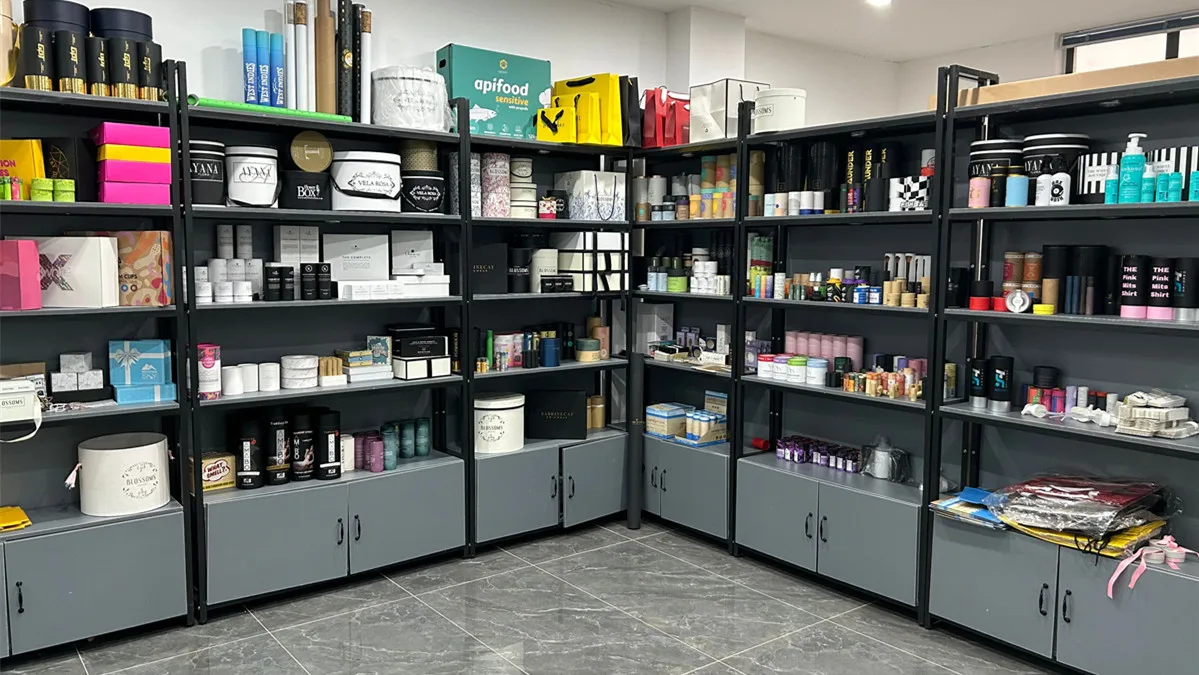
Huizhou Doyee Packaging Co., Ltd.
- Trading Company
- Guangdong, China
- Lead time20 days
- Avg. response≤ 10h
Main productspaper tube,paper box,paper bag,plastic bottle,glass bottle
Main marketsWestern Europe(30.00%), North America(30.00%), South America(10.00%), Northern Europe(10.00%), Oceania(10.00%), Mid East(5.00%), Africa(5.00%)
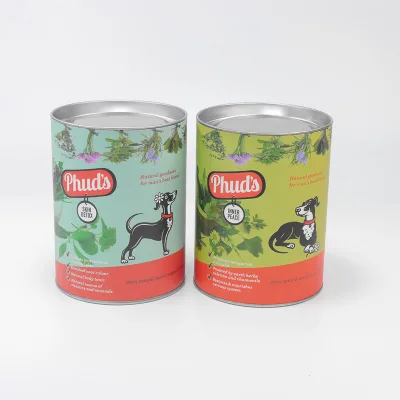
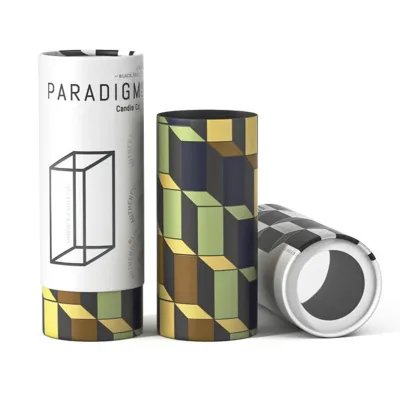
$0.10 - $0.75
MOQ: 100 Minimum
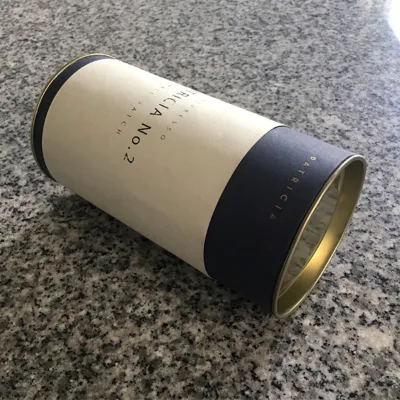
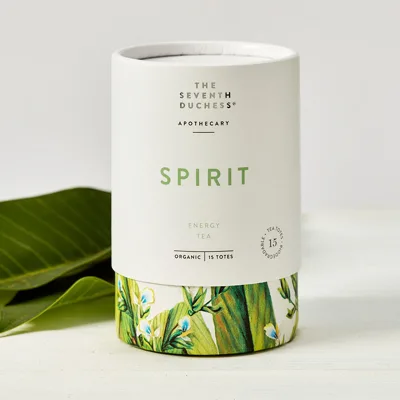
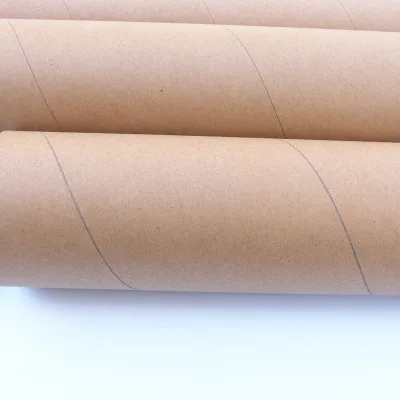

Wuhan Rical Keung Trading Co., Ltd.
- Combined
- China Hubei
- Lead time30 days
- Avg. response≤ 11h
Main productsPaper Tube Packaging, Cosmetic Tube, Paper Gift Tube, Paper Mailing Tube, Biodegradable Lip Balm Tubes, Perfume Paper Tube, Gift Paper Tube, Deodorant Paper Tube Packaging, Tea Paper Tube, Plastic Lids Paper Tube
Main marketsSouth America,Africa,Southeast Asia/ Mideast,East Asia(Japan/ South Korea),Europe,Australia,North America

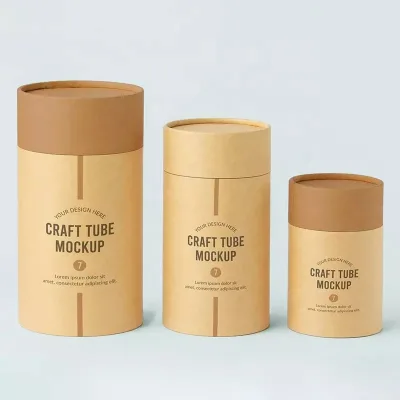
Eco Friendly Cylinder Paper Tube with Flat Top 100% Recycled Kraft Cardboard Food Grade Paper Jar
$0.19 - $0.58
MOQ: 100 Pieces


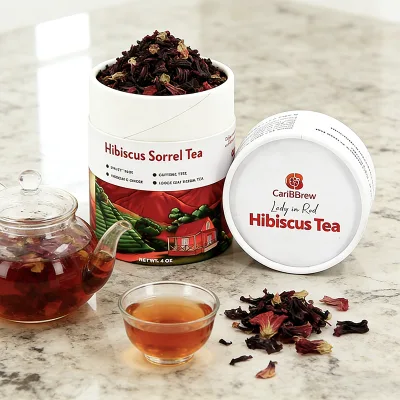
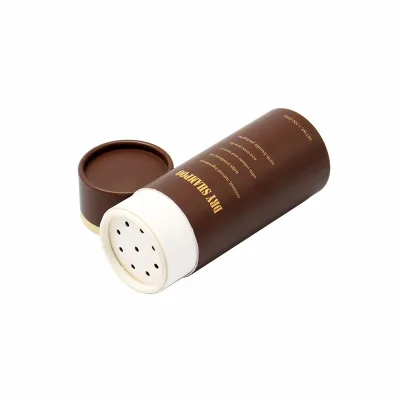
Eco Friendly Packaging Power /Tea/ Food Grade Paper Tube Tube with Shaker
$0.15 - $0.31
MOQ: 100 Pieces
Wenzhou Changshi Paper And Plastic Products Co., Ltd.
- Verified by TüVRheinland
- Manufacturer, Trading Company
- Lead time15 days
- Avg. response≤ 1h
Main productsPaper Tube, Paper Box, Coasters
Main marketsCentral America(21%), Domestic Market(17%), North America(12%)
Hangzhou Qunle Packaging Co., Ltd.
- Verified by SGS Group
- Manufacturer, Trading Company
- Lead time0 days
- Avg. response≤ 3h
Main productsCylinder Paper Can, Paper Tube, Tissue, Sealing machine for Paper can, Tin Products
Main marketsDomestic Market(28%), Western Europe(23%), Oceania(20%)
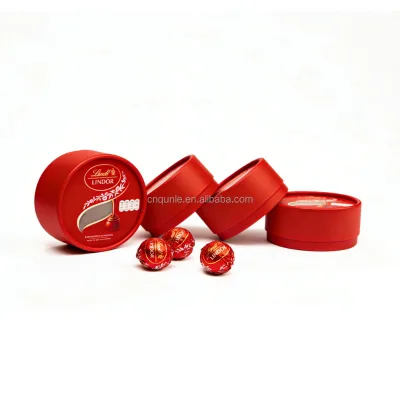
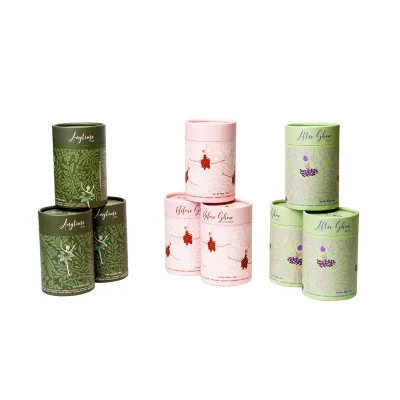
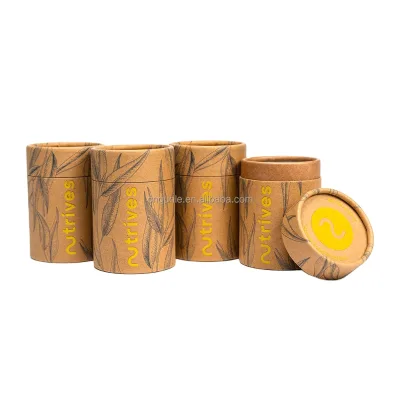
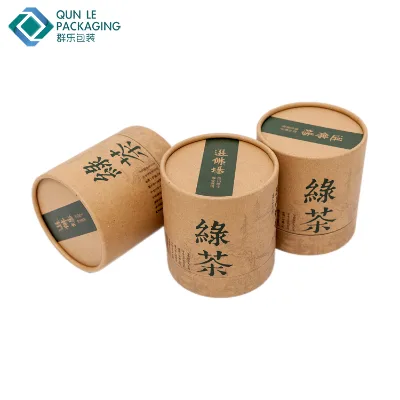
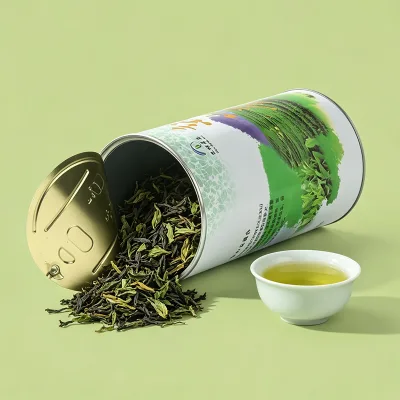
Wholesale High Quality Round Kraft Paper Tube Cheap Cylinder Tea Paper Tube Packaging
$0.2379 - $0.6717
MOQ: 5000 pieces
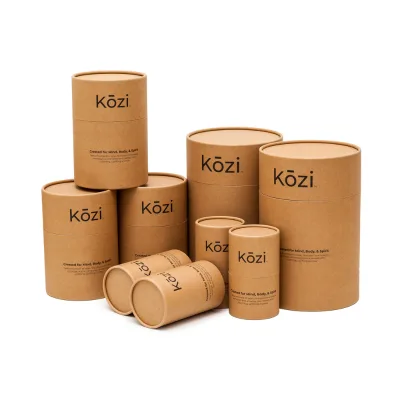

Guochuang Weida (Shenzhen) Technology Co., Ltd.
- Verified by SGS
- Trading Company
- China Guangdong
- Lead time23 days
- Avg. response≤ 1h
Main productsCustom Pizza Box, Kraft Food Packaging, Bakery Bag, Gift Box, Cardboard Display, Club-Ready Tray, Pallet Display, Food Packaging, Board Game, Cafe Packaging
Main marketsDomestic
Dongguan Yongjian Paper Products Co., Ltd
- Verified by SGS Group
- Manufacturer, Trading Company
- Lead time15 days
- Avg. response≤ 3h
Main productsCylinder Packaging, Kraft Paper Tube, Round Kraft Paper Box, Kraft Paper Cylindrical Boxes, Paper Box
Main marketsNorth America(22%), Domestic Market(16%), Oceania(15%)

Guangzhou Fengsheng Paper Products Co., Ltd.
- Manufacturer
- Guangdong, China
- Lead time6 days
- Avg. response≤ 3h
Main productsGift Box,Magnetic Box,Foldable Box,Paper Tube,Packaging Box
Main marketsNorth America(23.00%), Oceania(13.00%), Western Europe(12.00%)

Zhangzhou Taki Industry and Trade Co., Ltd
- Verified by BV
- Manufacturer/Factory
- China Fujian
- Lead time23 days
- Avg. response≤ 6h
Main productsPackaging Paper Bag, Packaging Paper Box, Products Box, Fold Boutique Gift Box, Shopping Paper Bag, Fruit Packaging Cartons Box, Kraft Paper Bags Food Bag, Plastic Box Pet PVC Boxes, Paper Sleeves with Brand Design, One-Stop Packaging Supplier
Main marketsSouth America,Eastern Europe,Mid East,North America,Southeast Asia,Eastern Asia,Oceania,Western Europe,Africa

Printing Kraft Paper Cardboard Tea Cans Container Paper Tube with Metal Lid Closure
$0.25 - $1.20
MOQ: 500 Pieces

Brown Kraft Paper Tube Tea Cylindrical Packaging Box Blank Red Paper Cardboard Tube with Metal Lid
$0.25 - $1.20
MOQ: 500 Pieces

Custom Printed Creative Round Kraft Paper Tube Packaging for Food Packaging Paper Tube
$0.15 - $0.25
MOQ: 500 Pieces

Custom Cylinder Tube Packaging Gift Tea Candle Cardboard Food Grade Paper Tube
$0.25 - $1.20
MOQ: 500 Pieces

30ml 50ml 100ml Kraft Paper Tube/Kraft Paper Tube Packaging/Round Paper Tube
$0.25 - $1.20
MOQ: 500 Pieces

Custom Design Packaging Cylinder Cardboard Food Packaging Protein Jar Paper Tube
$0.25 - $1.20
MOQ: 500 Pieces
Shenzhen First Sail Packaging Design & Production Co., Ltd.
- Verified by TüVRheinland
- Trading Company
- Lead time25 days
- Avg. response≤ 3h
Main productsGift Box Packaging, Special Shape Tube, Paper Tube Packaging, Foldable Box Packaging, Paper Bag
Main marketsSoutheast Asia(20%), Western Europe(15%), North America(10%)
Shenzhen Jemstone Technology Co., Ltd.
- Manufacturer, Trading Company
- Lead time旺季: "1 - 500":15,"501 - 2000":20,"2001 - 10000":25,"> 10000":"To be negotiated", 淡季: "1 - 500":15,"501 - 2000":20,"2001 - 10000":25,"> 10000":"To be negotiated"
- Avg. response≤ 4h
Main productsPaper tubes,Paper boxs,Paper bags,Gift box,paper labels
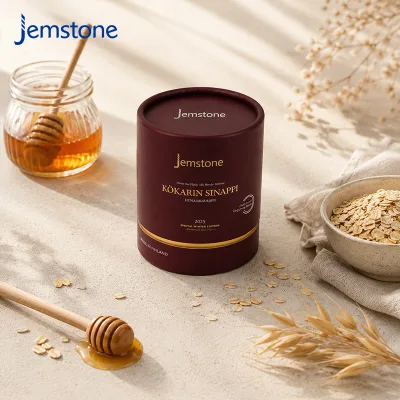
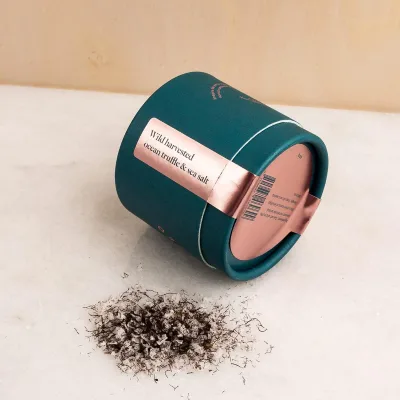
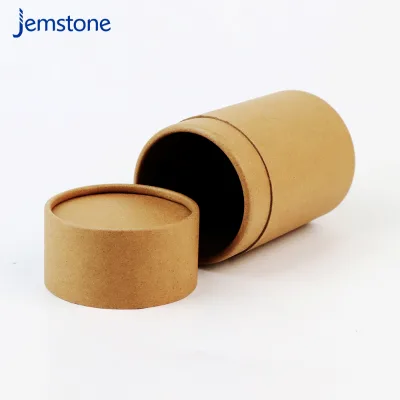
Wholesale Food Grade Recycled Kraft Paper Tube Tea Packaging Bottle Custom Round Box
$0.18 - $0.35
MOQ: 500

Guangzhou Vitality Printing Co., Ltd
- Verified by SGS
- Trading Company,Manufacturer/Factory
- China Guangdong
- Lead time105 days
- Avg. response≤ 5h
Main productsPaper Packaging, Paper Folding Box, Booklet, Paper Can, Gift Box, Book Printing Service, PVC Box, Cosmetics Packaging, Food Container, Children Book Printing
Main marketsEastern Europe,North America,Southeast Asia,Eastern Asia,Western Europe,Africa


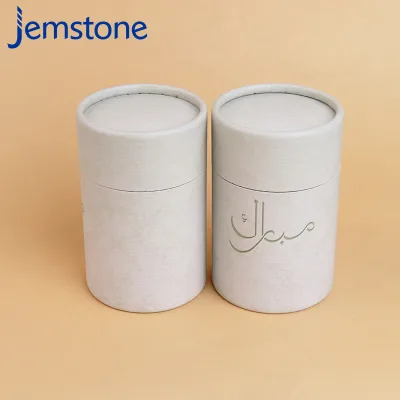
Round Kraft Paper Tube Wholesale for Tea Biodegradable Cardboard Paper Tube
$0.36 - $1.25
MOQ: 500 Pieces
Guangzhou Huihua Packing Products Co., Ltd.
- Verified by TüVRheinland
- Manufacturer, Trading Company
- Lead time7 days
- Avg. response≤ 3h
Main productsPlastic Jars, Plastic Bottles, Paper Tubes, Paper Boxes, Paper Cups
Main marketsNorth America(25%), Domestic Market(25%), Western Europe(10%)
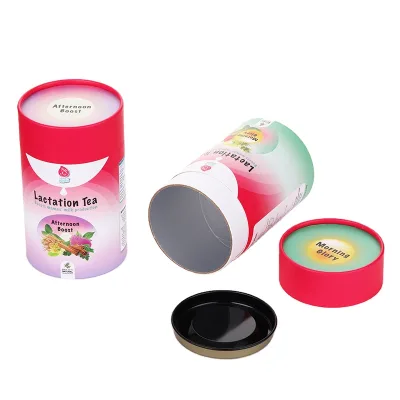
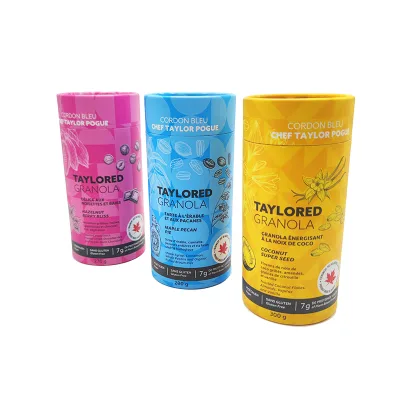
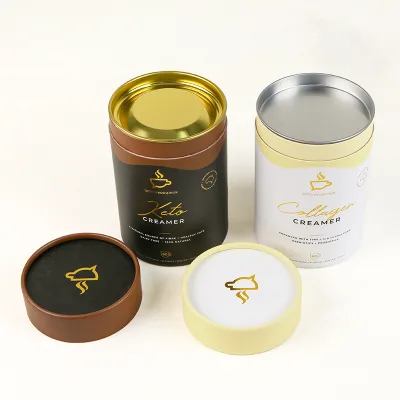
Eco Friendly Food Grade Round Kraft Airtight Packaging Paper Tube for Protein Powder Coffee
$0.24 - $0.58
MOQ: 1000 pieces
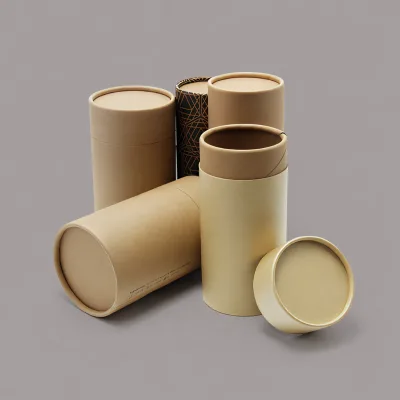
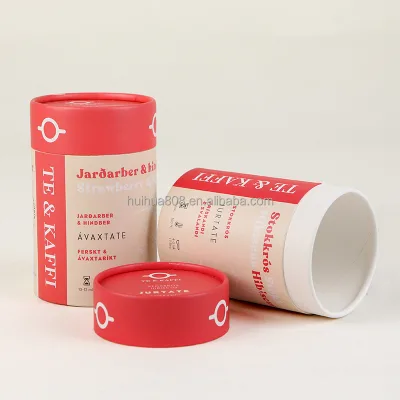
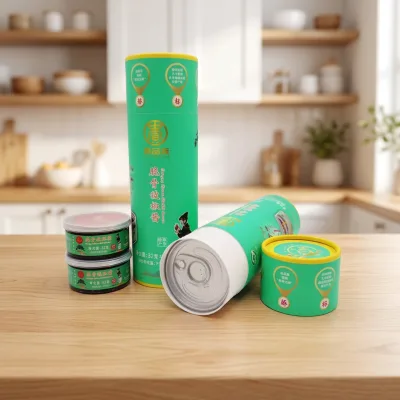
Shenzhen Manyi Packaging Co., Ltd.
- Manufacturer, Trading Company
- Guangdong, China
- Lead time0 days
- Avg. response≤ 4h
Main productsPaper boxes,Food box,Tissue paper,Paper tubes,Paper bags
Main marketsNorth America(15.00%), Western Europe(8.00%), Southern Europe(8.00%), Northern Europe(8.00%), Oceania(8.00%), Domestic Market(8.00%), Southeast Asia(8.00%), Eastern Europe(8.00%), South America(8.00%), Eastern Asia(5.00%), Mid East(5.00%), Central America(5.00%), Africa(3.00%), South Asia(3.00%)
Dongguan Xinglan Packaging Products Co., Ltd.
- Manufacturer
- Guangdong, China
- Lead time20 days
- Avg. response≤ 3h
Main productsPackaging Boxes,Gift Box,Paper Boxes,Perfume Box,Magnetic Box
Main marketsWestern Europe(30.00%), North America(25.00%), Domestic Market(10.00%), Mid East(10.00%), Oceania(10.00%), South America(5.00%), Southern Europe(5.00%), Northern Europe(5.00%)
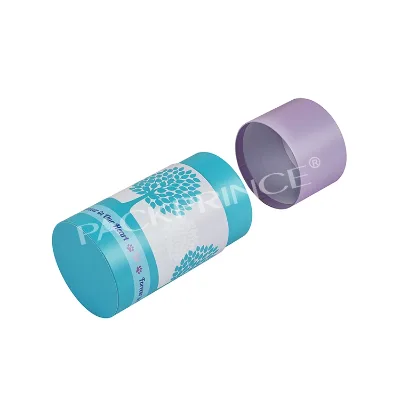
$0.2259 - $1.692
MOQ: 1 Minimum
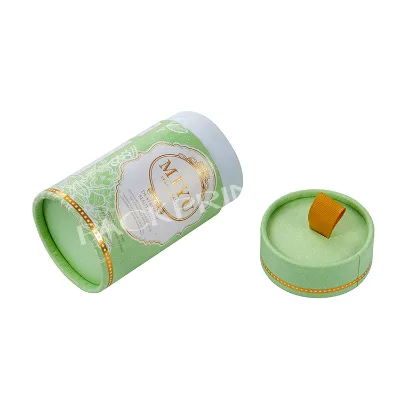
$0.2169 - $1.0128
MOQ: 1000 Minimum
Heshan Chengzhiyuan Paper Products Co., Ltd.
- Verified by SGS Group
- Manufacturer, Trading Company
- Lead time12 days
- Avg. response≤ 2h
Main productsPaper Tube , Paper Box, Paper Bag, Paper Product, Custom Packaging
Main marketsNorth America(35%), Western Europe(20%), Oceania(15%)

Shenzhen Flying Supply Chain Co., Ltd.
- Verified by SGS
- Trading Company
- China Guangdong
- Lead time15 days
- Avg. response≤ 6h
Main productsPacking Bag, Gift Bag, Folding Bag, Laptop Bag, Carton, Toy Puzzle, Stationery, Label, Hot Melt Paper, 3D Printing Consumables
Main marketsNorth America


Powder Food Container Recyclable Craft Paper Tube Packaging Box with Metal Lid/Bottom
$0.12 - $0.40
MOQ: 500 Pieces

Eco-Friendly Tin Box Round Paper Food Packaging Tube with Tinplate Cover
$0.12 - $0.40
MOQ: 500 Pieces


Fashion Design Cylinder Box Cardboard Gift Packaging Boxes Cosmetics Food Paper Tube
$0.12 - $0.40
MOQ: 500 Pieces
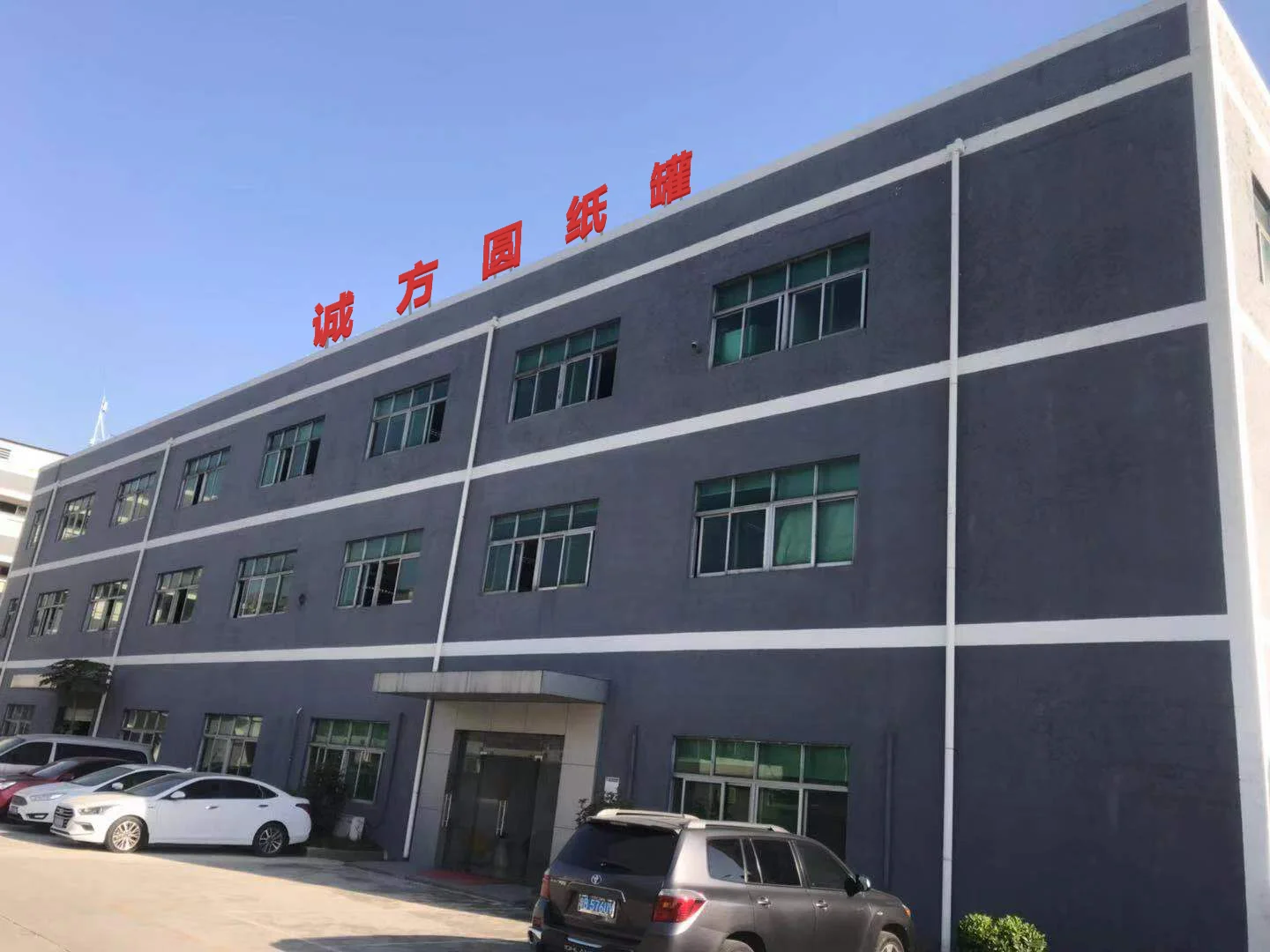
Shenzhen Cfy Paper Tube Co., Ltd.
- Manufacturer, Trading Company
- Guangdong, China
- Lead time20 days
- Avg. response≤ 3h
Main productsPaper Tube,box,Puzzle,security lock box
Main marketsDomestic Market(26.00%), North America(25.00%), Western Europe(15.00%), Eastern Europe(10.00%), Southeast Asia(10.00%), Northern Europe(3.00%), South America(2.50%), Mid East(2.00%), Oceania(1.50%), South Asia(1.00%), Southern Europe(1.00%), Africa(1.00%), Eastern Asia(1.00%), Central America(1.00%)
Songren (Hangzhou) Paper-Plastic Packaging Products Co., Ltd.
- Manufacturer, Trading Company
- Zhejiang, China
- Lead time30 days
- Avg. response≤ 9h
Main productsPaper Tube,Food Paper Can,Cosmetic Paper Tube,Gift paper tube,Industrial Paper Tube
Main marketsNorth America(40.00%), South America(20.00%), Western Europe(15.00%), Eastern Europe(15.00%), Northern Europe(10.00%)

- Trading Company,Manufacturer/Factory,Group Corporation,Other
- China Zhejiang
- Lead time23 days
- Avg. response≤ 8h
Main productsPaper Box, Kraft Paper Bag, Cotton Bag, Gift Bag, Paper Bags, Labels/Sticker, Vynil Sticker, Non Woven Bag, Paper Folding Box, Clear Box
Main marketsSouth America,Eastern Europe,Mid East,North America,Southeast Asia,Eastern Asia,Oceania,Western Europe,Africa
Guangzhou Baite Packaging Products Co., LTD.
- Verified by SGS Group
- Manufacturer, Trading Company
- Lead time15 days
- Avg. response≤ 2h
Main productsPaper Tube , Food paper tube , Cosmetic paper tube , Candle paper tube, Perfume Paper Tube
Main marketsNorth America(20%), South America(20%), Oceania(20%)
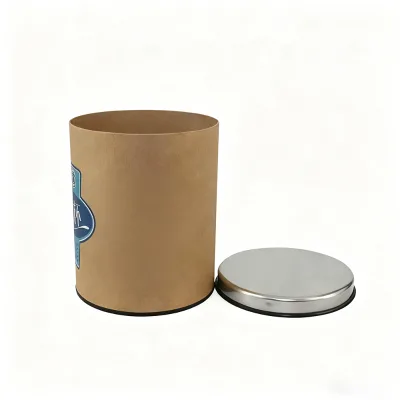
Food Grade Plain Black Paper Cylinder Packaging Tube with Metal Plug for Coffee or Tea
$0.2064 - $0.3605
MOQ: 500 pieces
Suzhou Runest Packaging Co., Ltd.
- Verified by Intertek
- Manufacturer, Trading Company
- Lead time15 days
- Avg. response≤ 2h
Main productsGift Box, Paper Tube, Handbag, Glass Bottle, Plastic Bottle
Main marketsMid East(20%), North America(10%), South America(10%)

Shanghai Woods Packaging Co., Ltd.
- Verified by CTI
- Combined
- China Shanghai
- Lead time15 days
- Avg. response≤ 10h
Main productsGift Box, Paper Box, Carton Box, Pizza Box, Paper Gift Box, Carton Cardboard Box
Main marketsAustralia,North America

Shanghai Unison Packaging Co., Ltd.
- Verified by CTI
- Combined
- China Shanghai
- Lead time15 days
- Avg. response≤ 8h
Main productsPaper Box, Corrugated Box, Paper Bag, Shipping Box, Food Box, Gift Box, Paper Tube, Fruit Packaging Box, Wine Box, Carton Box
Main marketsEast Asia(Japan/ South Korea),Europe,North America


Eco Friendly Food Grade Quality Round Packaging Paper Cardboard Tube for Protein Powder
$0.16 - $0.89
MOQ: 500 Pieces


Hannpack (jiangmen) Packaging Co., Ltd.
- Verified by SGS Group
- Manufacturer, Trading Company
- Lead time15 days
- Avg. response≤ 3h
Main productsPaper Box Packaging, Paper Tube Packaging, Paper Bag
Main marketsNorth America(50%), Western Europe(20%), Southeast Asia(10%)
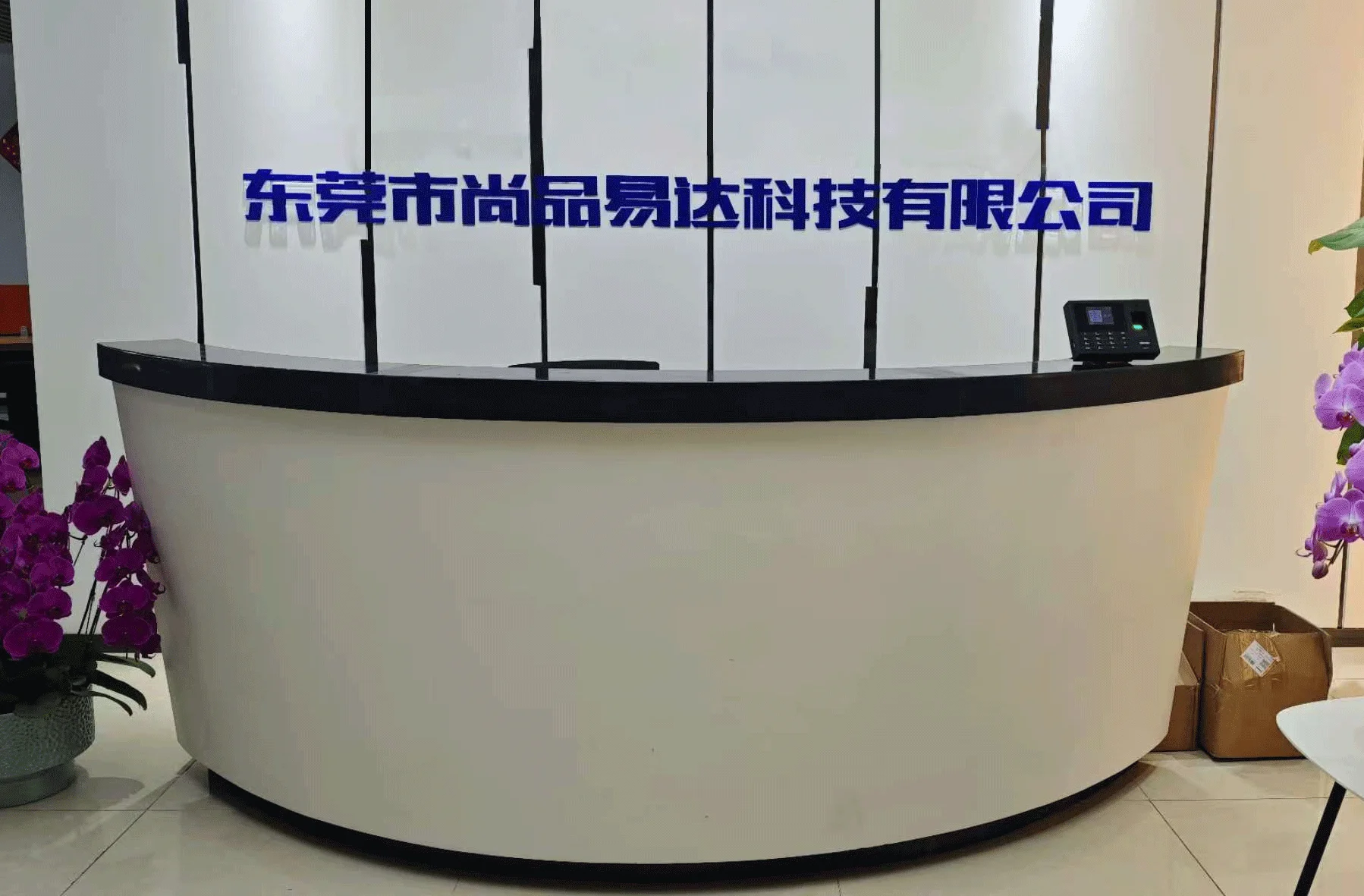
Dongguan Shangpin Yida Technology Co., Ltd.
- Manufacturer, Trading Company
- Guangdong, China
- Lead time10 days
- Avg. response≤ 4h
Main productsCustomized gift box,Custom packaging,Packaging production,PVC wall board,PVC wall panel
Main marketsMid East(40.00%), Eastern Asia(30.00%), North America(20.00%), South America(10.00%)
Guangzhou Hopestar Packaging And Technology Co., Ltd.
- Verified by Intertek
- Manufacturer, Trading Company
- Lead time20 days
- Avg. response≤ 3h
Main productsGift Box, Perfume Box, Cosmetic Box, Paper Bag, Paper Tube
Main marketsMid East(39%), Eastern Europe(20%), North America(19%)
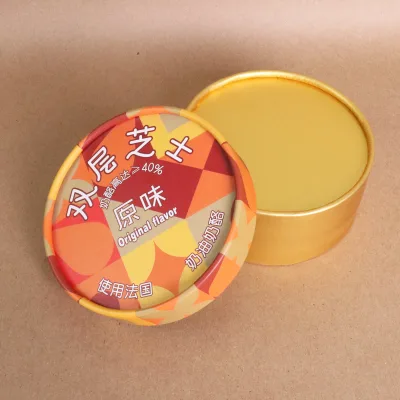
Luxury customized round paper cardboard box cylinder kraft food grade paper tube manufacture
$0.40 - $0.68
MOQ: 1000 boxes
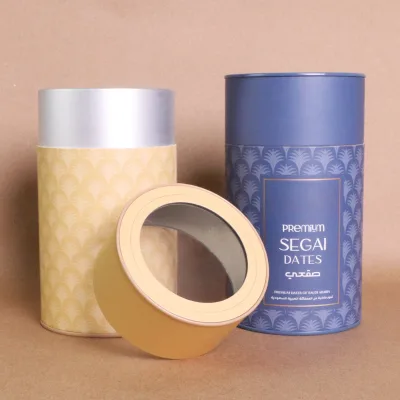

Shenzhen First Sail Packaging Design & Production Co., Ltd.
- Verified by TUVRHEINLAND
- Manufacturer/Factory
- China Guangdong
- Lead time30 days
- Avg. response≤ 5h
Main productsPackaging, Packaging Box, Folding Box, Packaging Tube, Paper Tube, Gift Packaging, Wine Packaging, Cosmetic Packaging, Eyeshadow Palette, Eye Shadow
Main marketsEastern Europe,Mid East,North America,Southeast Asia,Eastern Asia,Western Europe


Custom Delicate Kraft Paper Boxes Recycled Round Kraft Paper Tube for Cosmetic
$0.10 - $0.49
MOQ: 500 Pieces

$0.10 - $0.40
MOQ: 500 Pieces

Hangzhou Quan Shixing Trading Co., Ltd.
- Verified by BV
- Trading Company
- China Zhejiang
- Lead time15 days
- Avg. response≤ 6h
Main productsPrint Packing Service, High-End Gift Box, Cosmetics Packaging, Paper Bag, Perfume Box, Paper Box, Jewellery Packaging, Kraft Paper Box, Custom Printing Labels, Non-Woven Bags
Main marketsSouth America,Southeast Asia/ Mideast,East Asia(Japan/ South Korea),Europe,Australia,North America


Body Tube Biodegradable Cardboard Cylinder Food Paper Tube for Packaging
$0.214 - $0.474
MOQ: 500 Pieces

Envases Biodegradables Custom Packaging Food Grade Paper Tube Packaging Tube
$0.214 - $0.474
MOQ: 500 Pieces

Kraft Paper Tube Customized Colors Gift Packaging Can Tube for Toothpaste
$0.214 - $0.474
MOQ: 500 Pieces




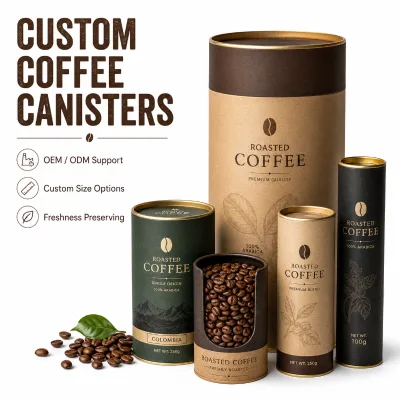


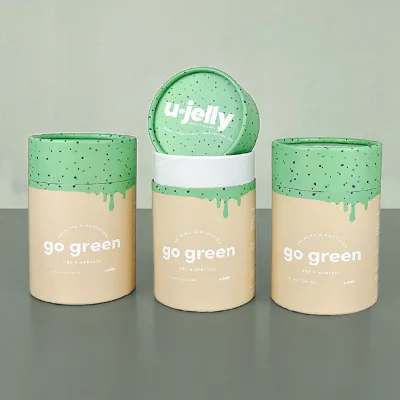
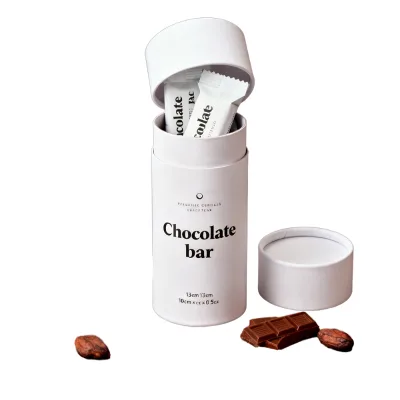


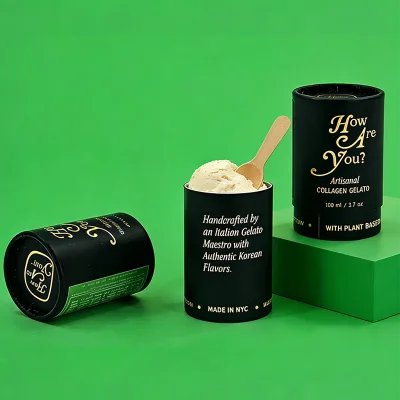

Comprehensive Sourcing Guide
Food Grade Kraft Paper Tube with Magnetic Closure Supplier Concentration and Factory Types
The current supplier landscape for Food Grade Kraft Paper Tube with Magnetic Closure packaging reveals a distinct concentration of manufacturing and trading entities within specific industrial regions of China. Data indicates that a significant portion of these suppliers are located in Guangdong, a province renowned for its robust packaging infrastructure and export-oriented manufacturing capabilities. This geographic clustering suggests that buyers seeking this specific product type will likely encounter suppliers operating from this hub, where supply chains for raw materials like kraft paper and metal components are well-established. The presence of suppliers in other regions, such as Hubei, indicates that while Guangdong is a primary cluster, production is not exclusively limited to the southern coast, offering buyers a broader geographic spread to consider when evaluating potential partners. Understanding this distribution helps in anticipating logistics costs and lead times, as proximity to ports in Guangdong often facilitates faster shipping for international orders compared to suppliers located in inland provinces.
Supplier types in this category vary, with many entities identifying as trading companies rather than direct manufacturers. This distinction is crucial for buyers to understand, as trading companies often aggregate products from multiple factories, potentially offering a wider variety of designs and customization options but with less direct control over the production process. Some suppliers, however, are classified as combined entities or possess OEM/ODM capabilities, indicating they have the internal capacity to design and manufacture custom packaging solutions. These entities may offer more flexibility in terms of material sourcing and structural design, such as integrating magnetic closures into kraft paper tubes. The diversity in company types means that buyers must carefully assess whether they prioritize the cost efficiency and direct communication of a factory or the product breadth and service flexibility of a trading company. Recognizing these structural differences allows for more targeted supplier outreach and clearer expectations regarding production transparency and quality control processes.
How to Verify Food Grade Kraft Paper Tube with Magnetic Closure Suppliers
Verifying the legitimacy and capability of suppliers for Food Grade Kraft Paper Tube with Magnetic Closure requires a rigorous examination of their certifications and operational history. Buyers should prioritize suppliers who display relevant quality and environmental certifications, such as ISO, CE, and FSC, which indicate adherence to international standards for quality management, safety, and sustainable forestry practices. These certifications are particularly important for food-grade packaging, as they provide assurance that the materials used are safe for direct or indirect food contact and that the manufacturing process maintains high hygiene standards. Additionally, checking for FSC certification ensures that the kraft paper originates from responsibly managed forests, which is increasingly a requirement for brands aiming to meet sustainability goals. Buyers should request copies of these certificates and verify their validity through the issuing bodies, rather than relying solely on the supplier’s claims. This step is essential to mitigate risks associated with non-compliant materials that could jeopardize product safety or brand reputation.
Beyond certifications, verifying the supplier’s response time and production capacity provides insight into their operational reliability. Data shows that response times can vary, with some suppliers responding within ten hours, while others may take slightly longer. A prompt response is often indicative of a well-organized sales team and efficient internal communication, which are critical for handling custom orders and resolving issues quickly. Furthermore, buyers should inquire about the supplier’s ability to handle custom orders, as many products in this category are highly customizable in terms of size, shape, and printing. Suppliers that explicitly state they accept custom orders and offer OEM/ODM services are likely more equipped to meet specific branding and functional requirements. It is also advisable to ask for samples to physically inspect the quality of the magnetic closure mechanism and the food-grade integrity of the paper tube. This hands-on verification ensures that the supplier’s claims about product quality and functionality align with the buyer’s expectations before committing to a larger order.
What to Compare Across Food Grade Kraft Paper Tube with Magnetic Closure Suppliers
When evaluating multiple suppliers for Food Grade Kraft Paper Tube with Magnetic Closure, comparing key operational metrics is essential to identify the most suitable partner. One critical factor is the Minimum Order Quantity (MOQ), which can vary significantly across suppliers. Some suppliers may have an MOQ as low as 100 units, making them ideal for small businesses or trial orders, while others may require a minimum of 500 units or more. Buyers should align their order volume with the supplier’s MOQ to avoid unnecessary inventory costs or production delays. Additionally, comparing lead times is vital for supply chain planning. Lead times can range from twenty to thirty days, depending on the complexity of the order, the availability of raw materials, and the supplier’s current production load. Understanding these timelines helps buyers schedule their production and marketing activities more effectively, ensuring that products are available when needed. Suppliers with shorter lead times may offer a competitive advantage for time-sensitive campaigns or restocking needs.
Price and customization options are also key comparison points. The price range for these packaging solutions can vary, with some suppliers offering prices as low as $0.10 per unit and others charging up to $0.75, depending on factors such as material quality, printing complexity, and order volume. Buyers should request detailed quotes that break down costs for materials, printing, and assembly to understand the value proposition of each supplier. Furthermore, comparing the customization capabilities is crucial, as many buyers require specific branding elements such as logo printing, embossing, or UV coating. Suppliers that offer a wide range of printing techniques, including four-color printing, hot stamping, and gold foil, provide greater flexibility for brand differentiation. Additionally, buyers should assess the supplier’s ability to provide custom sizes and shapes, as standard dimensions may not fit all product requirements. By systematically comparing these factors, buyers can make informed decisions that balance cost, quality, and customization needs.
Common Food Grade Kraft Paper Tube with Magnetic Closure Sourcing Risks
Sourcing Food Grade Kraft Paper Tube with Magnetic Closure packaging involves several potential risks that buyers must proactively manage. One significant risk is the variability in material quality, particularly regarding the food-grade certification of the paper and the durability of the magnetic closure. If the paper does not meet strict food safety standards, it could contaminate the product, leading to health risks and regulatory violations. Similarly, if the magnetic closure is not securely attached or fails to provide an airtight seal, the product’s shelf life and integrity could be compromised. Buyers should mitigate this risk by requesting detailed material specifications and test reports from suppliers, ensuring that all components meet the required safety and performance standards. It is also advisable to conduct regular quality inspections during production and before shipment to catch any defects early. This proactive approach helps prevent costly recalls and maintains brand trust.
Another common risk is the inconsistency in lead times and communication, which can disrupt supply chain operations. Suppliers may experience delays due to raw material shortages, production bottlenecks, or logistical issues, particularly if they are managing multiple large orders simultaneously. Buyers should establish clear communication channels and set realistic expectations regarding delivery dates. It is also important to have contingency plans in place, such as identifying alternative suppliers or maintaining safety stock, to mitigate the impact of potential delays. Additionally, buyers should be cautious of suppliers who do not provide transparent pricing or hidden costs, which can inflate the final price of the order. By carefully vetting suppliers and establishing robust contractual agreements, buyers can minimize these risks and ensure a smooth sourcing process. Regular follow-ups and clear documentation of all agreements are essential to maintaining accountability and resolving any issues that may arise during the production and delivery process.
Food Grade Kraft Paper Tube with Magnetic Closure Regional Sourcing and Logistics
The regional location of suppliers significantly impacts logistics costs and delivery times for Food Grade Kraft Paper Tube with Magnetic Closure packaging. Suppliers located in Guangdong, China, benefit from proximity to major international ports, which facilitates efficient sea and air freight options. This geographic advantage often results in shorter transit times and lower shipping costs for buyers in North America, Europe, and other distant markets. Buyers should consider the shipping methods offered by suppliers, such as sea, air, or express delivery, and weigh the trade-offs between cost and speed. Sea freight is generally more cost-effective for large volumes but takes longer, while air freight and express delivery are faster but more expensive. Understanding these logistics options helps buyers optimize their supply chain based on their specific needs and budget constraints. Additionally, buyers should be aware of any regional trade regulations or tariffs that may affect the import of packaging materials from China, as these can impact the total landed cost.
For suppliers located in other regions, such as Hubei, logistics may involve additional inland transportation to reach major ports, potentially increasing lead times and costs. Buyers should inquire about the supplier’s logistics capabilities and whether they have established partnerships with reliable freight forwarders. This information is crucial for planning the end-to-end supply chain and ensuring that products arrive on time. Furthermore, buyers should consider the environmental impact of their shipping choices, as sustainable logistics are becoming increasingly important. Some suppliers may offer eco-friendly shipping options or carbon-neutral delivery services, which can align with the buyer’s sustainability goals. By carefully evaluating the regional logistics landscape, buyers can make informed decisions that balance cost, speed, and environmental responsibility. It is also advisable to negotiate shipping terms in the contract to clarify responsibilities for customs clearance, insurance, and risk transfer, ensuring a smooth and transparent logistics process.
Food Grade Kraft Paper Tube with Magnetic Closure Commercial Terms and Order Planning
Effective order planning for Food Grade Kraft Paper Tube with Magnetic Closure requires careful attention to commercial terms and payment structures. Buyers should negotiate clear payment terms, such as a deposit followed by balance payment upon completion of production or before shipment, to manage cash flow and mitigate financial risk. It is also important to clarify the Incoterms, such as FOB, CIF, or DDP, to determine who is responsible for shipping, insurance, and customs duties. These terms directly impact the total cost and risk allocation between the buyer and the supplier. Additionally, buyers should establish a detailed production schedule with milestones for design approval, sample confirmation, mass production, and final inspection. This structured approach helps ensure that the project stays on track and any issues are addressed promptly. Suppliers that offer flexible payment terms and transparent production schedules are often more reliable partners for long-term collaborations.
Quality assurance and after-sales support are also critical components of commercial terms. Buyers should include clauses in the contract that specify quality standards, inspection rights, and remedies for non-conforming products. This may include the right to conduct third-party inspections or the requirement for the supplier to replace defective items at their own cost. Furthermore, buyers should inquire about the supplier’s warranty policy and customer service responsiveness. A supplier that offers robust after-sales support can help resolve any issues that arise after delivery, such as packaging defects or logistical problems. By establishing comprehensive commercial terms and a clear order planning process, buyers can protect their interests and ensure a successful sourcing experience. It is also advisable to maintain open communication with the supplier throughout the order lifecycle, fostering a collaborative relationship that can lead to better pricing, priority production, and improved service quality in the future.
FAQs
What is the minimum order quantity for food grade paper tubes?
The minimum order quantity varies by supplier and product specifications. Some manufacturers accept orders as low as 100 units, while others require a minimum of 500 pieces. Buyers should verify the specific MOQ with the supplier before placing an order to ensure it aligns with their inventory needs.
How long does production typically take for custom paper tubes?
Production lead times generally range from 20 to 30 days depending on the supplier and order volume. Some facilities offer faster turnaround times, while others may require up to a month for custom printing and assembly. Buyers should confirm the exact lead time with the supplier before finalizing the purchase.
Are these paper tubes suitable for food packaging applications?
Yes, many suppliers offer food-grade kraft paper tubes designed for safe food packaging. These products are often made from recycled materials and are biodegradable. Buyers should verify that the specific product meets local food safety standards and confirm the material composition with the supplier to ensure compliance.
What printing options are available for custom branding on tubes?
Suppliers typically offer various printing methods including four-color printing, hot stamping, UV coating, and embossing. Some also provide matte lamination or gold foil options. Buyers should discuss their specific branding requirements with the supplier to determine the best printing method for their product and budget.
Where are these paper tube manufacturers located?
Manufacturers are primarily located in Guangdong and Hubei, China. These regions are known for their packaging industry infrastructure. Buyers should verify the exact location of the supplier to assess shipping costs and logistics options. Some suppliers may also offer international shipping via sea, air, or express services.
What certifications do these paper tube suppliers hold?
Some suppliers hold certifications such as ISO, CE, and FSC. These certifications indicate compliance with international quality and environmental standards. Buyers should request copies of these certificates to verify the supplier's credentials and ensure the products meet their specific regulatory requirements.