Elastic Silicone Watch Strap Suppliers and Manufacturers
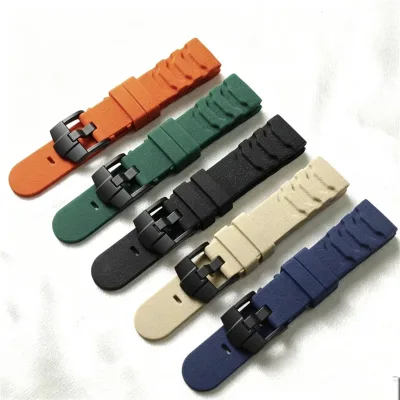
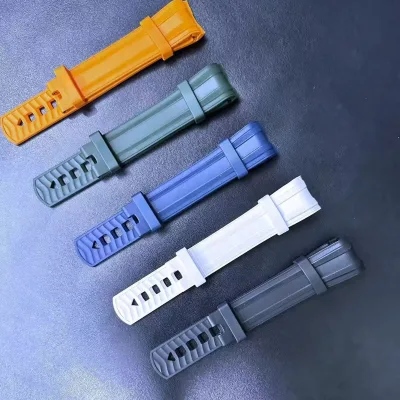
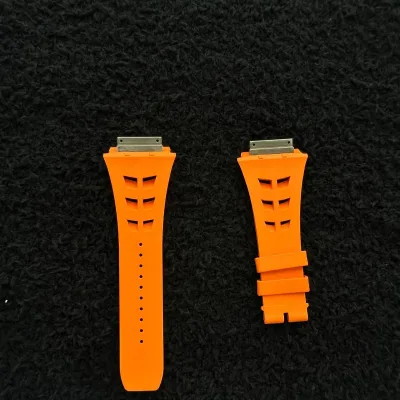
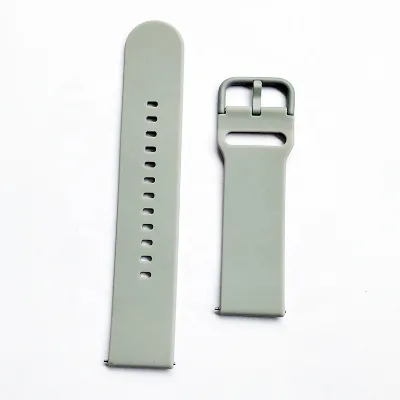
Compare 23 verified Elastic Silicone Watch Strap suppliers in China Guangdong and Fujian. Review response times, lead times, certifications, and pricing to source custom watch bands with OEM and ODM capabilities; review the available evidence before requesting comparable quotations from suitable candidates.
Suppliers List

Shenzhen Guangyufeng Rubber Co., Ltd.
- Verified by SGS
- Trading Company,Manufacturer/Factory
- China Guangdong
- Lead time23 days
- Avg. response≤ 3h
Main productsSilicone Product, Silicone Rubber Product, Baby Product, Silicone Tube, Silicone Rubber Roller, Silicone Sex Toy, Silicone Mold, Silicone Kitchenware, Silicone Case, Silicone Strap
Main marketsSouth America,Eastern Europe,Mid East,North America,Southeast Asia,Eastern Asia,Oceania,Western Europe,Africa


Customized New Rubber Silicone Waterproof and Anti Slip Electronic Watch Strap
$1.00 - $5.00
MOQ: 50 Pieces


Shenzhen Kingod Silicone Products Co., Ltd
- Verified by TUVRHEINLAND
- Combined
- China Guangdong
- Lead time15 days
- Avg. response≤ 2h
Main productsBaby Set, Baby Products, Baby Goods, Breast Pump, Face Mask, Baby Bottle, Medical Components, Phone Case, Silicone Kitchen Products, Toys
Main marketsNorth America


High Quality Soft Silicone Watch Strap Replacement for Rolex Durable Rubber Wristband
$3.20 - $8.60
MOQ: 50 Pieces

Xiamen Flying Silicone Rubber Co., Ltd.
- Verified by TUVRHEINLAND
- Trading Company,Manufacturer/Factory
- China Fujian
- Lead time23 days
- Avg. response≤ 12h
Main productsSilicone Rubber Auto Parts, Silicone Rubber Keypad, Silicone Rubber Gasket, Silicone Rubber O-Ring, Silicone Rubber Valve, Silicone Rubber Kitchenware, Plastic Injection Parts, Silicone Rubber Gifts, Silicone Medical Accessories, LSR Baby Care
Main marketsSouth America,Eastern Europe,North America,Southeast Asia,Western Europe


One-Piece Silicone Watch Band with Protective Case Flexible Rubber Strap
$0.69 - $0.96
MOQ: 500 Pieces


Promotional Fashionable Logo Printed Removable Silicone Rubber Straps for Watch
$0.50 - $0.67
MOQ: 500 Pieces

FOSHAN BESTLIFT NEW MATERIAL CO., LIMITED
- Verified by TUVRHEINLAND
- Trading Company,Manufacturer/Factory
- China Guangdong
- Lead time23 days
- Avg. response≤ 10h
Main productsFraming & Hanging Accessories, Magnetic Photo Frames, Removable Photo Tiles, Frameless Photo Panels, PS Picture Frames, ABS Photo Frames, Solid Wood Picture Frames, Stickable Photo Frames, Mixtiles Photo Tiles, Foam Board for Printing&Mounting
Main marketsSouth America,Eastern Europe,Mid East,North America,Southeast Asia,Eastern Asia,Oceania,Western Europe,Africa

Zhongshan Xinyuan Silicone Rubber Co. Ltd
- Verified by TUVRHEINLAND
- Combined
- China Guangdong
- Lead time15 days
- Avg. response≤ 2h
Main productsSilicone Mold, Silicone Ice Cube Tray, Silicone Wristband, Silicone Tea Infuser, Silicone Bakeware, Silicone Keychain, Silicone Cup Coaster, Silicone Bag
Main marketsSouth America,Southeast Asia/ Mideast,Domestic,Europe,North America
Shenzhen Ai Industry Co., Limited
- Manufacturer
- Guangdong, China
- Lead time7 days
- Avg. response≤ 4h
Main productssilicone valve,3m adhesive silicone bumper,medical silicone products,silicone rubber keypad,LSR silicone injection parts
Main marketsSouth America(30.00%), North America(20.00%), Eastern Europe(15.00%), Northern Europe(10.00%)

Dongguan Yingbaixi Technology Co., Ltd.
- Verified by SGS
- Trading Company,Manufacturer/Factory
- China Guangdong
- Lead time23 days
- Avg. response≤ 1h
Main productsTempered Phone Screen Protector, Hydrogel Film & Film Cutting Machine, Ceramic Screen Protector, POS Silicone Cover, Metal Craft, Landyard, Promotion Gifts
Main marketsSouth America,Eastern Europe,Mid East,North America,Southeast Asia,Western Europe,Africa

Xiamen Neway Rubber & Plastic Products Co., Ltd.
- Verified by BV
- Combined
- China Fujian
- Lead time15 days
- Avg. response≤ 3h
Main productsPlastic Injection Molding, Plastic Parts, Silicone Rubber Parts, Gasket Seals, Rubber Grommet, Mould, O Ring, Extrusion Strip, Metal Parts, Suction Cup
Main marketsSouth America,Africa,Southeast Asia/ Mideast,East Asia(Japan/ South Korea),Europe,Australia,North America


Soft Silicone Watch Band for Apple 38/40mm 42/44mm Silicone Watch Strap Custom Silicone Watch Band
$0.80 - $1.50
MOQ: 1000 Pieces

Custom Silicone Watch Strap for Apple Watch Band Any Design Available Silicone for Apple Watch Band
$0.80 - $1.50
MOQ: 1000 Pieces


Watch Straps - Silicone Quick Release Soft Rubber Replacement Watch Bands - Multiple Colors
$0.80 - $1.50
MOQ: 1000 Pieces


Milesun Rubber & Plastic Technology Co., Ltd.
- Verified by CTI
- Manufacturer/Factory
- China Guangdong
- Lead time23 days
- Avg. response≤ 12h
Main productsRubber Components, Rubber Damper/Shock Absorber/Sheet, Rubber-Metal Components, Sealing Ring, Home Appliance Rubber and Metal Components, Power Tool Rubber and Metal Components, Auto Rubber and Metal Components, Sanitary Rubber and Metal Components, Kitchen Ware / Daily Use Rubber Products, Food Grade Rubber Products/Toy
Main marketsSouth America,Eastern Europe,Mid East,North America,Southeast Asia,Eastern Asia,Oceania,Western Europe,Africa
Ezhou Knute E-Commerce Co., Ltd.
- Trading Company
- Hubei, China
- Lead time0 days
- Avg. response≤ 5h
Main productsnight light,phone accessories
Main marketsNorth America(50.00%)
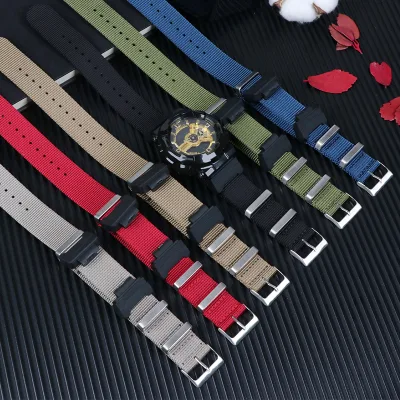
Hot selling 18mm soft silicone watch strap features waterproof classic style for foreign trade
$2.47 - $3.49
MOQ: 10 pieces
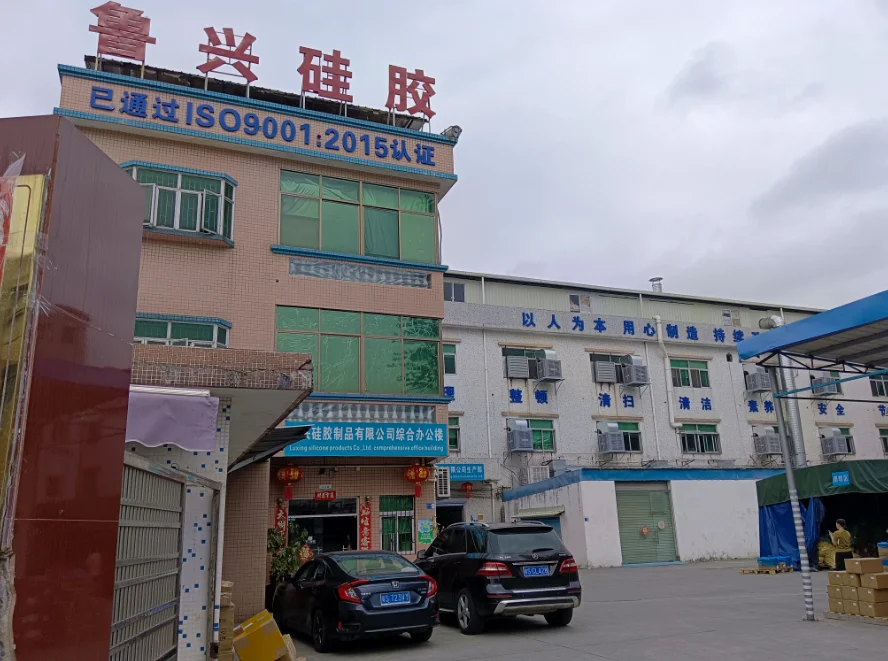
HK CX SILICONE PRODUCTS LIMITED
- Manufacturer, Trading Company
- Hong Kong S.A.R.
- Lead time20 days
- Avg. response≤ 5h
Main productsPet silicone finger brush,Silicone feeding kit,Silicone bib,Pick racket,Silicone plastic mold
Main marketsNorth America(20.00%), Northern Europe(10.00%), South Asia(10.00%), Western Europe(10.00%), Eastern Asia(10.00%), Southern Europe(10.00%), Eastern Europe(10.00%), Central America(5.00%), Oceania(5.00%)
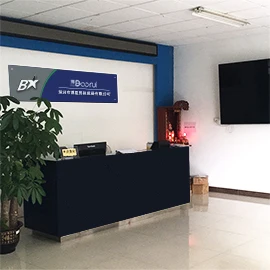
Shenzhen Boxing Trading Development Co., Ltd.
- Manufacturer, Trading Company
- Guangdong, China
- Lead time5 days
- Avg. response≤ 8h
Main productsSmart Watch & Bracelets Bands,Charger for Bracelets,bands for apple watch,smart watch bands,Smart ring
Main marketsNorth America(40.00%), South America(20.00%), Mid East(5.00%), Southern Europe(5.00%), Northern Europe(5.00%), Western Europe(5.00%), Eastern Europe(5.00%), South Asia(3.00%), Domestic Market(2.00%), Eastern Asia(2.00%), Oceania(2.00%), Africa(2.00%), Central America(2.00%), Southeast Asia(2.00%)
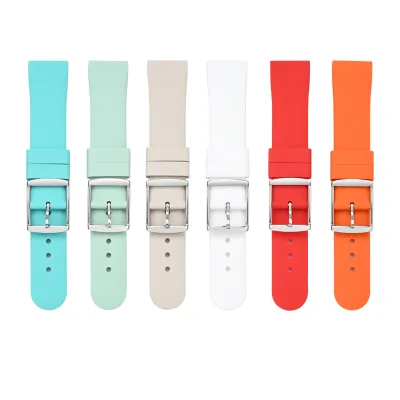
Affordable Price Breathable Strap Adjustable Elastic Band Silicone Fashion Strap
$2.15 - $2.28
MOQ: 10 pieces
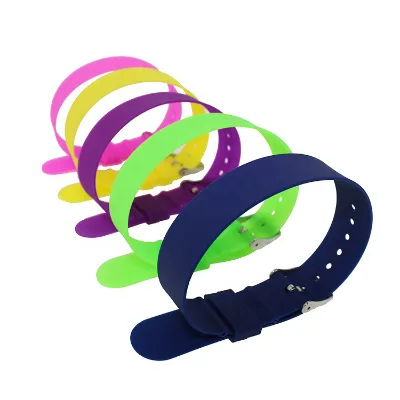
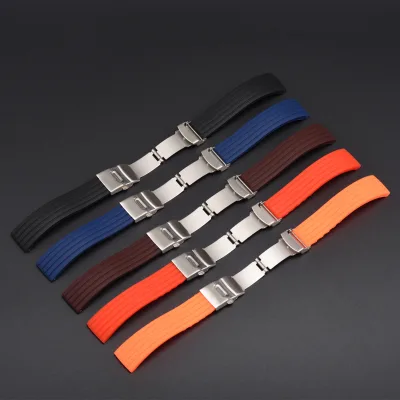
Wholesale Price Silicone Strap Foldable Steel Buckle Fashionable Waterproof Sports Strap
$1.68 - $1.89
MOQ: 10 pieces
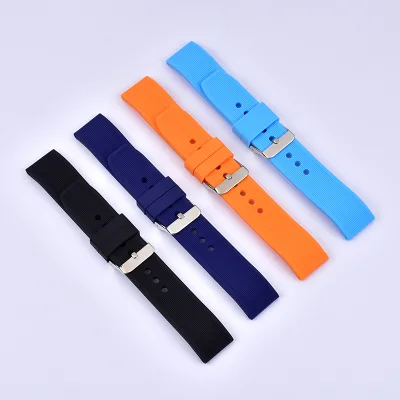
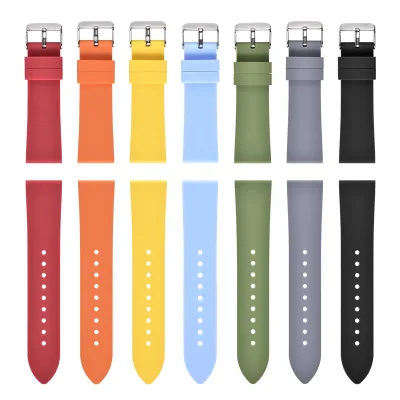
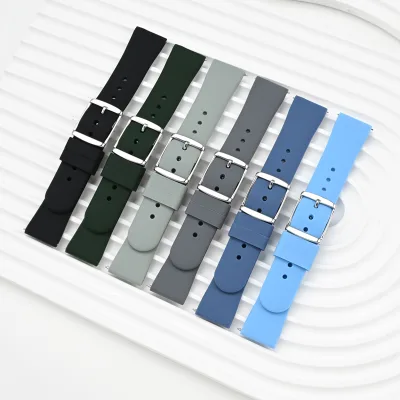
$2.15 - $2.28
MOQ: 10 pieces

Guangzhou Wangjia Leatherware Co., Ltd.
- Manufacturer/Factory
- China Guangdong
- Lead time30 days
- Avg. response≤ 4h
Main productsWestern Cowboy & Cowgirl Belts, Western Buckles, Buckle Sets, Conchos, Dog Collars & Hat Belts, PU Belts, Leather Belts, PU Handbags, Straw Beach Bags, Wallets
Main marketsSouth America,Eastern Europe,Mid East,North America,Southeast Asia,Eastern Asia,Oceania,Western Europe,Africa


Pin Buckle Multi Color Size Sport Wrist Rubber Silicone Watch Strap Band
$1.70 - $2.00
MOQ: 100 Pieces

$1.70 - $2.00
MOQ: 100 Pieces

$1.70 - $2.00
MOQ: 100 Pieces

More Colors Optional Band Soft Silicone Watch Straps Sport Smart Soft Silicone Watch Straps
$1.70 - $2.00
MOQ: 100 Pieces
Shenzhen Jiakang Electronics Co., Ltd.
- Verified by SGS Group
- Manufacturer
- Guangdong, China
- Lead time旺季: "1 - 1000":15,"> 1000":"To be negotiated", 淡季: "1 - 1000":15,"> 1000":"To be negotiated"
- Avg. response≤ 3h
Main productsSilicone POS Protective Case,Silicone Watch Band,Silicone Watch Strap,Customized Siicone Rubber Products
Main marketsDomestic Market(80%), North America(10%), Eastern Asia(10%)
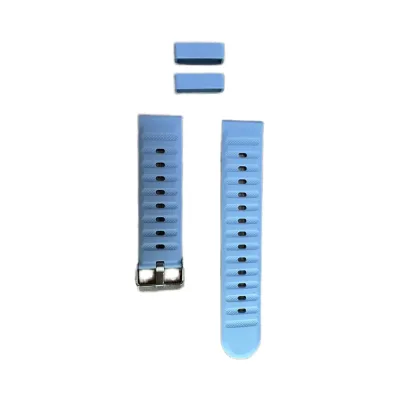
2024 New Design Skin-Friendly Silicone Strap 20mm 22mm Watch Series Watch Band Strap
$0.35 - $0.43
MOQ: 100 pieces
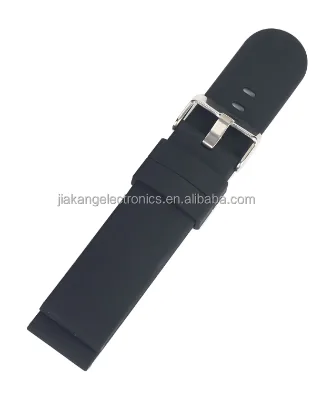
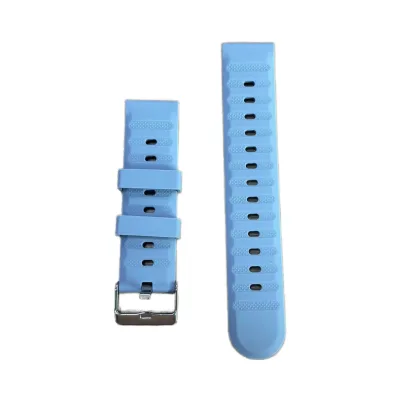
New Arrival Waterproof Soft Watch Strap 20Mm 22Mm Silicone Straps for Watch
$0.36 - $0.44
MOQ: 100 pieces
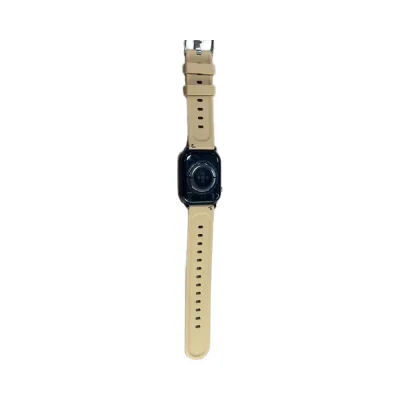
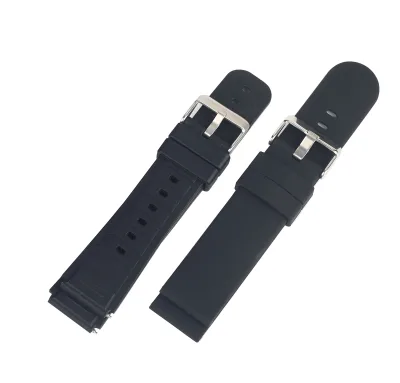
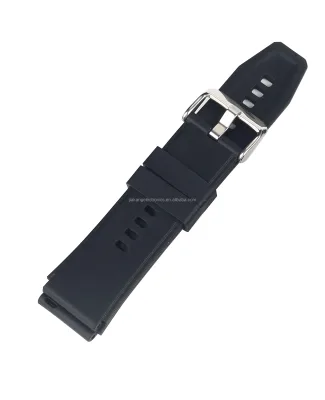
Custom Made Silicone Rubber Watch Band Strap in Multiple Colors Moulded Processing Service
$0.35 - $0.43
MOQ: 500 pieces
Dongguan Achievement Rubber & Plastic Co., Ltd.
- Combined
- China Guangdong
- Lead time23 days
- Avg. response≤ 4h
Main productsSilicone Face Cleanser, Baby Feeder, Silicone Ear Plugs, Silicone Keypad, Silicone Side Cover of Speaker, Silicone Cake Mould, Silicone Oven Gloves, Silicone Utensils, Silicone O Ring, Silicone USB Dust Plug
Main marketsEurope


Silicone Quick Release - 24mm Width - Choice of Color - Silky Soft Rubber Watch Bands
$0.20 - $0.80
MOQ: 2000 Pieces

Shenzhen Easilife Silicone Rubber Industrial Co., Ltd.
- Manufacturer
- Guangdong, China
- Lead time20 days
- Avg. response≤ 4h
Main productsrubber o -ring,custom rubber seals,Silicone Products,Custom Die cut foam product,watch strap
Main marketsDomestic Market(30.00%), North America(15.00%), Northern Europe(10.00%), South America(8.00%), Eastern Asia(5.00%), Mid East(5.00%), Western Europe(5.00%), South Asia(5.00%), Eastern Europe(4.00%), Southern Europe(3.00%), Southeast Asia(3.00%), Africa(3.00%), Oceania(2.00%), Central America(2.00%)

- Verified by TUVRHEINLAND
- Combined
- China Guangdong
- Lead time15 days
- Avg. response≤ 3h
Main productsPhone Case, Sex Toy, Silicone Kitchenwares, Sex Doll, Silicone Electronic Accessories, Keychain, Bracelets, Silicone Necklace, Silicone Cup Mat, Silicone Ashtray
Main marketsSoutheast Asia/ Mideast,East Asia(Japan/ South Korea),Europe,North America


Wholesale Fashion 20mm 22mm Watch Strap Watchband Waterproof Sports Silicone Watch Bands
$0.75 - $0.85
MOQ: 1000 Pieces

Wholesale Soft Custom Watchband Cartoon Band Printed Silicone Watch Strap for iWatch
$1.15 - $1.30
MOQ: 1000 Sets

Wholesale Customized Silicone Watchband Cartoon Strap Printed Watch Band for iWatch
$1.30 - $1.40
MOQ: 1000 Sets


Shenzhen Esaker Technology Co., Ltd.
- Verified by SGS
- Manufacturer/Factory
- China Guangdong
- Lead time15 days
- Avg. response≤ 8h
Main productsGame Console, Gaming Accessories, Phone Case, Charger, Entertainment Electronics, Game Controller, Game Box, Earphone
Main marketsSouth America,Eastern Europe,Mid East,North America,Southeast Asia,Eastern Asia,Oceania,Western Europe,Africa


Hot Selling Rubber Silicone Smart Watch Band Strap with Quick Release Pin for Apple Watch
$0.50 - $0.75
MOQ: 100 Pieces

Silicone Link Strap for Apple Watch Band 44mm 40mm iWatch 38mm 42mm Magnetic Loop Bracelet
$1.25 - $1.68
MOQ: 200 Pieces

2021 New Soft Silicone Color Hot Selling Factory Watch Strap Band for Watch
$0.70 - $1.30
MOQ: 100 Pieces
Shenzhen Top Intelligence Co., Ltd.
- Manufacturer, Agent
- Guangdong, China
- Lead time7 days
- Avg. response≤ 2h
Main productssmart watches,watch straps,watch cases,earphones,earphone cover
Main marketsSouth America(20.00%), North America(20.00%), Southeast Asia(12.00%), Southern Europe(7.00%), Western Europe(7.00%), Central America(6.00%), Africa(5.00%), Eastern Europe(5.00%), Northern Europe(5.00%), Mid East(5.00%), Oceania(3.00%), South Asia(3.00%), Eastern Asia(2.00%)

Shenzhen Jin Laiyi Watch Co., Ltd.
- Manufacturer
- China Guangdong
- Lead time15 days
- Avg. response≤ 9h
Main productsWatch, Wrist Watch, Fashion Watch, Steel Watch, Plastic Watch, Classic Watch, Automatic Watch, Quartz Watch, Digital Watch, Kids Watch
Main marketsEurope,North America

DONG GUAN DO HEARTS TECHNOLOGY CO.,LTD.
- Verified by BV
- Combined
- China Guangdong
- Lead time30 days
- Avg. response≤ 10h
Main productsPVC Dispensing Machine, Silicone Label Machine, Silicone Coating Machine, Silicone Molding Machine, PVC Injection Machine, Embossing Machine, Silicone Heat Transfer Machine, Screen Printing Machine, Hight Frequency Machine
Main marketsSouth America,Southeast Asia/ Mideast,Europe,North America

Shenzhen JXwearable Technology Co., Ltd.
- Verified by CTI
- Trading Company
- China Guangdong
- Lead time15 days
- Avg. response≤ 8h
Main productsWatch Band, Watch Strap, Leather Watch Strap, Silicone Rubber Watch Band, Metal Watch Strap, Rubber Watch Strap, Silicone Watch Strap, Leather Watch Band, Steel Watch Band, Stainless Steel Watch Strap
Main marketsEast Asia(Japan/ South Korea),Domestic,Australia,North America

Zhengtaifeng Hardware Products Co., Ltd.
- Manufacturer/Factory
- China Guangdong
- Lead time15 days
- Avg. response≤ 4h
Main productsWinding Machine Equipment, Tension Control Systems, Wires and Cables, Textile Mechanical, Tungsten Carbide Products, Wire Tensioners, Winding Machine, Ceramic Products, Hysteresis Brakes, Hardware Products
Main marketsSouth America,Eastern Europe,Mid East,North America,Southeast Asia,Eastern Asia,Oceania,Western Europe,Africa




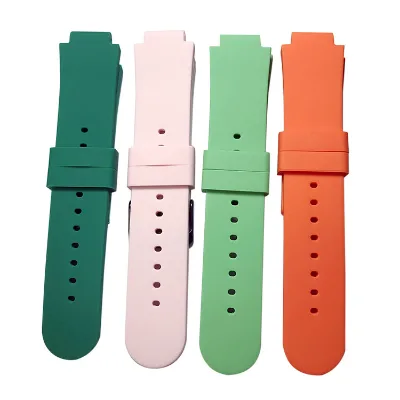
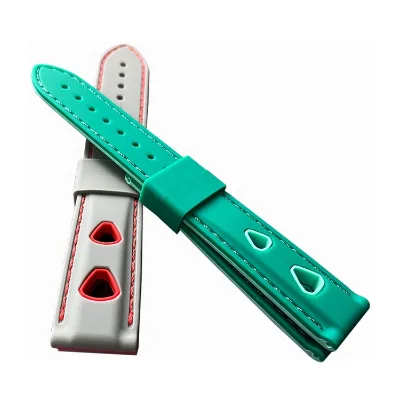
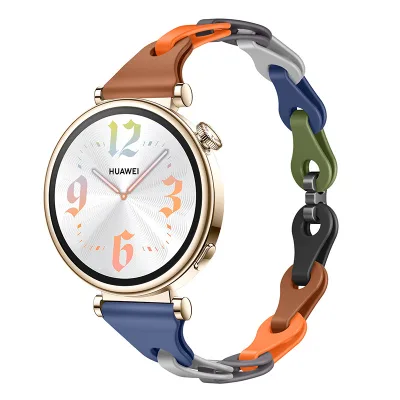
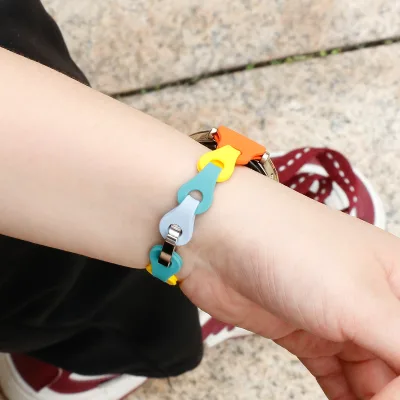


Comprehensive Sourcing Guide
Elastic Silicone Watch Strap Supplier Concentration and Factory Types
Current data indicates that verified suppliers for elastic silicone watch straps are concentrated in specific manufacturing hubs within China, with Guangdong and Fujian provinces appearing as primary locations for production facilities. These regions host a mix of trading companies and manufacturers, offering buyers a choice between direct factory engagement and intermediary services. The observed supplier types include entities that function as manufacturers with their own production lines, as well as trading companies that aggregate products from various factories. This diversity allows buyers to select partners based on whether they require direct manufacturing control or a broader product range.
When evaluating the factory types, it is essential to distinguish between pure manufacturers and combined entities that may offer both trading and manufacturing services. Some suppliers list capabilities such as OEM and ODM, indicating they can customize designs and manage production processes internally. Others may focus on specific product lines like baby products or medical components alongside watch straps, suggesting a broader manufacturing capacity. Buyers should verify the specific nature of the supplier's operation to ensure it aligns with their volume and customization needs, as the distinction impacts lead times and quality control protocols.
How to Verify Elastic Silicone Watch Strap Suppliers
Verification of Elastic Silicone Watch Strap suppliers relies heavily on third-party audit reports and system certifications that confirm operational standards. Available data shows that suppliers may hold certifications such as ISO 9001, ISO 13485, and ISO 14001, which indicate adherence to quality management and environmental standards. Additionally, verification badges from agencies like SGS or TÜV Rheinland serve as critical indicators of a supplier's legitimacy and the reliability of their reported capabilities. Buyers must request these specific documents to confirm that the supplier's claims regarding their production environment and quality systems are accurate and current.
Beyond certifications, response times and verification status provide immediate insights into a supplier's operational readiness. Data suggests that response times can vary significantly, with some suppliers responding within a few hours while others take longer, potentially indicating differences in staffing or workflow efficiency. A verified status from a recognized agency adds a layer of trust, but buyers should also cross-reference this with the supplier's actual product evidence. Checking for specific product attributes like hardness, curing agents, and tolerance levels in the provided data helps confirm that the supplier has the technical expertise to produce the required elastic silicone watch straps to specification.
What to Compare Across Elastic Silicone Watch Strap Suppliers
Comparing suppliers requires a systematic analysis of key operational metrics such as lead time, minimum order quantity, and pricing structures. Observed lead times in the current dataset range from 15 to 23 days, which directly impacts inventory planning and delivery schedules. Minimum order quantities also vary, with some suppliers requiring as few as 50 units while others set thresholds at 1000 pieces. Buyers must align these constraints with their own demand forecasts to avoid overstocking or incurring unnecessary costs, ensuring that the selected supplier can accommodate their specific order volume without compromising on price or delivery speed.
Pricing and customization capabilities are equally critical factors in the comparison process. Unit prices for elastic silicone watch straps can range from approximately $0.54 to $8.60 depending on the complexity, material composition, and order volume. Some suppliers offer flexible customization options, including logo printing, color selection, and specific hardness levels like Shore 70A, while others may have more rigid product standards. Buyers should evaluate the total cost of ownership, including shipping and potential tooling fees, rather than focusing solely on the unit price. Additionally, assessing the supplier's ability to provide samples and their specific production processes, such as compression molding, ensures that the final product meets the required quality and performance standards.
Common Elastic Silicone Watch Strap Sourcing Risks
One significant risk in sourcing elastic silicone watch straps involves the discrepancy between claimed certifications and actual product compliance. While suppliers may list certifications like FDA or ISO 13485, buyers must verify that these apply specifically to the watch strap materials and not just to other product lines the supplier manufactures. Inconsistent application of standards can lead to products that fail safety tests or do not meet regulatory requirements in the target market. It is crucial to request test reports that explicitly cover the specific materials and components used in the watch straps to mitigate the risk of non-compliance.
Another risk pertains to the reliability of lead times and the consistency of production quality. Variations in response times and lead times, such as the difference between 15 and 23 days observed in the data, can signal underlying issues in production capacity or supply chain management. If a supplier consistently misses delivery windows or provides inconsistent product attributes like weight or tolerance, it can disrupt the buyer's entire supply chain. Buyers should establish clear communication channels and set realistic expectations regarding production timelines, while also implementing strict quality control measures to catch any deviations early in the manufacturing process.
Elastic Silicone Watch Strap Regional Sourcing and Logistics
Regional sourcing decisions are heavily influenced by the location of manufacturing facilities, with Guangdong and Fujian emerging as key hubs for Elastic Silicone Watch Strap production. These regions offer established supply chains and logistics networks that can facilitate efficient shipping to global markets. However, buyers must consider the specific logistics capabilities of each supplier, as some may offer shipping via major carriers like TNT, UPS, or DHL, while others might rely on different methods. Understanding the shipping options and associated costs is essential for accurate budgeting and ensuring timely delivery to the final destination.
Logistics planning also involves evaluating the packaging and standardization of products to minimize damage during transit. Data indicates that suppliers may use various packaging methods, such as OPP bags or cartons, which can affect the protection of the watch straps during shipping. Buyers should verify that the packaging standards align with their requirements for product integrity and that the supplier can handle the specific dimensions and weights of the orders. Additionally, considering the origin of the products, such as Xiamen or other specific cities within the provinces, can help buyers assess the proximity to ports and the efficiency of the export process, ensuring a smoother logistics operation from factory to customer.
Elastic Silicone Watch Strap Commercial Terms and Order Planning
Commercial terms for elastic silicone watch straps often include specific requirements regarding payment, customization, and order planning. Buyers should be prepared to negotiate terms that reflect the complexity of the product, such as the availability of OEM and ODM services, which may require additional time for design approval and tooling. The minimum order quantities observed, ranging from 50 to 1000 units, necessitate careful planning to ensure that orders are economically viable while meeting production capacity constraints. Clear communication regarding these terms is vital to avoid misunderstandings and ensure that both parties are aligned on the scope of the project.
Order planning must also account for the specific attributes of the product, such as material composition, curing agents, and hardness levels, which can impact production time and cost. Suppliers may offer different options for customization, including logo placement and color variations, which require precise specifications to avoid errors. Buyers should plan their orders well in advance to accommodate the lead times and ensure that all necessary approvals and samples are secured before mass production begins. By carefully managing these commercial and operational details, buyers can streamline the sourcing process and secure a reliable supply of high-quality elastic silicone watch straps.
FAQs
What is the typical lead time for silicone watch straps?
The typical lead time for silicone watch straps is 23 days based on current supplier data. Some manufacturers offer faster production with a 15-day lead time. Buyers should verify specific timelines with suppliers before placing orders to ensure timely delivery.
What are the minimum order quantities for these products?
Minimum order quantities vary significantly among suppliers. Some factories require 50 pieces for standard silicone straps, while others set the threshold at 1000 pieces for custom electronic parts. Buyers must check individual product listings to confirm the specific MOQ required for their order.
Which certifications do these silicone manufacturers hold?
Many suppliers hold ISO 9001, ISO 13485, and ISO 14001 certifications. Some also possess FDA approval for medical or baby products. Additional certifications like TS 16949 and QC 080000 are available. Buyers should request specific certificates to verify compliance with their industry standards.
Where are the main manufacturing facilities located?
Manufacturing facilities are primarily located in Guangdong and Fujian provinces in China. Specific origins include Xiamen for certain watch bands. Buyers should confirm the exact factory location to assess shipping costs and logistics capabilities for their specific sourcing needs.
What is the price range for custom silicone watch straps?
Prices for custom silicone watch straps range from 0.54 to 8.60 USD per unit. The cost depends on the model, customization level, and order volume. Some basic straps start at 1.00 USD, while specialized replacements can reach higher price points. Buyers should request quotes for accurate pricing.
Do suppliers offer OEM and ODM services?
Yes, most suppliers offer both OEM and ODM services for silicone watch straps. Customization is available for logos, colors, and designs. Some manufacturers also provide their own brands alongside custom manufacturing. Buyers should specify their design requirements to ensure the supplier can meet their unique needs.
How quickly do suppliers typically respond to inquiries?
Response times vary, with some suppliers replying within 1.80 hours and others taking up to 11.54 hours. The average response time is around 2.68 hours. Buyers seeking urgent assistance should prioritize suppliers with faster response metrics to ensure efficient communication during the sourcing process.