Multifunctional Watch Storage Winder Suppliers and Manufacturers
Source 14 verified suppliers for Multifunctional Watch Storage Winder solutions. Compare key dimensions including location, lead time, MOQ, and response time to find the right partner. Review product specifications and pricing details to initiate your sourcing process today; review the available evidence before requesting comparable quotations from suitable candidates.
Suppliers List
- Manufacturer, Trading Company
- shandong, China
- Lead time15 days
- Avg. response≤ 4h
Main productsScissors,Garden Tools,Kitchen Tools,Scales,Cable
Main marketsNorth America(30.00%), Northern Europe(10.00%), Western Europe(10.00%), Mid East(10.00%), Africa(10.00%), Southeast Asia(10.00%), Eastern Europe(10.00%), South America(10.00%)
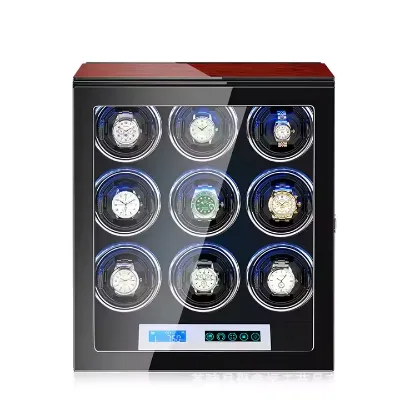
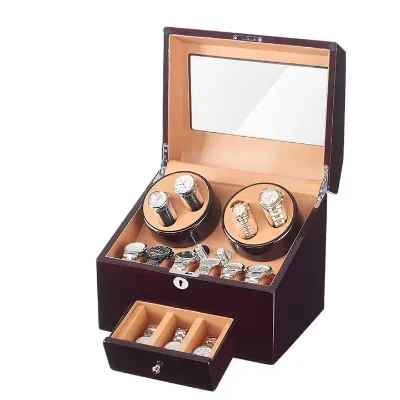
Factory Mechanical Wrist Watch Home Storage Automatic Watch Winder Watch Storage Box
$76.00 - $79.06
MOQ: 10
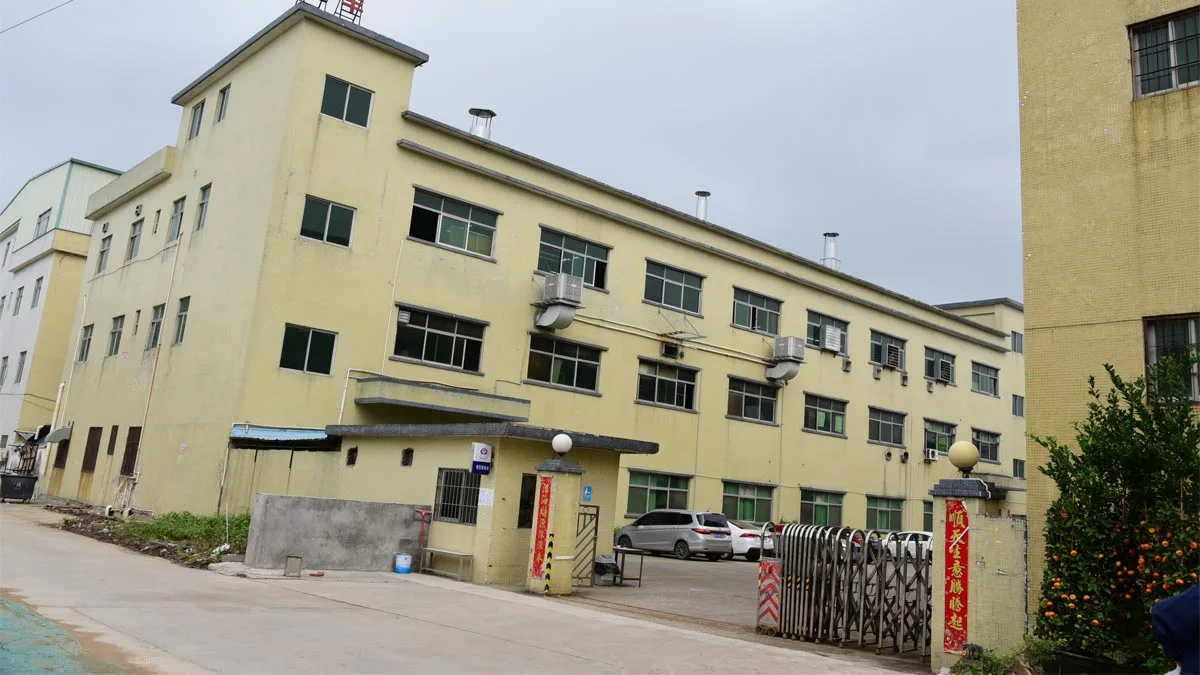
Shenzhen Hengrunfeng Packaging Products Co., Ltd.
- Manufacturer
- Guangdong, China
- Lead time30 days
- Avg. response≤ 3h
Main productswatch winder,watch roll,watch case,cigar humidor,jewelry box
Main marketsNorth America(40.00%), Western Europe(25.00%), Mid East(20.00%), Northern Europe(10.00%), Eastern Europe(5.00%)

Jiangmen Xinyixing Industrial Co., Ltd.
- Verified by SGS
- Combined
- China Guangdong
- Lead time30 days
- Avg. response≤ 1h
Main productsWatch Winder, Watch Box, Smart Watch, Watch, Watch Mover, Watch Case
Main marketsDomestic
Guangzhou Ozone Arts & Crafts Co., Ltd.
- Verified by TüVRheinland
- Trading Company
- Lead time10 days
- Avg. response≤ 4h
Main productsWatch Winder, Watch Box, Jewelry Box, Watch Winder Safe Box
Main marketsNorth America(50%), Western Europe(20%), Eastern Europe(10%)
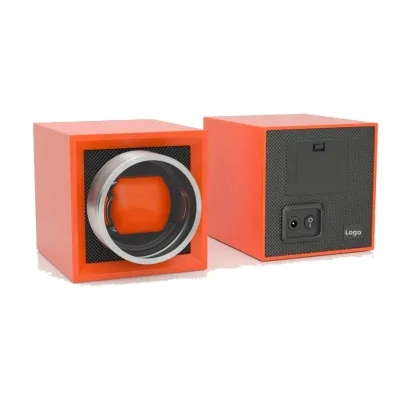
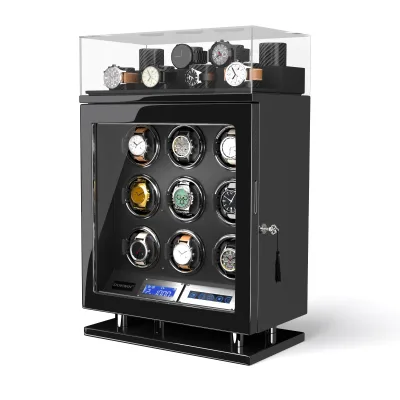
$274.80 - $295.16
MOQ: 2 pieces
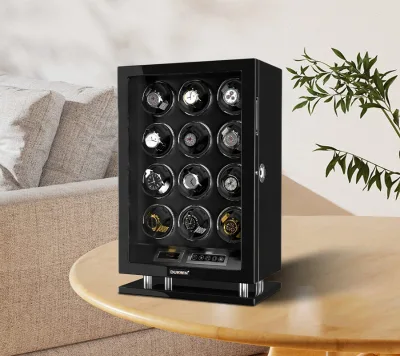
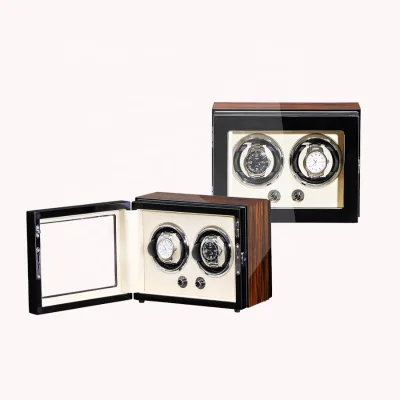
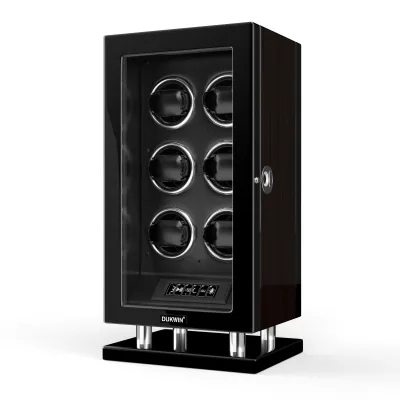
$326.61 - $347.48
MOQ: 2 pieces

- Verified by SGS
- Manufacturer/Factory,Group Corporation
- China Guangdong
- Lead time45 days
- Avg. response≤ 4h
Main productsGift Box, Watch Box, Perfume Box, Cosmetic Box, Whisky Box, Jewelry Box, Wine Box, Spirits Box, Coin Box


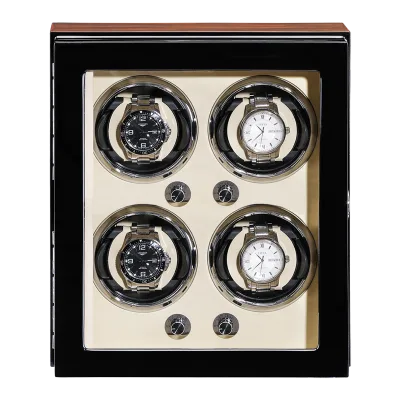
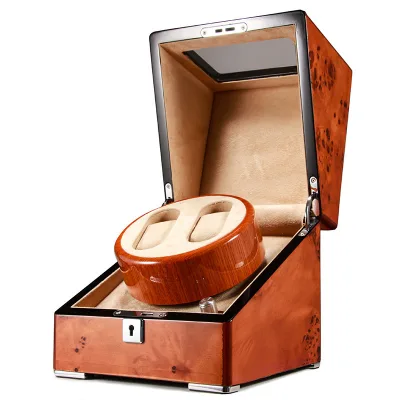
Elegant Piano Varnish Finishing Watch Winder for Multi Slots Automatic Watches
$150.00 - $500.00
MOQ: 2 Pieces


Guangzhou Boxun Brand Promotion Co., Ltd.
- Verified by Intertek
- Manufacturer, Trading Company
- Lead time30 days
- Avg. response≤ 1h
Main productsWatch Winder, Watch Safe, Jewelry Box, Watch Box
Main marketsNorth America(50%), Eastern Europe(10%), Mid East(10%)
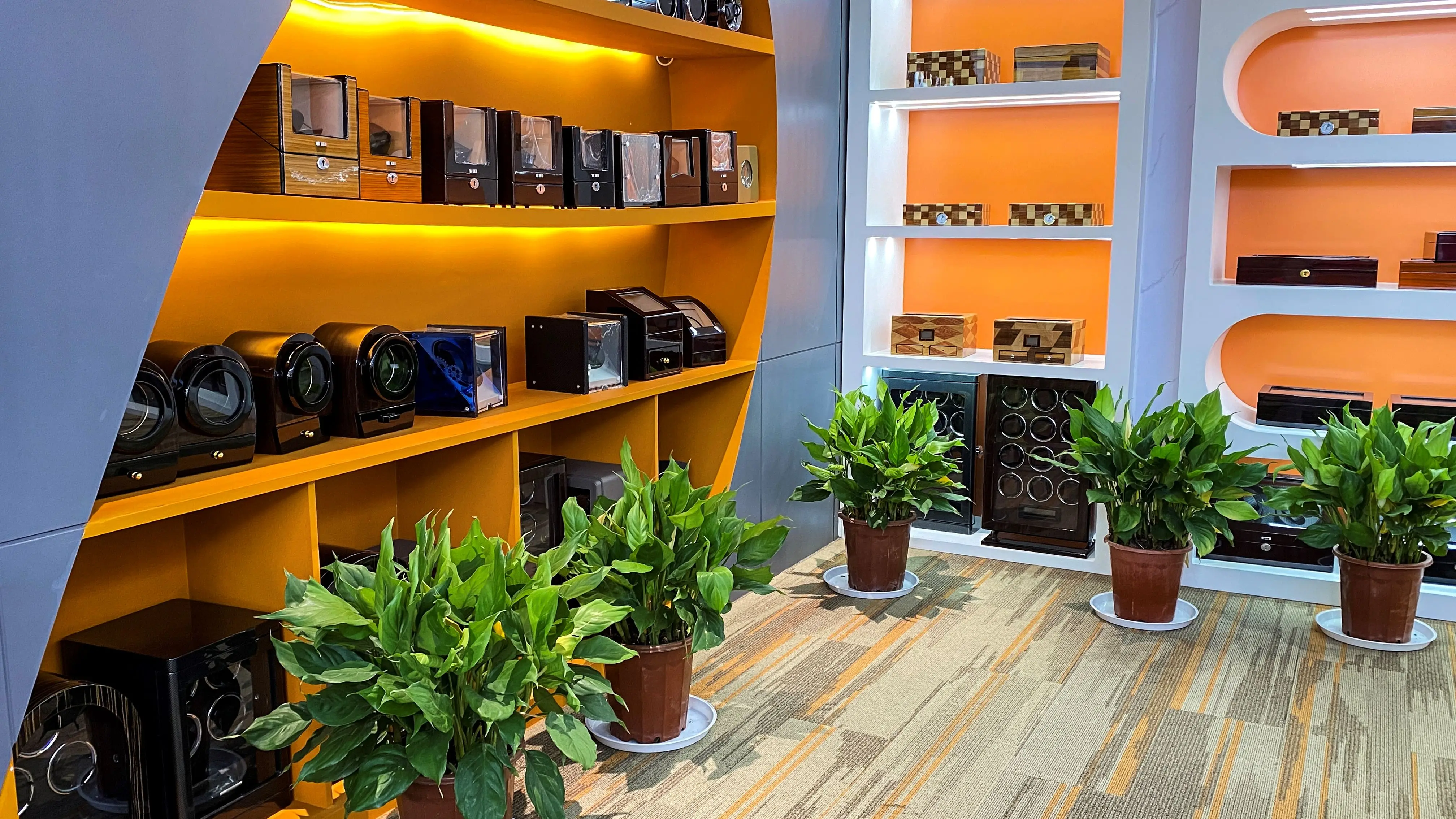
Guangzhou T.wing-Pak Mfg. Co., Ltd.
- Manufacturer, Trading Company
- Guangdong, China
- Lead time25 days
- Avg. response≤ 3h
Main productsWatch Winder/Watch Cases/Jewelry Boxes/Cigar Humidors/Music Box,watch box,jewelry box,cigar box,perfume box
Main marketsNorth America(35.00%), Southeast Asia(30.00%), Western Europe(20.00%), Southern Europe(5.00%), Northern Europe(5.00%), Mid East(5.00%)
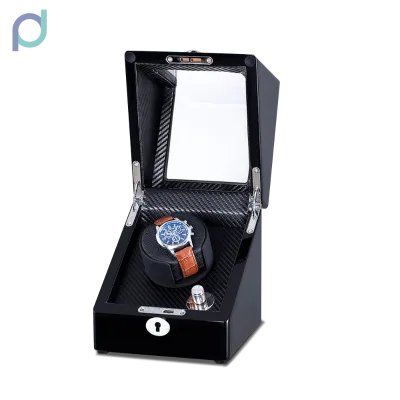
Single Watch Winder Automatic Winder with Quiet Motor,Soft Flexible Watch Pillows of Camel Velvet
$43.97 - $46.17
MOQ: 2 pieces
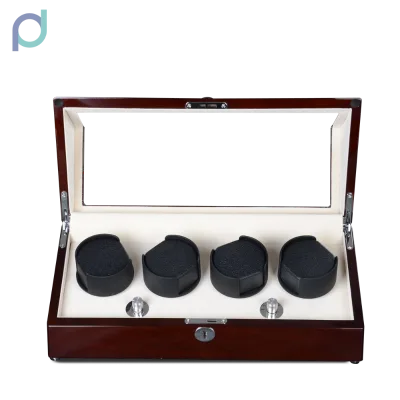
$92.43 - $97.04
MOQ: 2 pieces
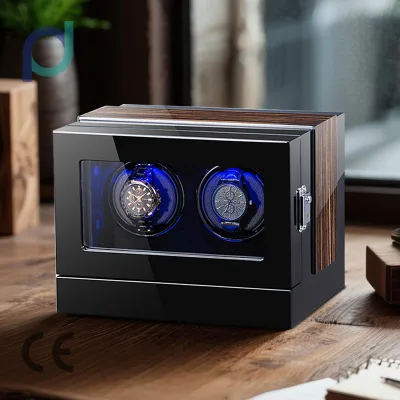
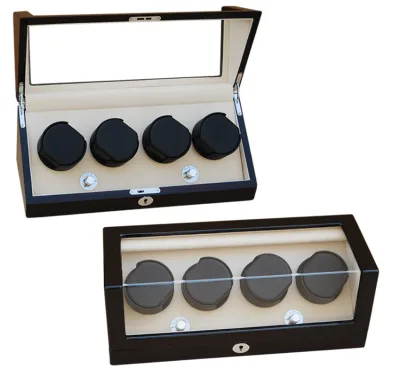
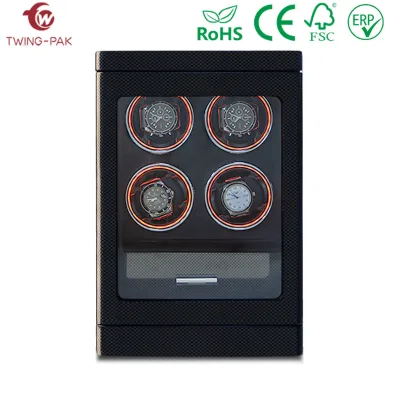
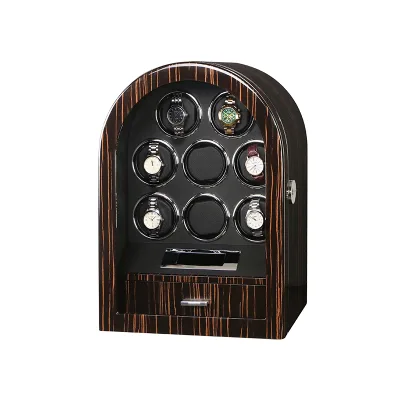

DONGGUAN ZHIHE WOOD PACKAGING LIMITED
- Verified by SGS
- Combined
- China Guangdong
- Lead time60 days
- Avg. response≤ 7h
Main productsWooden Box, Wine Box, Jewelry Box, Pet House, Hotel Furniture, Smart Pet Furniture, Watch Box, Pet Urn, Precious Metals Display Box, The Wooden
Main marketsSouth America,Africa,Southeast Asia/ Mideast,East Asia(Japan/ South Korea),Domestic,Europe,Australia,North America


$11.88 - $12.60
MOQ: 300 Pieces

Shenzhen Ear Technology Co., Ltd.
- Manufacturer, Trading Company
- Guangdong, China
- Lead time0 days
- Avg. response≤ 7h
Main productswatch strap,phone case,data cable
Main marketsWestern Europe(20.00%), Eastern Asia(20.00%), North America(20.00%), Southern Europe(10.00%), South America(10.00%), Southeast Asia(10.00%), South Asia(5.00%), Eastern Europe(5.00%)
Jinhua Charming Packing Co., Ltd.
- Manufacturer
- Zhejiang, China
- Lead time15 days
- Avg. response≤ 1h
Main productsJewelry Box,Watch Box,Paper Box,Gift Box,Jewelry DIsplay
Main marketsEastern Europe(30.00%), Western Europe(25.00%), North America(25.00%), Mid East(20.00%)
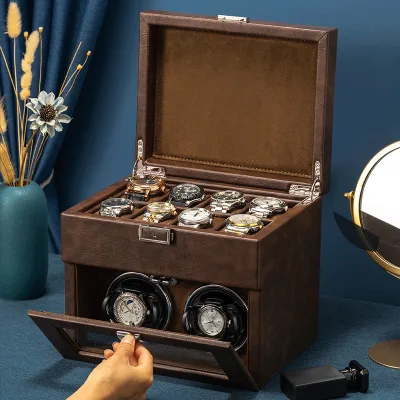
$45.76 - $50.39
MOQ: 2 pieces

Dongguan DianYa Packaging MFG. Co., Ltd.
- Verified by TUVRHEINLAND
- Manufacturer/Factory
- China Guangdong
- Lead time30 days
- Avg. response≤ 1h
Main productsBox, Paper Box, Wooden Box, Leather Box, Plastic Box, Jewellery Box, Watch Box, Wine Box, Perfume Box, Cigar Box
Main marketsSouth America,Eastern Europe,Mid East,North America


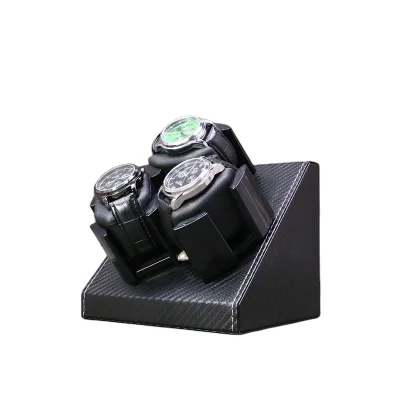
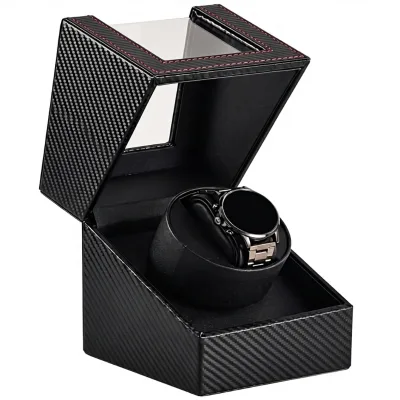
High End Automatic Carbon Fiber Watch Winder Gift Packaging Storage Box
$28.20 - $35.50
MOQ: 100 Pieces


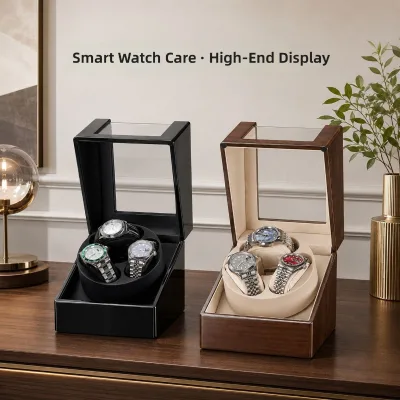
High End Luxury Black High Gloss Watch Winder Box with 2 Windering 3 Storages
$30.00 - $45.00
MOQ: 300 Sets
Jinhua Weito Paper Products Co., Ltd.
- Verified by Intertek
- Manufacturer, Trading Company
- Lead time0 days
- Avg. response≤ 4h
Main productsJewelry Packaging Box, Jewelry Display, Jewelry Display Props
Main marketsDomestic Market(35%), North America(12%), Southeast Asia(9%)
Dongguan Langqin Leather Hardware Co., Ltd.
- Manufacturer, Trading Company
- Guangdong, China
- Lead time10 days
- Avg. response≤ 4h
Main productsJewelry case , Watch case, Cosmetic bag custom, Leather products, Leather belt
Main marketsNorth America(70.00%), Domestic Market(19.00%), Domestic Market(19.00%), Northern Europe(1.00%), Africa(1.00%), Eastern Europe(1.00%), Mid East(1.00%), Southeast Asia(1.00%), Eastern Asia(1.00%), South America(1.00%), Oceania(1.00%), Western Europe(1.00%), Southern Europe(1.00%), Central America(1.00%), Northern Europe(1.00%), Africa(1.00%), Eastern Europe(1.00%), Mid East(1.00%), Southeast Asia(1.00%)
Guangzhou Eduin Electronic Technology Co., Ltd.
- Manufacturer, Trading Company
- Guangdong, China
- Lead time15 days
- Avg. response≤ 3h
Main productsWatch winder,Watch case,Jewelry box,Automatic Watch Winder,Watch
Main marketsNorth America(40.00%), Western Europe(30.00%), Eastern Europe(20.00%), Southeast Asia(10.00%)
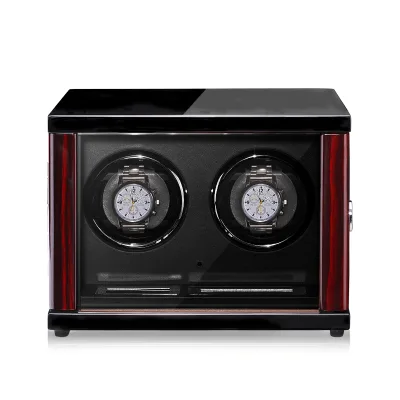
$100.00 - $110.00
MOQ: 30 pieces
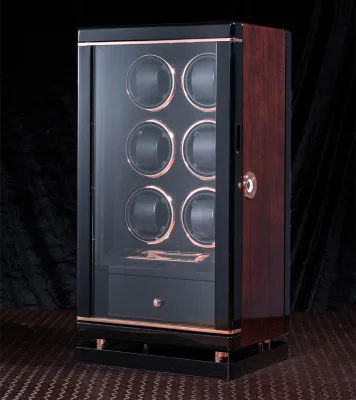
$373.53 - $407.11
MOQ: 2 pieces
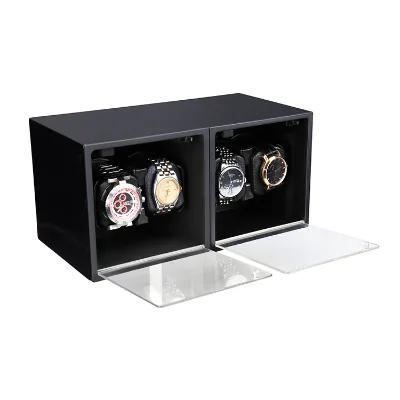

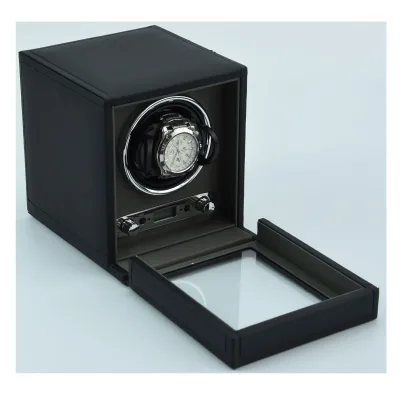


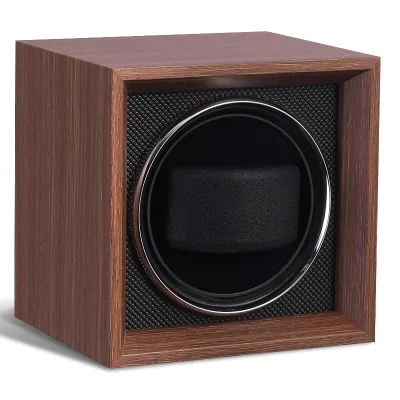
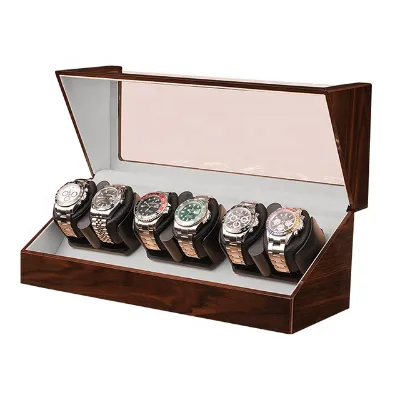
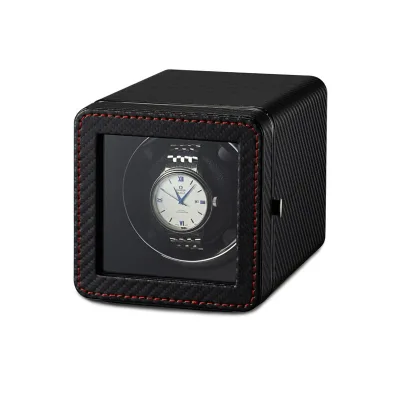
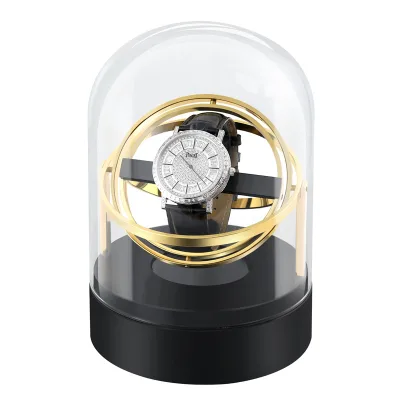
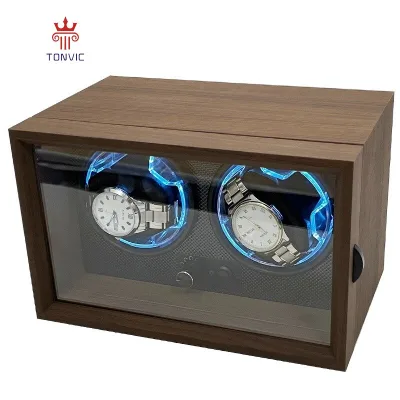
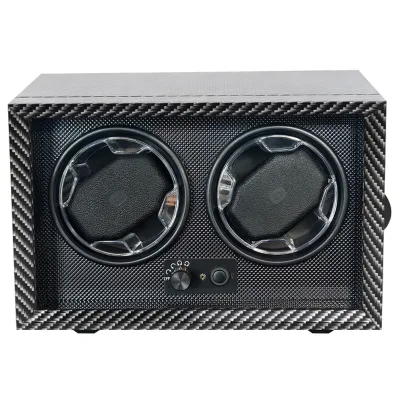
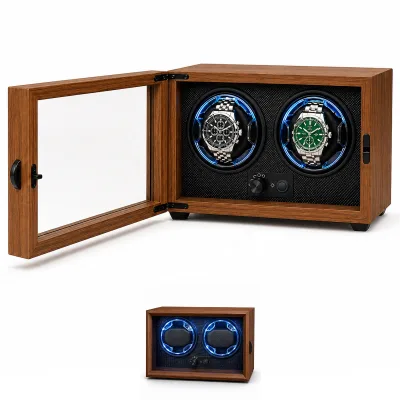
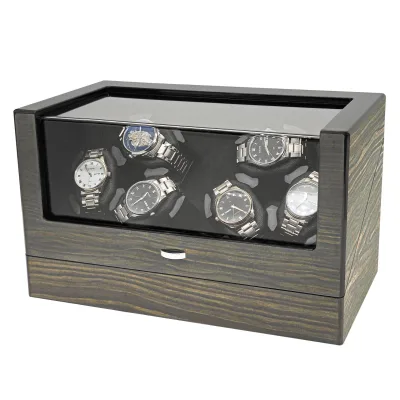
Comprehensive Sourcing Guide
Multifunctional Watch Storage Winder Supplier Concentration and Factory Types
Current data indicates a concentration of manufacturing activity in Shandong and Guangdong provinces within China, where specific suppliers list these regions as their place of origin. These locations host a mix of company types, including dedicated manufacturers, trading companies, and combined entities that blend both roles. In Shandong, suppliers often list diverse main products such as scissors, garden tools, and kitchen scales alongside watch storage solutions, suggesting a broader manufacturing base that may include specialized watch winder lines. Conversely, suppliers in Guangdong frequently focus more narrowly on watch accessories, including watch winders, watch rolls, and cigar humidors, which can indicate a deeper specialization in this specific niche.
When evaluating factory types, buyers should note that some entities operate as pure manufacturers while others function as trading companies or combined models. A manufacturer typically controls the production process, whereas a trading company may source from multiple factories. The presence of combined company types suggests a hybrid approach where a single entity might manage both production oversight and sales logistics. Buyers must verify the actual nature of the operation by checking if the supplier claims to own the factory or if they act as an intermediary. This distinction is critical because it influences quality control capabilities, customization flexibility, and the ability to scale production volumes without relying on third-party partners.
How to Verify Multifunctional Watch Storage Winder Suppliers
Verification begins with scrutinizing the specific product attributes and certifications provided in the supplier's catalog. For instance, some listings explicitly display ISO9001 certification, which serves as a tangible indicator of a quality management system, while others may list "NIL" for system certifications, requiring further inquiry. Buyers should cross-reference the stated place of origin, such as Shandong or Guangdong, with the physical address provided to ensure consistency. Additionally, checking the brand name field is essential; some suppliers offer OEM services with customized logos, while others may list specific brand names like HRF, which implies an existing product line rather than a purely private label operation.
Response time and lead time are also critical verification metrics that reflect operational efficiency. Data shows response times ranging from three to four days, which can indicate the responsiveness of the sales team, while lead times vary significantly, with some suppliers quoting fifteen days and others up to thirty days. A shorter lead time does not always guarantee better quality, but it does suggest a more agile production schedule. Buyers should request proof of these metrics, such as recent shipping documents or video calls with the factory floor, to confirm that the stated capabilities are real. Furthermore, verifying the supply ability, such as a stated capacity of 2000 pieces per month, helps ensure the supplier can meet volume requirements without compromising delivery schedules.
What to Compare Across Multifunctional Watch Storage Winder Suppliers
Comparing suppliers requires a detailed analysis of minimum order quantities (MOQ) and pricing structures, which vary widely across the market. Some suppliers offer low entry barriers with an MOQ of just two pieces, making them suitable for small batch testing or sample orders, while others require a minimum of 100 pieces, which is more appropriate for established retailers or bulk procurement. Price ranges also differ substantially, with some products listed between 76 and 79 units of currency, while others range from 159 to 162 units. These price differences often correlate with material quality, such as the use of PU and wood versus solid wood, and the complexity of the mechanical winding mechanism included in the unit.
Beyond pricing and volume, buyers must compare the physical specifications and material composition of the products. Dimensions can vary from compact 12x12x14 cm boxes to larger units measuring 37.5x19x21.5 cm, affecting storage capacity and shipping costs. Material choices like MDF, wood, or a combination of PU and wood directly impact durability and aesthetic appeal. Additionally, the style of the product, whether modern, European, or simple, must align with the target market's preferences. Buyers should also evaluate the packaging details, such as whether items are shipped in paper boxes with foam protection or in strong gift boxes, as this affects the final presentation and potential damage during transit.
Common Multifunctional Watch Storage Winder Sourcing Risks
One significant risk involves the discrepancy between the stated product features and the actual delivered goods, particularly regarding material composition and mechanical functionality. Some listings describe products as eco-friendly or handmade, yet the specifications may reveal the use of MDF or standard wood without detailed verification of the finishing process. There is also a risk associated with the "OEM" designation, which implies customization but does not guarantee that the supplier has the specific tooling or expertise to execute complex branding requests accurately. Buyers must ensure that the customization capabilities, such as logo printing or specific color options, are clearly defined in the contract to avoid receiving generic stock items.
Another critical risk is the variability in lead times and the potential for supply chain disruptions. While some suppliers quote a lead time of fifteen days, others may require thirty days, and these estimates can fluctuate based on raw material availability or production backlog. If a supplier claims a high supply ability but fails to meet the deadline, it can disrupt the buyer's inventory planning and sales cycles. Furthermore, the lack of standardized certifications across all suppliers means that quality assurance relies heavily on the buyer's due diligence. Without a verified quality control process or third-party inspection, there is a risk of receiving products with dimensional tolerances that exceed acceptable limits or materials that do not match the advertised specifications.
Multifunctional Watch Storage Winder Regional Sourcing and Logistics
Sourcing from specific regions like Shandong and Guangdong offers distinct logistical advantages and challenges that buyers must navigate. Suppliers in these regions often list specific ports of dispatch, such as Shenzhen or Guangzhou, which are major hubs for international shipping. The proximity to these ports can reduce inland transportation costs and expedite the loading process, but buyers must verify the actual port of origin for each order to ensure accurate freight calculations. Additionally, the single package size and gross weight of the products, which can range from 0.825 kg to 12.5 kg, significantly impact shipping volume and cost, requiring careful calculation of container utilization.
Logistics planning must also account for the varying dimensions and packaging requirements of different suppliers. For example, a single leather watch winder might have a package size of 25x25x22 cm, while a wooden storage box could measure 47x30x43 cm. These differences affect how many units can be loaded into a standard shipping container, directly influencing the per-unit shipping cost. Buyers should request detailed packing lists and dimensions from each supplier to optimize container loading. Furthermore, understanding the specific shipping terms, such as whether the supplier handles export documentation or if the buyer must arrange freight forwarding, is essential to avoid delays at customs or unexpected fees upon arrival.
Multifunctional Watch Storage Winder Commercial Terms and Order Planning
Commercial terms regarding payment, escrow, and order planning are vital for mitigating financial risk and ensuring smooth transactions. While specific escrow details are not always explicitly stated in the product listings, buyers should prioritize suppliers who offer secure payment methods that protect both parties until the goods are verified. The minimum order quantity is a key factor in order planning, as low MOQs allow for testing the market with minimal capital, whereas high MOQs require a larger upfront investment and more robust sales forecasts. Buyers must align their order volume with the supplier's stated supply ability to ensure that the production schedule can accommodate the requested quantity without delays.
Order planning also involves coordinating the lead time with the buyer's sales cycle and inventory needs. A lead time of fifteen days allows for quicker replenishment, while a thirty-day lead time requires more advanced planning and potentially higher safety stock levels. Buyers should also consider the customization lead time, as adding a logo or specific design elements may extend the production schedule beyond the standard lead time. Clear communication regarding the delivery date, packaging requirements, and any special handling instructions is necessary to prevent misunderstandings. Finally, buyers should establish a clear protocol for handling defects or discrepancies, ensuring that the supplier is accountable for the quality and specifications of the delivered multifunctional watch storage winders.
FAQs
What is the typical lead time for watch winders?
Manufacturers in China generally require 15 to 30 days for production. Suppliers in Shandong often quote 15 days, while Guangdong factories may need 30 days. Buyers should confirm specific timelines with the supplier before placing orders to ensure timely delivery.
What are the minimum order quantities for these products?
MOQs vary significantly by supplier and product type. Some manufacturers accept orders as low as 2 pieces, while others require 10 or 100 units. Buyers should check the specific MOQ listed for each product to determine the best fit for their volume needs.
How fast do suppliers typically respond to inquiries?
Response times for these suppliers range from 3 to 4 hours. Faster response rates indicate active sales teams ready to assist with quotes and specifications. Buyers should expect prompt replies when contacting manufacturers in China for immediate sourcing support.
What materials are commonly used for watch winders?
Common materials include wood, PU leather, and MDF. Some products feature wooden storage boxes, while others use PU combined with wood for durability. Buyers can choose based on aesthetic preferences and functional requirements for their specific watch collection storage needs.
What is the price range for automatic watch winders?
Prices typically range from $28.80 to $162.45 per unit. Basic models start around $28.80, while premium wooden or multi-slot winders cost more. Buyers should compare features and MOQs to find the best value within their budget constraints.
Are OEM branding options available for watch winders?
Yes, many suppliers offer OEM services with customized logos. Buyers can request personalized branding on the product or packaging. This option allows businesses to create unique products for their market while leveraging the manufacturing capabilities of Chinese suppliers.