Energy Saving Aluminum Windows and Doors Suppliers and Manufacturers
Source 29 verified suppliers for Energy Saving Aluminum Windows and Doors. Compare dimensions including ISO9001:2015 certification, 30-day lead times, and pricing from $100 to $350. Verify response times and MOQs directly to identify suitable partners for your project; review the available evidence before requesting comparable quotations from suitable candidates.
Updated
Suppliers List

V Global Manufacturing Limited
- Verified by SGS
- Combined
- China Fujian
- Lead time30 days
- Avg. response≤ 1h
Main productsExtrusion
Main marketsSoutheast Asia/ Mideast,Domestic

Energy-Saving Aluminum Glass Doors Windows Green Buildings Aluminum Door & Window
$110.00 - $350.00
MOQ: 1 Pieces

Energy-Efficient Aluminum Glass Doors Windows Modern Buildings Aluminum Door & Window
$110.00 - $350.00
MOQ: 1 Square Meters
Guangdong Baosong Industry Technology Co., Ltd.
- Verified by Intertek
- Trading Company
- Lead time30 days
Main productsAluminum Auto Parts, Aluminum Gutter Guards, Aluminum Garden Edging, Customized Aluminum Industrial Products, Aluminum Windows and Doors
Main marketsNorth America(20%), South America(15%), Eastern Europe(10%)
Shenzhen Forestar Industry Co., Ltd.
- Manufacturer, Buying Office, Business Service (Transportation, finance, travel, Ads, etc), Other
- Lead time旺季: "1 - 1":25,"2 - 30":30,"31 - 300":45,"> 300":"To be negotiated", 淡季: "1 - 1":25,"2 - 30":30,"31 - 300":45,"> 300":"To be negotiated"
- Avg. response≤ 5h
Main productsstaircase,railing,window,door,cabinet
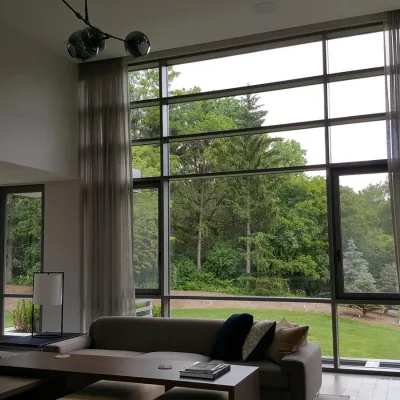
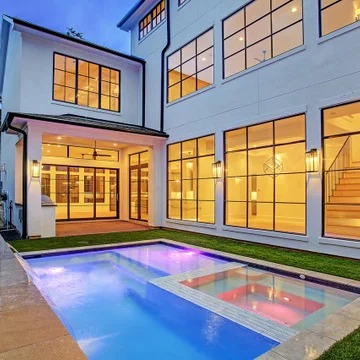
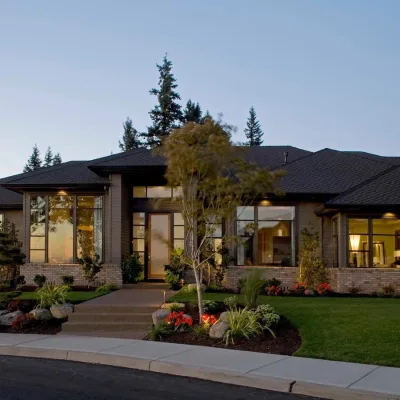
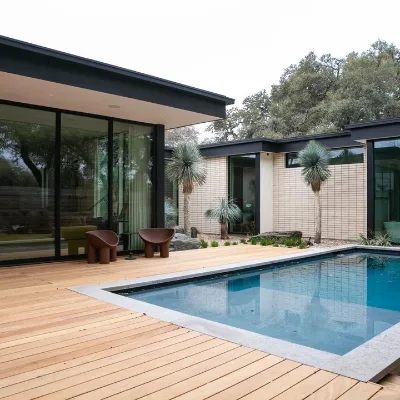
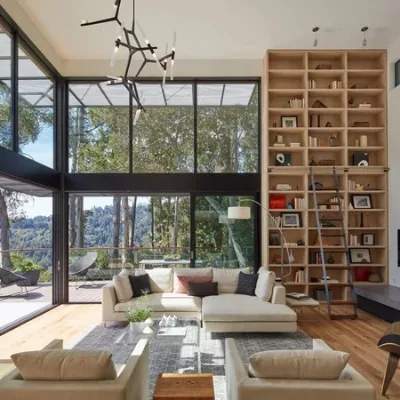
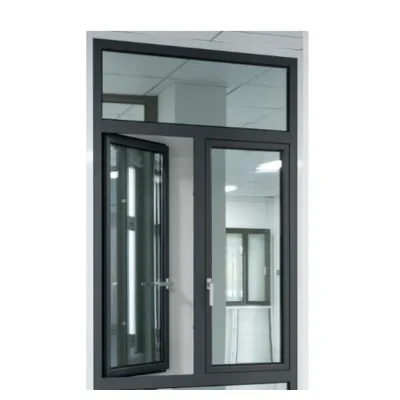
$163.9451 - $204.9311
MOQ: 1 square

Xiamen KDSBuilding Material Co., Ltd.
- Verified by TUVRHEINLAND
- Trading Company
- China Fujian
- Lead time30 days
- Avg. response≤ 2h
Main productsWindow, Wood Window, Aluminum Window, PVC Window, Timber Window, UPVC Window, Aluminum, Shutter, Sliding Window, Door
Main marketsSoutheast Asia/ Mideast


North American Canada New House Design High Energy Aluminum Windows and Doors
$30.00 - $150.00
MOQ: 10 Square Meters

Cheap Aluminum Sliding Window Doors Low-E Glass Sliding Aluminum Window
$30.00 - $150.00
MOQ: 10 Square Meters
Shanghai Superwu Therm Windows,LLC
- Verified by TüVRheinland
- Manufacturer, Trading Company
- Lead time30 days
- Avg. response≤ 5h
Main productsAluminum Doors, Aluminum Windows, Doors and Windows, Balustrade, Curtain Wall
Main marketsNorth America(50%), Oceania(25%), Southeast Asia(5%)

Shandong Baiyiyuan Doors and Windows Co., Ltd.
- Verified by TUVRHEINLAND
- Combined
- China Shandong
- Lead time15 days
- Avg. response≤ 4h
Main productsAluminum Alloy Window, Sliding Window, Casement Window, Sliding Door, Metal Window, Aluminum Window, Awning Casement Window, Curtain Wall, Swing Casement Window, Sunroom
Main marketsDomestic


Free Design Glazed Glass Energy Saving Aluminum Doors Aluminium Casement Window
$81.80 - $95.00
MOQ: 10 Square Meters

Aluminum Doors and Windows Low-E Glass Louvered Aluminium Windows
$581.00 - $806.00
MOQ: 1 Square Meters

Yuxinyuntong(Tianjin) Technology Co., Ltd
- Verified by SGS
- Trading Company
- China Tianjin
- Lead time60 days
- Avg. response≤ 5h
Main productsWindows, Curtain Wall, Building Materials, Window Wall, Thermal Break Aluminium, Aluminium Alloy
Main marketsDomestic


Manufacturer Waterproof Glass Aluminum Windows and Sliding Door and Window
$35.00 - $66.00
MOQ: 2 Square Meters


- Verified by SGS
- Trading Company
- China Guangdong
- Lead time15 days
- Avg. response≤ 11h
Main productsAluminum Extrusion Profiles, Doors and Windows Cabinet, Aluminum Profile Building Materials, Heat Sink, Powder-Coated Aluminum Profiles, Aluminum Heat Sink, Industrial Building Aluminum Profiles, Aluminum Sheet, Aluminum Doors, Aluminium Window
Main marketsSouth America,Southeast Asia/ Mideast,North America


Aluminum Doors and Windows Are Available with Single or Double Glass Options.
$110.00 - $150.00
MOQ: 1 Square Meters


SHANDONG YINGWEI ALUMINUM CO., LTD.
- Trading Company,Manufacturer/Factory
- China Shandong
- Lead time15 days
- Avg. response≤ 15h
Main productsAluminium Profiles, Aluminium Extrusion Profile, Aluminium Industry Profile, Solar Aluminum Frame, Aluminium Fence, Aluminum Window Door, Heat Sink
Main marketsSouth America,Mid East,Southeast Asia,Africa
Shandong Huajian Aluminium Group Co.,ltd.
- Verified by Intertek
- Manufacturer, Trading Company
- Lead time10 days
- Avg. response≤ 2h
Main productsAluminum Profiles, Aluminium Door and Window
Main marketsDomestic Market(44%), Western Europe(20%), Southeast Asia(13%)
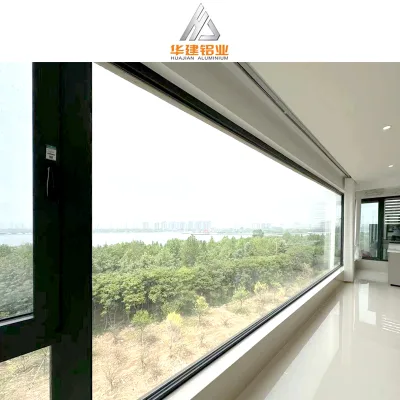
$311.2757 - $519.486
MOQ: 10 square
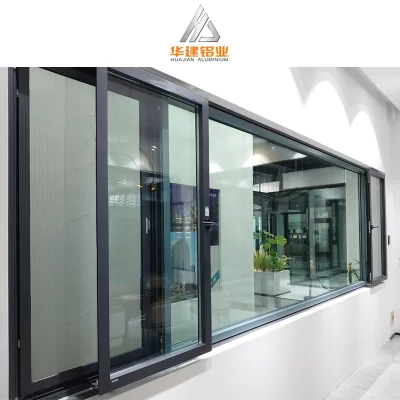
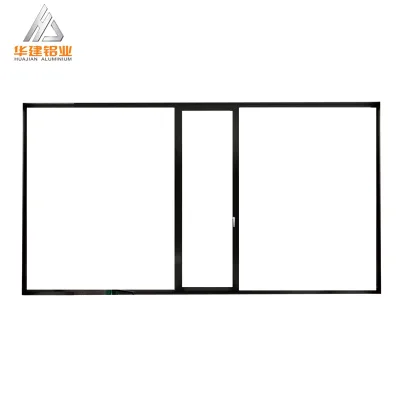

Shenzhen Prima Housing Co., Ltd.
- Manufacturer/Factory
- China Guangdong
- Lead time0 days
- Avg. response≤ 5h
Main productsStaircase and Railing, Cabinets, Aluminum Windows and Doors, Wood Doors, Furniture


Custom Exterior Aluminum Folding Doors Glass Aluminium Door and Window
$200.00 - $500.00
MOQ: 1 Pieces


- Verified by TUVRHEINLAND
- Combined
- China Jiangsu
- Lead time30 days
- Avg. response≤ 3h
Main productsCasement Window, Aluminium Window Door, Aluminum Window, Fireproof Glass, Insulated Glass, Laminated Glass(PVB/Sgp), Flat Tempered Glass, Curved Glass(Tempered/Laminated/Insulated), Curtain Wall Glass, 3D Laser Glass
Main marketsSoutheast Asia/ Mideast,Domestic


Premium Aluminum Windows and Doors for Ultimate Security Solutions
$220.00 - $259.00
MOQ: 2 Square Meters


Durable Double Glazed Aluminium Folding Door for Energy Savings
$220.00 - $259.00
MOQ: 2 Square Meters

Energy-Saving Fixed Windows with Custom Aluminum Design Solutions
$99.00 - $269.00
MOQ: 2 Square Meters

Beijing Satisfactory Navigation Curtain Wall Decoration Engineering Co., Ltd.
- Verified by SGS
- Combined
- China Beijing
- Lead time30 days
- Avg. response≤ 2h
Main productsWindows, Doors, Curtain Walls
Main marketsDomestic

High Quality Soundproof Double Glazed Aluminum Windows and Doors
$110.00 - $130.00
MOQ: 10 Square Meters


Chongqing Yixinmao Industry and Trade Co., LTD
- Verified by SGS
- Trading Company
- China Chongqing
- Lead time30 days
- Avg. response≤ 5h
Main productsWooden Veneer Door, Interior Door, Wooden Lacquered Door, Wardrobe Closet, Kitchen Cabinet, Closet, Aluminum Widow, Wall Panel
Main marketsDomestic

Aluminium Windows Custom Designed Windproof Sliding Windows and Door
$88.00 - $420.00
MOQ: 2 Square Meters

Custom Aluminum Alloy Energy-Efficient Windows and Doors Solutions
$88.00 - $255.00
MOQ: 2 Square Meters

Hot Sale Modern Design Double Glazed Aluminum Sliding Windows and Doors
$88.00 - $156.00
MOQ: 2 Square Meters


Aluminum Frame Window and Doors Manufacture Aluminum Glass Window
$88.00 - $156.00
MOQ: 2 Square Meters


Hehui General Equipment Co., Ltd.
- Verified by TUVRHEINLAND
- Trading Company
- China Guangdong
- Lead time15 days
- Avg. response≤ 3h
Main productsAluminum Profile, Windows and Doors, Curtain Wall Profiles, Aluminum House, Aluminum Industrial Profiles, Aluminum Construction Profile, Aluminum Decoration Profile, Solar Mounting System, Aluminum CNC Parts, Aluminum Fence/ Handrails
Main marketsSouth America,Southeast Asia/ Mideast,Europe,Australia,North America
Anhui Hotian Doors And Windows Co., Ltd.
- Manufacturer, Trading Company
- Lead time旺季: "1 - 100":35,"101 - 500":45,"501 - 1000":50,"> 1000":"To be negotiated", 淡季: "1 - 100":35,"101 - 500":45,"501 - 1000":50,"> 1000":"To be negotiated"
- Avg. response≤ 4h
Main productsUPVC Windows, Aluminum Windows, Iron Windows, Steel Doors, Wooden Doors
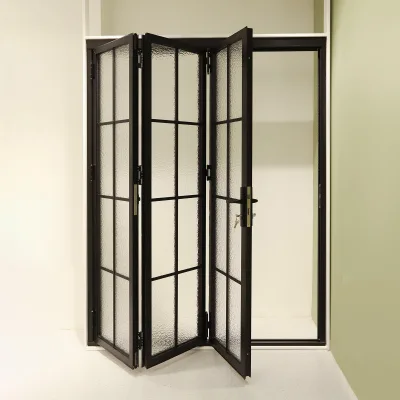
Hot Sale Fashion Modern Simple Style Windows Aluminum Frame Windows Folding Window and Doors
$69.50 - $75.60
MOQ: 10 square
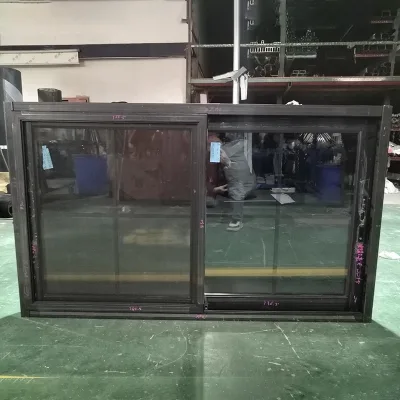
High Quality Aluminum Sliding windows Double Glazed Lowe Glass Sliding Windows and Doors
$71.3383 - $86.026
MOQ: 10 square
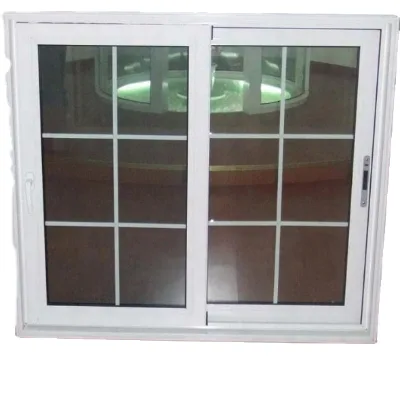
Pictures Aluminum Window and Door with Grilles for windows Modern Sliding windows
$55.60 - $65.50
MOQ: 2 square
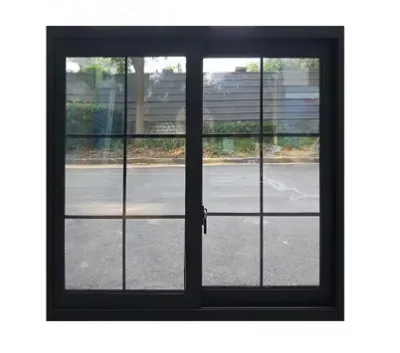
Commercial Aluminum windows Doors Price Black Sliding windows with Screen
$86.026 - $144.7739
MOQ: 1 pieces
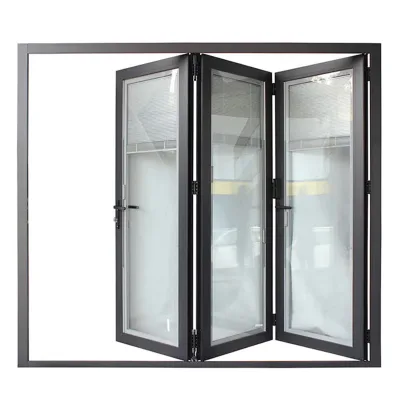
- Verified by TüVRheinland
- Trading Company
- Lead time25 days
- Avg. response≤ 5h
Main productsSolid Wood Kitchen Cabinet, Modern Kitchen Cabinet, Wooden Door, Window, Staircase
Main marketsNorth America(36%), Oceania(18%), Southeast Asia(12%)
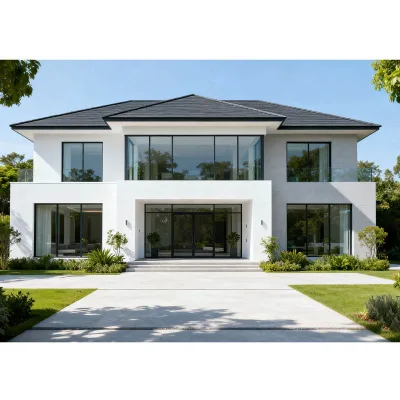
Australia Modern Standard Custom Made Double Glass Aluminium windows and Doors
$19.00 - $59.00
MOQ: 1 square
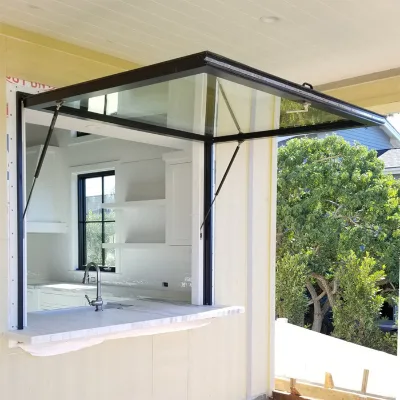
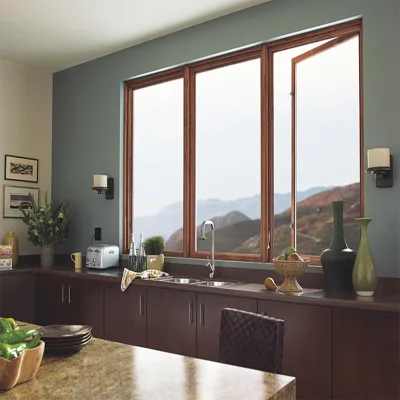
Lowes Aluminum Windows Weatherstripping Aluminum Windows General Aluminum Windows
$20.4384 - $81.7489
MOQ: 10 Minimum

Foshan Guangya Metal & Rubber Product Co., Ltd.
- Manufacturer
- China Guangdong
- Lead time30 days
- Avg. response≤ 12h
Main productsAluminium Extrusion, Aluminium Profile, LED Aluminium Profile, Windows and Doors Aluminium Profile, Industry Profile, Aluminium Ladder, Aluminium Window Shades, Anodized Aluminium Profile, Powder Coated Aluminium Profile, Wooden Aluminium Profile
Main marketsSouth America,Europe

- Verified by CTI
- Trading Company
- China Guangdong
- Lead time30 days
- Avg. response≤ 7h
Main productsStaircase, Raliing, Aluminum Doors and Windows, Interior and Exterior Door, Kitchen Cabinet, Wardrobe, Custom Whole-House Cabinet, Curtain Wall
Main marketsSoutheast Asia/ Mideast,Domestic,Europe,North America
Anhui Hotian Doors And Windows Co., Ltd.
- Verified by SGS Group
- Manufacturer, Trading Company
- Lead time15 days
- Avg. response≤ 4h
Main productsUPVC Windows, Aluminum Windows, Iron Windows, Steel Doors, Wooden Doors
Main marketsNorth America(30%), Oceania(20%), Southeast Asia(15%)
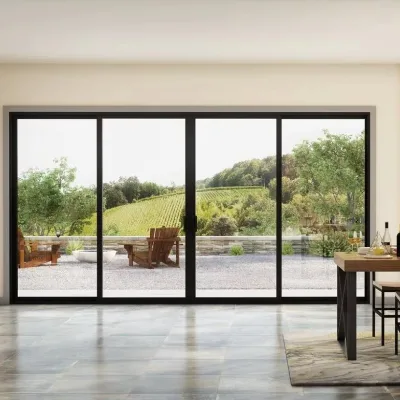
Front Doors for Houses Modern Aluminum Sliding Window and Doors with Low E Glass
$81.3166 - $92.7834
MOQ: 2 pieces
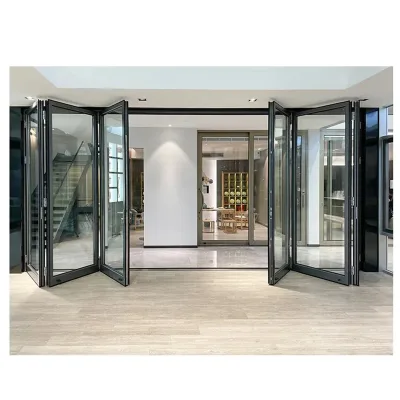
High Quality Double Glazed Aluminum Bi Folding Sliding windows and Doors for Modern House Using
$78.00 - $89.00
MOQ: 2 pieces
- Trading Company
- Lead time旺季: "1 - 2":30,"3 - 5":50,"> 5":"To be negotiated", 淡季: "1 - 2":30,"3 - 5":50,"> 5":"To be negotiated"
- Avg. response≤ 3h
Main productsSolid Wood Kitchen Cabinet, Modern Kitchen Cabinet, Wooden Door, Window, Staircase
Shenzhen AMJ Technology Co., Ltd.
- Verified by SGS Group
- Manufacturer, Trading Company
- Lead time35 days
- Avg. response≤ 4h
Main productsAluminium Windows , Aluminium Doors, Railing, Curtain Wall
Main marketsNorth America(49%), Oceania(45%), Africa(3%)
Foshan LM Building Material Co., Ltd.
- Verified by Intertek
- Trading Company
- Lead time15 days
- Avg. response≤ 3h
Main productsAluminum Windows, Aluminum Doors, Steel Doors, Iron Doors, Garage Doors
Main marketsNorth America(40%), Africa(20%), Oceania(20%)

Shandong Fulin Door Industry Co., Ltd
- Verified by CTI
- Combined
- China Shandong
- Lead time23 days
- Avg. response≤ 2h
Main productsFire Door
Main marketsDomestic

Linyi Shengao Aluminum Industry Co., Ltd.
- Verified by TUVRHEINLAND
- Combined
- China Shandong
- Lead time15 days
- Avg. response≤ 2h
Main productsAluminum Profile, Industrial Aluminum Profile, System Window Profile, Aluminum Extrusion, Aluminum Window Profile
Main marketsSouth America,Africa

Hot-Sale Customized Inward/Outward Opening Aluminum Windows & Doors
$60.00 - $200.00
MOQ: 1 Square Meters

Customizable Glass & Opening Style Aluminum Window and Door with Weather-Resistant Coating
$80.00 - $260.00
MOQ: 1 Square Meters

Customized Thermal Break Aluminum Windows and Doors with Low-E Glass
$60.00 - $200.00
MOQ: 1 Square Meters

Premium Aluminum Folding Windows for Energy Efficiency Worldwide
$80.00 - $260.00
MOQ: 1 Square Meters

Guangzhou Topbright Building Materials Co., Ltd.
- Verified by TüVRheinland
- Manufacturer, Trading Company
- Lead time30 days
- Avg. response≤ 5h
Main productsAluminum Windows, Aluminum Doors, Curtain Wall, PVC Windows, Window Wall
Main marketsNorth America(70%), South America(5%), Southeast Asia(5%)

- Verified by TUVRHEINLAND
- Trading Company,Manufacturer/Factory
- China Guangdong
- Lead time30 days
- Avg. response≤ 3h
Main productsAluminum Window, Aluminum Door, Sliding Window, Folding Door, Casement Window, Windows and Doors, Steel Door
Main marketsSouth America,Eastern Europe,Mid East,North America,Southeast Asia,Eastern Asia,Oceania,Western Europe,Africa

Casement Aluminum Windows and Doors with Customizable Color Features
$49.00 - $98.00
MOQ: 1 Square Meters

Sliding Aluminium Windows and Doors with Customizable Color Options for Style
$49.00 - $98.00
MOQ: 1 Square Meters

Foshan Multishades Group Co., Limited
- Verified by BV
- Trading Company
- China Guangdong
- Lead time30 days
- Avg. response≤ 1h
Main productsSliding Doors, Garage Door, Aluminum Folding Door, Aluminum Entrance Door, Aluminum Interior Door, Metal Door, Aluminum Casement Window, Aluminum Window, Aluminum Hung Window, Aluminum French Windows
Main marketsSoutheast Asia/ Mideast,North America

Fixed Window Low-E Energy Saving Glass Aluminum Window Soundproof Aluminium Window
$67.00 - $120.00
MOQ: 4 Square Meters

Premium Aluminum Folding Windows with Low U-Value for Energy Efficiency Aluminium Folding Window
$60.00 - $120.00
MOQ: 1 Pieces

Jiangxi Maokay Furniture Co., Ltd.
- Verified by CTI
- Combined
- China Jiangxi
- Lead time30 days
- Avg. response≤ 1h
Main productsAluminum Door, Aluminum Window, Wood Door, Entrance Door, Garage Door, Staircase, Railing, Cabinets, Glass Shower
Main marketsAustralia,North America


Energy-Efficient Soundproof Aluminum Windows with Insulated Glass Design
$35.00 - $75.00
MOQ: 2 Square Meters
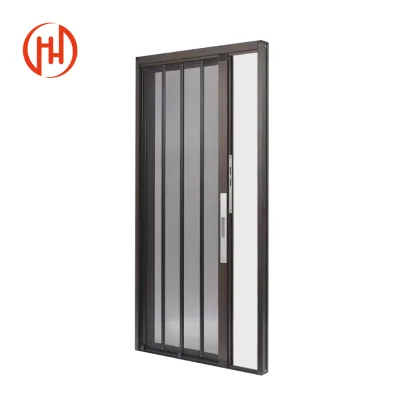
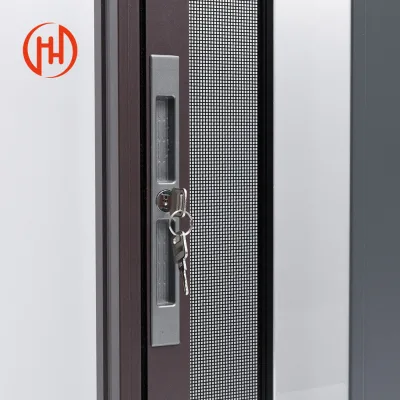
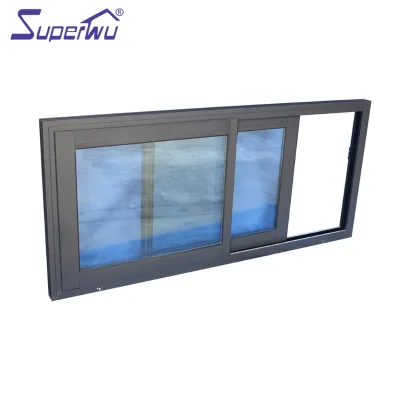




Comprehensive Sourcing Guide
Energy Saving Aluminum Windows and Doors Supplier Concentration and Factory Types
The current supplier landscape for Energy Saving Aluminum Windows and Doors reveals a diverse mix of company types, primarily comprising combined entities, trading companies, and manufacturers. These suppliers are often located in key manufacturing hubs such as China Fujian and Guangdong, China, which are recognized centers for aluminum profile extrusion and window assembly. Buyers should note that the main products listed by these suppliers extend beyond standard windows to include aluminum auto parts, gutter guards, and garden edging, indicating a broad industrial capability. This variety suggests that many suppliers operate as combined entities capable of handling multiple product lines, which can be advantageous for buyers seeking a single source for various aluminum components. However, it also requires careful vetting to ensure that the supplier’s primary focus and expertise align with the specific technical requirements of energy-efficient window systems. The presence of trading companies alongside manufacturers indicates that some buyers may be interacting with intermediaries rather than direct factories, which can impact pricing structures and communication efficiency. Understanding this mix is crucial for determining whether a supplier offers direct manufacturing control or acts as a procurement agent.
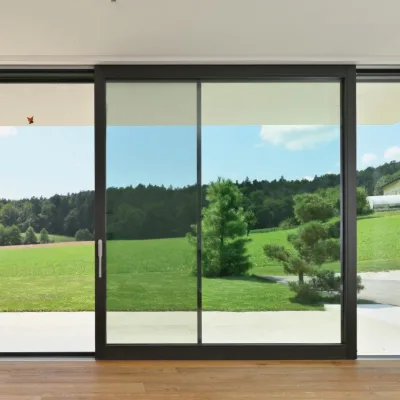
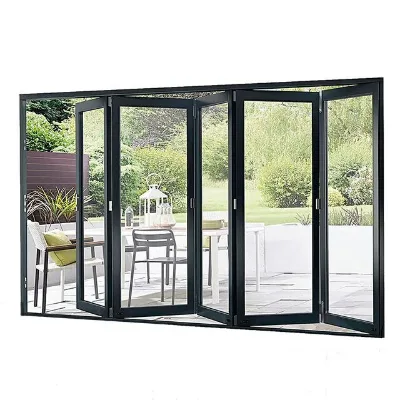
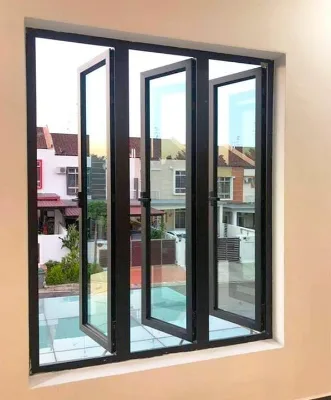
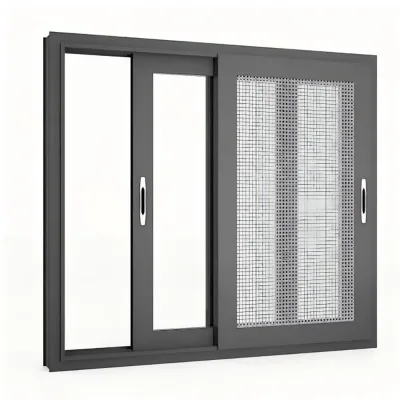
In addition to the company type, the operational capabilities of these suppliers vary significantly, with some offering ODM services and maintaining their own brands. This suggests a level of product development sophistication that goes beyond simple assembly. The main products often include sliding windows, folding doors, and impact-rated systems, reflecting the diverse needs of different markets, from residential villas to commercial hotels. The product evidence shows a strong emphasis on features such as heat insulation, soundproofing, and modern design styles, which are critical for energy-saving applications. Buyers should look for suppliers who explicitly state their capacity for customization and project solution capabilities, as these are key indicators of their ability to handle complex orders. The presence of specific product attributes, such as fiberglass screen netting and horizontal opening patterns, further highlights the technical specificity required in this category. By analyzing the main products and company types, buyers can better assess whether a supplier’s operational model matches their procurement strategy, whether they prioritize volume production or specialized, customized solutions for unique architectural projects.
How to Verify Energy Saving Aluminum Windows and Doors Suppliers
Verification is a critical step in ensuring the reliability of suppliers offering Energy Saving Aluminum Windows and Doors. Buyers should prioritize suppliers who have undergone third-party verification processes, such as those conducted by SGS or Intertek. These verifications provide an additional layer of confidence regarding the supplier’s business legitimacy and operational standards. The presence of system certifications, including ISO9001:2015 and ISO14001:2015, is another important indicator of a supplier’s commitment to quality management and environmental responsibility. These certifications suggest that the supplier has established formal processes for production control and environmental impact mitigation, which are essential for maintaining consistent product quality in the aluminum window industry. Buyers should request copies of these certificates and verify their validity through the respective certification bodies. Additionally, the presence of other certifications or standards should be investigated to ensure they meet the specific regulatory requirements of the buyer’s target market. This due diligence helps to mitigate the risk of engaging with suppliers who may not adhere to international quality and safety standards.
Beyond certifications, buyers should assess the supplier’s response time and after-sales service capabilities as part of the verification process. A quick response time, such as 0.38 hours, indicates a high level of operational efficiency and customer service readiness, which is crucial for resolving issues promptly during the procurement process. The availability of after-sales services, including online technical support, onsite inspection, and return and replacement policies, further demonstrates the supplier’s commitment to long-term customer satisfaction. Buyers should also verify the supplier’s project solution capabilities, such as graphic design and 3D model design, which can be valuable for complex architectural projects. These capabilities indicate that the supplier can provide comprehensive support beyond just product supply, helping buyers navigate technical challenges and ensure successful project implementation. By combining verification of credentials with an assessment of service capabilities, buyers can build a more complete picture of a supplier’s reliability and suitability for their specific needs. This holistic approach to verification helps to ensure that the chosen supplier can deliver both high-quality products and the necessary support throughout the procurement lifecycle.
What to Compare Across Energy Saving Aluminum Windows and Doors Suppliers
When evaluating multiple suppliers for Energy Saving Aluminum Windows and Doors, buyers should compare key operational metrics such as lead time, minimum order quantity (MOQ), and pricing structures. Lead times can vary significantly, with some suppliers offering a standard 30-day lead time, while others may have seasonal variations, such as 25 to 45 days depending on order volume. Understanding these lead times is essential for project planning and inventory management. The MOQ is another critical factor, with some suppliers requiring a minimum order of 160 units, while others may accept orders as low as one unit. This flexibility can be advantageous for buyers with smaller initial orders or those testing the market. Pricing also varies, with ranges from approximately $100 to $350 per unit, depending on the product specifications and customization options. Buyers should compare these metrics across different suppliers to identify the best balance between cost, speed, and order flexibility. It is important to note that these figures are based on current supplier data and may change, so buyers should request updated quotes for accurate comparisons.
In addition to operational metrics, buyers should compare the specific product attributes and customization options offered by each supplier. Features such as heat insulation, soundproofing, and security ratings are key differentiators in the energy-saving window market. Buyers should assess whether the supplier’s products meet their specific performance requirements, such as the need for low-E glass or specific frame materials like aluminum alloy. The availability of customization options, including size, color, and hardware, is also crucial for meeting unique project specifications. Some suppliers offer total solution capabilities, including 3D model design and cross-category consolidation, which can simplify the procurement process for complex projects. Buyers should also consider the warranty periods offered, with some suppliers providing up to five years of coverage. By comparing these product-specific details, buyers can ensure that they select a supplier whose offerings align with their technical and functional requirements. This detailed comparison helps to minimize the risk of selecting a supplier whose products may not perform as expected in the final application.
Common Energy Saving Aluminum Windows and Doors Sourcing Risks
One of the primary risks in sourcing Energy Saving Aluminum Windows and Doors is the potential mismatch between product specifications and actual performance. Buyers must be cautious of suppliers who may not clearly disclose the technical details of their products, such as the type of glass used or the quality of the aluminum alloy. For instance, while some products are described as having good sound insulation and heat preservation, buyers should verify these claims through independent testing or by requesting detailed technical data sheets. Another risk is the variability in lead times, which can impact project schedules. Suppliers may quote a standard lead time, but actual delivery could be delayed due to production bottlenecks or seasonal demand fluctuations. Buyers should establish clear communication channels and request regular updates on production progress to mitigate this risk. Additionally, the complexity of customization can lead to errors if the supplier’s project solution capabilities are not robust. Buyers should ensure that the supplier has the necessary expertise to handle custom designs and that all specifications are clearly documented and agreed upon before production begins.
Another significant risk is the reliability of after-sales service and warranty claims. While some suppliers offer comprehensive after-sales support, including onsite inspection and return and replacement policies, others may have limited capabilities. Buyers should verify the supplier’s ability to honor warranty claims and provide timely technical support. The presence of a warranty, such as a three-year or five-year period, is a positive indicator, but buyers should understand the terms and conditions associated with it. There is also a risk related to the supplier’s financial stability and business continuity. Engaging with trading companies or combined entities may introduce additional layers of complexity, as these suppliers may not have direct control over the manufacturing process. Buyers should assess the supplier’s supply chain resilience and their ability to source raw materials consistently. By identifying and addressing these risks early in the sourcing process, buyers can protect their interests and ensure a smoother procurement experience. Proactive risk management involves thorough due diligence, clear contractual agreements, and ongoing monitoring of supplier performance throughout the order lifecycle.
Energy Saving Aluminum Windows and Doors Regional Sourcing and Logistics
Sourcing Energy Saving Aluminum Windows and Doors from specific regions, such as China Fujian and Guangdong, China, offers access to established manufacturing clusters with specialized expertise in aluminum extrusion and window assembly. These regions are known for their efficient supply chains and competitive pricing, making them attractive destinations for buyers seeking cost-effective solutions. However, buyers must also consider the logistical implications of sourcing from these locations. The distance and transportation infrastructure can impact shipping costs and delivery times. For example, products shipped from Guangdong may have different logistics profiles compared to those from Fujian, depending on the proximity to major ports and transportation hubs. Buyers should work with suppliers who have experience in international shipping and can provide accurate estimates for freight costs and transit times. Additionally, the packaging of these products, often involving wooden crates, air bubble film, and paper angle protectors, is designed to prevent damage during transit. Buyers should verify that the packaging standards meet their requirements for safe delivery and handling.
Regional sourcing also involves navigating local regulations and export requirements. Suppliers in China must comply with various export regulations, including customs documentation and product certifications. Buyers should ensure that their suppliers are familiar with these requirements and can provide the necessary documentation for smooth customs clearance. The presence of specific product attributes, such as the place of origin being Guangdong, China, can also influence the buyer’s decision based on regional quality perceptions or trade agreements. Furthermore, buyers should consider the environmental impact of their sourcing decisions, as suppliers with ISO14001:2015 certification demonstrate a commitment to sustainable practices. This can be an important factor for buyers who prioritize environmental responsibility in their supply chain. By understanding the regional context and logistical considerations, buyers can make informed decisions that balance cost, quality, and sustainability. Effective logistics planning involves close collaboration with suppliers to optimize shipping routes and ensure timely delivery, minimizing disruptions to the buyer’s project timeline.
Energy Saving Aluminum Windows and Doors Commercial Terms and Order Planning
Effective order planning for Energy Saving Aluminum Windows and Doors requires a clear understanding of commercial terms, including pricing, payment conditions, and delivery schedules. Buyers should negotiate pricing based on the volume of the order, as prices can range from $100 to $350 per unit depending on specifications and customization. It is important to request detailed quotes that break down costs for materials, labor, and shipping to ensure transparency. Payment terms should be aligned with the buyer’s cash flow needs, with options such as escrow services providing an additional layer of security for both parties. Buyers should also clarify the lead time expectations, noting that some suppliers may have seasonal variations in production capacity. For instance, lead times can extend from 25 to 45 days during peak seasons, which should be factored into the project schedule. Establishing a clear timeline for order placement, production, and delivery is crucial for avoiding delays and ensuring that the products arrive on site when needed.
In addition to pricing and lead times, buyers should consider the warranty and after-sales service terms as part of their commercial agreement. Suppliers offering warranties of three to five years provide a guarantee of product durability and performance, which can reduce long-term maintenance costs. Buyers should ensure that the warranty terms are clearly defined in the contract, including the scope of coverage and the process for making claims. After-sales services, such as online technical support and onsite inspection, can be valuable for resolving any issues that arise after installation. Buyers should also discuss the customization
FAQs
What is the price range for Energy Saving Aluminum Windows and Doors?
Prices typically range from $100 to $350 per unit depending on specifications. Some sliding window options start at $110, while specialized folding doors may cost between $100 and $160. Custom projects with low-e glass or impact ratings often fall between $255 and $265. Buyers should verify exact costs based on size and hardware choices.
What is the minimum order quantity for these aluminum windows?
Minimum order quantities vary significantly by product type. Some sliding windows and doors have an MOQ of just one unit, allowing for small trial orders. However, specific folding window models require a minimum purchase of 160 units. Buyers must check the specific product listing to confirm the applicable MOQ before placing an order.
How long does production take for custom aluminum windows?
Standard lead times are generally around 30 days for most orders. Some manufacturers offer faster production during off-peak seasons, with lead times as short as 25 days for small quantities. Larger orders exceeding 300 units may require negotiation for extended timelines. Buyers should confirm current production schedules with the supplier before finalizing delivery dates.
Are these aluminum windows customizable for specific projects?
Yes, customization is widely available for Energy Saving Aluminum Windows and Doors. Suppliers offer ODM services and own brand capabilities to meet specific project needs. Options include customized mesh sizes, frame colors like white or black, and various glass types such as low-e or tempered glass. Buyers can request graphic design support for tailored solutions.
What certifications do these aluminum window suppliers hold?
Many suppliers hold ISO9001:2015 and ISO14001:2015 system certifications for quality and environmental management. Verification services such as SGS and Intertek are also commonly used to validate supplier credentials. Buyers should request current certification documents to ensure compliance with international standards and specific project requirements before committing to a purchase.
What is the typical response time from suppliers?
Response times vary, with some suppliers responding within 0.38 hours for quick inquiries. Others may take up to 5 hours to provide detailed quotations or technical support. Fast response times are crucial for project planning, so buyers should prioritize suppliers with verified quick reply metrics when sourcing urgent window and door requirements.