Source Soundproof Residential Upvc Sliding Window for Villa, House, Apartment
Find 30 Soundproof Residential Upvc Sliding Window options from China. Compare features like heat insulation, insect-proofing, and wind resistance across models M-PVC053, M-PVC074, and UPVC-W21. View specifications for interior and exterior applications; compare the available evidence and request quotations based on your requirements.
Updated
Key considerations
Products List


Modern Soundproof Horizontal UPVC Double Glazed Glass Sliding Window
$20.00 - $200.00
MOQ: 1 Square Meters

OEM Sound Insulation Double Glazed UPVC Window Glass Sliding Window for Balcony
$20.00 - $200.00
MOQ: 1 Square Meters

Superior-Quality Waterproof Residential Sliding Window for Soundproof Window
$60.00 - $80.00
MOQ: 2 Square Meters

Hot-Selling Customized Residential Sliding Window for Soundproof Window
$60.00 - $80.00
MOQ: 2 Square Meters

Glass Sliding Window Horizontal Soundproof Windproof Glass Window for Bedroom
$65.00 - $69.00
MOQ: 2 Square Meters

Factory Direct Price Smooth Sliding System Window for Residential Window
$60.00 - $80.00
MOQ: 2 Square Meters
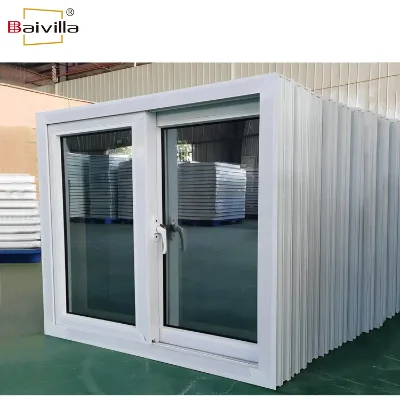
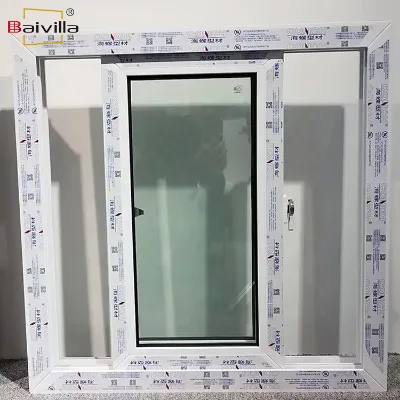
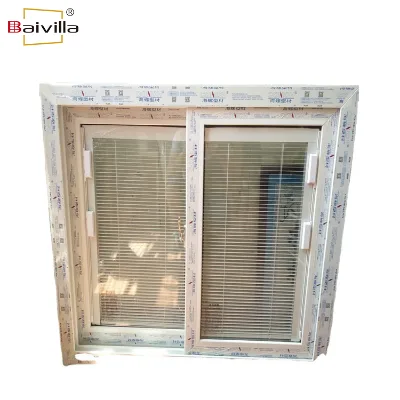
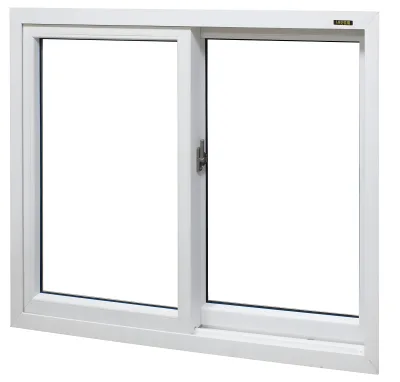
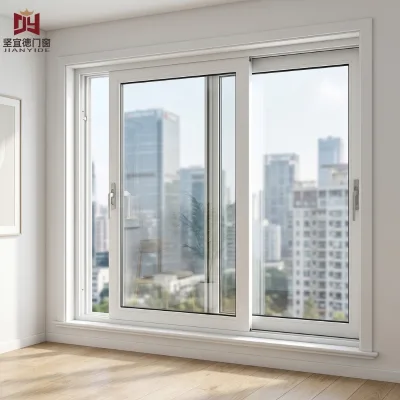
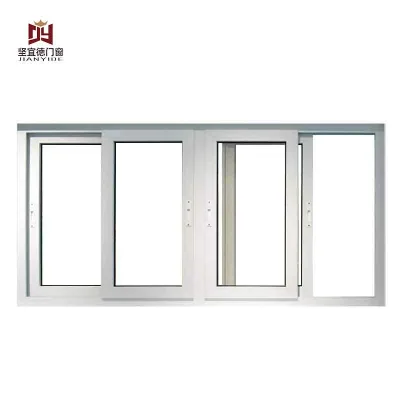
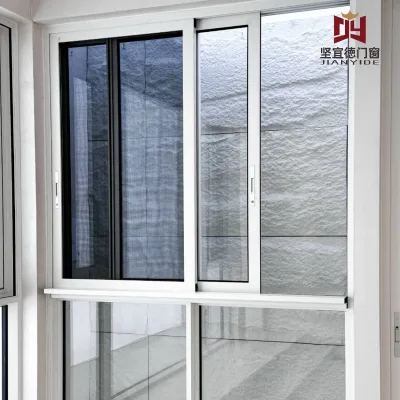

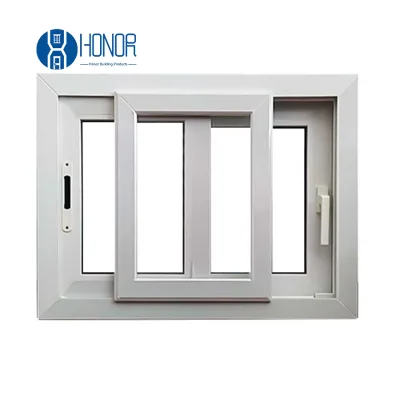
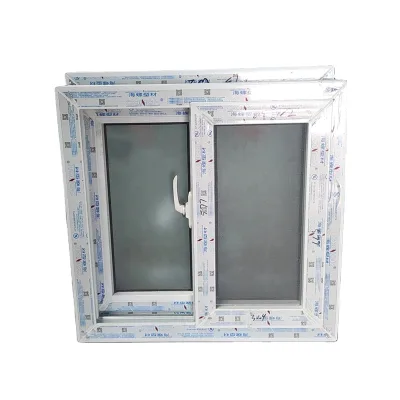

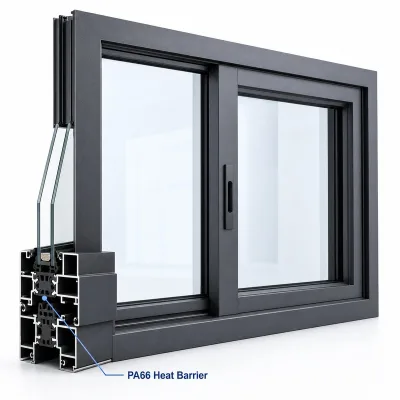

UPVC Sliding Windows Double Glazed Modern Window Design Soundproof
$50.00 - $98.00
MOQ: 2 Square Meters


UPVC Single and Double Hung Windows for Residential Use Energy Efficient Sliding Sash Window
$49.00 - $88.00
MOQ: 2 Square Meters

High-Quality PVC Sliding Windows with Double Blinds for Soundproofing
$55.00 - $98.00
MOQ: 2 Square Meters
Comprehensive Sourcing Guide
Soundproof Residential Upvc Sliding Window Sourcing Guide
Procuring soundproof residential UPVC sliding windows requires distinguishing between interior and exterior applications, as the supplied data indicates specific performance tiers for each. Buyers must verify whether the selected unit is designed for commercial or residential use, noting that interior models often feature single-cavity bars while exterior variants may utilize multi-cavity structures for enhanced durability. The observed product range includes both vertical and horizontal opening patterns, necessitating a clear definition of the desired installation orientation before engaging with suppliers.
The functional capabilities of these units extend beyond basic sound insulation to include heat insulation, anti-theft security, and dust-proofing, with some models offering fireproof and airproof attributes. When evaluating options, purchasers should confirm if the window style aligns with modern or classic architectural preferences, as the market offers distinct aesthetic profiles. Additionally, the availability of customization for size and color is a critical factor, ensuring the final product integrates seamlessly with the specific design requirements of the residential project.
Product Scope and Observed Listing Signals
The market presents a diverse array of sliding window models, ranging from specific model numbers like M-PVC053 to generic descriptions such as Sliding Window, each with unique structural characteristics. Buyers should note that observed listings include products with wind resistance performance ranging from 1.0 to 5.0, indicating a wide spectrum of durability suitable for different environmental conditions. It is essential to cross-reference the specific wind resistance class, such as 3.0≤P3<3.5 or 4.5≤P3<5.0, against the local building codes and expected weather patterns of the installation site.
Packaging methods vary significantly across suppliers, with options including pallets, crates, cartons, and steel trays, which directly impacts logistics and on-site handling costs. The origin of the products is primarily China, with specific manufacturing hubs identified in Huainan and Fuzhou, suggesting regional differences in supply chain efficiency. Procurement teams must account for these logistical variables when calculating total landed costs, as the choice between a wooden crate and a steel tray may influence the protection level during transit and the subsequent unpacking requirements at the destination.
Technical Specifications to Verify
Technical verification must begin with the frame material and section bar type, as the data highlights Aluminum Alloy frames alongside UPVC profiles with single or multiple cavities. The thickness of the profile, observed in the range of 1.4-2.0mm, is a critical determinant of structural integrity and thermal performance, requiring strict adherence to the specified minimums for the intended application. Buyers should explicitly request mill certificates or test reports confirming the wall thickness and material composition to ensure the product meets the advertised thermal and acoustic insulation standards.
Glass specifications are equally vital, with options ranging from single to double glazing, including tempering, coating, and Low-E treatments to enhance energy efficiency and sound reduction. The opening pattern, whether vertical or horizontal, must be matched to the architectural constraints of the building, while the security level, noted as Class A in some listings, should be validated against local burglary resistance requirements. Additionally, the surface finishing process, described as finished, should be inspected for consistency to prevent long-term degradation of the aesthetic and functional properties of the window system.
Compliance and Safety Documentation
Compliance verification involves confirming that the product standards align with the specific dimensions and performance metrics observed in the listings, such as 24''X36'' or custom sizes. While some products list standardized dimensions, others offer fully customized specifications, requiring buyers to ensure that the manufacturing process can maintain tolerance levels without compromising the structural integrity or acoustic performance. Documentation should explicitly state the wind resistance performance class, ensuring it meets or exceeds the minimum requirements for the specific geographic location and building height.
Safety documentation must address the fireproof and anti-theft capabilities claimed in the product descriptions, particularly for residential applications where occupant safety is paramount. Buyers should request third-party test reports that validate the fire resistance ratings and the effectiveness of the locking mechanisms in preventing unauthorized entry. It is crucial to verify that the supplier provides comprehensive safety data sheets and compliance certificates that are recognized by local regulatory bodies, ensuring the installed windows meet all necessary legal and safety standards for residential construction.
Cost Drivers and Commercial Terms
Cost drivers in this market are heavily influenced by the level of customization, with standard sizes like 36''X48'' generally offering more competitive pricing than bespoke dimensions. The complexity of the section bar design, such as multi-cavity versus single-cavity profiles, also impacts the unit cost, as does the inclusion of advanced glass treatments like Low-E or tempering. Buyers should analyze the total cost of ownership, considering that higher wind resistance performance classes and enhanced security features may command a premium but offer greater long-term value through energy savings and reduced maintenance.
Commercial terms regarding minimum order quantities (MOQ) and lead times vary significantly, with observed ranges spanning from 1 to 2000 units depending on the supplier and product configuration. Payment terms and shipping conditions, including the choice of packaging like wooden crates or steel trays, should be negotiated to optimize cash flow and minimize damage risks during transit. Procurement teams must clarify whether the quoted price includes all necessary accessories and installation hardware, as well as the specific responsibilities for customs clearance and delivery to the final site.
Supplier Qualification and Quality Control
Supplier qualification requires a thorough assessment of their manufacturing capabilities, particularly their ability to deliver customized sizes and colors as advertised in the product listings. Buyers should verify the supplier's production capacity to handle large orders without compromising on the consistency of the surface finishing or the precision of the sliding mechanisms. It is advisable to conduct on-site audits or request detailed video tours of the production line to ensure that the quality control processes are robust and capable of maintaining the specified wind resistance and acoustic performance levels.
Quality control protocols must include rigorous testing of the finished products against the stated standards, such as the 24''X36'' or custom dimensions, and the specific wind resistance classes observed. Suppliers should provide a clear traceability system for each batch of windows, allowing buyers to verify the origin of materials and the specific production parameters used. Establishing a pre-shipment inspection protocol is essential to catch any defects in the frame material, glass installation, or hardware functionality before the goods leave the factory, ensuring that the delivered products meet the agreed-upon specifications.
Long-Term Procurement Checks
Long-term procurement success depends on establishing a reliable supply chain that can consistently deliver high-quality windows over multiple project cycles. Buyers should maintain open communication channels with suppliers to monitor any changes in raw material costs or production processes that could affect the performance or pricing of the windows. Regular reviews of supplier performance, including delivery times and defect rates, will help identify potential issues early and allow for corrective actions to be taken before they impact the overall project timeline.
Sustainability and after-sales support are critical factors for long-term satisfaction, as the durability of the UPVC profiles and glass treatments will determine the lifespan of the installation. Buyers should inquire about the availability of replacement parts and the supplier's warranty policies regarding the functional attributes like soundproofing and heat insulation. Building a strategic partnership with a qualified supplier ensures access to ongoing technical support and updates on new technologies, enabling the procurement team to make informed decisions that align with evolving market standards and customer expectations.
FAQs
What functions do these soundproof residential upvc sliding windows provide?
These windows provide invisible, heat insulation, soundproof, insect-proof, anti-theft, airproof, dust-proof, and fireproof functions. They are designed for both interior and exterior commercial and residential applications. The modern style ensures aesthetic appeal while maintaining high security levels. Customization is available to meet specific project requirements and performance needs.
Can I customize the size and color of these sliding windows?
Yes, customization is available for size and color. Standard sizes include 24x36, 36x36, 36x48, and 48x56 inches. You can also request customized sizes and single or multi-color options. The surface finishing is provided as finished, ensuring immediate installation readiness without additional processing requirements for your specific design preferences.
What is the wind resistance performance of these upvc windows?
Wind resistance performance varies by model, ranging from 1.0 to 5.0 P3. Specific models offer performance levels such as 1.5≤P3<2.0, 2.0≤P3<2.5, 3.0≤P3<3.5, and 4.5≤P3<5.0. This ensures suitability for various environmental conditions. The section bar type, either single or multiple cavity, contributes to this structural integrity and stability.
How are these windows packaged for shipping from China?
Packaging options include pallets, crates with cartons, steel trays, and wooden crate packaging. These methods are designed to protect the windows during transit from origins like Huainan, Fuzhou, or general China locations. The packaging is tailored to ensure safety and can be adjusted per your specific requirements to prevent damage during long-distance logistics.
What glass options are available for these residential sliding windows?
Glass options include single, double, tempering, coating, and low-e varieties. These choices allow for tailored thermal and acoustic performance. The windows support vertical and horizontal opening patterns. With a security level of A, they provide robust protection. The aluminum alloy frame options further enhance durability and aesthetic flexibility for modern architectural designs.
Which models support customized specifications for commercial projects?
Models such as M-PVC053, M-PVC074, UPVC-W21, K071, J09, and MK-001 support customized specifications. These models are suitable for villa, house, apartment, kitchen, school, and bedroom applications. They offer various thicknesses and standard sizes. The customization availability ensures that specific commercial project requirements for dimensions, colors, and functional attributes can be precisely met.