Source Adjustable Hinges for Gates, Ships, and Heavy Doors
Source 30 Adjustable Hinge options for gates, ships, and heavy doors. Compare zinc alloy and aluminum models with 180-degree rotation, 3D adjustment, and capacities up to 200kg. View specs, MOQs, and pricing from China suppliers; compare the available evidence and request quotations based on your requirements.
Updated
Key considerations
Products List


$1.00 - $25.00
MOQ: 1000 Pieces

$1.00 - $20.00
MOQ: 200 Pieces


$1.00 - $50.00
MOQ: 500 Pieces









Comprehensive Sourcing Guide
Adjustable Hinge Sourcing Guide
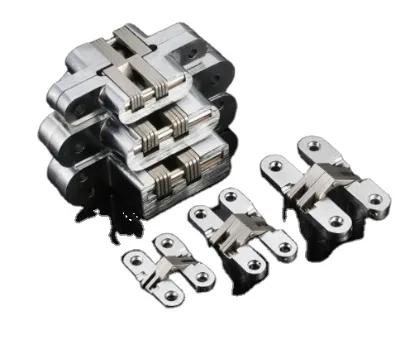
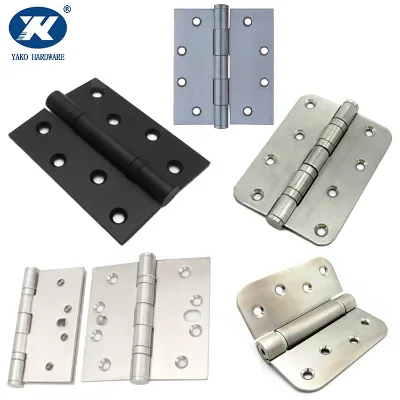
Procuring adjustable hinges requires a precise understanding of mechanical tolerances and load-bearing capacities to ensure long-term structural integrity. Buyers must evaluate the specific hinge type, such as 180-degree or 3D adjustable variants, to match the operational demands of the installation. The observed market features zinc alloy and aluminum alloy constructions, which offer distinct advantages in corrosion resistance and weight management. Selecting the appropriate material is critical for environments where moisture or heavy usage is expected, as these materials directly influence the hinge's lifespan and maintenance requirements.
Commercial availability varies significantly across suppliers, with observed minimum order quantities ranging from one to two thousand units. This flexibility allows small-scale projects to sample products while supporting large-volume industrial deployments. Pricing signals indicate a broad range, suggesting that buyers should align their budget with specific performance metrics rather than seeking the lowest unit cost. Understanding the customization options available, including size adjustments and finish preferences, enables procurement teams to secure components that fit exact architectural or engineering specifications without compromising on quality or functionality.
Product Scope and Observed Listing Signals
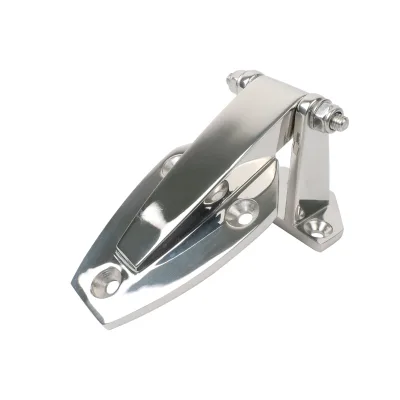
The current market landscape for adjustable hinges includes specialized models designed for gates, doors, and even ship mooring applications. Listings highlight features such as 180-degree open angles and heavy-duty load capacities, with some units supporting up to 200kg per pair. These signals indicate a diverse product scope catering to both residential and industrial sectors. Buyers should note that while many hinges are marketed for general door use, specific models are engineered for unique applications, requiring careful verification of the intended usage context to avoid mechanical failure or safety hazards.
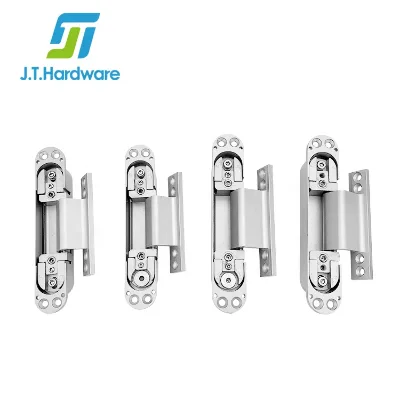
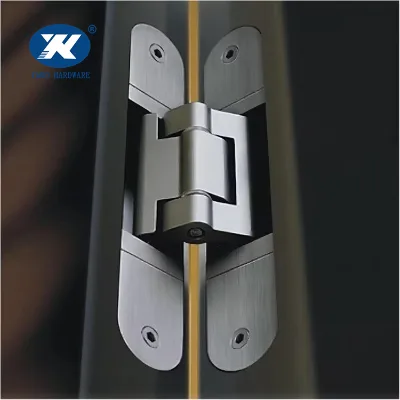
Observed product attributes reveal a strong emphasis on adjustability, with options for 3D adjustments and concealed designs. The presence of chrome-plated finishes suggests a focus on aesthetic appeal alongside durability. Additionally, the availability of samples allows buyers to physically inspect the build quality before committing to bulk orders. This trend toward customizable solutions, including branded packaging and specific packing methods like white inner boxes, reflects a mature supply chain that supports brand differentiation and logistical efficiency for international buyers seeking tailored hardware solutions.
Technical Specifications to Verify
Verifying dimensional accuracy is paramount when sourcing adjustable hinges, as mismatched sizes can lead to installation failures. Observed specifications include sizes such as 190x30x27mm and 240x32x32x35mm, indicating that buyers must cross-reference hinge dimensions with door or gate thickness requirements. For instance, some models support a minimum door thickness of 40mm, while others accommodate 30mm or 36mm panels. Ensuring that the hinge gap and loading capacity align with the structural design prevents stress concentrations that could compromise the hinge mechanism over time.
Load capacity and material composition are critical technical factors that determine the hinge's suitability for specific applications. Models are rated for door weights ranging from 60kg to 200kg per pair, necessitating a thorough assessment of the actual load the hinge will bear. The use of zinc and aluminum alloys provides a balance of strength and corrosion resistance, but buyers should confirm the exact alloy composition to ensure it meets environmental standards. Additionally, verifying the model numbers, such as SG-HC105 or SG-HC50200, helps in tracking specific performance characteristics and ensuring consistency across large procurement orders.
Compliance and Safety Documentation
Safety and regulatory compliance are essential components of the procurement process, particularly for hinges used in high-traffic or critical infrastructure applications. Buyers should request documentation that verifies adherence to relevant industry standards, although specific certification statuses vary by supplier. The presence of certifications like FDA and ISOCE in some listings suggests that certain manufacturers prioritize quality management systems and material safety. However, buyers must independently verify these claims to ensure that the products meet the legal and safety requirements of their target markets.
Documentation should also include detailed technical datasheets that outline the hinge's performance limits and maintenance requirements. These documents help in assessing the hinge's suitability for specific environmental conditions, such as exposure to saltwater for ship mooring applications. Buyers should ensure that suppliers provide clear information on the hinge's operational range, including open angles and adjustment capabilities. This transparency allows for better integration into the overall system design and helps in planning for future maintenance or replacement needs.
Cost Drivers and Commercial Terms
The cost of adjustable hinges is influenced by several factors, including material quality, manufacturing complexity, and order volume. Observed price ranges indicate that buyers can find options at various price points, but lower costs may correlate with reduced load capacities or simpler designs. Understanding the relationship between price and performance is crucial for making informed purchasing decisions. Buyers should consider the total cost of ownership, including installation and maintenance, rather than focusing solely on the initial unit price.
Commercial terms such as payment methods and packaging options also impact the overall procurement experience. Suppliers offer flexible payment terms, including T/T, credit card, and PayPal, which can facilitate smoother transactions for international buyers. Packaging details, such as the use of carton boxes, affect shipping costs and product protection during transit. Buyers should negotiate these terms to align with their logistical capabilities and budget constraints, ensuring that the final delivered cost remains within acceptable limits while maintaining product integrity.
Supplier Qualification and Quality Control
Evaluating supplier qualifications is a critical step in ensuring the reliability of Adjustable Hinge procurement. Buyers should assess the supplier's production capabilities, quality control processes, and track record in delivering consistent products. The availability of samples allows for physical inspection and testing, which can reveal insights into the build quality and finish. Suppliers that offer customization options, such as branded packaging or specific sizes, often demonstrate a higher level of operational flexibility and customer focus.
Quality control measures should include rigorous testing of hinge mechanisms to verify load-bearing capacity and adjustability features. Buyers should request test reports or certification documents that confirm the hinge's performance under specified conditions. Additionally, verifying the supplier's location, such as ShanDong China, can provide insights into the regional manufacturing ecosystem and potential logistical advantages. Establishing a clear communication channel with the supplier ensures that any quality issues are addressed promptly, minimizing the risk of project delays or additional costs.
Long-Term Procurement Checks
Long-term procurement success depends on establishing a robust supply chain that can adapt to changing market conditions and project requirements. Buyers should regularly review supplier performance metrics, including delivery times, product consistency, and responsiveness to issues. Maintaining a diversified supplier base can mitigate risks associated with single-source dependencies, ensuring continuity of supply even during disruptions. Regular audits and feedback loops help in identifying areas for improvement and fostering a collaborative relationship with suppliers.
Future-proofing procurement strategies involves staying informed about industry trends and technological advancements in hinge design. Buyers should monitor developments in materials and manufacturing processes that could offer improved performance or cost efficiencies. Engaging with suppliers to discuss potential innovations or custom solutions can lead to better product offerings tailored to specific needs. By maintaining a proactive approach to supplier management and market analysis, buyers can secure a competitive advantage and ensure the long-term success of their procurement initiatives.
FAQs
What materials are used for adjustable hinges?
Adjustable hinges are primarily constructed from zinc alloy and aluminum alloy. These materials provide the necessary durability and corrosion resistance for heavy-duty applications. The chrome-plated finish enhances aesthetic appeal and longevity. This composition ensures reliable performance across various industrial and residential gate installations.
What is the maximum door weight capacity?
The maximum door weight capacity varies by model. Some hinges support up to 80kg per pair, while heavy-duty versions handle up to 200kg per pair. Specific models like SG-HC50200 are designed for heavier loads. Buyers should verify the exact capacity against their door specifications to ensure safe operation.
Can the hinge size be customized?
Yes, customization is available for adjustable hinges. Buyers can request specific dimensions beyond standard sizes like 190x30x27mm or 240x32x32mm. Custom sizes allow for tailored fitment in unique gate structures. This flexibility ensures optimal alignment and functionality for specialized architectural or industrial requirements.
What certifications do these hinges have?
These hinges hold FDA and ISOCE certifications. These standards verify compliance with safety and quality management protocols. Such certifications are crucial for buyers requiring verified material safety and manufacturing consistency. They provide assurance regarding the product's reliability and adherence to international regulatory frameworks.
Where are these hinges manufactured?
These hinges are manufactured in China, specifically originating from ShanDong. This region is known for its robust hardware production capabilities. The origin ensures access to established supply chains and manufacturing expertise. Buyers can rely on consistent production standards and logistical efficiency from this primary sourcing location.