Engraved Classic Glass Dessert Plate Suppliers and Manufacturers
Compare 14 verified suppliers offering engraved classic glass dessert plates with varying lead times, MOQs, and certifications like FDA and BSCI. Review product attributes such as material and customization options to select the right factory for your needs; review the available evidence before requesting comparable quotations from suitable candidates.
Suppliers List

Guangzhou Garbo International Trading Co., Ltd.
- Verified by TUVRHEINLAND
- Trading Company,Manufacturer/Factory
- China Guangdong
- Lead time45 days
- Avg. response≤ 6h
Main productsGlassware, Glass Cup, Glass Mug, Glass Bowl, Glass Candy Jar, Glass Pitcher, Glass Ice Cream Cup and Ice Bucket, Opal Glassware, Stainless Steel Cutlery, Ceramic Dinnerware
Main marketsSouth America,Eastern Europe,Mid East,North America,Southeast Asia,Eastern Asia,Oceania,Western Europe,Africa


$2.35 - $2.36
MOQ: 5000 Pieces

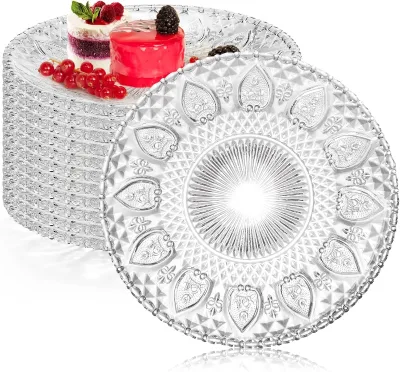
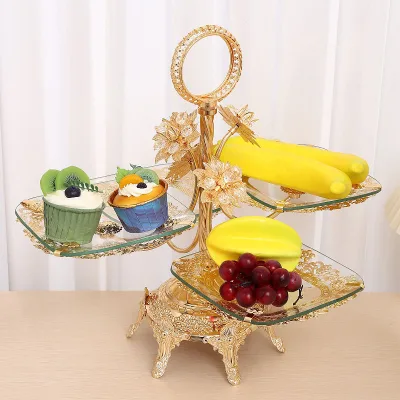
Classic Engraved Sunflower Pattern Glass Fruit Plate with Stand for Wedding
$1.53 - $1.71
MOQ: 4000 Pieces

High-End White Opal Food Plate with Classic Flower Decal Home Dinner Plate
$0.60 - $0.70
MOQ: 10000 Pieces

12.2inch High White Opal Glass Dinner Plate with Flower Decals Dessert Dish Dinnerware
$0.74 - $0.77
MOQ: 20000 Pieces

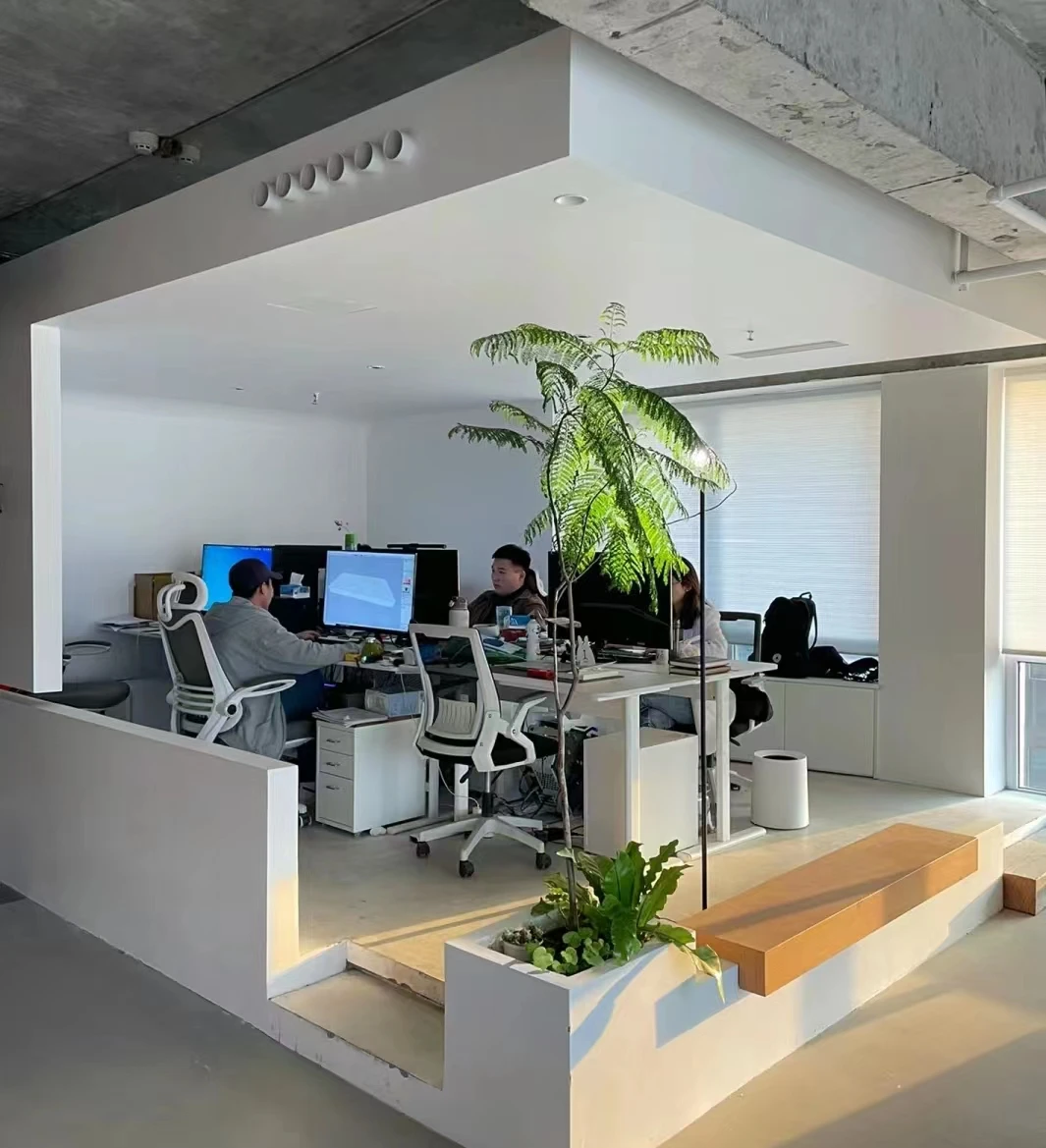
Suzhou Dajiatong International Trade Co., Ltd.
- Trading Company
- Jiang Su, China
- Lead time35 days
- Avg. response≤ 2h
Main productsglassware,ceramic mug,whiskey glass,glass water bottle,glassjar
Main marketsNorth America(40.00%), Western Europe(26.00%), South America(5.00%), Northern Europe(5.00%), Southeast Asia(5.00%), Eastern Europe(5.00%), Southern Europe(4.00%), Central America(2.00%), Domestic Market(2.00%), South Asia(2.00%), Oceania(1.00%), Eastern Asia(1.00%), Mid East(1.00%), Africa(1.00%)

Shanxi Midas Industrial Co., Ltd.
- Verified by CTI
- Manufacturer/Factory
- China Shanxi
- Lead time23 days
- Avg. response≤ 17h
Main productsDuctile Iron Pipe and Fitting, Steel Pipe and Fitting, Valve, Manhole Cover, Coupling, Flange, Water Meter, Dismantling Joint, Flange Adaptor, Pumps
Main marketsSouth America,Eastern Europe,Mid East,North America,Southeast Asia,Eastern Asia,Western Europe,Africa


Modern Classic Dish Sets Round Glass Fruit Plates Eco-Friendly for Weddings Parties Hotels
$1.98 - $3.98
MOQ: 500 Pieces

- Verified by TUVRHEINLAND
- Trading Company
- China Hunan
- Lead time45 days
- Avg. response≤ 2h
Main productsCeramic Mug, Vacuum Flask, Dinner Set, Cup, Mug, Thermal Bottle, Ceramic Dinner Set, Glass Jar, Glass Cup, Wine Cup
Main marketsSoutheast Asia/ Mideast


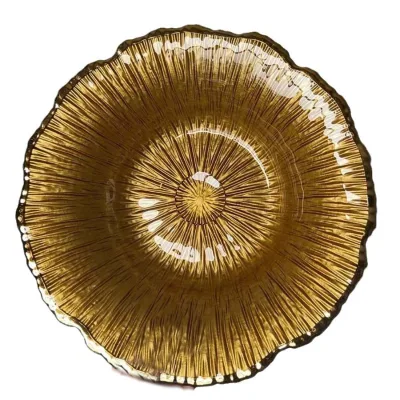
Home Handmade Transparent Decorative Glass Cake Plate with Golden Rim Glass Fruit
$0.70 - $0.99
MOQ: 1000 Pieces


$0.80 - $1.20
MOQ: 1000 Pieces

Rollin Porcelain Industrial Co., Ltd.
- Verified by BV
- Manufacturer/Factory
- China Guangdong
- Lead time45 days
- Avg. response≤ 6h
Main productsPorcelain Dinnerware, Tableware, Dinner Set, Dinner Plate, Hotel and Restaurant Tableware, Bone China, Cutlery, Glassware, Ceramic Plate, Porcelain
Main marketsEastern Europe,Mid East,North America,Southeast Asia,Eastern Asia,Oceania,Western Europe


Wholesale Romantic Clear Gold Tableware Beaded Glass Charger Plates Wedding
$3.40 - $3.75
MOQ: 100 Pieces

Elegant Gold Round Exquisite Restaurant Dessert Gold Plated Dinner Set Wedding Glass Charger Plates
$3.40 - $3.75
MOQ: 100 Pieces


Chaozhou Jiayuehui Tableware Co., Ltd.
- Verified by SGS
- Manufacturer
- China Guangdong
- Lead time45 days
- Avg. response≤ 25h
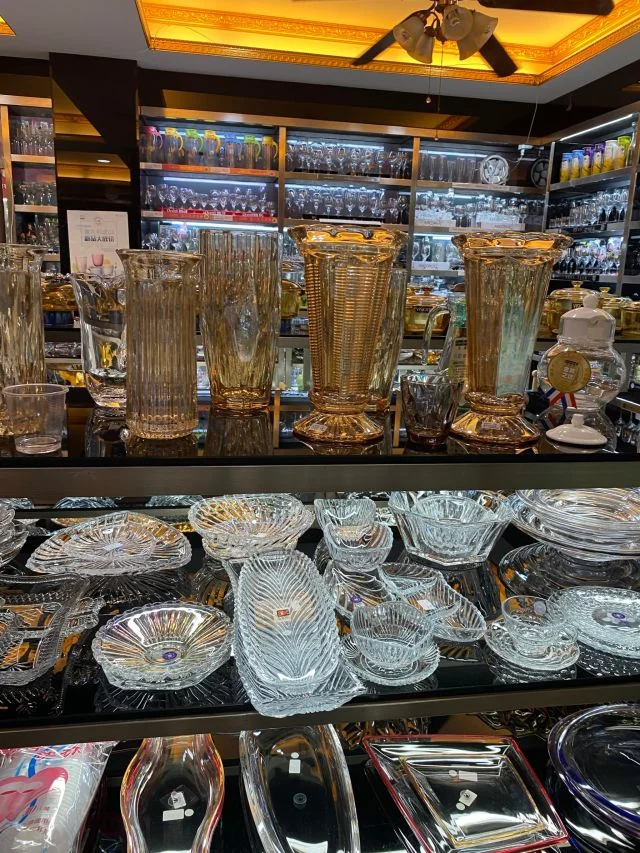
Shanxi Snw Science And Trade Co., Ltd.
- Trading Company
- Shanxi, China
- Lead time45 days
- Avg. response≤ 7h
Main productsWine glass,Glass Candle Jar,Glass Vase,Beer Glass,Glass Storage Jar
Main marketsSouth America(20.00%), North America(15.00%), Central America(10.00%), Eastern Europe(10.00%), Eastern Asia(8.00%), South Asia(6.00%), Northern Europe(5.00%), Southeast Asia(5.00%), Western Europe(5.00%), Oceania(5.00%), Mid East(4.00%), Southern Europe(4.00%), Domestic Market(3.00%)

- Verified by SGS
- Trading Company
- China Zhejiang
- Lead time15 days
- Avg. response≤ 16h
Main productsFan, Heater Fan, Air Fryer, Toaster, Rice Cooker, Vacuum Cleaner, Coffee Machine, Hairdressing Appliance, Electric Toothbrush, Steam Iron
Main marketsEurope,Australia

Best Selling Pearl Point Glass Dinner Plate European Creative Western Food Plate
$2.14 - $2.38
MOQ: 420 Pieces


Shanxi Midas Industrial Co., Ltd.
- Verified by TUVRHEINLAND
- Trading Company
- China Shanxi
- Lead time15 days
- Avg. response≤ 9h
Main productsWine Glass, Glass Plate, Wooden Tray, Scented Candle, Plastic Water Bottle, Stainless Steel Water Bottle, Dinnerware Set, Beer Glass
Main marketsEurope,North America
Ningbo Akkodis Commodity Co., Ltd.
- Trading Company
- Zhejiang, China
- Lead time15 days
- Avg. response≤ 8h
Main productswooden cutlery,bamboo skewers,babmoo toothpicsk,PLA cutlery,kitchenwares
Main marketsEastern Asia(30.00%), North America(30.00%), Mid East(10.00%), South America(10.00%), Eastern Europe(10.00%), Northern Europe(5.00%), Africa(5.00%)

Xuzhou Boklan Import & Export Trade Co., Ltd.
- Verified by TUVRHEINLAND
- Trading Company,Manufacturer/Factory
- China Jiangsu
- Lead time38 days
- Avg. response≤ 8h
Main productsGlass Jar, Glass Bottle, Liquor Glass Bottle, Lids Caps Corks, Cosmetic Jar, Essential Oil Bottle, Glass Tube, Sauce Bottle, Mason Jar, Plastic Bottle
Main marketsSouth America,Eastern Europe,Mid East,North America,Southeast Asia,Eastern Asia,Oceania,Western Europe,Africa

Wholesale Cheap Price Glass Dessert Charger Plate Soda - Lime Glass Fruit Plate Dessert Plate
$0.83 - $0.96
MOQ: 5000 Pieces

Glass Fruit Plate Can Be Customized Color Add Logo Crystal Glass Fruit Plate
$0.83 - $0.96
MOQ: 5000 Pieces
Shanxi Delight Houseware Co., Ltd.
- Verified by Intertek
- Trading Company
- Lead time30 days
- Avg. response≤ 5h
Main productsGlass Drinkware, Glass Plate and Bowl, Glass Candle Holder, Glass Decanter
Main marketsNorth America(20%), Mid East(15%), South America(10%)
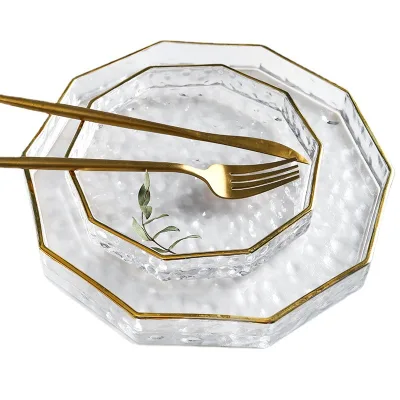
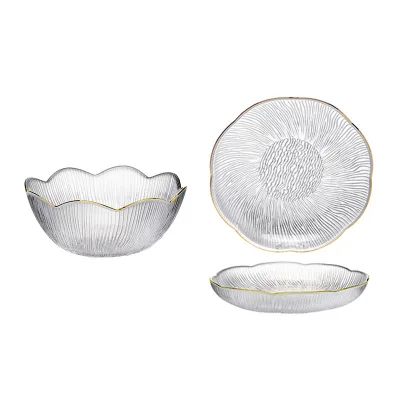
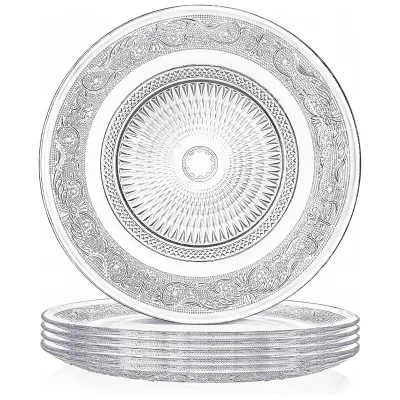
Simple Style Transparent Glass Auspicious Cloud Pattern Dinner Plate for Dessert
$4.19 - $5.69
MOQ: 100

Qingdao Simpassic Import and Export Co., Ltd.
- Trading Company,Manufacturer/Factory
- China Shandong
- Lead time0 days
- Avg. response≤ 23h
Main productsGlass Cup, Glass Jar, Borosilicate Glass Food Containers, Glass Mug, Tableare, Glass Tumbler, Glassware, Glass Jug, Glass
Main marketsSouth America,Eastern Europe,Mid East,North America,Southeast Asia,Eastern Asia,Oceania,Western Europe,Africa

Zibo Timestone International Co., Ltd.
- Manufacturer/Factory
- China Shandong
- Lead time45 days
- Avg. response≤ 13h
Main productsCeramic Dinnerware, Ceramic Mugs, Stainless Steel Bottles Mugs and Tumblers, Glass Bottles Mugs and Tumblers, Dinnerware, Tableware, Glassware, Kitchenware, Household Items, Ceramic Granding Balls and Filters
Main marketsSouth America,Eastern Europe,Mid East,North America,Southeast Asia,Eastern Asia,Oceania,Western Europe,Africa






Comprehensive Sourcing Guide
Engraved Classic Glass Dessert Plate Supplier Concentration and Factory Types
The current supplier landscape for engraved classic glass dessert plates shows a concentration of manufacturing and trading entities primarily located in China, with specific activity noted in Guangdong and Jiangsu provinces. These regions host a mix of trading companies and manufacturers that offer diverse product lines including glassware, dinnerware, and ceramic items. Some suppliers operate with their own brands, such as Garbo Glassware, while others provide OEM and ODM services to meet specific buyer requirements. The presence of these facilities indicates a mature supply chain capable of handling both standard and customized orders for glass tableware.
When evaluating the factory types, buyers should distinguish between pure trading companies and those with direct manufacturing capabilities. The available data indicates that many suppliers in this category function as both, offering the flexibility of a trading company with the production control of a factory. This dual role often allows for broader product ranges, including opal glassware, stainless steel cutlery, and various glass cups. Buyers must verify the specific nature of the supplier's operation to ensure they are dealing with a direct source for production or a specialized intermediary for sourcing.
How to Verify Engraved Classic Glass Dessert Plate Suppliers
Verification of suppliers for engraved classic glass dessert plates requires a rigorous check of their credentials and operational history. Key indicators include system certifications such as BSCI and ISO 9001, which suggest adherence to international management standards. Additionally, third-party verification from entities like TÜV Rheinland provides an external layer of trust regarding the supplier's business legitimacy. Buyers should prioritize suppliers who display these verifications prominently, as they serve as concrete evidence of a compliant and stable business entity.
Beyond certifications, the response time and product attributes offer further insight into supplier reliability. A response time metric, such as the observed 5.10 hours, can indicate the efficiency of the supplier's communication channels. Buyers should also examine product-specific details like material composition, customization availability, and sample policies. For instance, the availability of samples and the ability to customize designs are critical for ensuring the final product meets specific aesthetic and functional requirements. These factors collectively help in building a profile of a supplier that is both responsive and capable of delivering high-quality glassware.
What to Compare Across Engraved Classic Glass Dessert Plate Suppliers
Comparing suppliers involves analyzing a range of operational metrics that directly impact the sourcing process and final product quality. Key dimensions include lead times, which can vary significantly, with some suppliers indicating a standard 45-day production window while others may offer faster turnaround for stock items. Minimum Order Quantities (MOQ) are another critical factor, ranging from 5,000 pieces for certain custom designs to 10,000 or even 20,000 pieces for larger production runs. Buyers must align these thresholds with their inventory needs and budget constraints to avoid overstocking or under-ordering.
Price structures and product specifications also require careful comparison across different suppliers. The cost per unit can fluctuate based on material quality, design complexity, and order volume, with observed price ranges varying from approximately $0.36 to $2.35 per piece depending on the specific item. Features such as eco-friendliness, color options, and certification standards like FDA or CE/EU further differentiate products. Buyers should create a comparison matrix that includes these variables to identify the most cost-effective and suitable supplier for their specific Engraved Classic Glass Dessert Plate requirements.
Common Engraved Classic Glass Dessert Plate Sourcing Risks
One significant risk in sourcing engraved classic glass dessert plates is the variability in lead times and delivery schedules. While some suppliers may promise a 40-day lead time, others might list delivery as negotiable or have longer production cycles. This inconsistency can disrupt supply chain planning, especially for buyers with tight deadlines or seasonal demand. It is essential to confirm the exact lead time for each order and understand the factors that could cause delays, such as raw material availability or production capacity constraints.
Another risk involves the potential mismatch between product specifications and buyer expectations. Although many suppliers offer customization, the actual output may differ in terms of color, size, or design fidelity if not clearly defined. For example, while some products are described as having a "High White" quality, others may vary in transparency or finish. Buyers must ensure that all design details, including decal patterns and dimensions, are explicitly agreed upon in writing. Failure to do so can result in receiving products that do not meet the required standards, leading to financial loss and reputational damage.
Engraved Classic Glass Dessert Plate Regional Sourcing and Logistics
Sourcing from regions like Guangdong and Jiangsu in China offers access to a dense network of glassware manufacturers and trading companies. These areas are known for their specialized industrial clusters, which facilitate efficient production and logistics for glass products. The proximity of raw material suppliers and processing facilities in these regions often results in competitive pricing and faster production cycles. However, buyers should be aware that specific product origins may vary, with some items sourced from Liangyungang or other specific locations within these provinces, affecting shipping routes and costs.
Logistics planning must account for the specific packaging and shipping requirements of glassware, which is fragile and prone to damage during transit. Suppliers often use color boxes and cartons designed to protect the plates, with packing configurations such as 2 pieces per color box or 12 pieces per carton. Buyers should verify the packing standards and ensure that the shipping method aligns with the product's fragility. Additionally, understanding the origin of the goods, whether from Guangdong or Jiangsu, helps in estimating transit times and calculating accurate landed costs, including duties and insurance.
Engraved Classic Glass Dessert Plate Commercial Terms and Order Planning
Commercial terms for engraved classic glass dessert plates often include specific conditions regarding payment, delivery, and customization. Many suppliers offer flexible delivery terms, with some stating "negotiate" for delivery schedules, while others provide fixed lead times. Buyers should clarify these terms early in the negotiation process to avoid misunderstandings. Additionally, the availability of stock versus custom production can significantly impact the timeline and cost, with stock items potentially offering quicker delivery but limited design options compared to fully customized orders.
Order planning must also consider the minimum order quantities and pricing tiers associated with different product models. For instance, some items may require a minimum of 5,000 pieces, while others demand 10,000 or 20,000 pieces. Buyers should assess their sales forecasts and inventory strategies to determine the optimal order size that balances cost efficiency with storage capacity. Furthermore, understanding the certification requirements, such as FDA or CE/EU compliance, is crucial for ensuring that the products meet the regulatory standards of the target market, thereby mitigating the risk of customs delays or product rejection.
FAQs
What is the minimum order quantity for engraved glass dessert plates?
The minimum order quantity varies by product style. Some engraved options require 4,000 pieces, while others start at 5,000 pieces. Certain stock items may have lower thresholds, but bulk orders typically begin at 10,000 pieces. Buyers should verify the specific MOQ for their chosen design before placing an order.
How long does production take for custom engraved glass plates?
Production lead times generally range from 40 to 45 days for standard orders. Some suppliers offer faster turnaround for stocked items, while custom designs may require additional time. Buyers should confirm the exact delivery schedule with the supplier to ensure it aligns with their project timeline and shipping requirements.
Are these glass plates safe for food contact?
Yes, these plates are designed for daily food use and meet food safety standards. Many products carry FDA, CE/EU, or CIQ certifications. The materials are typically high-white opal glass or embossed glass, ensuring they are non-toxic and suitable for serving desserts, fruits, and other meals safely.
Can I customize the design on the glass plates?
Customization is available for most engraved glass dessert plates. Suppliers offer OEM and ODM services, allowing buyers to select specific decal patterns, colors, or shapes. The customization options include multicolor designs or transparent finishes, ensuring the final product matches your brand identity or event theme perfectly.
What is the price range for these glass dessert plates?
Prices vary based on size, material, and order volume. Basic opal glass plates can cost between $0.36 and $0.96 per piece. More intricate engraved designs or larger sizes may range from $0.74 to $2.36 per piece. Buyers should request a quote for accurate pricing based on their specific quantity.
Where are these glass plates manufactured?
These glass plates are primarily manufactured in China, with production facilities located in Guangdong and Jiangsu provinces. The origin ensures access to established glassware supply chains and manufacturing expertise. Buyers can verify the specific production location with the supplier to understand logistics and shipping implications for their orders.