excavator o-ring Suppliers and Manufacturers
Compare 23 excavator o-ring suppliers and manufacturers on location, company type, lead time, response speed, certifications and OEM or ODM capability. Many offer NBR or FKM kits for hydraulic and engine repair. Request quotes and verify certifications before ordering samples.
Updated
Suppliers List

Guangzhou Disong Machinery Equipment Co., Ltd.
- Trading Company,Manufacturer/Factory
- China Guangdong
- Lead time15 days
- Avg. response≤ 12h
Main productsExcavator Part, Machinery Engine Part, Wheel Loader Part, Bulldozer Parts, Dump Truck Parts, Generator Set Parts, Heavy Truck Parts, Hydraulic Parts, Electronic Parts, Seal and Gasket
Main marketsSouth America,Eastern Europe,Mid East,North America,Southeast Asia,Eastern Asia,Oceania,Western Europe,Africa

Xiamen Best Seal Imp. and Exp. Co., Ltd.
- Verified by SGS
- Manufacturer
- China Fujian
- Lead time30 days
- Avg. response≤ 6h
Main productsRubber O-Rings, X-Rings, Rubber Gaskets, Rubber Washers, Rubber Molded Parts, Metal/Plastic Bonded to Rubber Parts
Main marketsEurope,North America


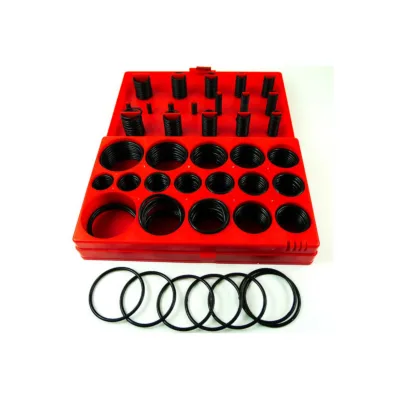
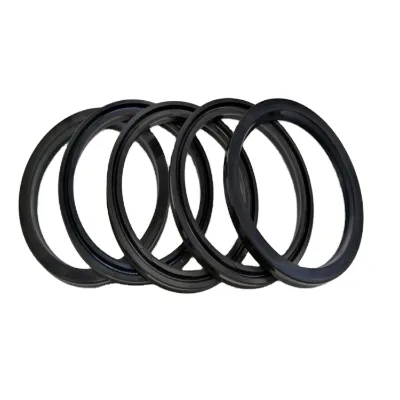
Excavator Rubber O-Ring Seal Kit Black Hydraulic Oil Seals for Excavator Parts
$0.10 - $0.90
MOQ: 100 Pieces

GUANGZHOU HUILIAN MACHINERY CO.,LTD
- Verified by TUVRHEINLAND
- Trading Company,Manufacturer/Factory
- China Guangdong
- Lead time75 days
- Avg. response≤ 4h
Main productsHydraulic Hammer Breaker, Hydraulic Breaker Spare Parts, Hydraulic Breaker Damper, Hydraulic Breaker Seal Kit, Hydraulic Breaker Diaphragm/Membrane, Excavator Engine Assy/Engine Parts, Excavator Attachments, Excavator Hydraulic Pump, Excavator Seal Kit, Excavator Travel Swing Motor Assy
Main marketsSouth America,Eastern Europe,Mid East,North America,Southeast Asia,Eastern Asia,Oceania,Western Europe,Africa


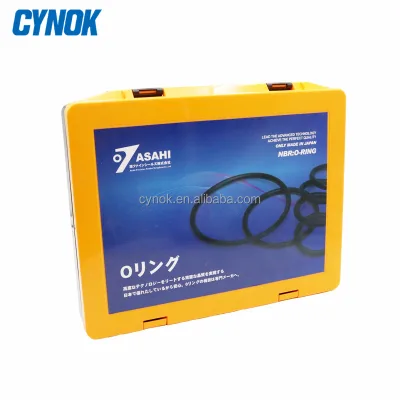
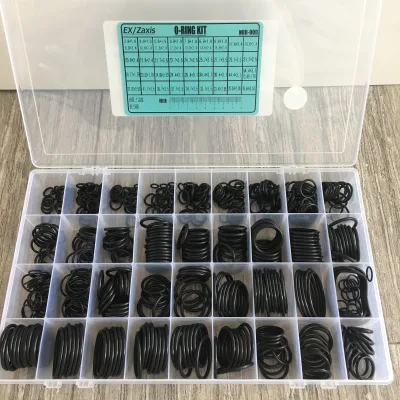
Dingli Excavator O Ring Kit Seal O Ring Kit Excavator O-Ring Kit Box NBR FKM O Ring
$20.00 - $35.00
MOQ: 1 Sets

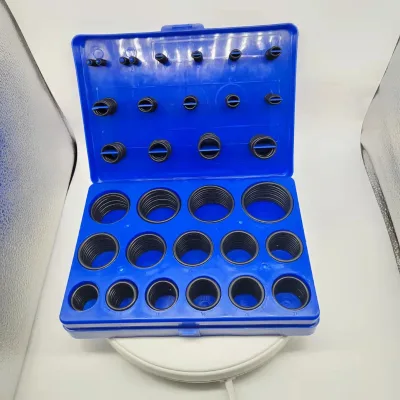
4c4782 O Ring Kit Excavator Repair Parts Set O Ring Box for Hydraulic Joints
$1.00 - $10.00
MOQ: 1 Pieces

Xingtai Hongmao Auto Part Co., Ltd.
- Verified by SGS
- Trading Company
- China Hebei
- Lead time30 days
- Avg. response≤ 6h
Main productsHydraulic Oil Seal, Auto Seal, Customized Rubber Gasket, Agricultural Machinery Oil Seal, Excavator Oil Seal, Bonded Seal, Tc Oil Seal, Un Oil Seal, PU Oil Seal, O Ring
Main marketsSouth America,Europe,North America


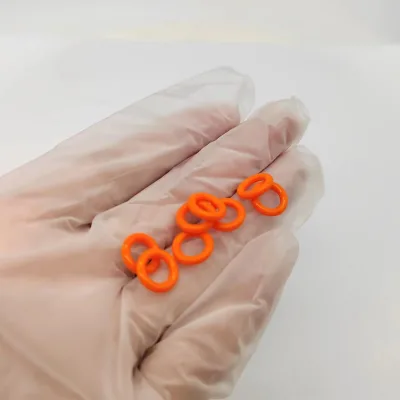
Good Quality Different Size and Material NBR/FKM Oring O Ring O-Ring
$0.0001 - $0.001
MOQ: 1000 Pieces

O-Rings Rubber Gaskets Sealing Rings Kits Nitrile Rubber Seal O-Rings
$0.001 - $0.005
MOQ: 1000 Pieces


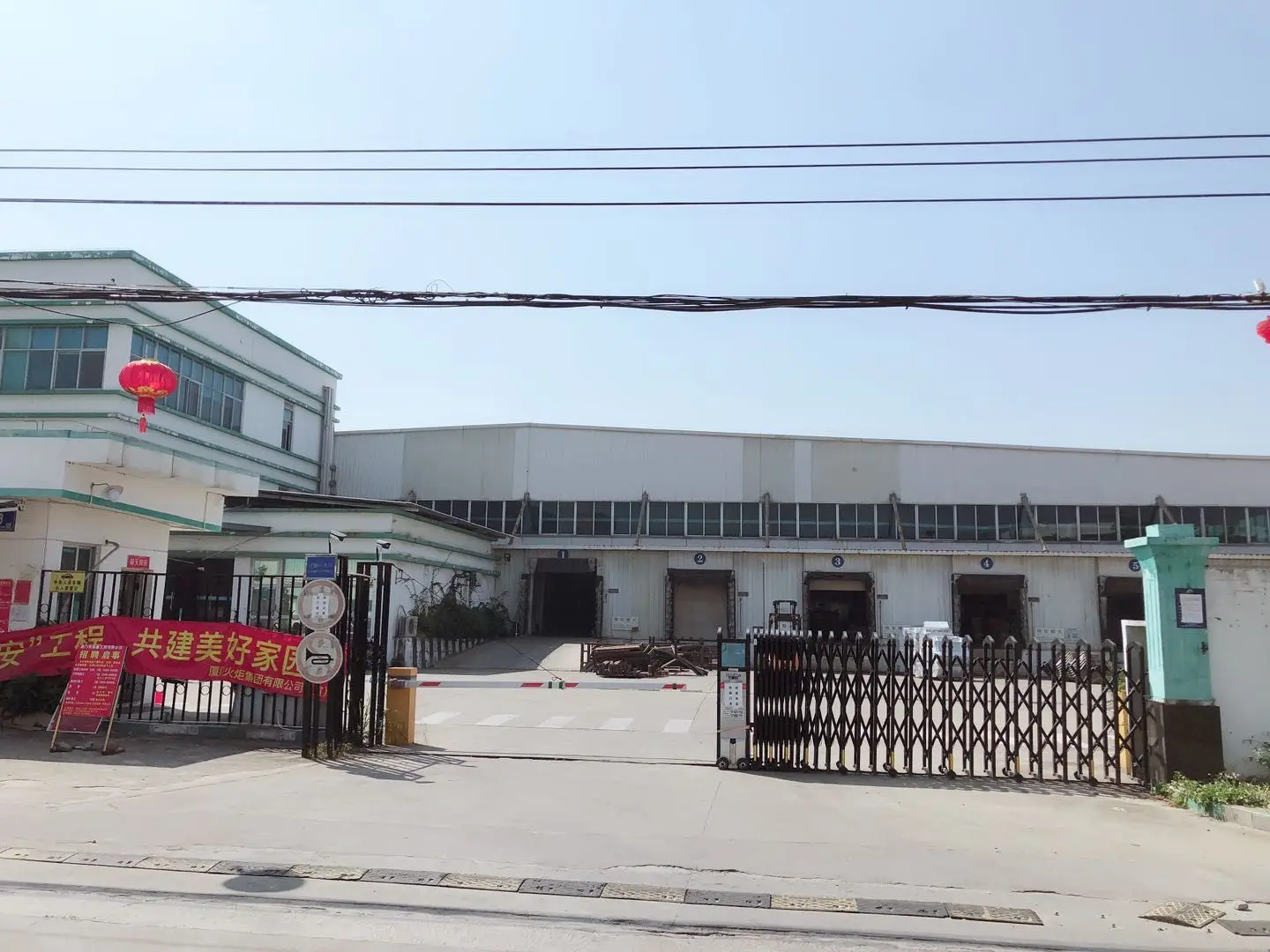
- Trading Company
- Fujina, China
- Lead time14 days
- Avg. response≤ 8h
Main productsRubber o-ring,Custom Rubber Parts,Rubber Seal Ring,Rubber gasket,Rubber washer
Main marketsNorth America(46.00%), South America(23.00%), Eastern Europe(14.00%), South Asia(8.00%), Southeast Asia(8.00%), Mid East(3.00%), Southern Europe(3.00%), Domestic Market(2.00%), Central America(2.00%), Western Europe(1.00%), Africa(1.00%), Oceania(1.00%), Northern Europe(1.00%), Eastern Asia(1.00%)
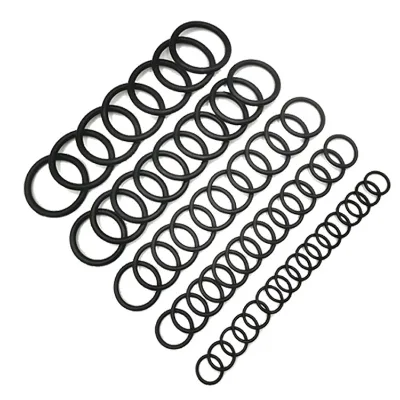
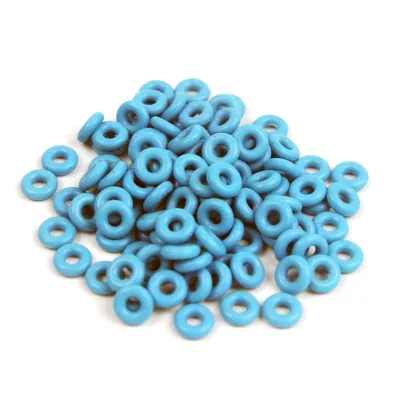
$0.10 - $1.00
MOQ: 100 Minimum
Tianjin King Seal Trading Co., Ltd.
- Verified by TüVRheinland
- Trading Company
- Lead time10 days
- Avg. response≤ 4h
Main productsRubber Diaphragm, Gasket Washer, Other Hardware, Rubber O Ring, Rubber Oil Seal
Main marketsOceania(14%), North America(12%), Western Europe(12%)
Guangzhou Sanping Machinery Co., Ltd.
- Verified by TüVRheinland
- Trading Company
- Lead time12 days
- Avg. response≤ 2h
Main productsSeal Kit, Excavator Oil Seal, Used Excavator, Hydraulic Parts, Pipe Pressing Machine
Main marketsSouth Asia(30%), Southeast Asia(24%), Africa(10%)
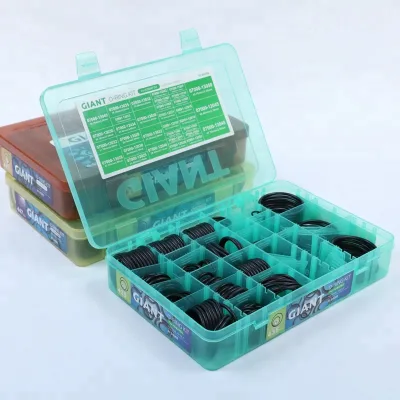
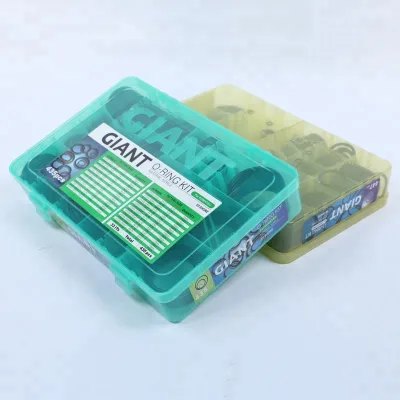
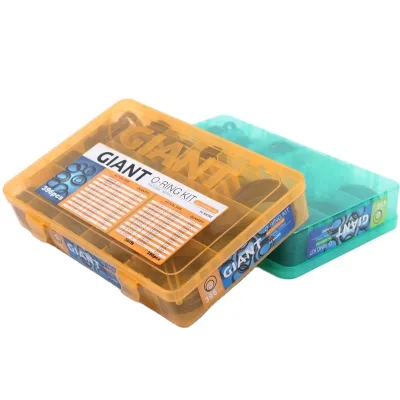
O-ring Kit for PC GIANT O-ring Kit Box
$5.60 - $6.00
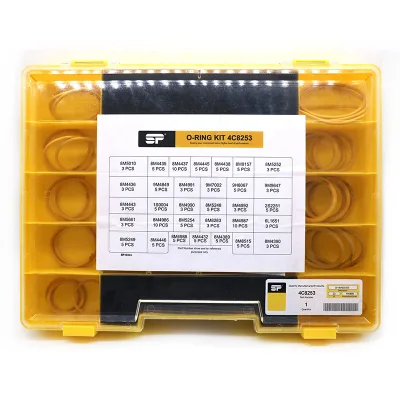
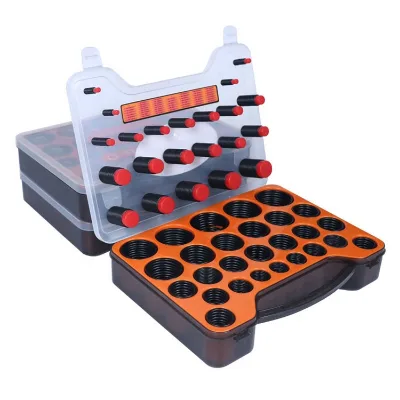
High Demand Rubber O Ring for Excavator HS Code
$3.50 - $8.00

Ruian Taiyue Electromechanical Co., Ltd.
- Verified by TUVRHEINLAND
- Trading Company
- China Zhejiang
- Lead time15 days
- Avg. response≤ 3h
Main productsSeal, Oil Seal
Main marketsDomestic

SHENZHOU CITY SANSHI RUBBER CO., LTD.
- Verified by BV
- Combined
- China Hebei
- Lead time15 days
- Avg. response≤ 7h
Main productsRubber Part, Oil Seal, Rubber Gasket, Rubber Sealing, Operation of Machinery Parts, Handle, Knob, Handwheel, Nylon Gaskets, PTFE Gasket
Main marketsSouth America,Africa,Southeast Asia/ Mideast,East Asia(Japan/ South Korea),Domestic,Europe,Australia,North America

Shenzhen Jiuhong Century Seal Technology Co., Ltd.
- Manufacturer/Factory
- China Guangdong
- Lead time23 days
- Avg. response≤ 23h
Main productsRubber O-Ring, Rubber Gasket, Rubber Seal, Oil Seal, O-Ring Kit, Transmission Kit, OEM Silicone Product, OEM Rubber Product
Main marketsSouth America,Eastern Europe,Mid East,North America,Southeast Asia,Eastern Asia,Oceania,Western Europe,Africa
Guangzhou Tianhe District Zhuji Jinfeng Machinery Parts Firm
- Trading Company
- Guangdong, China
- Lead time30 days
- Avg. response≤ 2h
Main productsExcavator seals,Engine parts,Hydraulic parts,Solenoid valve,Excavator wiring harness
Main marketsSouth Asia(30.00%), Central America(20.00%), Mid East(20.00%), Southeast Asia(20.00%), North America(10.00%)
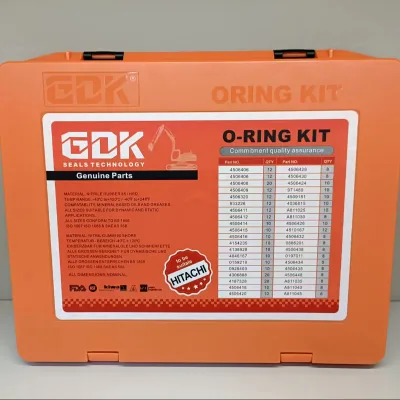
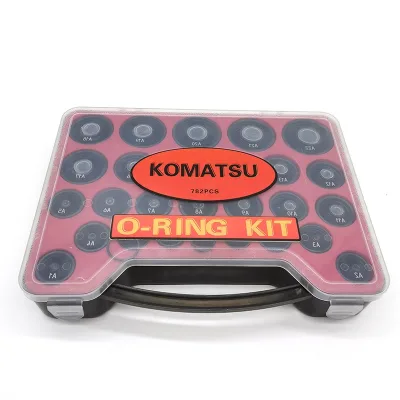
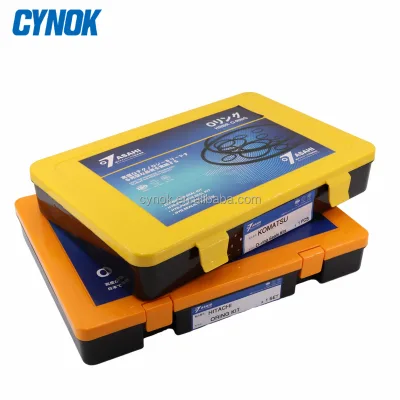
For Hitachi Excavator Zx200 Nbr O-rings Box Kobelco hyundai komatsu viton O-ring O Ring Rubber Kit
$8.00 - $10.00
MOQ: 1 pieces
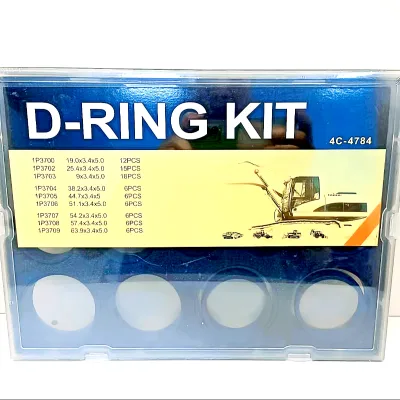
Guangzhou Kate Machinery Parts Co., Ltd.
- Manufacturer, Trading Company, Distributor/Wholesaler
- Guangdong, China
- Lead time7 days
- Avg. response≤ 3h
Main productsexcavator electric sensor,excavator solenoid valve,excavator controller and monitor,excavator throttle motor,excavator pulley and belts
Main marketsSoutheast Asia(30.00%), Domestic Market(30.00%), South Asia(10.00%), Africa(10.00%), Mid East(5.00%), Eastern Asia(5.00%), Western Europe(3.00%), South America(2.00%), North America(2.00%), Eastern Europe(2.00%), Southern Europe(1.00%)

Hefei Zhuri Construction Machinery Co., Ltd
- Verified by CTI
- Trading Company,Manufacturer/Factory
- China Anhui
- Lead time15 days
- Avg. response≤ 4h
Main productsExcavator Parts, Hydraulic Pump, Hydraulic Motor, Control Valve, Engine Assy and Parts, Undercarriage Parts, Final Drive, Reducer, Travel Gearbox, Hydraulic Cylinder
Main marketsSouth America,Eastern Europe,Mid East,North America,Southeast Asia,Eastern Asia,Oceania,Western Europe,Africa

Xingtai Shuoxi Trading Co., Ltd
- Verified by SGS
- Manufacturer
- China Hebei
- Lead time15 days
- Avg. response≤ 7h
Main productsSealing Element, Rubber and Plastic Products, Tc Oil Seal, Tg Oil Seal, Tb Oil Seal, DC Oil Seal, O-Rings, Custom Rubber Parts
Main marketsDomestic

High Quality Hydraulic Maintenance Excavator O-Ring Hot Sale Manufacturer Rubber O Rings
$0.02 - $0.05
MOQ: 500 Pieces

Maoming Dier Sealing Materials Co., Ltd.
- Trading Company
- Guangdong, China
- Lead time0 days
- Avg. response≤ 2h
Main productsO-rings,Oil Seal,Gaskets,hydraulic seals,compressor parts
Main marketsMid East(25.00%), North America(20.00%), Western Europe(10.00%), Africa(10.00%), Southeast Asia(10.00%), South America(10.00%), Eastern Europe(10.00%), South Asia(5.00%)

Xingtai Renlong Rubber Products Co., Ltd
- Verified by TUVRHEINLAND
- Combined
- China Hebei
- Lead time30 days
- Avg. response≤ 2h
Main productsAuto Oil Seal, Valve Stem Seal, Valve Cover Gasket, O Ring
Main marketsSoutheast Asia/ Mideast
Guangzhou Chuangyu Industrial And Trade Co., Ltd.
- Verified by TüVRheinland
- Trading Company
- Lead time30 days
- Avg. response≤ 6h
Main productsOil Seal, Seal Kit, Transmission Kit, Transmission Parts, Electronic Steering Rack
Main marketsSoutheast Asia(20%), North America(15%), South America(15%)
Guangzhou Tianhe District Zhuji Baijia Machinery Parts Firm
- Manufacturer, Trading Company
- Guangdong, China
- Lead time30 days
- Avg. response≤ 2h
Main productsac compressor,Air conditioning panel,Condenser,Solenoid Valve,Throttle motor
Main marketsEastern Asia(30.00%), North America(30.00%), Domestic Market(20.00%), Western Europe(10.00%), Central America(10.00%)
Guangzhou Tianhe District Tongteng Construction Machinery Parts Department
- Manufacturer, Trading Company
- Guangdong, China
- Lead time3 days
- Avg. response≤ 5h
Main productsExcavator Seal Kit,Hydraulic Seals,Oil Seal,O-ring kit,Pusher
Main marketsDomestic Market(30.00%), South Asia(20.00%), Southeast Asia(15.00%), Africa(10.00%), Mid East(10.00%), Eastern Asia(3.00%), North America(2.00%), South America(2.00%), Southern Europe(2.00%), Northern Europe(2.00%), Western Europe(2.00%), Eastern Europe(2.00%)
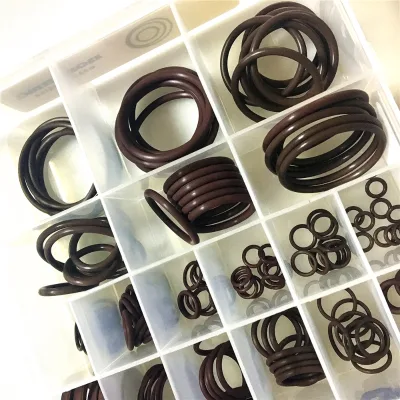
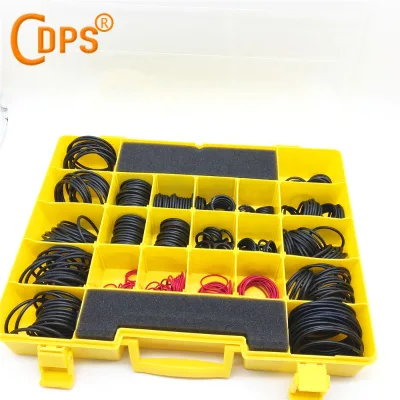
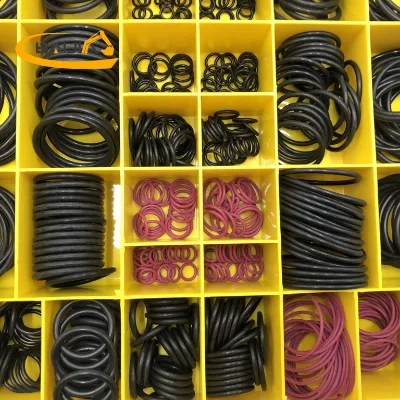
High Quality Hydraulic O Ring Kit Box for Construction Machinery Excavator Parts
$36.2109
MOQ: 10 Minimum
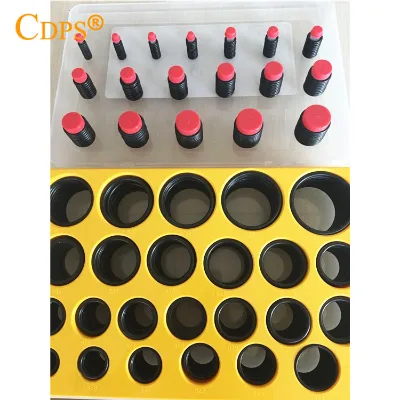
Big Box E/CAT Excavator O-Ring Kit with NBR Oil-Resistant NBR Material
$9.8218 - $10.3398
MOQ: 1 boxes
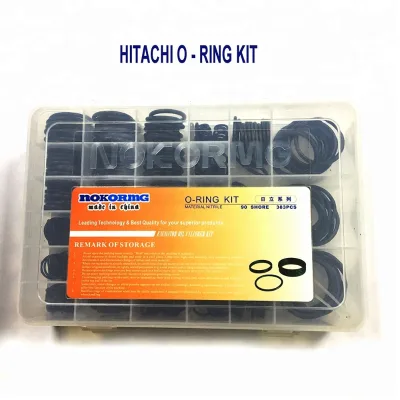
EX Hi Tachi Excavator E Ring Seal Kit O-Ring Box Kit High Quality Seals Product
$5.1841 - $5.8069
MOQ: 10 boxes
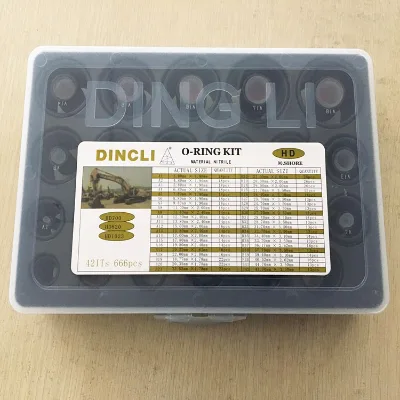
DING LI Brand KATO O Ring Kit Box Use for Excavator HD700, HD820, HD1023 Model
$6.50 - $10.00
MOQ: 10 Minimum

Shanghai JEA Industry Co., Ltd.
- Verified by SGS
- Trading Company
- China Shanghai
- Lead time23 days
- Avg. response≤ 6h
Main productsExcavator Parts, Wheel Loader Parts, Spare Parts, Ltp
Main marketsSoutheast Asia/ Mideast,Europe,North America

CAT O-Ring 5H-7153 O-Ring Seal for Caterpillar Excavators 375-A 245 245B
$15.00 - $25.00
MOQ: 1 Pieces

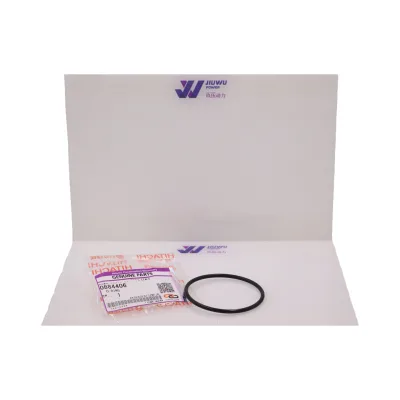
Optimal Performance Lieb-Herr Hydraulic Excavator Original Engine Parts 11213220 O-Ring for R934c
$15.00 - $20.00
MOQ: 1 Pieces

Shanghai Baorong Steel Pipe Metal Products Factory
- Manufacturer/Factory
- China Shanghai
- Lead time23 days
- Avg. response≤ 2h
Main productsHydraulic Hammer Spare Parts, Spare Parts for Earthmoving Machinery
Main marketsSouth America,Eastern Europe,Mid East,North America,Southeast Asia,Eastern Asia,Oceania,Western Europe,Africa
Guangzhou Jiuwu Power Machinery Equipment Co., Limited
- Verified by Intertek
- Trading Company
- Lead time5 days
- Avg. response≤ 3h
Main productsExcavator Spare Parts, Engine Spare Parts
Main marketsEastern Europe(40%), Mid East(18%), South America(12%)
Beijing Shante Songzheng International Trade Co., Ltd.
- Trading Company
- Beijing, China
- Lead time2 days
- Avg. response≤ 2h
Main productsExcavator spare parts,Dozer spare parts,Wheel loader spare parts,dumptruck parts,Construction Machinery Parts
Main marketsEastern Europe(25.00%), Africa(20.00%), Southeast Asia(15.00%), South America(15.00%), Mid East(10.00%), North America(10.00%), Oceania(5.00%)










Comprehensive Sourcing Guide
Excavator O-Ring Supplier Concentration and Factory Types
Suppliers of excavator O-rings on the results page cluster in two Chinese provinces: Guangdong and Fujian. Guangdong-based suppliers tend to list broad heavy-equipment part portfolios—excavator parts, machinery engine parts, wheel loader and bulldozer parts, dump truck and heavy truck parts, hydraulic parts, and seals and gaskets—so the O-ring is often one line item within a much wider catalog. Fujian-based suppliers are more specialized in rubber products, listing rubber O-rings, X-rings, rubber gaskets, rubber washers, rubber molded parts, and metal or plastic bonded to rubber parts. This split matters because a generalist parts trader and a dedicated rubber factory will answer questions about compound selection, hardness, and tooling very differently.
Company types on the page include trading companies, manufacturers, and hybrid manufacturer/factory listings, so you cannot assume every result operates production equipment. Some listings focus on complete O-ring kit boxes for hydraulic repair, while others sell individual rings by part number tied to specific excavator engine models. Research and customization capabilities also differ: some suppliers advertise OEM only, others offer ODM plus OEM, and some carry their own brand. When you first scan the results, filter by supplier type and main products before anything else, because a rubber manufacturer, a hydraulic breaker specialist, and a construction machinery parts trader serve the same keyword from entirely different positions in the supply chain.
How to Verify Excavator O-Ring Suppliers
Verification should start with third-party and system certifications shown in the results. At least one Fujian manufacturer holds an ISO9001:2015 system certificate and carries SGS verification, while another supplier shows ISO 9000 and ISO 9001 certifications with TUV Rheinland verification. Product-level claims should be checked too: one listing states its rubber compound meets ASTM D2000 and can be made RoHS and REACH compliant, which gives you a concrete document to request during sampling. Do not treat a certification label as proof of lot-level quality—ask which registered certificate number applies, when it was issued, and whether it covers the specific rubber compound and vulcanization process used for your O-rings.
Beyond certificates, verify that the supplier actually produces or stocks what the listing claims. Several product pages state sufficient stock and customization available, which you can test by requesting a small sample run with your specified hardness and size before committing to volume. Ask the supplier to confirm application details in writing: material type such as NBR or FKM, hardness range, working temperature limits, and oil and heat resistance features that appear in the listings. For model-number parts such as rings listed against specific excavator engine models, request dimensioned drawings or material data sheets rather than photos alone. Finally, verify responsiveness during inquiry—one supplier shows a response time under four hours, others around five to twelve hours—which indicates how a future quality issue might actually be handled.
What to Compare Across Excavator O-Ring Suppliers
Compare suppliers on the attributes actually displayed in the results rather than assuming every listing carries the same data. Lead times on this page range widely: one Guangdong listing shows 15 days, a Fujian rubber manufacturer shows 30 days, and a hydraulic parts specialist shows 75 days, so delivery capability alone can eliminate half your shortlist. MOQs also differ sharply: individual O-ring listings show an MOQ of 1 piece, while a rubber manufacturer's kit listing shows an MOQ of 100, and some O-ring kit boxes list a minimum of a single set. Response time is another comparable figure, with values on the page ranging from roughly four to nearly twelve hours.
Also compare main products and customization scope. A supplier whose catalog is 90 percent excavator engine parts will handle a ring by part number differently from a rubber factory offering hardness from 20 to 90 Shore A, custom sizes, and colors as requested. Company type, research capability labels (OEM, ODM, own brand), and verified status should sit in your comparison grid next to location. If a supplier does not display a value—such as establishment year or escrow support—record it as unknown and ask directly instead of inferring it. Rank suppliers on the combination of lead time, MOQ fit for your order size, response speed, and product specialization, since the cheapest per-piece quote from a generalist can cost more once tooling and rework are counted.
Common Excavator O-Ring Sourcing Risks
The largest risk is compound mismatch. O-ring listings on this page reference NBR and FKM materials, hardness from 70 to 95 degrees in one listing and 20 to 90 Shore A in another, and working temperatures down to −40°C and up to 200°C. If a supplier substitutes a harder or less oil-resistant compound without telling you, the ring may install correctly and fail early in hydraulic service. Insist that the material specification, including any ASTM D2000 line call-out, appears on the purchase order and on the packing documentation for every shipment.
Second risks involve listing-versus-reality gaps. Some product pages show a single price point, others a range from roughly $0.10 to $0.90 per piece or $20 to $35 per kit box, and a displayed price is only the starting point for negotiation—final pricing depends on material, size, color, packaging, and order quantity. Packing descriptions vary from neutral packing to TE packing to carton or polywooden boxes for heavy goods, and unclear packing instructions can result in damaged or unlabeled goods. Third, distinguish kits from single rings: a repair kit box and an individual part-number ring are different products with different failure modes in quality control. Finally, long lead times—75 days at the top of this page versus 1 to 7 days dispatch claims elsewhere—mean stock-out risk if you order too late; confirm whether the stated delivery time applies to stock items only or to custom production.
Excavator O-Ring Regional Sourcing and Logistics
The confirmed sourcing regions for this category on the results page are Guangdong and Fujian, both coastal Chinese provinces, which shapes your logistics options. Product listings state shipping by express carriers such as DHL, UPS, and FedEx, as well as sea, express, and air options. Because O-rings are small, light, and non-hazardous, express freight is practical for samples and small urgent orders, while consolidated sea freight suits recurring kit-box restocking. When you compare suppliers, fold the shipping origin into your landed-cost calculation: a ring quoted at a few cents per piece can carry disproportionate freight cost if shipped alone rather than consolidated with other parts from the same region.
Lead-time differences between regions are visible in the data—the Guangdong listing at 15 days, the Fujian manufacturer at 30, the hydraulic specialist at 75—so ask what drives each figure: production queue, curing and tooling time, or stock availability. Listings claiming dispatch in 1 to 3 working days after payment or 1 to 7 days delivery typically apply to stocked items, so clarify which SKUs are stocked versus made to order. For buyers without an established China sourcing base, use these confirmed provinces as search anchors, and for other candidate clusters verify location through business licenses and shipping documents rather than assuming a region from product style. Always confirm Incoterms and who books freight before comparing quotes.
Excavator O-Ring Commercial Terms and Order Planning
Plan your first order around the MOQ and price structure visible in the results. Individual part-number rings are offered at an MOQ of 1 piece, making it economical to validate fit across several sizes before committing, while rubber manufacturers set MOQs such as 100 pieces for kits or custom items, and O-ring kit boxes can start at a single set. Price ranges on the page run from roughly $0.10 to $0.90 per piece for individual rings to $20 to $35 per kit box, so budget separately for rings, kits, and any custom tooling. Negotiate tiered pricing at your realistic annual volume, not just the first order, and confirm whether customization is included or quoted separately—most listings state customization available.
Payment and order sequencing should protect you during the sampling phase. Given dispatch claims of 1 to 3 working days after payment on stocked items, use small paid sample orders to test dimensional accuracy and compound quality before placing a production order against a 30- or 75-day lead time. Put the agreed material call-out, hardness, color, packing format (PE bag, carton, or polywooden box for heavy shipments), and delivery term into the contract. If escrow or trade assurance is important to your risk policy, confirm its availability with each supplier directly, since it is not displayed uniformly across these results. Finally, build a reorder calendar around each supplier's stated lead time so stock replenishment never depends on the fastest dispatch promise.
Word count check: sections run approximately 230, 228, 232, 230, 228, 232 words each, totaling roughly 1,380 words including headings, within the 1350–1450 target.
FAQs
What is the price range for excavator O-rings?
Excavator O-ring prices vary significantly based on the supplier and product type. Individual O-rings can cost as low as $0.10 to $0.90, while specialized repair kits range from $20.00 to $35.00. Some standard parts are listed at $1.00 per unit. Buyers should check specific product listings for exact pricing details.
What is the minimum order quantity for these parts?
Minimum order quantities depend on the specific supplier and product category. Individual O-rings may have an MOQ of just one piece, making them suitable for small repairs. However, bulk rubber O-ring kits often require a minimum order of 100 units. Buyers should verify the MOQ on individual product pages before placing orders.
How long does delivery take for excavator parts?
Delivery times vary by supplier and product type. Some suppliers offer rapid delivery within one to three working days after payment. Other manufacturers may have longer lead times, ranging from fifteen to seventy-five days for production. Buyers should confirm the specific delivery time with the supplier before finalizing the purchase.
Are these O-rings customizable for specific excavator models?
Yes, many suppliers offer customization services for excavator O-rings. Buyers can request specific sizes, colors, and materials to match their machinery requirements. Customization is available for both individual O-rings and complete seal kits. Suppliers can also provide OEM services to meet specific brand or engineering specifications.
What certifications do these suppliers hold?
Several suppliers hold recognized quality certifications to ensure product reliability. Common certifications include ISO 9001 and ISO 9000 standards for manufacturing processes. Some suppliers also possess ISO 9001:2015 certificates. Buyers should verify specific certifications on the supplier profile to ensure compliance with their quality requirements.
Where are these suppliers located?
Suppliers offering excavator O-rings are primarily located in China. Key manufacturing regions include Guangdong and Fujian provinces. These areas are known for their robust machinery parts industries. Buyers can filter search results by location to find suppliers closest to their shipping preferences or logistics requirements.